Gray strands can look dull from dryness or develop an unwanted warm cast, and the right shampoo depends on which issue you want to solve. Your routine matters as much as the shade you see.
Brassiness is an unwanted yellow or orange cast that can make gray, white, silver, or blonde strands look warmer or duller. A color-depositing violet cleanser, called purple shampoo, can tone yellow warmth. A non-toning cleanser, or regular shampoo, washes hair without adding color pigment.
These picks include options for yellow tones, orange tones, moisture, and everyday washing. The goal is to help you choose a formula for your own strands, whether you want a cooler look or a softer feel.
Key Takeaways
- Match pigment to the visible cast, not just the label.
- Use regular shampoo when you want a non-toning wash.
- Moisture may matter more than toning for dry strands.
- Overusing toners can leave a tint you did not want.
- Start by identifying whether your main concern is yellowing, orange discoloration, or dryness.
Best Shampoo for Gray Hair: 10 Picks for Different Needs
The strongest starting point for natural gray or silver is Oribe Silverati, while Kérastase is a fit for yellow tones and a non-toning formula suits dry hair. Start with the concern you can see, rather than choosing by hair type alone.
These shampoos serve different needs, so the best fit depends on your color concern and routine. More than a dozen shampoos made for gray, white, silver, or platinum hair were tested for up to two weeks.
| Product | Pigment or formula | Stated size | Best fit |
|---|---|---|---|
| Oribe Silverati | Blue and silver pigments | 8.5 fl. oz. | Natural gray or silver without purple residue |
| Kérastase Blond Absolu Ultra-Violet | Violet pigments, hyaluronic acid, and edelweiss flower | 8.5 fl. oz. | Yellow tones in white, silver, or blonde hair |
| Maria Nila Sheer Silver | Violet pigments and blackberry extract | 11.8 fl. oz. | A daily-use toning option |
| Matrix So Silver | Deep violet pigments | 10.1 fl. oz. | Yellow tones |
Other shampoos fill specific gaps, from a bond-focused formula to a lower-cost choice. Olaplex No.4P is an 8.5-ounce purple shampoo with bond-building technology.
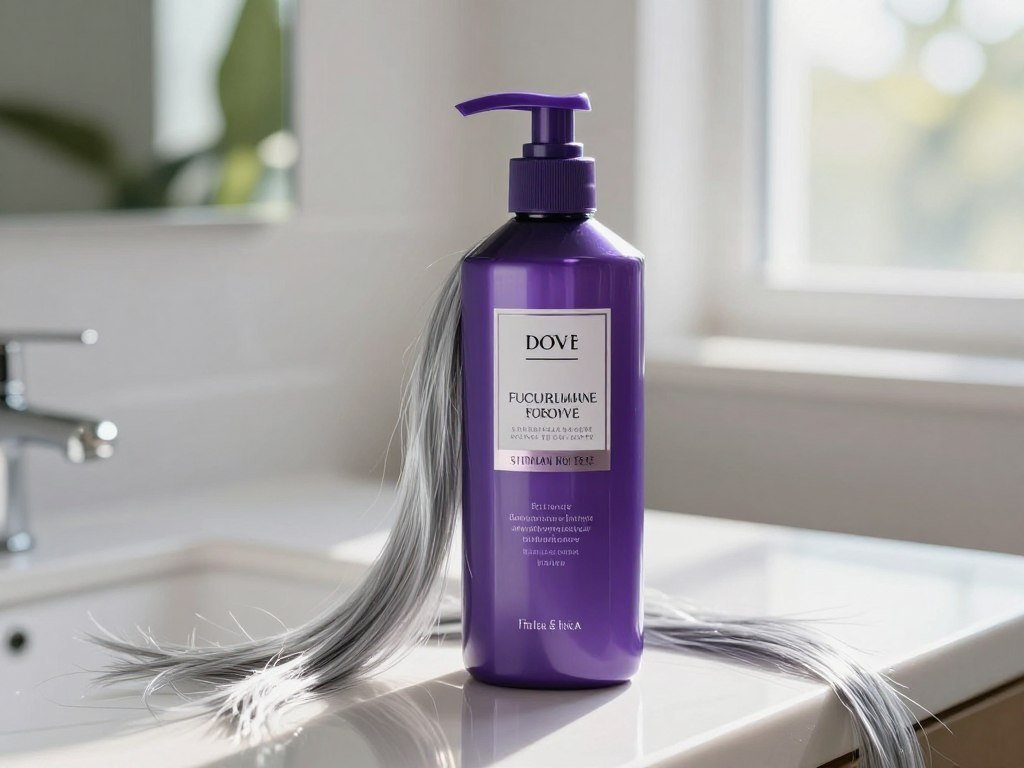
- Dove Love Your Silver is a budget-friendly purple shampoo.
- L’Oréal Professionnel Serie Expert Silver uses purple pigment and magnesium to help neutralize yellow tones.
- L’Oréal Paris Ever Pure Sulfate-Free Purple Shampoo targets brassiness in gray and silver hair.
Kérastase Blond Absolu Bain UltraViolet Anti-Brass Purple Shampoo is another option, in an 8.5-ounce size. Its concentrated violet pigments call for careful use. Olaplex No.4P’s bond-building technology may appeal if that feature matters to your routine.
The best shampoo for gray hair at home is the one that suits your strands and washing habits. The best shampoo for gray hair for women is chosen the same way, since hair needs, not gender or location, determine the fit.
Dove Love Your Silver is a budget-friendly choice for anyone seeking the best supermarket shampoo for gray hair. Retailer stock can vary, so the product name is a better guide than assuming a particular store carries it.
Choose a shampoo by the color or condition you want to change, not by the word “silver” on the bottle.
For natural gray or silver, Oribe’s blue and silver pigments offer an alternative to violet toners. Match the product’s toning strength to the color issue you actually see.
Does Gray Hair Need a Special Shampoo?
Gray hair does not require a special color-correcting shampoo unless unwanted yellowing is part of the problem. Moisture is a practical start when your main concern is dry hair.
Choose a cleanser for how your hair and scalp feel, then use conditioner on the lengths. Gray strands can feel drier, so a moisturizing shampoo and conditioner may help them feel softer and easier to manage.
When dryness is the main concern
Dryness can make silver strands feel rough after washing. A gentle cleanser can help avoid extra friction, while conditioner smooths the hair’s lengths.
Olaplex No.4P may not provide enough hydration for very dry hair. If your strands still feel parched after washing, a color-depositing cleanser may not be the best everyday choice.
A review of hair care products explains how shampoo and conditioner can affect friction, static, and combing. Read the hair cosmetics review for more on those effects.
When you want a daily, non-toning wash
Rōz Foundation Shampoo is a sulfate-free daily cleanser that hydrates gently without toning hair color. It suits a routine that needs a plain wash rather than extra pigment.
Purple shampoo is unnecessary unless gray hair has unwanted yellowing or bleached blonde hair needs toning. Aging hair can benefit from moisture as a starting point, not automatic color correction.
For a closer look at matching products to your scalp, hair type, and concerns, see what to check in shampoo and conditioner. If dryness is your main complaint, judge a cleanser by how your hair feels after washing, not by how purple the formula looks.
Which Shampoo Works for Yellow or Orange Tones?
A yellow cast on white or silver hair points to purple pigment, while an orange cast in fading brunette dye points to blue. The shade matters because each pigment targets a different unwanted cast.
Purple shampoo temporarily counteracts yellow tones; it does not prevent yellowing or permanently remove it. Check the color you see before choosing a toner.
Choose purple for yellow
Purple shampoo deposits violet pigment that can make yellow tones look less noticeable in gray or white hair. This is a surface color effect, not a change to the cause of yellowing.
More white or silver hair often suits purple shampoo. Platinum hair can use a purple toning product when unwanted yellow warmth appears, making it a suitable platinum shampoo for gray hair, too.
Choose a purple formula only when you want to tone visible yellow. If your hair looks dull from dryness or residue, a non-toning wash may fit better.
Choose blue for orange
Blue shampoo may work better when gray hair has orange tones. It can be useful during a transition to gray, especially when brunette dye is fading and leaves orange warmth.
Joico Color Balance Blue Shampoo is one option for orange tones in fading brunette dyed hair. Its blue formula may feel drying, so pay attention to how your strands respond.
The word “silver” on a bottle does not tell you which cast its pigment targets. Check the unwanted cast in natural light before choosing a pigment.
How Often Should You Use Purple Shampoo?
For most gray hair, keep purple shampoo to no more than once a week, or once a month if you wash only once a week. Less can be enough when you wash often.
Repeated use can build up water-soluble dye and tint hair purple, blue, or pink. A product marketed for daily use does not set the right schedule for every purple shampoo.
| Washing pattern or formula | Purple shampoo cadence | Important condition |
|---|---|---|
| Washes more than once weekly | No more than once weekly | General gray-hair guidance |
| Washes once weekly | Once a month | Less frequent toning |
| Silvina London Grey Hair Glow Duo | Marketed for daily use | Product-specific moisturizing exception |
Silvina London Grey Hair Glow Duo is described as a moisturizing purple shampoo and conditioner for daily use on naturally gray or blonde hair. That product-specific claim does not make daily toning the default for other formulas.
Some purple shampoos have concentrated pigments. Kérastase Blond Absolu Bain UltraViolet can turn hair purple if you overuse it, so watch for a change in tone.
Stylists may discourage purple shampoo because it can dry hair or deposit unwanted color. It is also unnecessary when gray hair has no yellow cast to tone.
Judge results by the color of your own strands, not by how often a friend uses a different product. Reduce toning as soon as your strands begin to look lavender, blue, or pink.
What Can You Use Instead of Purple Shampoo?
If gray hair looks dull from residue rather than yellow, a non-toning cleanup wash may be more useful than purple pigment. Start by finding the cause of the dull look.
Clarifying shampoo removes product buildup, while chelating ingredients target mineral residue from hard water. Neither is a color toner.
Clarifying shampoo for product buildup
Malibu UnDo Goo and Acure Curiously Clarifying Shampoo are options for product buildup. Clarifying about once a week can dry silver hair, so use this type of wash for a clear reason.
Clarifying shampoo removes residue that can weigh strands down, including leftover styling products and excess oils. For more on choosing and using one, read this guide to clarifying shampoo.
Chelating shampoo for hard-water residue
Hard water can leave mineral residue on hair. Chelating ingredients help address that buildup, and SEEN Shampoo contains chelating ingredients for hard-water residue.
Use these checks to narrow down what you are seeing:
- Product residue may leave hair coated or heavy.
- Hard-water residue points to mineral buildup.
- Unwanted yellow tone calls for a toner, not just a cleanup wash.
A clarifying shampoo does not replace a toner when the problem is color. Follow a clarifying wash with a deep conditioner to counter its drying effect.
How Can You Limit Dryness and Staining?
A conditioner after a purple wash helps offset the dryness that toning formulas can cause. Keep the routine gentle when strands already feel rough or brittle.
Follow a potentially drying purple shampoo with conditioner, and consider starting with a sulfate-free formula. Conditioner helps reduce friction and makes hair easier to comb.
A deep-conditioning treatment or hair mask can help dry strands feel softer. Leave it on for at least 5-10 minutes, or follow the maker’s directions if they call for longer.
Apply conditioner mainly to the lengths if your scalp gets oily quickly. Shampoo and conditioner serve different jobs, so the scalp’s needs do not always match the needs of the ends.
Hair oils can add shine, but colored oils may stain gray hair. Clear or uncolored options avoid adding visible dye to silver strands.
For choices based on scalp needs and hair type, use this guide to choosing shampoo and conditioner. A pool routine can also affect dryness, so poolside hair care tips can help limit exposure to chlorine and sun.
Check the color of any hair oil before applying it to silver strands.
Which Sulfate-Free Shampoo Fits Your Routine?
A sulfate-free shampoo can be a toner or a non-toning cleanser, so check its purpose as well as its ingredient label. The label alone is not enough to tell you what a formula will do.
Choose between toning, daily cleansing, and a non-purple formula by the need you want to address. Sulfate-free does not automatically mean that a product changes hair color.
| Routine need | Formula | Distinguishing details |
|---|---|---|
| Gray or silver hair with brassiness | L’Oréal Paris Ever Pure Sulfate-Free Purple Shampoo | Sulfate-free purple formula for neutralizing brassiness |
| Gray hair needing a daily non-toning cleanser | Rōz Foundation Shampoo | Sulfate-free, gently cleansing, hydrating, and non-toning |
| Men seeking a non-purple formula | Just Nutritive Men’s Gray Hair Shampoo | Non-purple, sulfate-free, in 8 oz and 16 oz sizes |
For gray hair that needs toning
L’Oréal Paris Ever Pure Sulfate-Free Purple Shampoo is listed for neutralizing brassiness in gray and silver hair. It suits a sulfate-free routine when a yellow cast is the issue.
L’Oréal Paris EverPure Silver Care is another option designed for gray hair. It is sulfate-free and paraben-free, but it is not the same product as the purple shampoo.
For a daily non-toning wash
Rōz Foundation Shampoo gently cleanses and hydrates without toning. Its sulfate-free label describes the formula, not a color-correcting effect.
A sulfate-free shampoo is not automatically gentler for every scalp. Choose based on how your scalp and hair respond after washing.
For men who prefer a non-purple formula
Just Nutritive Men’s Gray Hair Shampoo is a non-purple, sulfate-free choice for men who want to avoid added violet pigment. The best sulfate-free shampoo for gray hair depends on whether you need tone correction or routine cleansing.
The formula comes in 8-ounce and 16-ounce sizes. Its listed ingredients include aloe vera hydrosol, clover flower extract, guava fruit extract, avocado oil, and panthenol.
Just Nutritive says to use the shampoo about twice a week or daily. Its stated schedule gives you two options, so follow the one that suits your routine.
Choose the formula for the job you need it to do, not the sulfate-free label alone.
How Can You Protect Gray Hair From Yellowing?
Limiting heat is a practical way to reduce avoidable stress on gray strands during styling. Use less heat when you can, and take care with the styling products that stay on your hair.
Use hot tools sparingly, apply a thermal protectant, and make as few passes as possible. A lower setting can help limit extra stress on fragile strands.
Keep heat exposure low
Choose the lowest workable heat setting for your hair. Apply a thermal protectant before styling, and avoid going over the same section again and again.
Keep a blow dryer about 6 inches from your head while drying. A little distance helps avoid holding concentrated heat close to one spot.
Use this short checklist before reaching for a hot tool:
- Set the tool to the lowest workable heat.
- Apply a thermal protectant first.
- Make as few passes as possible.
For help choosing a flat iron by hair type and heat needs, see how to choose a hair straightener. Use one only on completely dry hair.
Reduce staining from styling products
Some styling products can leave residue that dulls silver strands. Choose products with a clear purpose, and avoid layering more than your style needs.
Residue can build up even when you are not using a color toner. Keep styling simple when your hair feels coated, and use a cleanup wash when residue is the issue.
Drying with care can help protect shine without adding another product to your routine. Keep the dryer about 6 inches from your head while drying.
Can Shampoo Turn Gray Hair Black?
No shampoo can restore the natural pigment that a gray strand has lost. Temporary color is different from bringing back the hair’s original color.
Shampoo cannot restart pigment production or permanently turn gray strands black. Natural hair color depends on melanin, including eumelanin and pheomelanin.
As hair turns gray, the strand has less natural pigment. A cleanser can wash the hair, but it cannot make the strand produce melanin again.
Color-depositing products can temporarily change how gray hair looks. They add color to the outside of the strand rather than restoring natural pigment production.
A black color-depositing product is not the same as a shampoo that reverses graying. Its visible result is temporary, and it does not change why the strand turned gray.
Color on a gray strand can change its appearance, but it cannot bring back the melanin the strand no longer makes.
Do not treat a toning shampoo as a way to recolor gray hair black. Treat a black color-depositing product as temporary color, not a reversal of graying.
Conclusion
The best choice is the one that solves your main concern without adding a problem your strands do not have. Let the visible issue guide you, whether that means dryness, buildup, or unwanted warmth.
Try one formula as directed, then notice how your hair feels and how its color looks. A shampoo that leaves strands comfortable and keeps the tone you want is a better fit than one chosen for its label alone.
Pick one formula that fits your concern and reassess the feel and tone of your hair after several washes.
FAQ
What is the best shampoo for men with grey hair?
Does grey hair need different shampoo?
What is the best shampoo for aging gray hair?
Why do hairdressers not recommend purple shampoo?
When to not use purple shampoo?
What to use instead of purple shampoo?
What is the best silver shampoo?