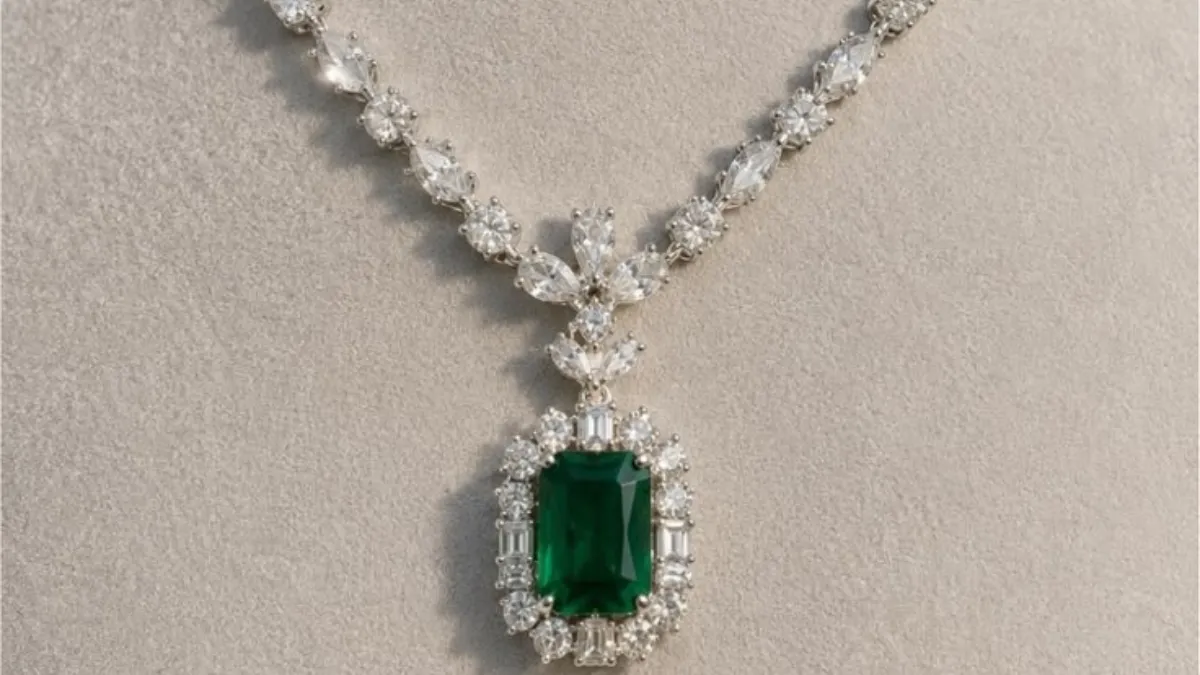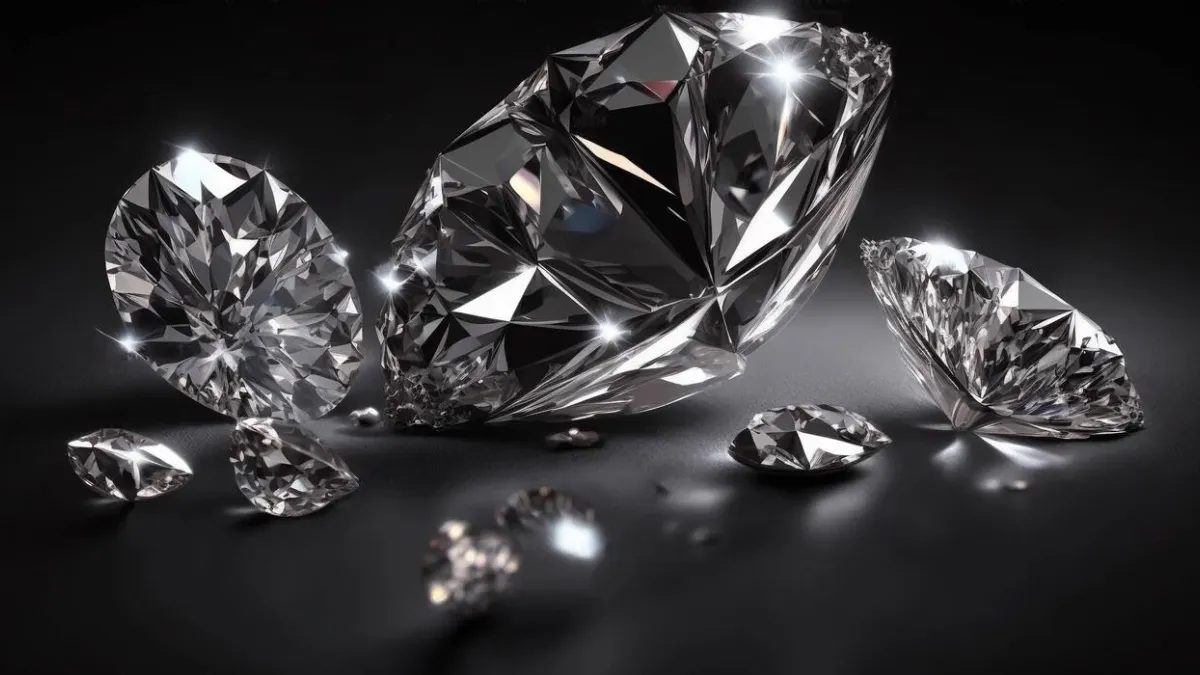
Luxury diamonds represent a blend of exceptional beauty, skilled craftsmanship, and enduring appeal. From elegant diamond engagement rings to statement necklaces and rare collector’s stones, these precious gems have a special place in fine jewelry. Their brilliance, durability, and versatility make them popular choices for celebrating milestones, expressing personal style, and creating meaningful heirlooms.
However, not every diamond offers the same quality, appearance, or value. Factors such as cut, color, clarity, carat weight, origin, and certification can significantly influence a diamond’s desirability and price. Understanding these differences helps buyers make informed decisions rather than choosing a stone based on size or appearance alone.
What Are Luxury Diamonds?
Luxury diamonds are diamonds selected for their quality, visual appeal, rarity, craftsmanship, or association with prestigious jewelry designs. They may feature exceptional proportions, high clarity, desirable color grades, impressive carat weights, or distinctive characteristics that make them stand out.
The term does not refer to a single technical grade. A diamond can be considered luxurious because of its outstanding optical performance, unusual natural color, large size, sophisticated setting, or the craftsmanship of the finished jewelry.
Luxury diamonds are commonly found in:
- Diamond engagement rings and wedding jewelry
- Fine diamond necklaces and pendants
- Diamond earrings, including studs and drop designs
- High-end bracelets and statement rings
- Custom-designed jewelry from emerging luxury designer brands and collectible pieces
The best choice depends on whether you value appearance, rarity, design, brand prestige, or long-term ownership.
What Makes a Diamond Luxurious?
Several factors determine whether a diamond stands out in the luxury jewelry market. Understanding them helps you evaluate quality beyond a designer label, even one from the most prestigious fashion brand, or an impressive price tag.
1. Cut and Brilliance
Cut is one of the most important factors affecting a diamond’s appearance. It describes how well the stone’s proportions, symmetry, and polish allow light to enter and return to the viewer. A well-cut diamond can display impressive brightness, colorful flashes known as fire, and sparkle as it moves. A poorly cut stone may appear dull or allow too much light to escape, even when it has excellent color and clarity grades.
For round brilliant diamonds, cut grades from a respected gemological laboratory can help buyers compare quality. Fancy shapes, including oval, pear, emerald, and marquise diamonds, may be evaluated differently depending on the laboratory.
2. Color
Traditional colorless diamonds are graded on a scale that generally runs from D, meaning colorless, to Z, meaning light yellow or brown. Diamonds in the higher grades are often more expensive because they show less noticeable body color. However, differences between adjacent grades can be subtle, especially when stones are viewed without direct comparison.
Fancy-colored diamonds are a separate category. Natural pink, blue, green, and vivid yellow diamonds can be highly desirable because of their color intensity, rarity, and individual characteristics.
3. Clarity
Clarity measures the presence of internal features called inclusions and external characteristics called blemishes. Diamonds are commonly graded from Flawless to Included, with several grades in between. Many inclusions are difficult to see without magnification, and some diamonds with visible clarity characteristics can still look beautiful when viewed normally.
For buyers, an eye-clean appearance can be a practical priority. An eye-clean diamond has no inclusions readily visible to the unaided eye under ordinary viewing conditions, although the definition and viewing conditions can vary.
4. Carat Weight
Carat measures a diamond’s weight, not its physical dimensions or overall quality. One carat equals 200 milligrams. Larger diamonds are generally rarer than smaller diamonds of comparable quality, which can make them more expensive. However, carat weight alone does not determine beauty or value.
Two diamonds with the same carat weight may look different because of their cut, shape, depth, and table proportions. A well-proportioned diamond can offer an attractive balance of size and brilliance.
5. Certification and Provenance
A diamond grading report from a respected gemological laboratory provides important information about a stone’s characteristics. Reports may document its carat weight, color, clarity, measurements, and other identifying details.
For high-value purchases, independent grading can help verify that the diamond matches the seller’s description. Buyers should also request documentation about treatments, origin claims, and whether the stone is natural or laboratory-grown.
Popular Types of Luxury Diamonds
Luxury diamonds are available in different shapes, colors, origins, and jewelry styles. Each option offers a distinct appearance.
Round Brilliant Diamonds
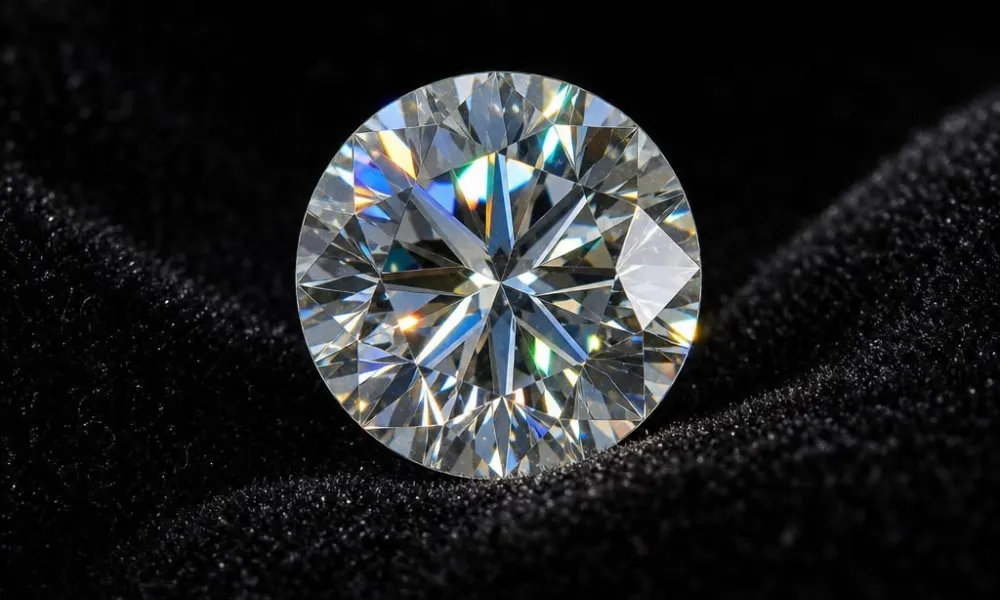
Round brilliant diamonds are popular for their classic shape and strong light performance. Their symmetrical design suits engagement rings, earrings, pendants, and other fine jewelry.
They are a versatile choice for buyers who prefer traditional elegance and a timeless luxury wardrobe. Their popularity can also make them more expensive than some fancy shapes of comparable carat weight and quality.
Oval Diamonds
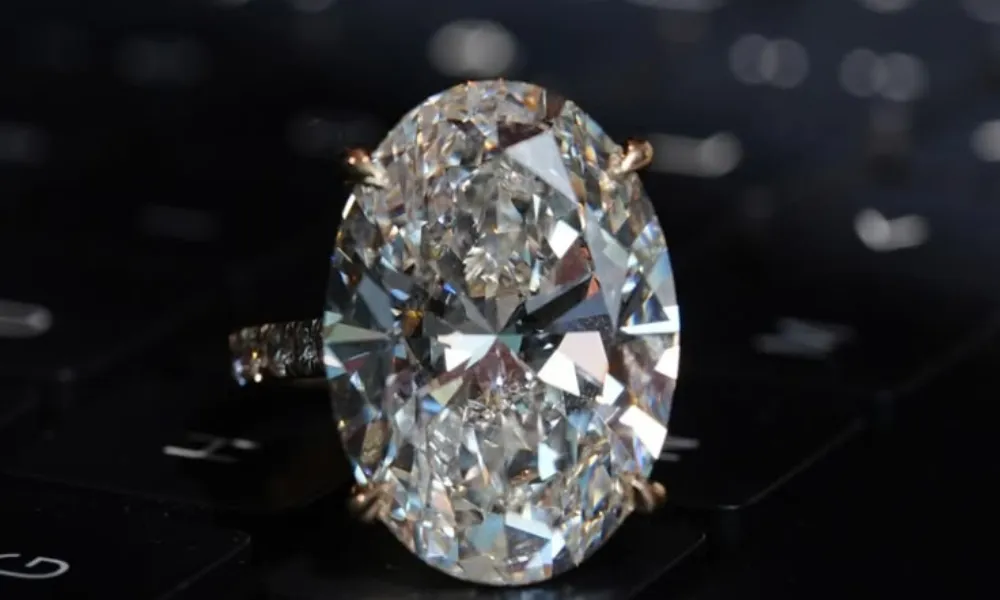
Oval diamonds combine an elongated shape with brilliant-style faceting. They can create the impression of greater size when viewed from above and complement a variety of ring settings. Their elongated outline often suits people who prefer a modern alternative to the traditional round diamond. Buyers should examine oval stones for the bow-tie effect, a dark area that can appear across the center of some examples.
Emerald-Cut Diamonds
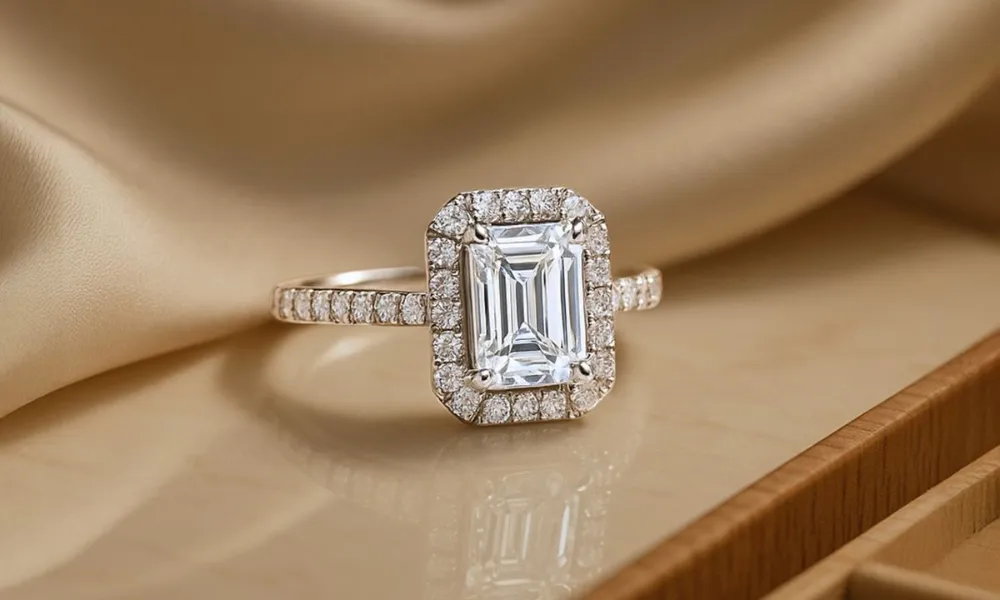
Emerald-cut diamonds feature long, rectangular facets and a broad, open table. Rather than emphasizing intense sparkle, they create elegant flashes of light and a mirror-like appearance. Because their large facets make inclusions and color easier to notice, buyers should pay particular attention to clarity and color when selecting an emerald-cut stone.
Cushion-Cut Diamonds
Cushion-cut diamonds have rounded corners and a square or rectangular outline. Their appearance can range from soft and vintage-inspired to bright and contemporary, depending on the faceting pattern. They work well in engagement rings and statement jewelry, especially for buyers who want a balance between classic design and distinctive character.
Fancy-Colored Diamonds
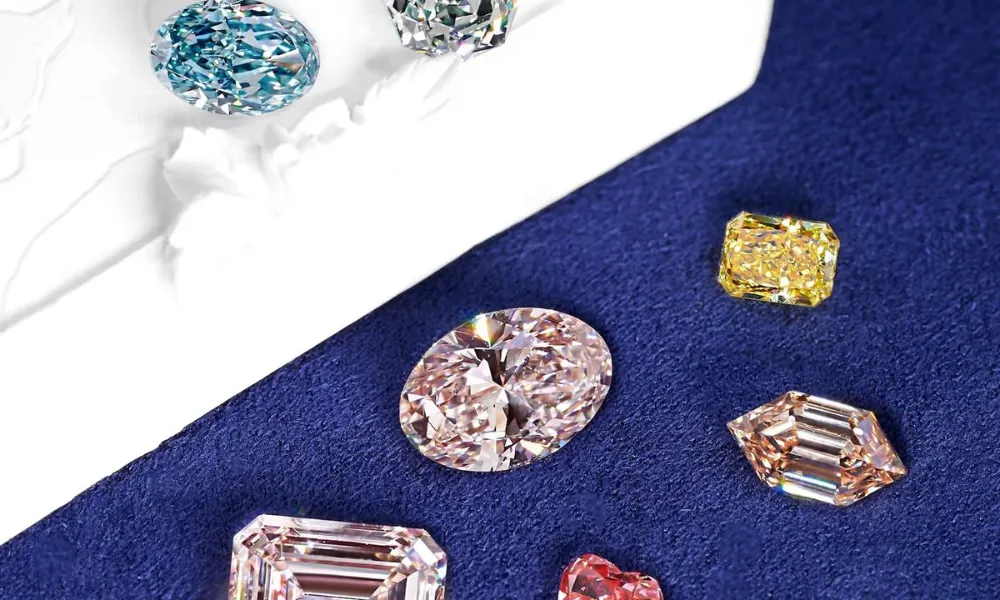
Natural fancy-colored diamonds with strong, attractive color may command substantial prices. However, buyers must distinguish naturally colored stones from treated diamonds and laboratory-grown alternatives, as their rarity and market values can differ considerably.
Natural vs. Lab-Grown Luxury Diamonds
One of the most important decisions when shopping for luxury diamonds is whether to choose a natural or laboratory-grown stone.
Both can display impressive brilliance and durability. Their main differences involve origin, rarity, pricing, and how buyers value the finished piece.
| Feature | Natural Diamonds | Lab-Grown Diamonds |
| Origin | Formed naturally within the Earth | Created through controlled laboratory processes |
| Composition | Crystalline carbon | Crystalline carbon |
| Appearance | Can range from colorless to fancy colors | Can range from colorless to fancy colors |
| Typical price | Generally higher for comparable specifications | Generally lower for comparable specifications |
| Rarity | Natural rarity varies by size, quality, and color | Production is not limited by natural geological rarity in the same way |
| Resale considerations | Depends on quality, rarity, demand, and purchase price | Often faces greater resale-price pressure |
| Best suited to | Buyers who value natural origin and geological rarity | Buyers prioritizing size, appearance, or lower initial cost |
Laboratory-grown diamonds are real diamonds, not diamond imitations. They have essentially the same chemical composition and crystal structure as natural diamonds, although specialized testing can distinguish their growth characteristics.
How Much Do Luxury Diamonds Cost?
Luxury diamond prices vary widely, from entry-level stones to pieces from the most expensive luxury brand. There is no single price for a high-end diamond because cost depends on several interacting factors.
The most influential considerations include:
- Carat weight: Larger diamonds of comparable quality generally cost more, and prices can rise sharply at certain weight thresholds.
- Cut quality: Excellent proportions and light performance can increase desirability.
- Color and clarity: Higher grades often command premiums, although the effect varies by shape and market.
- Natural or laboratory-grown origin: Natural diamonds typically cost more than comparable lab-grown stones.
- Fancy colors and rarity: Unusual natural colors and exceptional characteristics can substantially affect price.
- Brand and craftsmanship: Designer settings, precious metals, and established luxury labels can add to the total cost.
A diamond ring’s price also includes its setting, metal, design complexity, and sometimes the brand’s reputation. For this reason, comparing complete jewelry pieces requires more than looking at carat weight.
Before buying, compare diamonds with similar specifications and request an itemized price. A lower price is not necessarily a bargain if the stone has weaker light performance, undisclosed treatments, or insufficient documentation.
How to Choose the Best Luxury Diamond
Buying a luxury diamond should begin with your priorities rather than the highest available grade. A clear plan can help you find a beautiful stone without paying for characteristics you may not notice.
Set a Realistic Budget
Decide how much you want to spend on the diamond and any accompanying jewelry. Include taxes, insurance, maintenance, and possible resizing or setting costs when relevant.Avoid assuming that a particular spending rule guarantees the right purchase. The ideal budget is one that fits your finances and the purpose of the jewelry.
Prioritize Appearance Over Numbers Alone
The grading report is essential, but the diamond should also be examined visually. Look for brightness, attractive sparkle, balanced proportions, and a pleasing appearance from different angles.
For round diamonds, cut quality deserves particular attention. For emerald and other step-cut shapes, inspect clarity and color carefully because their open facets can reveal characteristics more readily.
Choose a Shape That Suits Your Style
Consider how the diamond will be worn and the design you prefer. Round diamonds offer traditional brilliance, oval stones create an elongated appearance, and emerald cuts provide a more understated, geometric look.
If you are buying a ring, consider the wearer’s lifestyle and preferred setting. A lower-profile design may be practical for frequent daily wear, while delicate settings may require more careful handling.
Verify the Grading Report
For a significant purchase, request an independent grading report from a recognized laboratory. Confirm that the report details match the diamond being sold, including measurements and any laser inscription where applicable.
Understand what the report does and does not establish. A grading report describes the diamond’s characteristics; it does not automatically guarantee ethical sourcing, future resale value, or a particular market price.
Review the Seller’s Policies
Before paying, check the return period, warranty, resizing options, repair services, and any conditions affecting refunds. Ask whether the diamond has been treated and whether the seller offers documentation of its origin.
Are Luxury Diamonds a Good Investment?
Luxury diamonds can hold personal, cultural, and collectible significance, but they should not automatically be treated as financial investments. Unlike some publicly traded assets, diamonds do not have a single transparent market price that guarantees an easy resale. The amount a buyer pays at retail may be significantly higher than what a dealer or private buyer is willing to pay later.
Resale outcomes depend on the diamond’s characteristics, rarity, documentation, condition, market demand, and selling channel. Exceptional natural colored diamonds and rare stones may attract specialist interest, but that does not guarantee a profit. Laboratory-grown diamonds can offer excellent visual value at the time of purchase, but their resale prices may be particularly sensitive to changing production costs and market supply.
The most sensible approach is to buy a diamond primarily because you appreciate its beauty, design, and meaning. Consider potential resale value a secondary factor unless you have specialist knowledge and a clear collecting strategy.
How to Care for Luxury Diamond Jewelry
Diamonds are highly durable, but they are not indestructible. They can chip under certain impacts, and their settings can loosen with regular wear.
Follow these care practices to keep diamond jewelry looking its best:
- Clean it gently. Use lukewarm water, mild dish soap, and a soft brush when appropriate. Rinse carefully and dry with a lint-free cloth.
- Avoid harsh chemicals. Household cleaners and unsuitable cleaning products may damage metals, coatings, or other gemstones in the piece.
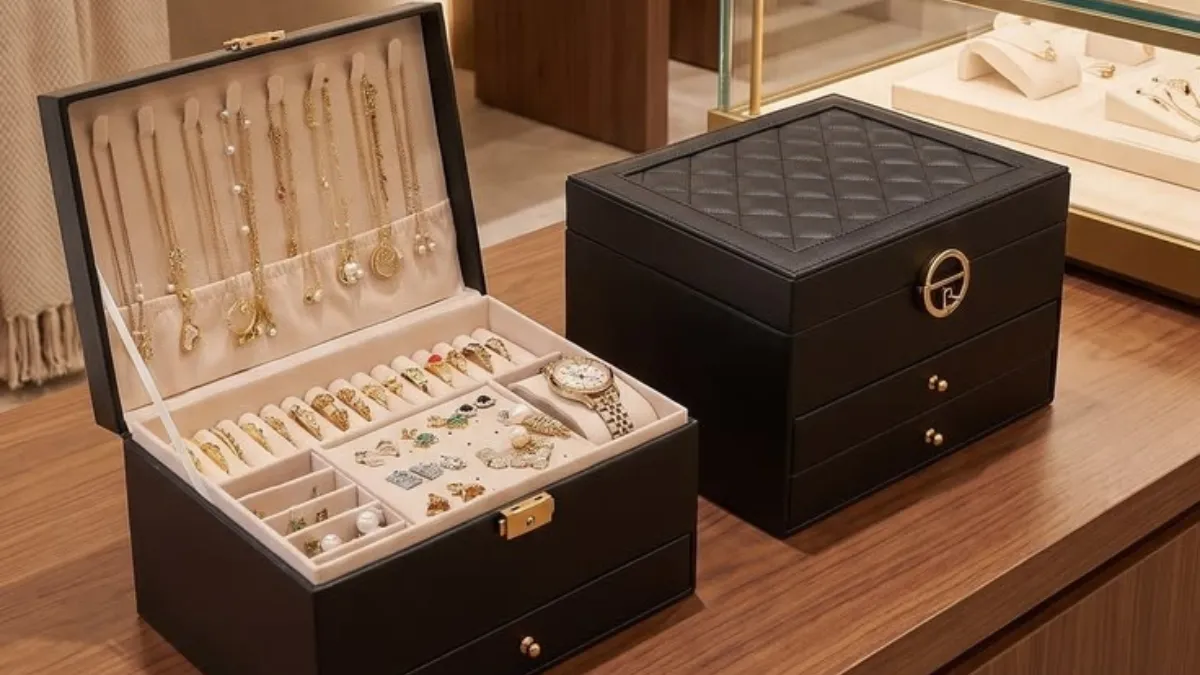
- Store pieces separately. Diamonds can scratch other jewelry and may scratch each other. Use individual pouches or compartments.
- Remove jewelry during risky activities. Take off rings and bracelets before heavy lifting, strenuous work, or activities that could expose them to hard impacts.
- Inspect settings regularly. Ask a qualified jeweler to check prongs, clasps, and other mounting components, especially on frequently worn pieces.
- Arrange professional cleaning when needed. A jeweler can recommend suitable cleaning methods based on the setting and any additional gemstones.
Ultrasonic cleaners are not appropriate for every piece. Diamonds with significant inclusions, treated stones, delicate settings, or surrounding gems may require special care. When uncertain, consult a qualified jeweler before using specialized equipment.
Common Mistakes to Avoid When Buying Luxury Diamonds
Even experienced jewelry buyers can overlook important details when choosing a high-value stone.
Focusing only on carat weight: A larger diamond may have weaker brilliance or visible inclusions. Compare overall appearance and quality instead of size alone.
Paying for grades you cannot see: The highest color or clarity grade is not always necessary for an attractive diamond. Consider whether the difference is noticeable and worth the additional cost.
Ignoring certification: A seller’s description is not a substitute for reliable grading documentation when purchasing an expensive stone.
Assuming every luxury brand offers the best value: A prestigious label can add design appeal and brand recognition, but it does not automatically mean the diamond has superior specifications.
Overlooking the setting: The mounting affects comfort, durability, appearance, and maintenance. Choose a design that suits the stone and how often you plan to wear it.
Treating every diamond as an investment: Retail prices, resale demand, and market conditions can differ considerably. Buy with realistic expectations about future value.
Final Thoughts
Luxury diamonds combine natural beauty, skilled craftsmanship, and personal meaning, but choosing the right stone requires more than looking at its size or price. Cut, color, clarity, carat weight, origin, and certification all help determine a diamond’s appearance and market appeal.
Start by deciding what matters most to you, whether that is brilliant sparkle, a distinctive shape, natural rarity, or value within a specific budget. Compare stones with similar characteristics, examine their appearance carefully, and buy from a seller who provides transparent documentation and clear policies.
A well-chosen diamond should suit your taste, lifestyle, and financial priorities. With thoughtful research and realistic expectations, you can select a piece of luxury diamond jewelry that you will appreciate for years to come.
Frequently Asked Questions About Luxury Diamonds
1. What is considered a luxury diamond?
A luxury diamond is generally a stone chosen for its quality, beauty, rarity, size, color, craftsmanship, or collectible appeal. There is no single official grade that defines every luxury diamond.
2. Are luxury diamonds always natural?
No. Luxury jewelry can feature both natural and laboratory-grown diamonds. Natural stones appeal to buyers who value geological rarity, while lab-grown diamonds can offer similar visual qualities at lower prices for comparable specifications.
3. Which diamond cut looks the most luxurious?
The best cut depends on personal taste. Round brilliant diamonds are known for their sparkle, emerald cuts offer elegant geometric reflections, and oval diamonds create an elongated appearance. Proportions and light performance matter more than the shape’s name alone.
4. Are expensive diamonds better than affordable diamonds?
Not necessarily. Higher prices may reflect rarity, quality, size, brand prestige, or design, but an affordable diamond can still look exceptional. Compare grading reports, appearance, and total cost before deciding.
5. Do luxury diamonds increase in value over time?
Some rare diamonds may appreciate under favorable market conditions, but appreciation is not guaranteed. Many retail diamond purchases cannot be resold for their original purchase price, so diamonds should not be considered dependable investments without careful research.
6. How can I tell if a luxury diamond is authentic?
Request a reliable grading report and ensure its identifying details match the stone. A qualified gemologist can assess the diamond, while specialized equipment can distinguish natural, laboratory-grown, and imitation stones. Visual inspection alone is not always sufficient.
Disclaimer: This content is for informational purposes only and reflects our personal opinions and experiences. We just love to write and share what we know and research