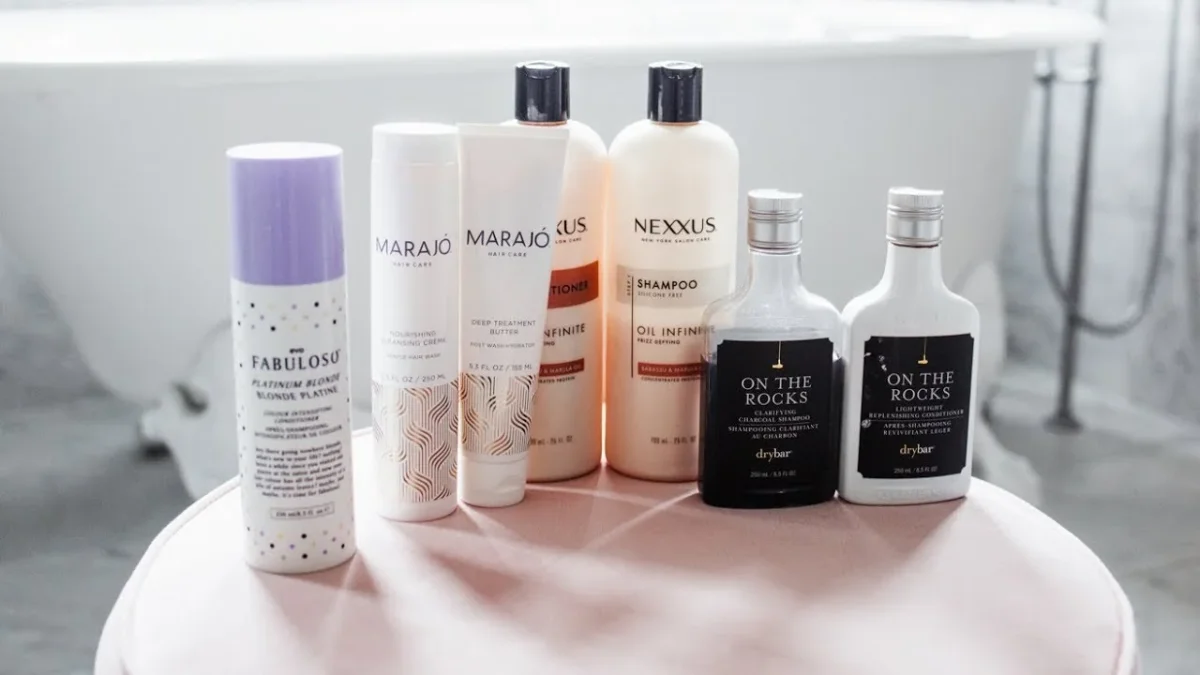
Choosing shampoo and conditioner seems simple until you stand in front of a shelf filled with bottles promising glossy hair, less frizz, stronger strands, and a healthier scalp. One says it’s made for volume, another promises deep hydration, and a third claims to repair damage in just a few washes.
But the best shampoo and conditioner aren’t necessarily the most expensive or the ones with the most impressive packaging. They’re the products that match your scalp, hair texture, and specific concerns.
A shampoo should clean your scalp and remove excess oil, sweat, and product buildup. A conditioner should help soften the hair, reduce friction, improve manageability, and protect strands from everyday damage.
Here’s what to check before buying your next set.
1. Check Whether the Products Match Your Hair Type
Start by understanding what your hair actually needs. Two people can use the same shampoo and get very different results because their scalps, hair textures, and routines are different.
Oily hair
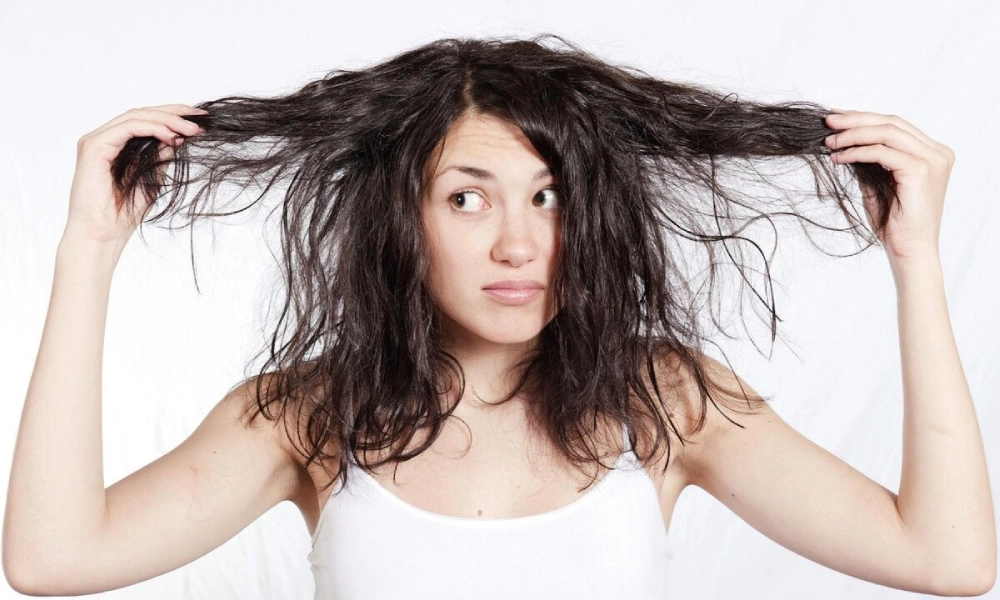
If your roots look greasy shortly after washing, consider a shampoo designed to remove excess oil without irritating your scalp. You may prefer a lightweight conditioner applied mainly to the mid-lengths and ends.
Avoid choosing an extremely rich formula simply because it promises extra moisture if it leaves your roots flat or greasy.
Dry hair
Dry hair often feels rough, looks dull, or develops frizz and tangles easily. Look for a gentle shampoo and a moisturizing conditioner containing ingredients such as fatty alcohols, silicones, or conditioning agents.
A richer conditioner can make dry lengths easier to comb and style.
Curly and wavy hair
Curly hair often needs additional conditioning because natural scalp oils may not travel as easily along the hair shaft. Look for products that improve slip, reduce tangling, and help curls retain their shape.
The right formula depends on your curl pattern, hair thickness, and whether your hair is fine or coarse. For a cut that works with your texture, check out our guide to the burst fade. Use this only if the burst fade page is relevant to your readers, since it’s a men’s cut.
Fine or flat hair
Fine hair can become weighed down by heavy conditioners and oils. Choose a shampoo that cleans effectively without leaving your hair feeling stripped, along with a lightweight conditioner.
Apply conditioner sparingly and focus on the ends if your roots lose volume easily.
Color-treated or chemically processed hair
Bleaching, coloring, straightening, and other chemical treatments can leave hair more vulnerable to dryness and breakage. Consider gentle cleansing products and conditioners formulated for treated hair.
If maintaining color is important, check whether the shampoo is intended for color-treated hair and follow the product’s instructions.
2. Read the Ingredients List
The front label tells you what a product promises. The ingredient list helps you understand how it may work.
Ingredients worth looking for
| Ingredient | What it can do |
| Glycerin | Attracts water and supports hydration |
| Panthenol | Helps condition hair and improve its feel |
| Cetearyl alcohol | A fatty alcohol that softens and conditions hair |
| Behentrimonium chloride | Helps detangle and reduce static |
| Dimethicone | Helps smooth hair and reduce friction |
| Hydrolyzed proteins | Can temporarily improve the feel and strength of damaged hair |
| Salicylic acid | Can help loosen scalp flakes in suitable formulations |
No single ingredient guarantees a good product. The overall formula, concentration, and how your hair responds matter more than a long list of fashionable ingredients.
Are sulfates bad for your hair?
Not necessarily. Sulfates are cleansing agents that help remove oil, dirt, and styling-product residue. They can work well for oily scalps or people who use many styling products.
However, some sulfate-containing shampoos may feel too drying for certain hair types, particularly when hair is already dry, damaged, or frequently washed.
A sulfate-free shampoo may be worth trying if your current cleanser leaves your hair feeling stripped. But sulfate-free does not automatically mean gentler or better for everyone.
Are silicones bad in conditioner?
No. Silicones such as dimethicone can coat the hair, improve smoothness, reduce friction, and make detangling easier.
Some formulas may build up on certain hair types, especially when cleansing is too mild for the products being used. If your hair becomes limp or coated, try adjusting the amount of conditioner or changing your cleansing routine before assuming every silicone is harmful.
Should you avoid fragrance?
If your scalp is sensitive or prone to irritation, fragrance-free products may be a useful starting point. Fragrance is not automatically harmful, but it can trigger reactions in some people.
If a shampoo causes persistent itching, redness, or burning, stop using it and consider professional advice.
3. Choose Shampoo Based on Your Scalp
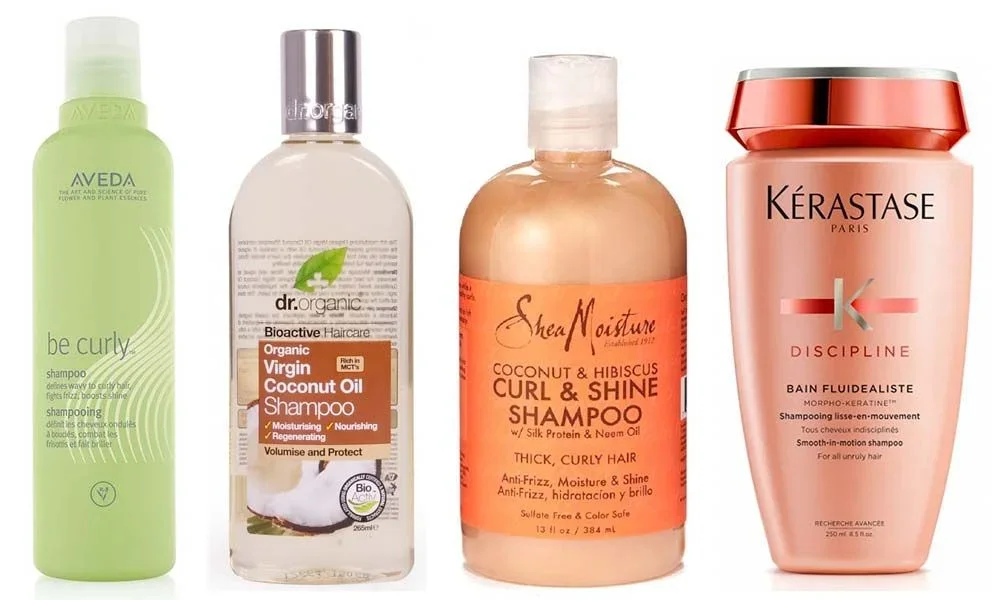
One of the most important shopping rules is to choose shampoo primarily for your scalp and conditioner primarily for your hair lengths.
Your scalp may be oily while your ends are dry. You may also have fine hair with a sensitive scalp or thick curls with occasional buildup. You don’t need to force every part of your hair into the same category.
Look for a shampoo that leaves your scalp clean and comfortable rather than tight, itchy, or excessively dry.
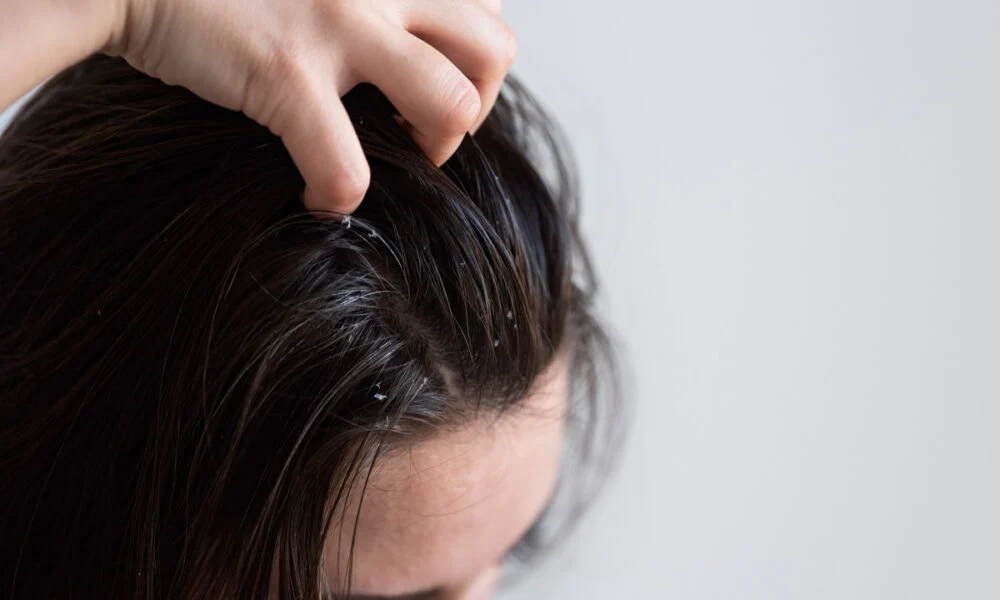
If you have persistent dandruff, look for a shampoo containing an appropriate anti-dandruff active ingredient, such as ketoconazole, selenium sulfide, or zinc pyrithione where available and permitted. Follow the label, because different products have different directions and restrictions.
Heavy flaking, sores, significant redness, or ongoing scalp irritation may require a dermatologist’s assessment.
4. Check What the Conditioner Actually Does
A good conditioner should make your hair easier to manage, not merely leave it smelling pleasant.
Look for a formula that helps with the concerns you experience most often.
- For frizz: Consider smoothing ingredients and conditioning agents that reduce friction.
- For tangles: Look for a conditioner that provides good slip and makes combing easier.
- For dry ends: Consider a richer cream with emollient and conditioning ingredients.
- For fine hair: Choose a lightweight formula that doesn’t leave strands limp.
- For damaged hair: Look for products that improve softness and manageability and help reduce breakage during combing.
Remember that conditioners can improve the appearance and feel of damaged hair, but they cannot permanently restore a split end to its original condition.
5. Look Beyond Claims Like “Repair,” “Strength,” and “Growth”
Haircare packaging often uses powerful words, but their meanings can be different from what shoppers expect.
“Hair repair”
A repair conditioner may smooth the hair surface and improve how damaged strands feel. It does not mean that every form of structural damage has been permanently reversed.
“Anti-hair fall”
Some products help reduce breakage by improving conditioning and making hair easier to comb. That is different from treating hair loss caused by genetics, hormonal changes, illness, or scalp conditions.
If you are experiencing ongoing thinning or sudden shedding, a shampoo alone may not address the cause.
“Hair growth”
Be cautious of shampoo claims promising dramatic new growth. Ordinary shampoos are primarily cleansing products, and a product marketed for growth should not be assumed to treat a medical cause of hair loss.
“Natural” or “chemical-free”
Everything made of matter consists of chemicals, including water and plant extracts. Natural ingredients can be useful, but they can also irritate some people. Judge the formula by its ingredients, intended use, and your own experience rather than the word “natural.”
6. Consider Your Hair’s Porosity and Thickness
Hair texture is only part of the picture. How easily your hair absorbs and loses moisture can also affect which products feel right.
Hair that has been bleached or chemically processed may behave differently from untreated hair. Some strands absorb water readily but become rough or tangled as they dry.
If your hair is coarse, very dry, or curly, a richer conditioner may provide more noticeable benefits. Fine hair may respond better to lighter formulas.
You don’t need to buy a special product based on an online porosity test alone. Start with your hair’s real-world response: how easily it detangles, whether it feels coated, and how it behaves after drying.
7. Check Price, Size, and Value
A higher price doesn’t guarantee better results. Compare products based on how well they meet your needs and how long the bottle lasts.
Before buying, check:
- The bottle size and price per unit of volume.
- Whether the product suits your scalp and hair type.
- Whether the fragrance or ingredients may trigger known sensitivities.
- Whether the directions fit your washing routine.
- Whether the packaging and seller appear authentic.
If you’re shopping online, buy from a reputable retailer and check the current ingredient list. Formulas can change, and similarly named products may have different ingredients in different markets.
8. How to Use Shampoo and Conditioner Correctly
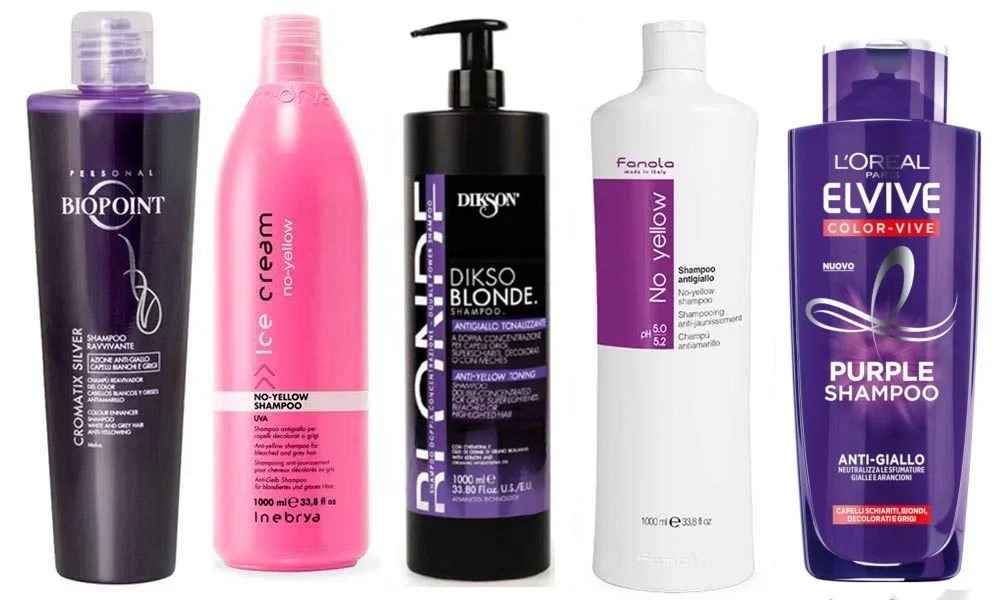
Even a good product may disappoint if you use it incorrectly. Want to fit this into a fuller routine? See our luxury self-care routine at home guide.
Shampoo
- Wet your hair thoroughly with lukewarm water.
- Apply shampoo to the scalp, adjusting the amount to your hair length and product directions.
- Massage gently with your fingertips rather than scratching with your nails.
- Rinse thoroughly. If you have heavy buildup or an especially oily scalp, a second wash may sometimes help.
You generally don’t need to scrub the full length of your hair aggressively. The shampoo rinsing through the lengths usually provides enough cleansing for many people.
Conditioner
- After rinsing the shampoo, apply conditioner mainly to the mid-lengths and ends.
- Follow the product’s recommended leave-on time.
- Gently work through tangles with your fingers or a suitable wide-tooth comb.
- Rinse according to the instructions.
Some people with very dry or curly hair benefit from applying conditioner closer to the roots, but avoid this if it makes your scalp greasy or uncomfortable.
9. Common Mistakes to Avoid When Buying Haircare
Buying a product because it is trending: Popularity doesn’t guarantee compatibility with your hair.
Using the same product for every concern: An oily scalp and dry ends may need different approaches.
Choosing the strongest cleanser: More cleansing power isn’t always better. A shampoo that leaves your scalp irritated is unlikely to be a good everyday choice.
Skipping conditioner because your hair is oily: You can usually condition the lengths and ends without coating the roots.
Changing products too frequently: Give a suitable product a fair trial, unless it causes irritation or another clear problem.
Expecting instant hair growth: Shampoo and conditioner can improve cleanliness, softness, and manageability, but they are not universal hair-loss treatments.
Frequently Asked Questions
What should I look for in the best shampoo?
Look for a shampoo that suits your scalp, removes oil and buildup effectively, and does not leave your scalp uncomfortable. Consider your washing frequency, hair texture, and any specific scalp concerns.
What should I look for in the best conditioner?
Check whether the conditioner offers the right level of moisture, detangling, and smoothing for your hair. Fine hair may need a lighter formula, while dry, coarse, or curly hair may benefit from a richer one.
Should shampoo and conditioner be from the same brand?
No. You can combine products from different brands as long as each suits your needs and works well with the other products in your routine.
Is sulfate-free shampoo better?
Not for everyone. Sulfate-free formulas can suit people who find certain cleansers drying, but the best choice depends on your scalp, hair, and styling-product use.
How often should I wash my hair?
It depends on how quickly your scalp becomes oily, your activity level, and your hair type. Some people benefit from frequent washing, while others can wash less often. Adjust the schedule based on comfort and cleanliness rather than following a universal rule.
Can shampoo and conditioner stop hair loss?
They may help reduce breakage when they improve conditioning and manageability, but they generally cannot treat every cause of hair loss. Persistent thinning or unusual shedding should be assessed by a healthcare professional.
Final Thoughts
The best shampoo and conditioner are the ones that solve your actual haircare problems. Start by identifying whether your scalp is oily, dry, or sensitive, then choose a shampoo that cleans comfortably and a conditioner that suits your hair’s texture and condition.
Pay attention to the ingredient list, ignore exaggerated promises, and give your routine time to work. With the right combination, haircare can become simpler and your hair can feel cleaner, softer, and easier to manage. For more ways to look after yourself at home, see our luxury self-care ideas at home.
Disclaimer: This article is intended for informational purposes only.