Finding a hair straightener that works well can take a little trial and error. One tool leaves your hair looking smooth in the morning, another makes the ends feel dry, and the one with hundreds of glowing reviews might not work for your hair at all.
The reason is simple: the right hair straightener depends on your hair type, its condition, and the way you like to style it. Fine hair needs a different approach from thick curls, while someone who wants a quick, natural finish may not need the same tool as someone who prefers perfectly sleek hair.
Before spending money on another styling product, it helps to know what separates a useful straightener from one that merely looks impressive on the shelf. Plate material, temperature control, design, and everyday comfort all deserve a closer look.
What Makes a Hair Straightener Worth Buying?
A good straightener should make styling easier without forcing you to use excessive heat or repeatedly pass over the same section of hair.
Start with the basics. The plates should glide smoothly, the temperature controls should suit your hair, and the tool should feel comfortable enough to manoeuvre around your head. Safety features and a reliable warranty are also worth considering.
You don’t need every feature a manufacturer advertises. A straightener with sensible temperature settings and well-made plates may be a better investment than an expensive model packed with functions you will rarely use.
Before comparing products, consider three things:
- Your hair: Is it fine, thick, curly, color-treated, or prone to breakage?
- Your preferred finish: Do you want pin-straight hair, smooth ends, or a softer style with some volume? If you need inspiration, browse these celebrity hairstyles to see which looks appeal to you.
- Your routine: Will you use the straightener every morning or only for occasional styling?
These answers help narrow your options and make product comparisons far more useful.
First, Understand What Your Hair Needs
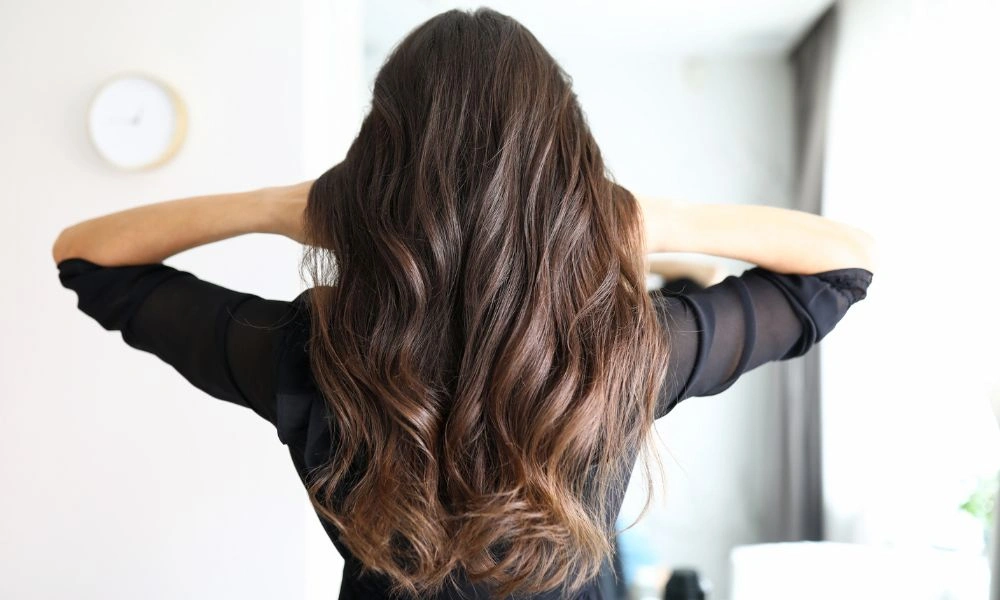
Hair texture is an important starting point, but its condition matters just as much. Thick hair can still be fragile, and fine hair can be healthy and resilient. Choosing a straightener based on texture alone may leave out an important part of the picture.
Fine hair needs careful temperature control
Fine strands can be more vulnerable to heat damage, especially when they are already dry or chemically treated. Look for a straightener with adjustable heat settings and smooth plates that don’t catch or tug.
Narrow or medium-width plates can offer good control, particularly if your hair is short or layered. Begin with a low temperature and increase it only when necessary.
Thick hair benefits from efficient styling
Thick hair often takes longer to straighten, particularly when it has a strong natural curl or wave. Wider plates may help you cover more hair in each pass, while consistent heating can make styling more manageable.
Titanium straighteners are worth considering for coarse or resistant hair, but they can reach high temperatures. Use the lowest setting that gives you the result you want rather than assuming more heat means better performance.
Curly hair needs a thoughtful approach
If your hair has natural curls, the goal may be to achieve a smooth finish without repeatedly applying heat. Choose a straightener with adjustable temperature control and plates that glide comfortably.
Work with manageable sections and prepare your hair according to the manufacturer’s instructions. If you are using a conventional flat iron, your hair should be completely dry before styling.
Humidity can also affect the result. Even a well-designed tool cannot guarantee that straight hair will remain perfectly smooth in every environment. If you’re heading somewhere warm or humid, these poolside hairstyles are good alternatives to fall back on.
Damaged or color-treated hair needs extra care
Bleaching, chemical treatments, and repeated heat styling can weaken the hair shaft. If your hair is already breaking or feels unusually brittle, replacing your straightener may not be enough.
Reduce heat styling where possible, avoid repeated passes, and choose a tool with lower temperature settings. Sometimes, giving your hair a break from hot tools is the most useful change you can make.
Ceramic or Titanium: Which Plate Material Should You Choose?
The material of a straightener’s plates influences how the tool heats and how it may suit different styling needs.
Ceramic plates are a practical starting point for many people. They are commonly used in home styling tools and can provide an even styling surface. Ceramic models with adjustable heat are worth considering for everyday use, particularly if you prefer a more controlled approach.
Titanium plates heat quickly and are commonly found in professional-style straighteners. They may suit thick or resistant hair, although careful temperature selection is essential.
Tourmaline-infused plates are often marketed for helping reduce static and improve the appearance of smoothness. Their performance depends on the complete design of the tool, not just the presence of tourmaline.
One detail worth checking is whether the plates are solid ceramic or ceramic-coated. Construction varies between models and can affect durability.
If you are unsure where to begin, compare well-made ceramic straighteners with adjustable heat before deciding whether a different plate material offers a meaningful advantage for your hair.
Why Temperature Settings Matter More Than Maximum Heat
A straightener that reaches 230°C isn’t automatically better than one with a lower maximum temperature. Higher heat can make styling more efficient for some hair types, but it can also increase the risk of damage.
The better approach is to start with the lowest temperature that works for your hair and adjust gradually.
As a general starting point, fine or fragile hair may need around 120–150°C, while healthy, medium-textured hair may respond to approximately 150–180°C. Thick or resistant hair may require more heat, depending on its condition.
These are broad guidelines, not guaranteed safe limits. Hair condition, the accuracy of the appliance, and how often you style all influence the outcome.
When comparing straighteners, look for a clear temperature display, multiple settings, and reliable heat regulation. A tool that allows you to select a suitable lower temperature is more versatile than one that offers only a single high setting.
Choosing the Right Plate Width
Plate width affects how quickly you can style your hair and how much control you have around the roots and ends.
Narrow plates are useful for short hairstyles, fringes, and detailed styling. They can also be easier to manoeuvre when creating curls or bends.
Medium-width plates suit many hair lengths and offer a good balance between precision and coverage.
Wider plates can be useful for long, thick hair because they cover more surface area in each pass. However, they may feel cumbersome on shorter hair or when working around layers.
Think about how you usually wear your hair. If you frequently switch between sleek styles and loose waves, a medium-width straightener with rounded edges may be the more versatile choice.
The Small Features That Make Everyday Styling Easier
Some straightener features sound impressive but make little difference to your personal routine. Others are easy to overlook until you start using the tool regularly.
A swivel cord can make it easier to move around your head without the cable twisting. Automatic shut-off is a useful safety feature if you sometimes forget to switch appliances off. Floating plates can help maintain contact with sections of different thicknesses, while smooth plate edges can make styling and shaping easier.
Fast heating is convenient on busy mornings, but it should not take priority over appropriate temperature control.
Ionic technology is another feature you may encounter. It is designed to help reduce static and flyaways, although results vary by product and hair type.
Above all, check the warranty and buy from a reputable seller. A clear return policy and reliable customer support can be particularly valuable when purchasing a premium appliance.
Hair Straightener or Straightening Brush?
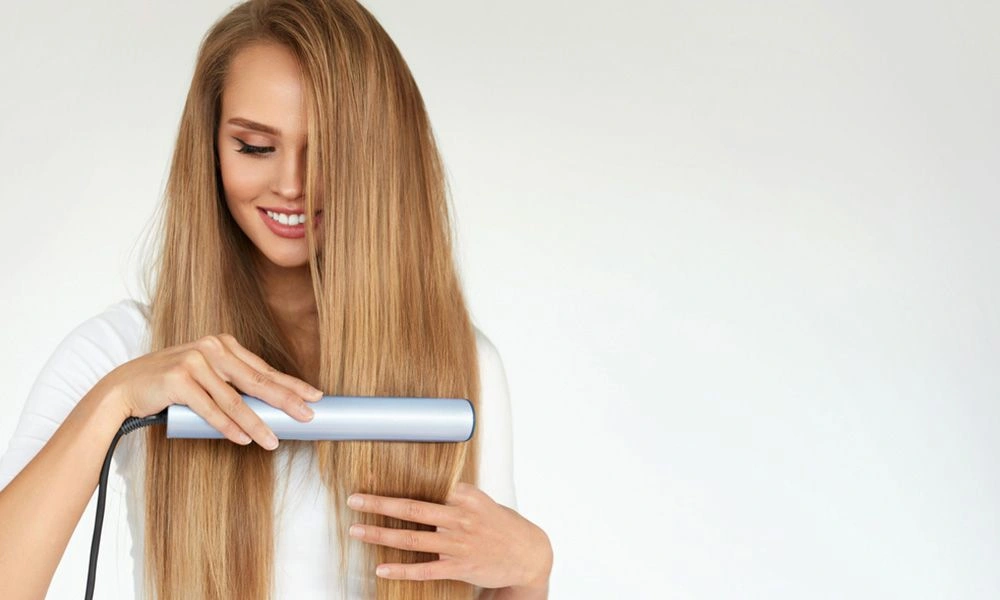
A traditional flat iron isn’t the only way to achieve smoother hair.
A flat iron presses the hair between heated plates. It is useful when you want a sleek finish, defined ends, or precise styling.
A heated straightening brush combines brushing with heat. It may be a good option if you prefer a softer, more relaxed result with some natural volume, although it may not produce the same finish as a flat iron on every hair type.
Hot-air straightening tools use airflow as part of the styling process. Some are designed for wet-to-dry styling, while others are intended for dry hair. Always check the instructions for the specific model.
If you love a very sleek finish, a flat iron may suit you better. If your everyday goal is to tame flyaways and make your hair more manageable, a straightening brush could be worth considering.
Hair Straighteners Worth Comparing
Once you understand the features that matter to you, comparing a few established models becomes easier. These examples represent different approaches to styling rather than a universal ranking.
ghd Platinum+ Styler
The ghd Platinum+ is a premium flat iron designed around a fixed styling temperature. It may appeal to people who prefer a straightforward tool without manually adjusting the heat.
However, a fixed-temperature design won’t suit everyone. If you need very low heat for fragile hair, compare its specifications carefully with adjustable alternatives.
Dyson Airstrait
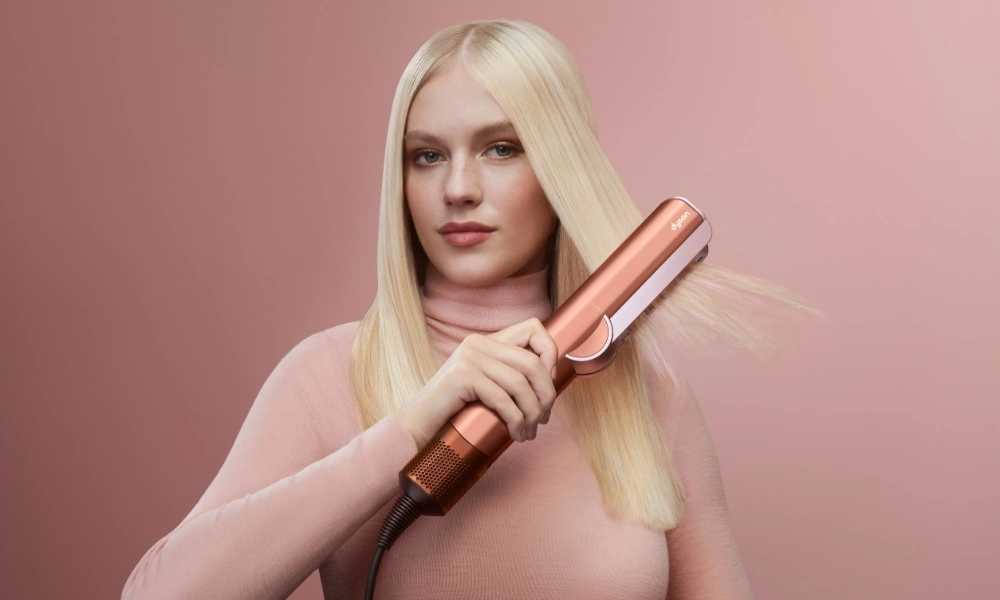
The Dyson Airstrait uses heated airflow to straighten hair rather than relying on conventional heated flat-iron plates in the same way as a traditional straightener. It is designed to combine drying and straightening.
Its price and styling method make it worth evaluating carefully. Check its operating modes and instructions to determine whether it suits your hair and routine.
BaBylissPRO Nano Titanium
BaBylissPRO offers titanium straighteners aimed at users who want fast heating and efficient styling. Some models may suit thick or coarse hair, depending on their temperature range and plate dimensions.
Compare the exact model number rather than assuming all versions offer the same features.
Remington Shine Therapy
The Remington Shine Therapy range is worth exploring if you want a home-styling tool at a more accessible price point. Features vary between models, so check the plate construction, temperature settings, and warranty before purchasing.
Prices and availability can change, and the right model depends on your requirements rather than brand reputation alone.
How to Straighten Your Hair With Less Damage
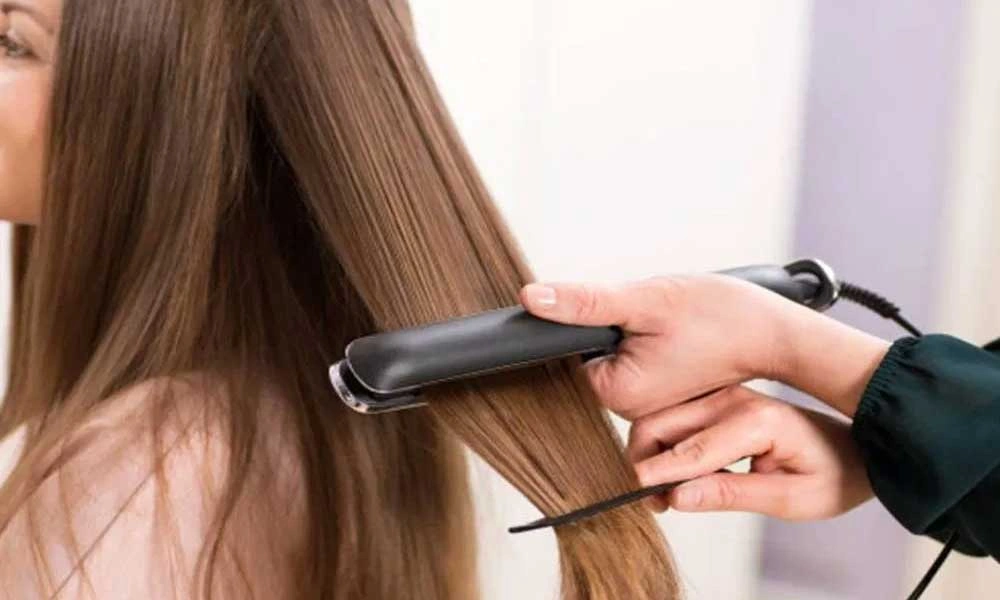
The tool you choose matters, but your technique matters too.
Start with completely dry hair when using a conventional flat iron designed for dry styling. Apply a heat protectant according to its instructions and divide your hair into manageable sections.
Move the straightener smoothly from root to tip, without clamping down too firmly. Avoid going over the same section repeatedly just to achieve an extra-sleek finish.
If the result isn’t what you expected, reassess your section size, preparation, and technique before increasing the temperature. Allow the hair to cool before brushing or reshaping it.
If you straighten your hair frequently, consider taking breaks between sessions. Notice how your hair responds over time, particularly around the ends, where dryness and breakage may become more apparent.
Stop using a tool if you notice scorching, an unusual burning smell, or significant breakage.
How Much Should You Spend on a Hair Straightener?
A higher price may reflect specialized technology, premium materials, or additional styling options. It does not automatically mean the straightener will perform better on your hair.
An affordable model may be enough for occasional styling, provided it has suitable plates, adjustable temperature settings, and appropriate safety features. A mid-range model may offer a useful balance of convenience and build quality. A premium model may make sense if you regularly style your hair and value its specific features.
Set your budget after identifying what you need rather than choosing a price first and trying to justify it afterward.
If you buy online, check the seller’s reputation, return policy, warranty, and electrical rating. An imported appliance may not support your local voltage, and a simple plug adapter does not convert voltage.
Frequently Asked Questions
How do I choose the right hair straightener?
Start with your hair type and condition, then compare plate material, temperature settings, plate width, safety features, and warranty. Choose a model that fits your styling routine rather than paying for features you may never use.
Are ceramic or titanium plates better?
Neither is universally better. Ceramic is a practical option for many home users, while titanium may suit thick or resistant hair. The right choice depends on your hair and the temperature control available.
What temperature should I use?
Use the lowest temperature that achieves your desired result. Fine or fragile hair generally needs a gentler setting, while thick or resistant hair may require more heat. Avoid repeated passes and reduce heat styling if your hair shows signs of damage.
Can I straighten wet hair?
Only use a tool on wet hair if it is specifically designed for wet-to-dry styling and the manufacturer permits it. Conventional flat irons intended for dry hair should only be used on completely dry hair.
Is an expensive straightener worth buying?
It can be worthwhile if its specific features suit your needs. For occasional styling, a well-made affordable model may be sufficient. Compare practical features and warranty coverage rather than relying on price alone.
What plate width works best for long hair?
Wider plates can speed up styling on long, thick hair. Medium-width plates offer greater flexibility if you also have layers or want to create curls and waves.
A Better Purchase Starts With Knowing Your Hair
The right straightener isn’t necessarily the newest model, the most expensive appliance, or the one everyone recommends online. It’s the one that works with your hair rather than forcing you to work around its limitations.
Take a moment to understand your hair’s texture and condition. Decide how you want it to look, compare the features that genuinely matter, and choose a tool you can use comfortably and confidently.
A little research before buying can save you money and frustration and help you build a styling routine that feels easier from the very first use.
Thanks for reading, and here’s to finding the right fit for your hair.
Disclaimer: This article is intended for informational purposes only.