The right wash-day choice depends as much on your scalp and hair texture as on the shade you colored. A shampoo that leaves an oily scalp feeling clean may leave dry ends feeling rough, while a rich formula can weigh down fine hair. This roundup helps you match a formula to color retention, moisture, damage, and unwanted brassiness.
Color-safe means formulated or labeled for use on dyed hair, not a promise that shampoo prevents every cause of fading. Highlights count as color-treated hair, even when much of your natural shade remains. The right routine can also help hair feel soft and keep its shine between salon visits.
Labels offer a useful first check, but your scalp and lengths may need different things. Treat the product label as a starting point, then match the formula to the problem you want to solve.
Key Takeaways
- Match cleansing strength to scalp oil, buildup, and hair texture.
- Color-safe is a label, not a guarantee against fading.
- Choose pigment shampoo for a specific warm tone, not every wash.
- Condition the lengths after shampooing to support softness and shine.
- Hair dye needs its own safety steps, separate from shampoo choice.
Best Shampoo for Colored Hair: Top Picks for Different Needs
For fine-to-medium color-treated hair, Kérastase Chroma Absolu Bain Chroma Respect is the strongest fit among these picks. It is a sulfate-free shampoo with lactic acid and centella asiatica, and the 8.5-ounce bottle costs $48 for 8.5 ounces.
Match the shampoo to your hair’s texture and condition before choosing by label alone. Kérastase also makes Bain Riche Chroma Respect for medium-to-thick color-treated hair. The listed price is $48, making it a richer-line alternative for thicker hair.
| Product | Stated hair fit | Formula details | Price |
|---|---|---|---|
| Kérastase Bain Chroma Respect | Fine-to-medium color-treated hair | Sulfate-free, lactic acid, centella asiatica | $48, 8.5 ounces |
| Kérastase Bain Riche Chroma Respect | Medium-to-thick color-treated hair | Color-care shampoo | $48 |
| Malin+Goetz Moisturizing Shampoo | Moisture-focused care | Sulfate-free, coconut-derived surfactant, glycerin | $30, 8 ounces |
| Sachajuan Colour Protect Shampoo | Color-treated hair | Sulfates and a UV protectant | $37, 8.4 ounces |
| Olaplex No. 4 Bond Maintenance Shampoo | Damaged color-treated hair | Sulfate-free, bis-aminopropyl diglycol dimaleate | $34, 8.5 ounces |
Malin+Goetz Moisturizing Shampoo suits shoppers focused on moisture. Its coconut-derived surfactant cleanses, while glycerin helps the formula meet a moisture-focused need.
Sachajuan Colour Protect is an option for shoppers open to sulfates. Its formula includes a UV protectant, a stated feature for those who want color care with that ingredient choice.
Olaplex No. 4 contains bis-aminopropyl diglycol dimaleate, identified as a bond rebuilder. It may appeal to people whose colored hair also feels damaged or weak.
Choose by the need your current shampoo is not meeting, rather than by a color-safe label alone.
The shampoo conditioner pairing matters, too, but the shampoo should address the scalp and cleansing need first. Choose by the need your current shampoo is not meeting, rather than by a color-safe label alone.
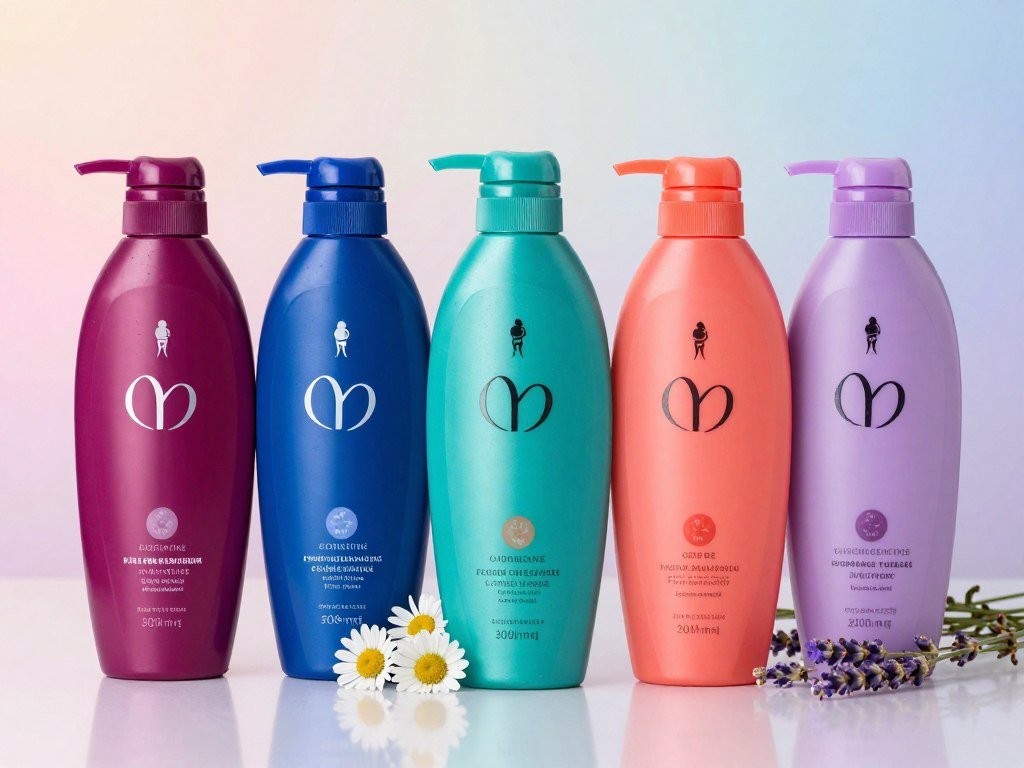
Are Sulfate-Free Shampoos Always Better for Color-Treated Hair?
Sulfate-free shampoo can be a good choice for color-treated hair, but it is not automatically the gentlest or best-performing option for every scalp. Sulfates cleanse oil and dirt by helping them rinse away with water, and they create lather. The full formula matters more than the sulfate label alone.
What sulfates do in a shampoo
Sulfates are surfactants, or cleansing agents that help oil-based dirt mix with water. Some formulas use them for stronger cleansing, which can suit oily scalps or product buildup.
There is no scientific evidence that all sulfates dry hair, irritate skin, or strip color. How a shampoo feels can depend on the concentration, the other ingredients, and the final pH.
Water can swell wet hair and allow some color to leach out. Research has found no notable difference in fading between sulfates and other surfactants.
Why the whole formula matters
A sulfate-free formula may feel more comfortable for dry, curly, coily, or chemically treated hair. The formula still needs to cleanse well enough for the scalp and styling products you use.
A shampoo’s lather does not tell you by itself how well it cleans or how it will affect your color. A low-lather wash can still cleanse, while a foamy one is not automatically harsh.
Readers looking for the best shampoo for colored hair that is sulfate free can consider sulfate-free options, especially when stronger cleansing feels drying. That choice remains a preference, not a universal rule for all hair types.
For a broader way to weigh scalp needs, texture, and ingredients, see how to choose shampoo and conditioner. If a formula cleans comfortably without leaving the scalp or lengths feeling stripped, its performance matters more than the sulfate label by itself.
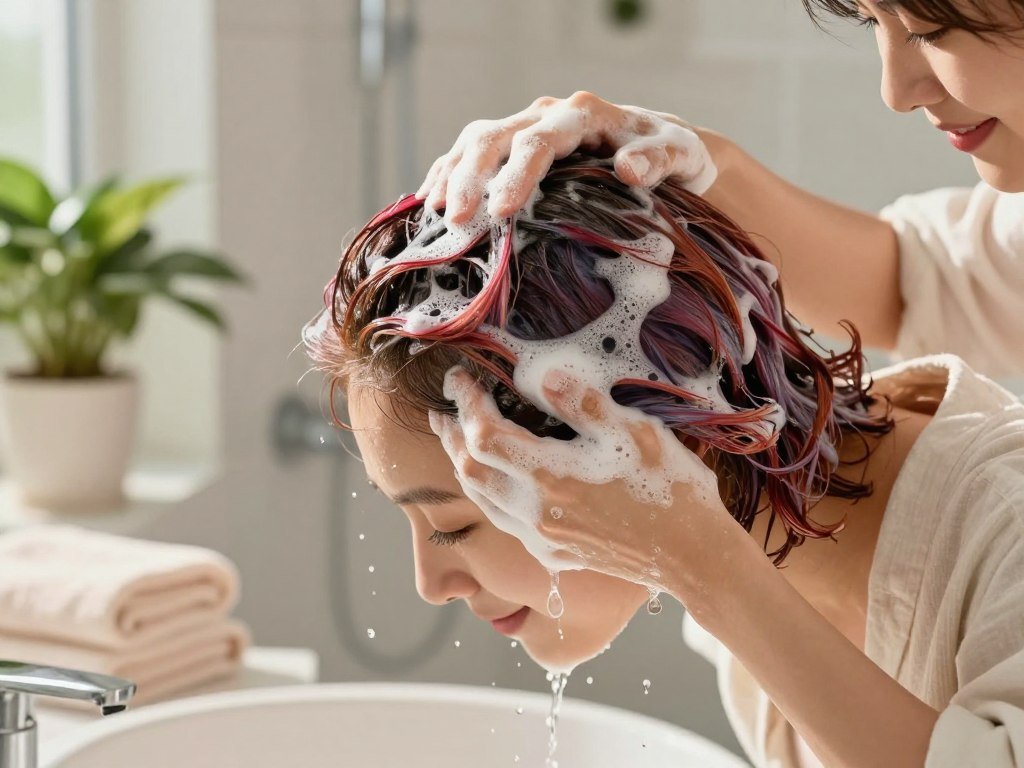
Which Shampoo Fits Your Hair Type and Moisture Needs?
Fine, oily hair usually needs a lighter-feeling wash than dry, thick, or coily hair. The best moisture shampoo for colored hair named here is Malin+Goetz Moisturizing Shampoo, a fit for shoppers who want a moisture-focused wash. Choose shampoo for the scalp and conditioner for the lengths.
Hair type is only part of the match. Scalp oil and the condition of the ends can differ, so one formula may not feel right from root to tip.
| Hair or scalp need | Cleansing approach | Conditioner weight |
|---|---|---|
| Fine or oily hair | Light wash; stronger cleansing may help oily roots | Light, mainly on ends |
| Dry or thick hair | Gentler wash to limit a stripped feel | Medium to rich |
| Curly or coily hair | Gentler cleansing that suits drier lengths | Rich, focused on lengths |
| Chemically treated hair | Gentle cleansing if hair feels dry or fragile | Choose by dryness and thickness |
Fine hair can lose lift when conditioner is too heavy, even if the ends need some care. Apply a lighter conditioner to the lengths rather than coating the roots.
Thick hair may need a richer conditioner to soften the lengths. If the scalp is oily, stronger cleansing can help remove excess oil and product buildup without requiring a heavy conditioner across the whole head.
Dry, curly, and coily hair may feel better with gentler cleansing and more conditioner. These textures can have dry lengths even when the scalp still needs regular cleansing.
Chemically treated hair may also benefit from a gentler wash when it feels dry or rough. Let the hair’s current condition guide the amount of moisture, rather than relying on a label alone.
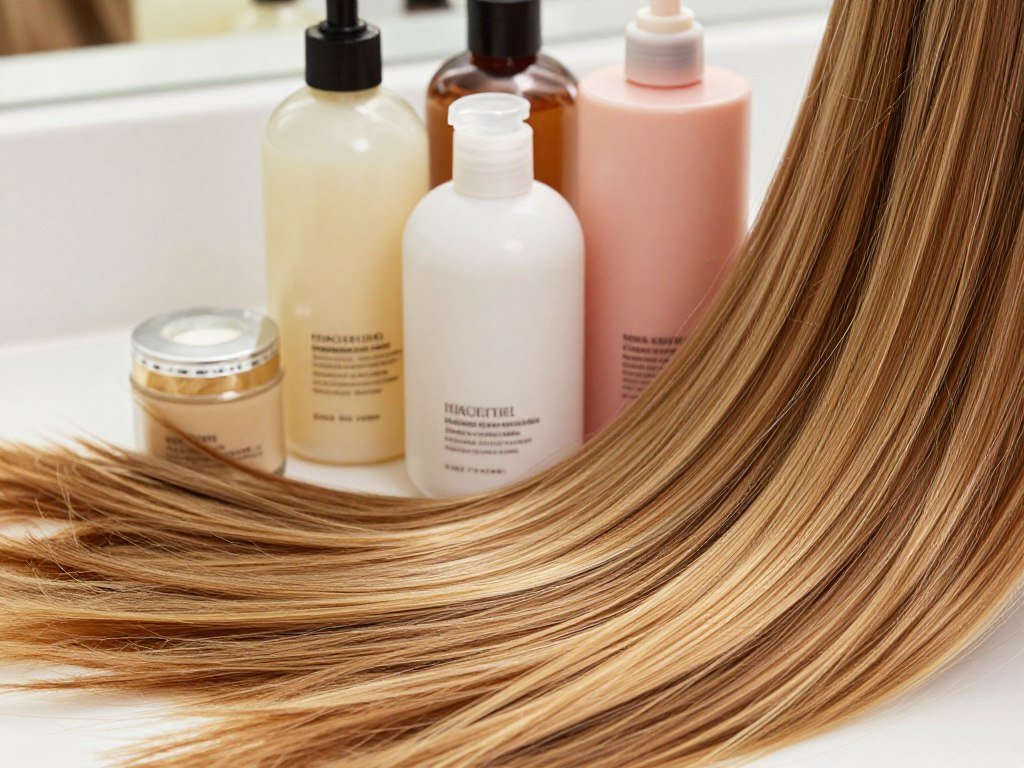
For more help weighing hair type against scalp needs, read this shampoo and conditioner selection guide. If the scalp gets oily before the ends do, keep cleansing focused at the roots and condition the drier lengths.
Which Shampoo Works for Blonde, Brunette, and Red Hair?
Use a toning shampoo to address a specific unwanted warm tone, not as a substitute for every regular wash. Purple shampoo can counter yellow tones in blonde hair, while blue-pigmented shampoo can counter orange tones in brunette hair. Highlighted hair counts as color-treated hair.
Regular color-protection shampoo is for routine cleansing; a toning shampoo adds pigment to shift the look of a shade. Wella INVIGO Brilliance Color Protection Shampoo comes in fine-to-medium and coarse-hair formulas. It is described as pH-optimized to help close the cuticle after coloring.
Blonde and brunette tones
Blonde hair with yellow tones may benefit from violet pigment. Brunette hair with orange tones may suit blue pigment, which targets that warmer cast.
These products are shade-specific tools, not a replacement for regular cleansing. Using a pigment shampoo when there is no unwanted warmth may add a tone the hair does not need.
Red shades and blonde highlights
Violet shampoo can balance yellowish brassiness in strawberry-blonde hair and red hair with blonde highlights. The blonde pieces are color-treated even when the rest of the hair is red or natural.
Wella INVIGO Blonde Recharge Color Refreshing Shampoo is used for 3-5 minutes before rinsing. That time is product-specific, so follow the directions on the bottle rather than extending the contact time.
Hair color can look different across highlighted strands, and pigment may affect those pieces more than the rest. Follow the toning product’s own rinse-time directions so the pigment does not sit on the hair longer than intended.
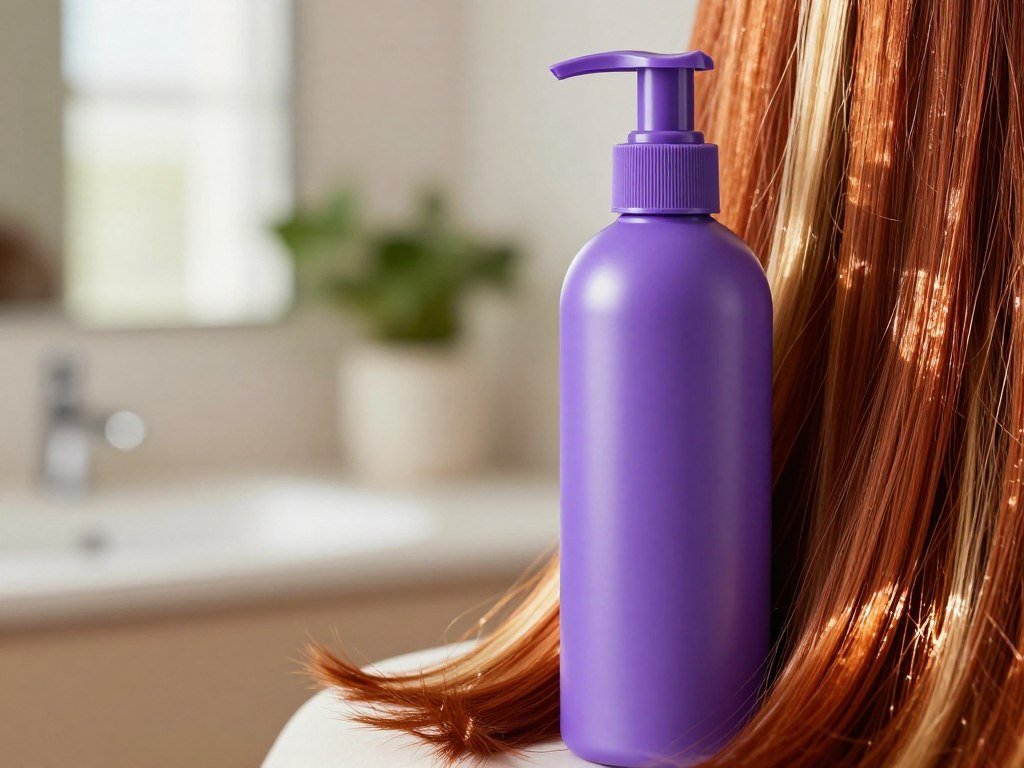
How Often Should You Wash Color-Treated Hair?
For most people, two to three washes per week is a reasonable starting point for color-treated hair. That general rule can shift with scalp oiliness, exercise and sweat, and hair texture. Your comfort matters more than following a fixed count.
- Scalp oiliness: oilier roots may feel ready for a wash sooner.
- Exercise and sweat: frequent workouts can change how fresh the scalp feels.
- Hair texture: some textures feel dry sooner after cleansing than others.
Use those factors to shape a routine, not as a rigid schedule. A person with an oily scalp may want to wash more often than someone whose scalp and hair feel comfortable for longer.
Sweat and styling products can also affect how the roots feel between washes. Pay attention to comfort and visible oil instead of forcing a schedule that leaves the scalp unpleasant.
Texture matters because the scalp and lengths do not always need the same care. A routine that works for fine hair may not feel right for thick, curly, or coily hair.
Use the general range as a starting point, then adjust around your daily life and scalp. If the scalp feels uncomfortable or visibly oily sooner, adjust the routine rather than forcing a lower wash count.
Should You Use Conditioner After Every Shampoo?
Yes, most color-treated hair benefits from conditioner after shampoo, with extra attention to the mid-lengths and ends. Shampoo cleans the scalp and hair, while conditioner helps soften the strands. Apply rinse-out conditioner where dryness is most noticeable.
Conditioner can help hair feel smoother after washing and support shine. Red-colored hair is a clear case for pairing a conditioner with each wash, as Wella recommends this step for maintaining red color.
The shampoo and conditioner do not have to come from the same product line. Choose a shampoo that suits the scalp, then pick a conditioner that suits the texture and dryness of the lengths.
Fine hair may feel weighed down by a rich conditioner near the roots. Thick or dry lengths may need more product to feel coated and soft.
For more on how shampoo and conditioner serve different needs, see this guide to choosing both products. Use enough conditioner to coat the dry lengths, then rinse thoroughly so the roots do not feel weighed down.
What Makes Hair Color Fade Faster?
Hair color can fade through repeated washing and everyday exposure to heat, hard water, and sunlight. Water exposure itself can contribute to fading, and hot water is one avoidable stress during wash day. Small changes can limit repeated exposure.
Water and wash-day exposure
Hard water, which contains minerals, can contribute to fading. Hot showers also add heat during a wash, while repeated wetting gives color more chances to leach from the hair.
Heat and sunlight
Frequent heat styling and UV exposure can contribute to fading. A lower setting and fewer passes can reduce heat exposure when styling; a hat can cover hair during long periods outdoors.
| Fading factor | Practical response |
|---|---|
| Hard water | Watch for a dull or coated feel after repeated exposure |
| Hot showers | Use lukewarm water for the wash |
| Heat styling | Moderate heat and limit repeated passes |
| UV exposure | Cover hair during extended time in the sun |
- Use lukewarm water during shampooing.
- Moderate heat styling and avoid repeated passes.
- Cover hair during extended sun exposure.
Heat tools can affect both color and hair condition. A guide to choosing a hair straightener can help you compare settings and features for your hair type.
For red hair, use lukewarm water and consider a cool final rinse after the shampoo is fully rinsed away.
When Should You Use a Clarifying Shampoo?
Clarifying shampoo has a place when oil or styling residue builds up, not as an automatic part of every wash. It can help oily hair or a coated feel, but it is not an everyday color-maintenance shampoo. Use it for a clear buildup problem.
- Oily roots that still feel coated after a regular wash.
- Styling-product buildup after repeated use.
- Dull or coated hair that feels weighed down by residue.
Clarifying shampoos cleanse more deeply than many routine washes. That can be helpful when residue gathers, but frequent use may not suit hair whose color you are maintaining.
Follow the product label, then return to your regular shampoo once the buildup is gone. A clarifying wash should solve a specific problem, not become the default formula for every wash day.
Hard-water minerals can also leave hair feeling coated. A clarifying shampoo routine guide explains how this type of wash can address residue and minerals.
Pay attention to how the lengths feel after the residue clears. Use it for a specific buildup problem, then reassess whether the scalp and lengths still need that stronger cleanse.
Which Drugstore Shampoos Suit Color-Treated Hair?
Start with two label checks: the product is marked for color-treated hair, and its sulfate status is clear. Labels help narrow the options, but they cannot predict how a shampoo will feel on every scalp. Tresemmé Keratin Smooth Color is the clearest fit here for a sulfate-free, color-treated formula.
A useful label check
Compare the stated color-care label, bottle size, and shelf price. These four shampoos list sulfate-free features, though their package sizes and label wording differ.
| Shampoo | Package size and listed price | Stated color or sulfate label |
|---|---|---|
| Tresemmé Keratin Smooth Color | 28 fl oz, $5.99 | Sulfate-free; for color-treated hair |
| Kristin Ess Signature Shampoo | 10 fl oz, $11.99 | Sulfate-free and color-safe |
| Herbal Essences Color + Protect Grapeseed Shampoo | 13.5 fl oz, $8.47 | Sulfate-free |
| L’Oréal Paris EverPure Sulfate Free Bond Repair+ Shampoo | 6.8 fl oz, $9.99 | Sulfate-free; gentle on color-treated hair |
Sulfate-free options
Each listed option states a sulfate-free feature, while the exact color wording differs. Kristin Ess calls its shampoo color-safe; L’Oréal Paris says it is gentle on color-treated hair.
Herbal Essences Color + Protect Grapeseed Shampoo states that it is sulfate-free. Tresemmé names color-treated hair directly, which makes its label a clear match for shoppers seeking both claims.
A drugstore choice for red hair
A color-safe, sulfate-free daily shampoo can suit red hair when the label fits the hair and scalp. A separate tone-depositing product serves a different purpose: refreshing tone rather than routine cleansing.
Red shades may need color care without a pigment shampoo in every wash. Choose a tone-depositing formula only when the red tone needs a refresh.
Treat drugstore prices as a snapshot and compare the bottle size as well as the shelf price.
What Should You Avoid in a Shampoo for Colored Hair?
The shampoos most worth avoiding are the ones that leave your scalp irritated or your hair persistently dry, not a brand name in isolation. A formula that feels fine for one person may not suit another scalp or hair type. No shampoo brand is categorically bad for every hair type.
An individual sensitivity is different from a universal ingredient rule. If a shampoo causes itching, redness, or lasting discomfort, its effect on your scalp matters more than a general claim about one ingredient.
Hair that feels stripped after repeated washes may need a less cleansing formula or more conditioning on the lengths. That does not prove every product with the same cleansing agent will feel the same.
What is the healthiest shampoo for colored hair? It is the formula that cleans the scalp comfortably and suits the hair’s current condition. A single ingredient-free checklist cannot make that choice for every person.
Read the label for the product’s stated use, then pay attention to how your scalp and hair respond. Persistent dryness can also come from a mismatch between cleansing strength and hair texture.
If a shampoo repeatedly causes discomfort, stop using it and choose a formula better suited to your scalp.
How Can You Reduce the Risk of a Hair-Dye Reaction?
Follow the hair-dye label and perform its skin test before every use, even if the same dye caused no earlier reaction. A negative test or past use cannot guarantee that a reaction will not happen next time. Stop using the product if a reaction occurs.
Label directions and skin tests
Coal-tar hair dyes are an exception to the general rule that color additives need FDA approval before use in cosmetics. They do not require FDA approval, but they must carry a caution statement and adequate directions for a skin test.
The FDA can act if a dye fails those labeling rules or contains another harmful ingredient. The agency’s final rule ending permitted use of lead acetate in hair dyes took effect January 6, 2022, after a 2019 stay.
Allergies can develop after repeated use
The FDA exercised enforcement discretion for 12 months after the rule took effect. Some coal-tar hair dyes can cause allergic reactions or sensitization, including irritation and hair loss.
PPD, or para-phenylenediamine, has been prominently implicated in hair-dye allergic reactions. Sensitivity can develop after repeated exposure, even when earlier uses caused no problem.
- Follow the hair-dye label each time.
- Perform the skin test before every use.
- Stop using the product if a reaction appears.
A negative skin test lowers no risk to zero, so stop using the dye if irritation or another reaction appears.
Why Are Hair Dyes Unsafe for Eyebrows and Eyelashes?
Never use coal-tar hair dye on eyebrows or eyelashes. Hair dye in the eye area has caused serious injuries, including blindness. A smaller amount does not make the use safe.
Coal-tar hair dyes are not permitted for dyeing eyebrows or eyelashes. The risk comes from using the dye near the eyes, where a product made for scalp hair can cause severe harm.
A skin test first does not make eyebrow or eyelash use safe either. A test cannot prevent dye from reaching the eye or remove the risk of injury from that use.
Keep hair dye away from the eye area and use only products specifically intended for that area.
Does Hair Dye Shampoo Actually Change Your Color?
A color-care shampoo helps with routine maintenance, while a pigmented shampoo can temporarily adjust unwanted warmth. Ordinary color-care shampoo cleans hair; it is not meant to replace a dye service. Toning shampoo deposits pigment to shift tone, not permanently change hair color.
Color-care shampoo versus color-depositing shampoo
A regular shampoo labeled for color-treated hair is designed for routine cleansing. A color-depositing shampoo contains pigment that can affect the look of strands while you wash.
Shampoo color additives follow FDA rules, with coal-tar hair dyes treated as an exception. That distinction does not make a pigmented shampoo equal to a permanent salon color service.
What a toning shampoo can correct
Purple shampoo can counter yellow tones in blonde hair. Blue shampoo can counter orange tones in brunette hair, so the pigment should match the unwanted warmth.
These shampoos adjust tone rather than promise a lasting color change. The visible result depends on pigment, hair shade, and how the product is used.
Match the pigment to the unwanted tone, and do not expect shampoo to replace a professional color service.
Can Dry Shampoo Help Color Last Longer?
Dry shampoo can make it easier to go longer between wet washes by absorbing oil at the roots. It comes in two common forms, aerosol sprays and powders. Dry shampoo refreshes roots but does not wash away sweat or buildup.
- Apply dry shampoo to the roots.
- Follow the package directions for use.
- Wash when residue or scalp buildup becomes noticeable.
Dry shampoo can help when roots look oily but the rest of the hair does not need a wet wash yet. Use only as much as the package directs, since product residue can gather over time.
It does not replace water and shampoo for removing sweat or styling products. A buildup of product can make hair feel coated, even if the roots look less oily.
Use dry shampoo as a temporary refresh, not as a replacement for washing away sweat and product residue.
Choose the format that is easiest to apply evenly at the roots. Use it as a temporary refresh, not as a replacement for washing away sweat and product residue.
Conclusion
A shampoo is a better fit when it solves your main hair or scalp concern without making color care harder. Choose for scalp and hair needs, not sulfate status alone. Use toning shampoo only for the unwanted warmth it is meant to counter.
Before your next wash, check the current shampoo label and decide whether the main issue is oil, dryness, damage, or brassiness. That choice can help you keep a simple routine and protect the feel and shine of color-treated hair.
Check your bottle before the next wash and switch only if its formula does not match the need you have identified.
FAQ
Can I use color-safe shampoo on natural, uncolored hair?
How long should I wait to shampoo after coloring?
Can color-safe shampoo protect hair from UV damage?
Should I mix purple shampoo with my regular shampoo?
Can color-safe shampoo remove buildup from hard water?