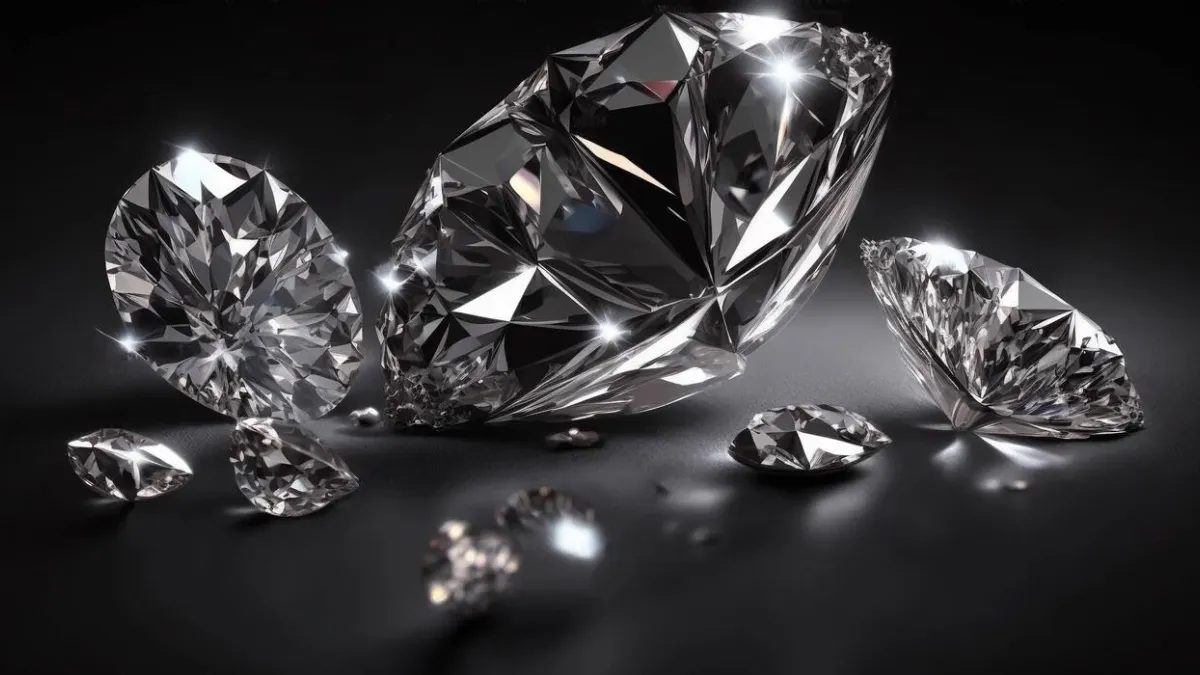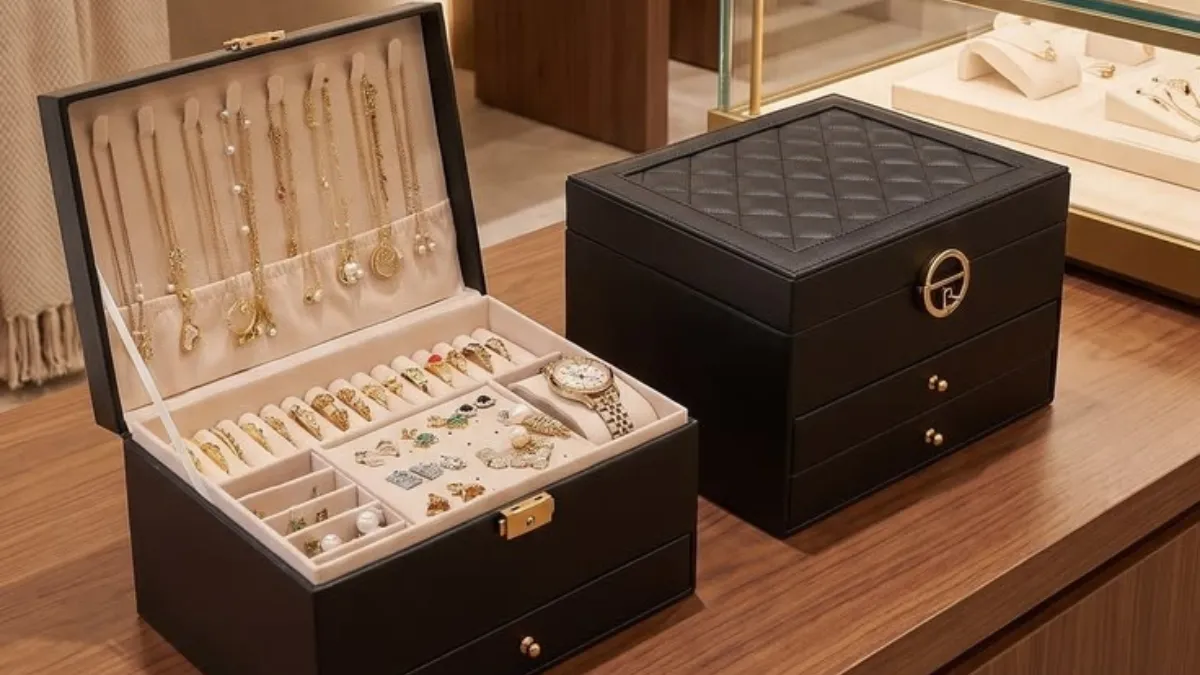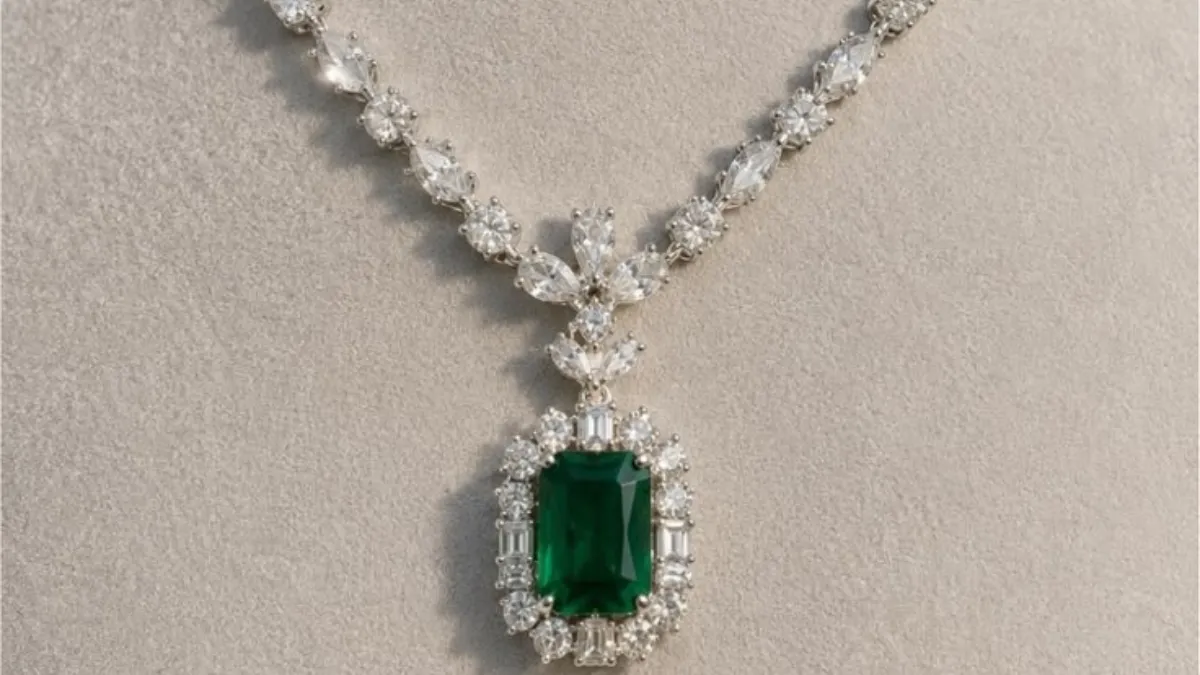
Luxury fine jewelry represents the perfect balance of craftsmanship, precious materials, and personal style. From diamond engagement rings and gold necklaces to gemstone earrings and elegant bracelets, these pieces offer more than visual appeal. They can mark important milestones, become treasured family heirlooms, and bring lasting value to a jewelry collection.
Unlike fashion jewelry made primarily from inexpensive metals and decorative materials, fine jewelry is crafted using precious metals such as gold, platinum, and sometimes sterling silver, often paired with natural or lab-grown diamonds and gemstones. Luxury designs distinguish themselves through material quality, careful finishing, thoughtful design, and attention to detail.
Whether you are buying your first fine jewelry piece, choosing a meaningful gift, or expanding an existing collection of luxury accessories, understanding what makes jewelry luxurious can help you make a confident decision.
What Is Luxury Fine Jewelry?
Luxury fine jewelry is jewelry made from precious materials and designed with a strong emphasis on quality, craftsmanship, and aesthetics. Common examples include solid gold rings, platinum necklaces, diamond bracelets, pearl earrings, and gemstone pendants.
A simple gold necklace from a skilled independent jeweler can qualify as fine jewelry even without a famous brand name. Similarly, an elaborate diamond necklace from a luxury house may combine precious materials with distinctive design and exceptional finishing.
Several characteristics commonly define luxury fine jewelry:
- Precious materials: Solid gold, platinum, diamonds, and quality gemstones.
- Expert craftsmanship: Carefully finished settings, secure clasps, polished surfaces, and precise stone placement.
- Thoughtful design: Pieces created to complement different styles, occasions, and personal preferences.
- Attention to detail: Consistent finishing, balanced proportions, and comfortable wear.
- Reliable documentation: Clear information about metal purity, gemstone characteristics, and relevant grading reports.
Luxury does not always mean elaborate or expensive-looking. A delicate gold chain or a pair of understated diamond studs, a hallmark of quiet luxury fashion, can be just as refined as a statement necklace.
Popular Types of Luxury Fine Jewelry
Luxury fine jewelry comes in many forms, making it possible to build a collection around everyday essentials, special occasions, or distinctive statement pieces.
1. Luxury Gold Necklaces
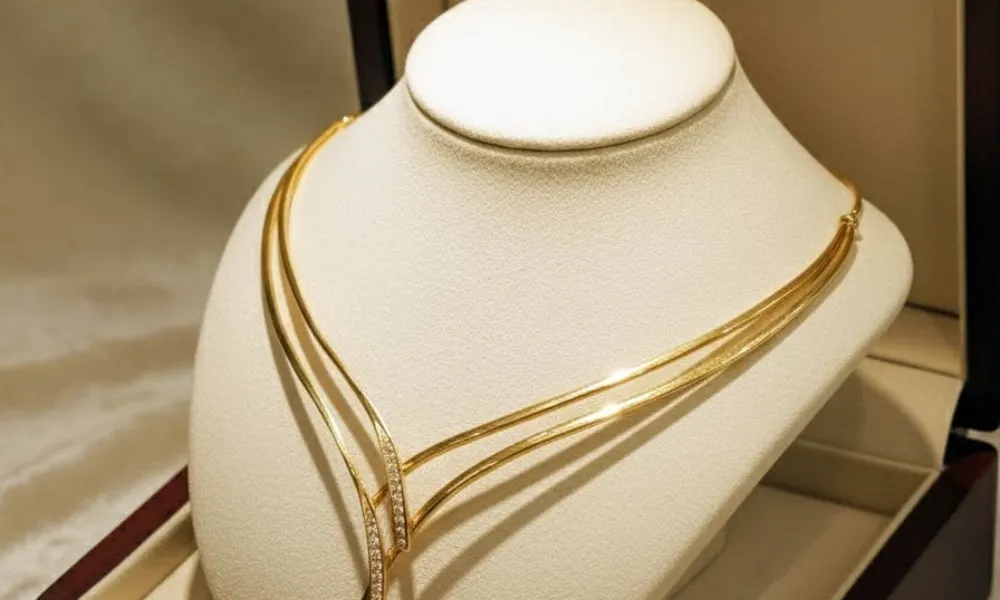
Gold necklaces are among the most versatile fine jewelry pieces. They can be worn alone for a minimalist look or layered to create a more personalized style.
Popular options include delicate gold chains, pendant necklaces, lariat designs, and bold chain links. Yellow gold offers a warm, traditional appearance, while white gold provides a cooler finish. Rose gold delivers a softer pink tone.
When shopping, check the gold purity. In many markets, 18-karat gold is popular for luxury jewelry because it contains 75% gold mixed with other metals for strength and color. Fourteen-karat gold contains approximately 58.5% gold and can be a practical choice for frequent wear.
2. Diamond Rings
Diamond rings are associated with engagements, anniversaries, celebrations, and personal milestones. However, luxury diamond rings are not limited to traditional engagement designs.
Solitaire rings feature a central stone, while halo settings surround the main diamond with smaller stones. Three-stone rings and vintage-inspired designs offer additional options.
When comparing diamonds, consider the four Cs: cut, color, clarity, and carat weight. Cut affects how effectively a diamond reflects light, while color and clarity describe characteristics of the stone. Carat measures weight rather than visual size alone.
A well-proportioned diamond with an excellent cut may look more brilliant than a heavier diamond with a less effective cut. Comparing stones individually is therefore more useful than choosing by carat weight alone.
3. Fine Diamond Earrings
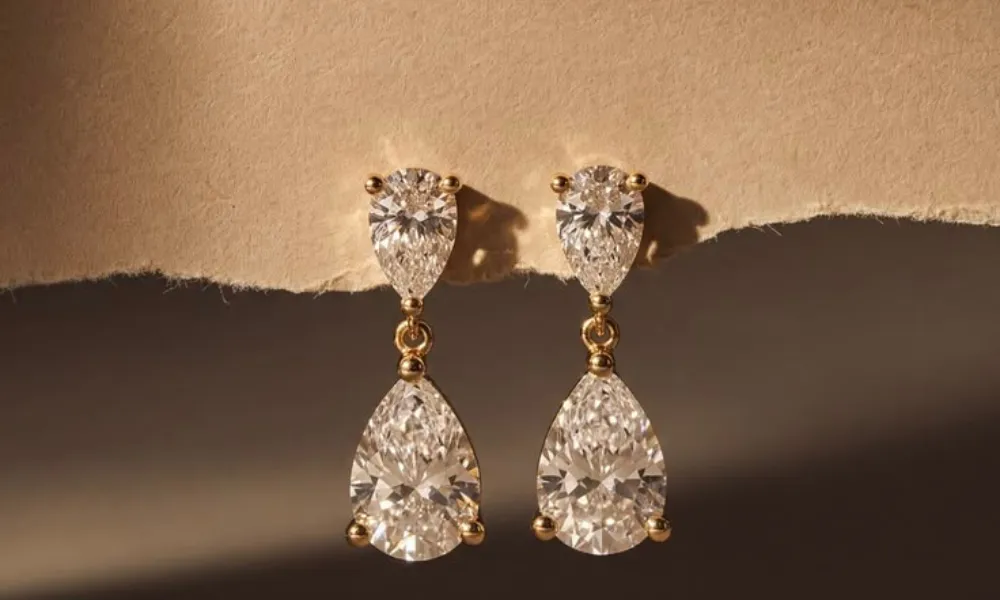
Diamond studs are classic jewelry essentials because they work with casual clothing, office outfits, and formal looks. Hoops, drop earrings, and diamond-encrusted designs provide more noticeable alternatives.
The best option depends on comfort, lifestyle, and the occasions for which you plan to wear the earrings. For everyday use, secure backs and balanced weight are important. Larger designs may be better suited to occasional wear.
Check the setting carefully, especially if the earrings contain multiple small stones. Secure settings help reduce the risk of losing diamonds during regular use.
4. Luxury Bracelets and Bangles
Fine bracelets can add elegance without dominating an outfit. Popular styles include gold bangles, tennis bracelets, chain bracelets, and diamond cuffs.
A diamond tennis bracelet offers a continuous line of stones, while a plain gold bangle creates a cleaner, more understated effect. Chain bracelets are especially versatile because they can be worn alone or combined with a watch and other jewelry.
Before purchasing, check the clasp, flexibility, and fit. A bracelet should sit comfortably on the wrist without feeling excessively tight or sliding off too easily.
5. Gemstone Fine Jewelry
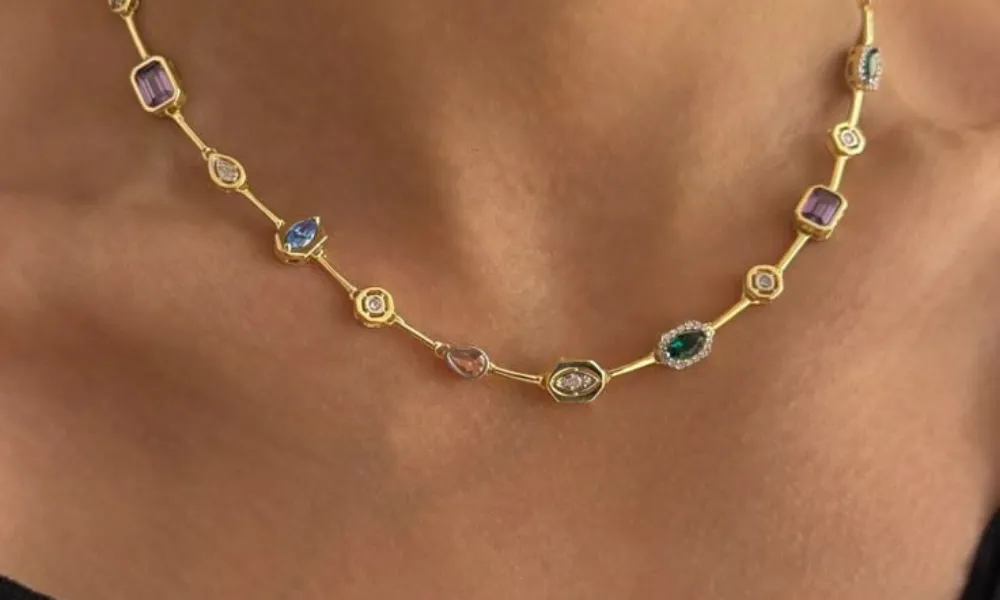
Gemstones introduce color and individuality into a luxury jewelry collection. Sapphires, rubies, emeralds, aquamarines, and other precious or semiprecious stones appear in rings, pendants, earrings, and bracelets.
Each gemstone has its own appearance, durability, and care requirements. Sapphires and rubies are relatively hard and suitable for many everyday designs, while emeralds often require more careful handling because they may contain natural inclusions and can be more vulnerable to damage.
Ask whether a gemstone has been treated to improve its appearance. Heat treatment is common for some stones, while other treatments may affect care requirements or market value. Reputable sellers should disclose known treatments.
What Makes Fine Jewelry Luxurious?
Not every piece of expensive jewelry offers the same level of quality. Understanding the factors behind its price can help you distinguish genuine craftsmanship from branding or presentation.
Quality of Materials
Precious metals and gemstones influence both appearance and cost. Gold purity, platinum content, diamond quality, gemstone rarity, and the weight of the materials can all affect pricing. However, a higher price does not automatically indicate better quality. Compare the actual specifications of similar pieces rather than relying only on the retail label.
Craftsmanship and Finishing
Fine craftsmanship is visible in the details. Settings should hold stones securely, edges should feel smooth, and clasps should operate reliably. Rings and bracelets should also be comfortable enough for their intended use.
For pieces containing multiple gemstones, look for consistent alignment and balanced spacing. Small construction details can make a substantial difference to durability and appearance over time.
Design and Brand Heritage
Some luxury jewelry houses, along with the biggest luxury fashion houses, are recognized for signature motifs, distinctive designs, and long-established traditions. Their products may command premium prices because of brand reputation, design recognition, and retail positioning.
Independent jewelers can also create exceptional fine jewelry. A lesser-known maker may offer excellent materials and craftsmanship without the additional cost associated with a globally recognized name.
Documentation and Transparency
Reliable documentation supports an informed purchase. Depending on the item, useful records may include a detailed receipt, metal purity markings, gemstone treatment disclosures, and an independent grading report for a significant diamond.
A hallmark can help identify metal purity, although hallmarking systems differ by country. Documentation should match the piece being sold and clearly describe what is included.
Luxury Fine Jewelry vs. Fashion Jewelry
The main difference between fine jewelry and fashion jewelry is the materials used and how the pieces are constructed.
| Feature | Luxury Fine Jewelry | Fashion Jewelry |
| Materials | Precious metals and quality gemstones | Base metals, plated metals, glass, or synthetic decorations |
| Construction | Often designed for long-term use and repair | Durability varies by product |
| Price | Generally higher | Usually more affordable |
| Maintenance | May require professional servicing | Often replaced rather than repaired |
| Personal significance | Frequently chosen for milestones or heirlooms | Often selected to complement current trends |
There is no need to choose one category exclusively. Fashion jewelry can be useful for experimenting with current luxury fashion trends, while fine jewelry can provide enduring essentials for a personal collection.
It is also important to distinguish solid gold from gold-plated jewelry. Gold plating applies a thin layer of gold over another material, whereas solid gold jewelry is made from a gold alloy throughout. Gold-plated pieces can look attractive, but their surface layer may wear away with use.
Natural Diamonds vs. Lab-Grown Diamonds
Both natural and lab-grown diamonds have the same fundamental chemical composition and crystal structure. They can also share similar optical and physical properties.
Natural diamonds form through geological processes over long periods. Lab-grown diamonds are produced using controlled technological processes that replicate the conditions needed for diamond growth.
Natural diamonds may appeal to buyers who value geological origin or traditional market associations. Lab-grown diamonds can provide an alternative for those who want a diamond at a lower purchase price for comparable specifications.
Neither category should be evaluated by origin alone. Compare cut, color, clarity, carat weight, grading documentation, and the seller’s return policy. Lab-grown diamonds should be accurately identified as such, and their resale value should not be assumed to match that of natural diamonds.
How to Choose the Best Luxury Fine Jewelry
The right piece depends on your budget, lifestyle, preferred materials, and reason for buying. A thoughtful purchase starts with a few practical questions.
Set a Realistic Budget
Decide how much you are comfortable spending before comparing individual designs. Include possible resizing, cleaning, insurance, or future maintenance costs when relevant.
If your budget is limited, consider a simpler design with high-quality materials rather than paying a premium for a large stone or a recognizable logo. A modest gold pendant or a pair of diamond studs can be a strong starting point.
Match the Jewelry to Your Lifestyle
Daily jewelry needs to withstand regular handling. Simple gold chains, low-profile rings, and secure earrings may be suitable for frequent wear.
Large gemstones, delicate settings, and intricate pieces may require more careful use. If you work with your hands, exercise regularly, or prefer low-maintenance accessories, prioritize durability and comfort.
Choose Materials You Enjoy Wearing
Think about the metal colors and designs you naturally gravitate toward. Yellow gold creates a warm appearance, white gold and platinum offer cooler tones, and rose gold provides a distinctive alternative.
Your choice should reflect personal preference rather than a rule about which metal is fashionable. Consider whether the new piece will coordinate with jewelry you already own.
Examine the Details Before Buying
Review the item description and ask questions about the materials. For diamonds, request relevant grading information. For colored gemstones, ask about known treatments and any special care requirements.
Inspect clasps, stone settings, metal finishing, and the overall construction whenever possible. Online buyers should review detailed photographs, sizing information, seller policies, and return conditions.
Consider Long-Term Wear
Trendy designs can be enjoyable, but versatile pieces, like those in a timeless luxury wardrobe, often offer more opportunities for repeated use. A simple gold chain, classic hoop earrings, or a well-made ring can complement different outfits and remain relevant as your style changes.
Buy jewelry because you appreciate its design and quality, not because you expect it to become a profitable investment.
How Much Does Luxury Fine Jewelry Cost?
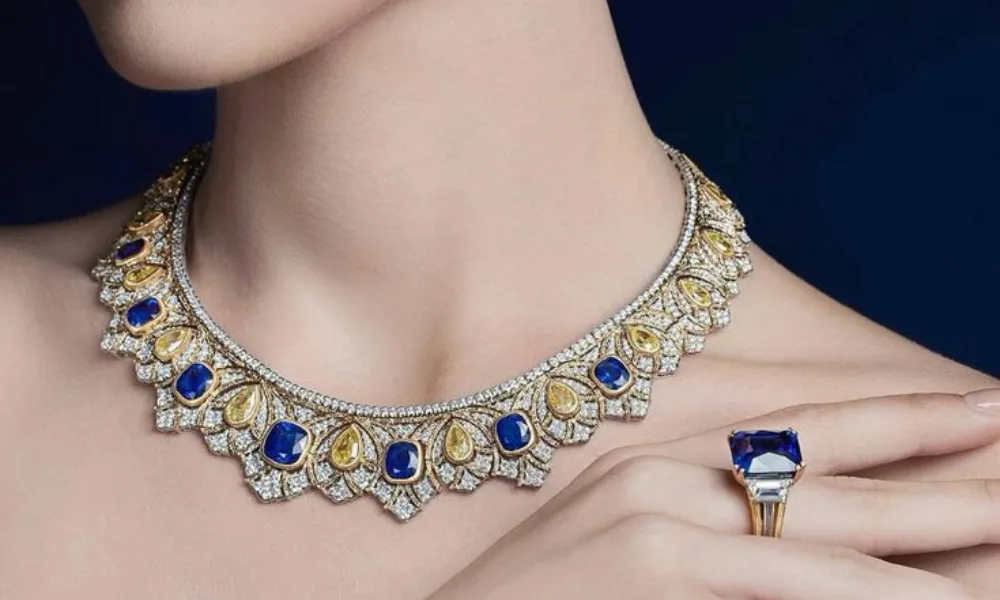
Platinum pieces can also cost more than comparable gold designs, depending on current material prices and construction. Brand premiums, especially from top luxury brands, can make two pieces with similar materials and gemstone specifications carry very different retail prices.
Platinum pieces can also cost more than comparable gold designs, depending on current material prices and construction. Brand premiums can make two pieces with similar materials and gemstone specifications carry very different retail prices.
When comparing prices, consider these factors:
- Metal: Purity, weight, and the type of precious metal.
- Gemstones: Size, quality, origin where relevant, and treatment.
- Craftsmanship: Setting complexity, hand-finishing, and construction.
- Brand: Design recognition, heritage, and retail positioning.
- After-sales service: Warranties, repairs, resizing, and maintenance options.
Ask for a detailed breakdown when possible. For valuable pieces, independent gemstone documentation and a professional appraisal may help establish relevant characteristics or support insurance arrangements. An appraisal is not a guarantee of future resale value.
How to Care for Luxury Fine Jewelry
Regular care helps preserve the appearance and condition of fine jewelry. Clean suitable pieces gently with lukewarm water, mild soap, and a soft brush. However, not every gemstone or setting is suitable for water-based cleaning. Pearls, porous stones, treated gemstones, and pieces with fragile construction may require specialized care.
Avoid exposing jewelry unnecessarily to household chemicals, chlorine, perfumes, and cosmetics. Put jewelry on after applying beauty products, and remove delicate pieces before swimming, strenuous exercise, or activities that could cause impact.
Store items separately in a lined jewelry box or soft pouches to minimize scratches and tangling. Diamonds can scratch other jewelry, so even hard gemstones should be stored carefully.
Have valuable pieces checked periodically by a qualified jeweler, particularly rings and bracelets with multiple stones. A professional can inspect settings, clasps, and signs of wear before a small problem leads to a lost stone or costly repair.
Common Mistakes to Avoid When Buying Fine Jewelry
A beautiful design can be tempting, but a few common mistakes may lead to disappointment.
Buying based on appearance alone: Attractive photographs do not reveal every detail about metal purity, stone quality, or construction. Review the specifications before making a decision.
Assuming expensive means better: A premium brand name does not automatically mean superior materials or craftsmanship. Compare equivalent pieces wherever possible.
Ignoring gemstone treatments: Treatments may influence value, durability, and care. Ask for clear disclosure rather than assuming every gemstone is untreated.
Overlooking sizing and comfort: Rings, bracelets, and earrings should suit your body and daily routine. Check measurements and weight before ordering online.
Expecting guaranteed investment returns: Fine jewelry can hold personal value, but resale prices depend on demand, condition, brand, materials, and other market factors. Most retail purchases should be approached primarily as personal purchases rather than guaranteed financial investments.
Final Thoughts
Luxury fine jewelry brings together precious materials, thoughtful design, and craftsmanship that can make a piece meaningful for years. Whether you prefer minimalist gold necklaces, classic diamond rings, colorful gemstone earrings, or statement bracelets, the best choice is one that reflects your taste and meets your practical needs.
Before buying, compare material quality, gemstone details, construction, documentation, and after-sales service. Look beyond the brand name and focus on what you are actually receiving for the price. A well-chosen piece does not have to be the largest or most expensive item in a collection. It should be something you enjoy wearing, feel confident purchasing, and can care for properly over time.
Frequently Asked Questions About Luxury Fine Jewelry
1. What is considered luxury fine jewelry?
Luxury fine jewelry includes pieces made from precious metals such as gold and platinum, often featuring diamonds or other gemstones. High-quality craftsmanship, distinctive design, and attention to detail are common characteristics, although luxury pricing can also reflect brand reputation.
2. Is luxury fine jewelry worth buying?
It can be worthwhile if you value quality materials, skilled construction, meaningful design, and long-term wear. The best purchase fits your budget and lifestyle. Luxury jewelry should not be assumed to appreciate in value simply because it is expensive.
3. Which gold purity is best for fine jewelry?
Eighteen-karat gold is popular for luxury jewelry because it contains 75% gold and offers a balance between gold content and practical durability. Fourteen-karat gold contains less gold but can be suitable for everyday use. The best choice depends on the design, your preferences, and how frequently you plan to wear it.
4. Are lab-grown diamonds considered fine jewelry?
Yes. Lab-grown diamonds can be used in fine jewelry because they share the fundamental composition and crystal structure of natural diamonds. They should be clearly disclosed as lab-grown, and buyers should compare their quality, documentation, and pricing carefully.
5. How can I tell if fine jewelry is genuine?
Check metal purity markings, request a detailed receipt, and review any available gemstone documentation. For a significant purchase, an independent jeweler or qualified gemologist can assess the piece. Hallmarks and certificates are useful, but their meaning and scope should be verified.
6. Can luxury fine jewelry be worn every day?
Many fine jewelry pieces are suitable for everyday wear, including simple gold chains, sturdy rings, and diamond studs with secure settings. Suitability depends on the design, materials, and lifestyle. Remove delicate pieces during activities that may cause impact, abrasion, or chemical exposure.
Disclaimer: This content is for informational purposes only and reflects our personal opinions and experiences. We just love to write and share what we know and research