A comfortable brush you will use twice every day is a better starting point than the longest feature list. If you are choosing for sensitive teeth, a tight budget, or a new routine, a few practical details can make the choice easier. The best toothbrush is one that feels comfortable and helps you clean teeth with care.
For an electric option, the Oral-B iO Series 3 is a strong starting point. Manual brushes remain sensible for people who brush consistently with good technique. You do not need a premium handle to build a reliable routine, and a dentist can help if comfort or gum health is a concern.
Key Takeaways
- The Oral-B iO Series 3 is a useful electric starting point.
- A manual brush can work well with steady, careful technique.
- Choose a handle and brush head that feel comfortable.
- A timer and a gentle brushing habit matter more than a premium finish.
How to Choose the Best Toothbrush for Your Routine
For most shoppers who want an electric upgrade, the Oral-B iO Series 3 is the clearest starting pick. An ADA-accepted soft-bristle manual brush is also a valid choice if you already brush thoroughly.
The best toothbrush recommended by a dentist is one that is safe, effective, and suited to your needs. An ADA Seal of Acceptance means scientific evidence supports a brush’s safety and its ability to remove plaque and reduce gingivitis. Read the ADA guidance on toothbrushes for its Seal criteria and care advice.
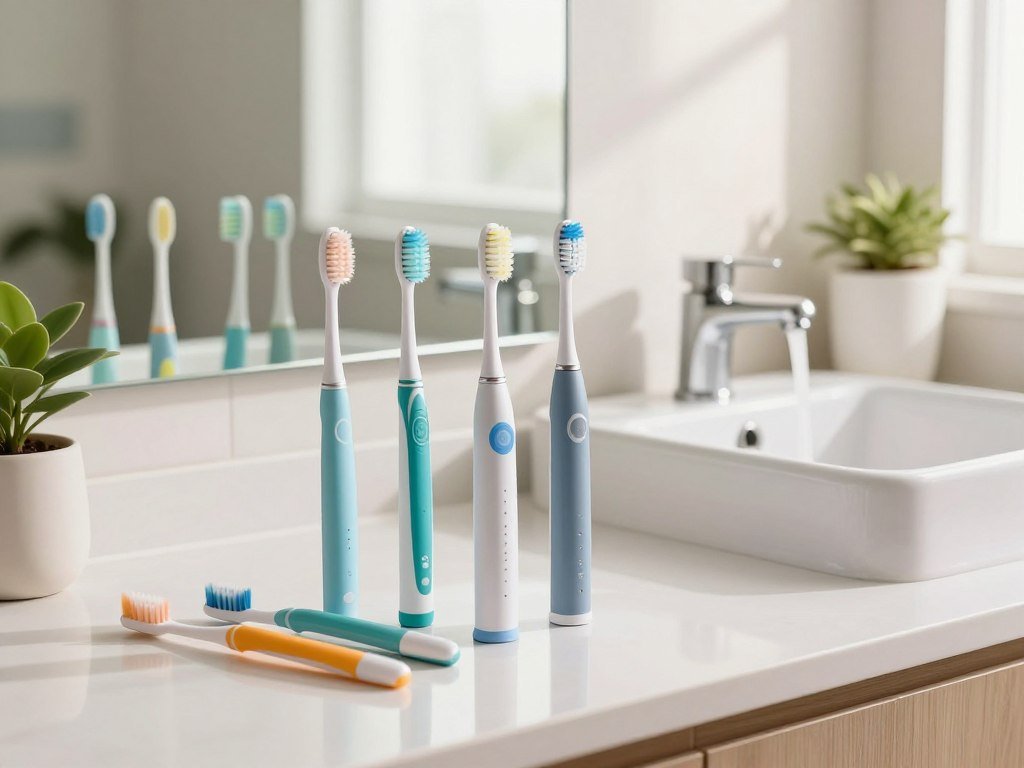
| Brush type | How it works | A good fit when |
|---|---|---|
| Manual | Your hand moves the bristles | You prefer a simple, low-cost brush |
| Oscillating-rotating electric | A small powered head turns back and forth in short arcs | You like a small head and powered motion |
| Sonic electric | A powered head vibrates rapidly from side to side | You prefer a broader, vibrating brushing feel |
An oscillating-rotating action is a powered brush head that turns back and forth in short arcs. Both electric toothbrushes and manual brushes can fit a sound routine, but the feel in your hand matters.
Choose the brush style you can comfortably use morning and night.
Dentist guidance does not mean every patient needs the same model. If you want help choosing care for your household, learn how to find a dentist for your family and bring up any brushing concerns at a visit.
Do Electric Toothbrushes Remove More Plaque Than Manual Brushes?
Electric brushes have a measurable average advantage over manual brushes, but technique still determines whether a person cleans thoroughly. The difference is modest, and a manual toothbrush can still remove plaque effectively when you use it well.
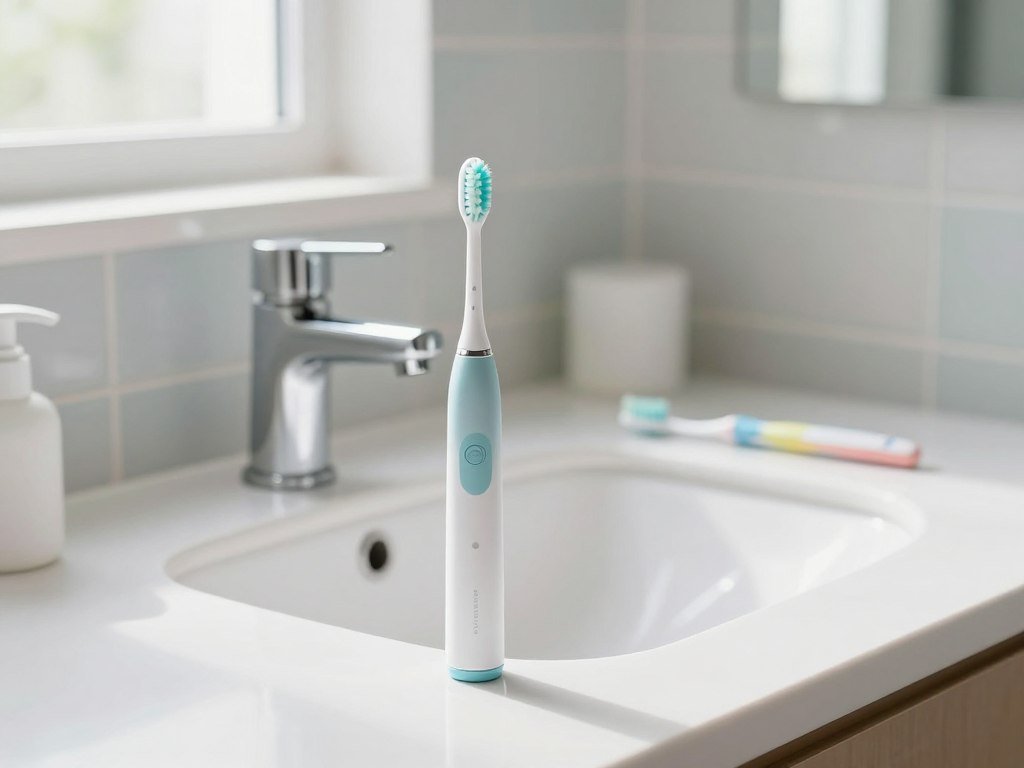
A Cochrane review found powered brushing led to less plaque and gingivitis on average. Its results covered many people and trials, not a promise about one person’s teeth. The review found about 11% more plaque removal in the first three months and 21% more after three months.
- Short term: electric toothbrushes removed about 11% more plaque during the first three months.
- Longer term: the average difference rose to about 21% after three months.
- Brush motion: research does not settle which powered style works best for everyone.
The same review found about 6% more short-term gingivitis reduction and 11% more after three months. A Cochrane review of 51 trials included 4,624 people, so its averages describe a broad group.
A 2022 network meta-analysis ranked oscillating-rotating brushes ahead of sonic and manual brushes after one brushing. It called the edge over sonic brushes “very small,” and a single-brushing test does not prove a large daily benefit.
A 2010 Cochrane review of 15 trials could not establish that one powered-brush type beat another. The uncertainty matters when comparing sonic and oscillating-rotating options. The review evidence favors powered brushing modestly, not a specific powered motion for every mouth.
Which Electric Toothbrush Features Actually Matter?
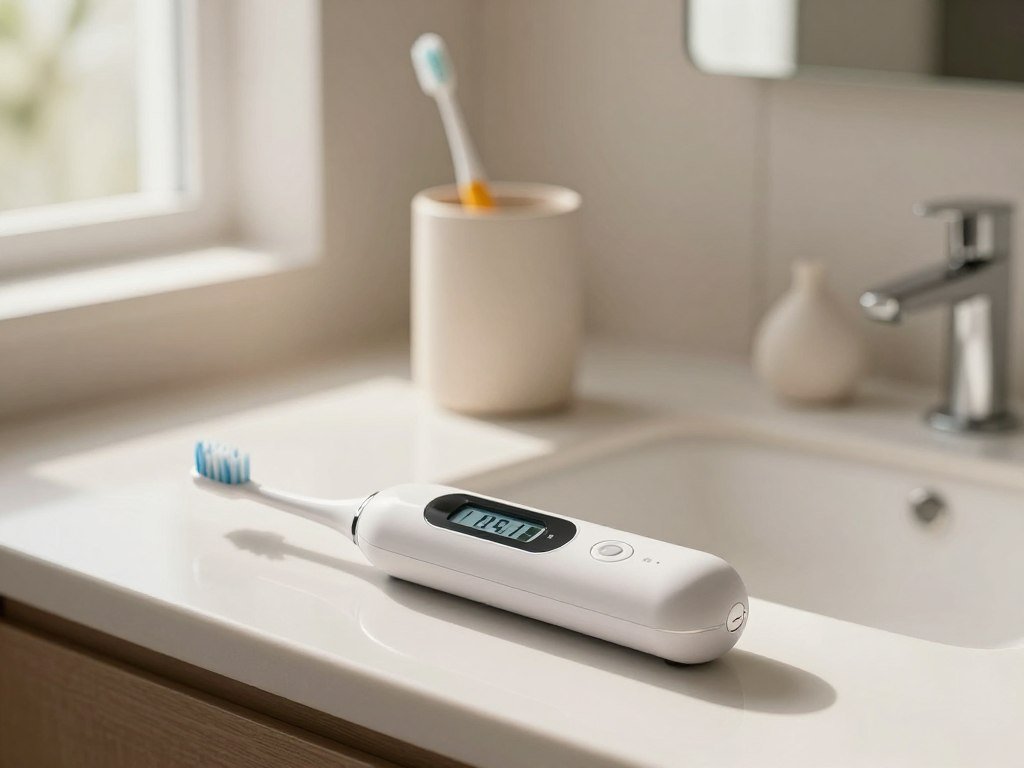
A pressure sensor and a timer are more useful to many everyday brushers than a long menu of modes. These features can help you notice routine and force, but they cannot confirm that every tooth is clean.
A timer supports a full brushing session, while a pressure warning can alert you when you press too hard. Neither feature guarantees good technique, so comfort and control still count.
| Feature | Practical purpose | What to check |
|---|---|---|
| Timer | Marks a two-minute session | Whether it signals elapsed time clearly |
| Pressure alert | Shows when brushing force is high | Whether the warning is easy to notice |
| App guidance | Offers brushing-coverage feedback | Whether you will use the app each day |
Timers and pressure feedback
A two-minute timer gives your routine a clear end point. Some models also pace the session into shorter intervals, which can remind you to move around your mouth.
A pressure sensor may use a light, sound, or change in brush action to flag excess force. It can help you notice a habit, but it cannot judge every stroke.
Modes, apps, and other extras
Several modes can suit different comfort needs, though a longer list may add little if you use one setting. A larger handle may be easier to grip, especially if small handles feel awkward.
Oral-B uses oscillating-rotating motion, while Philips Sonicare uses sonic vibration. Neither motion is a winner for every person, and comfort can shape which brush you keep using.
Smart features may show coverage through an app, while cosmetic extras mainly change the look or feel of the handle. Pay for an app only if you expect to use its feedback regularly.
What Does the Oral-B iO Series 3 Offer?
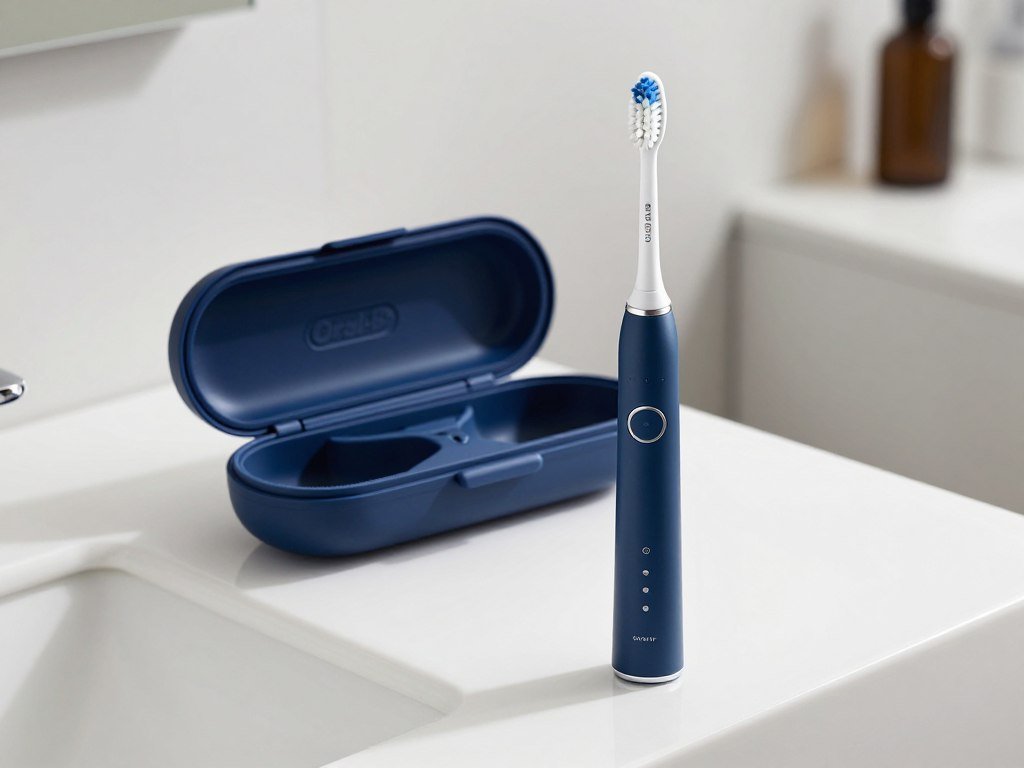
The iO Series 3 is worth considering if you want several practical safeguards without moving to a more complex premium model. Its daily-use features focus on pacing and brushing pressure.
The brush includes a pressure sensor, a two-minute timer, and a brush-head replacement reminder. A dentist’s recommendation should reflect safety, technique, and your needs, not professional endorsements alone.
- Three cleaning modes for different brushing preferences
- A pressure sensor to alert you when force is too high
- A two-minute timer and brush-head replacement reminder
- Two brush heads and a travel case in the package
The iO3 was named the best Oral-B pick in an October 6, 2026 review. Its 17-day battery life may suit people who prefer fewer charging stops during regular use.
The included travel case makes it easier to pack the brush for a trip. Still, the fit of the case and the feel of the heads matter more than simply having extra parts.
The brush has several useful safeguards, but you still guide it around your mouth and use a gentle touch. Check that the included heads and carry case match how you expect to use the brush.
Is the Philips Sonicare 4100 the Best Sonic Toothbrush?
The Sonicare 4100 is a sensible sonic pick if a paced routine matters more than advanced connected features. It is the best sonic toothbrush for value-focused shoppers in the 2026 electric-brush guide.
The Sonicare 4100 has a two-minute timer with a 30-second pacer, a gentle-start feature, and a brush-head replacement reminder. Those tools suit shoppers who want a straightforward daily brush.
The timer can break a session into four sections, while gentle start eases the brush into use. The reminder helps you keep track of the brush head, rather than guessing from memory.
In October 2026, the model received 4.3 out of 5 stars from more than 23,000 Amazon ratings. That rating is a snapshot of customer feedback, not proof of clinical performance.
The Sonicare 4100 is a strong option if you want a simple sonic model. The best Sonicare toothbrush in 2026 depends on the job: the 4100 suits a value-focused routine, while a premium model belongs in a separate category.
Personal comfort matters more than vibration style, so choose the model you can use without straining your hand or mouth. Confirm the exact 4100 model number and feature set before comparing listings.
Is the Oral-B Pro 1000 a Good Budget Pick?
The Pro 1000 is a practical budget choice for someone who wants a basic powered brush and a clear overpressure response. Its simple controls make the handle easier to learn.
When you press too hard, the Pro 1000 stops pulsing. That physical change can make excess pressure easier to notice than a warning you might miss.
The brush also signals every 30 seconds, giving you a cue to cover another section of your mouth. That pacing can make a two-minute session feel more even without adding an app or a complex display.
The 2026 guide names it the budget electric-brush pick. Its basic feature set may suit someone who wants a powered brush without several modes or connected tools.
More modes do not automatically mean a better clean. A simple brush can support good brushing when you move it carefully and give every area enough attention.
If you like clear feedback but rarely change settings, the Pro 1000 keeps the routine direct. Pick the simpler handle if extra settings would go unused.
Is the SURI 2.0 Worth the Upgrade?
The SURI 2.0 stands out for shoppers who value a clean design and fewer charging interruptions. Its long battery life can suit frequent travelers or people who dislike charging another device often.
The SURI 2.0 has two cleaning modes and a 38-day battery life. That setup favors simple choices over a large control menu.
Electric Teeth named it its editor’s choice in an October 6, 2026 review. That is one reviewer’s recommendation, not a universal verdict for every bathroom or brushing style.
A minimalist design may appeal if you want a neat handle and fewer charging stops. The two-mode setup may feel limiting if you like changing settings or want more control over your brushing experience.
The SURI 2.0’s three-year ownership cost was listed at $207. It is sensible to compare that figure with the features you plan to use, rather than choosing by appearance alone.
Its design and battery may suit your routine, but the brush head must also feel right in your mouth. Compare its head-replacement cost with the features you will actually use.
What Does a Premium Philips Sonicare Add?
A premium Philips Sonicare makes most sense when adaptive feedback and app guidance are features you will use. The extra guidance can help people who want more feedback during daily brushing.
The Philips Sonicare 9900 Prestige was named the best-technology pick in an October 6, 2026 review. Its SenseIQ technology adapts to brushing technique, and app guidance can help track coverage.
SenseIQ is an example of adaptive brushing technology, not a feature that belongs only to the 9900 Prestige. Philips Sonicare models can offer different smart features, so compare the specific model rather than assuming every premium handle works alike.
The 9900 Prestige’s category label marks it as a technology-focused option. It does not mean you need a premium brush to clean well with a steady routine.
A premium handle may also work as a high-end personal-care gift, much like the other practical luxury gift ideas for grooming and travel. Treat connected features as an upgrade in guidance, not a substitute for brushing well.
Which Manual Toothbrushes Are Worth Considering?
A manual brush can be a good choice when a soft head and comfortable handle make daily brushing easy to sustain. The best manual toothbrush is the one that fits your hand and mouth, not the one with the biggest claim.
For a low-cost multipack, the Colgate Extra Clean is the simplest pick; Curaprox and Radius offer different design choices. Brush fit and gentle technique matter more than a premium label.
| Model | Format | Listed price |
|---|---|---|
| Curaprox CS 5460 multipack | Multipack | About $24.24 |
| Radius Source reusable-handle toothbrush | Reusable handle with replaceable head | About $10.80 |
| Colgate Extra Clean Medium multipack | Multipack | About $4.96 |
The Curaprox multipack may appeal if you want a distinct handle and compact head. The Radius Source gives you a reusable handle design, while Colgate offers a low-cost multipack.
Prices are approximate and can change between stores. Choose based on the shape that feels steady in your grip and reaches your back teeth without awkward wrist movement.
The right manual brush does not need a premium name to be useful. Choose the handle and head shape that let you reach the back teeth without straining.
How to Choose a Manual Toothbrush for Comfort
For a manual brush, the head’s size and the feel of the bristles are often more useful to compare than packaging claims. A comfortable fit can make brushing easier to keep up.
The ADA recommends soft bristles, while individual comfort and dentist advice can matter for sensitive mouths. Handle shape can also change how easily you control the brush.
Bristles and head shape
Each Curaprox CS 5460 brush head has 5,460 bristles, each 0.1 millimeters thick. Those are construction details, not a guarantee that the brush cleans better.
The Curaprox has a compact head that may feel easier to guide around tight spaces. Colgate Extra Clean uses bristles arranged at multiple levels and angles, a design choice that changes how the bristles meet teeth.
When your teeth or gums feel sensitive, a head that is easy to position may feel more comfortable. Your dentist can help you choose a brush if ordinary brushing remains uncomfortable.
Handle materials and reusable designs
The Curaprox CS 5460 has an octagonal handle, which gives your fingers several flat sides to hold. Its bristles use polyester rather than nylon.
The Radius Source uses a reusable handle with replaceable heads. That format lets you keep the handle and change only the head when needed.
Try the grip before settling on a design, especially if round handles slip in your hand. A compact head is worth trying if a larger brush is awkward around the back teeth.
What Does an Electric Toothbrush Cost Over Time?
A low checkout price does not always mean the lowest long-term cost. Electric toothbrush prices range from about $20 for a basic timer model to about $400 for an app-connected AI model.
Periospot’s October 2026 price bands are under $60, $60-$150, and over $150. The bands mark broad price levels, not a promise that models in each range share the same features.
| Model | Approximate price | Battery life | Three-year ownership cost |
|---|---|---|---|
| Philips Sonicare 4100 | About $39.99 | 17 days | $150 |
| Oral-B iO3 | About $106.33 | 17 days | $158 |
| SURI 2.0 | About $134.99 | 38 days | $207 |
These prices and ownership costs reflect figures dated October 6, 2026, and store prices can change. The Philips Sonicare 9900 Prestige was about $334.94 on that date.
Charging needs, head replacement, and optional app extras can affect the value of electric toothbrushes. Battery life may matter more if you travel often or dislike keeping a charger on the counter.
A lower price may suit a basic routine, while a higher one can reflect added features. The three-year ownership estimates place head costs and other expected expenses alongside the handle.
Compare the replacement-head expense as well as the handle before deciding what offers value.
Which Toothbrush Features Help With Sensitive Gums?
If brushing leaves your gums sore, start by reducing force rather than buying the most powerful brush. A pressure sensor or lower setting may help you notice how much force you use.
A sensor can provide feedback, but it cannot diagnose gum recession or treat its cause. For lasting soreness or changes, a dentist can check what is going on.
Pressure feedback and gentle settings
A pressure sensor can alert you when you press too hard. A lower intensity setting may also make brushing feel gentler for some people.
The Philips Sonicare 4100 HX4031/71 offers a pressure sensor and three intensity settings. It is an option to discuss with a dentist if you have receding gums, not a treatment for recession.
The SURI 2.0 also adds a pressure sensor. These features can help you notice force, but they do not replace careful brushing or personal dental advice.
When to ask a dental professional
Ask a dentist about persistent soreness, bleeding, or gum recession. A sensor cannot tell whether those signs come from brushing force or another cause.
If tooth sensitivity affects your routine, discuss it before trying whitening products. Some at-home whitening kits can cause temporary sensitivity or gum irritation.
You can also build a regular relationship with a dentist who knows your oral health history. Ask a dentist to review persistent gum changes before relying on a new setting.
How Much Do Replacement Brush Heads Cost?
Replacement heads are a recurring expense, so check the compatible options before choosing a handle. Head cost can change the value of both powered brushes and reusable-handle designs.
The listed replacement head costs are $8 for the Philips Sonicare 4100, $6 for SURI 2.0, and $4-$5 for Radius Source. A Radius reusable handle costs $5-$7.
These prices show that the handle and head do not always need to be replaced together. Radius Source is designed so you can keep its reusable handle and change the head.
Compatibility matters: powered handles and reusable designs may need a specific head shape or connection. Check the exact brand and model before buying a replacement part.
Replacement-head cost is only one part of value. A different head style or handle may better fit your routine, even if its parts cost more.
Look at the head you will use, not just the handle in the box. Confirm the head model fits your exact handle generation before ordering replacements.
How Should You Brush for a Thorough Clean?
A reliable routine is two minutes of gentle brushing, twice a day. The same basic steps work with a manual or powered brush.
The ADA recommends brushing twice daily for two minutes with a soft-bristled toothbrush. A full routine gives every part of your mouth attention.
- Brush in the morning and again in the evening.
- Set or follow a two-minute timer.
- Angle the bristles toward the gumline at 45 degrees.
- Use gentle, short strokes and cover every area.
The ADA also suggests holding the brush at a 45-degree angle to the gumline and moving gently back and forth in short strokes. These movements help you clean along the gumline without harsh scrubbing.
Guide a powered brush from tooth to tooth rather than scrubbing forcefully. Let the brush do its motion while you stay in control of where it goes.
A steady pace helps you avoid rushing past the back teeth or inner surfaces. Let the timer guide the routine, but make sure every part of the mouth gets attention.
When Should You Replace a Toothbrush or Brush Head?
Plan to replace a toothbrush or powered-brush head every three to four months. The visible condition of the bristles can call for an earlier change.
The ADA advises replacing a toothbrush every three to four months, or sooner if bristles look matted or frayed. Electric-brush users replace the head, not the handle.
Check the bristles from time to time. If they have lost their shape, replace the brush or brush head rather than waiting for the usual date.
Replace a worn brush or head as soon as its bristles become visibly matted or frayed.
A damaged head may feel less comfortable and harder to guide. Keep an eye on the bristles as part of ordinary bathroom care.
Conclusion
The right toothbrush is the one that makes a gentle, complete routine easy to keep. Electric features can help with timing and feedback, but they are not required for effective brushing.
Your next step is simple: check whether your preferred model’s head fits your budget, then choose a soft-bristled option that feels comfortable. A brush that suits your hand and mouth is easier to use every day.
Choose your preferred brush, set a two-minute timer, and use it consistently.
FAQ
Can I use an electric toothbrush with braces?
Can two people share an electric toothbrush handle?
Do toothbrush apps improve cleaning?
Does an ADA Seal guarantee a brush is right for sensitive gums?
Is a premium electric toothbrush worth the extra cost?