A high price tag and a famous label can make a piece look like a safe investment, but neither tells you how it will wear. It can be hard to tell lasting workmanship from an expensive look, especially when a polished display or product photo shapes your first impression.
This guide gives you a practical way to inspect the garment itself, whether you are shopping in a store or online. You will learn what to notice, how to judge those details against your needs, and when a costly piece may not suit your wardrobe. Durability means how well a garment retains its function, shape, and construction through use and care. A good quality choice should work for the way you plan to wear and care for it. Taking a few minutes to inspect a piece can help you spend on clothes that suit your life and are worth keeping.
Key Takeaways
- Judge each garment by its materials, construction, and intended use.
- Do not treat a famous brand or high price as proof of durability.
- Check whether the fabric and finishes suit the way you will wear the piece.
- Test fit and movement, not just how the garment looks on a hanger.
- Use online photos, measurements, and return terms to make a careful choice.
How to Identify Quality in Luxury Clothing Without Trusting the Label
A 2025 study of retail T-shirts and denim jeans found that their prices could not predict durability. Price alone can reflect many things beyond a garment’s construction, so the tag does not tell you how the piece will hold up.
Judge the item in front of you, not the status attached to its label. In fall 2026, listings included a Chloé gathered boule jacket for $4,890 and a Khaite Valetta dress for $5,200. An Alaïa turtleneck maxi dress listed for $4,450, while a Prada crewneck sweater listed for $3,300.
| Designer | Listed piece | Fall 2026 listed price |
|---|---|---|
| Chloé | Gathered boule jacket | $4,890 |
| Khaite | Valetta dress | $5,200 |
| Alaïa | Turtleneck maxi dress | $4,450 |
| Prada | Crewneck sweater | $3,300 |
| Dior | Fitted cardigan | $3,900 |
A Dior godet skirt listed for $3,400, and a Balenciaga cape coat listed for $4,790. These fall 2026 prices are examples, not evidence of quality. A less prestigious brand can make a better individual piece than a luxury label does in a disappointing one.
Use the price tag as a reason to inspect carefully, not as a verdict on workmanship.
The 2025 durability study used several measures to assess commercially available T-shirts and denim jeans. Its finding is a useful reminder that a high price and a long life are not the same thing.
You can also compare labels with a guide to affordable luxury fashion brands, but the garment still needs its own inspection. For more on judging designer goods, consider what quality means in designer brands. Treat the price tag as a reason to inspect carefully, not as a verdict on workmanship.
What Does Quality Mean Beyond a Luxury Label?
Quality combines performance, construction, and the experience of wearing a piece, rather than one luxury signal. Durability is how well a garment retains its function, shape, and construction through use and care.
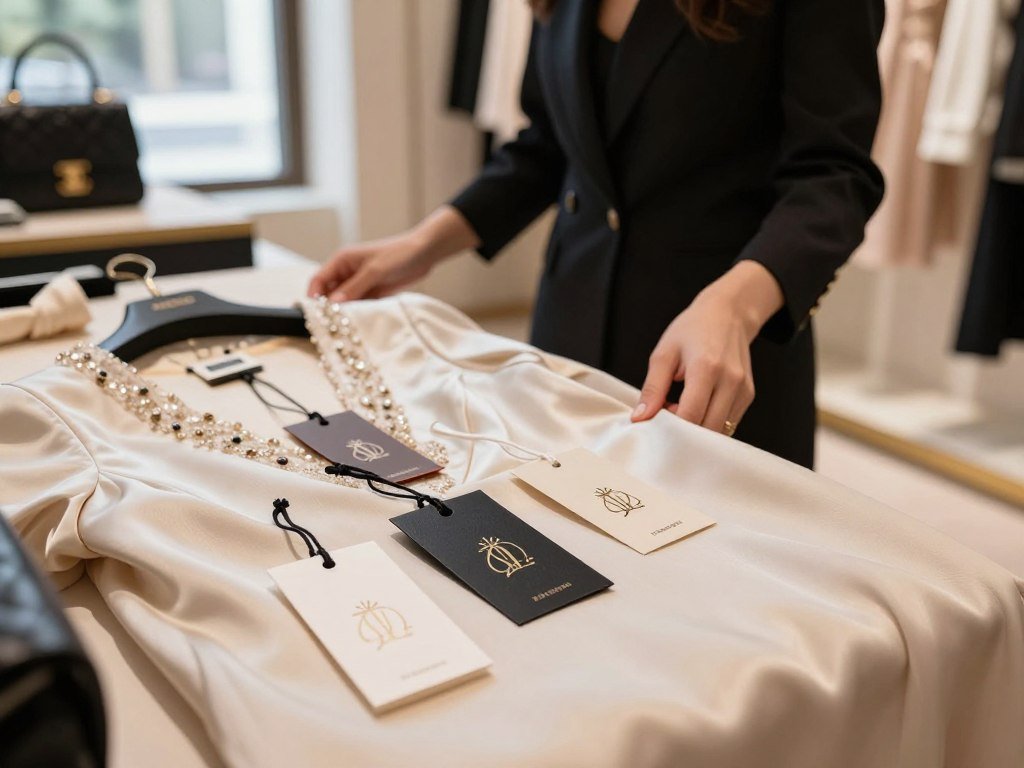
Assess quality through three lenses: how long the piece lasts, how it is made, and how it looks and feels to wear. Those measures can differ. A silk blouse may have a luxurious drape but need gentle care, while a pair of jeans may be built for regular wear.
Fabric quality affects comfort, appearance, durability, and wearability. A comfortable cotton T-shirt can be a good choice for daily use, even without elaborate handwork. A hard-wearing pair of jeans can suit someone who values ease and repeat wear.
A silk blouse may feel special because of its drape and touch. That feeling does not prove it will outlast the jeans, and it does not need to. Delicate fabric is not automatically poor quality when the construction suits the fabric and the garment’s intended use.
Your priorities shape what counts as a good quality piece. One person may want a blouse for occasional events, while another needs clothing that handles frequent wear and simple care.
The same approach helps when you compare luxury items for long-term value: expected use and condition matter more than a name alone. Judge each piece against the job you expect it to do, rather than against an abstract idea of perfection.
Which Fibers Suit the Garment’s Job?
The useful question on a composition label is whether the fibers suit the garment’s intended use. Natural and synthetic fibers each bring useful qualities, so neither group is automatically better.
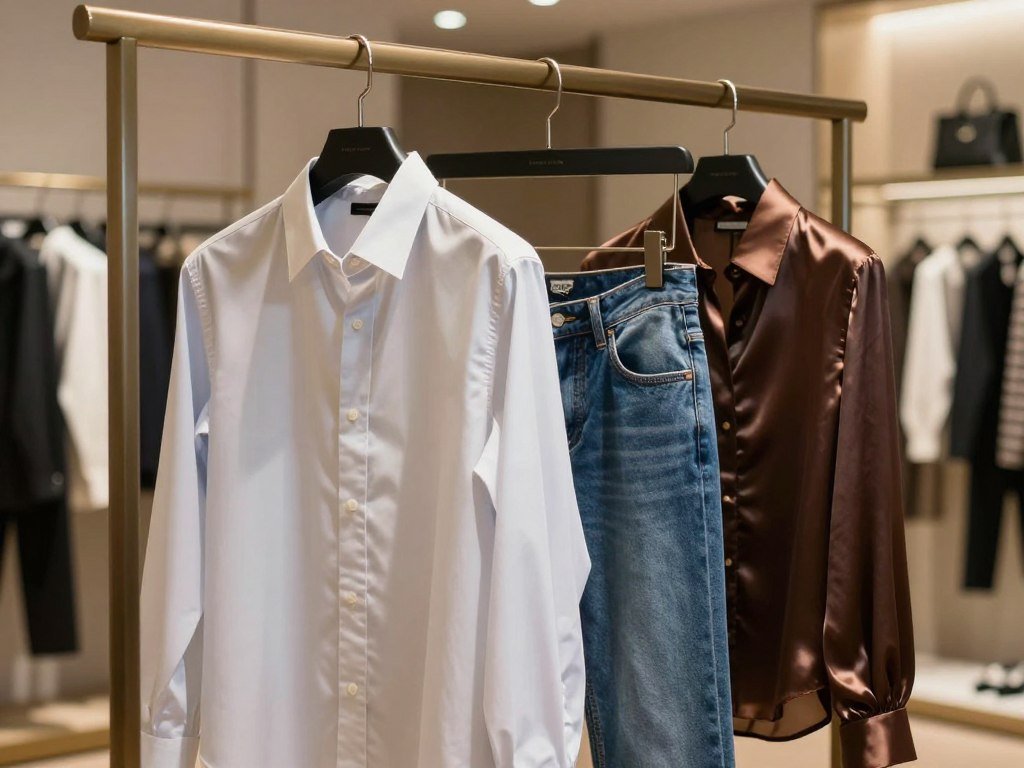
Choose fiber composition by comfort, function, and care needs. Cotton, linen, wool, and silk are often valued for breathability, softness, and comfort. Polyester, nylon, and spandex can support stretch, durability, wrinkle resistance, or moisture management.
Natural Fibers for Breathability and Comfort
Cotton often works well in everyday shirts and knits because it feels soft and lets air pass. Linen is a common choice for warm-weather clothing, where breathability and comfort matter.
Wool and silk can offer softness and comfort in sweaters or delicate occasion pieces. Their feel and care needs differ, so check the garment’s care directions before deciding whether they fit your routine.
Synthetics for Stretch and Performance
Polyester, nylon, and spandex can help clothing stretch, manage moisture, or resist wrinkles. Those traits can suit activewear and other performance garments. A blend may be sensible if it supports the way you expect to use the piece.
| Fiber or fiber group | Useful qualities | Common garment context |
|---|---|---|
| Cotton | Breathability and softness | Everyday shirts and knits |
| Linen | Breathability and comfort | Warm-weather clothing |
| Wool and silk | Softness and comfort | Sweaters or delicate occasion pieces |
| Polyester, nylon, and spandex | Durability, stretch, wrinkle resistance, or moisture management | Activewear and performance garments |
Fiber type alone does not determine quality. Fabric weight, construction, and how you care for the garment also affect its usefulness. If you want to compare specific options, see this guide to luxury fabrics for clothing. Choose a blend for a performance benefit you can name, not simply because its label sounds technical.
How Can You Judge Fabric by Touch and Weave?
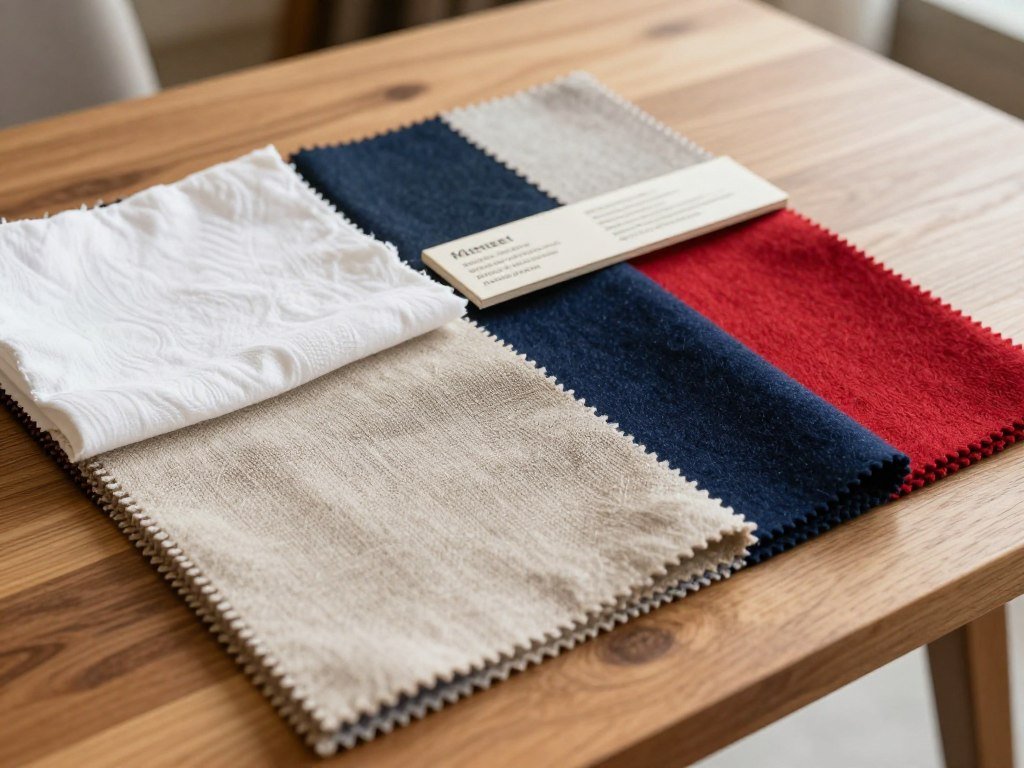
A fabric’s hand and weave reveal clues that its fiber label cannot. Touch and close inspection help you judge whether the material suits the garment, but neither test proves long-term performance.
Look for a fabric whose body, density, and appearance match the piece’s purpose. Tightly woven fabrics resist stretching and abrasion better than looser weaves. A substantial feel can still be a poor fit if the weight or structure fights the garment’s intended use.
- Feel whether the fabric has body rather than feeling hollow.
- Hold it to the light and decide whether its sheerness suits the garment.
- Look for snags, thin spots, or early pilling across the surface.
- Gently scrunch a small area and see whether it recovers.
A light, airy material may suit a summer blouse but not a structured coat. A heavier fabric may hold a firm shape, yet feel stiff or warm in a garment meant to move easily.
Silk can be delicate by nature without being poorly made. The right question is whether the fabric’s weight and weave support the garment’s design, rather than whether the material feels indestructible.
If a piece is available only online, close-up images can show some surface flaws, but they cannot replace touch. Compare the fabric’s density with what the piece is meant to do, rather than assuming heavier is always better.
Which Seam Types Reveal Thoughtful Construction?
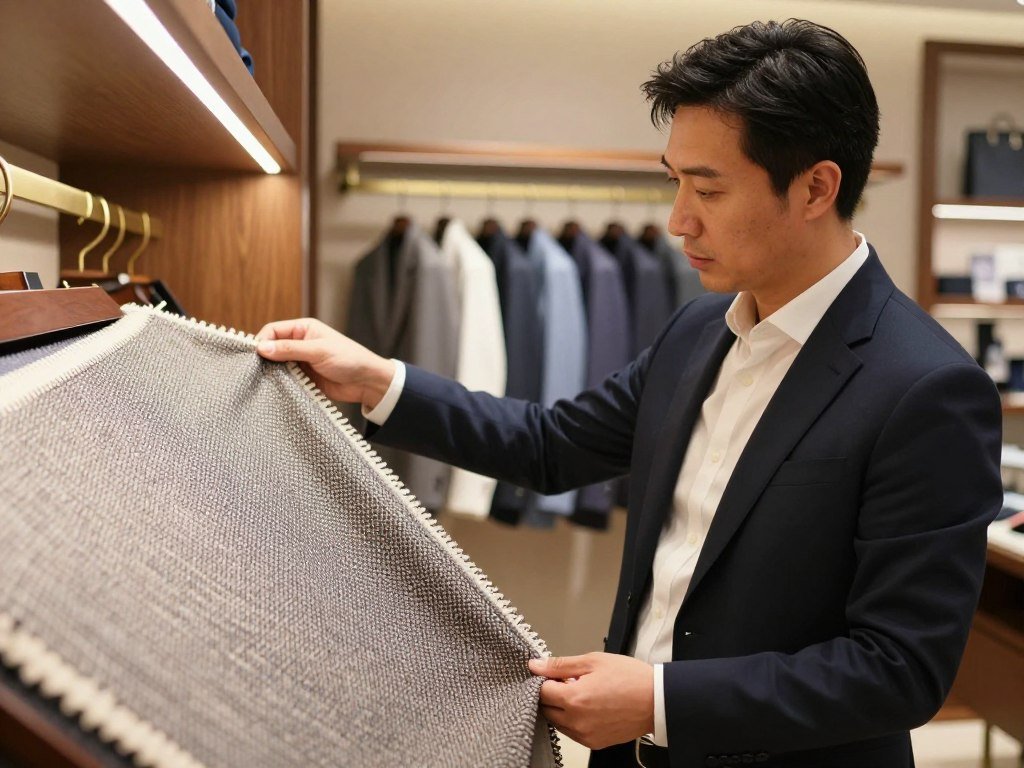
The best seam is the one suited to the fabric, garment, and way the piece will be worn. Neat, even stitching and a suitable finish matter more than finding one supposedly superior seam on every garment.
Check whether the seam type fits the garment’s job. A French seam encloses raw fabric edges, helping to prevent fraying. It is often used in silk blouses and luxury dresses, where a clean interior can suit the delicate fabric.
Enclosed and Casual Seams
Overlock stitching finishes a raw fabric edge while sewing the seam. It is common on T-shirts, sweatshirts, and other casual clothing because it makes a functional edge finish.
An overlocked edge is not, by itself, proof of poor quality. Look at whether the stitching is consistent and the seam lies as it should. A finish can be simple and still suit the garment.
Flat Seams for Close-Fitting Activewear
Flatlock seams create a low-profile finish that can reduce bulk and skin friction. Leggings and performance tops often use them because raised seams can rub during movement.
What an Overlocked Edge Can and Cannot Tell You
One seam name cannot tell you how well the whole item was made. The material, the seam’s placement, and the consistency of its stitching all matter when you assess construction.
| Seam type | What it does | Typical use |
|---|---|---|
| French | Encloses raw edges | Silk blouses and luxury dresses |
| Flatlock | Reduces bulk and skin friction | Leggings and performance tops |
| Overlock | Finishes a raw edge while sewing the seam | T-shirts and sweatshirts |
Turn the garment inside out when you can, then compare the seam finish with the fabric and style. Look for consistent stitching and a finish appropriate to the garment, not a specific seam name as a status symbol.
Where Should Reinforcement and Interfacing Matter Most?
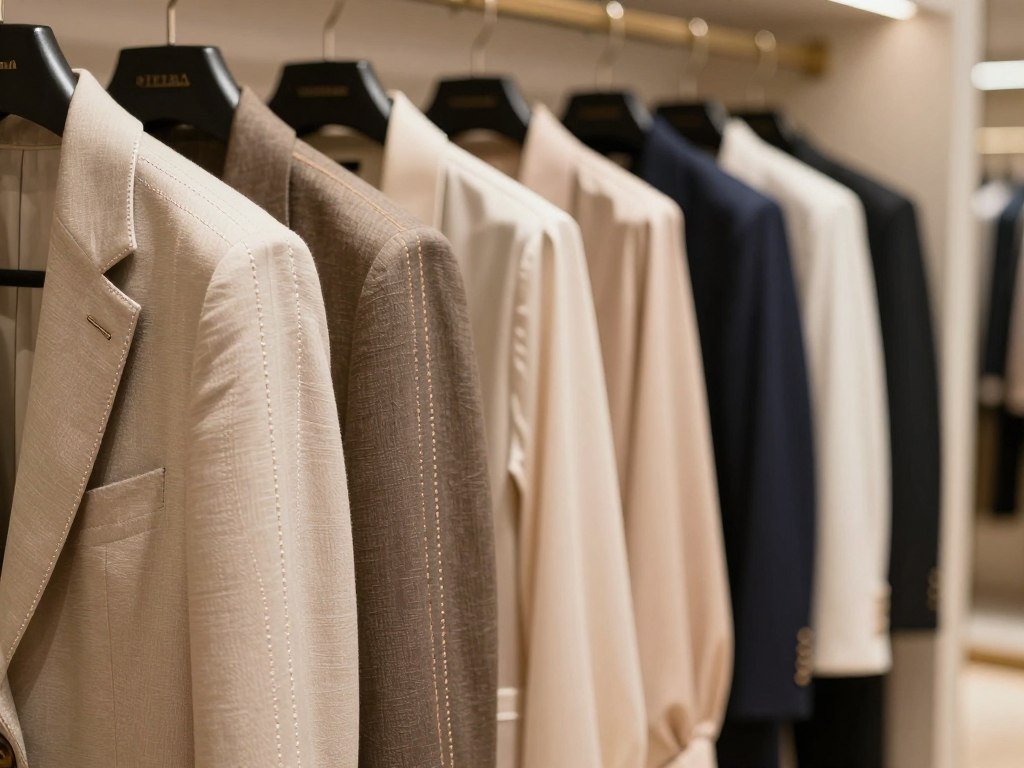
Reinforcement matters most where repeated pulling and movement put extra strain on a garment. Secure stitching at those spots helps the construction handle normal use.
Inspect high-stress areas such as pockets, belt loops, underarms, and crotch seams. Bar tacks or double stitching can add strength at points that take frequent strain. Look for stitching that joins the fabric firmly, rather than a decorative detail that only looks sturdy.
Reinforce Points That Take Strain
Check four common stress points before deciding whether the construction looks sound:
- Pocket corners
- Belt-loop ends
- Underarm seams
- Crotch seams
Pocket corners can pull when you carry a phone or keys. Belt loops take force when you fasten a belt, while underarm and crotch seams move with each step and reach.
Interfacing Supports Shape
Interfacing is a hidden support layer that helps collars, cuffs, and other structured areas hold their shape. If it bubbles or separates, the finished surface can look uneven and lose its clean outline.
Premium tailored garments may use woven interfacings, while lower-priced garments often use fusible interfacing. Fusible types can bubble, separate, or lose shape over time, but a particular type is not a universal quality score.
Check how the finished garment holds its shape rather than judging the unseen layer alone. Check pocket corners and other stress points for stitching that looks secure rather than merely decorative.
What Do Hems and Edge Finishes Tell You?
Hems reveal finishing care because they are easy to inspect and often visible from both sides. A clean edge can make the inside of a garment feel as considered as its exterior.
Look for a hem that lies flat, hangs evenly, and suits the garment’s style. A visible machine hem shows its stitching from the outside, while an invisible hem hides the stitching inside to keep the outer line uninterrupted.
Invisible hems often appear on formal dresses and luxury skirts. A bound seam covers exposed edges with binding or tape, which can help prevent fraying and give the interior a finished look.
Inspect both sides for puckering, uneven stitching, exposed fraying, or sections that hang at different lengths. A wavy hem can change how a skirt or trouser leg falls, even when the garment looks smooth on a hanger.
A visible, simple hem can be right for casual clothing when it is even and secure. A more elaborate finish is not always useful, especially when it does not suit the garment’s design.
Run your eyes along the edge instead of judging one small section. Look for a hem that lies flat and suits the garment’s style, not the most elaborate finish available.
When Does a Lining Improve a Garment?
A lining helps when it improves comfort, protects the outer fabric, or helps a structured piece hang properly. It should serve the garment, not simply fill its interior.
A lining is useful when it supports the way the garment sits or feels. Jackets, coats, and structured skirts may hang more smoothly with a lining. The added layer can also protect delicate silk from direct body contact.
When a Lining Helps
A lining can improve comfort in garments such as wool pants, where an inner layer may feel better against the body. Check whether the lining lies flat and moves with the outer fabric rather than pulling it out of shape.
The feel of the lining matters too. Polyester linings can feel clammy to some wearers, though both the material and the construction affect comfort.
When an Unlined Finish Makes Sense
Lighter pieces and deliberately unlined designs may not need an extra layer. An unlined luxury garment is not automatically a shortcut, particularly when its design calls for a lighter feel or a simple interior.
Consider how the garment will sit on your body and whether the inside feels comfortable during wear. Judge a lining by whether it sits smoothly and feels appropriate against the body.
How Should a Well-Made Piece Fit and Move?
A beautifully constructed piece is not a good choice for you if it pulls or restricts your movement. Good fit should look balanced and allow you to move without strain.
Check the garment at rest and during three everyday movements. A shirt collar should sit neatly, and its sleeves should align with your arms. A jacket’s shoulders should look balanced, while trouser legs should fall without twisting or sagging.
Try these movements in a fitting room:
- Reach your arms and notice pulling at the shoulders or armholes.
- Sit down and check whether the fabric strains across your body.
- Walk and watch for trouser legs or skirts twisting or riding up.
Shirts, jackets, and trousers should move without persistent pulling, twisting, or sagging. A small change in position is normal, but repeated adjustment can signal that the cut does not work for you.
Fit is part of garment quality for the person wearing it, even when the fabric and stitching are excellent. Designer sizing can vary, so use the cut and proportions that work for your body, not the number on the tag.
A guide to dressing your body type in designer clothing can help you think about silhouette and proportion. Keep a piece only if it feels comfortable in the movements you make in a normal day.
What Durability Tests Can Predict Longer Wear?
No single quick tug or fabric check can predict every kind of wear. Controlled tests can measure specific parts of performance, while a shopper’s inspection offers clues rather than proof.
Testing before production can assess shrinkage, seam strength, and colorfastness. Those checks help show how fabric and construction respond under set conditions. They cannot cover every way a person may wear, wash, or store a garment.
What Testing Can Check Before Production
A 2025 framework assessed multiple durability factors when ranking commercially available T-shirts and denim jeans. Its approach looked beyond one test, since a garment may perform well in one area and less well in another.
The garment durability testing framework offers a way to assess and rank clothing with more than one measure. Controlled testing can help compare products, but results apply to the conditions and factors tested.
What a Shopper Can Assess by Hand
A gentle stretch or scrunch can show how a fabric responds in the moment. It cannot prove how the piece will perform after repeated washing or regular wear.
Care instructions also affect garment life. A piece that needs careful washing or special handling may still be well made, but it may be less convenient for your routine.
Think about whether the care directions fit the time and attention you can give the garment. For everyday looks, practical luxury styling tips can help you choose pieces that fit your routine as well as your taste.
Treat a shop-floor check as an early warning screen, not a substitute for evidence of performance over time.
What Separates Luxury Craft From Haute Couture?
Luxury can involve refined materials and handwork, while haute couture refers to a specific made-to-measure tradition. The terms are not interchangeable, even when ready-to-wear includes careful finishing.
Haute couture is made to measure for clients and can involve hundreds of hours of craft. Many fashion houses belong to the Chambre Syndicale de la Haute Couture, which governs haute couture standards in Paris.
Luxury Details That Can Signal Care
Hand-sewn buttonholes, blind stitching, hand-attached linings, and delicate embroidery can show labor-intensive finishing. These details may reflect time and skill, but a hand-finished detail alone does not prove that a garment will last longer.
Some Hermès products are handcrafted by qualified artisans. That work can be meaningful, but you still need to consider the garment’s construction and intended use.
Luxury craft can also be understood through the choices made in materials and finishing. The same care in assessing a luxury jewelry piece means looking at its materials, workmanship, and finish, rather than trusting an expensive label alone.
What Haute Couture Requires
Haute couture garments are made to measure for clients, with craftsmanship that can take hundreds of hours. The Chambre Syndicale de la Haute Couture governs the standards tied to the tradition in Paris.
Luxury ready-to-wear and haute couture are different categories. A ready-to-wear piece may show fine craft without being made to measure or meeting couture standards.
Use the distinction to assess what kind of craft you are paying for, not to assume every luxury label represents couture.
How Does Fast Fashion Change the Quality Check?
Fast fashion describes a rapid trend-turnover model, but the label alone cannot tell you how one specific item is made. Business model and garment quality are separate questions.
Use the fast-fashion context to guide your scrutiny, not to judge every item in advance. A 2025 study characterized fast fashion by rapid turnover of trends and garment quality considered worse than contemporary products.
That broad description does not guarantee the quality of an individual garment. The useful check is to ask how quickly a business replaces styles, then inspect the clothing you are considering on its own.
| Shopping factor | Fast-fashion context | What to inspect on the individual piece |
|---|---|---|
| Trend turnover | Rapid replacement of styles | Whether the piece suits you beyond a short trend |
| Garment quality | Generally considered worse than contemporary products | Seams and finishes on the specific item |
| Label | A business-model clue rather than proof | Fabric and construction on the specific item |
A familiar brand name does not settle the question, and a fast-fashion label does not make every garment identical. The cut, fabric, and construction can vary from one item to another, even within the same store.
Consider whether the style will suit you beyond its current trend. Let the business model raise sensible questions, then make the decision from the piece in your hands.
How Can You Apply These Checks While Shopping?
A consistent five-step routine makes it easier to compare pieces without being distracted by a logo or styling. Use the same checks in stores and online so you can focus on the details that affect your use.
Start with the label, then assess the material, construction, and fit. In the United States, covered textile products must disclose fiber content and country of origin under Federal Trade Commission textile rules. Separate care-label requirements cover care instructions.
| What to assess | In-store check | Online check |
|---|---|---|
| Label | Read fiber composition and care information | Find composition and care details in the listing |
| Fabric | Feel the material and check it against light | Inspect close-up photos and listed fiber content |
| Interior construction | Turn the garment inside out | Zoom in on seam and hem photos |
| Fit | Try reaching, sitting, and walking | Use measurements and check the return terms |
Polished product photography cannot reveal how a fabric feels or how it moves on the body. A listing can still help you judge details, but measurements and clear close-ups matter more than styled images.
Use these five decision steps before buying:
- Read the label.
- Match fibers to use.
- Inspect the fabric.
- Check interior construction.
- Test fit or verify measurements and return terms.
For another way to compare materials and finishes, read about luxury fabrics for clothing. Before paying, make sure the piece passes the checks that matter most for how you intend to wear it.
A polished photo can sell a mood, but your decision should rest on the details you can see and the fit you can verify.
Conclusion
Learning to recognize quality is less about memorizing luxury signals and more about looking closely at the piece itself. Workmanship and performance matter more than the label alone.
A considered choice should suit how you dress, move, and care for your clothes. That approach can help you build a wardrobe with pieces you want to wear, not just items that looked impressive at first.
Choose one garment on your next shopping trip and give it a careful inside-and-out check before you buy.
FAQ
How to spot fast fashion?
How do you know if something is a luxury good?
How to identify high quality clothing?
What clothing brands are actually high quality?
Does a higher price mean better clothing quality?
Can synthetic fibers be good quality?
What should I check when buying clothes online?