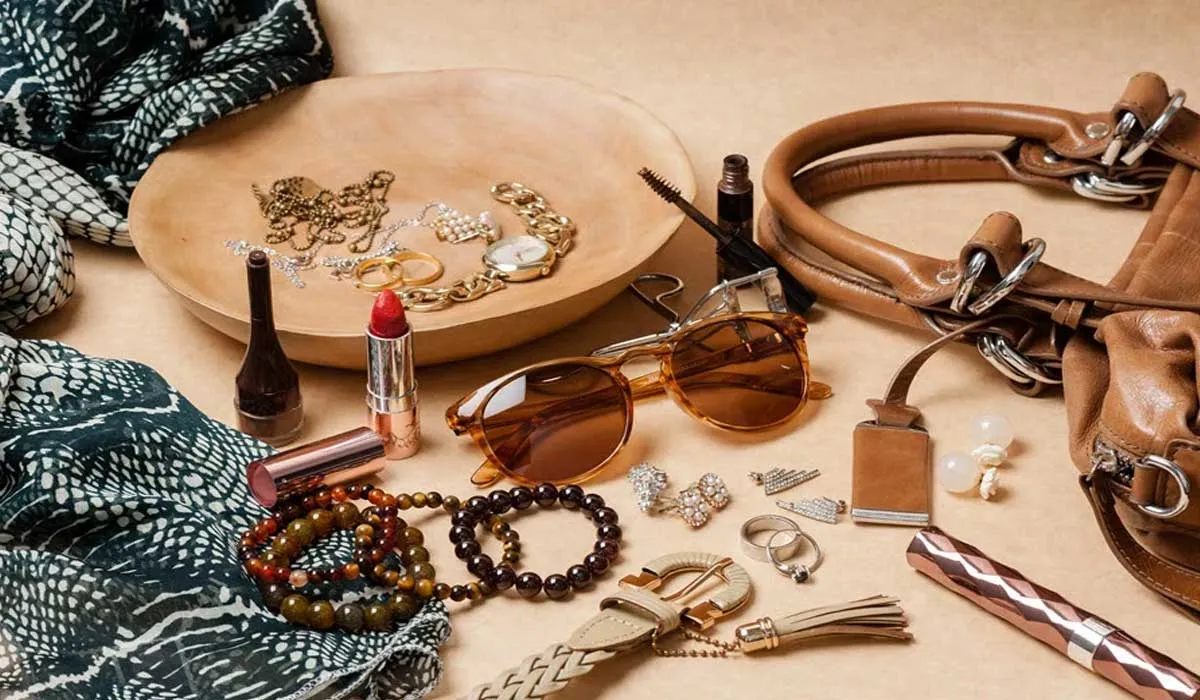
The best luxury fabrics for clothing are silk, cashmere, vicuna, linen, Egyptian cotton, merino wool, mohair, pima cotton, velvet, tweed, alpaca, and Sea Island cotton. Each one beats synthetic blends through better drape, longer wear life, and richer feel against skin.
So my older brother told me this once. We were at a market in Karachi back in like 2018 maybe. He picks up two shirts off a stall. Looked identical to me. Same colour, same cut, same buttons. He goes, this one’s 800 rupees, this one’s 4500. Touch them. I did. And yeah. Even my dumb 22-year-old hands could feel it.
That moment kinda ruined cheap clothes for me forever.
Luxury fabrics for clothing work like a cheat code nobody tells you about. Bump the material up two notches and people just treat you different. They can’t explain why. They just do. My cousin’s wedding last March, I borrowed a linen sherwani jacket because mine didn’t fit and I’d left tailoring too late.
Three aunties came up asking which designer made it. Was a Zara base from 2017 my brother got recut by a guy off Tariq Road into proper Belgian linen. Two aunties were ready to ask for the tailor’s number.
Brands really don’t want this getting around. Their whole game falls apart the second customers start flipping shirts inside out before buying.
Material Wins. Every Single Time.
Walk into Selfridges next time you’re near Oxford Circus. Or Saks if you’re in NYC. Even Harvey Nicks works fine. Grab whatever rack you want. Just feel it. Heavy yeah? Like the hanger’s actually struggling with proper wool or silk weight.
Now ten minutes later wander into Primark or Forever 21. Clothes weigh nothing. The rack feels empty even when it’s packed.
That gap. That’s literally just fiber doing fiber stuff. Plus the weave. Plus some finishing tricks Italian and Japanese mills figured out a century back and never shared. Cheap clothes start pilling by wash three roughly. Shoulders go floppy month two.
Wash a dark tee with anything light and now your whites are weird greyish pink forever. Luxury fabrics for clothing don’t do any of that because someone gave a damn about the raw material before it ever saw a sewing machine.
What you’re actually paying for is time. Nothing else. Not the tick, not the horse and rider, not interlocking C’s. Time.
The 12 You Should Actually Know
1. Silk
So silk comes from worms. Specifically mulberry silkworms, and the actual process is genuinely strange if you sit with it for a second. The worm spins itself into a cocoon out of one single unbroken thread. Then humans show up, unspool the cocoon, end up with about a kilometer of thread per worm. From one bug. That’s it. That’s the supply chain.
Because it’s one continuous strand, silk plays with light in a way no synthetic ever quite manages. Skin loves it too. Sweat just sort of vanishes before you notice it happening. And weirdly silk keeps you warm when it’s cold and cool when it’s hot. Same shirt. Different jobs. Don’t ask me to explain the physics, I’m a writer not a textile engineer.
Different silks for different things. Charmeuse for slip dresses, all drape and shine. Crepe de chine for blouses, matte finish, more body to it. Dupioni when you want a jacket with visible little slubs and texture that looks intentional which it is.
2. Cashmere

Okay so you’ve got these goats. Himalayan ones mostly, plus Mongolian, living through these absolutely brutal winters that grow them this insanely thick undercoat. Workers comb them. They don’t shear them. Everyone misses that detail and honestly it matters way more than people realise.
One goat produces maybe 150 grams of usable fiber per year. A jumper takes about four animals worth. So when you spot “cashmere” sweaters at M&S for 35 quid, something’s gone really wrong in that supply chain. Could be blended. Could be reclaimed. Could be from goats that got sheared not combed. Probably a bit of everything.
Real cashmere fiber is way thinner than your hair. Traps body heat without bulk, which is exactly why a proper cashmere knit feels like wearing literally nothing while you’re somehow still warm. Pay attention to ply count when buying. Two-ply is your floor. Four-ply is the stuff your nan kept folded in tissue paper in the bottom drawer with mothballs.
3. Vicuna
Right so now we’re in stupid money territory. Vicunas are these wild llama relatives living up in the Andes at 4000 metres plus altitude. Each animal can only be shorn every two or three years and you get maybe 250 grams of fiber per shear.
A scarf, just a scarf, costs more than a used Civic. I’m not exaggerating. Coats run into proper five-figure money, like 30k plus easily. The fiber is the finest natural animal hair anyone has ever measured anywhere on earth. Thinner than cashmere by a chunk. Way thinner than wool. Loro Piana basically has the whole market locked down. Few small Peruvian co-ops doing tiny batches but that’s it.
Almost nobody actually owns vicuna. Genuinely a tiny fraction of humans alive today. That’s okay. Just knowing the ceiling exists changes how you measure everything below it.
4. Linen

From flax. The plant. Belgium grows the world’s best, France is second, Irish linen also seriously respected. Here’s the bit that’s interesting, you don’t cut flax at harvest. You pull the whole plant out of the ground, roots and all. Cutting would chop the fibers short and you’d end up with weak cloth.
Linen wrinkles like crazy. People hate this and try every trick to avoid it. They really shouldn’t. Those creases at your elbow after a long lunch are basically proof you bought the real thing. Polyester pretending to be linen, all that “linen-look” rubbish at H&M, can’t wrinkle right because polyester has zero memory. You just get sad limp folds instead of proper sharp creases.
Summer suits basically live or die by linen. Same with hot weather shirts and Sunday park trousers. Nothing else on the planet breathes the same way through a 35 degree afternoon in Lahore or Lisbon.
5. Egyptian Cotton
Not all cotton was created equal. Stuff that grows along the Nile has these extra long staple fibers, meaning each strand is way longer than your standard cotton fiber. Longer strands spin smoother. Smoother yarn means less pilling, more strength, way better feel against bare skin.
Everyone associates Egyptian cotton with hotel sheets. The Hilton’s go-to. Same exact fiber makes shirts that absolutely destroy anything else out there. Look for Giza 45 or Giza 87 printed on the label, those are your top grades. Thread count is mostly marketing fluff honestly. Fiber length is what you actually want. A 200 thread Giza shirt will beat a 600 thread generic into next Tuesday.
6. Merino Wool
Thin fibers. That’s basically the whole story. Merino sheep grow wool fine enough to wear right against bare skin without that scratchy itchy nightmare normal wool puts you through. Micron count, which just measures fiber thickness, comes in under 19 usually. Your hair sits around 70 microns for context. Way thicker.
Australia and New Zealand own the global merino game. The cloth handles temperature shifts brilliantly, fights odors really well (genuinely surprising how long you can wear it before it gets funky), wicks sweat fast. Which is why expensive travel suits and athletic base layers both rely on it heavily. I wore the same merino tee six days running on a trip through Lahore last June and it still didn’t smell. Cotton would’ve turned biohazard by day three easy.
7. Mohair
Comes off Angora goats. Not Angora rabbits, those are totally different animals despite the confusing name overlap, which trips up everyone first time they hear it. The fiber has this natural shine almost metallic looking under good light, which regular wool just can’t pull off. South Africa grows over half the world’s mohair somehow.
Knits and woven jackets cut from mohair drape with serious weight. Pure mohair is itchy though, no getting round it, so it gets blended with wool or silk for anything going near skin direct. A 70/30 mohair wool dinner jacket under chandelier light at a winter wedding? Absolutely lethal. Photographs even better than it looks in person, which basically never happens with clothes.
8. Pima Cotton
Pima is basically Egyptian cotton’s American cousin. Grown mostly in Peru these days, with smaller crops in Arizona and bits of New Mexico. The Peruvian crop, sometimes labelled as Sea Island cotton (which it isn’t really, we’ll get to that), is among the softest cotton anywhere on earth.
Throw on a polo cut from real Pima and you’ll clock the difference in like five seconds. Buttery is the word people always reach for. The dye holds incredibly well too, colors stay loud through dozens of washes. 60 bucks for a Pima tee sounds mental until you actually do the math against burning through five 12 dollar Hanes basics in the same window. Then suddenly it makes complete sense.
9. Velvet
Velvet isn’t a fiber actually, which trips up most people. It’s a weave. There’s an extra set of warp threads on the loom that get cut after weaving so they stand straight up off the cloth surface. That fuzzy raised stuff you can run your hand through and brush in different directions, that’s the pile. Silk velvet was the original luxury version. Cotton and rayon velvets came along way later.
A silk velvet blazer does this trick with light where the colour shifts depending which way the pile is brushed. Sit down in one and the fabric crushes wherever you bend. Which means proper storage is non-negotiable, plus dry clean only no exceptions ever.
Bit of a faff really. Worth it for big evening events though. Just don’t wear it on the Tube or you’ll spend the rest of the night looking like you slept in your jacket.
10. Tweed
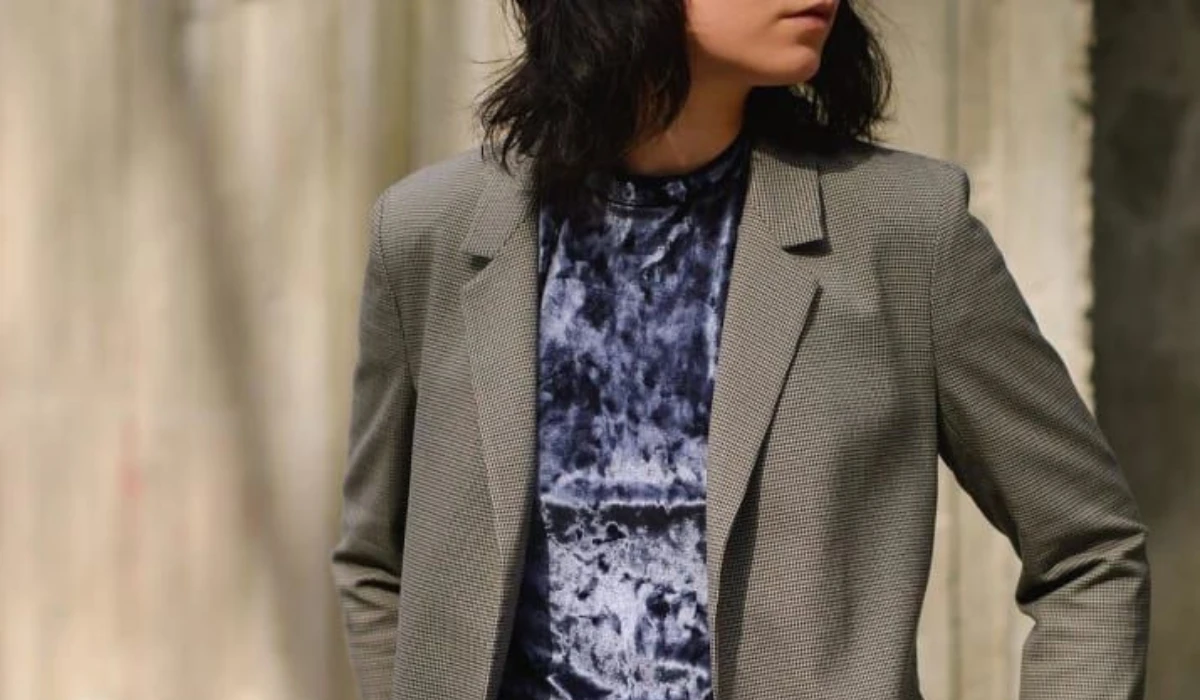
Scottish and Irish originally, made for shooting parties and stomping round peat bogs in genuinely horrendous Atlantic weather. Then Coco Chanel got her hands on it in the 1920s and tweed somehow crossed over into haute couture without ever quite shedding that peat-smoke soul. Which honestly is part of the whole charm.
Harris Tweed is your gold standard. Hand-woven on the Outer Hebrides off Scotland’s west coast, and every legitimate meter carries this registered orb mark certifying it as the real thing. A decent tweed jacket basically becomes part of you over the years.
Fibers compress in the spots where you lean. Elbows soften with use. After ten, twelve years it fits like literal skin. No polyester blazer in history has ever done that. None ever will either.
11. Alpaca
Hollow fibers. That’s the actual magic trick. Tiny air pockets running down each strand. Traps heat way more effectively than wool of equal weight, just basic physics doing what physics does. Alpaca fabric has this soft subtle sheen, less obvious than silk but more noticeable than cotton, and it actually resists pilling better than cashmere by a clear margin.
Two types of alpaca exist and the distinction matters more than you’d think. Huacaya is your fluffy crimpy kind, best for knits and casual stuff. Suri grows long straight and silky, used mostly for woven cloth and dressier pieces. Peru basically owns the whole trade. A full length alpaca overcoat weighs almost nothing in your hands but stops wind dead in its tracks. Weird combination that somehow works.
12. Sea Island Cotton
Different from Pima even though tons of people conflate the two. Real Sea Island cotton grows on a tiny handful of Caribbean islands plus small strips of coastal Georgia in the States. Annual production is maybe a few hundred bales total. Worldwide cotton output runs into millions of bales. So yeah. The rarity is basically the whole pitch.
Sea Island feels closer to silk than cotton, which sounds like total marketing fluff but actually isn’t. Shirts run into the hundreds easily, sometimes well past that. Ian Fleming had James Bond wearing Sea Island cotton in the original 007 novels, which tells you exactly which cultural register this fabric lives in.
Quick Comparison Table
| Fabric | Source | Best Use | Care Difficulty |
| Silk | Mulberry silkworm cocoons | Scarves, dresses, ties | High |
| Cashmere | Himalayan goat undercoat | Sweaters, overcoats | High |
| Vicuna | Wild Andean vicuna | Scarves, coats | Very high |
| Linen | Flax plant fibers | Summer shirts, suits | Medium |
| Egyptian Cotton | Nile-grown cotton | Dress shirts, sheets | Low |
| Merino Wool | Australian/NZ sheep | Suits, base layers, tees | Low |
| Mohair | Angora goat | Dinner jackets, knits | Medium |
| Pima Cotton | Peruvian, US cotton | Polos, tees | Low |
| Velvet | Pile weave, often silk | Evening blazers | High |
| Tweed | Coarse wool weave | Country jackets | Low |
| Alpaca | Andean alpaca fleece | Overcoats, knits | Medium |
| Sea Island Cotton | Caribbean cotton | Premium dress shirts | Medium |
Spotting Fakes Before They Spot You
Labels first thing. Always. Pure fibers cost real money, which is exactly why blends sneak into mid-range brands trying to look more upmarket than they really are. A jacket reading “70% wool, 30% polyester” is just not the same animal as 100% wool, regardless of how the price tag is positioned.
Pick the garment up next. Quality cloth weighs more than your eyes were expecting. There’s this density to it that synthetics literally cannot replicate no matter how hard they try. Then hold a sleeve up against any window or light source nearby. Cheap weaves let way too much light pass through. Real luxury cloth is dense, tight, opaque.
Run the fabric between your thumb and forefinger for about five seconds. Real silk warms up against your skin almost instantly. Polyester stays cool the whole time no matter how long you hold it there. That one test alone catches roughly half the fakes in retail.
Smell test works on naturals if you can get away with it. Good luck convincing a shop assistant to let you burn their inventory though. Burnt silk smells like burnt hair, properly horrible. Burnt polyester smells exactly like a Tesco bag chucked on a bonfire.
Where To Actually Start From Scratch
Don’t try replacing your whole wardrobe in one go. Genuinely terrible plan, fastest way to nuke your savings. Just buy one piece. Literally one single thing. Maybe a cashmere jumper off the John Lewis sale rack. Or a properly made linen shirt from somewhere decent.
Wear it next to whatever synthetic version you currently own and within an hour your eyes will have totally recalibrated forever. There’s no going back from that point either.
Some sensible entry points into luxury fabrics for clothing that won’t require selling a kidney:
- A merino wool tee that survives two weeks of travel without smelling
- One proper Egyptian cotton dress shirt for genuinely important meetings
- A linen blazer for summer weddings and Friday casuals
- Simple cashmere scarf as your winter starter piece
Word of warning though. Once your eye adjusts upward, all the cheap stuff already hanging in your wardrobe starts looking embarrassingly cheap. Some people find this freeing and start properly curating. Other people watch their bank balance take serious hits. Both responses are completely valid honestly.
Wrapping Up
Real luxury isn’t a logo someone stuck on a chest pocket. It’s in the fiber itself, in how a sleeve falls when you raise your arm to grab something off a shelf, in whether a collar still looks sharp after fourteen hours of back to back meetings. The twelve materials in this list earned their reputations across actual centuries. Not seasons. Not fashion week cycles. Proper centuries.
Get good at spotting them and every outfit you build, even ones based around simple shapes and quiet colours, starts reading as deliberate. Considered. Expensive in that specific way that doesn’t try to look expensive, which is honestly the only kind of expensive that actually works long term.
The math even works in your favor over time. Proper cashmere jumper, treated right with hand washing and cedar storage, lasts twenty years easy. Polyester gets you maybe two seasons before it pills or stretches weird. Cost per wear runs ahead with quality almost every time you actually do the numbers.
FAQs
What are the most luxurious fabrics for clothing?
Vicuna tops the list easily, then cashmere, silk, and Sea Island cotton right after. Vicuna wins purely on rarity because those wild Andean animals only get shorn every couple of years and yields are tiny. Cashmere and silk are easier to track down but still cost serious money in their pure forms.
Which luxury fabric is best for summer?
Linen, no contest at all. Breathes better than cotton, dries fast after you sweat through it, and somehow looks intentional even when totally crumpled. Lightweight silk and Egyptian cotton also work really well, especially for hot weather shirts and dresses.
Is cashmere actually worth what it costs?
Yeah, but only if you buy proper two-ply or four-ply versions and look after them right. Hand wash only, lay flat to dry on a towel, store with cedar blocks to keep moths off. Cashmere treated this way outlasts twenty seasons of cheap knits easy and ends up cheaper per wear.
How do you tell if a fabric is genuine luxury material?
Check the label first, look for 100% pure fiber content not blends. Then feel the weight in your hand, should be heavier than expected for the size. Hold the cloth up to light and check how much passes through. Pure luxury cloth is dense, drapes smoothly, warms quickly against skin.
What’s the actual difference between Pima and Egyptian cotton?
Both are extra-long staple cottons that produce soft durable cloth. Egyptian grows along the Nile in Egypt. Pima grows mostly in Peru plus the American southwest. Top grades of each, like Giza 45 and Peruvian Sea Island, sit clearly above standard versions of either one.
Are luxury fabrics worth buying on a tight budget?
Yes, through one good purchase at a time honestly. Skip fast fashion for an entire season and put that exact money toward one cashmere scarf or one properly made linen shirt. Quality basics last longer and look way better than stacks of cheap clothing ever managed.