Knowing how to dress your body type in designer clothing changes the way you shop, the way you spend, and the way you carry yourself in a room. Most people walk into a luxury boutique, spot a beautiful piece, and buy it based on how it looks on the hanger or on a sample-size model. That disconnect costs money and closet space.
Designer clothing is built with precision. Every cut, seam placement, and fabric choice was made with a specific body geometry in mind. When you understand which silhouettes serve your proportions, every purchase starts working for you rather than against you.
This guide breaks down the key silhouettes by body type, identifies which luxury brands consistently get them right, and covers what to do and avoid before you spend serious money on a designer piece.
Why Body Type Still Matters When Shopping Designer
There is a myth in high fashion that good clothes fit everyone. That is partly marketing. A Celine blazer cut for a lean, rectangular silhouette reads completely differently on someone with broader hips and a defined waist. Designer sizing is often set around sample proportions that reflect one specific body geometry. When that geometry matches yours, the piece sings. When it does not, even the most technically excellent garment can look off.
Body type awareness is not about rules or restrictions. It is about understanding the geometry of a garment and matching it to the geometry of your body. Once you make that connection, shopping at the luxury level becomes more precise and far more satisfying.
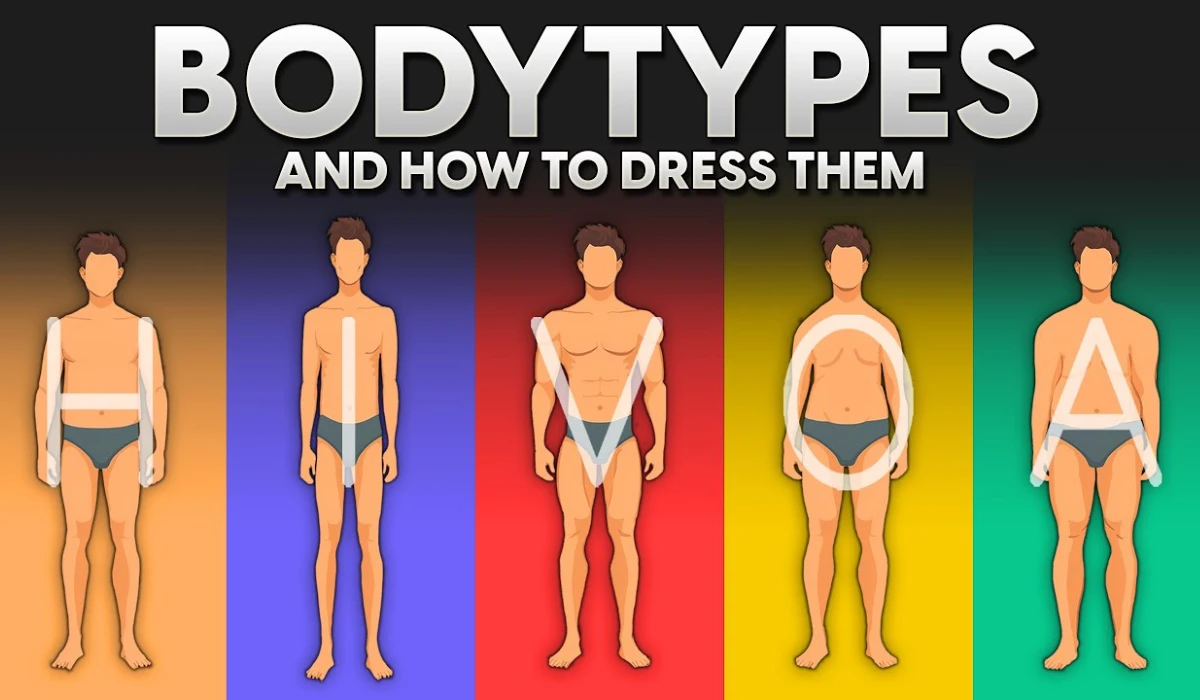
The five frames most personal stylists work with are: rectangle, hourglass, pear (triangle), inverted triangle, and petite/lean. Each responds differently to structure, volume, fabric weight, and proportion.
The Four Designer Silhouettes and Who They Suit
Structured Tailoring for Rectangle and Inverted Triangle Frames
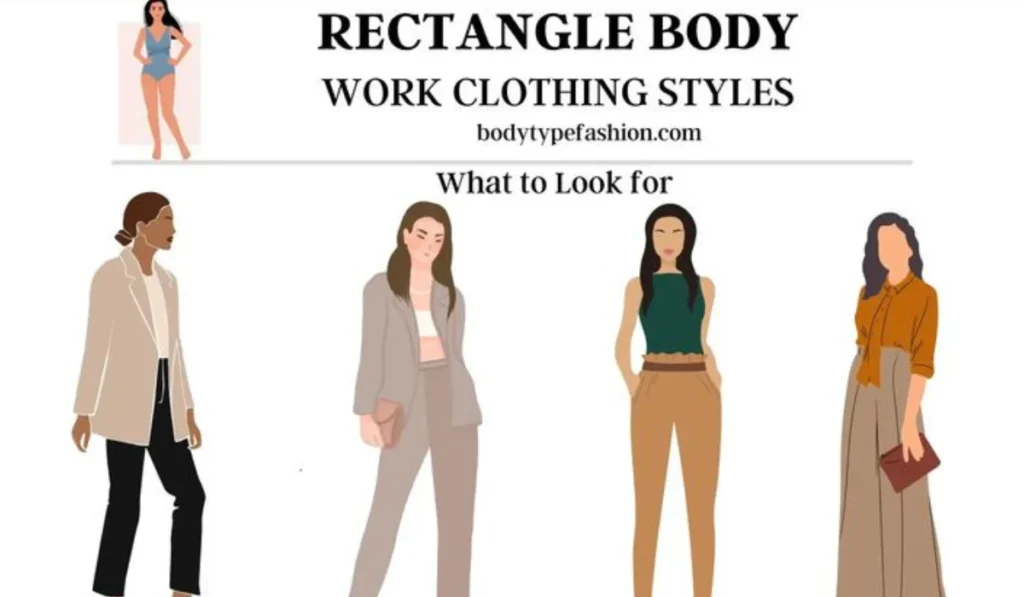
Rectangle frames carry similar measurements across the shoulders, waist, and hips. Inverted triangles hold more width in the shoulders than the hips. Both body types thrive in structured tailoring that adds visual definition at the waist or hip line.
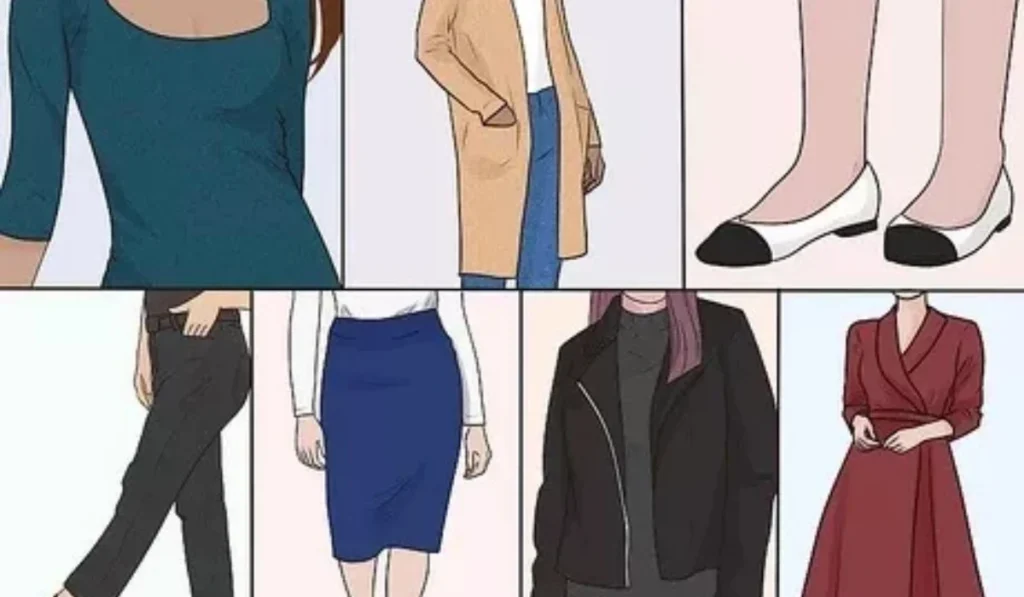
Look for blazers with a defined waist seam, trousers with a wide leg to balance shoulder width, and coats with a belt or cinched detail. Sharp-shouldered tailoring actually works beautifully on inverted triangle frames because it leans into the geometry rather than fighting it.
What to skip: boxy cuts that remove all definition from the midsection. A shapeless oversized coat on a rectangle frame can make the garment look like it is wearing the person, not the other way around.
Draped Fabrics and Fluid Cuts for Pear and Hourglass Shapes
Pear frames carry more volume in the hips than the shoulders. Hourglass shapes are defined by a naturally smaller waist relative to both the hip and shoulder. Both body types look exceptional in fluid fabrics that move with the body rather than constraining it.
Bias-cut dresses, wrap silhouettes, and draped midis work particularly well here. For a pear shape, the goal is to keep the upper body interesting with texture or detailing while letting the lower half sit in clean, tailored lines. For hourglass frames, the aim is usually to highlight the waist rather than hide it.
Stiff brocades and very structured boning tend to work against these shapes because they fight the natural curve rather than responding to it.
Voluminous Pieces and Oversized Luxury for Athletic Builds
Athletic builds tend to have a narrower waist-to-hip ratio with strong, defined shoulders. This frame handles volume exceptionally well. Oversized coats, wide-leg trousers, and sculptural shapes all sit beautifully because the body provides a strong structural foundation beneath them.
The key is proportion. Oversized pieces need a strong anchor somewhere — usually a fitted element like a tucked shirt or a belted waist over a wide coat. Without that anchor, the outfit risks reading as unintentional rather than deliberate.
Column Dressing for Petite and Lean Frames
Column dressing wearing one clean, unbroken line of color or silhouette from shoulder to hem — is particularly powerful for petite and lean frames. It creates a continuous vertical that adds visual height and presence.
Avoid breaking the body at unflattering points. A skirt that hits mid-calf on a petite frame cuts the leg at an awkward spot. Midi lengths that fall just below the knee or maxis that reach the ankle tend to work much better. The goal is a clean line that travels without interruption.
Top Luxury Brands Known for Specific Silhouette Strengths
Celine and Bottega Veneta: Masters of Clean Lines
Both Celine and Bottega Veneta cut their pieces with an architectural clarity that works especially well for rectangle and lean frames. Celine’s trousers, in particular, are cut to elongate the leg line, making them a consistent choice for petite shoppers who want height without heels. The tailoring is precise without being rigid close enough to be interesting, relaxed enough to avoid looking stiff.
Bottega’s knitwear deserves specific mention. The relaxed structure of their signature knits works across most body types because the fabric has enough weight to drape well without clinging. It is rare to find a piece at this level that flatters such a wide range of proportions.
Valentino and Zimmermann: Feminine Volume Done Right
When it comes to adding volume in exactly the right places, Valentino and Zimmermann consistently deliver. Both brands work extensively with ruffles, pleating, and structured volume at the hem and shoulder. Hourglass and pear frames tend to look exceptional in their pieces because the added volume balances naturally against a defined waist.
Zimmermann is also one of the few luxury brands that cuts consistently for smaller proportions without sacrificing the elegance of the garment. The details scale with the size rather than being designed once and simply reduced.
The Row: Body-Neutral Luxury Dressing
The Row operates differently from most luxury houses. Their pieces are designed to work with the body rather than impose a silhouette on it. The fabric quality is so high and the cuts so considered that most of their pieces adapt to different proportions naturally.
If you are still working out which silhouettes serve you best, The Row is a sensible place to invest while you build that knowledge. Their basics rarely feel like basics.
How to Work With a Personal Stylist at Flagship Stores
Most major luxury flagships offer in-store styling consultations, often at no extra charge. The quality varies, but there are ways to make the experience more useful.
Come with a clear brief. Know which silhouettes you already own and love, and bring photos if possible. Tell the stylist which occasions you are dressing for and what has not worked in the past.
Ask specifically about new arrivals and upcoming season pieces that have not hit the floor yet. Stylists at flagship stores often have access to pieces before they are formally displayed. Be honest about your lifestyle. A stunning structured blazer you will never actually wear is a beautiful object, not a wardrobe investment.
Common Mistakes When Buying Designer Pieces for Your Frame
Buying based on brand alone is the most common error. A piece from a prestigious house can still be wrong for your body if the silhouette does not serve your proportions. Prestige does not override fit.
Buying pieces in the wrong size because you want the label to fit is another one. Designer sizing varies enormously across houses and even across seasons within the same brand. Always try before you buy when possible, and do not attach emotional weight to the number on the label.
Ignoring fabric behavior is a subtler mistake. A dress might look perfect when you are standing still but pull and strain when you move. Spend real time in the fitting room sit down, walk across the room, reach for something above your head. A piece that only works at rest will let you down every time you actually wear it.
Building a Body-Type-Optimized Capsule Wardrobe
A body-type-optimized designer capsule wardrobe does not need to be large. Twelve to fifteen pieces you understand deeply and wear consistently are worth far more than a wardrobe full of expensive mistakes.
Start with one exceptional coat. It is the piece that does most of the silhouette work. Then build your trousers, which anchor the bottom half. Add two or three tops that handle the balance between those two anchors. Everything else is detail.
The investment per piece should reflect how often you will wear it. A coat worn 150 times over two years has a far lower cost-per-wear than a beautiful dress worn twice, regardless of the price tags on either.
Know your three or four signature silhouettes and return to them consistently. This is how a genuinely polished personal style develops not by following trends, but by understanding what works and doubling down on it.
Frequently Asked Questions
What body type do most designer clothes cater to?
Most high fashion garments are cut around a lean, rectangular sample size. That said, brands like Zimmermann, The Row, and Bottega Veneta have expanded their approach, and their pieces tend to work across a wider range of proportions than traditional couture-house sizing.
Is it worth getting designer clothes tailored?
Almost always yes. Even an off-the-rack designer piece can be transformed by one or two targeted alterations. A hem adjustment, a waist taken in, or a sleeve shortened makes the difference between a piece that looks purchased and one that looks made for you.
Which luxury brand is best for petite frames?
Zimmermann, Celine, and Saint Laurent tend to cut well for petite proportions. Look for pieces with minimal hem break, clean vertical lines, and details that scale with the garment rather than overpowering it.
Can hourglass figures wear oversized designer pieces?
Yes, with intention. The key is to anchor the outfit somewhere usually at the waist so the silhouette reads as deliberate. A belted oversized coat over a fitted turtleneck works exceptionally well for an hourglass frame.
How do I know if a designer piece works for my body type before buying online?
Check the fabric content and construction notes carefully. Read reviews from buyers with similar measurements. Use platforms like MyTheresa and Net-a-Porter that offer extended return windows, and when in doubt, size up and alter down rather than size down and hope for stretch.