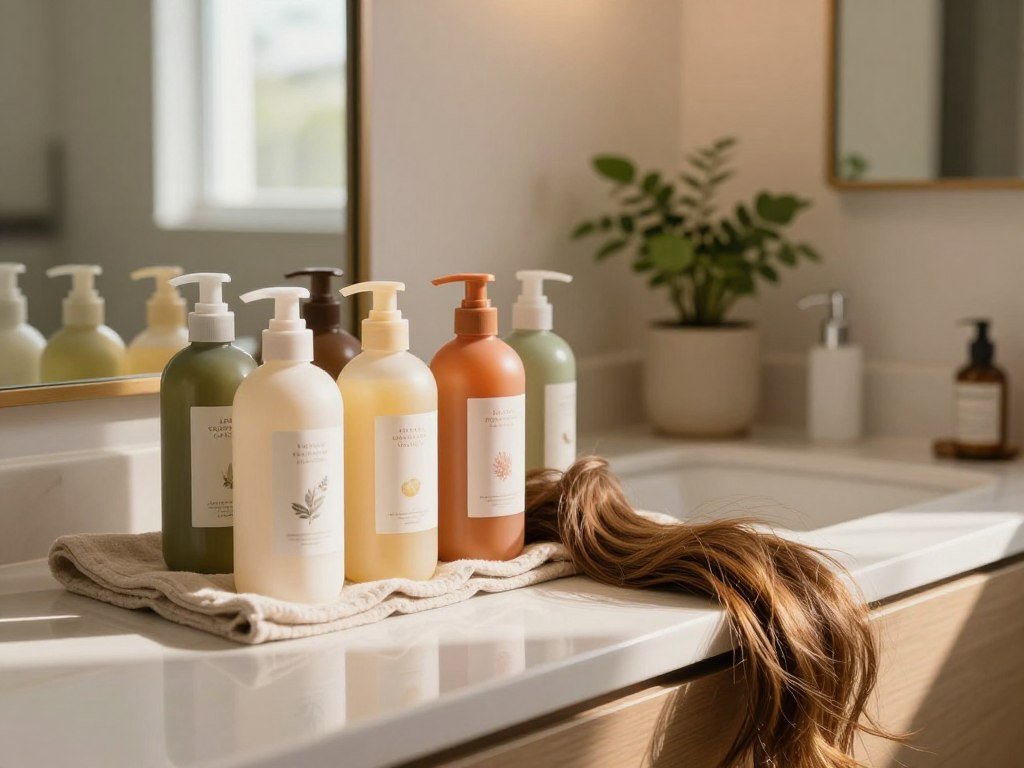
A dry, rough feel can make choosing a cleanser confusing, especially when the scalp and lengths have different needs. The best shampoo for dry hair depends on your texture, past damage and scalp condition. A formula that suits one person may leave another person’s roots flat or ends rough.
Shampoo can support softness, shine and easier styling, but it cannot do every job in a routine. Conditioner and careful washing also matter, especially when dry lengths meet an oily scalp. This 2026 guide compares 10 options by formula and main use, so you can narrow your choices without treating one bottle as a universal fix.
A good starting point is a gentle formula matched to your texture and scalp, not the richest bottle on the shelf.
Key Takeaways
- Choose shampoo for your scalp and hair texture, not the front label alone.
- Fine hair may need lighter conditioning than coarse or curly lengths.
- Color, heat and weather can affect how your hair feels after washing.
- Conditioner adds softness to lengths that shampoo alone cannot provide.
- Flakes can come from dry scalp or dandruff, which need different care.
- Change one routine step at a time to track what helps.
What makes hair feel dry and rough?
Heat styling, color services and even mineral-heavy water can leave the cuticle less able to hold onto a smooth feel. The cuticle is the outer layer of a hair strand that helps protect its inner structure. When that surface lifts or wears down, strands may feel rough, look dull or catch on each other.
Dry hair can have more than one cause at once. A few common triggers can affect the scalp, lengths or both, so look at your routine as well as your weather.
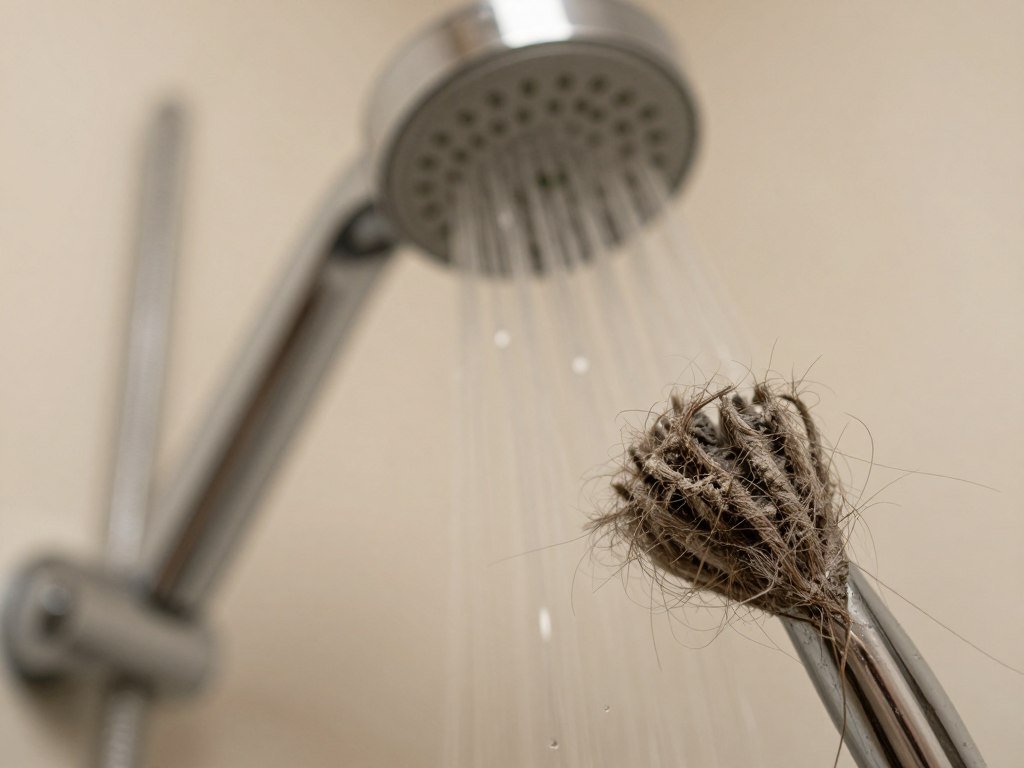
- Hard water or chlorine can leave minerals or residue on hair.
- Cold or dry air can make hair feel less soft.
- UV exposure or saltwater can stress the outer layer.
- Heat tools or chemical services can leave strands more vulnerable.
- Product buildup can make hair feel coated, dull or rough.
Environmental exposure, heat styling and chemical treatments can lift the cuticle. That leaves strands more open to friction and moisture loss. A flat iron may add to the strain when you use high heat or repeat passes; choosing a straightener for your hair type can help you consider temperature control and tool design.
If the roots feel oily while the ends feel brittle, treat those as two separate needs instead of adding heavy cleanser everywhere.
Rough ends can coexist with roots that get oily, so a richer wash is not always the answer. Mineral residue and styling products can also build up over time. A periodic clarifying shampoo wash may help remove residue, but using one too often can add to dryness.
How do you choose a hydrating shampoo for your texture?
A fine, easily flattened strand usually needs a lighter-feeling cleanse than a coarse strand that tangles and feels rough. The best hydrating shampoo balances enough cleansing with enough conditioning for your hair and scalp. Choose for the strands and scalp separately, since they may have different needs.
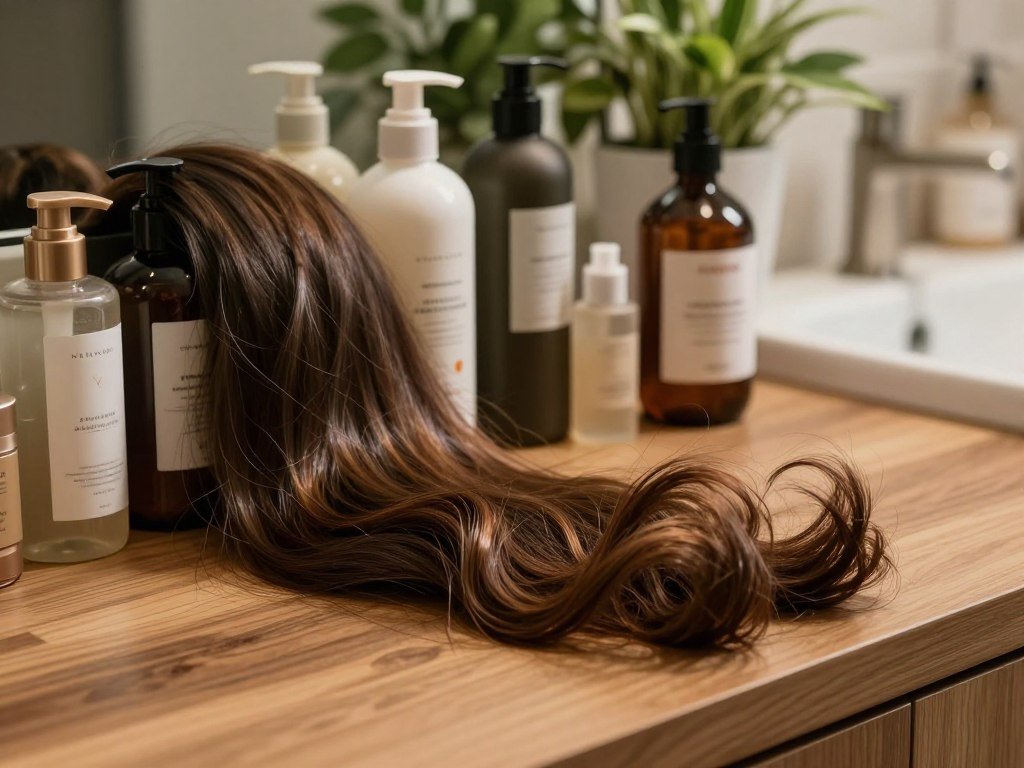
Match the cleansing approach to your hair type
Fine-to-medium hair can feel limp when shampoo leaves a heavy coating, while coarse lengths may stay rough after a very light cleanse. Curly hair can tangle when cleansing strips away too much of its natural feel. Your aim is to clean the scalp without leaving the lengths uncomfortable.
Use the table as a starting point, then adjust based on the rinse and your next wash. A moisture shampoo does not need to feel thick to suit dry hair.
| Hair need | Cleansing approach | Formula cues | Adjustment |
|---|---|---|---|
| Fine hair | Light cleanse, limited residue | Lightweight conditioning ingredients | Use less conditioner near roots |
| Wavy hair | Gentle scalp cleanse | Humectants with light conditioning | Add conditioner to dry ends |
| Curly-to-kinky hair | Gentle cleanse with slip | Conditioning agents and oils | Use more conditioner on lengths |
| Damaged lengths | Cleanse scalp, handle lengths gently | Formula suited to treated hair | Limit friction during rinsing |
Read the formula beyond the front label
Words such as “hydrating” and “repair” do not tell you how a formula will feel on your hair. Check the ingredient list and consider whether the cleanser suits your scalp. Sulfate-free labeling is one detail to compare, not a guarantee that the formula will suit every scalp or routine.
A practical shampoo and conditioner checklist can help you weigh the cleanser against the needs of your lengths. Use these four checks before choosing:
- Texture: fine, medium, curly or coarse strands.
- Scalp condition: oily, comfortable, dry or easily irritated.
- Color or chemical treatment: recent services may change your needs.
- After-rinse feel: note softness, residue, tangles or tightness.
Notice whether your hair feels clean without feeling squeaky or coated. Give a new formula a few washes when your scalp feels comfortable, since one wash may not show the full pattern. Change one routine variable at a time so you can tell whether the cleanser or another product is affecting the result.
Best Shampoo for Dry Hair: 10 Picks by Need
A useful shortlist spans lightweight moisture, curl care, damage-focused formulas and scalp-conscious options rather than ranking every bottle on one scale. The best shampoos depend on what your hair and scalp need, not a single score. These 10 picks each suit a different concern.
Use the formula details to compare options, then consider the feel you want after washing. The same texture- and scalp-based criteria apply to men, including men looking for the best shampoo for dry hair.
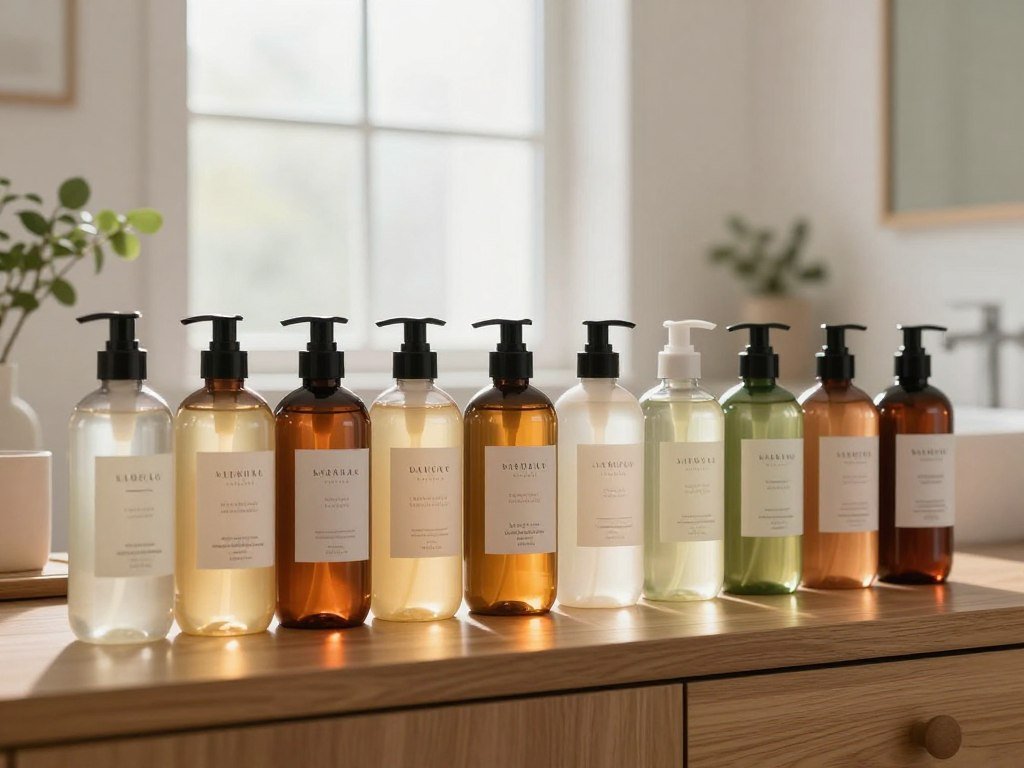
People asking for the top 10 best shampoos in the world or top five are looking for a broad comparison, not a verified global ranking. These picks are grouped by use instead of treated as a worldwide order.
- K18 Damage Shield pH Protective Shampoo: A fit for peptide-focused cleansing and those seeking a sulfate-free formula. It uses a K18 peptide and plant-derived surfactants.
- Nécessaire The Moisture Shampoo: A lightweight option described as suitable for fine hair. Its sulfate-free formula includes argan oil, argan extract, argan water and five ceramides.
- Wella Professionals Ultimate Repair Shampoo: Consider it for damaged lengths that need a repair-focused wash. The formula contains malic acid, omega-9, panthenol and squalane, and it is not sulfate-free.
- Redken All Soft Mega Curls Shampoo: A curl-focused choice with glycerin, aloe vera and salicylic acid. The shampoo is sulfate- and silicone-free.
- Living Proof No Frizz Shampoo: A frizz-focused option with Sili-Clone HairTech, jojoba esters and sugar-derived humectants. It is sulfate-free.
- Kérastase Gloss Absolu Shampoo: A fit for lighter-feeling hydration. It contains hyaluronic acid, glycolic acid and wild rose oil, and is not sulfate-free.
- Medicube Rosemary PDRN Shampoo: A scalp-first cleanse with salicylic acid, niacinamide, panthenol and glycerin. Topical PDRN hair-care science remains early and inconclusive, so do not treat PDRN as proven hair growth care.
- CosRx Peptide 132 Hair Bonding Shampoo: A scalp-reset option that includes peptides, zinc PCA and panthenol.
- Squigs Gooseberry Delight Hydrating Shampoo: A moisture option with amla, moringa oil and red algae extract. It is sulfate-free and uses coconut-derived surfactants.
- Pantene Extreme Damage Care Regenerative Oil Blend Shampoo: A fit for brittle, dry or coarse strands. It contains argan and jojoba oils and is sulfate-free.
The products differ in cleansing agents, conditioning ingredients and intended use. A formula with amino acids or intense moisture may sound appealing, but the label does not replace a match to your texture and scalp.
Choose the pick whose stated formula features match your main concern, then assess how your scalp and lengths respond after several washes.
Which shampoos suit fine hair that gets dry?
Fine hair can feel dry and still lose its shape when a formula leaves too much residue. Nécessaire The Moisture Shampoo and Davines Nourishing Shampoo are options described for fine hair. Look for hydration that does not make your roots feel coated.
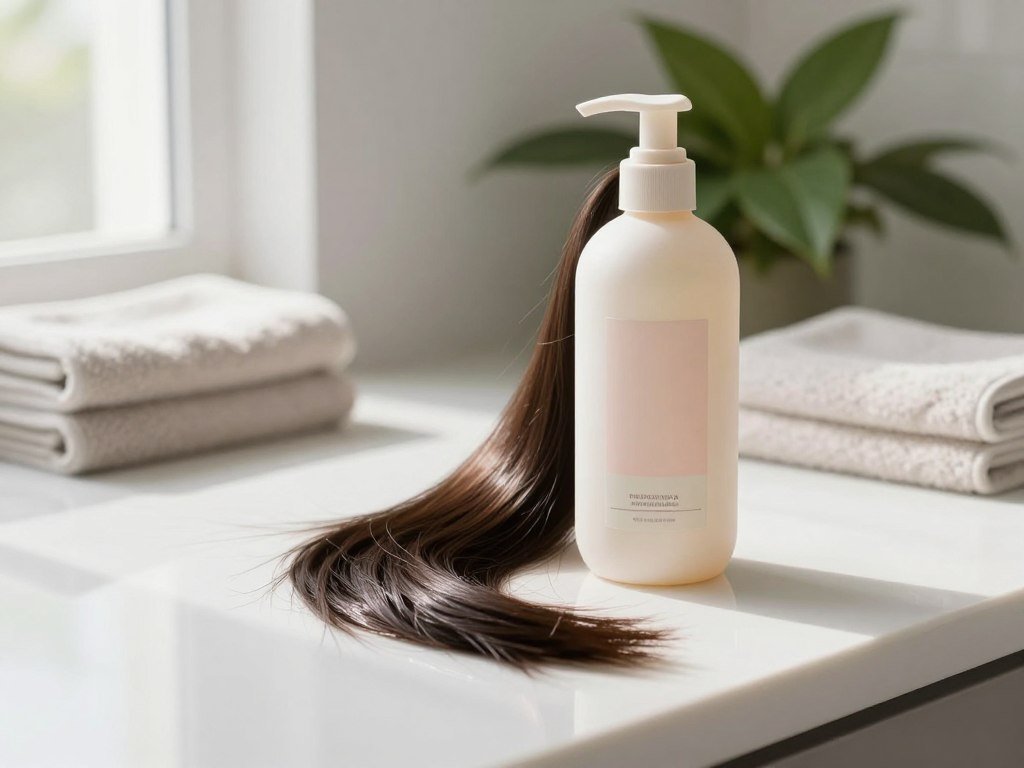
Nécessaire The Moisture Shampoo is sulfate-free and includes argan oil, argan extract, argan water and five ceramides. It is described as suitable for fine hair. Davines Nourishing Shampoo is another option described as adding hydration without weighing fine hair down.
“Moisturizing” does not mean a formula must feel creamy or leave a film. A lighter-feeling cleanser can still suit hair that needs softness. If your roots flatten easily, keep conditioner mainly on the mid-lengths and ends.
Fine strands may need less product than you expect, especially near the scalp. Watch how your hair moves after rinsing, not just how rich the bottle feels in your hand. If the roots look flat before the ends feel soft, use a smaller amount of conditioner near the scalp rather than switching straight to a stronger cleanser.
What should curly hair look for in a shampoo?
Curly lengths often need a cleanser that removes scalp buildup without leaving the strands rough and harder to detangle. Redken All Soft Mega Curls Shampoo is one option, with glycerin and aloe vera in a sulfate- and silicone-free formula. Let shampoo cleanse the scalp and conditioner handle most detangling.
Curly-to-kinky lengths can feel dry and tangle easily because their bends make handling and detangling more complex. A cleanser that leaves the strands rough may make the next step harder. Redken’s shampoo also contains salicylic acid, an ingredient in its formula.
The matching Redken conditioner includes Inca Inchi oil and hydrolyzed soy protein. Shampoo and conditioner have different jobs: the cleanser washes the scalp, while the conditioner provides more slip through the lengths. That pairing can support a routine without promising to repair curl structure.
Rinse the cleanser well so residue does not linger near the roots. Then work conditioner through the lengths with gentle finger detangling before reaching for a brush.
Which shampoo helps dry, damaged or color-treated hair?
Wella Professionals Ultimate Repair Shampoo is an option for damaged lengths, with malic acid, omega-9, panthenol and squalane. It is not sulfate-free, so check its label if avoiding sulfates is a priority. A repair-focused name does not mean every formula fits every color routine.
UV exposure, saltwater, heat styling and chemical treatments can all contribute to dryness. Heat and chemical services may leave the surface rough, while color-treated lengths may need careful cleansing. Amino acids in a hair product do not change the basic need to match the cleanser to your scalp and lengths.
Some people choose sulfate-free formulas as one part of their color-care routine. That label alone does not guarantee a better fit, and a repair claim does not mean a shampoo can reverse damage. Shampoo may improve how hair feels after washing, but it cannot permanently mend split ends.
Use the product as its label directs and pay attention to how your hair responds. If color preservation is a priority, follow the product label and watch for changes in tone or feel after washing.
What works for dry, thick or coarse hair?
Coarse, brittle lengths may benefit from a more conditioning-feeling wash than fine hair can tolerate. Pantene Extreme Damage Care Regenerative Oil Blend Shampoo is described for brittle, dry or coarse hair. Its sulfate-free formula contains argan and jojoba oils.
A richer-feeling formula may suit coarse lengths, but the scalp still needs an effective cleanse. Let the shampoo reach the roots rather than relying on oil to soften the lengths. Coconut oil may appear in hair care, but the listed Pantene formula features argan and jojoba oils.
Thick hair can take longer to rinse, so give the scalp and roots enough water to clear the cleanser. The ends may still need conditioner after washing. A formula suited to coarse strands is not automatically right for every scalp.
Heavy oil-based care may feel excessive at the roots even when the ends are dry. Keep extra conditioning on the lengths if oil at the roots makes the style feel coated.
Which shampoo can help with frizz and dullness?
Frizz can show up after a humid day, heat styling or repeated friction, even when the hair is freshly washed. Living Proof No Frizz Shampoo is a sulfate-free option with Sili-Clone HairTech, jojoba esters and sugar-derived humectants. It can support a smoother feel, but shampoo cannot control every source of frizz.
Humidity can change how strands sit, while bleach and heat tools can affect the outer surface. Everyday friction from rough handling may also leave hair looking dull. These causes do not all respond to the same product, so a smoothing shampoo has limits.
Living Proof’s formula includes ingredients aimed at smoothing and moisture support, but it cannot prevent humidity or undo damage. A fresh wash also does not remove the effects of repeated heat or rough handling. Choose a routine that suits your hair instead of expecting one cleanser to control every frizz trigger.
Reduce rough towel rubbing before adding another smoothing product to the routine. Patting or squeezing water out can lower friction during the first minutes after washing.
Is it dry scalp or dandruff, and which shampoo fits?
Flakes alone do not tell you whether the scalp needs more moisture or dandruff treatment. Dry scalp can involve low moisture or a weakened skin barrier, while dandruff is commonly linked with seborrheic dermatitis, yeast and inflammation. Do not diagnose a scalp condition from flakes alone.
Signs that point to simple dryness
A dry scalp may feel tight or uncomfortable when it lacks moisture. A gentle moisturizing shampoo followed by moisturizing conditioner can be a starting point for uncomplicated dryness. A mild cleanser is different from a medicated product meant to address dandruff.
When flakes may need a medicated shampoo
Dandruff is commonly associated with seborrheic dermatitis, Malassezia yeast and inflammation. Medicated shampoos with ketoconazole, selenium sulfide, salicylic acid or zinc pyrithione may help flakes tied to seborrheic dermatitis, rather than simple dryness. These are options, not a diagnosis or a personal endorsement.
Head & Shoulders Classic Clean Dandruff Shampoo contains 1% zinc pyrithione, an antifungal active used to curb yeast linked with flakes and irritation. CeraVe Anti-Dandruff Hydrating Shampoo lists ceramide NP. A dermatologist-recommended active ingredient can help guide a product choice, but it cannot tell you what causes your own symptoms.
| Scalp pattern | Likely approach | Example or active | Important limit |
|---|---|---|---|
| Uncomplicated dryness | Gentle moisturizing shampoo and conditioner | Glycerin or ceramides | Not a dandruff treatment |
| Suspected dandruff | Medicated shampoo option | 1% zinc pyrithione in Head & Shoulders Classic Clean | Flakes alone do not confirm cause |
| Dryness with significant scaling | Seek an individual assessment | CeraVe Anti-Dandruff Hydrating lists ceramide NP | Significant scaling can have other causes |
Follow the label when using a medicated shampoo, since its contact time is not the same as an everyday wash.
Which ingredients support scalp and strand hydration?
Glycerin, hyaluronic acid, panthenol and ceramides are useful label clues when the scalp feels dry. Glycerin and hyaluronic acid attract moisture, while panthenol and ceramides can be useful cues in scalp-care formulas. An ingredient list can guide a choice, but it cannot prove a treatment will work.
Humectants and barrier-supporting ingredients
Humectants such as glycerin and hyaluronic acid help attract moisture. Panthenol and ceramides are other ingredients to look for when a dry scalp needs gentle care. In September 2026, scalp-treatment guidance suggested hyaluronic acid and glycerin for dry, flaky scalps.
That guidance also suggested scalp treatments one to two times per week, depending on scalp needs. A separate treatment may be easier to place on the scalp than a shampoo that rinses away quickly. Keep the interval flexible and follow the product label.
Oils and conditioning ingredients
Oils and conditioning agents can soften hair lengths, especially when ends feel rough. The same rich feel may weigh down roots or leave them coated. Place products based on where your hair needs softness instead of assuming the scalp and ends need equal amounts.
A hydrating ingredient list is not proof that a formula treats a medical scalp condition. Some ingredients support comfort, while a condition such as dandruff may need a different approach. Keep a scalp treatment occasional at first and stop using it if irritation develops.
How often should you wash dry hair?
For a dry scalp, a gentle hydrating shampoo may be used 2 to 3 times weekly, while texture and oiliness can shift the schedule. Dry-hair washing can range from daily to once a week, depending on hair type. There is no need to follow a schedule that leaves your scalp uncomfortable.
Adjust washing to texture and scalp oil
Straighter hair generally becomes oily sooner than curly-to-kinky hair. Daily washing may suit some fine or oily scalps, while coarse or curly lengths may need fewer washes. Expert guidance on how often to wash your hair also considers scalp condition, exercise and styling products.
| Situation | Starting frequency | What changes it | Washing focus |
|---|---|---|---|
| Dry scalp using gentle shampoo | 2 to 3 times weekly | Scalp comfort and oil level | Use a gentle hydrating cleanser |
| Straighter hair that oils faster | Daily if needed | Oiliness and styling buildup | Clean the scalp, not the ends |
| Curly-to-kinky or coarse dry hair | Once weekly as a starting point | Scalp oil and buildup | Keep handling gentle |
Use a gentle wash and follow medicated labels
Massage cleanser onto the scalp instead of scrubbing the ends. Rinse thoroughly, since leftover product may affect how hair feels. A few small technique changes can reduce friction and help hair feel less dry after washing.
- Wet hair and scalp thoroughly.
- Massage cleanser onto the scalp with fingertips.
- Rinse well without scrubbing the ends.
- Condition the lengths after cleansing.
Use medicated shampoos only at the frequency and contact time on their labels.
How Dry Shampoo Works Between Washes
Dry shampoo can absorb oil at the roots between wash days, but it does not cleanse the scalp with water. Rice or oat starch can offer lightweight oil absorption, and Klorane Dry Shampoo with Oat Milk is designed for sensitive scalps. Dry shampoo refreshes roots; it does not replace a water wash.
Use a light hand so the product does not collect at the roots. Follow these steps to spread it through the hair:
- Hold the can about six inches away.
- Spray lightly at the roots.
- Wait a few minutes.
- Massage the product through.
- Brush it out.
Overuse can cause buildup and irritation, especially when product layers day after day. If your scalp feels itchy or coated, wash with shampoo and water rather than adding more powder or spray.
Keep its use to a few times per week and wash with shampoo and water rather than layering it day after day.
Which conditioner or treatment helps very dry hair?
A conditioner is the first step for softening dry lengths after shampoo, while treatments add more targeted support. Choose a rinse-out conditioner for regular detangling, then add a leave-in, mask or oil if your hair needs more. Very dry hair may need a creamy conditioner, while fine strands may need a lighter leave-in.
The product type matters because each one has a different role. Hair products work best when you place them where dryness shows, rather than coating every part of the scalp and hair.
| Product type | Where it goes | Main role | Use note |
|---|---|---|---|
| Rinse-out conditioner | Mid-lengths and ends | Softening and detangling | Use after shampoo |
| Leave-in conditioner | Damp lengths | Light ongoing conditioning | Fine hair may need a lighter one |
| Mask or deep conditioner | Lengths and ends | Added conditioning support | Optional once or twice weekly |
| Hair oil or serum | Lengths or ends | Smoothing and added slip | Use a small amount to start |
A hair mask once or twice a week can be an extra step, not a replacement for routine conditioning. A conditioner or serum may smooth the feel of split ends, but no product can permanently join them back together. If your ends feel dry after a wash, adjust the conditioning step before adding more shampoo.
Apply the richer product to the driest lengths and ends, not automatically to the scalp.
Why can hair get wirier and frizzier with age?
Hair can feel drier or more wiry with age as the scalp may produce less oil. Lower oil production from sebaceous glands can contribute to dry, frizzy strands. Age-related texture changes can also affect how quickly hair is replaced.
People normally lose about 50 to 100 strands daily. Hair growth can slow with age, so shedding may outpace replacement for some people. That range describes a typical pattern, not a personal diagnosis or a measure of your hair density.
Frizz by itself does not point to a specific vitamin or nutrient deficiency. Do not start supplements based on texture alone; discuss supplements or other symptoms with a clinician. Styling, weather and handling can also change how older hair feels from day to day.
A sudden change in density or texture deserves more attention than a frizzy day by itself.
Frizz alone does not identify a deficiency, and a sudden change in density deserves more attention than texture on one day.
When should you ask a dermatologist about scalp symptoms?
Persistent redness, thick scaling or hair loss calls for a dermatologist’s assessment, not just another shampoo switch. Symptoms that do not improve with over-the-counter care also deserve professional attention. Do not keep changing products when scalp symptoms persist.
A dermatologist can assess symptoms that keep returning or worsen despite basic care. Redness and thick scaling may need more than a new cleanser, while hair loss deserves an individual review. Repeated product changes can make it harder to tell what is affecting your scalp.
Track when symptoms began and whether they changed after a new product. Bring the names of products you have used and note when symptoms began.
Conclusion
The most useful choice is the one that cleans your scalp while leaving your lengths comfortable. Match shampoo to both scalp and hair texture, then use conditioner or a treatment for extra softness through the lengths.
Pick one formula that fits your main concern, follow its label and reassess how your scalp and strands feel after several washes.
FAQ
Should I use shampoo every day?
How does dry shampoo work?
Which conditioner is best for very dry hair?
How do you rehydrate really dry hair?
How to fix frizzy old lady hair?
What deficiency leads to frizzy hair?
How to fix hair that feels like straw?
Why does older women’s hair get frizzy?