A fresh color appointment can look great, but the shampoo you use between salon visits still has to suit your scalp and strands. The right match can make your routine feel comfortable while helping color look fresh for weeks.
Colored hair has different needs based on its shade, scalp condition, and strand health. A product that suits dry lengths may not help an oily scalp, and brassiness calls for a different approach.
Here, you’ll find ten picks for everyday color care, dry or fragile hair, scalp flakes, and unwanted warmth. You’ll also get clear ways to compare labels and adjust your routine without expecting one bottle to handle every concern.
The right choice is the one that fits your main hair concern without asking one bottle to do every job.
Key Takeaways
- Start with your scalp and hair condition, then consider your color goal.
- Paul Mitchell Color Protect Shampoo is the guide’s everyday color-care pick.
- Purple and blue toning shampoos target different unwanted tones.
- Wash frequency, water, heat, and sun can all affect color.
- Choose conditioner for your lengths, texture, and level of dryness.
How to Choose the Best Shampoo for Color Treated Hair
Start with the problem you want the shampoo to solve, because a dry scalp, fragile lengths and unwanted brassiness call for different choices. Color-treated hair can be more fragile and porous, so caring for its cuticle matters.
Hair porosity means how readily a strand absorbs and loses water and other substances. An ordinary color-protect shampoo is the starting point for most people, while toning shampoo and scalp-treatment shampoo serve narrower needs.
Choose for the scalp first, then use a targeted product only for a second concern that needs it.
Permanent, demi-permanent and semi-permanent color use different processes, so your service can affect how fragile your strands feel. A gentle routine can support hair health, but a shampoo label cannot promise that color will not fade.
A scalp-first shampoo and conditioner approach can help you match cleansing to your scalp and conditioning to your lengths.
- Identify whether your scalp feels dry, oily, or flaky.
- Note whether your strands feel dry or fragile.
- Decide between general color care and tone correction.
- Match shampoo and conditioner to those needs.
If more than one concern applies, prioritize scalp comfort first and use a targeted product only where it addresses the second concern.
How the 10 Shampoo Picks Were Evaluated
A shampoo recommendation is more useful when the people assessing it have varied hair needs and color histories. Different perspectives help show why one product can feel right for one person and wrong for another.
Reviewers with varied hair needs can assess a product more fairly than a single hair type can. Colored hair may be fine, thick, curly, straight, recently dyed, or several years into regular salon visits.
Tester experience and coverage
Color-treated shampoo testing included editors, writers, contributors, and hair colorists. Their different textures, color histories, and needs helped shape a broader view of the products.
That range matters because the same shampoo may cleanse comfortably for one person and feel too drying or heavy for another. Your scalp and strands still decide whether a recommendation fits your routine.
What the evaluation considered
Evaluations considered efficacy, texture and experience, fragrance, and packaging. Cleansing performance mattered, but fragrance and packaging can affect daily use, too.
Consumer Reports’ 12-week shampoo boot camp tested products intended for curly, fine, and color-treated hair. That test does not make every formula right for every reader.
Test results can help you compare products, but they cannot predict how your scalp will respond or how a shade will look on your strands. Treat a test result as one input, then check whether the shampoo matches your own scalp and strands.
Best Everyday Shampoos for Color Protection
For a simple, everyday color-care choice, Paul Mitchell Color Protect Shampoo is the pick to consider first. It gives you a clear starting point when your main goal is routine color care, not tone correction or scalp treatment.
The best shampoo for color protection is a gentle formula chosen for your actual hair and scalp needs, not a label alone. These three products offer different options to compare without assuming that one formula suits every head of hair.
| Product | Best fit | Supplied size and price information |
|---|---|---|
| Paul Mitchell Color Protect Shampoo | Everyday color-care pick | 2.5 fl oz, $8; 10.14 fl oz, $16; 16.9 fl oz, $21; 33.8 fl oz, $34 |
| Redken Acidic Color Gloss Shampoo | Alternative to compare for everyday color care | No size or price listed here |
| L’Oréal Paris EverPure Moisture Shampoo | Alternative to compare for a moisture-focused routine | No size or price listed here |
Paul Mitchell Color Protect Shampoo
Paul Mitchell Color Protect Shampoo is the guide’s all-purpose pick for shoppers who want an everyday option. The listed choices include four bottle sizes, from a small 2.5-ounce bottle to a 33.8-ounce bottle.
Those are listed product options, not a general market range for color-care shampoo. The smaller size may suit someone who wants to try a bottle, while a larger one offers more product for a regular routine.
Two alternatives to compare
Redken Acidic Color Gloss Shampoo and L’Oréal Paris EverPure Moisture Shampoo are two other names to compare. Their roles here are alternatives, not claims that either one will suit every hair type or keep color fresh on its own.
Think about your scalp, strands, and the rest of your routine before choosing. A bottle that feels comfortable to use is more practical than one selected for a color-protection claim alone.
Compare the bottle size and listed price with how often you wash before deciding which option makes sense for your budget.
Best Shampoo for Dry, Color-Treated Hair
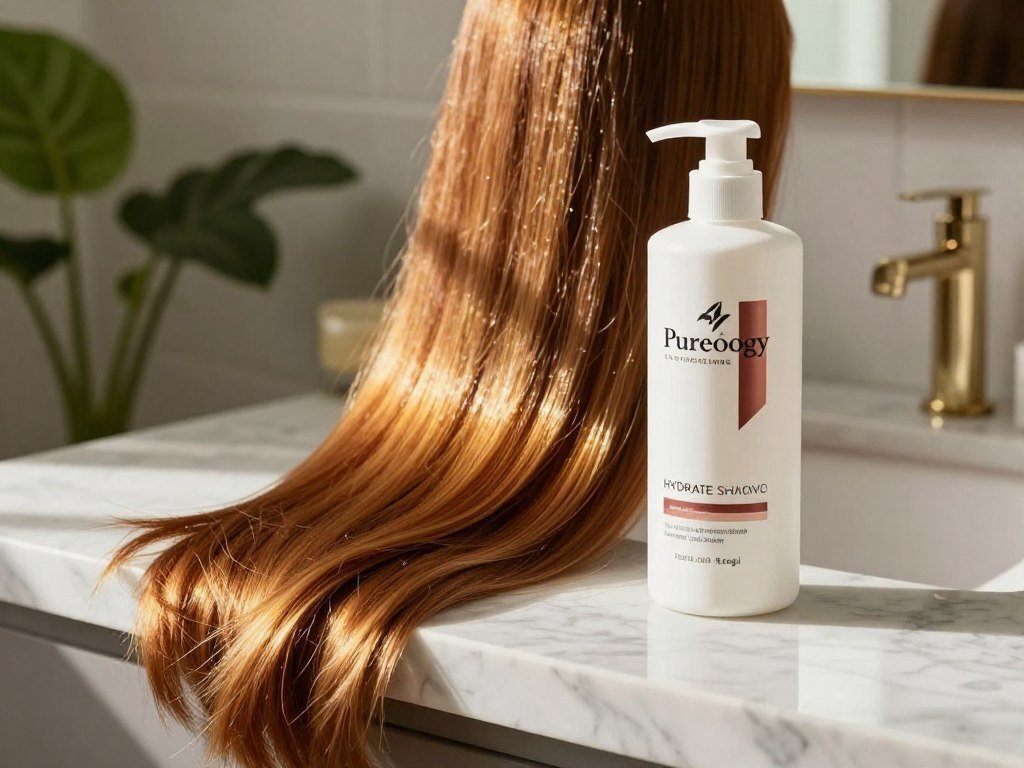
If coloring leaves your lengths dry, start with a shampoo and conditioner routine that addresses softness as well as cleansing. Pureology Hydrate Shampoo is the hydration-oriented pick, while Olaplex No. 4 Bond Maintenance Shampoo is an option to compare for fragile or processed strands.
Conditioner matters because shampoo alone does not address the feel of dry lengths. Color-treated hair can be more porous and fragile, so consider how your strands respond to the full wash routine.
For dryness after coloring
Pureology Hydrate Shampoo is the choice to consider when dryness is your main concern. Follow with a conditioner that suits your hair, since conditioning the lengths can help them feel softer and easier to manage.
Keep the product on the hair where it makes sense for your routine. If dryness sits mostly through the ends, focus your conditioner there rather than expecting a shampoo to change how every section feels.
The best shampoo for dry, color-treated hair is one that cleanses in a way your lengths tolerate, paired with a conditioner that fits their needs. A very rich routine may feel pleasant on thick hair but too heavy on finer strands.
For fragile or chemically processed strands
Olaplex No. 4 Bond Maintenance Shampoo is another option to compare when strands feel fragile or processed. Consider how your hair responds to cleansing, then follow with a compatible conditioner.
Color services can leave hair feeling different from its usual state. Notice whether your strands feel rough, tangled, or weighed down after washing, and adjust the conditioner before changing the whole routine.
Fine strands can feel weighed down by overly rich conditioning. If a richer routine leaves fine hair flat, switch to a lighter conditioner rather than washing more often.
Best Shampoo for Color-Treated Hair and a Dry Scalp
First decide whether your scalp feels tight and dry or has persistent flakes, because those concerns may need different ingredients. A dry-feeling scalp may suit a moisturizing shampoo, while flakes linked to seborrheic dermatitis may call for an active ingredient.
Persistent flakes and simple dryness are not the same concern. Seborrheic dermatitis is a scalp condition that can cause flakes, and the right product depends on what is causing them.
When the scalp feels dry
Moisturizing shampoos for dry scalps may contain glycerin, hyaluronic acid, panthenol, or ceramides. These ingredients can help you find a formula aimed at a dry-feeling scalp.
A flexible starting routine may mean washing two to three times per week, adjusted to your dryness and existing wash frequency. Your scalp comfort matters more than sticking to a fixed count.
A moisturizing shampoo for the scalp does not have to be the same product you use for the lengths. You can choose a scalp-focused cleanser and keep your conditioner suited to the hair below.
When flakes may be dandruff
Flakes associated with seborrheic dermatitis may call for ketoconazole, selenium sulfide, salicylic acid, or zinc pyrithione. The American Academy of Dermatology explains seborrheic dermatitis treatment options, including dandruff shampoos for mild to moderate scalp symptoms.
CeraVe Anti-Dandruff Hydrating Shampoo contains 1% pyrithione zinc, three ceramides, niacinamide, and hyaluronic acid. It is free of sulfates, dyes, and fragrance, and is clinically tested to help eliminate visible flakes without disrupting the scalp barrier.
In a consumer test, CeraVe shampoo and conditioner together left hair 4X more hydrated and 12X smoother after one use than a non-conditioning shampoo. Those findings do not establish that the shampoo is safe for every color service or shade.
A medicated scalp product is not the same as a daily shampoo for the lengths. If flakes persist or the scalp is uncomfortable, ask a dermatologist which active ingredient and schedule fit your situation.
Best Shampoo for Blonde Hair and Brassiness
If blonde lengths look yellow, a purple-pigment shampoo is the targeted category to consider. Purple shampoo can counteract yellow tones, while a standard color-protect shampoo remains the base choice when toning is not needed.
Toning shampoo is a targeted tool, not necessarily the shampoo for every wash. Use it to address a tone concern rather than as a replacement for your usual cleanser.
Purple shampoo for yellow tones
Purple pigment can help counter yellow tones in blonde hair. The result can vary with the shade and condition of your hair, so use the product directions rather than expecting one fixed outcome.
A regular color-care shampoo remains a sensible base when your blonde looks the way you want. Toning shampoo is for unwanted warmth, not a required step in every routine.
Compare three toning options
Redken Color Extend Blondage Shampoo, Joico Color Balance Purple Shampoo, and Fanola No Yellow Shampoo are three options to compare. Check each product’s current directions before use.
| Product | Intended toning role | What to check on the current directions |
|---|---|---|
| Redken Color Extend Blondage Shampoo | Purple toning option for blonde hair | Use directions and shade guidance |
| Joico Color Balance Purple Shampoo | Purple toning option for blonde hair | Use directions and shade guidance |
| Fanola No Yellow Shampoo | Purple toning option for blonde hair | Use directions and shade guidance |
Follow the product directions and stop using the toning shampoo if the result looks dull or overly cool.
Best Shampoo for Brunette Hair
For brunette hair that looks orange, a blue-pigment shampoo is the targeted option to compare. Joico Color Balance Blue Shampoo is the brunette toning pick for addressing orange tones.
Blue shampoo can counteract orange tones in brunette hair, but a brunette with no unwanted warmth may prefer a regular color-protect shampoo. Choose based on the shade you want, not just the color of the bottle.
Corrective pigment works best when it matches the unwanted tone. A product meant for one kind of warmth may not suit another, and using the wrong pigment can change how a multi-toned shade looks.
Green pigments can be used to counter reddish warmth in darker brown or black hair. That does not make green shampoo the right choice for every dark shade.
Brunette hair can include highlights, lowlights, or more than one base tone. A colorist can help you identify whether the warmth looks orange or red before you add a corrective product.
Check the color goal with your colorist before using a corrective pigment on a dark or multi-toned shade.
Does Semi-Permanent or Permanent Color Need Different Shampoo?
The type of dye service matters because semi-permanent, demi-permanent and permanent color do not behave identically. The color process affects how long pigment tends to last and how the strands may feel afterward.
All color-treated hair benefits from a routine that avoids unnecessary stress, while permanent color may leave hair more fragile. Wash counts are general guidance, not guarantees for every dye or salon service.
Semi-permanent color fades after about 12 washes. It does not use the same process as permanent color, so it may call for different expectations about how long the shade lasts.
Demi-permanent color can last up to 24 washes and uses minimal peroxide. The result still depends on the formula and the service, so a wash count cannot predict an exact fade date.
Permanent color uses ammonia and peroxide, lasts the longest, and can leave hair more fragile. The color may stay longer, but strand condition still matters when you choose a cleanser.
Product labels and your colorist’s directions matter because formulas and service outcomes differ. After a major color change, ask your colorist which cleanser is appropriate for the service you received.
Which Shampoo Ingredients Should You Check?
A sulfate-free label can be a useful preference, but it is not proof that the whole shampoo routine protects color. Surfactants are cleansers that help oil-based dirt rinse away with water.
Sulfates alone do not determine color fading. Choose a gentle cleanser if it suits your hair and scalp, rather than treating one ingredient label as a promise.
Understand the cleanser, not just the lather
Cosmetic chemist Randy Schueller tested sulfates against other surfactants and found no notable differences in color fading. That comparison challenges the idea that sulfates alone decide whether color will last.
Clarifying shampoos can help remove oil or buildup, but they are not the everyday choice for maintaining color. A clarifying wash may suit oily hair or heavy styling-product buildup when a regular cleanser feels insufficient.
A guide to clarifying shampoo and buildup can help you understand when a deeper cleanse fits your routine. Clarifying too often may leave hair dry, so use it for a clear need.
Look for support for fragile strands
Amino acids, antioxidants, ceramides, and lightweight proteins are ingredient types to consider when strands feel fragile. None guarantees color retention on its own.
Think about how your hair feels after cleansing, not only how much lather forms. A shampoo that leaves your scalp comfortable and your lengths manageable may be a better fit than a label chosen for one claim.
Choose a clarifying wash for a clear buildup need, not as the default cleanser every time you shampoo.
How Often Should You Wash Color-Treated Hair?
For most people, two to three washes a week is a workable starting point for color-treated hair. Washing less often tends to help color stay vibrant, as long as your scalp remains comfortable.
Two to three washes a week is sufficient for most people, though workouts, oiliness, and scalp comfort can change your schedule. Your routine should fit real life, not an idealized calendar.
Set a realistic wash rhythm
Start with the number of washes that keeps your scalp feeling clean without leaving your lengths feeling too dry. If you exercise often or your scalp gets oily quickly, you may need to wash more.
For a dry scalp, washing two to three times weekly may be a flexible starting point, adjusted for dryness and your usual routine. The dry-scalp washing range is not a fixed rule for every person.
Notice how your scalp feels between washes, not just how your hair looks. Itching or discomfort can be a sign that your schedule needs a change.
Stretch time between washes
Dry shampoo can buy time between washes by absorbing oil at the roots. It does not replace cleansing when your scalp needs a wash.
Use it as a short-term helper, especially when a full wash does not fit your day. If product buildup starts to bother your scalp, return to a wash that leaves it feeling clean.
Adjust the rhythm to your scalp rather than forcing a schedule that leaves it uncomfortable.
What Causes Hair Color to Fade?
Washing is not the only cause of fading, but water exposure can let some color escape from a swollen hair shaft. Wet hair swells, opening the hair shaft and allowing some color to leach out.
Water, heat, UV exposure, and hair condition can all contribute to fading. How much each factor matters depends on washing frequency, the cleansing system, pH, water exposure, heat, sun, hair condition, and porosity.
Washing and water exposure
Frequent washing means more water exposure, which can make color maintenance harder. Hard water can also affect hair, so the full cleansing system matters alongside how often you wash.
Water temperature is one part you can change easily. Use lukewarm rather than hot shower water when you wash colored hair.
The factors that affect color fading were updated in September 2026. Wet hair, repeated water exposure, and the condition of the strand can all shape how long a shade looks fresh.
Heat, UV and hair condition
Hot showers, heat styling, and UV rays can contribute to fading. Prolonged sun exposure adds another stress to hair that may already feel fragile after coloring.
Moderate heat styling and give your hair breaks from hot tools when possible. A guide to choosing a straightener for your hair type covers ways to limit heat stress during styling.
Hair porosity and overall condition also affect how strands absorb and lose substances. A full routine includes the cleanser and the way you treat your hair between washes.
On long days outdoors, a hat is a simple way to limit direct UV exposure to your hair.
Why Shampoo and Conditioner Work Better as a System
Color care depends on how the shampoo and conditioner work together, not on a single label claim. A matched routine starts with shampoo that suits your scalp and conditioner that suits your lengths.
Sulfate-free shampoo alone does not guarantee color safety, because the complete cleansing and conditioning system matters. A shampoo-and-conditioner set should fit your texture and level of dryness.
Match the conditioner to the lengths
Conditioner supports softness and manageability, especially when colored lengths feel dry or tangle easily. Choose a texture that feels comfortable for your hair rather than assuming every conditioner will work the same way.
Paul Mitchell Color Protect Conditioner is listed in four sizes and prices. The options include a small bottle and larger sizes for people who use it regularly.
| Size | Listed price |
|---|---|
| 2.5 fl oz | $8 |
| 10.14 fl oz | $16 |
| 16.9 fl oz | $21 |
| 33.8 fl oz | $34 |
Choose the whole routine, not one label
A sulfate-free shampoo does not guarantee that every part of a routine suits your color or hair condition. Your cleansing system and conditioning choices work together, so think beyond one front-label claim.
Choose products for the job each one needs to do, rather than expecting a single shampoo to solve every concern.
Paul Mitchell Color Protect Locking Spray is an optional leave-in product, listed at 8.5 fl oz for $20. It is not a shampoo pick, and you do not need to add it unless it suits your routine.
Fine hair may need conditioner concentrated on the lengths rather than the roots. Before adding another product, check whether the conditioner alone addresses the dryness or tangling you want to improve.
Conclusion
A good color-care routine starts with the concern you actually have, not the most dramatic promise on a bottle. The right shampoo matches your scalp, strand condition, and color goal.
Color care comes from the full routine, not one marketing claim. Your next step is to name the main concern and ask your colorist about any corrective or medicated shampoo before adding it.
Choose the one change that addresses your main concern, then check in with your colorist if your shade or scalp needs specialized care.
FAQ
What is the best shampoo for hair color protection?
What is the best salon-quality shampoo for colored hair?
What’s the best shampoo to use after coloring your hair?
What shampoo to avoid with colored hair?
What is the healthiest shampoo for color-treated hair?
What are the worst shampoos for color-treated hair?
What is the healthiest shampoo for your hair?