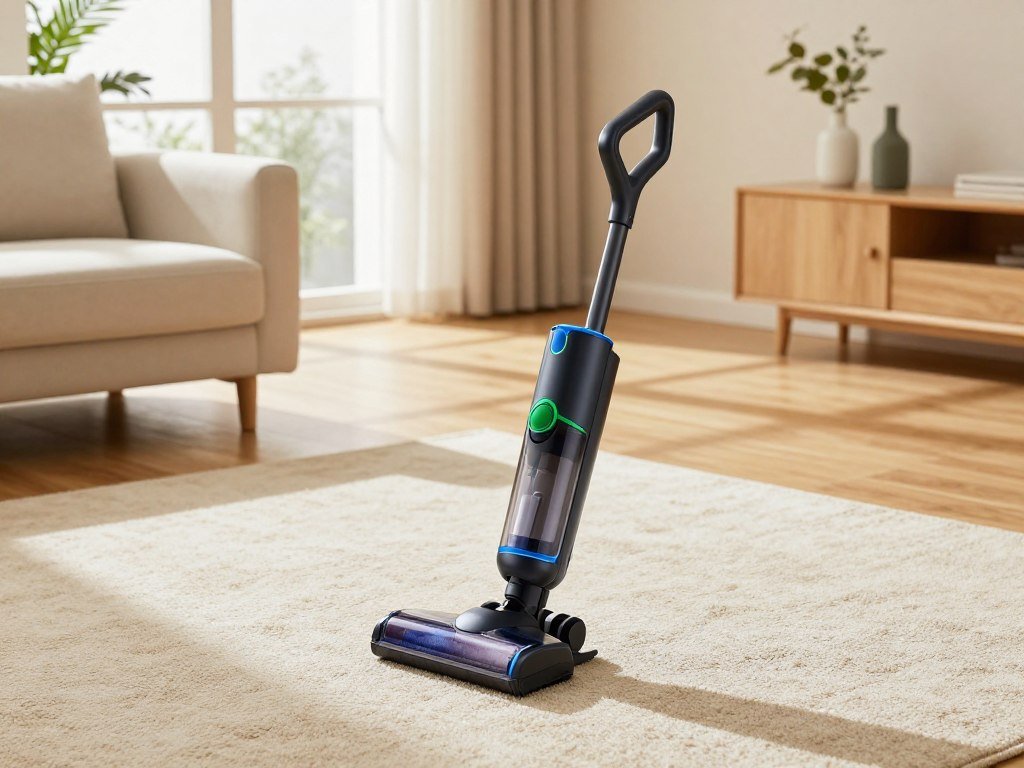
A home with thick carpet, shedding pets, and stairs needs a different vacuum than a small apartment with mostly bare floors. The best vacuum cleaners 2025 can mean a cordless stick for quick jobs, an upright for carpet, or a canister for hard floors. You might prefer a robot for daily upkeep, a robot combo for wet messes, or a handheld for crumbs and upholstery. The right choice depends on your floors, home size, storage, budget, and how much cleaning you want to do yourself.
Each format has limits, so a low price or long feature list does not guarantee a good fit. This roundup helps you compare models by the tasks they handle and the effort they take. Start by noting the surfaces and messes you clean most often before comparing individual models.
Key Takeaways
- Match the floorhead to your carpets or hard floors.
- Choose an upright or canister for long cleaning sessions.
- Pick a cordless stick when lighter, quick cleaning matters.
- Use a robot for frequent upkeep, not every deep-cleaning job.
- Check storage, bin size, and ongoing costs before you buy.
- Choose a handheld for small jobs, not whole-home cleaning.
How Do You Choose the Best Vacuum Cleaners 2025 for Your Home?
A mixed-floor home needs a vacuum head that can transition between carpet agitation and gentle hard-floor pickup. A motorized brushroll is a rotating brush that agitates carpet fibers so suction can lift embedded dirt and hair. Start with floor type, then weigh the size of your home, storage space, and cleaning effort.
These four checks can narrow the vacuum types that suit your needs. The right features depend on what you clean most, not how long the product description runs.
Match the floorhead to your floors
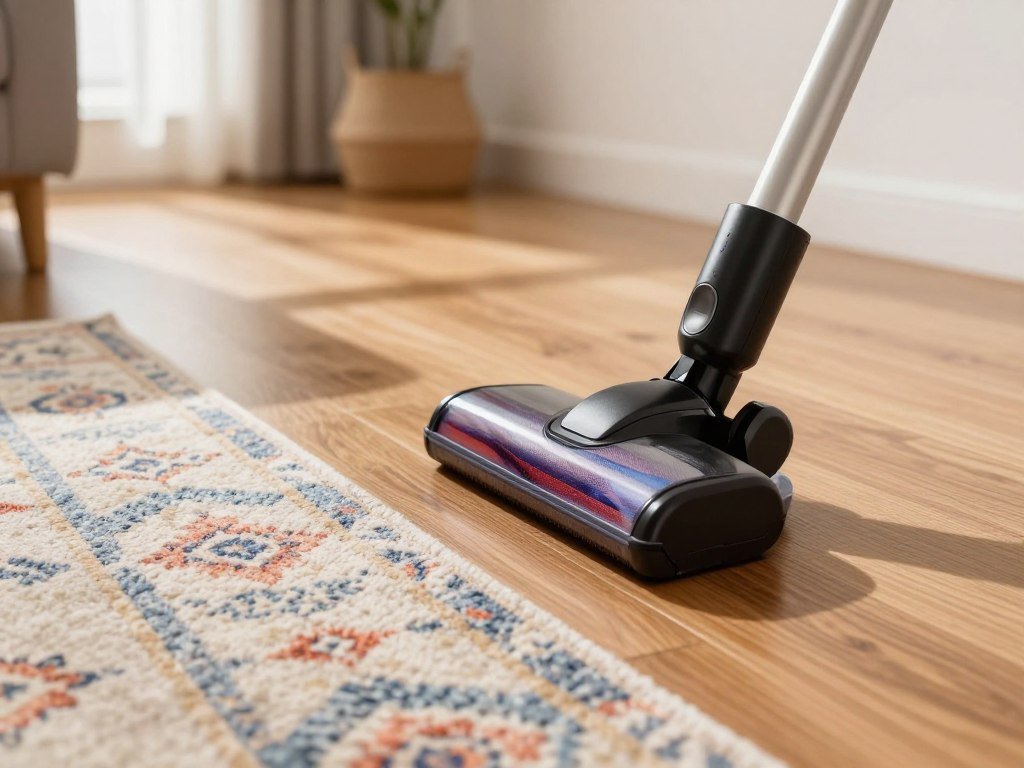
Carpet needs suction and brush agitation to lift debris from its fibers. A soft roller suits delicate hard floors, where it can pick up fine dust without rough contact. Some vacuums include a head designed for one surface, while others let you switch attachments or settings.
A soft roller alone is not a substitute for a carpet brushroll in a home dominated by thick rugs. Check that the head fits your main floor type before comparing extra features. A practical vacuum buying guide can help you compare floorheads, suction, filtration, and storage needs.
Choose a floorhead for the surface that takes the most cleaning time. A soft roller alone will not replace a brushroll on thick rugs.
Balance home size, storage, and effort
Larger homes may suit a corded vacuum for longer sessions or a robot for routine upkeep. Stairs and tight storage favor lighter options. Cordless vacuums typically weigh about 6-8 lb, though each model and its accessories can change the total.
Use this short checklist before you pick a format:
- Floor type: carpet, hard flooring, or a mix.
- Home size: one room, a small apartment, or several floors.
- Storage space: a closet, wall mount, or open floor area.
- Mobility and effort: carrying, cord handling, or automated upkeep.
Measure the storage spot before choosing a full-size model, because a good floor match still has to fit your home.
Which Cordless Stick Vacuum Fits Everyday Cleaning?
For a cordless vacuum that can cover a mix of floors and pet hair, start with Shark PowerDetect Cordless. It is a broad-use pick for strong cleaning and everyday convenience, with an optional auto-empty dock. At 8 lb, it is relatively heavy for a cordless stick.
A cordless stick is the common upright-shaped cordless option, not the same thing as a corded upright. The Shark’s onboard bin holds 0.7 L, while its dock holds 2 L. Its maximum runtime is 70 minutes.
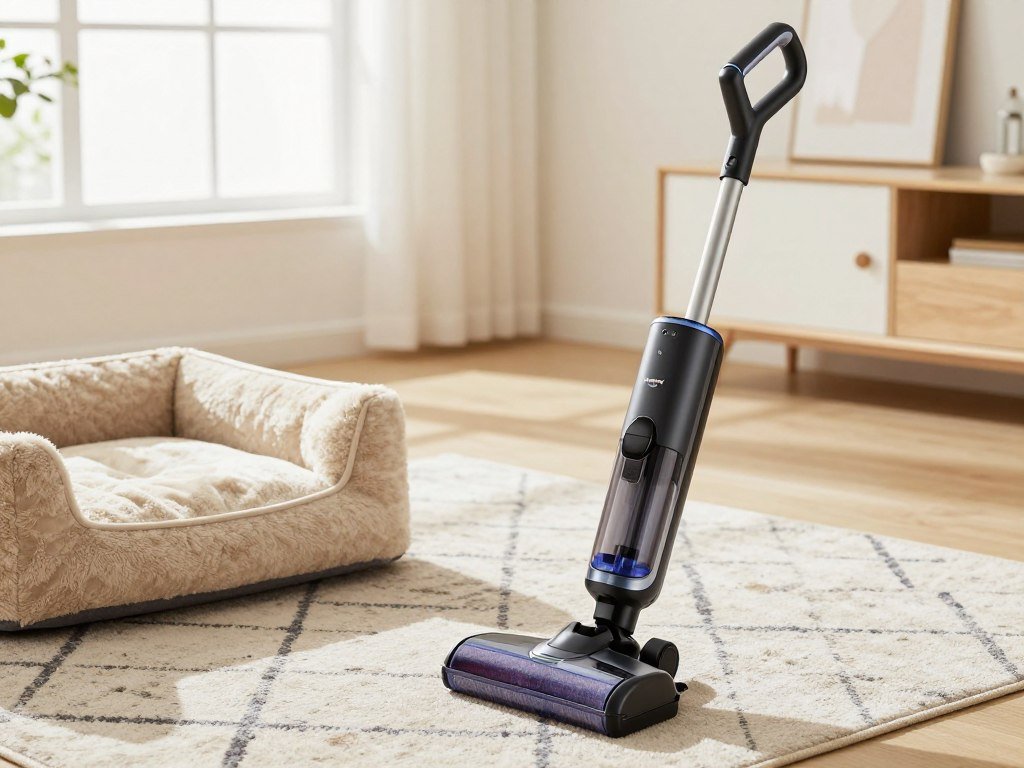
The lighter Dreame R20 weighs 6 lb and has a 0.6 L bin. Its maximum runtime is 90 minutes, but runtime does not tell you how much power a vacuum delivers. The R20 feels easier to handle for routine cleaning, though its outright suction power is lower than the Shark’s.
For the best vacuum cleaners 2025, choose the Shark if you want one cordless stick for varied household jobs. If you are comparing a best vacuum cleaner 2026, Shark PowerDetect Cordless is a versatile all-around candidate. Dyson V15 Detect is a better fit when hard floors are your main focus.
Think about stairs, storage, and how often you will empty the bin. The Shark dock can reduce hands-on emptying, while the R20 is simpler to carry between floors. Choose the lighter Dreame R20 if carrying the vacuum up stairs matters more than maximum cleaning power.
Which Upright Vacuum Handles Carpets and Bigger Homes?
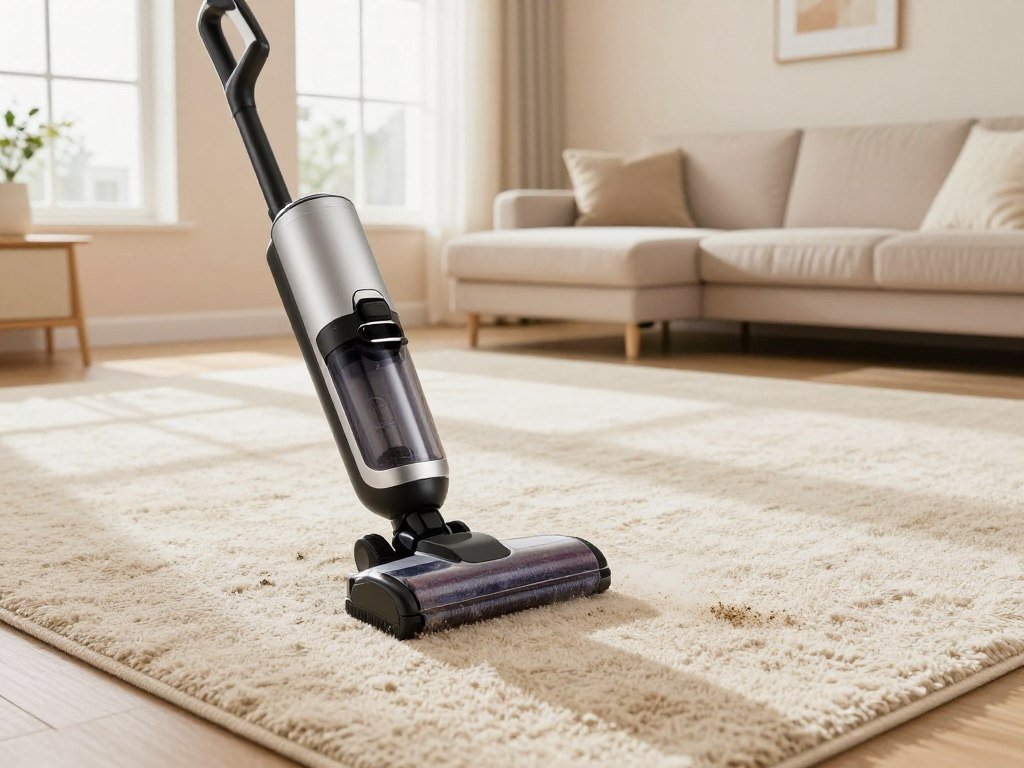
A carpet-heavy home that needs long, uninterrupted cleaning is a natural fit for a corded upright. Shark Stratos Upright is the corded-power choice in this set, while Eureka QuickShift OmniVerse NEU801BL offers a lighter body and a lower listed price. An upright suits long sessions, but its weight and cord reduce maneuverability.
These options address different carpet and household needs. This is a useful set of choices, not a complete top-ten ranking.
| Model | Strongest fit | Useful feature | Trade-off |
|---|---|---|---|
| Shark Stratos Upright | Carpeted homes needing corded power | 1.3 L bin | 14.8 lb weight |
| Eureka QuickShift OmniVerse NEU801BL | Mixed floors and larger debris | 1.6 L bin; $230 listed price | Costs more than $200 |
| Shark PowerDetect Upright | Homes needing a corded Shark upright | Upright format for longer sessions | Check exact model features before buying |
The Shark Stratos weighs 14.8 lb, so it may feel bulky on stairs or in a small apartment. The Eureka weighs 12.5 lb and has a 1.6 L bin. Its listed price is $230, which places it above the lowest-cost options.
People looking for a top 10 upright vacuum cleaners list should treat these models as examples, not a full ranking. Shark Stratos is also the corded-power choice among these options for a best upright vacuum cleaner 2026 or best corded vacuum cleaner 2026. Check the full model name before ordering, since similar Shark upright names refer to different models.
When Is a Canister Vacuum the Better Choice?
Choose a canister when a flexible wand and hard-floor performance matter more than having an all-in-one upright body. Miele Classic C1 Pure Suction Powerline suits homes with substantial hard flooring, while Eureka Mighty Mite is a simple, low-cost option. A pure-suction canister without a motorized brushroll is a poor match for thick carpet.
The canister stays behind as you guide its hose and wand. That reach can make it easier to clean under furniture and above floor level. The trade-off is pulling a separate unit and finding space for its footprint.
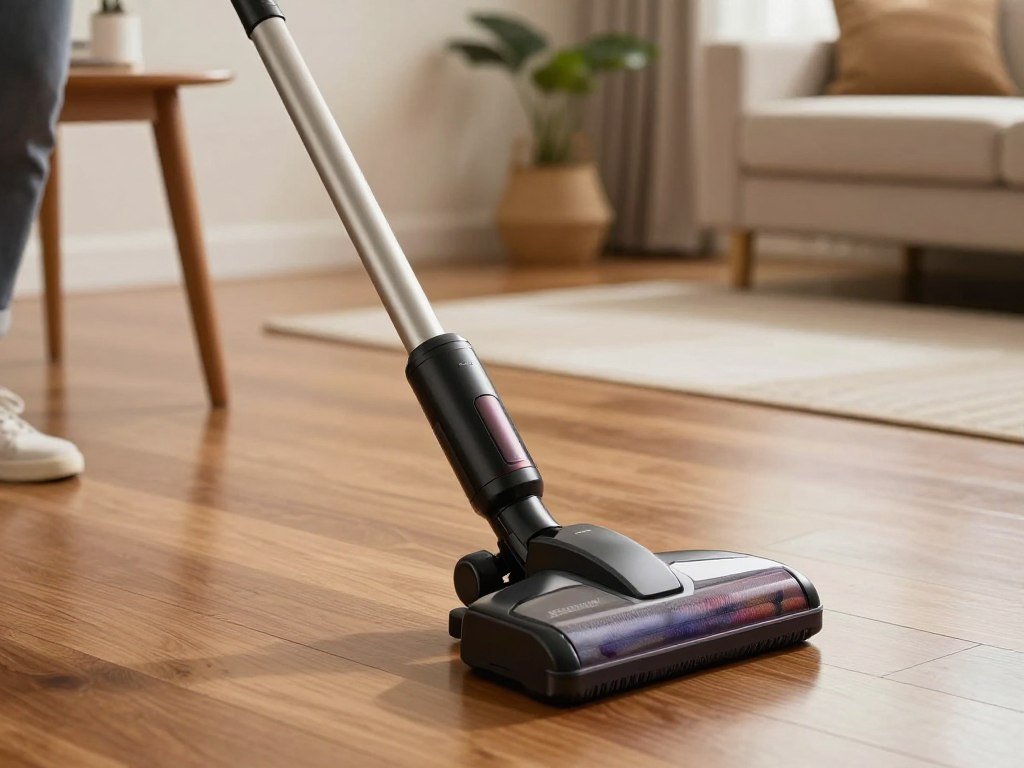
The Miele has a 4.5 L bag and weighs 13.1 lb. Its listed price is $399. Eureka Mighty Mite picked up 99% of scattered debris on hard flooring and has a listed price of $100.
Before choosing among vacuum cleaners, check these three details:
- Disposal: decide whether you prefer a bag or a bagless bin.
- Floor mix: note how much carpet and hard flooring you clean.
- Storage: measure space for the canister, hose, and wand.
The Mighty Mite can suit a small home with hard floors and a tight budget. The Miele may make more sense when you want a larger bag and plan to clean often. Check whether the floorhead includes a motorized brush before buying a canister for carpeted rooms.
What Is the Best Robot Vacuum for Daily Upkeep?
For regular cleaning with less hands-on effort, the Mova P10 Pro Ultra is the strongest general-purpose robot pick here. It handles hard floors and carpets, though substantial pet hair can challenge it. A robot works best for frequent light upkeep, not as a full replacement for manual deep cleaning.
The Mova costs $599 and uses LDS navigation. DREAME D10 Plus Gen 2 costs $300 and uses LiDAR navigation. Both can suit homes that benefit from scheduled runs.
| Model | Best household fit | Cleaning or navigation feature | Limitation |
|---|---|---|---|
| Mova P10 Pro Ultra | Mixed floors and routine upkeep | LDS navigation; $599 | Can struggle with substantial pet hair |
| DREAME D10 Plus Gen 2 | Smaller or tidier homes | LiDAR navigation; $300 | Needs pre-cleaning and hands-on mop care |
| Roborock Saros 20 | Homes wanting vacuuming and mopping | Dock washes pads with hot water and dries them | Dock maintenance takes space and care |
The DREAME is a budget robot, but it needs a tidy floor before runs and more hands-on mop management. The Roborock Saros 20 can vacuum and mop, and its dock washes mop pads with hot water before drying them.
Robots can help keep dust and small debris from building up between deeper cleans. They still need clear routes, clean sensors, and attention to the areas they miss. Clear cords and small objects before scheduled runs, especially if the robot has limited obstacle avoidance.
Should You Choose a Vacuum-and-Mop Combo?
Choose a wet-dry cleaner when sticky spills and damp messes are a regular part of your floor routine. A robot combo maintains floors on a schedule, while a wet-dry cleaner is guided by hand over a mess. A combo saves task switching, but water tanks, mop care, and floor compatibility still matter.
Dreame H14 Pro vacuums and mops at the same time, then leaves floors dry within a few minutes. Tineco Floor One S7 Pro leaves floors dry in under two minutes. These examples suit hands-on hard-floor cleanup rather than fully automated upkeep.
Think about where you will use the machine and how often you can clean its tanks and mop parts. A wet-dry model can save effort when you often face sticky food, tracked-in dirt, or damp spills. It is less useful when most of your home has surfaces that cannot take its cleaning method.
Consumer Reports does not yet have dependable reliability and owner-satisfaction ratings for robot vacuum-and-mop combos. That makes day-to-day care and the floor types in your home especially important to weigh. Confirm that the floor type can handle the wet-cleaning method before using a combo on it.
When Is a Handheld Vacuum Enough?
A handheld is enough when the job is a car seat, a stair tread, or a small spill rather than a whole floor. It is handy for crumbs, upholstery, stairs, and quick spot cleanup. Small capacity and limited runtime make it a poor main vacuum for a large home or extensive carpet.
Black+Decker dustbuster furbuster AdvanceClean+ Pet is a pet-hair-oriented example. A motorized upholstery tool helps pull hair from fabric instead of relying on suction alone. Handheld vacuums are included as a vacuum category in the 2026 Consumer Reports roundup.
A small bin can fill quickly when you clean a car or several stairs. Limited runtime can also force repeated charging during bigger jobs. Owners tend to replace handhelds rather than repair them, so reliability data is not collected for this category.
For a deeper car-interior clean, a handheld may not lift stains from carpets or upholstery. Professional interior detailing can handle that kind of work, while a handheld is better for quick surface pickup. Keep the handheld as a spot-cleaning tool unless your home’s daily messes are genuinely small.
Which Affordable Vacuum Options Handle Everyday Messes?
A useful low-cost vacuum does not need premium automation if it reliably handles your everyday messes. Eureka Mighty Mite suits hard floors, Kenmore Intuition 3-in-1 is a thick-carpet choice, and Eureka QuickShift OmniVerse NEU801BL covers more surface types. The lowest listed price is not the best value if the floorhead mismatches your home.
Under-$200 vacuums can handle dust, cereal, and pet hair. The Mighty Mite and Kenmore are both under $200, while the QuickShift costs $230 and adds broader surface capability.
Lower-cost choices for hard floors and small homes
The Mighty Mite has a listed price of $100 and works as a simple hard-floor option. The Kenmore Intuition 3-in-1 has a listed price of $180 and better suits thick carpet. The QuickShift is a value upright for larger debris and multiple surfaces.
| Model | Listed price | Best fit | Compromise |
|---|---|---|---|
| Eureka Mighty Mite | $100 | Hard floors | Poor match for thick rugs without a motorized brushroll |
| Kenmore Intuition 3-in-1 | $180 | Thick carpet | Less suited to buyers who want a light canister |
| Eureka QuickShift OmniVerse NEU801BL | $230 | Multiple surfaces and larger debris | Costs more than $200 |
When spending more can make sense
A lower price can suit a smaller home with one main floor type. The QuickShift costs more, but its upright format and broader surface use can fit busier homes better. A cheap hard-floor canister is a poor choice for a home with thick rugs.
The listed price is only one part of the decision. Make sure the model can pick up your most common mess without extra work. Choose the floor type you most need to clean before treating the lowest listed price as the best value.
What Should a Carpet Vacuum Do Well?
High-pile carpet needs a brushroll that can agitate the fibers without making the vacuum too difficult to push. Suction power and adequate airflow help lift dirt, while the brushroll loosens debris trapped among the fibers. A strong low-pile result does not guarantee good cleaning on shag or thick rugs.
Kenmore Intuition 3-in-1 cleaned 97% of low-pile carpet and 73% of high-pile carpet. Shark Rotator Pet Lift-Away is often offered for under $200 and deep-cleans carpet in a couple of passes.
Check these three points before choosing a carpet vacuum:
- Carpet pile: match the model to low, medium, or high pile.
- Brushroll design: look for a brush that can agitate the fibers.
- Debris pickup: check whether it lifts embedded dirt without pushing larger debris forward.
Carpet cleaning depends on more than a suction claim. Larger crumbs can roll ahead of a head that sits too low, while a thick rug can slow a brushroll that is hard to push. These differences matter if your home has both thin runners and deep pile.
The Kenmore’s results show a clear gap between low and high pile. A vacuum that performs well on low pile may still struggle on shag or thick rugs. Match the vacuum’s tested carpet strengths to the pile height you actually have at home.
What Matters Most on Hardwood and Tile?
On hardwood, the right floorhead should collect fine dust without scattering crumbs or risking surface scratches. A soft roller keeps contact with the floor to capture fine particles while helping protect delicate hard surfaces. Use a sealed or adjustable suction path to collect dust without pushing larger crumbs ahead.
Dyson V12 Detect Slim weighs 5.22 lb, making it a lightweight hard-floor option. Its laser helps reveal dust that is difficult to see in normal room light.
A bare-floor head should pick up small particles without scattering them across the room. If your vacuum has adjustable suction, a lower setting can help control pickup on delicate surfaces. A soft roller optimized for bare floors may not be the right primary head for a carpet-heavy home.
Tile can collect fine dust in grout lines, while smooth wood shows crumbs and grit clearly. A gentle floorhead helps, but larger grit can still scratch when trapped under the vacuum. Pick up larger grit before cleaning delicate flooring so it cannot drag under the floorhead.
Which Vacuum Works Best for Pet Hair?
Pet owners need a vacuum that collects fur from more than the open floor, especially from couches and stairs. Shark Rotator LA502 suits fur across floor surfaces, furniture, and stairs. Its mini motorized attachment helps pull hair from upholstery.
The LA502 has a listed price of $280. Long hair can still tangle on its roller, so check it after the first few cleaning sessions.
Look for these four features when comparing a vacuum for pet hair:
- Brushroll hair-wrap resistance.
- A motorized upholstery tool.
- Sealed filtration to help keep captured dust inside.
- Bin or bag capacity for longer cleaning sessions.
A mini motorized tool is useful for fabric where fur clings to the weave. Stairs also call for a tool you can guide without dragging a full floorhead over each step. Sealed filtration matters when dust and dander are part of your cleanup.
Heavy shedding can fill a bin quickly, even when the vacuum picks up fur well. Long hair may still wrap around a roller and need manual removal. Check the brushroll after the first few uses with long hair or heavy shedding, before buildup slows pickup.
How Long Do Vacuums Last, and How Can Reliability Be Judged?
A typical cordless vacuum lasts around 3-5 years, while a corded upright or canister often lasts 8-10+ years. Maintenance, use, and repair options affect how long any vacuum stays useful.
Battery wear can shorten a cordless model’s useful life, especially when you cannot replace the battery. A corded vacuum avoids that battery limit, though parts can still wear out over time.
Compare reliability by vacuum type
Non-robot vacuums are estimated for the likelihood of developing problems by the fifth year of ownership. Robot vacuums are estimated by the fourth year. These estimates describe a time period, not a promise that a specific unit will fail.
Reliability can differ between models within the same type. Careful bin and filter cleaning may help, while heavy use can add wear. Check model-level details rather than assuming every vacuum from one brand performs alike.
Look beyond the brand name
No single brand can be named the longest-lasting based on its name alone. Compare model-specific reliability, access to parts, and whether the battery can be replaced. Repair options matter when a small failed part could otherwise end the vacuum’s useful life.
Before buying, check the cost and availability of common wear parts, such as filters and brushrolls. A model may be easier to keep running when those parts are simple to find. Check whether a replacement battery and commonly worn parts can be obtained before committing to a cordless model.
How Are Vacuum Cleaners Tested and Rated?
A high vacuum score combines what the model does in lab tests with how owners report it performs over time. Consumer Reports’ 2026 roundup covers six categories: upright, canister, stick, robot, robot-and-mop-combo, and handheld vacuums. The Overall Score combines lab results with predicted reliability and owner satisfaction.
Lab tests check cleaning, ease of use, and noise. Battery-powered models also receive a runtime test.
What lab tests measure
Carpet tests check how well a vacuum lifts embedded sand and pet hair. Bare-floor tests measure litter pickup and scattering. Other checks look at debris retention, maneuverability, and noise.
Runtime tests show how long a battery-powered model runs under test conditions. A lab result can help compare models, but it cannot show how every floor plan or cleaning routine will feel at home. Check whether the tested type suits the surfaces you clean.
How reliability and satisfaction affect ratings
Member surveys inform predicted reliability and owner satisfaction. Satisfaction means owners are extremely likely to recommend their vacuum to friends and family. These owner ratings add a view of use beyond a single cleaning test.
A high score can help narrow your choices, but it does not replace a floor and storage match. Compare the test category with the kind of vacuum you need, since a robot and an upright do different jobs. Treat a lab score as one part of the decision, then confirm that the tested category matches your floors and cleaning habits.
How Do Leading Cordless Models Compare?
A runtime number is easiest to interpret when you compare it alongside bin capacity and the weight you will carry. Shark PowerDetect Cordless offers a 2 L dock, Dreame R20 has the longest maximum runtime, and Bissell PowerClean FurFinder is the lightest listed model. Maximum runtime can differ from real cleaning time.
The table compares weight, onboard bin capacity, and the maximum runtime for three cordless models. The Shark’s dock capacity is listed separately from its onboard bin.
| Model | Weight | Onboard bin capacity | Maximum runtime |
|---|---|---|---|
| Shark PowerDetect Cordless | 8 lb | 0.7 L plus 2 L dock | 70 minutes |
| Dreame R20 | 6 lb | 0.6 L | 90 minutes |
| Bissell PowerClean FurFinder | 7.3 lb | 0.4 L | 40 minutes |
The runtime numbers are maximums, not a promise for every cleaning session. The selected power mode, attachments, and how you use the vacuum can change real cleaning time. A high-power setting may shorten a session compared with a lower setting.
Bin size also affects how often you stop to empty the vacuum. Weight matters more if you carry it between floors or clean overhead. Choose the specification that solves your most frequent inconvenience rather than the model with the largest single number.
When Is a Good Time to Buy, and Is a Premium Vacuum Worth It?
Waiting for a major sale can reduce the purchase price, but the right model still depends on your floors and routine. Black Friday and Prime Day are common times to compare vacuum discounts. A sale is worthwhile only when the model suits your home.
Eureka Mighty Mite has a listed price of $100, while Dyson V15 Detect has a listed price of $750. Those figures show very different price points, not current sale offers.
Before you pay, compare these four costs and needs:
- Floor compatibility: make sure the head suits your surfaces.
- Battery or cord needs: choose how you want to power longer sessions.
- Ongoing costs: include bags and filters you may need to replace.
- Repair needs: consider replacement parts and service options.
A premium vacuum is worth paying for when stronger cleaning or time-saving features solve a frequent problem. Extra modes do not add much value if you rarely use them. A less costly model can be a better choice when it covers the tasks you do every week.
Pay more when a feature solves a recurring household problem. A long feature list is not a reason to spend more on its own.
Compare the final price and included attachments against the features you expect to use every week.
Conclusion
The right pick is the one that makes your most common cleaning task easier without adding a compromise you will notice every day. Put floor compatibility first, then choose convenience features only when they solve a real task in your home.
Write down your main floor types, the largest recurring mess, and the storage space available. Shortlist models that meet all three needs, then compare their current prices before deciding.
FAQ
What is the best robot vacuum cleaner in 2026?
What is the best vacuum cleaner for houses?
What vacuum brand lasts the longest?
How much should I spend on a good vacuum?
What is the best vacuum cleaner at a reasonable price?
What is the best vacuum cleaner in 2026?
Is it worth buying an expensive vacuum?