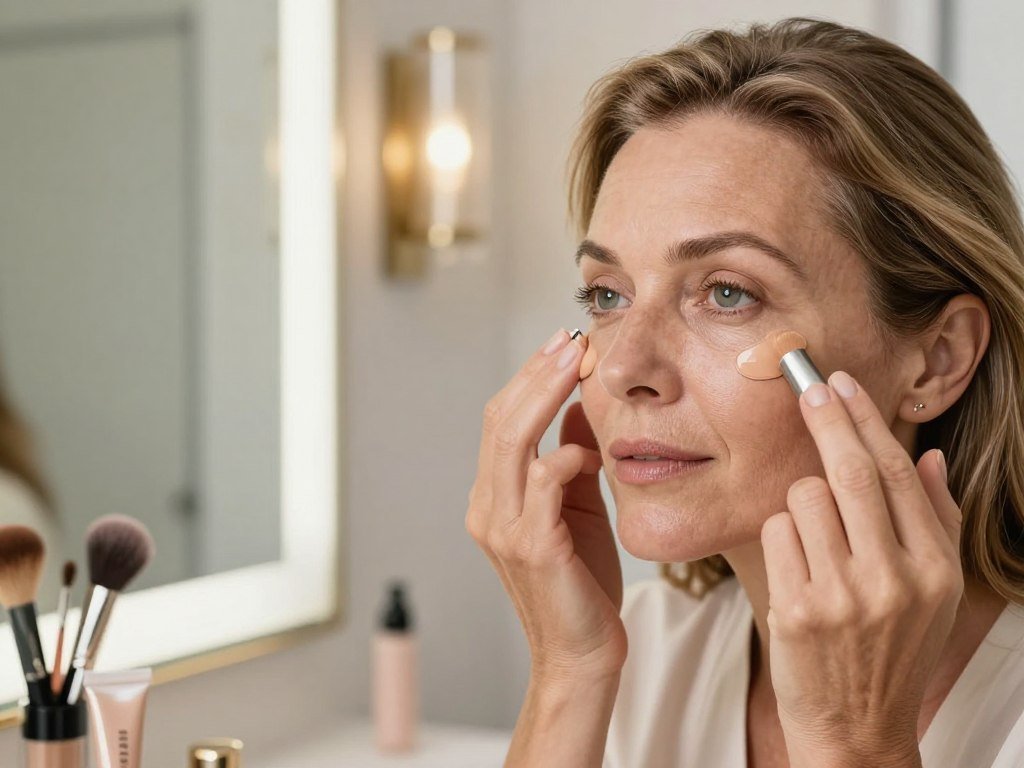
A comfortable concealer can brighten a tired-looking under-eye area without asking you to cover every line or spot. Dark circles, fine lines, and dry under-eyes can make daily makeup feel less comfortable. A flexible formula and a light touch can help makeup sit more naturally.
Color correction means using a pigment that offsets discoloration before applying a skin-tone concealer. The picks here are compared by use and finish, rather than named as one universal winner. Comfort, flexible texture, and targeted application matter more than masking every line.
Choose a formula that fits your skin and the area you want to cover. Less can do more when makeup feels comfortable and looks like you. The most natural result usually comes from choosing a formula for the concern you want to address and using only as much as needed.
Key Takeaways
- Match coverage to the spot or shadow you want to address.
- Try a thin liquid or serum-like formula for a flexible feel.
- Choose a brightening shade for under-eyes, not for blemishes.
- Apply a small amount and build only where needed.
- Check shade in daylight before wearing it for a full day.
Which Concealers Fit the Most Common Needs?
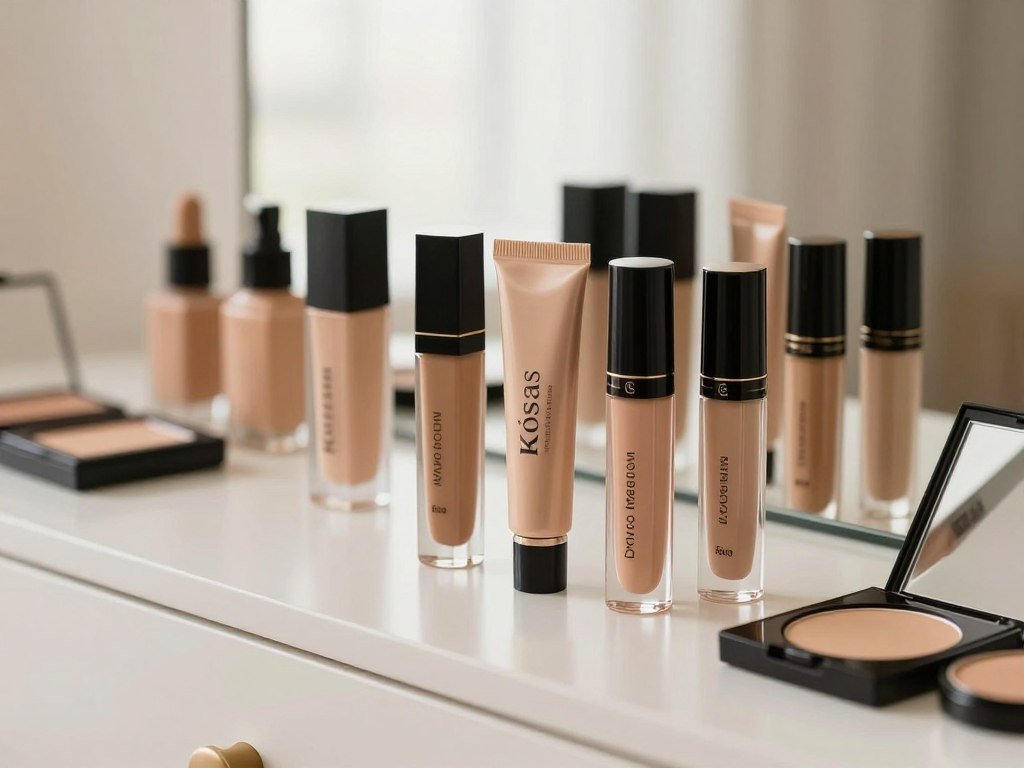
For a versatile medium-coverage option with a radiant finish, start with Kosas Revealer Concealer. It comes in 38 shades and contains caffeine, glycerin, squalane, sunflower seed oil, hyaluronic acid, and peptides. Those ingredients can help you compare formulas, but they do not promise a specific skin result.
Kosas is the versatile pick for a common need: medium coverage with a radiant finish. Tower 28 Swipe Serum suits a light, flexible feel, while Tarte Shape Tape Radiant offers medium coverage. For full coverage, IT Cosmetics Bye Bye Under Eye has a natural finish and waterproof wear up to 24 hours.
| Product | Coverage | Finish | Shades |
|---|---|---|---|
| Kosas Revealer | Medium | Radiant | 38 |
| Danessa Myricks Yummy Skin Lift & Flex | Medium-to-full | Matte | 20 |
| Tower 28 Swipe Serum | Buildable light-to-medium | Natural | 20 |
| Tarte Shape Tape Radiant | Medium | Radiant | 37 |
| IT Cosmetics Bye Bye Under Eye | Full | Natural | 24 |
Choose coverage for the area you want to address, not for every mark on your face.
Tower 28 contains hyaluronic acid, Centella asiatica, and lysine, details that may help you compare ingredient lists. Haus Labs Triclone Skin Tech Hydrating Concealer with Fermented Arnica is another medium-to-full option, with a natural finish and 40 shades.
For a face-and-under-eye option, NARS Radiant Creamy Concealer is another product to consider in this makeup product roundup. If you need to cover dark spots, choose coverage for the spot itself rather than automatically applying a heavier layer across the under-eye area.
How to Choose the Best Concealer for Mature Skin
Match the coverage to the area you want to conceal, not to your age. The concern comes first, whether it is a small blemish, uneven tone, or a dark shadow. A flexible formula can feel more comfortable than a thick layer.
Age does not set a different coverage rule, even for people over 70. Dryness, skin texture, and the area you want to cover should guide your choice. A thin liquid or serum-like formula is a practical place to start.
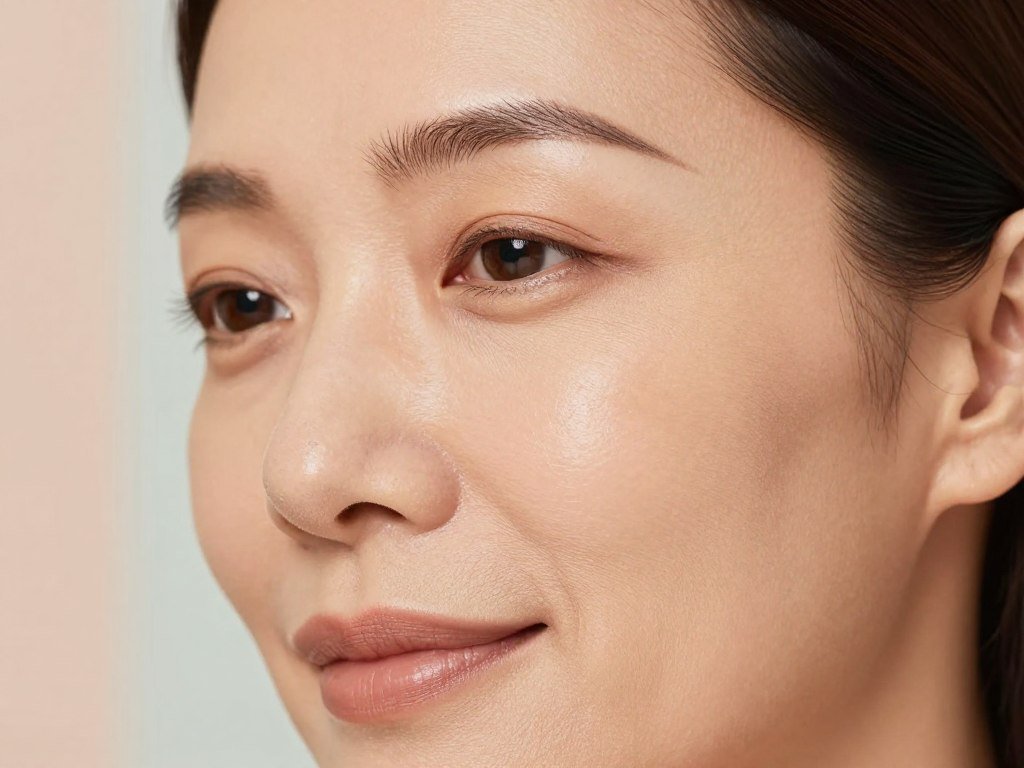
Match coverage to the concern
Light, medium, and full coverage each suit a different amount of discoloration. These are starting points, not strict rules; the same face can need different coverage in different places.
- Light coverage suits minor redness or uneven tone.
- Medium coverage suits moderate circles, small blemishes, or general unevenness.
- Full coverage suits significant pigmentation or longer-wear makeup.
A medium-to-full option such as Haus Labs Triclone Skin Tech Hydrating Concealer with Fermented Arnica may suit spots that need more coverage. Its natural finish gives a less flat look than some matte formulas. You can keep the amount small and focus on the spot.
Choose a flexible texture and finish
A thin, buildable liquid or serum-like texture can be easier to apply in a flexible layer. Natural and radiant finishes are practical starting points when you want makeup that does not look overly flat. Your own skin may prefer a different feel.
Thick, opaque concealer beneath the eyes can draw attention to fine lines. A thin liquid or a brightening corrector placed only where needed may feel lighter. The best concealers mature skin shoppers choose are not always the ones with the most coverage.
People with mature skin over 70 can use the same coverage approach as anyone else. Pick a formula based on dryness, texture, and the concern being covered, rather than the birthday on your calendar. A medium-to-full concealer with a natural finish may work for spots. If a full-coverage formula looks heavy under the eyes, reserve it for a spot that genuinely needs it.
What Changes in Mature Skin Affect Makeup?
Mature skin is best understood as a set of changing skin needs, not a particular age threshold. Skin can become thinner, drier, or less elastic, and these changes may affect how makeup feels. People change at different rates, so age alone cannot tell you which formula will suit you.
Being over 40, over 50, or over 60 does not place you in a separate concealer category. The outer layer of skin can become thinner and paler with age. Lower levels of collagen and elastin can contribute to wrinkles and more fragile skin.
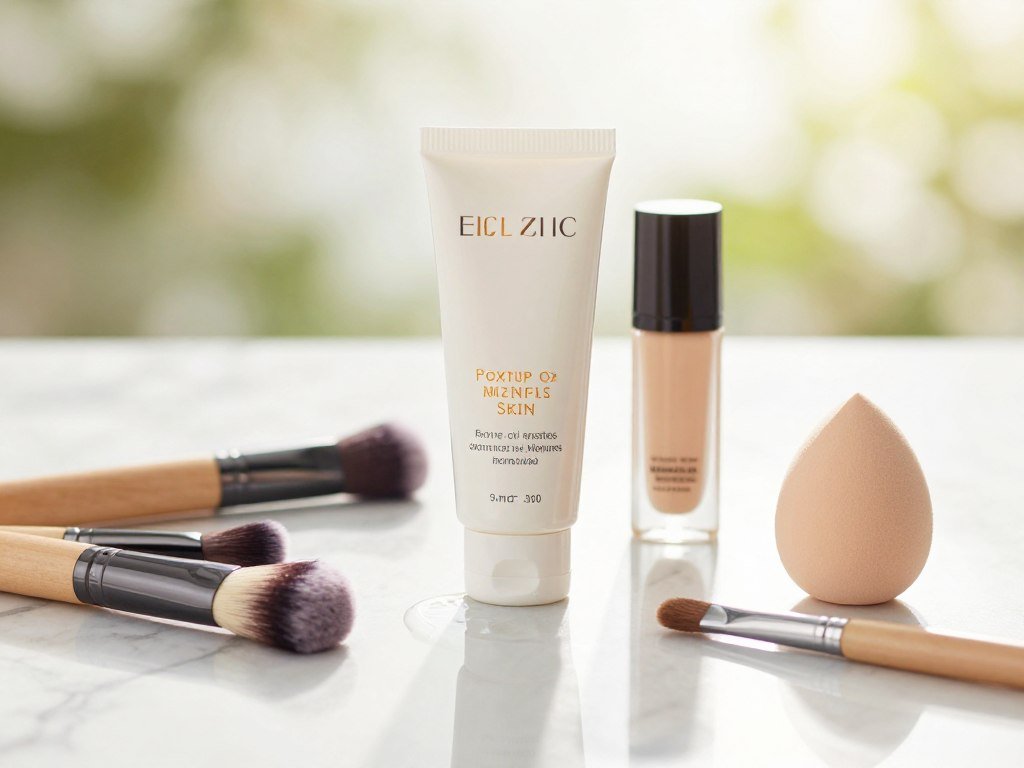
Menopause can also make skin thinner and drier. Fragile blood vessels may make bruising more likely. These changes are not the same for everyone, and they do not mean you need to stop wearing makeup.
A daily moisturizer can help dry, itchy skin feel more comfortable. The National Institute on Aging recommends daily moisturizers, including lotions, creams, or ointments, for dry, itchy skin. This is skin care, not a replacement for concealer.
A broad-spectrum sunscreen protects against both UVA and UVB rays and can help prevent more age spots. A simple routine may feel easier to keep if you choose a few products that suit your needs. See this guide to skin care for dry skin for more on moisturizers and sunscreen.
Keep sunscreen as a separate step, since concealer with SPF does not replace broad-spectrum sun protection.
Which Shade and Corrector Should You Use?
A shade that brightens under-eyes is not necessarily the right match for redness or a blemish. Use the area as your guide: under-eye makeup can be lighter, while spots look more natural when matched to your skin.
A concealer one to two tones lighter can brighten under-eyes, while a skin-tone match avoids spotlighting blemishes. A corrector can help offset a shadow before concealer covers it. The table pairs common concerns with useful shade choices.
Match concealer to the area
| Concern | Concealer shade | Corrector |
|---|---|---|
| Under-eye circles | 1-2 tones lighter | Peach or apricot for blue-purple shadows |
| Blemishes or redness | Match skin tone | Green can help address redness |
| Deeper gray-toned shadows on darker skin | Choose a skin-appropriate shade | Orange or brick |
A shade that is too light on a blemish can make the spot stand out. For under-eye circles, peach or apricot can help neutralize blue or purple tones. On darker skin, orange or brick may suit deeper gray-toned shadows.
Neutralize shadow before covering it
Correcting the underlying color can reduce the urge to pile on concealer. The corrector is a color-neutralizing product; the concealer is the skin-tone product that adds coverage. You may need only a small amount of each.
Caia Wake Me Up Cream is a buildable, luminous cream concealer made for the under-eye area. Make Up Store Cover All Mix The Original comes as a three-shade correcting pot with peach, green, and beige pigments. These options put color choices in one compact format.
Check the shade in natural light against the area where you plan to wear it.
How Do You Apply Concealer Without Creasing?
Start with fully absorbed skin care and less concealer than you think you need. A light hand can help keep makeup from gathering in fine lines. No formula guarantees a crease-free result.
Technique and amount can reduce visible settling, but they cannot prevent every crease. Let moisturizer or a thin layer of eye cream absorb for a full minute before makeup. That wait can also help limit pilling and separation.
Prep the under-eye area
Use a small amount of moisturizer or eye cream, then give it one full minute to absorb. Skin care that still feels wet can cause makeup to shift or separate. A comfortable base is enough; the under-eye area does not need a thick coat.
For a simple routine, keep the rest of your skin care manageable. A basic daily skin-care routine can include moisturizer and sunscreen without adding many steps. Let each layer settle before makeup.
Apply, blend and set lightly
Fingertips and brushes can both work with a gentle tapping motion. A brush offers more precise placement, while warm fingers can spread a small amount. Avoid rubbing delicate skin back and forth.
- Use a small amount of concealer.
- Place it only where coverage is needed.
- Build thin layers with a brush.
- Use a light dusting of finely milled powder only if needed; dry skin can skip powder.
A brush can help you keep product close to a shadow or spot without covering nearby skin. Add another thin layer only if the first one leaves the concern too visible. A heavy coat can look less flexible as the day goes on.
If concealer gathers in a line, tap away the excess instead of adding more product or powder.
Do Brighteners and Correctors Add Something Different?
A corrector or eye brightener can address discoloration before a skin-tone concealer does the covering. Each product has a different job: one adjusts color, while another adds coverage or a light-reflecting finish.
An extra step can help when it solves a specific concern, but it is not required. RMS Beauty ReFresh Eye Brightener SPF 30 is a broad-spectrum mineral SPF eye brightener in four shades. It is marketed as a color-correcting base before concealer.
| Product | Coverage and finish | Shades | Stated use or study result |
|---|---|---|---|
| RMS Beauty ReFresh Eye Brightener SPF 30 | Brightening base | 4 | 30-day study: 100% brighter, moisturized; 90% lines less noticeable |
| RMS Beauty UnCoverup | Sheer-to-medium cream | 16 | Non-comedogenic test; 7-day consumer study |
| RMS Beauty Revitalize Hydra | Water-based medium, satin | 26 | 8-hour hydration test; 30-day consumer study |
In a 30-day consumer study of 30 people, all participants agreed ReFresh made under-eyes look brighter and more moisturized. Ninety percent agreed fine lines and crow’s feet looked less noticeable. These are consumer views, not a promise of the same result for everyone.
RMS Beauty UnCoverup was found non-comedogenic in a clinical measurement study on 26 people. In a seven-day consumer study, 93% agreed it did not crease, 96% agreed it had a natural finish, and 96% agreed skin looked healthy after wear.
RMS Beauty Revitalize Hydra is a water-based concealer with medium coverage and a satin finish. Clinical testing found eight hours of hydration. In a 30-day consumer study of 30 people, all participants agreed skin looked brighter and more moisturized.
Treat SPF in an eye brightener as an added layer, not a reason to skip your regular sunscreen.
What Should Sensitive or Blemish-Prone Skin Check?
A product label can help narrow your choices, but it cannot predict every individual reaction. Read labels as clues, especially if your skin tends to feel sensitive or break out.
“Hypoallergenic” does not guarantee fewer allergic reactions, and “non-comedogenic” cannot guarantee a product will suit you. The FDA has no federal standard or definition for “hypoallergenic.” Irritation or breakouts can still happen with products carrying either label.
- Patch-test a new product twice daily for 7-10 days.
- Treat “hypoallergenic” as a label, not a promise.
- Use “non-comedogenic” as a clue, not a guarantee.
The American Academy of Dermatology recommends testing a new product on a small area twice daily for 7-10 days before regular use. This gives you time to watch for a reaction before applying it more widely.
If breakouts are a concern, a guide to spot treatments for pimples can help you compare care for different blemishes. A makeup label alone cannot tell you whether the formula will feel right on your skin.
Stop using a product that causes a reaction and seek medical advice for persistent or severe symptoms.
How Long Can Concealer Look Fresh?
One tester found Tarte Shape Tape Radiant looked essentially as good after 7 hours as it did when first applied. That is one person’s result, not a wear-time promise for every face or day.
Skin preparation, the amount applied, the area, and the day’s conditions can change how a formula looks over time. Warm weather, dry indoor air, or a long day may affect wear differently. Your own routine is a better test than a single report.
Under-eye skin may show movement sooner than a spot on the cheek. A lighter layer at the start can leave room for a small touch-up later. Starting with a thick coat can make settling more noticeable as makeup shifts.
Look at the finish near the end of a typical day, not only right after application. Notice whether coverage still looks comfortable around fine lines and whether it has faded from the area you wanted to cover.
A quick touch-up may be more useful than adding a heavy layer before you leave home. Judge wear by how the formula looks on your own skin near the end of a typical day.
How Can You Test a Shade Before Committing?
A shade that looks right under store lighting can look different in daylight. Test it where you plan to wear it, since a hand swatch may not match the color of your face.
Compare the shade on the intended area in natural light, then let it sit before deciding. Your skin tone can change with the season, so a match that works now may not work all year.
- Compare the shade with the area where you will wear it.
- Check the match in natural light.
- Allow time to see whether the shade shifts.
- Reassess when your seasonal skin tone changes.
Maybelline New York Instant Age Rewind Concealer is a drugstore option with 16 shades. NARS Radiant Creamy Concealer offers another range reference, with 30 shades and up to 16 hours of wear.
When shopping in person, look at the swatch beside the area you plan to cover, not only on your wrist. Recheck it after stepping into daylight, since indoor store lights can change how a color appears.
If you are between two shades, test both on the intended area rather than choosing from a hand swatch alone.
Where Can You Use Concealer Besides Under-Eyes?
You can use concealer without foundation by placing it only on the areas that need extra coverage. A few small spots can be covered without putting makeup across the whole face.
Concealer can cover redness around the nose, a blemish, or another selected spot on bare skin. Kosas Revealer Concealer has been used to spot-cover redness around the nose. NARS Radiant Creamy Concealer can also be used on the face, not just under-eyes.
Blend the edges into bare skin so covered spots do not look like separate patches.
A skin tint, tinted moisturizer, or sunscreen alone can offer a lighter routine than foundation. You can add concealer only where you want more coverage. This keeps makeup focused on the areas that bother you, rather than adding a full layer by habit.
Use a small amount on the spot and blend its edges outward. For blemishes, a skin-tone shade can make the covered area look less distinct from the surrounding face. If you want makeup without a full foundation layer, a few focused touches may be enough.
Conclusion
The best match is the one that feels comfortable and does the job you actually need. Choose coverage for the concern, then favor a formula you can apply sparingly. Comfort counts as much as how much a product can cover.
Pick one candidate and test its shade in daylight. Wear a small amount during a normal day, then notice how it feels and looks near the end. Start with a small amount of your chosen shade and adjust only after seeing how it wears.
FAQ
How to cover dark circles on mature skin?
What are the different types of concealers?
What is considered mature skin?
Can I use concealer without foundation?
Is it better to apply concealer with fingers or a brush?
Is it healthier to not wear makeup?
How do I make my skin look good without makeup?