
A good shower starts with a wash that leaves your skin comfortable, not tight or irritated. The right choice depends on what you notice after rinsing, not on a bold label or a strong scent. Your routine may call for gentle daily cleansing, targeted care for dry, sensitive, or acne-prone skin, or a fragrance you enjoy in the shower.
This list offers 10 distinct options for different needs, from simple everyday washing to formulas with exfoliating or hydrating ingredients. No single product suits every person, and a product that works for a friend may not suit your skin. A few label checks can help you narrow the choices before you buy. The best starting point is the concern you notice most after rinsing.
Key Takeaways
- Choose a wash based on how your skin feels after a shower.
- Glycerin and salicylic acid address different skin concerns.
- Fragrance-free formulas may suit skin that reacts easily.
- Use exfoliating washes only when your skin needs them.
- Start with one formula and watch how your skin responds.
How Do You Match a Wash to Your Skin and Routine?
Start by noticing how your skin feels after a shower, then match the formula to that response. Four checks can help you choose a body wash men can use without letting scent or lather steer the decision.
The best men’s body wash for healthy skin is the one that suits your first concern without leaving skin uncomfortable. A mild cleanser can be a safer starting point when several concerns overlap. For more ways to compare skin needs, see this body wash guide for daily skin care.
If a wash repeatedly leaves your skin tight or irritated, stop using it rather than trying to cover the problem with more scent or lather.
Use this checklist to narrow your options before you compare labels. Each clue points toward a different kind of routine, not a reason to add several strong products at once.
- After rinsing: Notice tightness or flaking, which can signal that a formula feels too stripping.
- Skin response: Look for redness or itching that follows use.
- Oil and pores: Check for oily shine or clogged pores, especially on your chest or back.
- Use pattern: Decide whether you need a gentle daily wash or an occasional targeted wash.
Glycerin can suit a dry-feeling routine, while salicylic acid serves a more targeted role for clogged pores. Those ingredients are not interchangeable, so choose based on the skin concern you see most.
When your skin is both reactive and breakout-prone, begin with a mild cleanser before adding a targeted active. Keep a note of how your skin feels after each shower for several days. That small habit can help you spot a pattern instead of changing products at random.
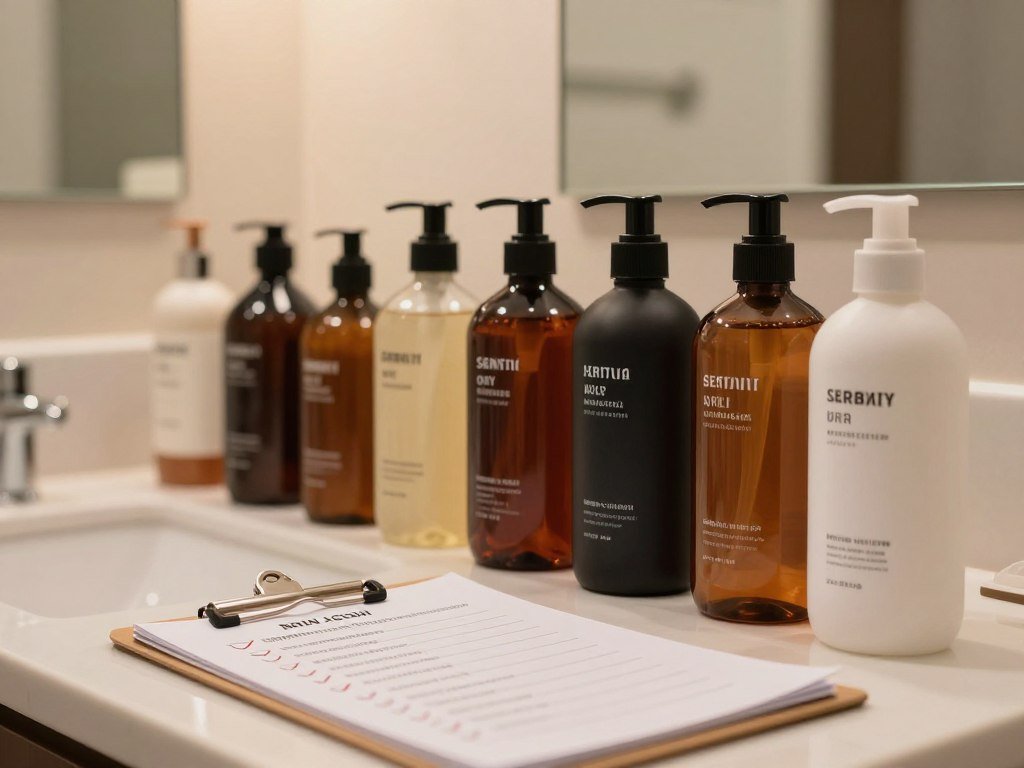
Which Ingredients Help With Common Skin Concerns?
Glycerin, hyaluronic acid and salicylic acid are three useful label names, but each addresses a different concern. A humectant is an ingredient that attracts water to the outer skin layer and helps keep skin hydrated.
Choose ingredients by their job, not by how impressive the label sounds. Glycerin draws moisture into skin and helps prevent dryness. Hyaluronic acid also hydrates, often without a greasy finish.
Ingredients That Support Moisture
Glycerin and hyaluronic acid are humectants, so they attract water to the skin’s outer layer. They can be useful when your skin feels dry but you prefer a lighter texture.
Shea butter works differently. It is an emollient, which means it helps soften skin and support a richer feel. Some formulas combine humectants and emollients to address moisture in more than one way.
Labels may also list oils or ceramides alongside these ingredients. Each formula has its own mix, so look at the full ingredient list instead of assuming one ingredient tells the whole story.
Ingredients for Clogged Pores
Salicylic acid helps unclog pores and can be a targeted option for body acne. It is not a universal daily need, especially if you do not have clogged pores or your skin reacts easily.
A wash with salicylic acid may fit breakout-prone areas such as the chest or back. Follow the product directions, and avoid combining several new active products at once if you are unsure how your skin will respond.
The table gives a quick way to compare four common ingredients. It does not mean every formula with an ingredient will feel the same on your skin.
| Ingredient | Main role | Best fit |
|---|---|---|
| Glycerin | Draws moisture | Dryness |
| Hyaluronic acid | Hydration without a greasy finish | Lightweight hydration |
| Salicylic acid | Unclogs pores | Body acne |
| Shea butter | Emollient support | Dry skin |
Formula strength, how often you use a wash, and your skin’s current condition can affect how it feels. A long ingredient list is not a promise of better results. Choose one targeted active at a time if your skin is reactive, so you can tell what your skin tolerates.
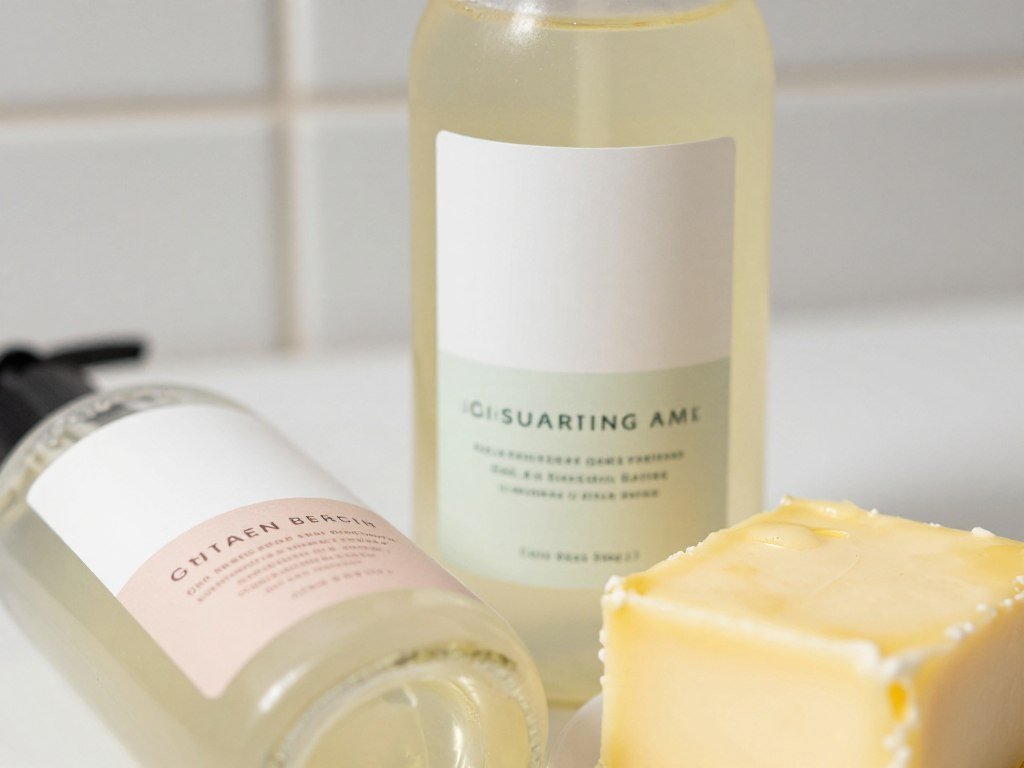
What Should Dry Skin Look for in a Body Wash?
If your skin feels rough or tight after rinsing, choose a creamy wash and plan to moisturize before your skin dries. A richer texture can feel less stripping than a thin, strongly foaming formula.
Look for a mild, sulfate-free wash with both humectants and emollients where possible. These ingredients can help support comfort, but the way your skin responds still matters.
A lotion-like body wash is a practical clue when your skin often feels dry after bathing. Cetaphil Moisturizing Relief Body Wash contains glycerin, shea butter, soybean oil and avocado oil. It is one example of a formula combining water-attracting and richer ingredients.
The table offers a short label check and a useful after-shower action. If your skin still feels uncomfortable, change the formula rather than adding more wash.
| What to check | Useful clue | What to do |
|---|---|---|
| Texture | Creamy or lotion-like | Avoid a wash that leaves skin tight |
| Cleanser | Sulfate-free | Use a mild formula |
| Moisturizing ingredients | Emollients and humectants | Look for both where possible |
| After shower | Skin still damp | Apply body moisturizer |
For a closer look at moisturizers by texture and skin concern, browse this body lotion guide. A lotion or cream can add a separate step when cleansing alone does not leave your skin feeling comfortable.
Keep showers mild and apply moisturizer while the skin is still damp.
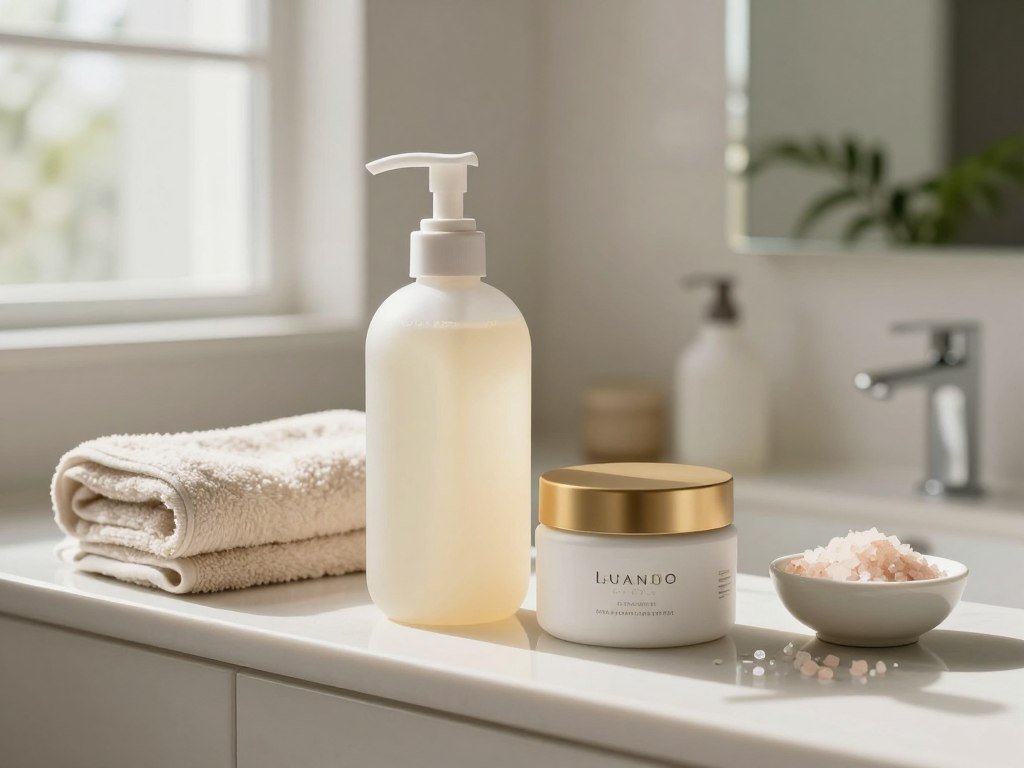
Which Body Washes Suit Sensitive Skin?
For sensitive skin, choose a fragrance-free, dye-free wash with as few ingredients as practical. A shorter formula can make it easier to identify what does not suit your skin.
The best men’s body wash for sensitive skin is one your skin tolerates, not one with a universal medical endorsement. A dermatologist can recommend a wash based on your individual skin history.
In 2026, Vanicream Gentle Body Wash is free of dyes, fragrances, parabens and formaldehyde releasers. La Roche-Posay Lipikar Wash AP+ contains niacinamide and shea butter to help replenish the skin barrier.
A clinical review on fragrance safety and atopic dermatitis discusses how fragrance ingredients can affect people with sensitive skin. Natural fragrance ingredients can also cause irritation or allergic reactions, so “natural” does not always mean gentle.
Use this checklist when narrowing down a formula. One change at a time can make it easier to notice how your skin responds.
- Fragrance-free: Choose a product labeled without fragrance.
- Dye-free: Skip added dyes if they tend to bother your skin.
- Simple formula: Prefer fewer ingredients where practical.
- Patch test: Try a new wash on a small area first.
Product labels help you compare formulas, but the same wash may not suit every person. If a cleanser causes a reaction, stop using it and discuss ongoing concerns with a health professional.
Patch test a new formula on a small area before using it all over.

Can a Body Wash Help Oily or Acne-Prone Skin?
For oily or acne-prone skin, start with a gel-based wash that targets clogged pores rather than choosing by scent. Targeted cleansing can suit oily areas such as the chest, back and shoulders.
A gel cleanser with salicylic acid or tea tree oil can be an option for breakout-prone skin. Differin Acne-Clearing Body Wash is one named example of a salicylic-acid body wash, not a guarantee of clear skin.
Use an acne-focused wash only where it fits your concern. A product that leaves your skin excessively dry or irritated is a poor match, even when breakouts are your main concern.
Notice how your skin feels after rinsing and over the next few uses. If it feels raw or uncomfortable, the formula may be too much for your routine. More cleansing does not always mean better cleansing.
Persistent or painful breakouts may need care beyond a rinse-off cleanser. If irritation develops, reduce use or stop and ask a dermatologist about persistent or painful breakouts.
10 Best Men’s Body Wash Picks for Different Needs
A useful 10-pick shortlist spans everyday cleansing, sensitive skin, acne-prone skin, exfoliation and multitasking. These are options for different needs, not a universal ranking for every person.
Match the formula to your main concern before weighing scent or price. The table compares five picks by use and product details, while the list adds five other formats and needs.
| Pick | Best fit | Formula detail | Scent or format |
|---|---|---|---|
| Ursa Major Hoppin’ Fresh | Everyday all-around option | Glycerin and aloe among ingredients | Crisp, herbaceous scent |
| CeraVe SA | Acne-prone skin | Salicylic acid and ceramides | Rinse after 15-30 seconds |
| Vanicream Gentle Body Wash | Sensitive skin | Free of dyes and fragrance | Fragrance-free |
| La Roche-Posay Lipikar Wash AP+ | Dry or sensitive skin | Niacinamide and shea butter | Wash |
| Dove Men+Care | Everyday use | Glycerin and plant-based ingredients | Eucalyptus-cedar version |
CeraVe SA contains salicylic acid and ceramides. The product directions recommend a 15-30-second leave-on time before rinsing. Use the label directions for the version you buy.
Five more options round out the shortlist. Each has a distinct use or listed detail, rather than a claim that it suits every shower routine.
- Salt & Stone: A hydrating option with hyaluronic acid, niacinamide and antioxidant-rich extracts, including blueberry and vitamin C. Its body wash formulas include several scents.
- Jack Black JackZen: A body-and-hair option with aloe vera and glycerin for skin, plus pro-vitamin B5 for hair. It can simplify a travel kit.
- Malin+Goetz Hand and Body Scrub: A scrub for combined physical and chemical exfoliation, using pumice with lactic and mandelic acids.
- Every Man Jack Sandalwood Teak: Listed in 16.9 fl oz (500 mL), Standard 28oz and Liter sizes. Its listed price is $9.49. The listing displays a 4.757536041/5 rating from 1,526 reviews, details that can change and do not prove product quality.
- Oars+Alps Luxury Body Wash: An option for light exfoliation after exercise, with jojoba-filled spheres described as gentle scrubbers.
Other formula details may help you compare. Ursa Major Hoppin’ Fresh includes birch sap, aloe, jojoba, eucalyptus, peppermint, aspen bark and tea tree oil, alongside glycerin.
Dove Men+Care includes essential oils in its plant-based ingredients. The reviewed version has an eucalyptus-cedar scent, while other versions may differ. Check the label when a particular ingredient matters to you.
Salt & Stone formulas use hyaluronic acid and niacinamide with antioxidant-rich extracts. Their ingredient mix may appeal if you want a hydrating wash, though your skin’s response remains the best test.
Vanicream and Lipikar give sensitive or dry skin shoppers two different formula profiles to compare. Neither should be treated as a medical fit for everyone. Your skin history and the full label matter more than a product’s place on a list.
For a wider view of body wash options and skin needs, see this guide to choosing a body wash. Compare the formula to your main concern first, then check the current product listing before buying.
What Is a Practical Post-Workout Shower Routine?
After a sweaty workout, a shower within 30-60 minutes is a practical target for washing away sweat. A quick rinse and cleanse can refresh your skin without turning every workout shower into a scrub session.
Use gentle pressure rather than scrubbing harder because you exercised. Focus on areas that feel sweaty, then rinse away the cleanser well.
Cleanse Away Sweat Without Scrubbing
Change out of sweaty clothes and rinse your skin with water. Use a modest amount of body wash on the areas that need it, then rinse until no residue remains.
Oars+Alps Luxury Body Wash is described as a post-workout refresher with jojoba-filled spheres for light exfoliation. That light action is different from using a rough scrub tool or pressing hard on the skin.
A shower after exercise can be simple. You do not need a strong cleanser just because sweat is part of the day.
Adjust the Routine for Breakouts or Dryness
If your skin is dry or reactive, use a gentle approach and skip extra scrubbing. A sweaty workout is not a reason to exfoliate every time you shower.
Pay attention to breakout-prone areas, such as your chest and back, without rubbing them raw. If a targeted wash is already part of your routine, use it as directed rather than adding another strong product after exercise.
Rinsing and changing clothes are small steps that help keep the routine comfortable. Your skin should feel clean, not stinging or unusually tight, when you finish.
Change out of damp workout clothes promptly rather than using harsher cleanser to compensate for them.
How Can You Choose a Scent That Won’t Clash With Cologne?
Body-wash fragrance is temporary, so choose it for the shower rather than expecting it to last like cologne. Rinse-off scent has less time on your skin than fragrance in leave-on products such as lotion or deodorant.
A lightly scented or unscented wash is the easiest choice when you wear cologne. It helps keep the scents from competing, while still letting you enjoy the wash itself.
A body wash that smells good all day is not a reliable source of lasting fragrance. The best men’s body wash that smells good all day is better chosen for a pleasant shower than as a cologne substitute.
Salt & Stone offers scents such as Santal & Vetiver, Saffron & Cedar, Bergamot & Hinoki, and Black Rose & Oud. Every Man Jack lists Sea Salt Citrus, Cedarwood, Mountain Air, Coconut Vanilla, Crimson Oak, Coastal Moss, Tea Tree and Sandalwood.
Those scent names show different styles, not how long a fragrance will last on your skin. If you prefer a stronger scent, test it at home before pairing it with cologne for a full day.
For some people, fragrance itself can irritate skin. A clinical review discusses fragrance safety for people with atopic dermatitis and the limits of relying on “natural” fragrance alone.
If your cologne is the signature scent, keep the cleanser lightly scented or unscented.
Can One Cleanser Wash Your Body and Hair?
A body-and-hair wash can simplify a travel kit or a rushed morning, but convenience does not make it the best everyday shampoo for everyone. A 2-in-1 wash may suit you when your hair and skin both feel comfortable after use.
Hair and skin can have different needs, so one bottle may not work equally well for both. A dedicated shampoo gives you a separate choice when your scalp or hair needs a different formula.
Jack Black JackZen is a body-and-hair wash with aloe vera and glycerin for skin, plus pro-vitamin B5 for hair. Those ingredients describe the formula, not a promise that it suits every hair type.
One bottle takes up less room in a travel bag and can save a step on a time-crunched morning. If your hair feels dry or your scalp feels uncomfortable, switch to a shampoo made for that concern.
Keep the decision practical: use a combined cleanser when it leaves both your skin and hair feeling fine. Choose a 2-in-1 for convenience when your hair and skin both feel comfortable after use.
How Often Should You Exfoliate With a Body Wash?
Use an exfoliating wash once or twice a week as a general guideline. Less may be better if your skin is very sensitive or already irritated.
Exfoliation is optional, and daily use can be too much for some skin. Malin+Goetz Hand and Body Scrub combines lactic and mandelic acids, which exfoliate chemically, with pumice for physical scrubbing.
That mix offers two forms of exfoliation in one product. Follow the package directions, and do not add more scrubbing just because your skin feels rough after one shower.
Board-certified dermatologists have advised that daily exfoliating washes may dry or irritate skin. A discussion of exfoliating body washes and skin concerns also describes gentler use based on how skin tolerates the product.
Use less often or pause exfoliation when your skin feels sore, reactive or unusually dry. Stop exfoliating if skin becomes red, sore or persistently irritated.
Is Body Wash Better Than Bar Soap?
Neither format wins for everyone; the better choice is the one that cleans without leaving your skin uncomfortable. Body wash is liquid, while bar soap comes as a solid bar.
Choose by skin comfort and routine, not by format alone. Body wash can include skin-care ingredients, and some bars include hydrating ingredients too.
| Consideration | Body wash | Bar soap |
|---|---|---|
| Format | Liquid formula | Solid bar |
| Ingredient options | Can include skin-care ingredients | Some bars contain hydrating ingredients |
| Use | Choose what leaves skin comfortable | Choose what suits your routine |
Dr. Bronner’s Pure-Castile Liquid Soap is not a bar-soap example. It is a multi-use liquid soap made from saponified plant oils, including organic coconut, olive and hemp oils, and it can be diluted for body wash, hand soap or household cleaner.
The liquid format may be easier to portion, while a bar can be a simple option if you prefer a solid cleanser. Neither shape guarantees that a formula will suit sensitive or dry skin.
For more help building a basic body-care routine, explore these body care product ideas. If you prefer bar soap, choose a formula that suits your skin rather than judging it by format alone.
How Can You Build a Simple Shower Routine?
A useful shower routine can stay simple: wet skin, cleanse gently, then rinse well. Four basic steps are enough for many daily showers.
Use targeted products only when a specific skin concern calls for them. Exfoliating washes and acne-focused cleansers are optional additions, not daily steps everyone needs.
Keep the Daily Wash Basic
Cremo advises lathering its men’s body wash on wet skin and rinsing thoroughly. Its formulas are designed to clean and moisturize without a sticky feeling.
- Wet your skin before applying cleanser.
- Use a modest amount of body wash.
- Lather gently with your hands or a tool that feels comfortable.
- Rinse thoroughly so cleanser does not remain on your skin.
A gentle lather is enough to spread the cleanser. A thick foam is not a sign that the wash cleans better.
Add Targeted Steps Only When Needed
Choose an acne-focused wash when clogged pores are a concern, or add an exfoliating product when roughness calls for it. Keep those steps tied to a need rather than making them part of every shower.
Pay attention to how your skin feels after rinsing and through the day. If the cleanser seems too drying, return to a gentler basic routine before adding more products.
For a broader look at simple body care, consider these body-care routine options. If a product leaves residue or discomfort after rinsing, reassess the formula before adding another step.
A simple routine is easier to judge: keep the daily wash basic, and add a targeted product only for a clear need.
What Do “Natural” and “Non-Toxic” Mean on a Label?
“Natural” and “non-toxic” sound reassuring, but neither phrase tells you exactly which ingredients are in the bottle. Read the ingredient list for more useful detail than a broad front-label claim.
“Chemical-free” is not a literal product category because water and cleansing ingredients are chemicals. The practical goal is to avoid specific ingredients that do not suit you.
The same applies to the phrase best men’s body wash without harmful chemicals. Identify the ingredients you want to avoid instead of treating “chemical-free” as a meaningful safety standard. The best body wash without chemicals is not a literal option.
Sodium lauryl sulfate, or SLS, and sodium laureth sulfate, or SLES, are foaming agents. They can cause dryness or irritation, especially for people with eczema, sensitive skin or a weakened skin barrier.
“Fragrance” and “parfum” can stand for blends of many chemicals that are not named one by one on the label. If you are screening for a scent reaction, these broad terms may not tell you which compounds are present.
Ethoxylated ingredients can also matter to shoppers checking for possible 1,4-dioxane formation. Manufacturing can form 1,4-dioxane when ingredients such as SLS, SLES, PEGs and other ethoxylated compounds undergo ethoxylation.
Native unscented body wash is one example that uses coconut-based surfactants and plant-derived ingredients. Its listed exclusions include sulfates, parabens, phthalates and dyes, but plant-derived ingredients do not suit every person.
Front-label terms can be useful starting clues, but they do not replace checking the full list. Read the ingredient list for the specific ingredients you want to avoid, rather than relying on a broad front-label claim.
Conclusion
Choose the formula that addresses your main skin concern while leaving your skin comfortable after rinsing. A gentle everyday wash may be enough, while dry, sensitive or acne-prone skin can call for a more focused choice.
Start with the concern you notice most, then compare the product label and the way the formula fits your routine. Pick one suitable option, check its ingredients, and try it on a small area first if your skin is reactive.
FAQ
Can I use body wash on my face?
How much body wash should I use per shower?
Can body wash cause dry skin even if the label says moisturizing?
Is it okay to use body wash every day?
What is the difference between body wash and shower gel?
Should I use a loofah with body wash?
Does body wash expire after opening?