A vintage piece can be a daily favorite and a meaningful collectible without being a guaranteed investment. You might want a bag with a clear place in fashion history, a shape that suits your style, or a story that makes you glad to own it. Its value retention is the resale price expressed as a percentage of the bag’s original retail price.
The best choices balance design, history, usefulness, and demand. This guide covers classic shapes and early-2000s styles, plus ways to shop pre-owned bags with care. Treat status as a bonus, not the reason to buy. An older bag can bring years of use, but resale prices change with the market and the exact model.
Key Takeaways
- Start with a design you enjoy carrying.
- Compare the exact model, era, and condition.
- A famous name does not make every bag scarce.
- Resale results differ by model and platform.
- Check the item, seller terms, and full cost.
- Care for each bag based on its material.
Collecting can be a style choice first and a possible store of value second. Choose a style you would still enjoy carrying if its resale price never rose.
What Makes a Vintage Bag Worth Collecting?
A bag is a stronger collecting choice when its design matters to you before you consider its resale potential. Personal appeal should lead, while a model’s design, condition, color, material, rarity, demand, and included accessories can affect resale value.
A famous model is not automatically scarce, especially when many examples remain available. Collecting interest can grow around a recognizable silhouette, unusual construction, or a version that a fashion house later reissues.
Design, rarity, and demand
A signature shape can hold attention across changing trends. A reissue may renew interest in an older version, but it can also remind buyers that the design has many examples in circulation.
Think about what you want from ownership. A practical bag might earn regular use, while an archival or occasion piece may come out less often but offer a design you love.
How a bag fits your life
Use four factors to make a choice before browsing listings:
- Personal use: where and how often you will carry it.
- Signature design: the detail that makes the model distinct.
- Availability: how often the exact version appears for sale.
- Resale demand: whether buyers seek that model and version.
These factors help you compare a daily bag with an archive piece without treating them as the same kind of purchase. If you want more ideas for matching a bag to your wardrobe, explore handbag styles and trends.
Set a maximum purchase price based on the pleasure and use the bag offers you, not a promised future return.
A bag’s model and color can draw different buyers, even within one collection. Let your own use decide which trade-offs feel worth the price.
Best Vintage Designer Handbags to Collect by Era and Style
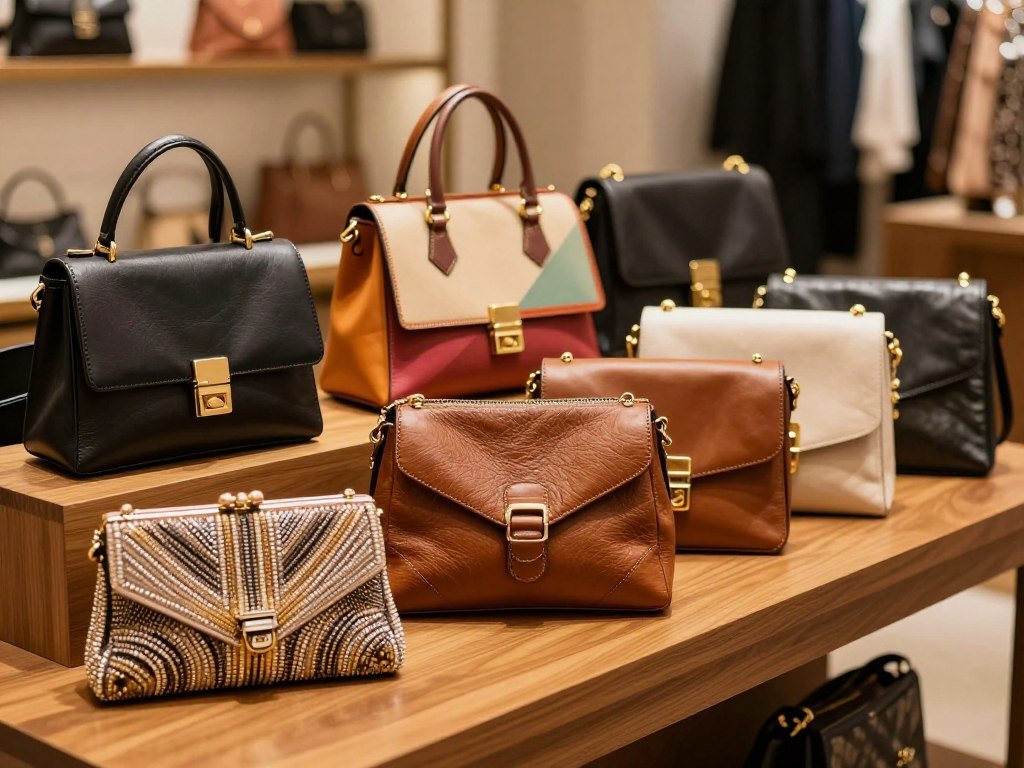
A useful first collection can pair one enduring classic with a more personal archive style. For women building a collection, the best vintage designer handbags can range from a structured top handle to a compact shoulder bag.
Chanel, Gucci, Prada, Dior, Fendi, Louis Vuitton, Hermès, and Balenciaga offer both classic and archival appeal. These houses are starting points for design history, not a ranking of guaranteed investments.
| Bag | Introduced | Signature design | Why it suits a collection |
|---|---|---|---|
| Chanel 2.55 / Classic Flap | February 1955 | Quilted flap and shoulder strap | Recognizable house design |
| Gucci Bamboo 1947 | 1947 | Shaped bamboo handle | Distinctive top-handle form |
| Prada Tessuto | 1984 | Nylon bag line | Lightweight material history |
| Dior Saddle | Spring/summer 2000 | Saddle-like curved shape | Strong archive identity |
| Fendi Baguette | Not listed here | Compact, under-the-arm shape | Easy to recognize and style |
The Chanel 2.55 arrived in February 1955, while Gucci’s Bamboo 1947 dates to 1947. Prada Tessuto reached the market in 1984, and Dior introduced the Saddle in its spring/summer 2000 collection.
The Baguette’s familiar proportions make it an easy contrast to a larger top-handle bag. For more on the design identities of these houses, see this guide to luxury accessories brands.
Choose a classic for a shape that works with your routine, or an archive style for details that feel more personal. Start with the silhouette you will actually reach for, then choose a house whose design history you enjoy.
Which Vintage Bags Show Strong Resale Signals?
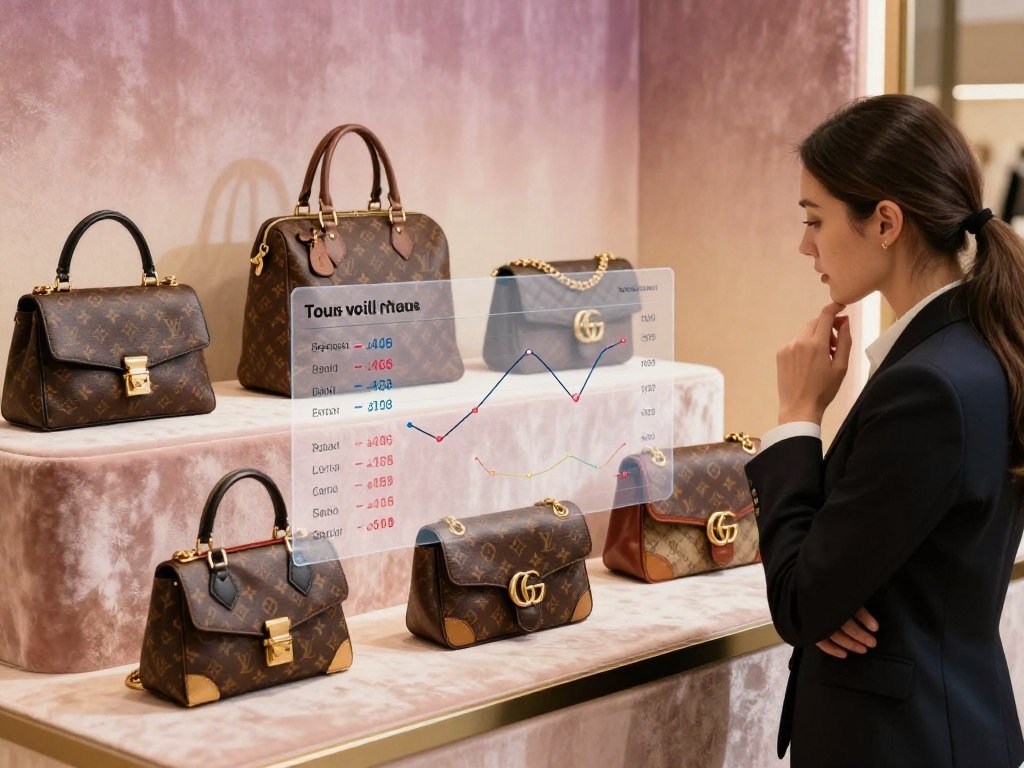
The strongest reported resale signals in 2026 include sharp year-over-year gains and models reselling above original retail. The figures measure different things, so one percentage cannot be compared directly with another.
A year-over-year change is not the same measure as value retention against MSRP. In 2026, Vestiaire Collective reported a 92% year-over-year increase in resale value for The Row Margaux.
| Model | Measure | 2026 result | Comparison basis |
|---|---|---|---|
| The Row Banana Bag | Year-over-year change | Over 600% increase | eBay global data |
| Hermès Kelly Mini II | Value retention | 282% | Original retail value, Rebag |
| Hermès Mini Kelly | Average resale price | 285% | MSRP, The RealReal |
| Hermès Birkin Sellier | Value retention | 183% | Original value, Rebag |
| Louis Vuitton Favorite | Value retention | 178% | Original retail price, Rebag |
Vestiaire Collective reported a 76% year-over-year rise for the Louis Vuitton Speedy and 72% for the Loewe Puzzle bag. Its figures also showed a 47% rise for the Gucci Jackie 1961 and 8% for the Chanel Classic Flap.
The same platform reported a 3% increase for the Hermès Birkin 25 and 22% for the Kelly 28. Rebag reported 146% value retention for The Row N/S Park Tote, while The RealReal reported the Bottega Veneta Andiamo sold for an average of 90% of retail price.
These platform measures describe past results, not future returns. Compare the exact model, condition, and measure before treating two percentages as a meaningful like-for-like comparison.
Which Louis Vuitton Classics Are Worth Hunting?
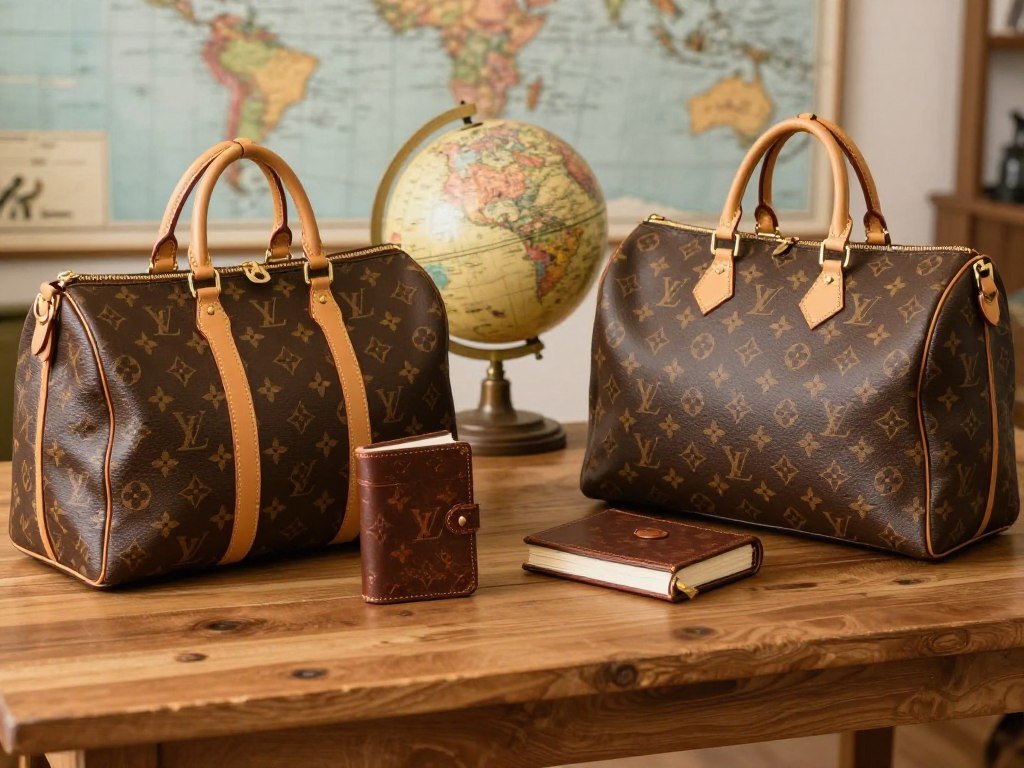
The Speedy is the everyday classic, while the Keepall makes the more natural choice for a collector who wants a travel bag. Each model has a different job, so match its size and shape to your routine.
Older Speedys can sell at a premium, but their broad supply limits scarcity. Louis Vuitton launched the Speedy in 1930 as an everyday alternative to the roomier Keepall.
| Model | Original role or history | Useful buying context | Best fit |
|---|---|---|---|
| Speedy | Everyday alternative to Keepall | Pre-2000s examples may sell at a premium | Daily use |
| Keepall | Roomy travel bag | Vintage sizes 45-55 attract travel collectors | Travel |
| Noé | Distinctive bucket shape | Value depends on condition | Casual carry |
| Alma | Structured top-handle shape | Compare its exact size and form | Polished everyday use |
The vintage Keepall sizes 45-55 suit collectors drawn to travel luxury. A Noé can be collectible too, though its condition has a direct bearing on its appeal.
The Alma offers a structured shape for someone who prefers a firmer outline. It differs from the Speedy’s everyday, travel-inspired design and the Keepall’s roomier role.
The Jackie is a useful non-Louis Vuitton comparison. Jacqueline Kennedy Onassis favored the style, and Gucci has reissued it multiple times.
For the Speedy, Keepall, Noé, or Alma, compare the exact size and condition rather than assuming every example is scarce.
Which Early-2000s Bags Have Returned to the Conversation?
The Baguette, Paddington, and Le City each capture a different side of early-2000s style. One feels party-ready, while the others lean toward relaxed leather and bold hardware.
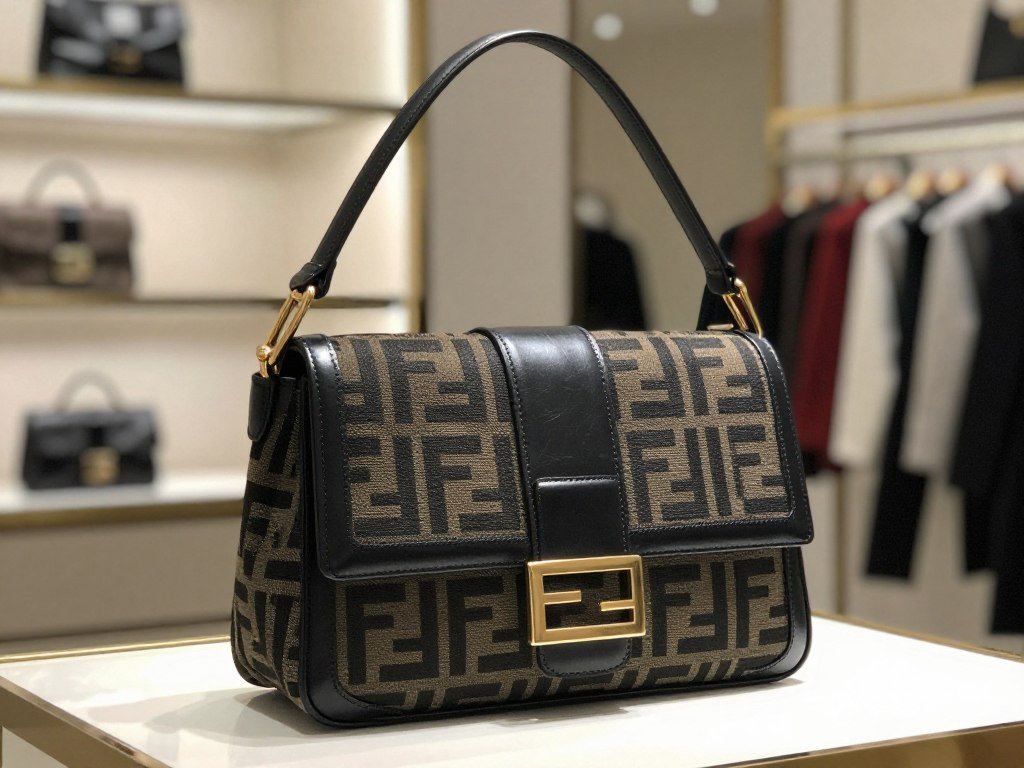
Renewed attention can signal demand, but it cannot promise future appreciation. The Fendi Baguette came out in 1997 and has appeared in versions including denim and sequins.
Party-ready shoulder styles
The Baguette’s compact shape tucks under the arm, making it a natural party bag. Carrie Bradshaw carried one in Sex and the City, which helped make the style part of early-2000s fashion memory.
Its denim and sequin versions offer very different moods. A bold finish can make a bag fun to wear, while a simpler version may fit more outfits.
Slouchy bags with signature hardware
Chloé’s Paddington is known for its soft shape and oversized padlock hardware. Balenciaga’s Le City drew early-2000s celebrity fans, including the Olsen twins, Nicole Richie, and Lindsay Lohan.
eBay data showed triple-digit year-over-year gains for the early-2000s Marc Jacobs Venetia and Blake bags in 2026. That signal points to renewed interest, not a sure rise in future resale prices.
Three hunt-worthy categories can help narrow the search:
- Embellished shoulder styles, including sequins or denim.
- Relaxed leather bags with a lived-in shape.
- Distinctive archive shapes with signature details.
Vogue’s history of coveted bags tracks the Baguette’s place in early-2000s fashion. For a deliberately worn-in look, decide whether the leather patina suits you rather than treating visible wear as a flaw by default.
Where Can You Find Rare Vintage Designer Bags?
Some of the most interesting archive finds are recognizable by one unusual design detail. Look for a feature you can name, not just a label that sounds rare.
Rarity alone does not establish a bag’s value. The Phantom, Bolide, Spy, and Indy can make compelling archive hunts when a particular design or version is what you want.
Archive styles from major fashion houses
Céline’s Phantom debuted for pre-fall 2011. Its broad winged sides give the bag an unusual outline that stands apart from a plain tote.
The Lady Dior bag has a boxy top-handle silhouette and hanging Dior charms. Its formal shape feels different from a soft shoulder bag, even when both work for special outings.
Less obvious collector silhouettes
Hermès introduced the Bolide in 1923 as le sac pour l’auto. Its curved, car-trunk-inspired design and zipped closure give it a clear link to travel.
The Fendi Spy hides a coin pocket in its flap. Frida Giannini designed Gucci’s Indy in 2006, giving the bag a relaxed silhouette that contrasts with more structured house styles.
These details help you search for a specific version instead of relying on a broad brand name. Rare vintage designer bags may appeal for their shape, pocket, or origin, yet their market value still depends on more than scarcity.
Save the model name and the feature that distinguishes the version you want before beginning a search.
Which Materials and Details Make a Vintage Bag Stand Out?
The material and hardware often tell you more about a bag’s character than its logo. Start with how it feels to use, then consider whether its signature details suit your style.
Material and model matter more than a brand name alone. Chanel, Hermès, Gucci, Chloé, and Balenciaga are recognizable houses for vintage leather bags, but each design has its own feel.
Leather, canvas, and nylon
Leather can feel supple or structured, depending on its finish and construction. The Balenciaga Le City is known for its relaxed leather shape, while the Louis Vuitton Speedy brings a travel-inspired everyday form.
Coated canvas can be a practical option for frequent use. Prada Tessuto offers a nylon alternative, while the Fendi Baguette has appeared in denim and sequin versions.
Hardware and signature construction
The Chanel 2.55 pairs a quilted flap with a shoulder strap. Its construction reads as a classic, while Chloé’s Paddington uses an oversized padlock as a bold focal point.
Gucci Bamboo 1947 stands out through its shaped bamboo handle. Each feature changes how a bag looks and feels on the shoulder, in the hand, or against an outfit.
A light nylon bag may suit a different routine than a structured leather top handle. If you want to compare how materials affect a bag’s use and care, see this guide to bag materials.
Choose a finish that matches how you expect to carry and care for the piece.
When Is a Vintage Original a Better Choice Than a Reissue?
Pick a vintage original when the earlier version’s details matter more than the ease of buying a current interpretation. The older design may have a different feel, from its proportions to its finish.
Vintage refers to a 20-year distinction from second-hand or pre-loved. A bag can be second-hand at any age, while a vintage example meets that age threshold.
Choose the original for archive character
An older bag can have past proportions, finishes, or details no longer offered. Those traits may matter if you want a piece tied to a specific era rather than the house’s current design language.
Patina can also give an older bag a look that a new version does not have. The appeal is personal, and it should fit the way you want to wear the bag.
Choose a reissue for a current interpretation
Modern versions of the Jackie, Paddington, Le City, and Dior Saddle bring past designs back in current forms. The Paddington returned for Chloé’s autumn/winter 2025 runway, and Balenciaga reintroduced the Le City for spring/summer 2026.
The Dior Saddle has also had modern revivals. A current model may suit you if you value a new condition or updated proportions; an original may fit better if you want an earlier design and patina.
Vogue Adria reported that Balenciaga’s Le City return coincided with higher search interest and resale activity, a past example rather than a forecast. Read its report on relaunch demand for that case.
Check that the model and production era match the version you actually want.
Where Can You Buy Pre-Owned Designer Bags?
FASHIONPHILE, The RealReal, Rebag, and Vestiaire Collective are four options for comparing pre-owned designer bags. Each platform works differently, so check the listing and its terms, not just the site name.
Compare the item, the authentication process, and the purchase terms before checkout. The best websites for buying used designer bags are the ones whose listing details meet your needs.
U.S.-based resale and consignment platforms
FASHIONPHILE is a U.S.-based luxury resale platform with pre-owned Chanel, Louis Vuitton, Gucci, and Prada bags. The RealReal is a U.S.-based luxury consignment platform that says its in-house team authenticates items.
Rebag focuses on luxury bags and accessories. Its Clair resale-value estimator can help you explore estimates for models, though an estimate does not set the price of a specific listing.
International resale marketplaces
Vestiaire Collective operates in over 80 countries. It inspects items shipped through its authentication hub, which is one part of how the platform handles listings.
Compare these five points on any website:
- Authentication process and what it covers.
- Item photos, including close views.
- Condition description for the exact bag.
- Return terms and any limits.
- Shipping costs, timing, and fees.
For a broader platform comparison, read this overview of pre-loved luxury bag websites. Treat the four sites as options to compare, not a ranked endorsement.
Read the specific listing and return terms before committing to a high-value purchase.
How Can You Authenticate a Pre-Owned Designer Bag?
Authentic second-hand designer bags should have details that agree with the exact model and era. No single code can settle the question, especially when construction points the other way.
Materials, stitching, hardware, brand markings, and construction all matter. A serial number or certificate alone does not prove that a bag is genuine.
Inspect the bag itself
Compare the materials and construction with known examples of the same model and production era. Look at stitching, hardware, and brand markings as a set rather than judging one detail in isolation.
A bag’s parts should make sense together. A familiar marking cannot make mismatched materials or construction seem right.
Treat paperwork as supporting evidence
Ask for provenance and clear photographs as supporting material. Paperwork can add context, but it cannot replace an assessment of the bag itself.
Use this five-step approach:
- Identify the exact model and era.
- Inspect the construction.
- Examine the brand markings.
- Compare the hardware.
- Seek a qualified independent review if doubts remain.
For more guidance on how paperwork fits into a wider review, see this guide to luxury resale value. Walk away if the seller will not provide the details needed to assess the exact item.
What Condition Is Acceptable for a Collectible Bag?
Wear is not automatically a defect, but it should be deliberate rather than a surprise. A worn-in finish may suit a relaxed design such as the Balenciaga Le City.
Structural damage can affect both usability and appeal. Shape loss, weak handles, damaged corners, a worn interior, or faulty hardware can change whether the bag works for you.
Wear that may suit the model
Some collectors like visible wear because it gives a bag a lived-in look. That choice depends on the model and your taste, not on a rule that all marks add character.
Decide which signs of age you can accept before you view a listing. A soft finish may feel right, while a damaged handle may make the same bag hard to carry.
Damage that changes the buying decision
Check six areas before deciding:
- Corners and edges.
- Handles and straps.
- Interior lining and pockets.
- Hardware and closures.
- Materials across the bag.
- Shape retention when set down.
A bag that has lost its shape may not sit as intended. Torn or weakened handles, interior deterioration, and hardware problems can affect regular use even when the outer finish looks appealing.
Condition labels differ among sellers, so read the item description in plain detail. This vintage shopping guide also covers how to assess wear and care needs.
Match the asking price to the bag’s actual condition and the repairs you are willing to accept.
How Should You Set a Budget for a Vintage Bag?
A sensible budget starts with the exact version you want, not a headline price for the model name. Compare like with like, since age, material, and condition can shift the asking price.
Retail and resale prices are not directly interchangeable. Two versions of the same design may attract different buyers and have different markets.
A 2026 resale-price overview gave broad ranges of $500-$2,500 for Fendi Baguette examples and $500-$2,000 for Balenciaga City examples. Chanel Flap examples ranged from $3,000-$10,000 or more.
Those ranges are not quotes for a particular listing or promises of current prices. Compare the version, material, condition, rarity, accessories, and demand before judging an asking price.
Compare like with like
Write down these five points for each listing:
- Exact model.
- Production era.
- Condition.
- Included accessories.
- Shipping or other purchase charges.
A Chanel Flap with a different material or era may not compare well with another version under the same model name. The same is true of a Baguette with a special finish.
Account for the full purchase
Include the listed price and any charges that apply to your order. Leave room for the work you may choose to do after buying, rather than treating the bag’s price as the entire cost.
Keep a separate allowance for shipping and any authentication or repair work you decide to pursue.
Which Vintage Designer Bags Work for Men?
Vintage collecting for men can start with a work briefcase, a messenger, or a travel-ready Keepall. Function comes first, whether you want space for work items or a bag for a trip.
The best vintage designer handbags for men can include messengers, travel bags, and formal briefcases. Your intended use and personal style matter more than a gendered rule.
| Listed model | Style | Listed price |
|---|---|---|
| Gucci Original GG Supreme Canvas Web Messenger | Messenger | $1,250.00 |
| Chanel Blue Quilted Denim Briefcase | Briefcase | $12,500.00 |
| Louis Vuitton Damier Ebene Keepall Bandouliere 45 | Travel bag | $2,350.00 |
| Hermès Black Epsom Sac à Dépêches 36 | Briefcase | $5,450.00 |
| Bottega Veneta Navy Intrecciato Leather Flat Messenger Bag | Messenger | $1,195.00 |
A messenger can suit daily movement, while a briefcase offers a more formal shape. The Keepall Bandouliere 45 is a travel option with a shoulder strap.
A listed Prada Black Nylon Buckle Messenger Bag was priced at $995.00. Its nylon construction gives it a different look from the woven leather Bottega Veneta messenger.
These listings show varied forms and prices, not a rule about who can carry them. Think about what you need to bring and how you prefer to wear a bag.
Confirm the exact dimensions and strap arrangement against how you plan to carry the bag.
How Do You Care for a Vintage Bag Collection?
Care begins with matching storage and handling to the bag’s material and structure. One routine will not suit every piece, from a quilted shoulder bag to a nylon everyday style.
Use material-appropriate care and seek expert help for stains, repairs, or fragile finishes. A treatment that suits one bag may harm another.
Build these five habits into your routine:
- Store bags upright where possible.
- Support each bag’s shape.
- Keep bags away from direct sun and damp places.
- Avoid overfilling them.
- Follow care guidance for the specific material.
The quilted Chanel 2.55 has a different structure from the everyday Louis Vuitton Speedy. Prada Tessuto is a nylon bag line, so its care needs differ from a leather piece.
Care also depends on how you use a bag. A Speedy carried often may need a different storage routine than a bag kept for occasional wear.
For stains, repairs, or a fragile vintage finish, seek a qualified leather or textile-care professional. Avoid trying a home fix on a collectible piece when you do not know how its material will react.
Test no cleaner or treatment on a visible area of a collectible bag.
Keep care products away from the bag until you know they suit its material and finish.
What Should U.S. Buyers Know About Shopping in Europe?
A European listing can look less expensive until currency conversion, shipping, and import charges are considered. Compare the full cost, not just the price shown in euros.
Buying in Europe does not by itself establish authenticity or a better price. A U.S. buyer should weigh currency, delivery, possible import charges, and return logistics against a domestic listing.
Compare the total cross-border purchase
A European seller may list a bag in euros while your payment comes from the United States in U.S. dollars. Currency conversion can change the total before shipping or import charges enter the picture.
U.S. Customs and Border Protection handles U.S. import entry requirements. Check the rules that apply to your purchase and include any possible costs in your comparison.
Use this four-point checklist:
- Currency conversion and payment costs.
- Delivery, tracking, and insurance.
- U.S. import requirements.
- Return costs and logistics.
Confirm the seller’s terms before payment
Check where the bag ships from and whether the seller accepts returns across borders. Read how the seller handles authentication concerns and disputes before sending payment.
Shipping a return internationally can take time and add cost. Make sure you understand who pays for return delivery and what happens if the item differs from its listing.
Compare the written terms with the total price you would pay at home. A lower listed amount may not mean a lower final cost once delivery and import charges are included.
Check current U.S. import requirements and the seller’s written return terms before paying.
Conclusion
A worthwhile collection reflects the owner’s taste as much as the market’s interest. Choose a vintage designer bag for its design, practical use, condition, and a price you can accept without relying on future appreciation.
The best collection is one you enjoy using, whether a piece becomes a daily favorite or an occasional archive find. A resale signal can inform your choice, but it cannot tell you how much you will enjoy carrying the bag.
Take one concrete step: select a model and save a few comparable listings. Compare the exact version, not just the name, and buy only when the piece feels right to carry.
FAQ
How old does a designer bag need to be to count as vintage?
Are vintage designer bags guaranteed to increase in value?
Is a vintage Chanel Classic Flap a better buy than a new one?
Can a bag be authentic if it has no serial number or certificate?
What should I do if a vintage bag needs repair?
Are rare vintage bags always more valuable?