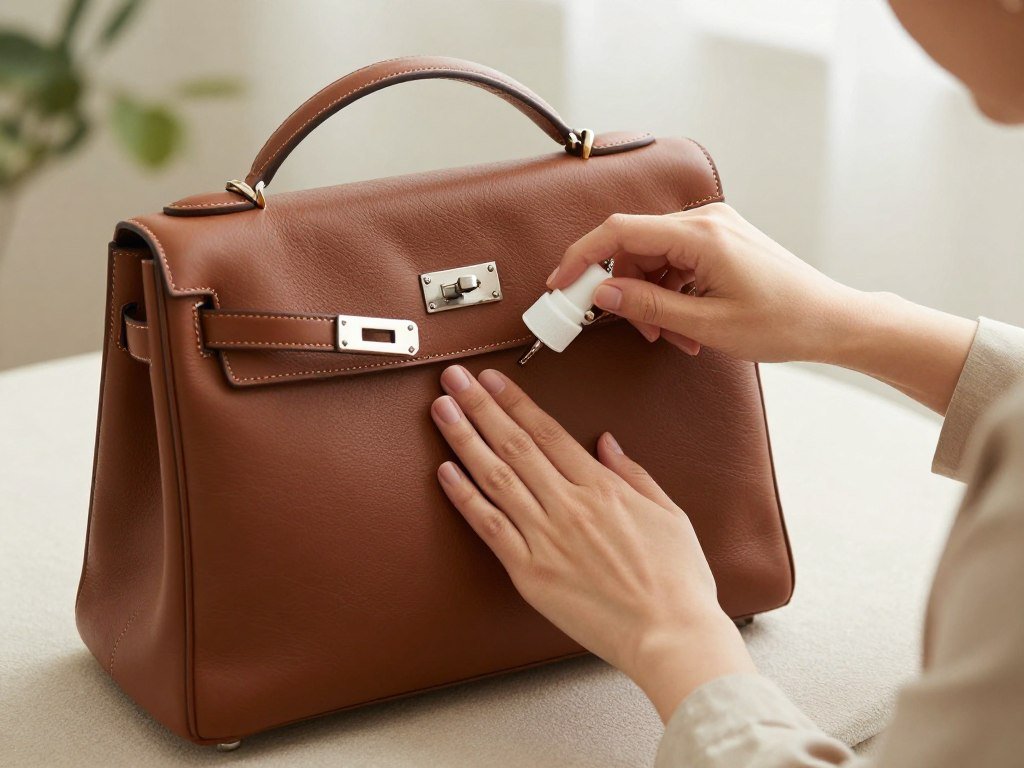
A few careful habits can help a treasured bag keep its shape, feel, and finish for years when you care for a designer leather bag. Gentle cleaning, cautious conditioning, and thoughtful storage can support its appearance over time. The right method still depends on the bag’s material and finish, so one product will not suit every surface.
Patina is the gradual change in leather color and surface character that develops with use and age. That change can be part of a bag’s appeal, not a sign that it needs stronger cleaning. This guide offers simple ways to care for leather goods while helping you avoid common mistakes that can harm a valued accessory. Start by checking the material and care label before applying anything.
Key Takeaways
- Check the material and finish before choosing a care method.
- Use a soft cloth for routine dust and surface debris.
- Test leather care products on a concealed patch-test area first.
- Blot spills and let wet leather dry naturally.
- Store bags upright with shape support and a breathable cover.
- Ask a specialist for deep stains or damage to the leather surface.
How do you identify your bag’s leather?
The safest care method starts with the material, not the bag’s price or designer label. Check the care label, product details, or maker’s description to learn whether the surface is leather, coated fabric, or another material. That distinction guides which products can touch the bag.
Full-grain leather keeps the hide’s outer grain layer, while top-grain leather has that layer lightly thinned or sanded. Full-grain leather resists punctures and tears better than top-grain leather. Vegetable tanning uses plant tannins; chrome tanning uses minerals and usually creates leather that resists water better and has more even color.
| Type | What it means | Care implication |
|---|---|---|
| Full-grain | Outer grain layer retained | Preserve the natural surface with gentle cleaning |
| Top-grain | Top layer lightly thinned or sanded | Avoid abrasive cleaning |
| Vegetable-tanned | Plant tannins used | Patch-test because products may affect color or finish |
| Chrome-tanned | Minerals used | Generally more water-resistant and color-consistent |
| Patent | Glossy coated finish | Wipe gently and use finish-specific care |
A label may name the leather type, but it may not explain the tanning method. Product information can also help you distinguish leather from coated fabric or other materials. A tote bag material guide can help you compare common bag materials and their care needs.
When the material or finish is uncertain, do not guess with a cleaner or conditioner.
Some leather goods combine materials, such as leather trim on a fabric body. A study in Scientific Reports on ancient tanning methods examines fungal resistance in heritage leathers, but those results do not set care rules for modern designer bags. If the material or finish is unclear, keep care dry and gentle until you can confirm it.
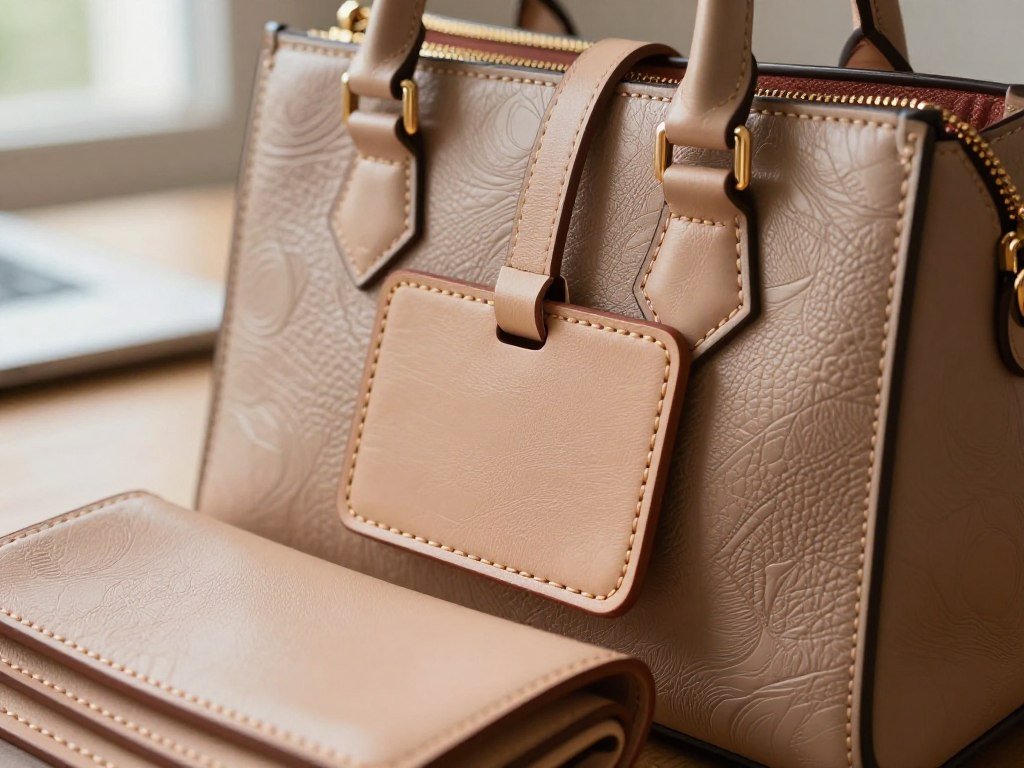
How to care for designer leather bags
A quick wipe after wearing the bag is usually more useful than an occasional aggressive cleaning. Use a soft cloth to remove dust after each use, then check the surface for marks while they are easy to spot. Small, steady care keeps routine work simple.
Cleaning with a leather-specific cleaner one or two times a year is generally enough. More frequent scrubbing can wear the finish, while excess solution can leave residue or change the surface. Keep the rest of your routine light:
- Wipe surface dust with a soft cloth after use.
- Empty loose debris from the interior.
- Check high-contact areas for fresh marks.
- Use a leather-specific cleaner only when surface cleaning is needed.
Pay close attention to places that rub against your clothing or hands, such as the base and handles. A dry cloth often removes fresh dust without adding moisture. If a mark remains, identify the finish before choosing a cleaner.
A clean interior also makes it easier to notice a pen leak or a loose crumb before it becomes a bigger mess. Keep your care routine practical, not fussy. A Michael Kors purse care guide also covers material checks and gentle cleaning for leather handbags.
Frequent scrubbing and excess solution are not routine care. They can cause more wear than the dust you meant to remove. Begin with a dry, soft cloth and add moisture or cleaner only if dust remains.
How do you clean a Coach leather bag at home?
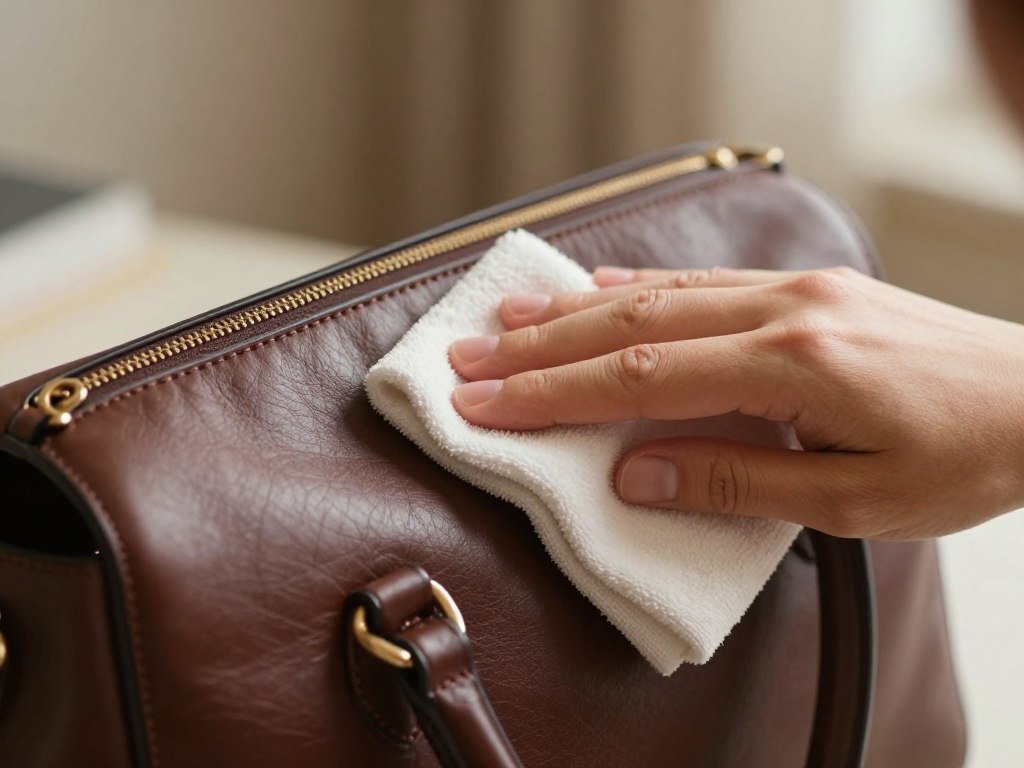
Start with a dry cloth or soft brush so loose dirt does not get rubbed into the surface. The right cleaning method depends on the Coach bag’s leather and finish. Check the material first, then choose a method that suits it.
Use a product only on leather types Coach lists as compatible. Coach Leather Cleaner and Moisturizer is described as safe for specific leathers, while other materials call for a dry cloth. A bag made with mixed materials may need more than one approach.
Remove surface dust first
Use a soft microfiber or muslin cloth, either dry or very lightly dampened with water, to lift surface dust and debris. A soft-bristle brush can also remove loose particles. Keep the brush gentle, especially around seams and raised details.
Do not press debris into the grain as you wipe. Turn the cloth to a clean spot when it picks up dirt. For an unknown finish, stick with a dry cloth until you can identify it.
Clean compatible Coach leather gently
Coach Leather Cleaner and Moisturizer is listed for crossgrain, glovetanned, metallic pebble, natural calf, pebble, polished pebble, refined pebble, signature calf, smooth calf, soft calf, stamped or glazed crocodile, and stamped snakeskin leathers. On compatible leather, apply cleaner with a soft cloth using gentle circles. Let it dry for 10 to 30 minutes, wipe it off, then apply conditioner and buff after it dries.
Coach also describes a cautious soap method for leather: use mild dish soap or baby soap with lukewarm water, then wipe the surface with a dry cloth. Repeat only if the leather still looks dirty after drying. Coach’s listed leather-care directions also advise conditioning after cleaning, once the bag is dry.
Searches for a Coach product care set often mean the cleaner and moisturizer used in this method. They are the care products discussed here; do not assume a particular kit contains them. Mild soap is an alternative approach, not a reason to use more liquid than needed.
Use a dry method on delicate Coach materials
Coach recommends a soft, dry microfiber cloth for suede, haircalf, shearling, natural leather, patent leather, and exotic leather bags. For these named materials, avoid water and other cleaners. A damp cloth or general leather product could affect the texture or finish.
Stop if the material is not on the compatible-leather list or if the surface changes during cleaning.
Which cleaner, conditioner, or polish should you use?
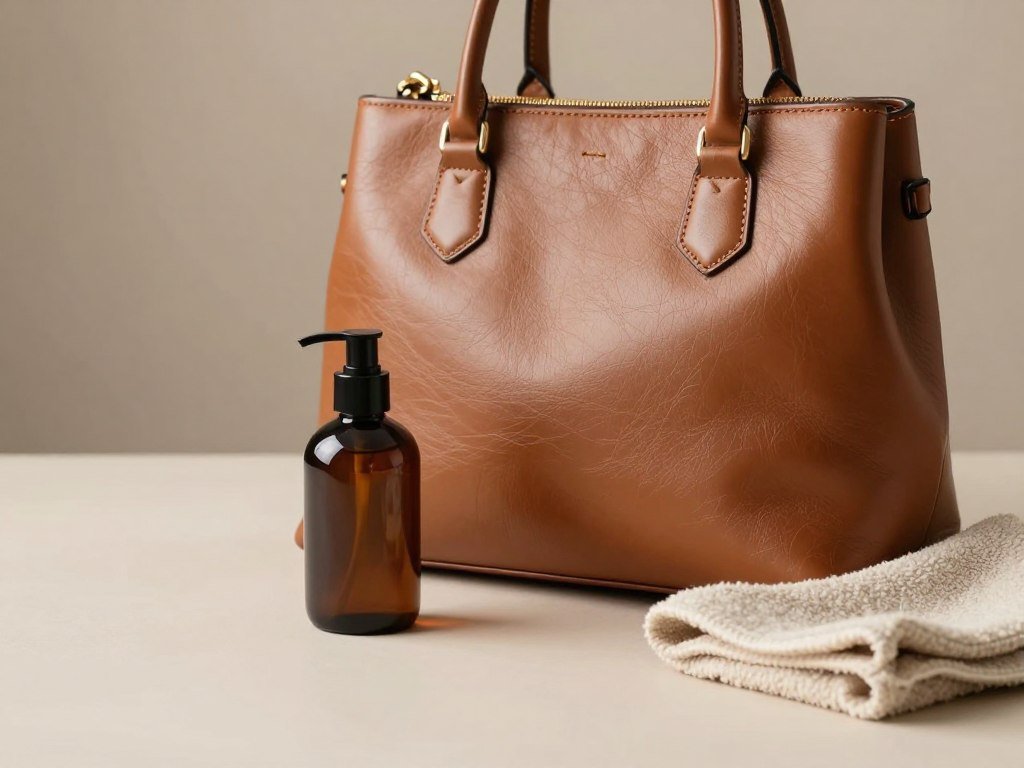
Choose a product made for the leather and finish, then test it in an inconspicuous area. A leather-specific cleaner lifts surface dirt, while conditioner helps dry leather stay supple. One product does not suit every bag.
Test a cleaner or conditioner before treating the full surface. On a Coach bag, use a soft white cloth and check for color transfer or a color change one hour later. Leather may darken by a shade; do not use the product if color transfers or the leather changes.
| Product type | Appropriate role | Caution |
|---|---|---|
| Leather-specific cleaner | Lift surface dirt | Test first and avoid over-treating |
| Leather conditioner | Help keep dry leather supple | Use on clean, fully dry leather and patch-test |
| Leather oil | Condition only suitable leather | Use a small amount after an acceptable patch test |
| Polish or color balm | Address shine or a small color scuff | Match the finish and test in a hidden spot |
Before conditioning, clean the leather with a lightly wetted cloth and let it dry for 24 hours. Patch-test the conditioner on a concealed patch-test area. For leather oil, first pass the patch test, wait around 30 minutes, then apply a small amount with a microfiber cloth. Air-dry overnight and wipe away any residue.
Coach recommends conditioning after cleaning and once the bag is dry. For polishing at home, dab a small amount of finish-appropriate polish onto a soft cloth, then test it in a hidden area. A Coach leather care kit or leather moisturizer for bags should be judged by its product label, not its name alone.
Baby oil and coconut oil are poor substitutes for leather care products. Baby oil, which is perfumed mineral oil, made a tested leather wallet feel softer and look shiny at first. Frequent mineral-oil use may cause color loss and lower durability, while coconut oil caused drastic darkening, patchy spots, and sticky residue on cognac leather goods.
Use leather-specific cleaner only as needed, generally one or two times a year, to avoid over-treating the surface. If the test changes the color or leaves residue, do not treat the rest of the bag.
How should you handle stains, scratches, and wet leather?
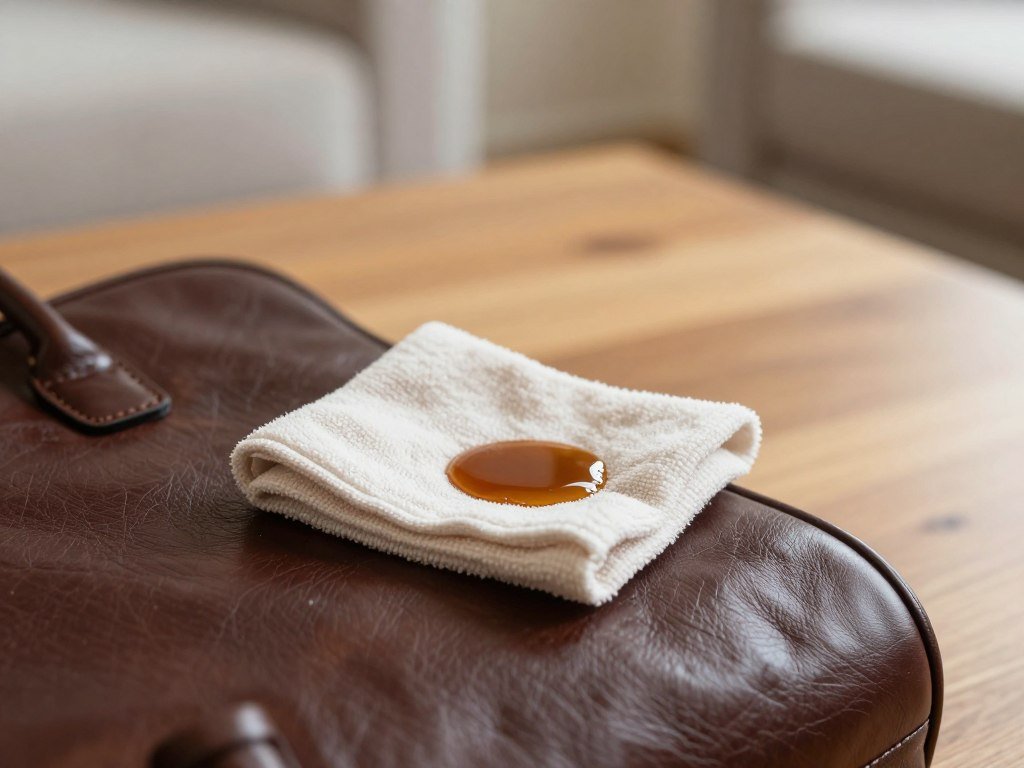
Blot a new spill promptly with a clean, soft cloth rather than rubbing it deeper. Quick action can lift some moisture before it spreads across the surface. Blot, do not scrub, and keep the cloth clean as it absorbs the spill.
Do not wash or immerse a leather bag in water. A lightly damp cloth is different from soaking the material. Soap flakes and warm water may help with a small spot, but the cloth should be controlled and the leather should never become waterlogged.
- Blot a fresh spill instead of rubbing it.
- Let wet leather dry naturally at room temperature, away from direct sunlight, a radiator, or a hairdryer.
- Assess a scratch before choosing a mild buff or specialist repair.
For a spot, dampen only a small area of cloth and use a little soap solution. Work gently, then remove any remaining moisture with a clean cloth. Machine washing and soaking are not suitable cleaning methods for leather goods.
Respond to a fresh stain carefully
Lift solid dirt without scraping the finish. If the stain remains, do not add stronger household products just because the first gentle attempt failed. A very dirty leather purse may call for saddle soap, but saddle soap can be harsh and drying on a bag that is only lightly dirty.
Choose the mildest step that fits the stain and leather. Too much rubbing can spread dirt and add wear to the surface. If the stain grows or the finish changes, stop.
Let wet leather dry naturally
Blot rain or a spill, then leave the bag in a room with normal airflow. Do not speed drying with artificial heat or direct sunlight. Heat can affect the leather as it dries, so patience is safer than a hairdryer.
Do not fill a wet bag with material that could press moisture into its surface. Let the leather dry before deciding whether it needs further care. Water exposure is not a reason to add oil or conditioner at once.
Treat scratches according to their depth
A light color mark may sit on top of leather with the surface still intact. A mild buff may help that kind of mark, but do not assume every scratch will polish away. Damage that breaks or removes the surface may need specialist repair.
Look closely in good light before using a balm or polish. A product that covers a color mark may not repair a cut or gouge. For a deep scratch or a stain that persists after gentle care, stop before adding stronger household products.
How can you prevent wear during everyday use?
The easiest damage to repair is the damage you prevent by changing a carrying habit. A handbag stretches when it carries too much, and daily friction can wear the same spots. Small choices add up without adding much work.
Avoid overfilling your bag, since excess weight can stretch the leather. Keep pens and cosmetics in pouches so a leak stays contained. These four habits also help limit avoidable wear:
- Carry only what you need instead of packing the bag full.
- Keep pens and cosmetics inside separate pouches.
- Rotate bags instead of carrying the same one every day.
- Keep the bag off wet, rough, or dirty surfaces.
Rotating handbags spreads wear across more than one set of handles and corners. A busy day can bring contact with rough seats, damp ground, or dirty floors, so choose a safe place to set the bag down. A Goyard backpack care guide also notes that care needs can differ when a bag combines canvas and leather.
A protective leather-care spray is optional, not a required step. Test it on a concealed patch-test area, apply a thin layer from at least 30 centimeters away, and let it dry for one hour before use. Follow the spray’s directions, since products may call for different steps.
Spray care may be repeated a few times each year, but more is not always better. Avoid spraying close to the surface or leaving wet product on one spot. Check the weather and your destination before taking a delicate finish into a crowded or wet setting.
When should a Coach bag get professional cleaning?
A very dirty Coach bag is better taken to a Coach store than treated repeatedly with stronger cleaners at home. A store associate can help with a bag that needs more than gentle surface care. Know when to stop before repeated cleaning changes the finish.
Coach recommends asking an associate at a Coach store to clean a very dirty bag. You can contact the store to book a cleaning appointment. That option may make sense when dirt covers a large area or remains after careful home cleaning.
For details about Coach materials and care, see this overview of Coach bags. It covers the range of materials found in Coach handbags, including leather, canvas, and suede. A material check matters because one cleaning method cannot suit every bag.
Do not assume that a cleaning appointment is free. Contact the specific store to confirm how to arrange the appointment and whether a charge applies before you visit. Bring the bag and explain what caused the dirt or stain.
For significant damage, ask what type of help the store can offer before anyone treats the surface. A clear description helps staff understand the problem and direct you to the right service. Contact the store before you go so you know how to arrange the cleaning appointment.
How should you store designer leather bags?
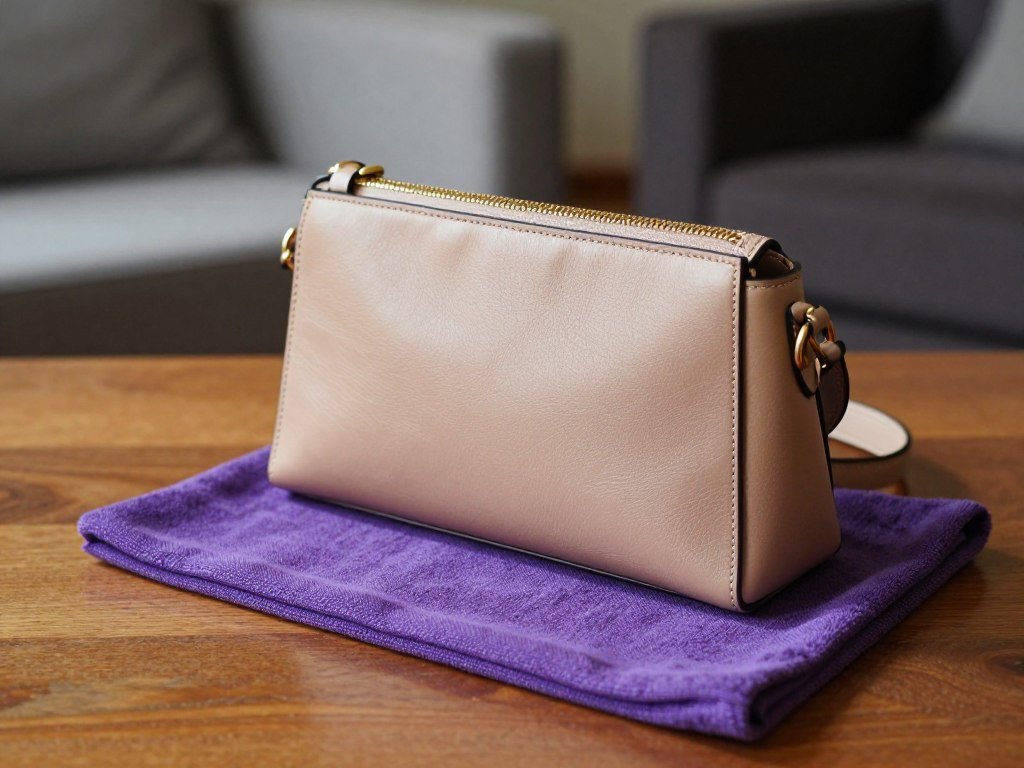
Empty the bag before storage so its contents do not strain the leather or distort its shape. Stand it upright and use plain tissue to support its form without stuffing it too tightly. Gentle support helps the bag keep its shape between uses.
Choose a breathable cover and keep the bag away from direct sunlight and artificial heat. A dust bag helps prevent scratches, while a clean white cotton pillowcase can serve as another breathable cover. Plastic bags restrict airflow and can trap moisture.
Support the bag’s shape
Remove loose items and crumbs, then place plain tissue inside the empty bag. Add enough to support the sides without stretching them outward. Overfilling with tissue can put pressure on seams and panels, so keep the fill light.
Set the bag upright on a clean, dry shelf. Avoid stacking heavy items on top of it, since pressure can flatten the body or press marks into the leather. Make room for the base to sit evenly.
Cover it without trapping moisture
Slide the bag into its dust bag, or use a clean white cotton pillowcase if the original cover is missing. Both allow more airflow than plastic. Make sure the bag is dry before covering it for storage.
Keep the storage spot away from direct sunlight and artificial heat. A shelf in a dry part of a room is a better choice than a hot area near a heater. Direct sun can also change the bag’s color over time.
Protect hardware and handles
For extended storage, wrap zippers and clasps in tissue to reduce scratches against nearby leather. Leave handles in their natural position instead of bending them sharply. Do not hang the handbag by its straps for long periods, since that can stretch the handles.
Before putting the bag away, check four things:
- The bag is clean and dry.
- The shape has gentle support.
- The cover allows airflow.
- The storage spot is away from direct sunlight and artificial heat.
A fabric purse needs care suited to its own material, so do not use leather products on a fabric cover or trim without checking its label. This fabric purse care guide explains why different fabrics need different handling. Leave enough room for the handles to rest naturally without being folded or pressed.
How should you care for a calfskin bag?
Calfskin needs a gentle touch because its finer grain and softer feel make it more delicate than adult-cattle bovine leather. Adult-cattle leather is generally thicker and more resistant to wear and tear. Calfskin favors lighter handling in daily use.
Clean calfskin gently and choose a conditioner suited to its finish. Use a leather-specific cleaner only when surface cleaning is needed, and test any conditioner on a concealed patch-test area. If the bag gets wet, blot it rather than soaking the leather.
| Attribute | Calfskin | Adult-cattle bovine leather |
|---|---|---|
| Softness | Softer | Comparatively firmer |
| Grain | Finer | Coarser |
| Thickness | Generally thinner | Generally thicker |
| Wear resistance | More delicate in everyday handling | Generally more resistant to wear and tear |
The difference can help you set expectations for daily use. Calfskin’s softer hand and fine grain can feel smooth, but the surface may show wear sooner under hard use. A gentler routine can help preserve its look without trying to make it behave like thicker leather.
Use a soft cloth for light surface dust, then choose cleaning or conditioning products that fit the bag’s finish. Blot moisture promptly and let the bag dry naturally. Avoid treating all leather handbags alike just because they share a broad material label.
“Genuine leather” does not name one exact quality grade. Leather quality also depends on the hide, finish, and construction, so that label alone cannot tell you how well a bag will wear. Keep the care light and let the bag’s finish, not a generic rule, guide product choice.
How should you care for suede, patent, and other finishes?
A suede or patent finish needs a different approach from smooth finished leather. Suede and nubuck can stain from water and oil, while patent leather has a glossy coated surface. Match the method to the material instead of reaching for one general cleaner.
Use a material-specific brush or cloth, and avoid abrasive products. Textured leather also needs care that follows its grain. A gentle hand helps protect the finish while you lift dust or residue.
Keep suede and nubuck mostly dry
Start by brushing suede or nubuck with a suede brush. Brush lightly and keep the strokes even, rather than pressing hard on one spot. Water and oil can stain these materials, so avoid wet cleaning as a first step.
If brushing does not remove the mark, use only a cleaner made for suede or nubuck. Follow its directions and test it in a concealed patch-test area when the material allows. Do not use a general leather conditioner on a napped surface.
Clean patent leather without abrasives
For patent leather, wipe dust and buildup with a soft, damp cloth. Use light pressure and dry the surface with a soft cloth afterward. Avoid abrasive pads and gritty products, which can scratch the glossy coating.
Patent leather has its own finish, so skip polish meant for smooth, uncoated leather unless its label says it is suitable. A shiny surface can show marks clearly, but extra scrubbing may leave worse ones behind. Keep the wipe gentle.
Follow the texture of exotic and printed finishes
On textured leather, clean with the grain and work carefully around raised areas. Remove any product from grooves and crevices so residue does not collect there. A soft cloth can reach many small spaces without scratching them.
Printed and exotic finishes may change if a product affects their color or coating. Test first on a concealed patch-test area, then use only a small amount if the finish stays the same. If a material-specific mark cannot be lifted gently, leave specialist cleaning to a professional.
When a finish is textured or printed, product residue in its grooves can be as damaging as the mark you meant to remove.
A fabric panel, leather trim, and coated details may each need a different method. If one area cannot be cleaned without touching another, stop before spreading product across the whole bag.
Conclusion
Good bag care starts with restraint: use the mildest method suited to the material. A cleaner that works on one finish may change another, so check the label and test products before using them widely. Gentle care can help leather bags stay useful for years.
Choose a routine you can keep up with rather than trying to restore every sign of age. Patina, light wear, and a cared-for surface can live together. Check the care label today, then keep the matching cleaning and storage routine simple.
FAQ
Does vaseline preserve leather?
How to clean a Coach bag?
How to care for a calfskin bag?
Is baby oil good for leather bags?
How long does calfskin leather last?
Are calfskin bags worth it?
Is calfskin leather better than genuine leather?
Can calfskin leather get wet?