The best Botswana safari stay is the one that matches your travel season, preferred activities and comfort priorities. Botswana’s varied landscapes shape wildlife viewing, water trips and time on land. Per person per night means the nightly price for one guest, generally based on two adults sharing a room unless a lodge states another basis.
This guide covers stays across the Okavango Delta, Chobe, Linyanti, Makgadikgadi and the Kalahari. Each area offers a different setting, so your choice affects both daily activities and how you move between camps. A memorable trip can begin with a water-based canoe excursion, a long game drive, or a mix.
Room design and service matter, but they are only part of the experience. You will also want a stay that suits your pace, comfort needs and travel plans. Start by deciding whether you most want water-based exploration, land-based wildlife viewing or a mix of both.
Key Takeaways
- Choose a region based on the landscapes and activities you want.
- Check seasonal water access against your exact travel dates.
- Compare nightly rates with flights, transfers and other trip costs.
- Match family bookings to each lodge’s room and activity rules.
- Keep multi-stop routes focused so transfers do not use up safari time.
Best Luxury Safari Lodges in Botswana for Different Travel Styles
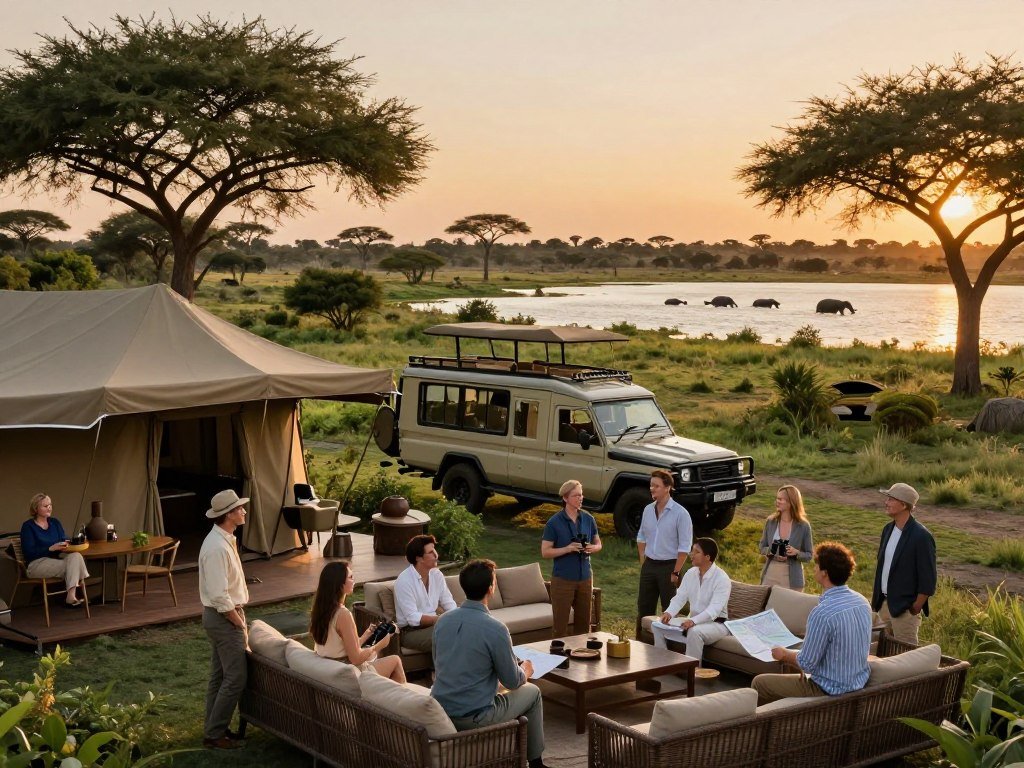
For a wildlife-first trip, start with Mombo; for a water-led stay, compare Jao; for a balanced activity mix, consider Vumbura. Your activity priorities are the clearest way to narrow a luxury safari shortlist.
Mombo suits wildlife-focused travelers, Jao suits water-first travelers, and Vumbura is the balanced land-and-water choice. The best pick for design-conscious travelers is Xigera, covered in its own profile. Use the table to compare the setting and published nightly range before you weigh room style.
| Lodge | Setting or activity style | Best fit | Published rate range in USD per person per night |
|---|---|---|---|
| Mombo Camp | Chief’s Island, land-based wildlife viewing | Wildlife-focused travelers | 2,889-5,043 |
| Sanctuary Chief’s Camp | Land-based Big Five safari | Big Five game drives | 2,400-4,350 |
| Duba Plains | Land activities, seasonal water access | Small-camp wilderness stay | 2,300-4,225 |
| Jao Camp | Water-led Delta experience | Water-first travelers | 1,848-3,830 |
| Vumbura Plains | Land and water activities year-round | Balanced safari activities | 1,903-3,945 |
Compare the activity mix before comparing a lodge’s room style.
Camps for wildlife-focused stays
Mombo Camp sits on Chief’s Island in Moremi Game Reserve, where its reputation centers on wildlife viewing. Sanctuary Chief’s Camp offers a land-based Big Five experience for travelers who want game drives to shape most days.
Duba Plains also suits travelers who favor land-based safari activities. Its water access changes with conditions, so it is not the simplest choice for guests who expect daily boating.
Lodges for design, water and a distinctive setting
Jao Camp puts water exploration first, while Vumbura offers a more even mix of land and water activities. Xigera is the design-focused option, with art and architecture giving its camp experience a distinct feel.
Luxury lodges can differ as much in their activity plans as in their rooms. Compare the activity mix before comparing a lodge’s room style.
Which Botswana safari regions fit your trip?
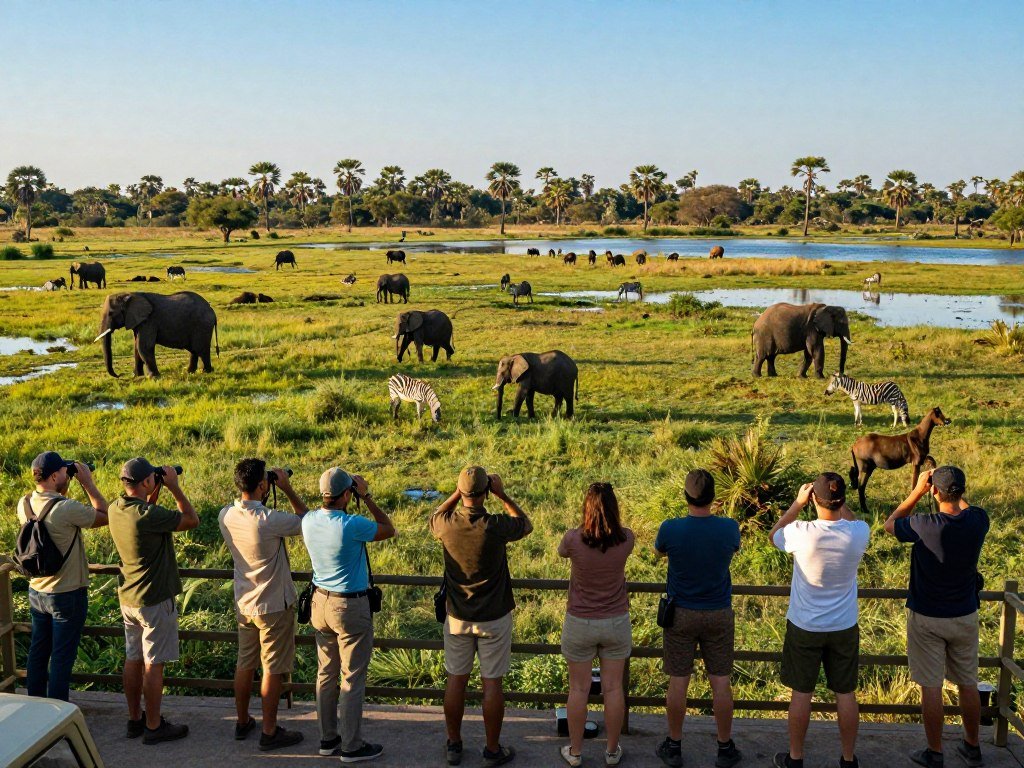
The Okavango Delta is the strongest starting point for travelers who want a choice of land and water activities in one region. Its waterways and floodplains create a different safari setting from Botswana’s riverfront parks and dry salt pans.
A 10- to 14-day trip commonly combines three or four lodges. Botswana’s main safari areas include the Okavango Delta, Moremi Game Reserve, Chobe National Park, Linyanti, Makgadikgadi Pans and the Kalahari.
Delta and northern wetland landscapes
The Delta’s channels, islands and floodplains support game drives alongside boating, walking and mokoro excursions where conditions allow. Moremi Game Reserve adds a mix of wetland and dry land habitats within the broader Delta region.
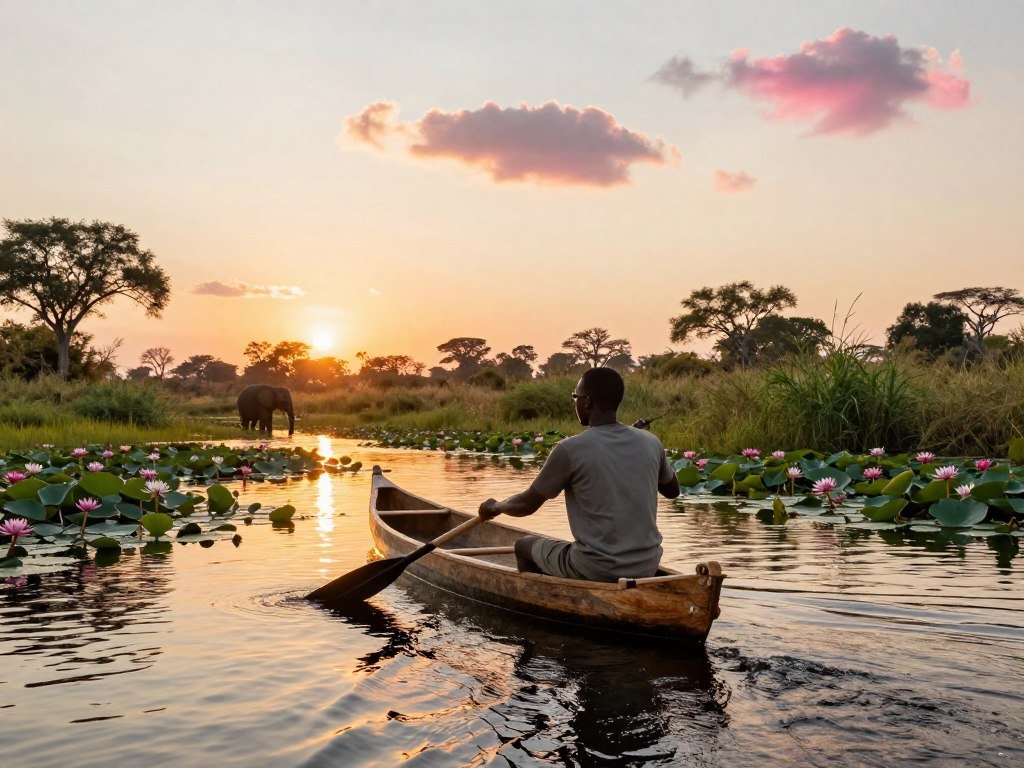
- Okavango Delta and Moremi: waterways, floodplains, game drives and water activities.
- Chobe: river views, boat trips and wildlife viewing near the Chobe River.
- Linyanti: a remote northern wilderness with river and lagoon settings.
- Makgadikgadi and Kalahari: salt pans and dry country with a distinct safari feel.
Chobe, Makgadikgadi and the Kalahari
Chobe National Park centers on the Chobe River, where boat and land viewing offer different ways to watch wildlife. Linyanti feels more remote, with a wilderness setting shaped by river channels and waterholes.
The Makgadikgadi Pans bring broad salt flats and a stark contrast to Delta wetlands. The Kalahari offers dry-country scenery, making it a useful counterpoint to a water-focused safari.
A short flight can connect different Botswana landscapes, but each added stop also adds a transfer. A light-aircraft transfer can save road time, though it still takes time to reach and board the aircraft.
For a first multi-region trip, choose no more than a few distinct landscapes so travel time does not crowd out safari time.
When should you go for water, wildlife and lower rates?
June through September is the clearest window to prioritize water-focused Delta lodges. Flood-season access can support boating and mokoro excursions that may not run at other times.
Water timing changes by year and local conditions, so one season’s high water does not promise the same access next year. Dry-margin lodges operate year-round and rely heavily on land-based activities.
Flood-season water activities
Water-focused Okavango lodges peak during the flood season from June through September. The mix still depends on conditions at each camp, rather than the calendar alone.
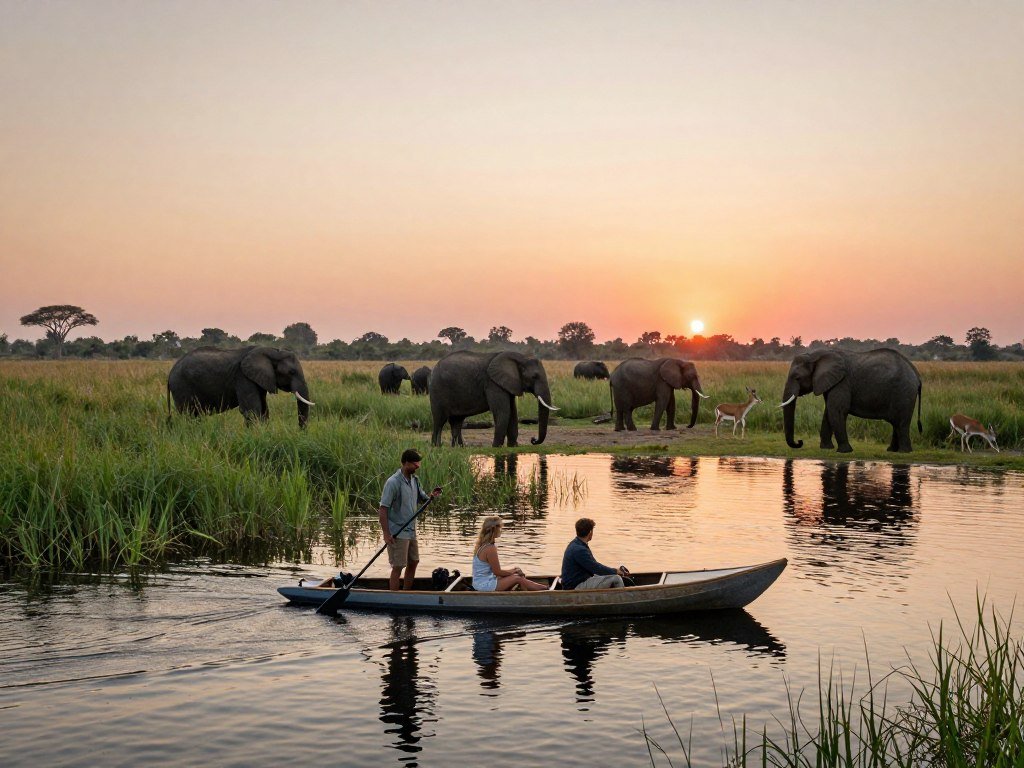
By mid-May 2026, strong local rainfall and water from the Angolan Highlands were spreading through the Okavango Delta and Linyanti. Floodplains and secondary channels were active earlier and more broadly than in several recent seasons.
That water reopened channels and reconnected floodplains. Wilderness Mombo introduced seasonal boating and mokoro excursions in 2026 as high water made them possible.
| Travel period | Likely activity emphasis | Lodge setting to consider |
|---|---|---|
| June-September | Stronger flood-season water access | Water-focused Delta lodges |
| Other periods | Land-based drives remain central | Dry-margin lodges |
| Mid-May 2026 | Early, widespread water and new seasonal activities | Delta and Linyanti floodplains |
Land-based viewing across changing seasons
Game drives remain a useful focus when a camp has limited water access. Walking can add a closer look at plants and tracks, though age limits and camp rules may apply.
Use this short checklist when planning dates:
- Confirm which water activities will operate on your exact dates.
- Ask whether game drives remain available during your stay.
- Check whether water levels change transfers or routes.
For wet-weather walks, think about clothing that can handle rain without trapping heat. A guide to waterproof hiking pants can help you compare fit, breathability and pack size.
Ask the lodge which activities are operating on your exact travel dates, not only which activities it offers in principle.
What does a luxury Botswana safari cost, and what is included?
Compare the full trip total, since a nightly lodge rate can leave international flights and light-aircraft transfers outside the price. The nightly figure is only one part of your budget.
Season, occupancy, transfers and extras all affect the total you pay. In the Okavango Delta, USD 1,500 per person per night is a starting point for credible luxury, while ultra-luxury starts at USD 3,500 and up.
How rate tiers compare
Published rates span a wide range, even among lodges in the same broad region. Use the figures below as starting comparisons, then match each rate to your travel dates and room arrangement.
| Lodge | Rate range in USD per person per night | Activity or setting |
|---|---|---|
| &Beyond Sandibe | 1,850-4,100 | Dry-margin land and water activities |
| &Beyond Nxabega | 1,270-3,100 | Okavango Delta camp |
| Kwando Kwara Camp | 1,250-2,450 | Delta safari activities |
| Belmond Eagle Island Lodge | 1,050-4,271 | Island setting in the Delta |
| Atzaró Okavango | 740-1,980 | Delta lodge setting |
| Lodge | Rate range in USD per person per night | Activity or setting |
|---|---|---|
| Kala Camp | 480-1,097 | Okavango Delta camp |
| Tuludi | 1,545-3,545 | Delta safari setting |
| Kanana | 699-1,724 | Delta camp and water setting |
| Shinde | 1,295-1,770 | Okavango Delta camp |
| Beagle Expeditions | 1,385, plus USD 100 exclusive-use levy | Private expedition setting |
Other published ranges include Mombo Camp at USD 2,889-5,043, Sanctuary Chief’s Camp at USD 2,400-4,350, and Duba Plains at USD 2,300-4,225 per person per night.
Jao Camp lists USD 1,848-3,830 per person per night, while Vumbura Plains lists USD 1,903-3,945. Those figures help place a lodge on a rate scale, not set your full trip cost.
What lodge rates can cover
Xigera’s 2026 rate includes meals, park fees, accommodation taxes, applicable tourism levies, VAT, most drinks and daily laundry when weather and water supply permit.
It also includes game drives, boating, seasonal catch-and-release fishing, mokoro excursions and walking. Xigera’s listed inclusions apply to that lodge, not every Botswana camp.
Xigera excludes international flights, light-aircraft transfers, travel insurance, visas, scenic flights, discretionary gratuities, spa treatments and products, shop purchases, and premium-list drinks.
Budget for transport and extras
Before paying a deposit, confirm these details in writing:
- Meals and drinks included in the rate.
- Activities, park fees and laundry coverage.
- International flights, scenic flights and light-aircraft transfers.
Ask whether your quoted nightly price applies to one guest or two adults sharing. Request a written breakdown of included and excluded costs for the exact dates and room arrangement.
Mombo Camp: a wildlife-first stay on Chief’s Island
Mombo is the pick for travelers who put wildlife viewing on Chief’s Island ahead of a varied water-activity menu. The setting is its main draw.
Mombo Camp sits on Chief’s Island in Moremi Game Reserve and has a strong reputation for wildlife viewing. The camp is known as the Place of Plenty, a name that reflects its wildlife-focused identity.
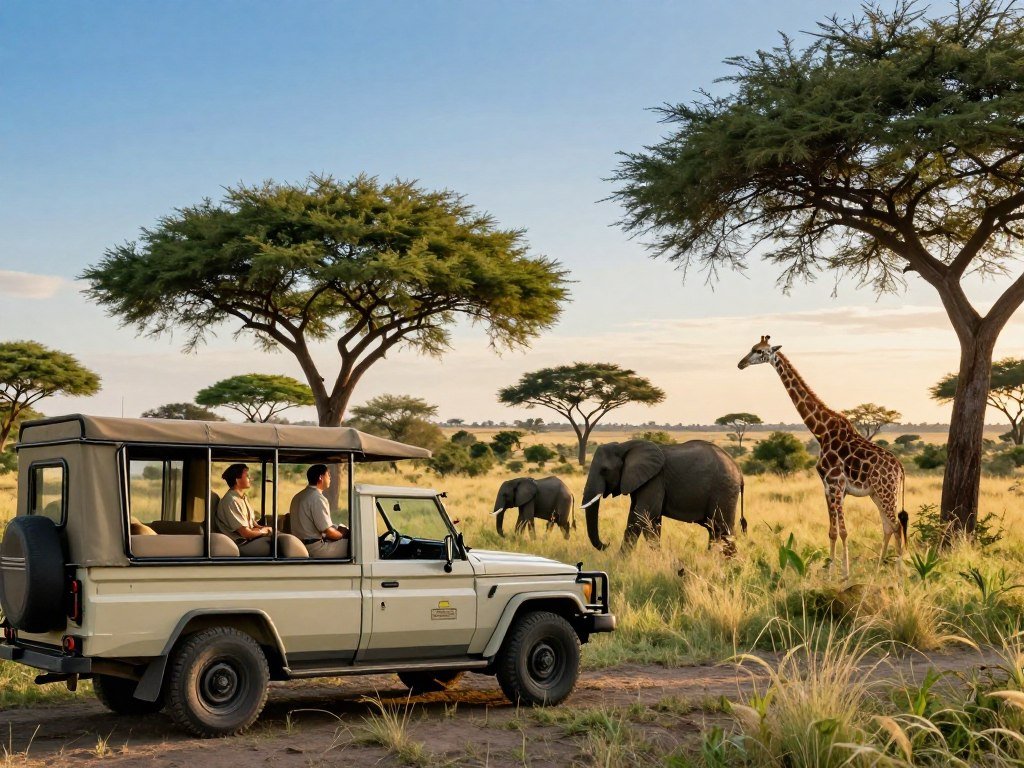
Mombo Camp has nine tents, while Little Mombo has three. The two camps share a concession but operate separately, giving each its own camp experience.
Game drives are the natural center of a stay here. Travelers who want to spend most days tracking animals across the island may find that focus appealing.
The trade-off is a predominantly land-based experience. Mombo is not the best match if a broad water menu is high on your wish list.
The listed rate is USD 2,889-5,043 per person per night. Your date and room arrangement shape where a stay falls within that range.
Choose it for its setting and game drives, not as a water-first camp.
Xigera Safari Lodge: art, water and exact 2026 rates
Xigera’s 2026 sharing rate ranges from USD 2,750 to USD 4,500 per adult per night, with the exact amount set by the travel dates. Dates set the rate, and the single supplement also changes by period.
The lodge has 11 suites and one family suite in Moremi Game Reserve. Its art-led design gives the stay a strong visual identity, while land and water activities keep the experience rooted in the Delta.
| Date period | Sharing rate per adult per night | Exclusive-use rate per night | Single supplement per adult per night |
|---|---|---|---|
| January 6-March 31, 2026 | USD 2,750 | USD 66,000 | USD 0 |
| April 1-May 31, 2026 | USD 2,999 | USD 71,976 | USD 905 |
| June 1-September 30, 2026 | USD 4,500 | USD 108,000 | USD 1,359 |
| October 1-December 19, 2026 | USD 2,750 | USD 66,000 | USD 829 |
| December 20, 2026-January 5, 2027 | USD 4,500 | USD 108,000 | USD 1,359 |
Exclusive use requires at least three nights and accommodates up to 24 guests. Children aged six and older pay the full adult rate, and children aged six to 16 must share a suite with an adult.
Standard suites accommodate two adults sharing or one adult with one child. The family suite accommodates two adults with two adults or two children.
Design-conscious travelers may also enjoy the way Xigera brings art into its rooms and shared spaces. The broader appeal of visually striking luxury hotels often rests on architecture, natural light and memorable settings.
For families, confirm these four points before booking:
- Match the suite’s occupancy to your full group.
- Children aged six to 16 must share with an adult.
- Children aged six to 12 need a private vehicle for the stay.
- Children under 13 cannot join walking or mokoro excursions; children on boating or mokoro trips must wear life vests.
For a family or exclusive-use booking, confirm the room fit, vehicle requirement and minimum stay before setting the travel dates.
Vumbura Plains for land and water activities
Vumbura Plains is a practical choice if you want game drives and water activities without building your stay around only one of them. That balance makes it an easy fit for mixed interests.
Vumbura offers land and water activities year-round. The northern Okavango Delta concession has Vumbura Plains North and South, with 14 suites in total.
Game drives provide a land-based way to look for wildlife, while boating and mokoro excursions add a water-level view of the area. The mix gives you more than one way to spend a day.
Vumbura suits travelers who want both kinds of activity in one stay. It is more straightforward than choosing a camp built around only land viewing or only water exploration.
The listed rate is USD 1,903-3,945 per person per night. Vumbura Plains North and South share a broader activity style, though your exact stay may shape what is available each day.
Those comparing modern luxury stays may also value how privacy, service and a sense of place shape the experience. See this guide to luxury resorts for a wider view of high-end travel styles.
Check which water activities are running during your stay even at a lodge offering year-round land and water options.
Duba Plains for a smaller, conservation-focused safari
Duba Plains is a strong fit for travelers who value a small camp and a wildlife-centered setting. Its small scale keeps the focus on the surrounding wilderness.
The camp has five tented suites in a private concession in the northern Okavango Delta. It offers land activities with seasonal water access, so its core appeal does not depend on a water-first program.
Duba’s identity leans toward wilderness and conservation rather than showpiece design. That can suit you if you value a camp’s setting and safari focus more than an elaborate visual statement.
Game drives bring the landscape into view, and wildlife remains central to the daily experience. The camp’s smaller size may appeal to couples or travelers who prefer a more intimate base.
The listed rate is USD 2,300-4,225 per person per night. Compare the dates and room setup with the activities you hope to enjoy before choosing.
Travelers drawn to conservation work may also appreciate experience-led luxury travel, where wildlife and local activities shape the trip as much as the room.
Treat seasonal water access as an activity bonus, not the reason to book it in every month.
Jao Camp for a water-led Delta experience
Choose Jao when exploring the Delta by water matters more than having an even land-and-water mix. Water comes first in its activity style.
Jao is a water-led camp in the western Okavango Delta. Its nine suites include two larger villas, giving travelers a choice of suite or more spacious villa accommodation.
When flood conditions allow, mokoro excursions and boat trips let you explore channels from the water. These activities offer a different view from a vehicle-based game drive.
Jao’s central appeal is this water-led activity mix, not a promise that every outing will run in every season. Conditions shape what you can do on particular dates.
The listed rate is USD 1,848-3,830 per person per night. Travelers who want a land-first safari may prefer a camp with game drives at the center of its daily plans.
Walking can add another way to experience the Delta, depending on camp rules and conditions. The choice of activity should follow the reason you chose Jao in the first place.
Ask which boat and mokoro excursions will be available for your particular travel dates.
&Beyond Sandibe for a design-led safari
Sandibe pairs a distinctive architectural statement with a private-concession safari setting. Its sculptural form makes the lodge stand out without replacing the safari itself.
The lodge has 12 suites beside Moremi Game Reserve. Its pangolin-inspired architecture gives the building a curved, unusual look that feels tied to the natural world.
Sandibe sits in a dry-margin setting and offers land and water activities. Land activities shape the stay, while water outings can add variety when conditions allow.
Its design-led identity differs from Xigera’s art focus. Sandibe makes architecture the main visual idea, while the safari setting remains a key part of its appeal.
The listed rate is USD 1,850-4,100 per person per night. A 12-suite scale gives the lodge a more intimate feel than a large hotel, while still offering a full camp experience.
For a broader look at distinctive hotel design, this guide to luxury travel destinations includes stays across safari, desert and other settings.
Pick it for both design and safari access, not architecture alone.
Zarafa Camp for privacy in the Selinda Reserve
Zarafa’s four-suite scale makes it a natural option for travelers who want a small, intimate camp. Fewer suites can suit couples and repeat safari travelers seeking a quieter base.
Zarafa sits in the 130,000-hectare Selinda Reserve in northern Botswana. The reserve gives the camp a wilderness setting beyond the Okavango Delta.
Four suites create a smaller camp footprint than a property with many rooms. That scale can appeal when you value a close-knit setting, though it does not mean you will have the reserve to yourself.
Couples may like the intimate size, while repeat safari travelers can use Zarafa to add another region to a familiar Botswana trip. Wildlife sightings remain part of the wider safari experience, not a guaranteed result.
The reserve’s northern location matters when you plan flights and other stops. It can work well as a distinct part of a route, provided the transfers fit your trip.
Consider the experience you want from a small camp, including how much time you plan to spend in camp between outings. The four-suite scale is a useful starting point for that choice.
Confirm how the camp’s location fits with your other stops before adding it to a multi-region route.
Kings Pool Camp for a Linyanti waterhole setting
Kings Pool gives a Botswana itinerary a Linyanti River setting rather than another Delta camp. The change of region adds a different water-and-wilderness backdrop.
The tented camp has nine suites and overlooks a permanent lagoon on the Linyanti River. It shares a 125,000-hectare concession in the Linyanti Wildlife Reserve.
Water draws wildlife to the lagoon, giving the setting a natural focus. You can enjoy the river view without treating any single animal sighting as certain.
A Linyanti stop offers a different feel from the Okavango Delta. The region can add contrast to a trip built around more than one Botswana landscape.
Nine tented suites give Kings Pool a small-camp feel within a broad concession. That combination may suit travelers who want a quieter camp base and a new area to explore.
When planning a multi-stop route, consider how the Linyanti connects with other stays. A new region can add variety, but also another flight leg.
Compare the Linyanti transfer with your other flight legs before deciding how many nights to add.
Chobe Chilwero for river views and elephant viewing
Chobe Chilwero is the pick for travelers who want a river-view stay close to Chobe National Park. The river setting gives the lodge a clear sense of place.
The lodge has 15 luxury cottages above the Chobe River near Kasane. Chobe National Park has an elephant estimate of up to 50,000, making the area known for large elephant gatherings.
The elevated position gives the cottages views over the river. The setting may suit travelers who want time near the water as well as access to a well-known wildlife area.
Chobe National Park draws safari guests who hope to see elephants and other wildlife. The estimate describes the park’s elephant population, not a promise of what you will see during a particular outing.
Chobe Chilwero’s location near Kasane can make it a possible start or end point for a Botswana itinerary. Your route and transfer plan will shape how convenient that choice feels.
Fifteen cottages give the lodge a larger scale than a small tented camp. That can be a helpful fit if you prefer cottage accommodation near a major safari area.
Consider it as a Chobe stop if your route also needs convenient access near Kasane.
Jack’s Camp for a Makgadikgadi safari
Jack’s Camp is the choice for travelers who want a salt-pan landscape rather than a water-focused safari. The setting is strikingly different from the Okavango Delta.
The camp has six tented suites on the western edge of the Makgadikgadi Pans. Its style draws on 1940s explorer camps, and the camp was founded in the 1960s.
Makgadikgadi’s open salt pans create a different wildlife experience from the Delta’s waterways and floodplains. The change in scenery alone can make this stop feel unlike a wetland camp.
Habituated meerkats are a distinctive activity in the area. An encounter is not guaranteed, so treat the outing as a chance to learn about the animals rather than a promise of a close sighting.
The six-suite scale and explorer-camp style give Jack’s Camp a clear identity. Travelers who enjoy design with a sense of history may find that style as appealing as the landscape.
Choose this stay when you want a contrast to river and wetland lodges. It suits a trip that makes room for a different kind of safari day.
Add it when a contrasting landscape is more important than repeating the Delta’s wetland experience.
How can you combine Botswana lodges into one trip?
A 10- to 14-day Botswana trip can fit three or four lodges if you keep the route focused on a few regions. Two to three nights is a useful planning range for many stops.
Each extra lodge adds a transfer, so build the route around places you have time to enjoy. A short flight can connect regions, while several transfers can take time away from game viewing.
Build a route around regions and transfer time
A useful route balances time in camp with the effort of moving between areas. Many travelers spend two or three nights at each lodge, then add nights where a region or activity is the main focus.
| Stop | Nights | Setting or activity |
|---|---|---|
| Kiri Camp | 2 | Okavango Delta |
| Monachira Camp | 2 | Near the Khwai River |
| Savute Elephant Lodge | 2 | Chobe National Park |
The table shows part of Micato’s 12-day Botswana’s Timeless Wilderness itinerary. It also visits Moremi Game Reserve and Victoria Falls, beyond the three lodge stops listed above.
Listed activities include motorcraft, dugout-canoe trips and four-wheel-drive game viewing, plus guided nature walks in the Okavango Delta. Micato lists guaranteed 2027 departures from January through November.
Micato’s 12-day itinerary starts at USD 29,800 door-to-door. Botswana’s Timeless Wilderness is one route example, not a required way to travel.
Compare a multi-stop itinerary with a lodge-only stay
A package can simplify the route, while a lodge-only stay lets you shape each stop yourself. Compare the region, nights, transfer legs and quoted inclusions before choosing either approach.
For Scott Dunn Botswana itineraries, compare the regions, lodge nights, transfer legs and what the quote includes. Those details help you judge the trip plan without focusing on the lodge list alone.
Before booking, match every lodge night to a confirmed transfer and the activity you most want from that stop.
Before booking, match every lodge night to a confirmed transfer and the activity you most want from that stop.
Conclusion
The strongest Botswana safari choice is the stay that fits both your preferred landscape and your travel dates. Start with the activity mix, then use location to narrow your options.
Before you commit, check the exact dates, room fit and transfer plan. These details can affect the feel and cost of your trip as much as the lodge itself.
Shortlist two or three lodges, request a dated quote for each and compare the full trip plan before booking.
FAQ
How many nights should I book at each Botswana safari lodge?
Are luxury safari lodges in Botswana usually all-inclusive?
Do Botswana safari lodges include light-aircraft transfers?
Can I combine the Okavango Delta with Chobe on one Botswana trip?
What should I check before booking a family safari lodge in Botswana?
What luggage works best for light-aircraft safari transfers?