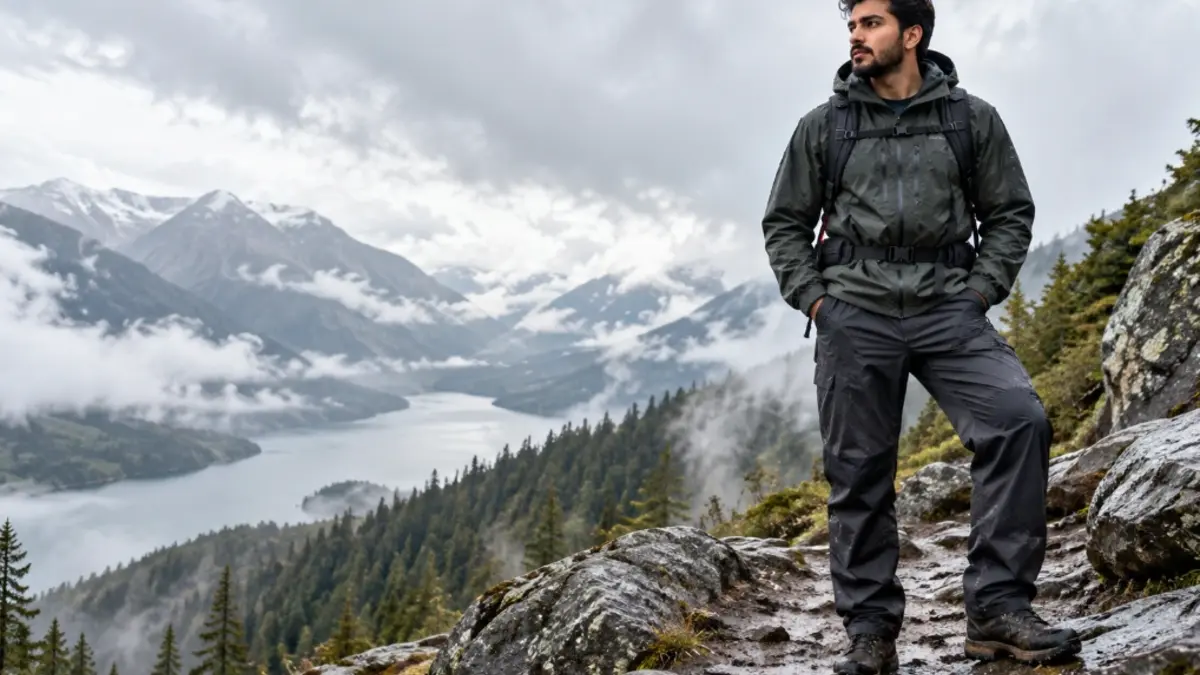
The rain starts halfway up the mountain. Your jacket is doing its job, but water is running down your legs, your trousers are getting heavier, and every step feels less comfortable. This is where the right hiking pants make a real difference.
The best waterproof hiking pants keep rain out without trapping so much heat that you end up soaked in sweat. For most hikers, the Rab Downpour Eco is a sensible value-focused option, while the Arc’teryx Beta Pant is worth considering for demanding mountain conditions. Lightweight options make more sense if you mainly need emergency protection in your backpack.
The 7 Best Waterproof Hiking Pants
| Pants | Best For | Main Advantage |
| Arc’teryx Beta Pant | Serious mountain hiking | Premium weather protection |
| Rab Downpour Eco | Best value | Packable protection |
| Outdoor Research Foray 3L | Heavy rain and ventilation | Full-length side zips on applicable versions |
| Montane Minimus | Lightweight hiking | Low-bulk design |
| Berghaus Deluge 2.0 | Budget-conscious hikers | Practical rain protection |
| Fjällräven Bergtagen Eco-Shell | Rugged outdoor use | Durable construction |
| Páramo Cascada II | Extended wet-weather walking | Soft fabric and ventilation-focused design |
Availability, specifications, and product versions vary by market. These are recommendations based on product positioning and published information, not a claim of hands-on testing.
1. Arc’teryx Beta Pant Best Premium Option
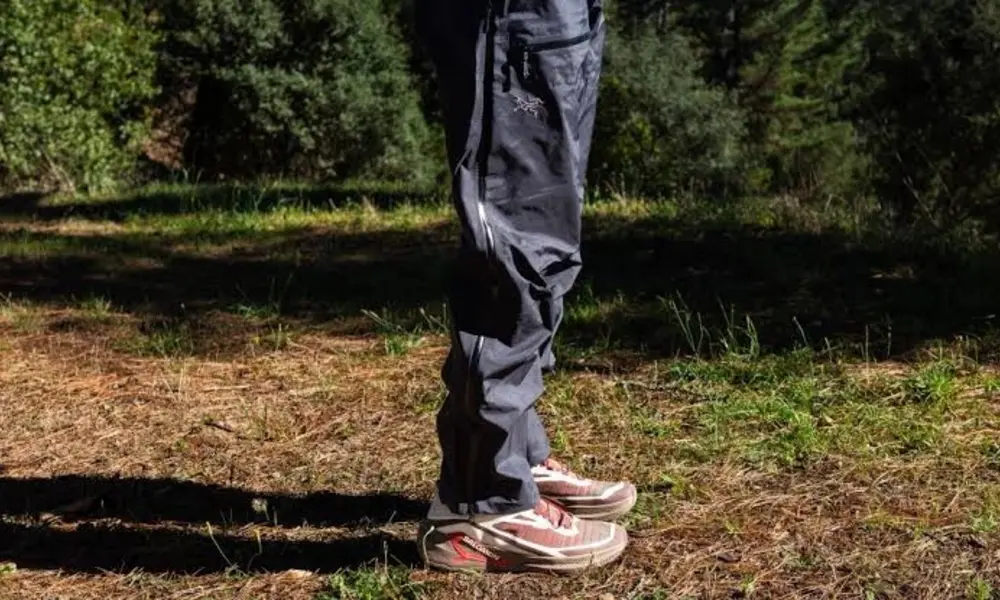
When the weather is severe and the route is exposed, dependable protection matters more than saving a few grams. The Arc’teryx Beta Pant is designed for demanding outdoor use, with technical waterproof construction and a cut intended to support movement on challenging terrain.
Its main appeal is durability and protection rather than price. It is a substantial investment for someone who hikes regularly in wet mountain conditions, but difficult to justify if you only walk on occasional rainy weekends.
Choose it if: You hike frequently in exposed, unpredictable conditions and want premium technical gear.
2. Rab Downpour Eco Best Value for Most Hikers
A good waterproof layer should be easy to carry, quick to put on, and practical enough that you actually bring it along. The Rab Downpour Eco is designed around that balance, making it a strong option for regular hillwalking and general wet-weather trips.
Its packable construction is especially useful when the forecast looks uncertain. You can keep it in your backpack rather than wearing waterproof trousers throughout a warm, dry climb.
Choose it if: You want practical rain protection without immediately moving into premium mountain-shell pricing.
3. Outdoor Research Foray 3L Best for Ventilation
Waterproof fabric can keep rain out while also making it harder for body heat and sweat to escape. During a steep ascent, that trapped moisture can become almost as uncomfortable as the rain itself.
The Outdoor Research Foray 3L range is worth considering for its ventilation-focused design, including full-length side zips on applicable versions. These can also make the trousers easier to pull over hiking boots when the weather changes suddenly.
Choose it if: You hike in sustained rain and value ventilation and convenient changes over complicated terrain.
4. Montane Minimus Best Lightweight Option
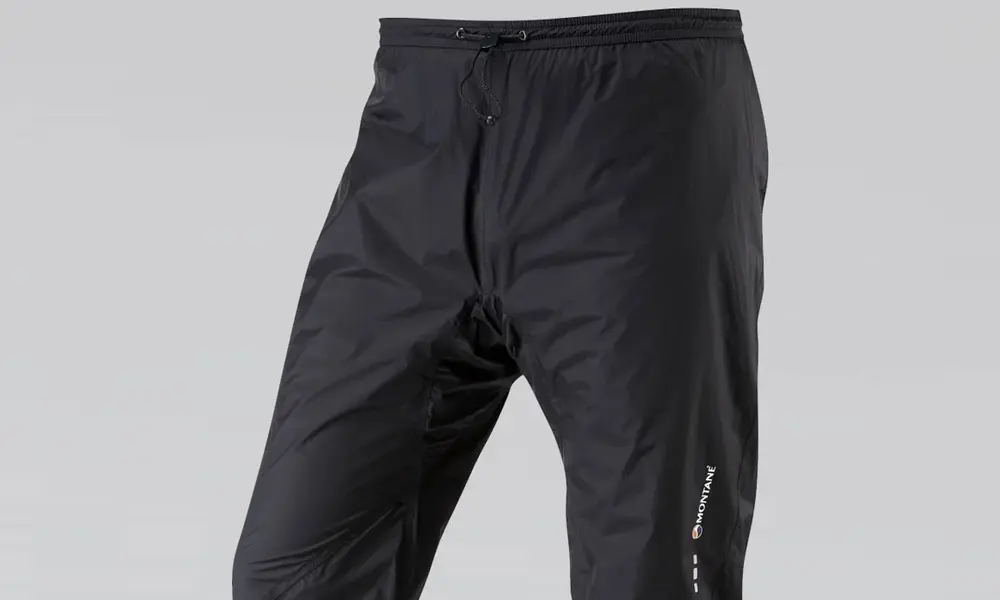
For fast hikes and long-distance routes, every extra item in a backpack deserves consideration. The Montane Minimus range focuses on lightweight, packable outdoor protection, making it appealing when you want waterproof trousers available without carrying a bulky layer.
Lightweight fabrics generally require more care around sharp rocks, rough vegetation, and abrasive surfaces than heavily reinforced mountain trousers.
Choose it if: Low weight and packability matter more than maximum abrasion resistance.
5. Berghaus Deluge 2.0 Best Budget-Friendly Choice
Not every hiker needs expensive technical equipment. The Berghaus Deluge 2.0 is a practical option to investigate if you want straightforward waterproof overtrousers for walking, day hikes, and unpredictable weather.
Before buying, check the exact version’s waterproof construction, side-zip length, fit, and packed size. These details can matter more in everyday use than a long list of technical features. For additional advice on choosing practical outdoor equipment explore these hiking gear essentials.
Choose it if: You want functional wet-weather protection without paying for features you may rarely use.
6. Fjällräven Bergtagen Eco-Shell Best for Rugged Use
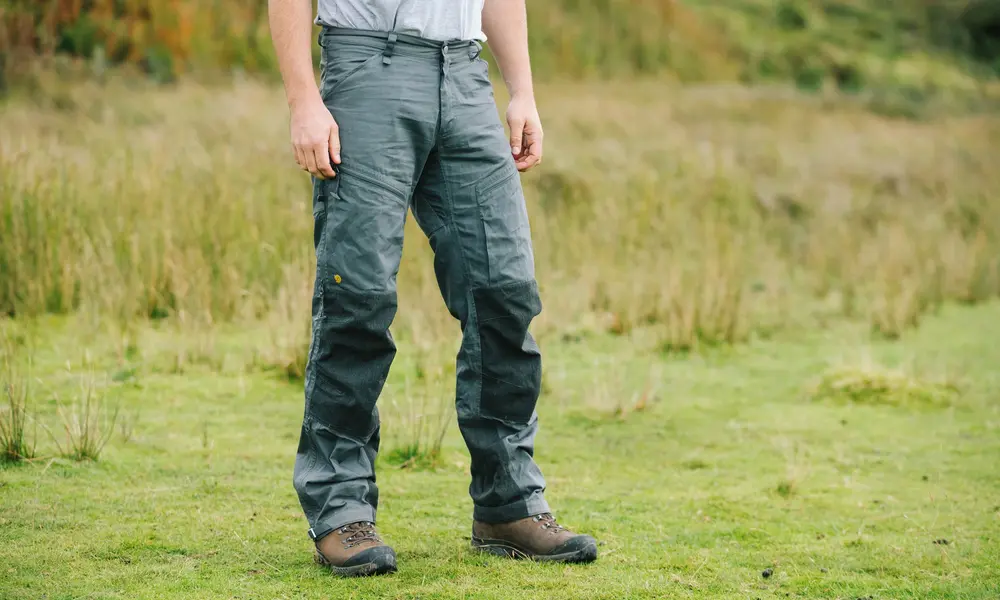
Rough mountain routes can expose clothing to rock, brush, and repeated friction. The Fjällräven Bergtagen Eco-Shell range is positioned toward demanding outdoor use, making it worth considering for hikers who prioritize robust construction and freedom of movement.
The trade-off is that technical, durable clothing can cost more and may feel less lightweight than simple emergency rain trousers.
Choose it if: Your hikes involve rough terrain and your clothing needs to handle more than occasional showers.
7. Páramo Cascada II Best for Extended Wet-Weather Walking
Some hikers spend hours outdoors in cool, damp conditions rather than moving quickly through short showers. The Páramo Cascada II is designed with a different approach to weather protection, emphasizing comfort and moisture management.
Its fabric system differs from conventional waterproof membrane trousers, so it is worth understanding the care instructions and performance characteristics before choosing it.
Choose it if: You prioritize comfort and ventilation during long days in damp weather.
What to Look for Before Buying Waterproof Hiking Pants
Waterproof versus water-resistant
These terms are not interchangeable. Water-resistant trousers can shed light rain but may eventually wet through. For prolonged rainfall, look for a waterproof membrane or laminate, sealed seams, and a construction designed for sustained exposure.
A durable water-repellent (DWR) finish helps water bead on the outer fabric, but it is not a substitute for waterproof construction.
Breathability and ventilation
Waterproofing alone does not guarantee comfort. During hard climbs, sweat can accumulate inside the trousers. Breathable fabric, side zips, and adjustable openings can help manage heat, although no waterproof garment eliminates moisture buildup entirely.
Full-length side zips
These are particularly useful when rain arrives unexpectedly. You may be able to pull the trousers over your hiking boots without removing your footwear. Check whether the zips extend far enough for your boots and whether the design includes storm protection.
Fit over hiking layers
Try the trousers over the clothing you expect to wear on the trail. The legs should allow comfortable strides, high steps, and squatting without pulling tightly at the knees or crotch. Adjustable cuffs can also help reduce contact with wet ground.
Weight and durability
For occasional showers, lightweight packable trousers are convenient. For frequent mountain hiking, rough terrain, and prolonged exposure, stronger fabric and reinforced areas may be worth the extra weight.
If you’re planning a longer outdoor trip, pair your clothing choices with sensible luxury travel planning and think about how your clothing layers will work together. For a broader perspective on choosing more responsibly made clothing, see Pravi Celer’s guide to sustainable fashion trends.
Waterproof Hiking Pants vs. Softshell Hiking Pants
| Feature | Waterproof Overtrousers | Softshell Hiking Pants |
| Heavy rain | Better suited | May wet through |
| Breathability | Varies by fabric and design | Often better |
| Wind protection | Usually strong | Depends on construction |
| Everyday comfort | Can feel clammy in warm weather | Often more flexible |
| Best use | Rain, exposed routes, wet conditions | Dry trails, active movement, cool weather |
For many hikers, the most practical solution is to wear comfortable hiking trousers and carry waterproof overtrousers for when the weather turns. This gives you more flexibility than wearing a waterproof shell throughout every hike.
Frequently Asked Questions
What are the best waterproof hiking pants overall?
The Arc’teryx Beta Pant is a premium option for demanding mountain use. The Rab Downpour Eco is a strong alternative for hikers who want a balance of packability, protection, and cost.
Are waterproof hiking pants worth it?
Yes, if you regularly hike in sustained rain, exposed terrain, or cold, wet weather. For occasional drizzle, water-resistant quick-drying trousers may be sufficient.
Should waterproof hiking pants be tight or loose?
They should allow a full range of movement and fit comfortably over your usual hiking layers. Avoid a fit so tight that it restricts steps or puts tension on the seams.
Can I wear waterproof hiking pants in summer?
Yes, but ventilation becomes especially important. Lightweight designs with effective openings are generally more comfortable than heavy, poorly ventilated shells during warm-weather climbs.
How do I maintain waterproof hiking pants?
Follow the manufacturer’s washing instructions. Dirt and body oils can affect performance, and the outer water-repellent finish may need refreshing with a compatible treatment. Avoid assuming that a DWR treatment alone restores a damaged waterproof membrane or failed seams.
The Bottom Line
The right pair depends on the weather you hike in and how hard you push on the trail. Choose the Rab Downpour Eco for a practical balance, the Arc’teryx Beta Pant for premium mountain protection, or the Montane Minimus if carrying less weight is your priority.
Most importantly, choose trousers that balance waterproof construction, ventilation, fit, and durability for your actual routes. Staying dry is useful; staying comfortable enough to enjoy the hike is the real goal.
Disclaimer: This article is intended for informational purposes only.