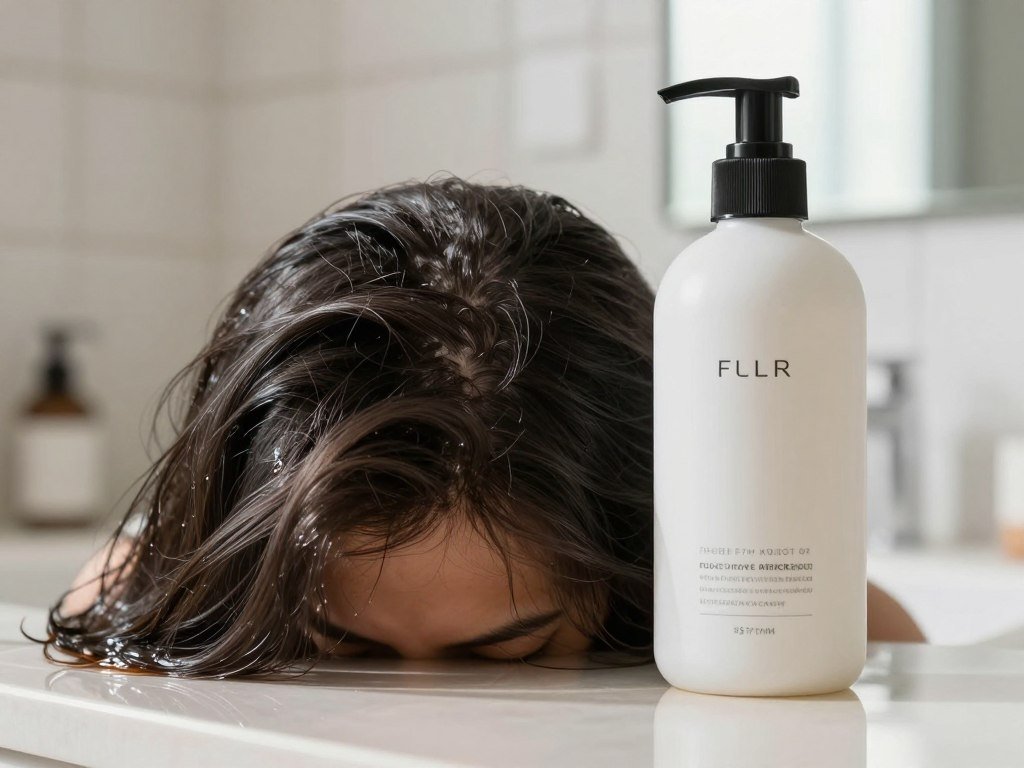
A scalp that looks slick again soon after washing may need a better-matched routine, not a harsher scrub. The best shampoo for greasy hair should clean oil and residue at the scalp without leaving your lengths stripped. Sebum is the natural oil produced by glands in the scalp. It helps protect your skin, but too much visible oil can make roots look flat and feel coated. Your scalp’s needs and your hair type both affect which formula feels right. A product that suits an oily scalp may feel too drying on fragile or dry ends. This roundup offers options for common concerns, plus ways to adjust your routine as your hair responds. The most useful starting point is a formula matched to the scalp concern and the lengths’ tolerance.
Key Takeaways
- Choose shampoo for the scalp, then protect the lengths from excess dryness.
- A balancing shampoo is for regular cleansing; a clarifying shampoo targets heavier residue.
- Fine hair may show oil sooner than thicker hair.
- Dry shampoo absorbs oil for a while but does not cleanse the scalp.
- Persistent itch or scale may need care beyond ordinary oil control.
Best Shampoo for Greasy Hair by Hair and Scalp Need
For an everyday budget cleanser, start with Garnier Fructis Pure Clean, then choose a different category if you need targeted support for fine hair, buildup, dry ends, or an in-between-wash refresh. One product cannot suit every scalp, so match the type to your main concern. The best shampoo for greasy hair should clean your roots without leaving your lengths uncomfortable.
Use a regular shampoo for routine oil and save a clarifier for heavier residue. The table gives a starting point, not a promise that every formula will suit every person.

| Product | Best fit | Type of product | Distinguishing formula detail |
|---|---|---|---|
| Garnier Fructis Pure Clean Shampoo | Budget starting point | Shampoo | Salicylic acid and niacinamide |
| Crown Affair The Volumizing Shampoo | Fine hair and oily scalps | Shampoo | Coconut-based surfactants and rice protein |
| Ouai Detox Shampoo | Heavier residue | Clarifying shampoo | Apple cider vinegar |
| Briogeo Superfoods Mango + Cherry Balancing Conditioner | Light conditioning | Conditioner | Lightweight and silicone-free |
| Batiste Original Dry Shampoo | Oil absorption between washes | Dry shampoo | Dark brown and blonde formulas |
Dry shampoo and conditioner support your routine, but neither replaces a shampoo that cleans the scalp.
Choose a cleanser for the roots, then add support only where your hair needs it. A lighter conditioner can help dry ends without adding much weight near the scalp. Dry shampoo offers a short-term refresh when you cannot wash.
Which shampoo picks fit different oily-hair routines?
A budget-friendly everyday option is a sensible first trial for many oily scalps, while fine hair or stubborn residue may call for a more targeted formula. Start with your main concern, then watch how your scalp and lengths respond. A shampoo oily hair needs should clean the roots without making the rest feel rough.
Personal responses to ingredients vary, even when a formula is made for oily hair. Try one new product at a time so you can spot what helps.
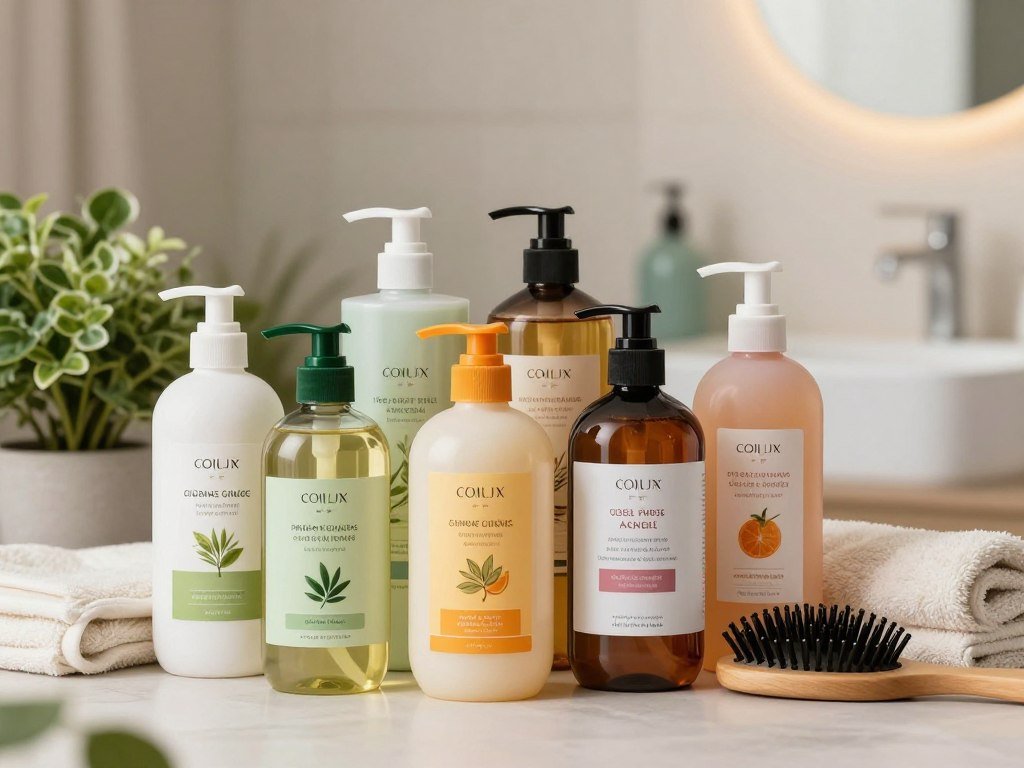
Garnier Fructis Pure Clean for a budget starting point
Garnier Fructis Pure Clean Shampoo is a practical first pick if you want an everyday cleanser at a lower price. Its listed active ingredients include salicylic acid and niacinamide. Dermatologist Hadley King says salicylic acid exfoliates the scalp and removes buildup, while niacinamide supports scalp health.
Those ingredients have different roles. Salicylic acid helps loosen residue on the scalp, while niacinamide is included to support scalp health. A formula with both may suit someone looking for a cleanser that addresses oil and residue, though your lengths may need extra care.
Crown Affair The Volumizing Shampoo for fine hair
Crown Affair The Volumizing Shampoo is aimed at fine hair and oily scalps. Coconut-based surfactants cleanse, while rice protein is a key formula component. Fine hair can lose lift when oil or rich products sit near the roots, so a lighter-feeling wash may fit better.
Fine hair does not always need a strong cleanser. A formula that leaves the scalp clean without weighing down the roots may be a better match. Pay attention to how your hair feels after drying, not just how it feels while wet.
Ouai Detox Shampoo for occasional clarifying
Ouai Detox Shampoo is a clarifying shampoo for heavier product buildup or oil residue. Apple cider vinegar is a key ingredient, and the brand recommends using it 1-2 times a week. That schedule is brand guidance, not a rule for every scalp.
Use a clarifier when your regular wash no longer leaves roots feeling clean. A stronger cleanse may feel different from an everyday balancing shampoo, especially on dry or fragile lengths. If your hair feels stripped, use it less often or choose a gentler formula.
Nutrire S.3 Balance Shampoo for a sulfate- and paraben-free option
Nutrire S.3 Balance Shampoo is a sulfate- and paraben-free option with niacinamide and lactic acid. Lactic acid is an alpha-hydroxy acid, a group of acids used to gently exfoliate the scalp. This makes the formula distinct from one marketed mainly around salicylic acid.
The combination may appeal if you want a non-sulfate cleanser with ingredients aimed at scalp care. It is still a shampoo, not a treatment for every scalp concern. Check how your roots and lengths feel after use instead of assuming that a particular label guarantees a gentle result.
Paul Mitchell Tea Tree Special Shampoo for a cooling wash
Paul Mitchell Tea Tree Special Shampoo offers a cooling feel, which some people enjoy during a wash. Tea tree oil appears in oily-hair formulas, and tea tree, niacinamide, and salt were among ingredients found in three preferred shampoos by one greasy-hair tester.
A cooling sensation is a personal preference, not proof of better cleansing. If the feel irritates your scalp, choose another formula. Ingredient lists and individual responses differ, so one person’s favorite shampoo oily hair may not suit your own routine.
Try one new shampoo at a time so you can tell whether it suits your scalp and lengths.
What causes hair to get greasy so quickly?
Genetics and hormonal changes can influence oil production, but a greasy-looking crown can also reflect products, sweat, or repeated touching. Several factors can overlap, so oil alone does not point to one clear cause. Sebum is a normal part of scalp skin, though excess visible oil can change how your hair looks.
Common influences include:
- Genetics or hormonal changes can affect how much oil glands produce.
- Stress may affect the body and can coincide with changes in oil production.
- Touching or brushing often can spread oil through the hair.
- Heavy hair products can leave roots looking coated.
- Humidity or sweating can make hair look greasy sooner.
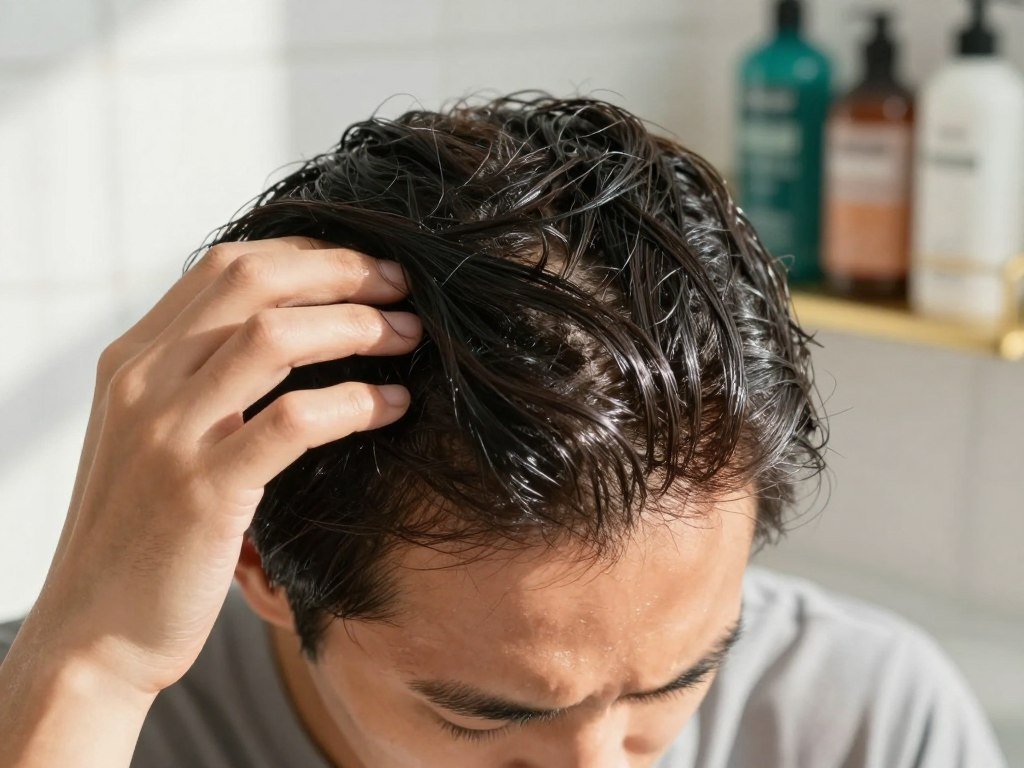
These factors can work together. A humid day, a workout, and rich styling products may all affect how fresh your roots look. Hair that appears oily does not always mean your scalp produces unusually high amounts of oil.
Scalp conditions are another possibility. Seborrheic dermatitis can make the scalp and hair oily and scaly. That pattern is different from oil alone, though only a clinician can assess the cause of ongoing symptoms.
If oiliness comes with persistent scale or irritation, consider a scalp condition rather than treating the issue as oil alone.
Which ingredients help oily roots without overdoing it?
Salicylic acid is a reasonable ingredient to consider when scalp residue is part of the problem, but it is not the best match for every length. A dermatologist-recommended shampoo for oily hair may target oil or a diagnosed scalp condition. The right ingredient depends on the problem you want to address.
Choose an ingredient for a clear concern, then judge the full formula by your response. An active ingredient may suit the scalp while feeling too drying on your ends.
| Ingredient | Main role | Suitable concern | Practical consideration |
|---|---|---|---|
| Salicylic acid | Exfoliates and removes buildup | Scalp residue | May feel drying on some lengths |
| Lactic acid | Gently exfoliates the scalp | Scalp buildup | Part of the alpha-hydroxy acid group |
| Tea tree oil | Appears in cleansing formulas | Oil-focused shampoo choice | Personal response can differ |
| Apple cider vinegar | Appears in clarifying formulas | Heavier residue | Some testers dislike the hair feel |
Exfoliating acids for oil and residue
Salicylic acid is an exfoliant that can remove scalp buildup. Alpha-hydroxy acids such as lactic acid can gently exfoliate the scalp and help keep follicles clear. These ingredients are not interchangeable, though both can appear in formulas for oily roots.
One greasy-hair tester found that salicylic-acid shampoos dried out their hair. That is an individual response, not a result everyone should expect. If your ends feel dry or brittle, a less frequent use or a different formula may feel better.
Tea tree oil and apple cider vinegar in cleansing formulas
Tea tree oil and apple cider vinegar both appear in shampoos made for oily hair. They are formula choices, not guarantees that a product will remove more oil. One tester found apple cider vinegar formulas felt waxy, showing how varied a product’s finish can be.
Some people compare shampoo ingredients with active cleansers used for other skin concerns. A salicylic acid body wash is a related example, though body products are not scalp shampoos. Suitability depends on the full formula and how your skin responds.
Choose an ingredient for the specific concern, then judge the formula by how your scalp and hair feel after use.
How often should you wash oily hair?
For many oily scalps, washing every 1-2 days is a practical starting rhythm. Let your scalp guide the schedule, rather than sticking to a rule that leaves roots uncomfortable. People with oily scalps may need more frequent shampooing than people with less oily scalps.
Every 1-2 days is a starting point, not a fixed requirement. Frequent sweating or regular styling-product use may make the shorter end feel more comfortable.
Lengths matter, too. If the scalp feels oily but your ends become dry, choose a balancing shampoo and keep richer care on the lower lengths. A comfortable routine should clean the roots without leaving your hair feeling rough.
Reducing washes does not train your scalp to produce less oil. Oil production is not controlled by waiting longer between washes. You can adjust your timing based on sweat, residue, and how your scalp feels.
Keep the schedule that leaves the scalp comfortable and the lengths manageable, rather than forcing a fixed wash-day rule.
How should you shampoo oily roots?
A careful scalp massage does more for oily roots than rough scrubbing along the hair lengths. Focus the cleanser where oil collects, then rinse away residue. Shampoo should reach the scalp, while the lengths need less direct friction.
Use your fingertips or a scalp massager, not your nails or forceful scrubbing. A gentle wash can clean the roots without roughing up the hair.
- Wet the scalp and roots well before adding shampoo.
- Work shampoo into the scalp with your fingertips or a scalp massager.
- Rinse thoroughly so cleanser and loosened oil wash away.
- Keep conditioner off the roots and apply it to the ends.
Move your fingertips across the scalp instead of dragging them down the hair. A scalp massager can help distribute shampoo, but it should not scrape or press hard. Rough scrubbing is not needed to gently exfoliate or clean oily roots.
Rinse until no product feels left at the roots, since leftover residue can leave hair limp.
Which routine works for fine, thick, or teenage oily hair?
Fine hair often shows oil sooner, so a lightweight shampoo worked into the scalp is a better starting point than adding richer products. Texture changes how oil looks, even when scalp oil production is similar. Fine strands have less surface area and cuticle layer to absorb oil.
Teenagers can have very oily hair because hormones affect scalp oil glands. Oil production tends to decrease with age, so needs may change over time.
| Hair type or life stage | Shampoo approach | Conditioner placement |
|---|---|---|
| Fine hair | Lightweight shampoo focused on the scalp | Use sparingly on ends if needed |
| Medium-to-thick hair | Clean the scalp; shampoo twice if needed | Apply from midshaft down |
| Curly hair | Choose a formula gentle enough for the lengths | Focus on dry areas, not the scalp |
Fine hair and teenagers
For the best shampoo for oily, thin hair, start with a light formula that cleans the scalp without leaving the roots flat. Fine strands can show oil sooner because they have less surface area and cuticle layer to absorb it. This can also suit someone seeking the best shampoo for oily thin hair for women.
Teenage oiliness may be tied to hormonal changes, and it often shifts with age. Miguel Luis, a hairstylist, recommends shampooing twice and skipping conditioner for fine hair. You can adjust that approach if your ends feel dry or rough.
Medium-to-thick and curly hair
Medium-to-thick hair may need more conditioning through the lengths, especially if they feel dry. Luis recommends applying conditioner from the midshaft down. Curly hair can also need moisture in its lengths, so choose a wash that feels gentle enough for your texture.
The best shampoo for oily teenage hair is still one that cleans the scalp without making the lengths uncomfortable. A light routine can help, but age and texture shape what feels manageable.
Keep the formula light at the roots, then adjust conditioning to the texture and dryness of the lengths.
What is the best conditioner for oily hair?
The best conditioner for oily hair is usually a lightweight formula applied to the lengths, not the scalp. Keep the roots clear of rich product while giving dry ends some slip. An oil-free conditioner is a useful starting choice for oily hair.
Apply conditioner mainly to the mid-lengths and ends. Briogeo Superfoods Mango + Cherry Balancing Conditioner is one example of a lightweight, silicone-free option.
Conditioner can also go on before shampoo in a reverse-wash routine. This is an option for oily roots with dry ends, not a required step. It may suit someone who wants to condition the lengths while keeping the final wash focused on the scalp.
Choose by how your hair feels after drying, not only by the label. If the ends still feel dry, you may need more conditioning there. If your roots lose lift soon after washing, use less near the top.
Rinse thoroughly if roots look limp or greasy soon after conditioning.
When should you use a clarifying shampoo instead of a balancing shampoo?
A balancing shampoo is the more comfortable starting point for everyday oil, while a clarifier is for residue that a regular wash is not clearing. Use the stronger cleanse for a reason, such as hair that feels coated after washing. Medicated dandruff shampoos have a different purpose.
Choose a clarifying shampoo when product buildup or oil residue weighs down your roots. A balancing shampoo is intended for regular cleansing.
| Formula type | Main job | Useful situation | Use consideration |
|---|---|---|---|
| Balancing shampoo | Regular cleansing | Routine oil at the scalp | Fits ongoing use |
| Clarifying shampoo | Remove heavier residue | Hair feels coated or heavy | Use for buildup, not the label |
| Medicated dandruff shampoo | Target dandruff concerns | Persistent flakes or itch | Choose for the scalp concern |
Balancing shampoo for routine cleansing
A balancing shampoo cleans oil and residue during a regular wash. It suits roots that get oily without feeling coated after cleansing. A comfortable formula should leave your scalp clean without making it feel tight or irritated.
For more on choosing a cleanser by scalp and hair needs, see what to check in shampoo and conditioner. The same rule applies here: shampoo is for the scalp, while conditioner is for the lengths.
Clarifying shampoo for heavier buildup
A clarifying shampoo targets more stubborn residue from styling products, sweat, and hard-to-rinse buildup. Ouai Detox Shampoo is one option with apple cider vinegar; the brand recommends using it 1-2 times a week. That direction is specific to the product.
A clarifier may help when your usual cleanser no longer leaves hair feeling clean. It can remove residue that a balancing shampoo leaves behind, including buildup from styling products or hard water. Follow with conditioning if the lengths feel dry.
Use a clarifier when hair feels coated, not simply because a shampoo is labeled “detox.”
Can dry shampoo help oily hair between washes?
Dry shampoo is a short-term way to absorb oil at the roots, not a cleanser for the scalp. Use it between washes when you need a temporary refresh. Repeated use without washing can leave buildup on the scalp.
Rodan + Fields REFRESH+ Dry Shampoo directions call for spraying dry roots from 6-10 inches away. The 218 mL / 6 oz fine-mist formula contains rice starch and chamomile extract.
- Shake the product well.
- Spray on dry roots from 6-10 inches, or 15-25 cm, away.
- Wait 30 seconds.
- Massage into the roots and brush through.
In a two-week U.S. clinical and consumer study, 100% had hair that appeared less oily. Also, 91% noticed no visible residue, and 91% felt a more soothed scalp.
Instrumental analysis after one use found a volume increase of over 230%. Those study results describe the tested product and conditions, not a result every person will get.
Wash away dry-shampoo residue with regular shampoo instead of layering it day after day.
Can a scalp scrub help with oily buildup?
A scalp scrub may help loosen residue when roots feel coated, but it is not necessary for everyone with oily hair. It is an occasional option, not a daily step. A regular shampoo remains the main cleanser for oil and product.
Texture and scalp sensitivity matter when choosing a physical scrub. A rough feel may not suit an easily irritated scalp.
Christophe Robin Scalp Scrub contains sea salt crystals and is listed at $54. The brand recommends using it twice a week, and the scrub comes in a travel-size jar. A salt scrub may appeal if you prefer a textured product, but the feel matters.
A Living Proof Scalp Care Exfoliator staff reviewer uses a scalp scrub in place of shampoo once a week. That is one person’s routine, not a requirement for everyone. Use a scrub only if it feels comfortable on your scalp.
A scrub and a clarifying shampoo work in different ways. A physical exfoliator relies on texture, while a clarifier uses a cleansing formula to remove residue. Either can feel too much if your scalp is sensitive.
Stop using an exfoliator if it leaves the scalp irritated or uncomfortable.
How can you keep roots fresh without weighing them down?
Heavy leave-ins near the roots can make hair look oily even when the scalp has just been washed. Keep richer care lower on the hair to preserve lift near the scalp. Small product and habit changes may help without a stronger cleanser.
Check where products land before adding another wash step. Oils, leave-ins, and styling creams can weigh down roots when applied too close to the scalp.
Keep rich products away from the scalp
- Keep oils and leave-in products off the roots.
- Use less rich styling cream near the scalp.
Apply products in small amounts and place them where your hair needs support. If you use heat tools, choose settings that suit your hair’s condition and use heat protectant as directed. A straightener suited to your hair type can also help avoid repeated passes.
Adjust for sweat and everyday habits
- Avoid repeatedly touching or brushing the roots.
- Account for sweat and humid conditions when setting your routine.
Roots can look different after exercise or a humid commute than they do on a cool, quiet day. Set your routine around those real conditions rather than adding stronger products by default.
Apply oil or leave-in care from the mid-lengths down, where it can help without flattening the roots.
When do oily roots and flakes need a different shampoo?
Oily roots with persistent scale or itch may need a dandruff-focused shampoo rather than a stronger everyday cleanser. Flakes change the question, especially when irritation continues. Seborrheic dermatitis can cause an oily, scaly scalp and hair.
Persistent greasy scale, itch, or irritation may point to a scalp condition. Those signs do not confirm a diagnosis, so choose care based on symptoms and clinical advice.
Dandruff shampoos may contain ketoconazole, zinc pyrithione, selenium sulfide, salicylic acid, or coal tar. Ketoconazole is an antifungal. Salicylic acid exfoliates and removes buildup, while the other listed ingredients serve different roles in dandruff-focused formulas.
A shampoo meant for ordinary oil may not address ongoing flakes or itch. Avoid treating a persistent problem as simple oil buildup, especially if the scalp feels sore or symptoms spread. A clinician can help assess the cause and suitable care.
If symptoms worsen, change your routine cautiously rather than adding several active products at once. New irritation can make it harder to tell which product is helping or causing discomfort.
Seek medical advice if flaking or irritation continues despite a careful routine.
How can you hide greasy roots when you cannot wash?
For a quick refresh without a shower, dry shampoo at the roots is the most direct option, while a changed part or tied-back style can disguise flatness. These fixes change the look, not the scalp’s cleanliness. Dry shampoo absorbs oil at the roots rather than cleansing the scalp.
Five temporary options can help you manage flat roots:
- Apply dry shampoo at the roots to absorb some oil.
- Brush through once the product has been worked in.
- Change your part to shift attention from flat roots.
- Choose a sleek ponytail or bun to hold hair back.
- Use a headband if it suits your style.
Batiste Original Dry Shampoo comes in dark brown and blonde formulas, which can better match some hair colors. Tinted products may help reduce visible powder, but they cannot promise a freshly washed look.
A tied-back style can make oily roots less noticeable when there is no time to wash. Pick a look that feels comfortable and does not depend on adding heavy products near the scalp.
Treat a quick styling fix as temporary and cleanse the scalp when you can.
How do drugstore and salon shampoos compare?
A drugstore shampoo is a sensible starting point for routine oil, while a salon formula is worth considering when its specific features fit your hair. Compare the formula, not the label, and consider what your scalp needs. Price alone cannot show how a shampoo will work for you.
A drugstore cleanser can be a good first pick for everyday oil. A salon option may be worth comparing when a specific texture or concern calls for a targeted formula.
Garnier Fructis Pure Clean Shampoo has a $5.99 suggested retail price. Paul Mitchell Tea Tree Special Shampoo is listed at $20, and its color-safe version at $25. Nutrire S.3 Balance Shampoo is listed at $36.
Those are examples of individual products, not fixed prices for all drugstore or salon shampoos. A higher price does not prove that a formula will suit your scalp. Your hair’s response matters more than the store category.
Shampoo testing can look beyond the ingredient list. Glamour testers used products for 2 to 4 weeks and at least 2 to 3 times per week. Testers also considered ingredients and efficacy, packaging, fragrance, texture, and results.
That broader view matters because a formula can smell pleasant but leave roots coated, or cleanse well but feel too drying. How it performs through repeated use can tell you more than the label alone.
Price or salon positioning does not establish that a shampoo will work for an individual.
Compare the ingredient list and how your scalp responds before paying more for a product’s positioning.
Conclusion
The best starting routine is the one that cleans the scalp without making the lengths feel stripped. Keep the focus at the roots, where oil gathers, and use lighter care on the ends. A formula that fits your concern is more useful than a stronger wash chosen by habit.
Choose one suitable shampoo and test it consistently. Give your scalp time to show whether the cleanser feels comfortable and leaves your hair manageable.
Keep conditioner on the ends, then notice how your roots and lengths feel after a few washes. Choose one suitable shampoo, keep the conditioner on the ends, and note how your roots and lengths feel after a few washes.
FAQ
What is the best shampoo for extremely greasy hair?
How do I stop my hair from being greasy?
Why is my hair greasy after 1 day?
What vitamin deficiency causes greasy hair?
How to make your hair not look greasy in 5 minutes?
What can I put on my hair so it won’t look greasy?
What can I do if my hair is greasy but I can’t shower?