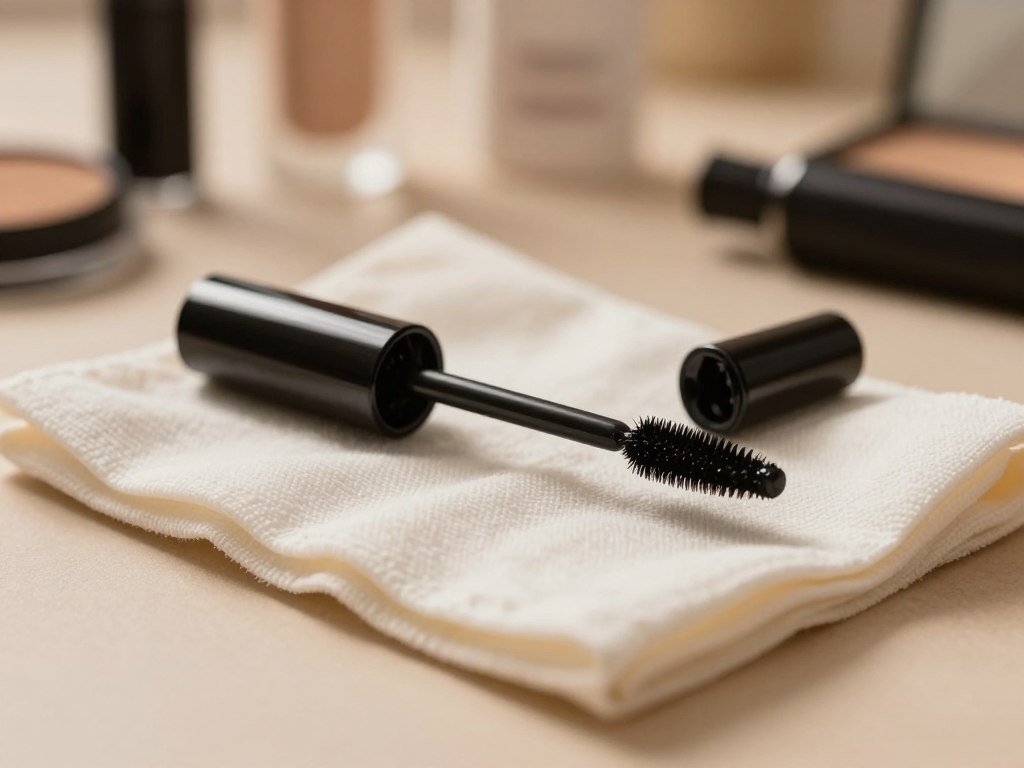
If mascara smudges under your eyes or takes too much effort to remove at night, a tubing formula may be worth a try. Many people value these formulas for staying put through the day and coming off more easily with warm water. The right choice still depends on the lash effect you want and how you like to apply makeup.
Some formulas focus on length, while others aim for more volume or a softer, everyday look. Brush shape, shade, and the number of application steps can also change how well a mascara fits your routine. This guide compares options by their main strengths, so you can narrow your choice without relying on a single overall winner.
Key Takeaways
- Choose by lash effect first: length, volume, or natural definition.
- Caliray is the everyday pick in this selection.
- Thrive stands out for length and color choice.
- e.l.f. Lash XTNDR and L’Oréal Double Extend are drugstore options under $12.
- A two-step mascara may take more time than a one-step formula.
- The right pick matches your preferred lash effect and the effort you want at application and cleanup.
What Makes Tubing Mascara Different?
Tubing mascara coats each lash in a polymer sheath, rather than relying on fibers that cling to lashes. A polymer sheath is a thin coating of polymer that wraps around an individual lash. That coating forms a small tube around each lash.
These formulas can suit people who dislike smudges but want a gentler removal method. Their behavior comes from how the coating grips each lash, not simply from a water-resistant label.
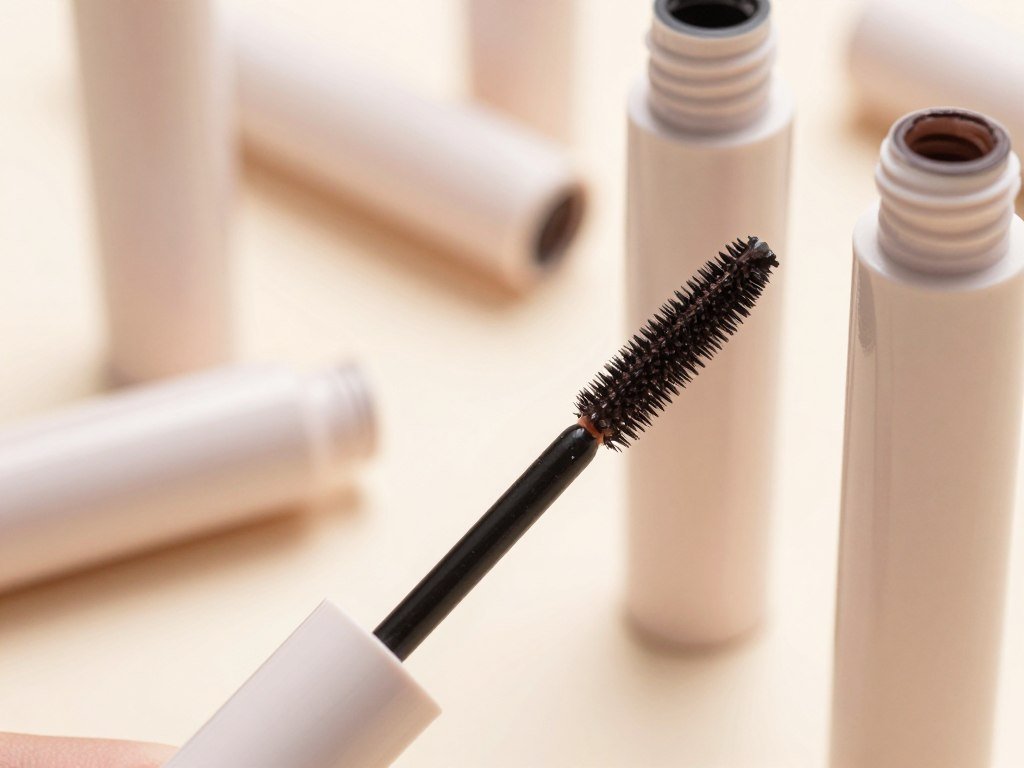
How a polymer tube differs from a fiber coating
Tubing mascara uses polymers to form tubes around lashes. Cosmetic chemist Kelly Dobos says those polymers adhere until gentle pressure removes them. The result is a coating built around each lash, rather than loose material sitting on top.
Fiber mascara uses small fibers, such as nylon or rayon, that cling to lashes. Those fibers can help add length, while a tubing formula forms a polymer tube. Traditional mascara is a broad comparison category, and formulas can vary in their ingredients and finish.
A broader makeup roundup also explains how film-forming ingredients can create sleeves around lashes. Its slim-brush example shows how brush shape can matter when you want to reach individual lashes.
Why the removal method feels different
The tubes can slide off with warm water and gentle pressure. They come away as small pieces instead of dissolving like makeup that needs a cleanser or remover.
The defining difference is the polymer tube, not simply a claim that a formula resists water.
Waterproof mascara may take more force to remove. That difference matters if you want to avoid a long cleanup routine around delicate eyes.
| Formula | What adheres to lashes | Typical removal |
|---|---|---|
| Tubing mascara | Polymer tubes | Warm water and gentle pressure |
| Fiber mascara | Small nylon or rayon fibers | Makeup remover or cleanser |
| Waterproof mascara | Water-resistant formula | May need more force |
How Should You Choose a Tubing Mascara?
Start with the result you want, since a length-focused formula and a volume-focused formula do different jobs. Match the formula and brush to your lash goal, not just the product name.
Silica microspheres can help create the look of fuller lashes and support smooth application, cosmetic chemist Kelly Dobos says. Tiny rayon fibers can add length. These ingredients point toward an intended effect, but they do not guarantee the same result on every lash.
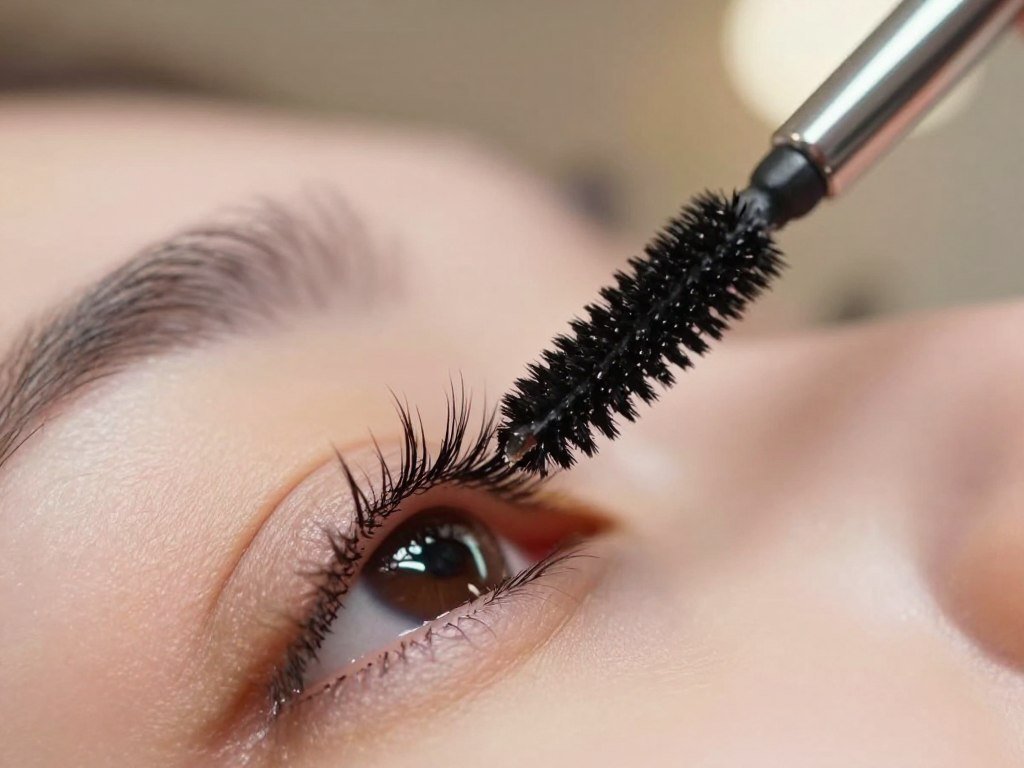
Match the formula to your lash goals
Use this quick checklist to compare formulas before choosing a shade or brush:
- Desired length or volume: decide which effect matters more.
- Preferred shade: choose a color that suits your usual makeup.
- Brush shape: consider how much separation and control you want.
- Easy application: choose a formula that feels manageable to apply.
A thicker brush may suit someone seeking more visible volume, while a thin brush offers precise control. If you wear mascara on your lower lashes, brush size can matter even more.
Where Tarte and Milani tubing mascaras fit
Tarte tubing mascara and Milani tubing mascara are among Ulta’s listed options. The picks include Tarte Tartelette Tubing Mascara and Milani Highly Rated Lash Extensions Tubing Mascara. Ulta also lists Too Faced Ribbon Wrapped Lash Extreme Length Tubing Mascara.
Those product names help you compare the available choices, but a name alone cannot tell you how a brush will feel in your hand. Look at the brush shape and shade range when you want more control over the final effect.
Makeup artist Kat Dorn says a thinner, comb-like brush separates lashes, helps prevent clumps, and works well on bottom lashes. Control over bulk can make everyday application easier, especially near the inner corners.
A thin, comb-like brush is a practical choice when separation and lower-lash application matter more than a fuller brush’s volume potential.
Best Tubing Mascaras for Different Lash Goals
For an easy everyday effect, Caliray is the clearest fit in this selection, while Thrive stands out for length and pigment. The best tubing mascaras depend on the effect you want, not a single ranking.
In 2026, Wardrobe Oxygen’s nine recommended tubing mascaras include Caliray Come Hell or High Water, MILK Kush High Roll, Alleyoop Go The Distance, Thrive Causemetics Liquid Lash Extensions, e.l.f. Lash XTNDR, MERIT Clean Lash, L’Oréal Double Extend, Kulfi Badi Lash, and Sarah Creal Back of the Cab.
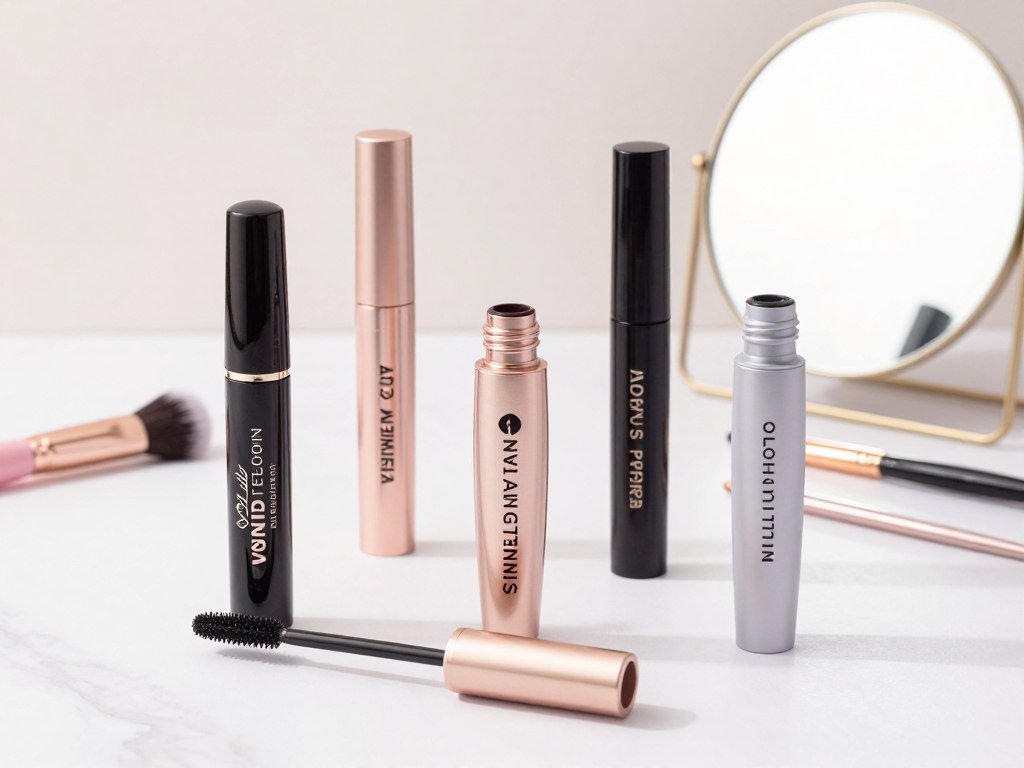
For the best tubing mascara in 2026, this selection points to Caliray for everyday wear and Thrive for length and pigment. The best tubing mascaras for drugstore budgets here are e.l.f. Lash XTNDR and L’Oréal Double Extend.
| Pick | Best fit | Why it stands out |
|---|---|---|
| e.l.f. Lash XTNDR | Affordable length | Lower-cost way to try tubing mascara |
| L’Oréal Double Extend | Length | Length-focused drugstore option |
| Thrive Causemetics Liquid Lash Extensions | Length and pigment | Length-focused pick with rich pigment |
| Caliray Come Hell or High Water | Everyday wear | Made for a daily lash look |
| Kulfi Badi Lash | Dramatic definition | Defined lashes without clumping |
Each pick solves a different makeup problem. e.l.f. offers an affordable way to try the type and provides length, while L’Oréal Double Extend also focuses on length.
Thrive pairs a length-focused effect with rich pigment. Caliray suits a simpler everyday look, and Kulfi aims for more drama with clear definition.
Start with your main goal if the number of options feels like too much. A length-first buyer may prefer a different formula from someone who wants a softer daily effect.
Use the table to narrow the field by the lash effect you actually want, not by a product’s popularity alone.
Which Drugstore Tubing Mascara Is Worth Trying?
The two named drugstore picks are under $12, making them a lower-cost way to try the category. e.l.f. Lash XTNDR and L’Oréal Double Extend both cost less than $12 in 2026.
Mid-range tubing mascaras generally cost in the $20s, while luxury options cost $30 or more. That puts the two drugstore choices well below those price bands, though their application styles differ.
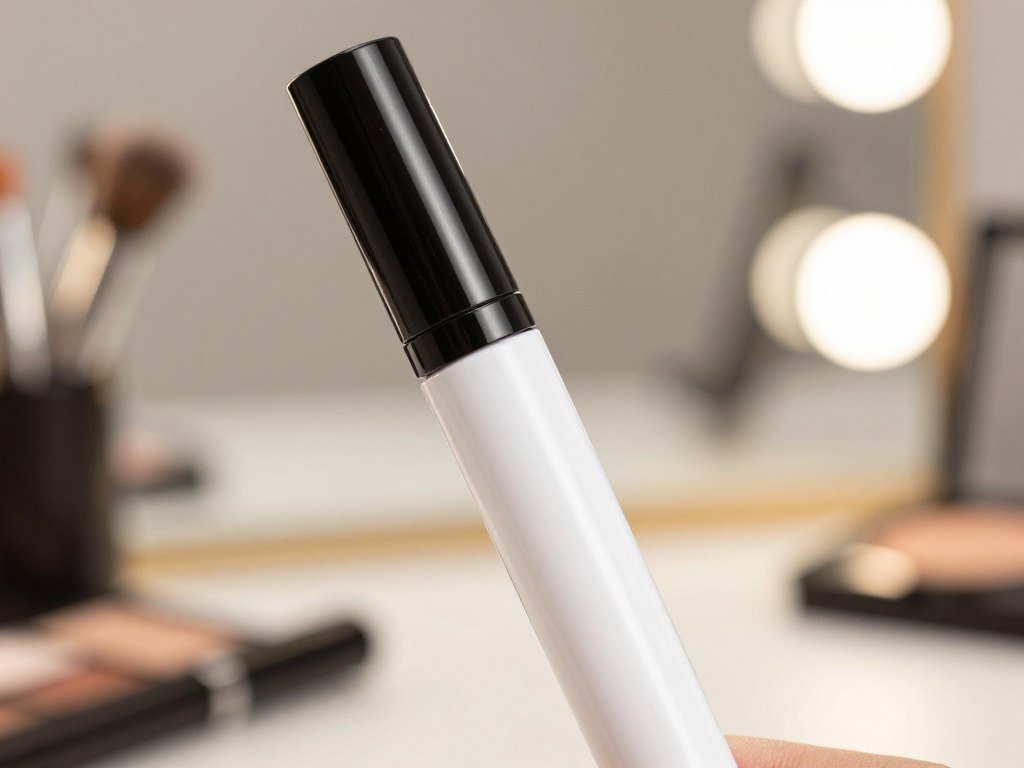
L’Oréal Double Extend and its two-step process
L’Oréal Double Extend Beauty Tubes uses a white primer followed by a tubing mascara topcoat. The primer and topcoat make this a two-part routine, rather than a single swipe from one tube.
The name appears as L’Oréal Double Extend Beauty Tubes, and some people shorten it to Double Extend Beauty. You may also see the phrases Extend Beauty Tubes or Beauty Tubes mascara when comparing the product name with tubing makeup.
That extra step can feel fussy if you want quick application before work or school. The primer adds another layer to apply, so the process may not suit a rushed routine.
What to check before choosing Maybelline tubing mascara
For Maybelline tubing mascara, check the current product description for an explicit tubing claim. A water-resistant label does not mean the formula uses tubes around lashes.
That distinction helps when you compare products with similar wear claims. A formula’s removal method and description tell you more than a promise to resist water alone.
Essence Bye Bye Panda Eyes as an affordable option
Ulta lists Essence Bye Bye Panda Eyes! as an affordable tubing mascara option. It may interest you if you want to compare another lower-cost name, though the listed detail does not set a price.
L’Oréal’s product name includes both Double Extend and Beauty Tubes, which can make search results feel crowded. Focus on the two-step primer and topcoat when you compare the Double Extend Beauty Tubes mascara with a one-step product.
If a two-step application is likely to frustrate you, choose a one-step formula instead.
Which Formulas Suit a Natural, Everyday Look?
For a low-key lash look, Caliray and MERIT offer more restrained directions than a dramatic volume-first formula. Caliray gives an everyday defined effect, while MERIT Clean Lash favors natural-looking definition.
Caliray Come Hell or High Water is described as a reliable everyday mascara that does not smudge or flake on the reviewer. It also comes in a travel size and Espresso, a rich brown shade.
| Formula | Finish | Useful detail |
|---|---|---|
| Caliray Come Hell or High Water | Everyday defined effect | Travel size and Espresso shade |
| MERIT Clean Lash | Natural-looking definition | Recommended without clumping |
Caliray’s multiple-coat result may feel too heavy if you want to build layers gradually. The travel size can suit a makeup bag, while Espresso offers a softer color choice than black.
MERIT Clean Lash is recommended for a natural-looking, defined effect without clumping. It may suit you when clear separation matters more than a bold change in lash volume.
Think about your usual makeup before choosing between the two. A subtle brown shade can read differently from a more defined black lash, even with a restrained formula.
Choose MERIT when clean definition matters more than a visibly bold effect.
Which Tubing Mascara Adds Length and Color?
Thrive Causemetics Liquid Lash Extensions is a strong fit when length and color choice are high priorities. The tube holds 0.38 oz, or 10.7 g, of mascara.
The brand describes the formula as water-resistant, smudge-proof, and flake-free, with removal using warm water. Those claims may appeal if you want lash extensions-like length without a more involved makeup routine.
In a consumer perception study, 34 subjects assessed the mascara immediately after application. All 34 subjects agreed it applied quickly and easily, instantly lengthened lashes, and instantly lifted and curled them.
In the same study, 97% of the 34 subjects agreed their lashes looked instantly fuller and more voluminous. These are immediate perceptions from a small group, not a promise that every wearer will see the same effect.
Rich Black, Brown Black, and Deep Blue are among the shades. The brand also offers additional colors, giving you more choice than a basic black-only option.
The Rich Black formula lists acrylates/ethylhexyl acrylate copolymer as its second ingredient. The brand describes the mascara as vegan and cruelty-free, and says it is made without parabens, sulfates, phthalates, or synthetic fragrance.
Shade choice can change the look without changing the main length goal. Brown Black may feel less stark, while Deep Blue offers a more visible color shift.
Treat the 34-person immediate-perception results as a limited snapshot, not a promise of the same effect on every set of lashes.
Which Tubing Mascara Builds More Volume?
For more impact than a natural definition-focused formula, MILK, Alleyoop, and Sarah Creal each answer a different need. More volume does not automatically make a mascara the right fit for a subtle look.
MILK Kush High Roll is the volume-and-curl choice in this group. Alleyoop Go The Distance suits long, active days, while Sarah Creal Back of the Cab aims for a lush effect without clumps.
- MILK Kush High Roll: choose it when volume and curl retention are your main goals.
- Alleyoop Go The Distance: consider it for long, active days.
- Sarah Creal Back of the Cab: pick it for a lush look without clumps.
These options serve different routines, even though each can create more impact than a natural definition formula. A long day may call for a different feature than a night out or a photo-ready look.
If your lashes already look full, a volume-first mascara may feel like too much. A softer formula may give you enough definition without changing the whole balance of your makeup.
Think past the label and picture the finish you want on your own lashes. Curl retention, long wear, and a lush look are separate goals, not interchangeable claims.
Let the desired finish, not the word “volume” alone, guide the choice.
How Do You Apply and Remove Tubing Mascara?
Curl lashes before application if you want to offset tubing formulas’ tendency to give less curl. Use controlled strokes, then let warm water loosen the tubes during removal.
A comb-like brush can help separate lashes and reach the lower lash line. Work with small movements instead of pushing a large amount of formula through the lashes at once.
Apply from the roots with a controlled brush
Set the brush near the roots and move it toward the tips in steady strokes. A thinner, comb-like brush can help prevent clumps and give you more control on bottom lashes.
Use a light hand around the inner corners, where a large brush can be harder to guide. If the lashes need more coverage, pause before adding another coat so the first layer can settle.
Remove the tubes with a soft cloth
Tubing mascara can come off with water and a soft cloth or cotton ball. You do not need to start by rubbing makeup remover over the lash line.
- Wet a soft cloth or cotton ball with warm water.
- Hold it gently against the lashes.
- Wipe gently as the tubes loosen.
Let the water soften the coating before you move the cloth. A slow, light touch is more useful than repeated wiping when the tubes have not loosened yet.
Keep the pressure light on the delicate skin around your eyes. If the tubes resist at first, give the warm water more time to work.
Keep removal gentle and let warm water loosen the tubes instead of scrubbing at the lash line.
What Are the Downsides of Tubing Mascara?
The most common tradeoff is that a tubing formula may emphasize length more than curl and may resist extra layers. Some formulas do not build as well as traditional mascara.
Makeup artist Kat Dorn says tubing mascaras may provide less curl and may not layer as well as traditional mascara. Curling lashes before application can help address the limited curl, but it does not change how a formula handles added coats.
Expect less curl and limited layering
Some tubing formulas focus on length and definition rather than a strong curl. If your lashes point downward, the final look may feel less lifted than you hoped.
Extra coats can also look less smooth than they do with traditional mascara. Consider the formula’s main purpose before choosing it for a thick, layered lash look.
- Less curl may matter if your lashes grow straight.
- Limited layering may frustrate you if you prefer several coats.
- A length-first finish may feel too defined for a very soft look.
Stop using a product if irritation develops
Mascara irritation can affect the eyes or the skin around them. Symptoms alone do not prove an allergy, but they are a reason to stop using that product.
Pay attention to changes after you use a new formula. Comfort matters more than getting a particular lash effect, especially near the eyes.
If irritation appears around the eyes or on nearby skin, stop using that product.
Choose another option only after the irritated area has had time to settle, and avoid using the product that caused the problem.
How Often Should You Replace Mascara?
Replace mascara about 2 to 4 months after purchase, following the usual manufacturer recommendation. U.S. law does not require a specific expiration date on cosmetic labels.
Each use can expose the tube to bacteria and fungi, so the usual replacement window is a useful safety habit. The timing is a manufacturer recommendation, not a shelf-life rule required by U.S. law.
Follow a cautious mascara replacement schedule
Mark the purchase date on the box or tube if you may forget when you opened it. Replacing mascara within the usual 2-to-4-month window helps you avoid keeping an old tube in rotation.
A product’s label may not show a fixed expiration date because U.S. rules do not require one for cosmetics. The usual 2-to-4-month guideline gives you a practical point to track from purchase.
Discard dried or contaminated eye makeup
Do not share mascara, even with someone in your household. Keep the container and applicator clean, and close the tube after use.
If you develop an eye infection, stop using eye-area cosmetics and discard the products you were using. A contaminated tube is not a good candidate for saving or sharing.
Pay attention to changes in texture, too. A dry product can be harder to apply evenly, and adding liquid can change what is inside the tube.
Keep the tube clean by avoiding contact between its applicator and unclean surfaces. That simple habit helps limit avoidable contamination during regular use.
Discard a dried-out tube rather than trying to revive it with water or saliva.
Do not use saliva to thin mascara, even if the tube still seems nearly full.
Conclusion
The best match comes down to the lash effect you want and the routine you will actually keep. Choose first between everyday definition, added length and color, or more volume.
Then think about how the brush feels in your hand and whether the application steps suit your day. A formula that looks right but feels fussy may end up unused in your makeup bag.
Easy cleanup can be a real plus, but curl and layering still shape the final result. Start with one main goal instead of trying to make one mascara do everything.
Pick one formula that fits your main goal, then follow its directions and replace it on schedule.
FAQ
How often should you replace mascara?
What’s the difference between tubing mascara and fiber mascara?
What is tubing mascara?
What are the downsides of tubing mascara?
What is the number one rated tubing mascara?
What is the best tubing mascara in 2026?
Is tubing mascara really worth it?
What are the top 3 best mascaras?