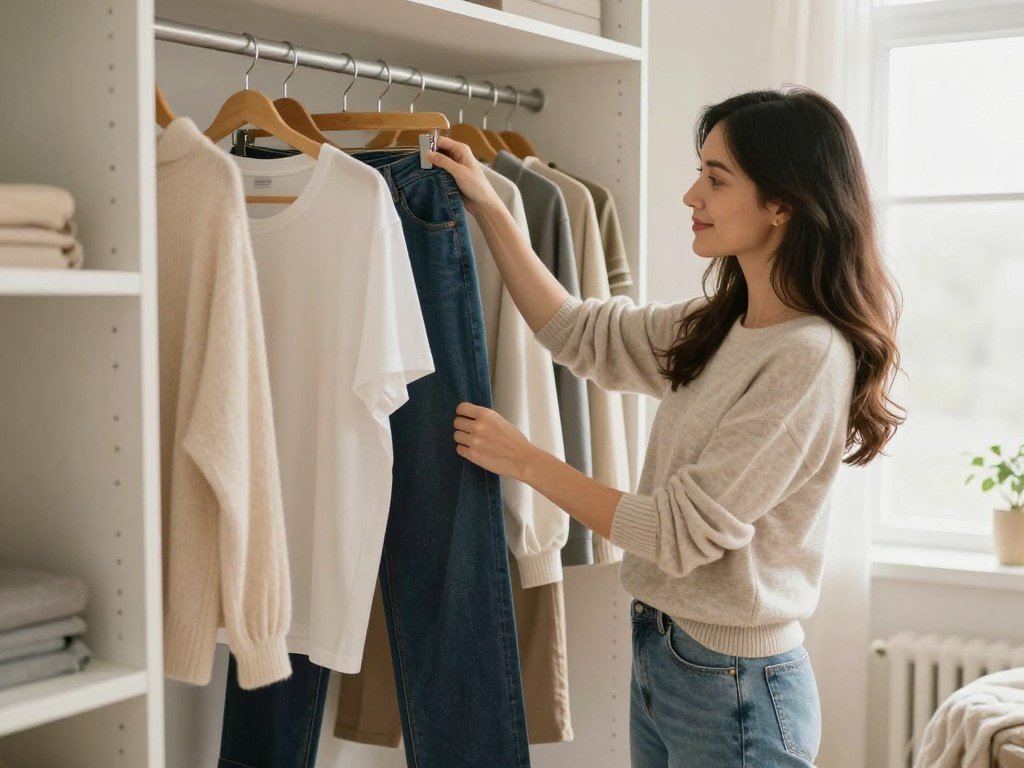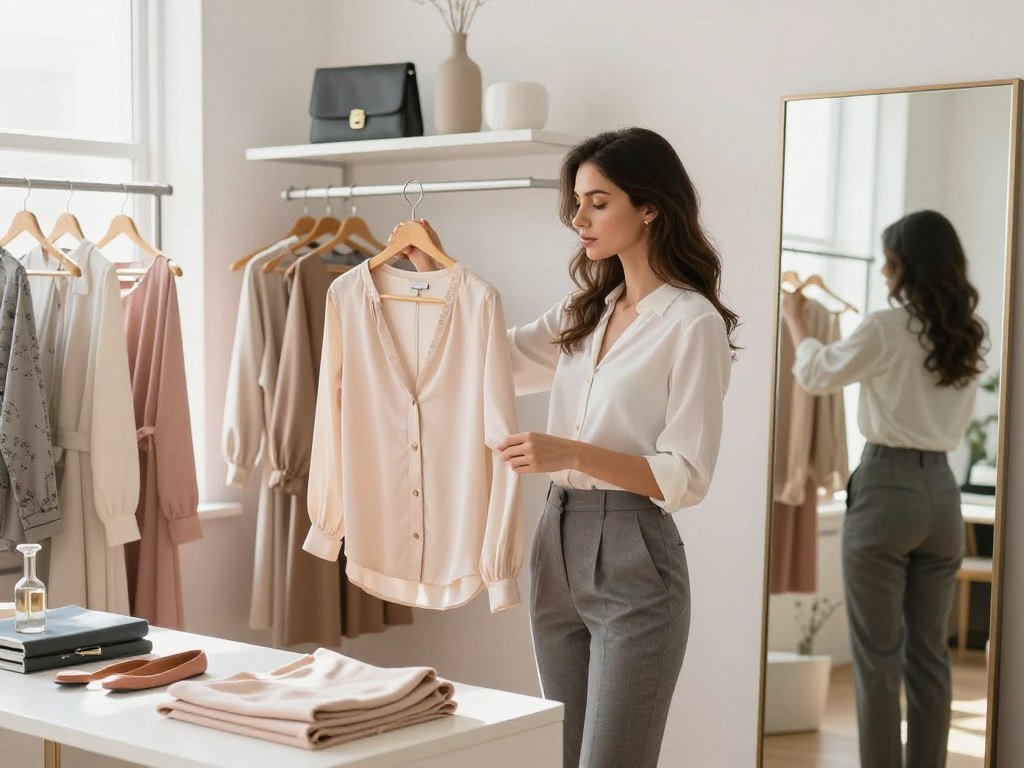
A designer label is not a requirement for an outfit to look polished. You can create a thoughtful look with clothes you already own, even if your closet is small or your taste changes from day to day. The goal is not to impress strangers or copy one fixed idea of luxury. It is to feel comfortable and confident in clothes that express your personal style.
For women with different bodies, routines, and budgets, the same useful ideas apply: choose a good fit, coordinate the pieces you have, wear them often, and care for them. Those choices matter more than a high price or a famous name on a tag. You can keep your favorite colors, shapes, and statement pieces while making everyday outfits feel more intentional.
Each tip is meant to be practical, not a rule about what you should like. Start with what you already own, then spend only when a clear wardrobe need remains.
Key Takeaways
- Start with clothes that fit and feel comfortable.
- Use colors and shapes that work for you.
- Shop with a clear need in mind.
- Care for clothes and shoes so they stay ready to wear.
- Try trends in small ways instead of replacing your closet.
- Build repeatable outfits from pieces you already own.
1. Start With Fit, Then Tailor
A simple dress that fits well usually looks more polished than a costly dress that pulls or hangs awkwardly. Good fit creates clean lines and helps clothing move with you, without prescribing one body shape or style. A blazer with balanced sleeves and shoulders can look considered, even when its price is modest.
Focus first on the areas that affect proportion most: shoulders, waist, and length. A cheap dress can look more expensive when its shoulders sit neatly, its waist feels comfortable, and its hem suits how you plan to wear it. Choose alterations only when the garment is worth keeping.
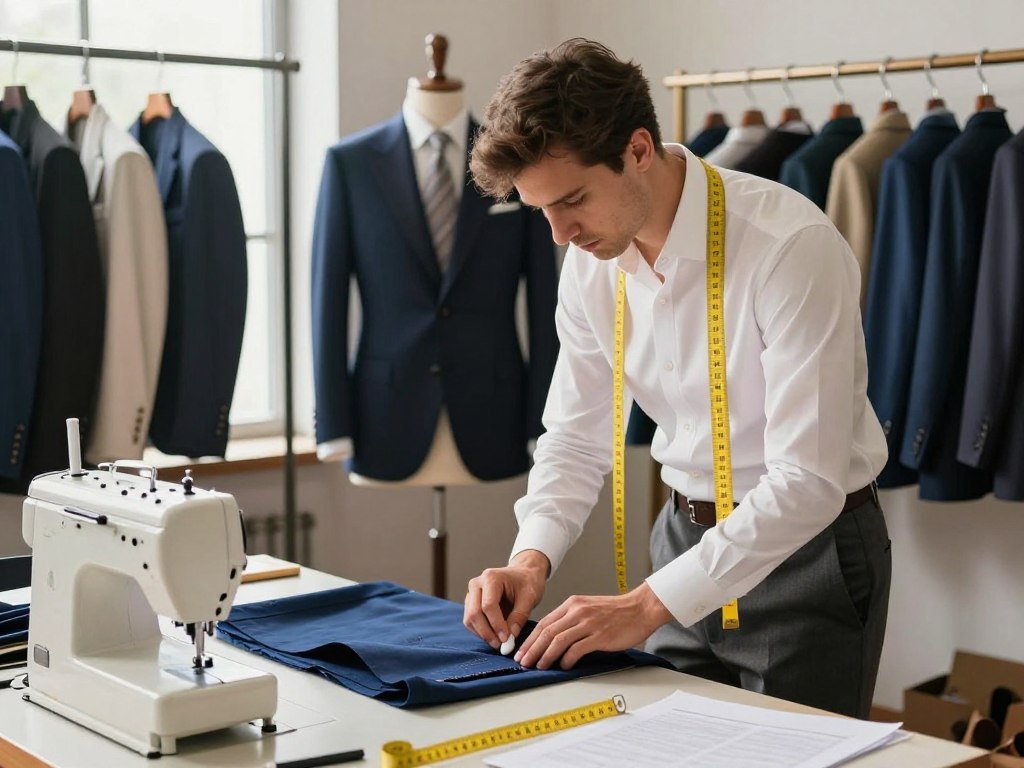
A tailor can make a few targeted changes rather than reshape an entire garment. These five options address common fit problems:
- Hem pants that bunch at the ankle or drag on the ground.
- Shorten sleeves that cover your hands or hide a shirt cuff.
- Taper trousers that feel too wide through the lower leg.
- Replace worn buttons or a broken zipper with a suitable match.
- Add darts when a shirt or dress hangs loosely through the waist.
A replacement button should suit the existing buttonhole, while a new zipper should fit the existing seam. Those small details help the repair blend in instead of drawing attention.
Before an alteration, try the garment on and move as you normally would. Sit, reach, and walk to see whether the change will still feel right throughout the day. A hem that looks good standing still may feel too short once you sit.
Choose alterations that improve the garment’s lines without changing its original design. Confirm that the tailor can preserve the garment’s original structure before paying.
Some clothing needs no change at all. If a seam pulls, the shoulders feel tight, or the fabric twists when you move, tailoring may not solve the problem. A garment with a strained cut is often better left behind.
Keep the original construction in mind when you discuss changes. Before paying for an alteration, confirm the tailor can preserve the garment’s original structure.
Practical styling tips for everyday outfits
2. How to Look More Expensive on a Budget With Color and Shape
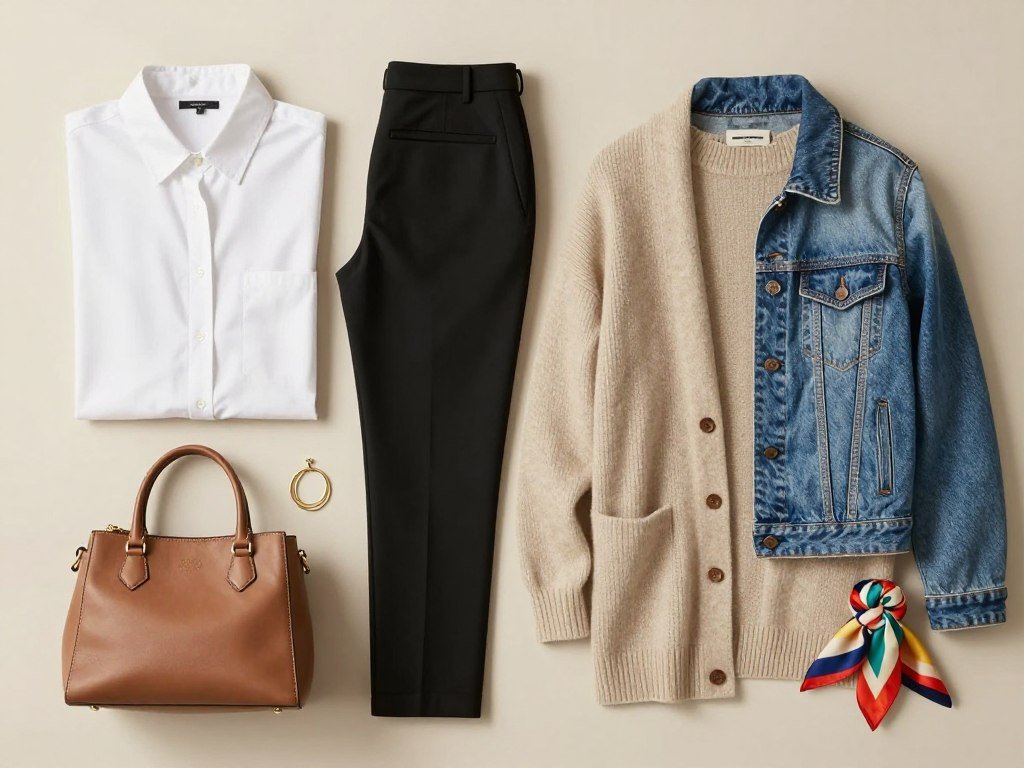
A coordinated two-color outfit can look deliberate without requiring a new wardrobe. A clear palette helps separate pieces feel like one outfit, while shape gives the look balance. You can build a style that feels polished without choosing the same colors as anyone else.
Pick colors that suit your taste, contrast, and the occasion. Black and white can feel crisp for work or dinner; navy and tan offer a softer contrast. Neither combination is a rule, and your favorite colors deserve a place in the mix.
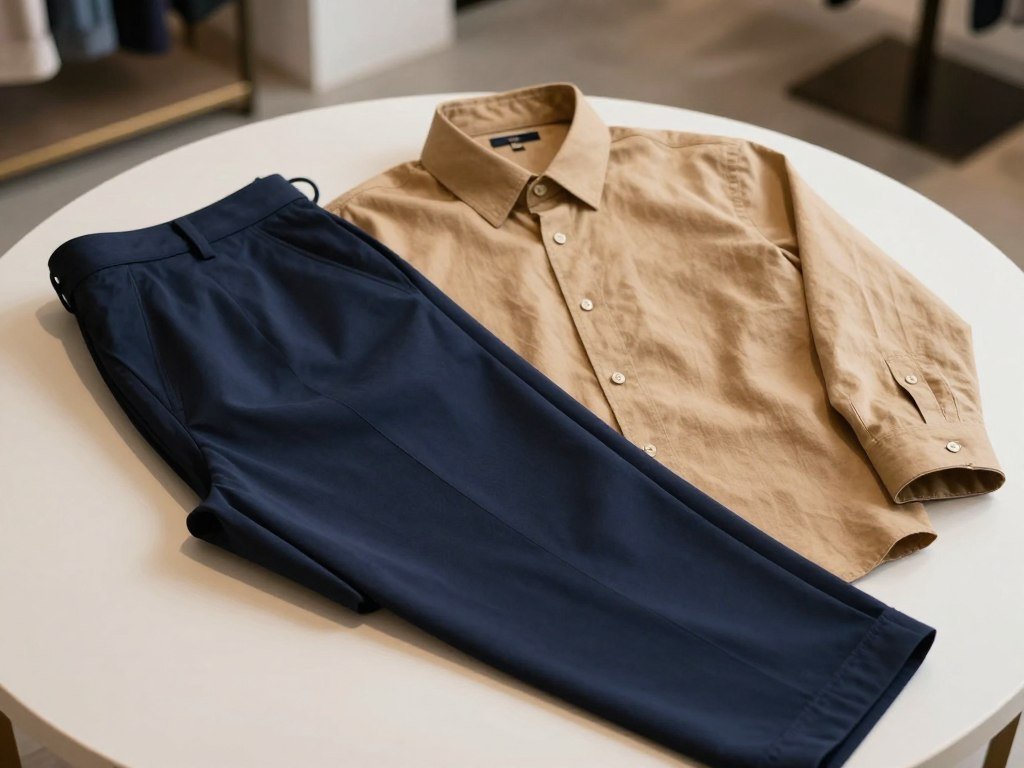
These combinations show how a small palette can guide outfit choices. Use the pieces as examples, not a shopping list.
| Palette | Outfit pieces | Styling effect |
|---|---|---|
| Black and white | Black pants, white shirt | Clear contrast with a classic feel |
| Navy and tan | Navy skirt, tan sweater | Soft contrast with a relaxed feel |
| Tonal neutrals | Beige pants, cream top, brown layer | Gentle depth from related shades |
Monochromatic outfits use one color family, but the pieces do not need to match exactly. A cream shirt, oatmeal pants, and a tan jacket can work together because their shades relate. Different textures also add depth, so the clothes do not read as one flat block.
Shape matters alongside color. If your top is loose, you might prefer a straighter bottom; if both pieces are fitted, a relaxed jacket can change the feel. These are options, not body rules. Choose proportions that feel easy to wear and fit the activity.
For women considering how a woman can look more expensive on a budget, the answer is personal coordination, not a required palette. A contrast that feels strong on one person may feel too sharp to another. Think about the light, setting, and mood you want the outfit to carry.
Use pieces you like together, even if they do not fit a traditional color guide. A favorite bright shirt can be the main point, with quieter pieces around it. Use a color already present in your closet as the anchor for the next outfit.
3. Shop With a Plan and Use the 30-Wear Rule
Before buying an appealing piece, picture when you would wear it again after its first outing. The 30-Wear Rule is a shopping prompt to consider whether you expect to wear a garment at least 30 times. It is a way to think through a choice, not a promise about how long the garment will last.
Check likely use, quality, and versatility before price alone wins the decision. Livia Firth and Lucy Siegle’s 30 Wears Challenge encouraged shoppers to ask whether a new piece could get at least 30 wears. Your answer will depend on real plans, not an idealized version of your week.

Start with these four shopping checks before adding items to your wardrobe:
- Identify a gap you can name, such as a warm layer for work.
- Name three ways to style the item with clothes you own.
- Check whether your existing shoes and other pieces work with it.
- Pause before buying an occasion-only statement piece.
Make the 30-Wear Rule a buying prompt
The 30-Wear Rule can help you compare two appealing options. A lower price is not much of a bargain if you cannot picture wearing the item. Consider how it fits your routine, how often its use might come up, and whether it works beyond one setting.
Do not treat 30 wears as a test that every garment must pass. A special piece may be meaningful even if you wear it less often. The prompt simply makes the likely use part of the choice, alongside the price and the way the item feels.
Shop for gaps, not an imagined new wardrobe
Shopping with a list keeps attention on useful pieces rather than a whole new style. Use this comparison to think about how everyday clothes can serve more than one purpose:
| Wardrobe piece | How it can be reused | Purchase check |
|---|---|---|
| Jeans | Pair with a T-shirt, sweater, or blazer | Does the cut suit your daily plans? |
| Classic dress | Wear alone or add a jacket | Can you use it for work and dinner? |
| Timeless coat or jacket | Layer over casual or dressy clothes | Does it fit over your usual layers? |
A good investment is one that earns use in your actual life, not one that simply sounds timeless. Keep a short note on your phone with missing items and the details you need. It can help you avoid buying a near-match that still does not solve the gap.
Choose a budget that leaves room for the rest of your needs. If a price strains your finances, the item is not the right choice, even if it seems versatile. If you cannot name several realistic ways to wear the item, leave it on the rack for now.
Affordable designer brands and thoughtful shopping
the 30-Wear Rule
4. Choose Fabrics and Details That Hold Up
Judge a garment by how its fabric hangs and feels, not by the fiber name alone. The right fabric depends on the garment’s use, opacity, drape, and care needs. Cotton, linen, silk, wool, and viscose each suit different clothes and routines.
A high price or natural fiber does not guarantee better quality. Synthetic fabrics can work well when their feel and construction suit the garment. Check whether the fabric feels comfortable, holds its shape, and offers enough coverage for how you plan to wear it.

Think about the garment’s job before choosing a fiber. Linen may suit a warm day, while wool may make sense for a cold-weather layer. Viscose can drape softly, and cotton can work across many everyday styles. The label tells you what the fabric is, but your hand and eye tell you how it behaves.
Check seams and closures before buying. Look for stitching that lies flat, seams that do not gape, and zippers or snaps that open and close smoothly. A loose thread is easy to miss under store lights, so check the inside as well as the front.
Small details can change the feel of a familiar piece. Replacing cheap-looking buttons can refresh a blazer or shirt without changing its cut. The new button should match the buttonhole, fit through it easily, and suit the garment’s color and scale.
Care needs also matter. A piece that requires special cleaning may not suit your budget or weekly routine. Read the care label and decide whether its upkeep makes sense before you take it home.
Logos are a style choice, not a quality test. One visible logo can be a deliberate detail, while several prominent logos may make an outfit feel overbranded. A well-finished piece with discreet branding is often easier to style repeatedly than one that relies on a conspicuous logo.
5. Keep Clothes and Finishing Details Neat
A wrinkled or pilled garment can make an otherwise polished outfit look neglected. A simple care routine keeps clothes ready to wear without turning upkeep into a major task. Check the care label before cleaning, pressing, or treating each piece.
Steam or iron only as the care label allows, remove lint, and repair damage early. A steamer smooths wrinkles, and hot steam reduces odors and kills bacteria. Use an iron when the label and fabric allow it, and choose the heat setting with care.
Refresh fabric between wears
Before you dress, look over the front, sleeves, and seams in good light. Remove lint with a lint roller or brush, and check pockets for bits of tissue. A few minutes of attention can catch a loose thread before it snags.
A fabric shaver removes pills from knitwear and can help knitted garments last longer. Move it gently over the fabric rather than pressing hard. When a seam opens or a button loosens, repair it before the damage spreads.
Care does not mean washing every garment after one wear. Follow the label and the garment’s use; airing a piece may be enough when it has no visible dirt or odor. This also helps limit wear from frequent washing.
Keep shoes clean and in good repair
Shoes are part of the outfit, so check them before heading out. Wipe away dirt, remove dust from the uppers, and check that closures work. A clean pair can look ready for the day even when it is not new.
Look at the soles and heels for wear, and check for holes or damaged closures. Fixing a small problem early can keep the shoes comfortable and usable. If a pair hurts or no longer feels safe to walk in, it does not belong in your daily rotation.
Set a regular time to check the clothes you wear most, such as when you plan outfits for the week. Keep a lint roller where you get dressed, so you can reach it easily. Test a fabric shaver on an inconspicuous area before using it across a knit garment.
6. Finish Outfits With One Intentional Accessory
A simple outfit can look finished when one accessory has a clear purpose. One focal point might be jewelry, a bag, a belt, a scarf, or glasses that suit your taste. The right choice helps an outfit feel personal without relying on a designer name.
Choose one accessory to lead when the rest of the outfit already has detail. A bold necklace with a print and bright shoes may compete for attention. A single statement piece gives the eye a place to land.
Choose an accessory that completes the outfit
A belt can define the waist of a dress or add shape to a loose shirt. Earrings can give a plain top a finished feel, while a structured bag can sharpen casual basics. These are choices, not requirements; comfort and personal taste still matter.
Use what you already like before buying something new. A scarf can add interest to a coat you wear often, and glasses can become a familiar part of your look. If an accessory feels awkward or keeps needing adjustment, it may not be useful for your day.
Small changes can give an outfit a new mood. A simple belt can make jeans and a shirt feel more put together, while a soft scarf can make the same base feel relaxed. The aim is to support the outfit, not hide it.
Keep the finishing touch in proportion
Proportion depends on the whole outfit and your own comfort. A large bag can balance a long coat, while delicate earrings may suit a detailed neckline. There is no fixed size or shape you need to wear.
Repeating a metal tone or a color already in the outfit can make an accessory feel connected. You might match a belt buckle to your earrings or pick a bag that echoes a stripe. The match can be subtle; it does not need to be exact.
Consider where you are going and what you need to carry. A small evening bag may suit dinner, while a roomy tote can make sense for a busy day. Before leaving, remove any accessory that competes with the outfit’s strongest feature.
8. Try 2026 Trends Without Replacing Your Closet
A trend is easiest to try when it changes one part of an outfit you already wear. One small update can make familiar basics feel current without pushing you to replace clothes you enjoy. Trends offer ideas, not rules about what belongs in your closet.
Fall-winter 2026 fashion points to expressive styling, rich textures, and clean shapes with unexpected details. Runway ideas also include darker, richer floral prints, oversized and cropped shapes, and exaggerated silhouettes. You can test one detail with pieces you already know how to wear.
The Fall 2026 signals to watch
A darker floral print can work as a shirt under a familiar jacket, rather than a whole printed outfit. A cropped top might pair with high-rise jeans you already wear. If oversized shapes appeal to you, try one loose layer over a simple base.
Layering familiar basics is another way to test the season’s style. A tailored jacket with an unexpected accessory can change the feel of clothes you wear often. The point is to see whether the idea feels like you, not to copy a runway look from head to toe.
Try a trend first with something small or easy to wear. A scarf, belt, or shirt lets you test a shape or print without making a large commitment. If you feel at ease in it, you can decide whether to use the idea again.
What’s Going Out of Style in 2026?
No single clothing style is universally going out of style in 2026. Trend signals describe what designers and stylists are showing, but they do not ban your favorite jeans, coats, or prints.
Keep clothes you enjoy and use trends selectively. A piece does not become wrong for you because a new silhouette appears in fashion coverage. Comfort, fit, and personal expression still count when you get dressed.
You can also ignore a trend that does not fit your life. If a shape feels hard to move in or too far from your taste, it need not enter your closet. Choose a single trend detail that works with at least one reliable item you own.
9. Build Repeatable Outfits From Wardrobe Basics
A repeatable outfit formula makes getting dressed easier while helping each piece earn more use. Familiar basics can work across seasons and plans when you change one layer or accessory. Jeans, T-shirts, classic dresses, and timeless coats and jackets are useful starting points.
Build a few outfit formulas around clothes you enjoy wearing. The goal is not a tiny wardrobe or a strict uniform. It is having reliable outfits ready when you do not want to spend time deciding what to wear.
Try these three combinations with pieces already in your closet:
- Jeans with a relaxed T-shirt and flats.
- A classic dress with a jacket.
- A T-shirt or sweater with tailored pants and a belt.
Each formula can change with one useful swap. Add a jacket when the day feels cool, or change the bag when you need more room. You can also shift from flats to another pair of shoes that suits the plan.
Make a short list of outfits that feel good from morning to evening. Write down the pieces and note which layers work with each base. This can help you remember combinations that tend to get overlooked when everything hangs on its own.
Basics do not have to be plain or neutral. A favorite printed T-shirt or colorful dress can serve as a reliable starting point if you enjoy wearing it. The best base is one that fits your life and makes you feel like yourself.
Repeat the same pieces without repeating the exact same outfit. A jacket, belt, or bag can change the use of a familiar base without requiring a full new outfit. Keep the formula that feels comfortable and adapt it to the day rather than buying a separate outfit for every occasion.
10. Fold and Hang Clothes So They Keep Their Shape
The right storage method depends on whether a garment can stretch, crease, or lose its shape. Fold soft knits and wool, while shaped hangers support structured coats and jackets. The KonMari fold makes compact shapes that stand upright for vertical storage.
Use a garment’s weight and structure to decide whether to fold or hang it. Sweaters and wool garments should be folded to help retain their shape. Suits and sport coats need shaped hangers with enough shoulder width to support their shoulder pads.
Fold knits and casual pieces
For short-sleeve shirts, fold both sides toward the center, then fold lengthwise with a small gap at the edge. Fold the shirt in half or thirds, then stand it upright. The small gap helps the folded shape hold together.
For sweaters and long-sleeve shirts, fold the sleeves inside the rectangle first. Fold lengthwise with a small gap, then fold in half or thirds and stand the garment upright. Avoid hanging heavy knits, which can stretch under their own weight.
For pants or shorts, fold the legs in half, then fold upward toward the waistband with a gap at the edge. Fold in half or thirds so the piece can stand upright. Jeans and chinos that do not take a crease can also hang from a hook.
Hang structured garments and trousers correctly
Use slimline hangers for shirts instead of wire hangers. Thin cotton polo shirts are best folded because hanging can stretch them. Hang suits and sport coats on shaped hangers wide enough to support the shoulder area.
| Garment | Storage method | Reason or check |
|---|---|---|
| Knits and wool | Fold upright | Helps retain shape |
| Suits and sport coats | Shaped hanger | Support shoulder pads |
| Thin cotton polos | Fold | Helps prevent stretching |
| Jeans or chinos | Fold or hang from hook | Choose based on creasing |
| Trousers | Felted clamp or trouser bar | Felt helps prevent slipping |
Trousers can hang from felted clamp hangers at the hem or from trouser bars. A felt-covered bar helps prevent slipping. Pick the method that suits the trousers and the closet space you have.
Protect stored garments from moisture and insects with a few steady habits:
- Clean wool garments before storage.
- Choose breathable cotton or wool bags, not moisture-trapping vacuum bags.
- Use tissue paper to help prevent yellowing and snags.
- Check stored garments now and then for moisture and insects.
- Use cedar with care around leather or fur.
Store wool in a clean, breathable bag, and check it from time to time for moisture or insects. Cedar may discourage moths, but it can dry leather or fur fibers.
Keep cedar away from stored leather and fur, and use lavender sachets for those fibers instead.
compact folds that stand upright
Conclusion
Looking polished is less about the label inside a garment than the attention you give it. You do not need to spend more money to make an outfit feel personal and considered. A useful change can be as small as choosing a better-fitting piece or setting aside time to care for the clothes you wear most.
Choose one outfit for the coming week and decide what would improve it: a fit adjustment, a quick care task, or a clearer combination of pieces. That gives you a next step without turning style into a spending contest. Pick one outfit for this week, make one useful adjustment, and wear it with confidence.
FAQ
What is the 30 wear rule?
How to make a cheap dress look expensive?
How to take care of your clothes?
How to look good in every clothes?
Is it better to hang or fold clothes?
What clothes should not be hung?
What is the Japanese folding method?
What is the smartest way to hang jeans?