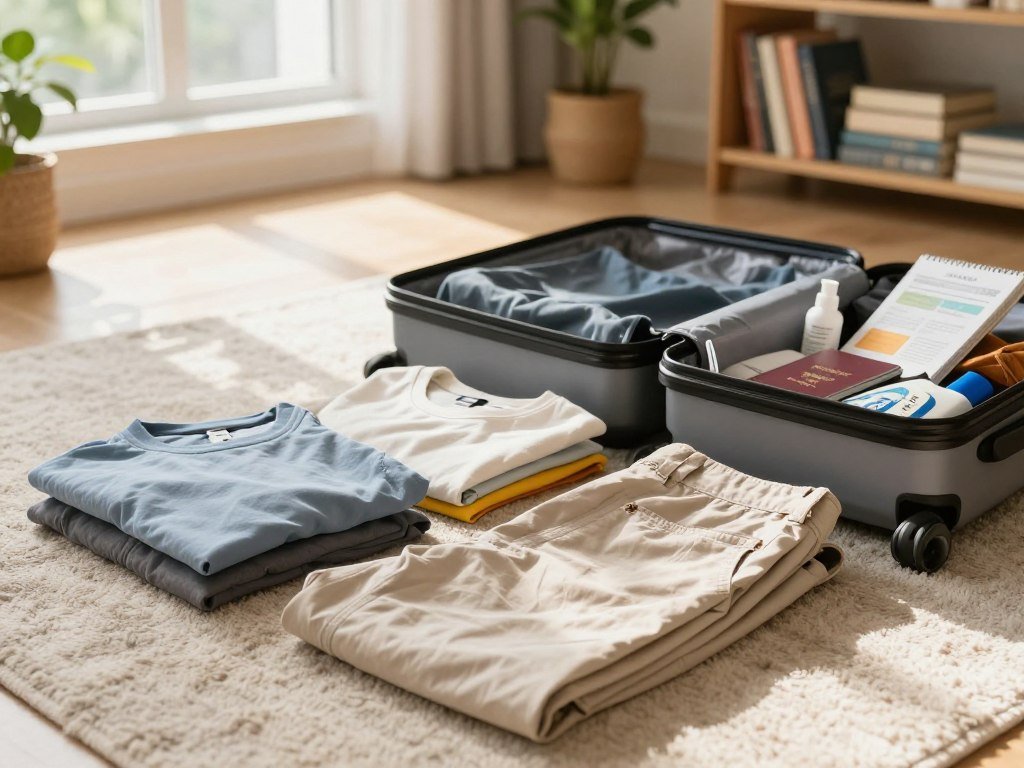
A seven-day trip can feel like it needs seven separate outfits, but a few pieces that work together can cover the week with less luggage. Packing for every situation you can imagine often means bringing clothes you never wear. A clear plan helps you pack for your actual days instead.
A one-week travel capsule wardrobe gives you practical outfit choices without asking you to dress the same way each day. You can adjust the clothes and counts for weather, laundry, and planned activities. The goal is not to follow a strict list or change your personal style. It is to bring clothes that work for the trip you have planned.
Key Takeaways
- Choose clothes for your actual itinerary, forecast, and comfort.
- Build outfits from pieces that work with more than one item.
- Repeat clothes when useful instead of packing seven new looks.
- Adjust counts for laundry, weather, and activity needs.
- Leave room in your bag for the return journey.
Choose for the trip you have planned, not a more elaborate version of it.
What Goes Into a One-Week Travel Capsule Wardrobe?
A travel capsule is a limited group of clothes selected because the pieces can be worn together. Start with a flexible formula, then change it to suit your plans and comfort. A formula gives you a useful first draft, not a required inventory.
Seven days do not require seven entirely new looks. Repeat favorite pieces or combine them in fresh ways, as long as each outfit fits the day. The 3-3-3 rule offers one compact starting point; the standard 5-4-3-2-1 formula gives you more variety.
| Formula | Tops | Bottoms | Shoes | Best use |
|---|---|---|---|---|
| 3-3-3 rule | 3 | 3 | 3 pairs | Compact mix-and-match set |
| 5-4-3-2-1 formula | 5 | 4 | 3 pairs | More options for 1-4 weeks with laundry |
Use a small formula as a starting point
The 3-3-3 rule uses three tops, three bottoms, and three pairs of shoes. It can create up to 27 outfit combinations when every piece works with the others. That number comes from multiplying the choices in each group.
The standard 5-4-3-2-1 formula uses five tops, four bottoms, three pairs of shoes, two dresses or layers, and one of each chosen accessory. It can work for one to four weeks when you do laundry on trips longer than a week. You do not need to use every category if it does not fit your style.
Turn compatible pieces into outfit choices
Combination counts assume that the clothes coordinate and suit the activities you have planned. They do not promise that every possible outfit works for every occasion. A set of formal trousers and a beach tank may technically pair, but that does not make them right for a hike.
Count outfits by useful combinations, not by how many garments you can fit in a suitcase.
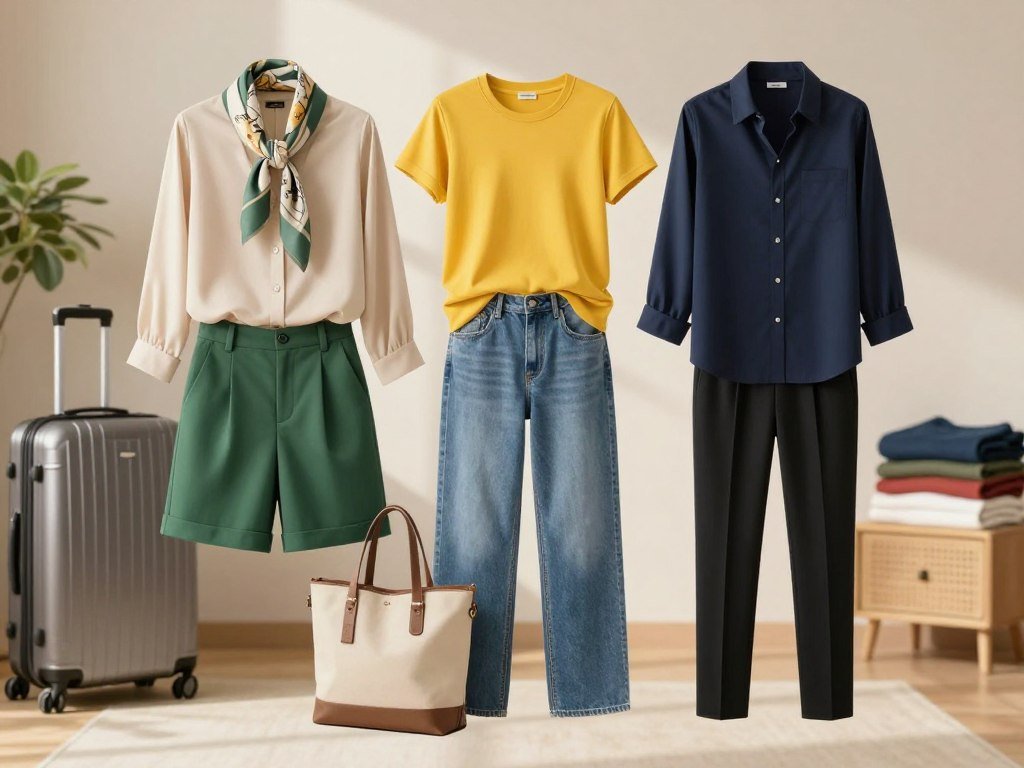
Choose pieces with similar levels of comfort and formality. A shirt that works with both casual shorts and smarter trousers gives you more useful options than one that matches only a single bottom.
How Should You Plan for Weather, Activities, and Laundry?
A forecast and a day-by-day activity list are more useful than packing for every season you might encounter. Check the real conditions first, then shape your travel clothes around them. Laundry access also affects how many clean items you need to bring.
Pack for the coldest or wettest planned activity, not every possible change in weather. A warm-weather sightseeing day may call for a breathable top, shorts, and comfortable walking shoes. A snowy itinerary calls for warmer layers and clothes that protect you from wind or wet ground.
Check the forecast against the itinerary
- Forecast: Check expected temperatures, rain, wind, and sudden changes.
- Activities: Note walking days, dinners, swimming, work events, and outdoor plans.
- Laundry: Find out whether you can wash clothes during the trip.
These checks help you spot gaps before packing. A week with a washer nearby may need fewer spare clothes than a week of remote travel. A city break with long walks also calls for different clothes than a resort stay with time by the pool.
For a warm day, light clothes can feel comfortable, but bring a layer if evenings are cool. For snow or cold rain, choose clothes that still feel comfortable when you are outside for hours. The National Park Service’s Ten Essentials guidance also calls for extra clothing suited to possible conditions on outdoor trips.
Adjust the formula for cold or changeable weather
A base layer is a light garment worn next to the skin to add comfort beneath warmer layers. Cold-weather packing may call for two or three sets of base layers, two or three mid-layers, one weather-resistant outer layer, and two or three pairs of pants.
A cold-weather checklist also recommends four or five versatile tops, one or two pairs of thermal leggings, and one set of sleepwear. For shoes and small essentials, it lists one pair of weather-ready boots, one pair of flats or sneakers, three or four pairs of socks, and four or five pairs of underwear.
Its cold-weather 5-4-3-2-1 version uses five tops, four bottoms, three pairs of shoes, two specialty items, and one set of warm accessories. Those counts are a specialized option, not an extra set to add to a warm-weather capsule.
A summer travel capsule wardrobe over 50 should follow the same weather and comfort checks as any other trip. Choose clothes that feel good to wear and fit your plans, without assuming age sets one dress code or activity level.
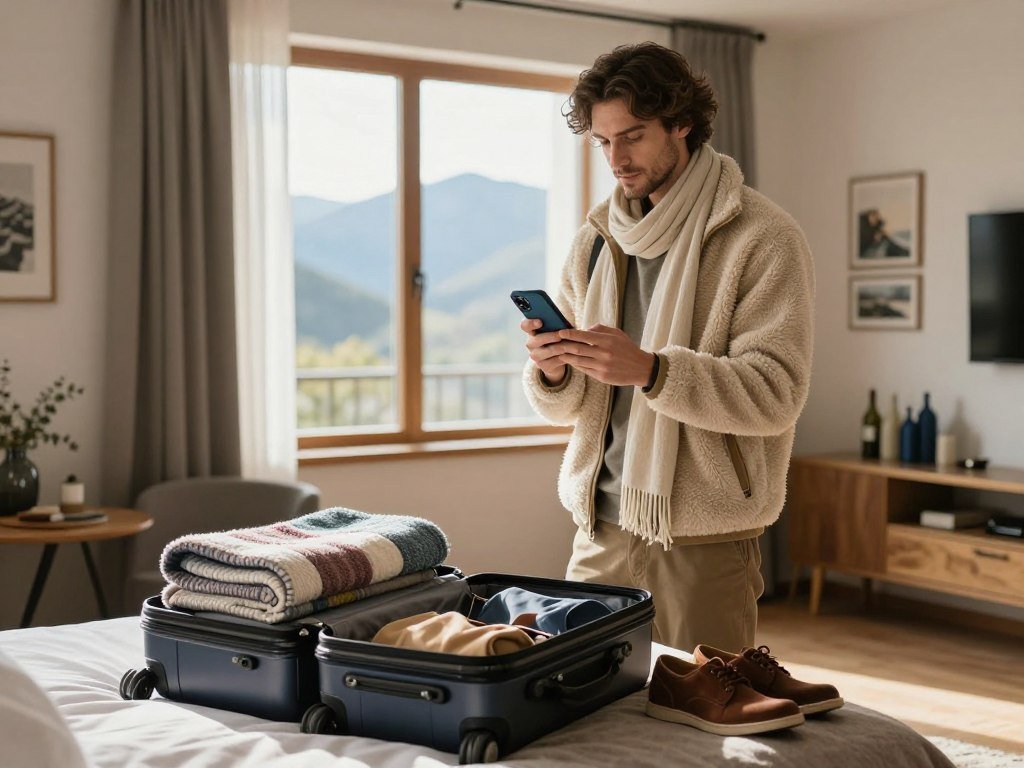
Recheck the forecast near departure and swap a speculative item for the layer the itinerary actually needs.
Which Tops, Bottoms, and One-Piece Clothes Should You Pack?
Start with tops you would happily wear more than once and bottoms that work with several of them. Choose for comfort and repeat use, rather than bringing a separate outfit for each day. A one-week starting approach can include three or four tops, one or two shirts, and two or three bottoms.
Every item should work with more than one other piece. Everyday tees or tanks can pair with shorts, trousers, a skirt, or leggings. A button-down can serve as a shirt or a light cover-up, depending on the weather and your plans.
| Garment group | 10-day guide count | Examples |
|---|---|---|
| Tops | 7-10 | Tees, tanks, performance tee, polo, button-up |
| Shorts | 3 | Casual shorts, hybrid shorts |
| Long pants | 1-2 | Trousers, leggings, travel pants |
Choose tops that can repeat with different bottoms
For a 10-day carry-on trip, one guide recommends seven to ten tops, three shorts, and no more than one or two pairs of pants. Another 10-day checklist suggests three or four short-sleeve tees, one performance tee, and one polo or button-up shirt.
That checklist also suggests two or three pairs of shorts, one hybrid short, and one or two pairs of long pants. Use those longer-trip counts as reference points, not as a list you must copy for one week. Your laundry access and plans will change what makes sense.
A shirt that works for dinner and daytime sightseeing earns its space. Cotton tees may feel familiar and easy to wear, while a performance shirt can help on active days. Choose fabrics you already know you like, especially if heat or long walks affect your comfort.
Pick bottoms and a dress for the activities planned
Shorts, trousers, a skirt, or leggings can each fill a different role. Pick bottoms that suit the weather and fit the tops you plan to bring. If you expect cooler evenings, one pair of long pants may be more useful than another pair of shorts.
A dress or jumpsuit can make a complete outfit with one garment. Bring one if you enjoy wearing it and have a suitable occasion, but you do not need one if it rarely fits your style. A two-week travel capsule wardrobe can still rely on versatile pieces and planned laundry instead of doubling every category.
There is no need to pack a garment just because it looks useful in a list. A skirt that feels wrong for long walks or trousers you dislike wearing will probably stay in your bag. Leave out any garment that only works with one hypothetical occasion.
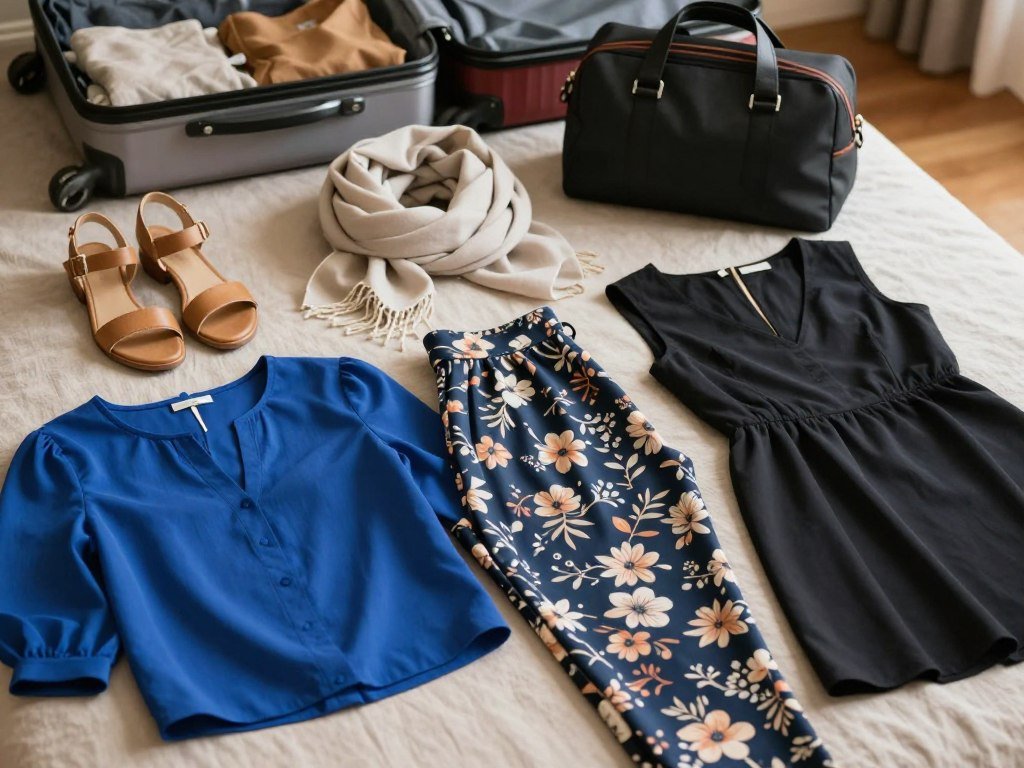
How Can a Simple Color Palette Create More Outfits?
A tight color palette makes a small set of clothes feel larger because more pieces can pair without effort. Keep coordination simple with two or three base colors and one or two accent colors. You do not need every item to match exactly.
Color coordination matters more than identical shades. Navy with tan, black with cream, or olive with white can give you a clear starting point. Add an accent through a shirt, scarf, or other small item you already enjoy wearing.
Choose footwear and accessories in one base color to help the collection coordinate. For example, brown shoes and a brown belt can sit easily beside tan and navy clothes. This small choice can make unrelated pieces feel like part of the same travel capsule.
A 12-piece travel capsule example may count clothing only, leaving shoes and accessories out. A spring example with 12 clothing pieces includes three shoe styles. Check what each list counts before comparing it with your own capsule wardrobe, or the totals may seem confusing.
A capsule-building guide recommends two or three tops for every bottom. That can be a useful balance when you want frequent outfit changes, but it is not a strict rule. A study found that outfits rated most fashionable used moderate color coordination, rather than perfect matching or strong clashes.
Try to make each top work with at least two bottoms. If one color stands out too much to pair easily, keep it only when you know exactly when you will wear it.
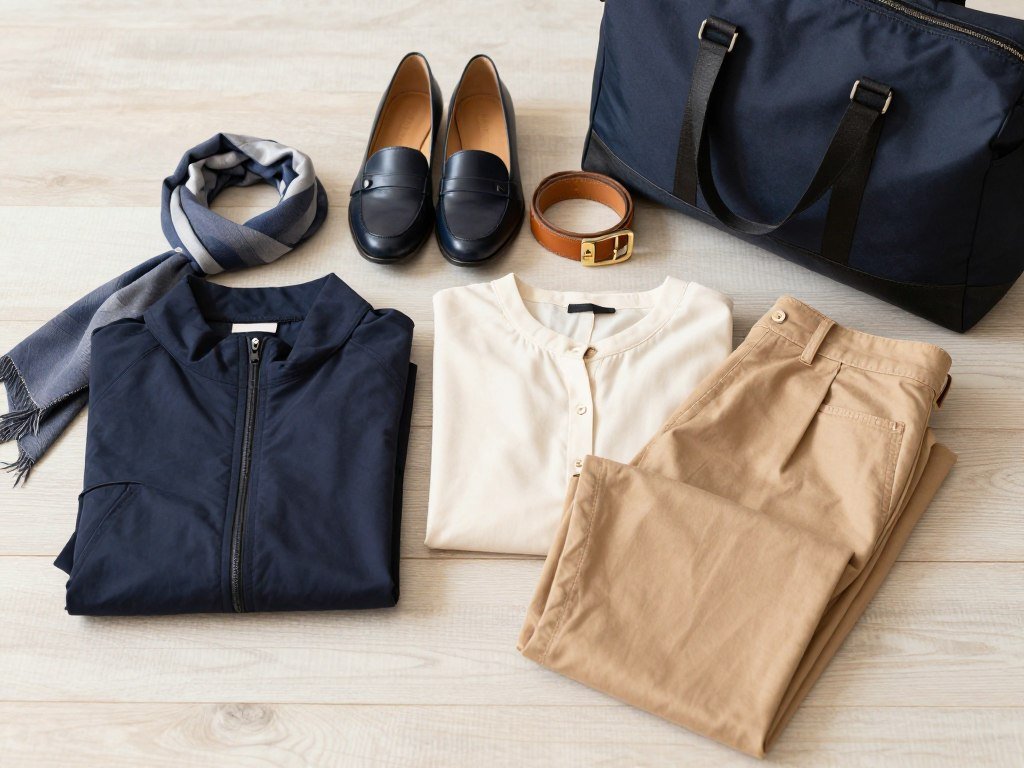
Before packing, check that each top works with at least two bottoms.
How Many Pairs of Shoes Do You Need for a Week?
Two pairs will cover most weeks away, while a third is useful only when the itinerary gives it a job. Start with a reliable walking pair, then add a second option that suits more than one setting. Comfort matters more than a shoe’s appearance in a packing list.
Wear shoes that are already broken in for walking-heavy trips. A new pair of sneakers can cause blisters or sore feet after a long day. Try your travel shoes on the kind of walk you expect before you leave.
Choose a walking pair and a second versatile pair
A comfortable sneaker or walking shoe can handle a full day of sightseeing. For your second pair, consider a sandal, loafer, or flat that works for evenings and lighter daytime plans. Pick a style that suits your usual clothes and the ground you will cover.
Some trips call for a different balance. A warm beach stay may make sandals useful most days, while a city trip with uneven sidewalks may call for sturdy sneakers. Your pair shoes should match the actual activities, not simply fill a planned number.
Add a third pair only for a real activity need
Bring a third pair only for a genuine need, such as hiking, a formal event, or a beach setting that calls for a separate shoe. Hiking shoes or weather-ready boots may replace another pair instead of adding to the total.
Think about how each pair fits with your clothes and what it will do that the others cannot. If a third option serves only one unlikely occasion, it may not deserve bag space. A walking shoe that works with several outfits is usually more useful.
Wear the bulkiest broken-in pair in transit instead of packing it.
Which Layers and Jacket Should You Bring?
One mid-layer and weather-appropriate outerwear can cover more situations than several single-use heavy pieces. Choose clothes that layer together, so each piece works across more than one outfit. A cardigan or light sweater can help on cool evenings.
Your layer should fit over several tops and under your outerwear. A light knit adds warmth without needing a second bulky sweater. For changing weather, pair a breathable base layer and knit with a packable waterproof shell.
Build warmth with a useful mid-layer
Check that your sweater or cardigan feels comfortable over the shirts you plan to wear. A layer that only fits over one thin top can limit your outfit choices. Pick one you would wear indoors or outdoors, depending on the day.
Hot, humid rain may call for breathable outerwear rather than a heavy insulated coat. A shell can protect you from rain while letting you wear lighter clothes underneath. If the forecast calls for cold wind, choose a more protective jacket instead.
Choose outerwear for the forecast
A packable waterproof layer can suit a trip with showers and changing conditions. In milder weather, a light jacket may be enough for cool evenings. Avoid bringing several coats that all solve the same problem.
When a jacket is bulky, wearing it during travel can free up space in your bag. Do this only if it feels comfortable for the journey and does not make it hard to manage your other things.
Test the outer layer over the thickest outfit you plan to wear.
Which Accessories and Activity-Specific Clothes Belong in the Bag?
Accessories and special-activity clothes should solve a specific need or make several outfits more useful. Choose small extras with a clear job, such as sun protection or a bag for daily essentials. A short list can keep these items from becoming a second wardrobe.
Pack activity clothing only when your itinerary calls for it. Summer pieces might include a tank, linen pants, shorts, a button-down, a dress, a skirt, sandals, and a swimsuit. These are options, not a required shopping list.
- Crossbody bag for daily essentials and hands-free sightseeing.
- Sunglasses or a hat for sun protection.
- Small jewelry set that works with several outfits.
- Swimsuit for a pool, beach, or planned swim.
- Activity-specific clothes for a real event or sport.
Keep daily accessories compact
A crossbody bag can hold the items you want close while exploring. If you carry travel documents, choose a travel wallet that suits what you need to keep handy and the way you like to carry it.
One small jewelry set can work with several outfits, while a large collection adds choices you may not use. Choose accessories that feel comfortable and fit the places you plan to visit. A hat or sunglasses can be more useful than an extra decorative item on a sunny trip.
Make summer and age-related choices personal
A summer travel capsule wardrobe for women over 50 should reflect comfort, climate, and personal style, not age-based rules. A tank, linen pants, shorts, a button-down, a summer dress, or a midi skirt can all work if they suit your plans.
Swimsuit needs depend on how often you swim and whether suits can dry overnight. One seven-day resort example uses three swimsuits when the traveler swims more than once a day and wet suits may not dry overnight. Bring more only when frequent swimming makes it useful.
Pack workout or hiking clothes only when those activities are actually on the itinerary.
How Do You Fit the Capsule Into a Carry-On?
A capsule can fit a carry-on more easily when the bag is not packed to its limits before departure. Use simple packing choices to keep clothes organized and make room for the return journey. One carry-on can work for a 10-day trip if you repeat outfits, do laundry when needed, and follow airline size and weight rules.
Leave 10-20% of your suitcase space and airline weight allowance free. That reserve gives you room for the return trip. A carry-on is a practical option, not a guarantee, because airlines set different baggage limits.
| Packing choice | What it does | Practical limit |
|---|---|---|
| Packing cubes | Group clothes by outfit or type | Use one extra cube for dirty laundry |
| Rolling or folding | Keep garments grouped and easy to reach | Choose the method that suits each item |
| Wearing bulky items in transit | Frees room inside the bag | Wear them only when comfortable |
Organize clothes without overfilling the bag
Packing cubes can hold clothes by type, such as tops in one cube and bottoms in another. You can also group a complete outfit together when you want it ready to grab. An extra cube can hold worn clothes on the way home.
Rolling or folding each garment is a personal choice. Rolling can make small items easier to group, while folding may suit structured clothes better. Keep the items you need first near the top, so you do not have to unpack the whole bag.
Leave room for the return trip
A 10-day trip can fit in one suitcase when you plan to repeat clothes and wash items if needed. It still depends on the trip’s clothing needs and the airline’s size and weight rules. Do not treat one person’s carry-on setup as a promise that the same bag will work for everyone.
Check the airline’s bag size and weight rules before deciding that everything fits.
What Packing Mistakes Lead to a Heavier Bag?
A list is a small safeguard against forgotten essentials and last-minute “just in case” additions that make a bag heavier. Use it to edit your choices before the trip, not to add every item you could possibly need. A packing list also gives you a simple way to check the essentials.
Toothbrushes and toothpaste are the most commonly forgotten items. Twenty-two percent of surveyed travelers had forgotten them at least once. Chargers and sunscreen also rank among often-forgotten things.
- Packing clothes for imagined events instead of planned activities.
- Bringing shoes that are unsuitable or not broken in.
- Choosing clothes that do not coordinate into useful outfits.
- Forgetting chargers, toiletries, or sunscreen.
- Filling every inch of the bag before departure.
Travelers forget an average of two essential items each time they pack. Surveyed travelers also reported forgetting phone, laptop, or other electronic chargers at a rate of 19.1%, and sunscreen at 18.3%.
Replacing forgotten items costs travelers an average of $53. A packing list helps: 77.1% say it makes them feel less likely to forget items, and 72.9% always make one. Still, a checklist works best when you check the items you will truly need.
Avoid packing for imaginary situations
Overpacking is common: 71.7% say they have overpacked, and 40% have returned home with clothes they did not wear. Think about which days each outfit serves, and remove clothes without a planned use.
A useful filter for low-consequence extras is the under-$20, within-20-minutes rule. Leave an item at home if it costs less than $20 and you can find it within 20 minutes at your destination. Do not use that rule for medicine or essential gear.
Check the easy-to-forget essentials
Before leaving, check your chargers, toiletries, and sunscreen against your packing list. Add anything you need for a planned activity, then close the list rather than reopening it for vague “what if” items. A small check can prevent a rushed stop on the way out.
Remove any item that has no planned use and can be replaced easily at the destination.
How Can You Adapt the Capsule for Different Trips?
The same mix-and-match idea can scale up or change categories when the trip length or purpose changes. Keep the useful pieces, then adjust counts and gear for your plans. Longer trips usually call for laundry, not a second copy of every garment.
Plan around the activities and laundry schedule that matter on this trip. A 13-piece one-bag example uses two pairs of shoes, while an active one-bag system may plan laundry every three to five days. Those are examples, not targets every traveler needs to meet.
Scale the formula for two weeks
A two-week travel capsule wardrobe can rely on planned laundry rather than twice the clothes. Choose enough clean items to reach your next wash, then repeat the pieces that still feel good to wear. A washer or sink can change how many tops and bottoms you need.
A 3-2-1 mini edit suits two or three nights: three tops, two bottoms, two pairs of shoes, one layer, and accessories. For a much longer trip, a 6-5-4-3-2-1 extended edit offers six tops, five bottoms, four pairs of shoes, three bags, two dresses or layers, and one swimsuit. Treat both as flexible examples, not strict rules.
A small capsule can still serve a longer trip if you wash clothes and make sure each piece works across several days. The 13-piece example with two shoe pairs shows one way to keep a core set compact. Laundry every three to five days may suit an active one-bag plan, but your access to washing and daily activities will shape the timing.
Adjust for Europe and business travel
A capsule wardrobe for travel in Europe should account for walking, transit, weather, and dress expectations on your actual itinerary. A day with trains, museum visits, and cobbled streets may call for different clothes than a resort stay. Check the plans for each place rather than assuming every destination has the same needs.
A business travel capsule wardrobe for women can center on repeatable work outfits and one appropriate evening option. Choose work clothes that coordinate, feel comfortable through a full day, and suit the meetings you expect. Add casual pieces only when the trip includes time for them.
Swap in gear for beach or hiking plans
Beach and hiking trips need destination-specific gear instead of generic extras. Swimwear may matter for a beach itinerary, while suitable hiking pants can be more useful on a trail than extra city clothes. Choose gear for the terrain and weather you expect.
A trip with outdoor plans can also need supplies beyond clothes. For a hike, check the route and park guidance for safety needs, then pack the gear that supports that activity. A beach week with daily swims calls for different clothes than a city trip with one possible pool visit.
- Weekend: Use the mini edit for a short stay and repeat compatible pieces.
- Longer trip: Plan laundry before adding more clothes.
- Europe: Match shoes and clothes to walking, transit, and local plans.
- Work: Build repeatable outfits and one suitable evening option.
- Beach or hiking: Swap generic extras for gear the activity needs.
Keep the formula flexible enough to protect the activities that matter most on the trip.
Let the trip’s main activity decide which specialist item earns a place.
Conclusion
A lighter bag starts with a more honest plan for what you will wear. Clothes that work together and fit your actual plans give you more useful choices than a suitcase full of backup outfits.
Write down the activities for all seven days, including travel days and time to rest. Then select a small group of clothes that covers those plans and feels good to wear.
Lay out the candidate pieces, build a few complete outfits, and remove anything that does not earn its place.
FAQ
How many outfits for one week trip?
What is the 3-3-3 rule for wardrobe?
What is the 5-4-3-2-1 rule when packing?
What is the most forgotten item when packing for vacation?
What are the 5 biggest packing mistakes to avoid?
What clothes to pack for a 10 day trip?
How many pairs of pants for a 10 day trip?
What is the 5-4-3-2-1 packing method for cold weather?