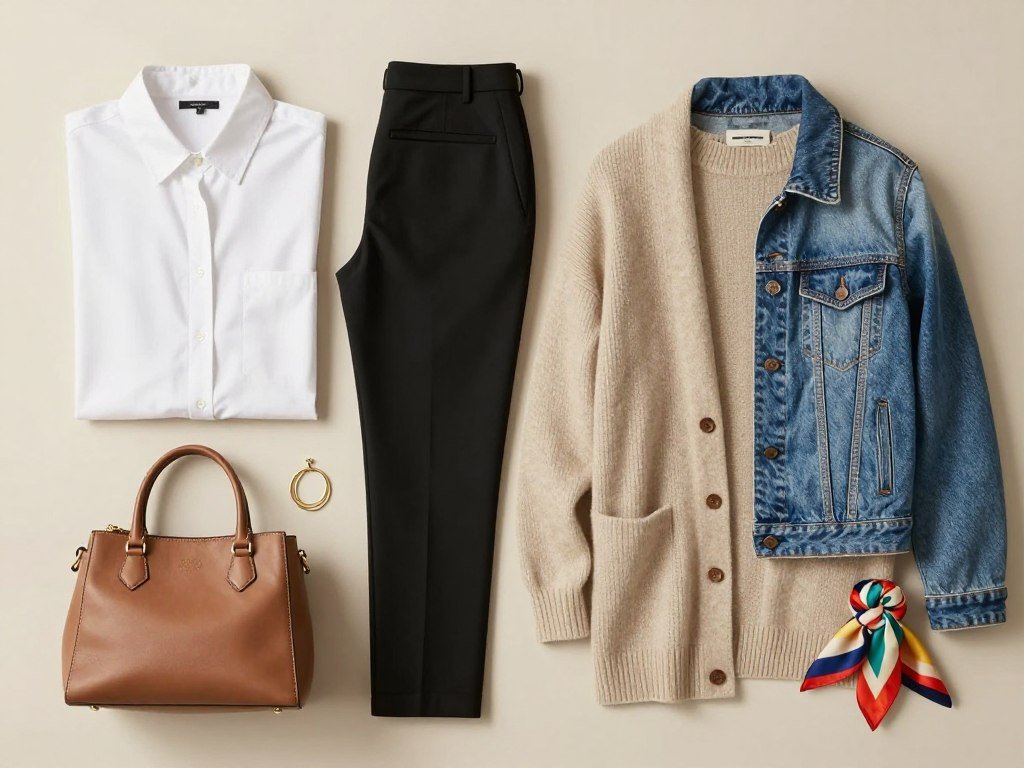
A useful core collection of timeless wardrobe essentials for women starts with clothes you reach for often, feel comfortable in, and can combine in more than one way. The right choices depend on your daily routine, personal style, and the kinds of everyday outfits you need. Classic pieces can leave room for current trends, too, without asking you to change your whole closet.
A capsule wardrobe is a small collection of versatile clothes that can be mixed and matched to make multiple outfits. You can build yours over time, choosing pieces that suit your life and the seasons where you live. Start with the gaps in your own closet rather than replacing everything at once.
Key Takeaways
- Choose clothes for your routine, comfort, and personal style.
- Look for pieces that work in more than one outfit.
- Check fit and movement before choosing a new staple.
- Use layers and shoes to shift an outfit from casual to polished.
- Add trends in small ways that suit clothes you already wear.
How Do Timeless Wardrobe Essentials for Women Work Together?
A useful capsule wardrobe is a small group of clothes that combine into outfits for the life you actually lead. Versatility, fit, comfort, and repeat wear matter more than copying a universal checklist. Timeless fashion pieces earn their place through wearability, not age or trends.
Before buying, check whether the item pairs with three pieces already in your closet. Then consider three simple questions:
- Does it work with clothes you already own?
- Does it suit your daily activities?
- Does it feel comfortable when you move?
A useful wardrobe is built from clothes that make more than one real outfit, not from a perfect-looking checklist.
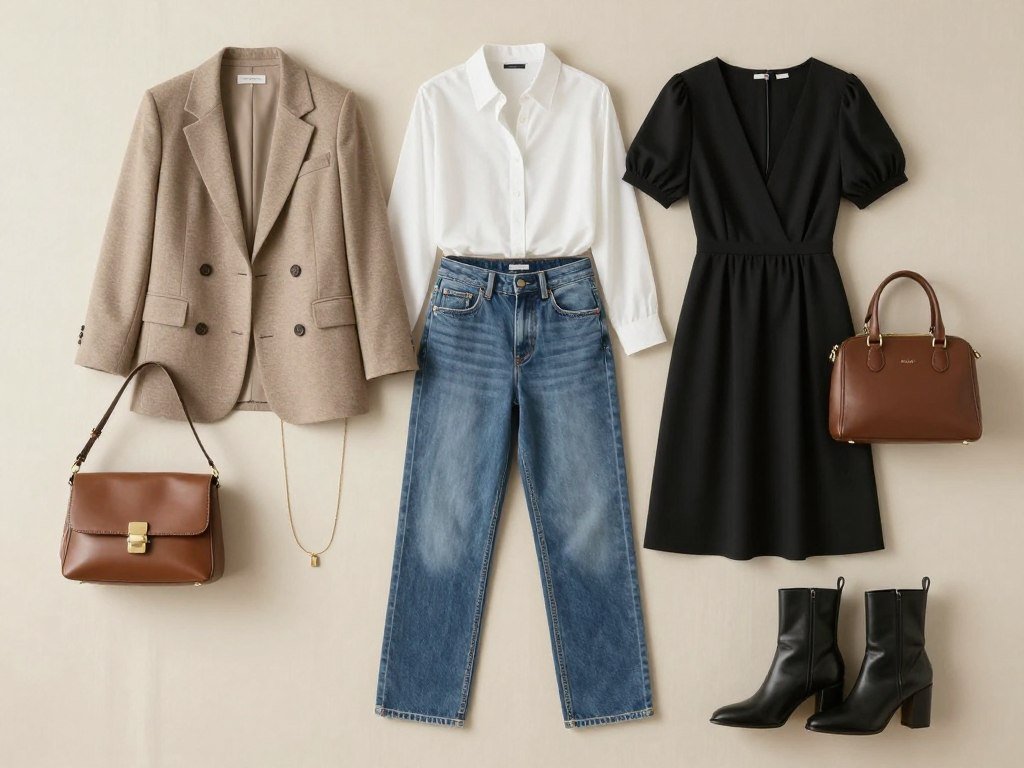
Those checks help you spot wardrobe staples that will see regular use. A crisp item that only works for one event may be less helpful than a softer piece you can wear to work, errands, and dinner.
Do not assume every neutral item is automatically versatile. A beige top that clashes with your usual colors or feels wrong against your skin may sit unworn, while a brighter color might fit your style and existing clothes.
Build a collection around what you do most, from commuting to caring for kids or working from home. Keep a piece only if you can picture wearing it in more than one setting.
Which Tops Make the Most Versatile Starting Point?
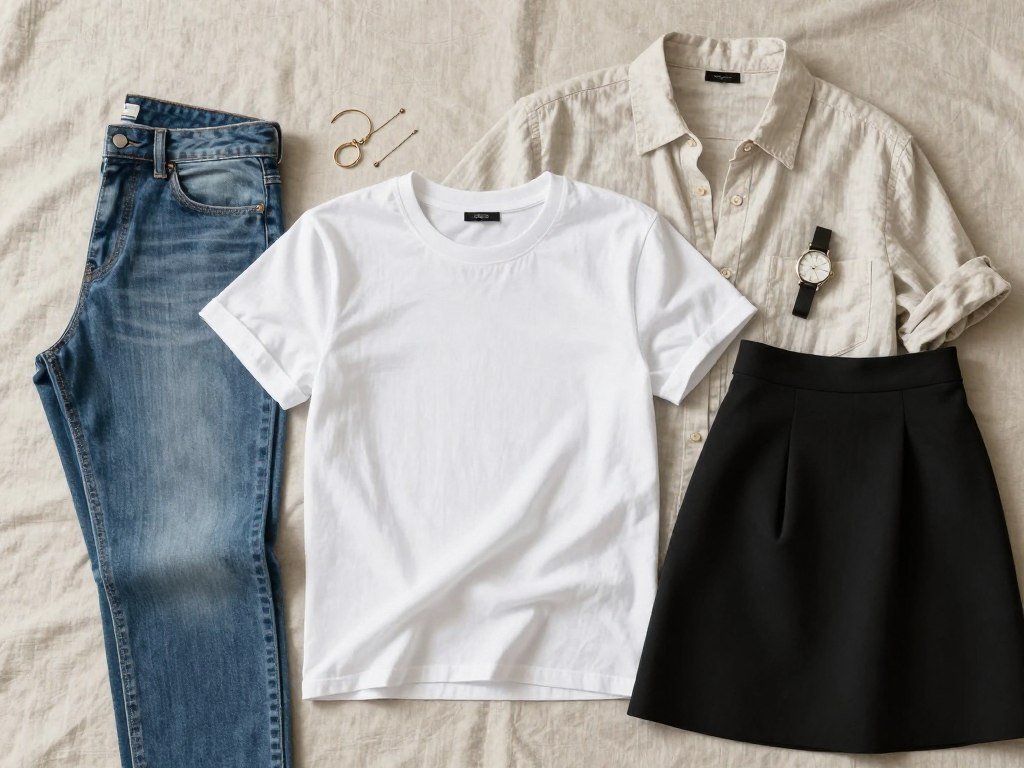
A well-fitting white T-shirt is one of the easiest tops to repeat because it works alone and as a layer. Choose a tee that feels good through the shoulders and does not tug when you reach forward. A button-down or linen shirt adds another useful shape.
Two dependable tops can create a surprising range of everyday outfits. Keep the cut simple enough to wear in the ways your routine calls for.
1. The White T-Shirt
A white T-shirt can look relaxed on its own or more polished beneath a blazer. Wear it with a skirt for an easy mix of casual and dressed-up pieces. A crew neck gives a classic feel, while a V-neck can open up the neckline.
Check the fabric in daylight, since thin white material can show more than you expect. The best fit skims your body without pulling across the chest or bunching at the waist. If you like a looser style, make sure it still sits neatly under layers.
2. The Button-Down or Linen Shirt
A button-down shirt can be tucked in for a cleaner shape or worn open over a tee. For warm days, tie a linen shirt over shorts or tuck it into jeans. Quince’s 100% European Linen Shirt is made from flax and is described as lightweight, breathable, and hypoallergenic.
Garment washing is intended to minimize shrinkage in that shirt, but linen has no elasticity and wrinkles as you wear it. Its relaxed look suits easy outfits, though a close fit is less forgiving when the fabric cannot stretch.
Choose a button-down that does not pull at the buttons when you move your arms. A slightly roomy cut can work open as a light layer, while a more shaped shirt may tuck neatly into a waistband.
Expect linen to wrinkle with wear, and choose it for its airy feel rather than a pressed, stretch-fabric finish.
Which Everyday Bottoms Do the Most Work?
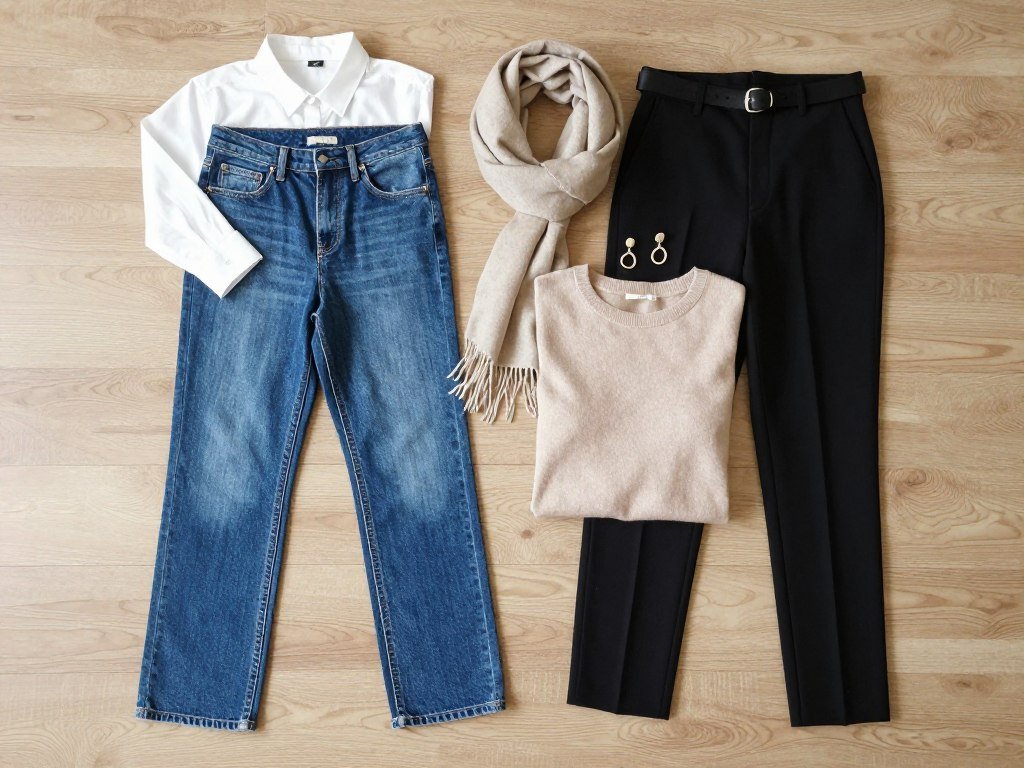
Straight-leg jeans are a dependable casual base, while tailored trousers bring more polish to a simple top. Pick bottoms that work with your real routine and let you sit, bend, and walk with ease. A good hem and comfortable waist matter more than a cut that happens to be popular.
The right rise, wash, and hem matter more than chasing a trending cut. Straight-leg jeans have been a foundational capsule item since the 1990s, and heels can dress them up while sneakers keep them casual.
| Bottom | Strongest use | Pair with | Fit check |
|---|---|---|---|
| Straight-leg jeans | Everyday casual | Tee and sneakers | Comfortable waist |
| Dark-wash jeans | Casual-to-polished | Button-down and heels | Clean hem |
| Tailored trousers | Work-to-dinner | Knit top and loafers | Easy movement |
Jeans offer a simple starting point, but the rise changes how a pair sits and how it feels through the day. A waistband that digs in while you sit may turn an attractive pair into a closet regular’s opposite. Try the jeans in several outfits before deciding they work for you.
For help weighing rises, washes, and cuts, explore denim trends and fit. The right pair should feel like your own clothes, not a costume built around a trend.
Tailored trousers can make a tee look more put together or balance a relaxed shirt. A pair that appears polished but restricts movement is a poor everyday choice, even if its line looks sharp in a mirror.
Check the hem with the shoes you expect to wear most often.
How Should a Blazer Fit and Function?
A blazer earns its place when it sits comfortably across the shoulders and works with both casual and tailored clothes. Start with the shoulders, since pulling there is harder to fix than a loose waist or long sleeve. A blazer can top trousers, jeans, or a dress.
Shoulder fit matters more than a waist or sleeve that a tailor can adjust. A classic fit gives you room to move through the chest, waist, and sleeves without looking shapeless.
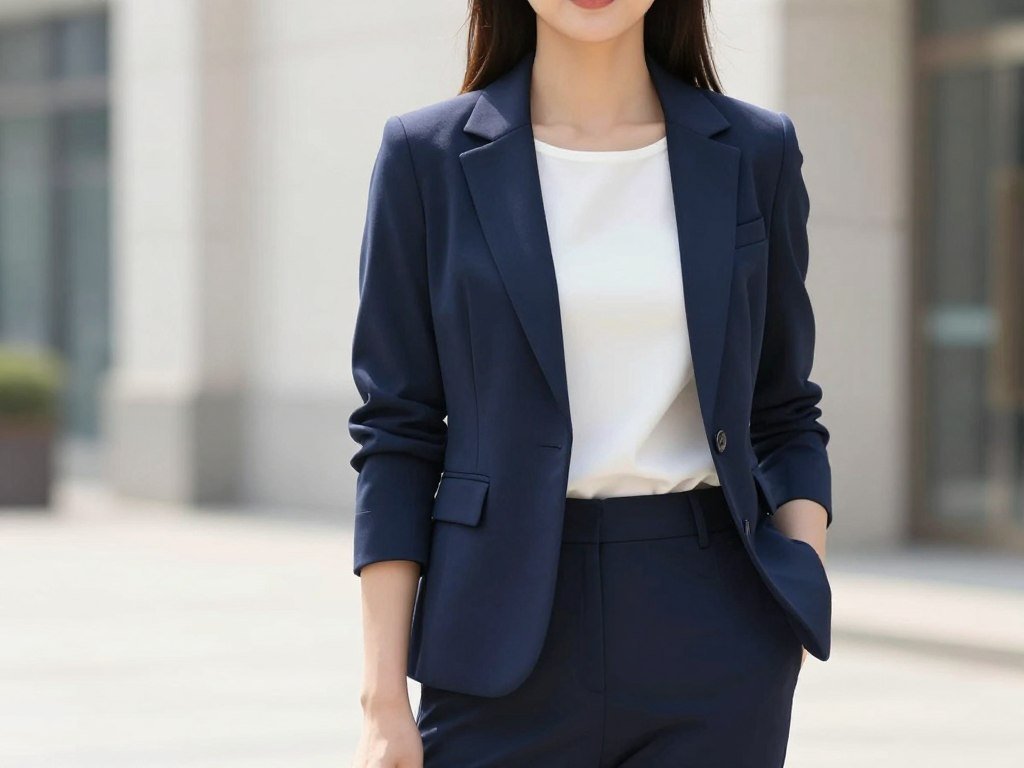
Single-breasted blazers have one column of buttons and a narrower overlap. Double-breasted styles have two button columns and a wider overlap, which creates a more formal look. Either can work, so choose the shape you enjoy wearing.
A general women’s blazer chart spans US 0-2 (XS) through US 20-22 (XXL). That range is a broad reference, not a fit promise, because brand size charts can vary. Compare your measurements with the chart for the exact blazer you plan to buy.
When you try one on, raise your arms and reach forward. The fabric should not pull sharply across the back or chest, and the sleeves should allow natural movement. A blazer that feels stiff when you move is unlikely to become comfortable through regular wear.
Shoulders are harder to alter than the waist, sleeves, or hem, so do not accept pulling just because another part could be tailored. A navy blazer can work with both denim and trousers, while another color may better suit your usual clothes.
A classic-fit blazer allows room to move through the chest, waist, and sleeves. Check shoulder fit before deciding whether the sleeves or waist need tailoring.
What Dress Works for Everyday Plans and Formal Events?
A versatile midi dress can handle casual dinners and many polished occasions when its fit and styling suit the setting. Choose a shape you can move in and a color that feels right on you. A simple black dress is useful, but another flattering color may suit your closet better.
The event’s formality should guide the dress length and finish. Timeless elegance for ladies means matching the occasion, fit, and details, not relying on price or decoration alone.
6. The Versatile Dress
A simple midi can work for casual plans, dinner, or a polished daytime event. Change its shoes and accessories to shift the mood without buying a separate dress for each occasion. A dress with a comfortable waist and a shape you like is more likely to earn repeat wear.
A black dress is a classic option, but a solid color you already enjoy may be easier to style. Choose an outfit that feels like you, rather than a dress that only looks right for one photograph.
Dress Length and Formality
A cocktail dress can be a polished midi, a knee-length style, or a refined shorter dress. Formal events often call for a long dress, while black tie generally calls for a floor-length evening gown.
| Event | Suitable length | Styling focus |
|---|---|---|
| Cocktail | Polished midi or knee-length | Balanced proportions |
| Formal | Long dress | Refined finish |
| Black tie | Floor-length gown | Formal evening details |
A midi dress can shift from dinner to a holiday event with changed accessories. Keep the overall look in line with the event, rather than adding details simply because the dress feels plain.
For weddings, avoid white, ivory, cream, and shades that may photograph as bridal unless the couple requests them. For a wedding, choose a color that will not photograph as bridal unless the couple has asked guests to wear it.
Which Knit Layers Earn a Place in a Small Closet?
A simple knit adds warmth without requiring a separate outfit for every temperature change. One useful sweater can cover chilly mornings, cool offices, and evenings out. A cardigan gives you a layer that opens or closes as the day warms up.
Choose a knit that fits under the outerwear you already own. Cashmere and merino wool are common choices, while the best weight depends on how you plan to wear the piece.
7. The Knit Sweater
A simple crewneck or V-neck in a color that works with your clothes is easy to repeat. Fine knits can sit under blazers without adding much bulk. A heavier sweater can go over a tee or dress when you want warmth without changing the whole outfit.
Cashmere and merino wool are familiar knitwear options, but price and softness do not decide whether a sweater suits you. Think about how often you will wear it and whether its shape works with your usual layers.
Cardigans as a Layer
A cardigan can sit over a dress or tee and under a coat. Wear it open for a softer line, or close the buttons when you want more warmth. A fine cardigan is useful in rooms that feel cold even when the weather outside is mild.
Bulky knits can be hard to layer if your coat is already close-fitting. That does not make a thick sweater a bad choice, but it should suit the outerwear you actually use.
Try the sweater under your usual coat before committing to a thick knit.
How Do You Choose a Skirt You Will Actually Wear?
The best skirt is the one that lets you move comfortably and already works with tops you own. Start with a familiar outfit, such as a tee or knit top, to see whether the skirt fits your daily style. Length and fabric can make the same shape feel casual or formal.
Test how the skirt moves before judging how it looks while standing still. A pencil skirt follows the body, while an A-line shape gives more room through the legs.
Pleated skirts add movement and folds, while wrap styles adjust across the waist and open as you walk. A midi skirt falls between the knee and ankle; a maxi reaches farther down the leg. Each shape changes how much you can move and how much fabric you manage.
A skirt’s fabric and length affect its feel, too. A soft, flowing midi may work for casual plans, while a sharper fabric can look more formal. Consider whether you would reach for it on an ordinary day, not only for a special event.
Try these three things before deciding:
- Sit down and check whether the waistband stays comfortable.
- Walk at your normal pace and check for easy movement.
- Pair the skirt with a top you already wear often.
A silhouette can be fashionable and still feel wrong for your routine. Buying a skirt only because its shape is popular can leave it unworn, especially if you cannot picture a top or occasion that suits it.
Walk and sit in the skirt before deciding that the fit is right.
Which Outerwear Piece Fits Your Climate?
Choose outerwear for the weather you actually face, not an imagined version of winter. Match the layer to your local rain, cold, and daily travel. A trench or raincoat suits wet transitional weather, while a wool coat adds warmth in colder conditions.
Buy for your local conditions and the layers you wear underneath. A warm climate may call for a lighter jacket instead of a heavy wool coat.
A trench coat works well over everyday clothes during mild, wet weather. A raincoat puts weather protection first, while a wool coat helps when temperatures drop. A barn jacket offers a more casual option for errands and outdoor plans.
NOAA’s U.S. Climate Normals report monthly, seasonal, daily, and hourly climate data from nearly 15,000 weather stations, using 1991-2020 records. You can use local patterns to think about what your coat needs to handle.
Before choosing, check three details:
- Room for the sweater you wear most often.
- A closure and pockets that suit your daily use.
- A color that works with clothes you already own.
A coat chosen only for its appearance may fail in your local weather. A thin trench cannot replace a warm coat during cold winters, and a heavy wool layer may be uncomfortable in a mild climate.
Make sure your most-used sweater fits under the coat without pulling at the shoulders.
What Shoes Cover Everyday and Dressier Plans?
The most useful everyday shoe is comfortable enough for regular wear and simple enough to work with several outfits. Start with comfort, then consider which clothes and plans the pair needs to cover. One pair does not need to suit every occasion.
Strictly formal dress codes call for formal footwear, not sneakers. For everyday plans, clean sneakers, loafers, flats, ankle boots, and low heels can each serve a different role.
10. The Everyday Sneaker
A clean, comfortable sneaker can pair with denim or a dress. A simple design can fit into more outfits than a shoe with many colors or bold details. Choose one you can wear for the amount of walking your normal day involves.
Minimalist sneakers make casual clothes feel neat, but they are not a substitute for formal shoes at a strict event. Keep that line in mind when planning an outfit for a ceremony or dressy work setting.
Loafers and Flats
Loafers and ballet flats are polished flat options for work, errands, and casual dinners. A loafer has a more structured look, while a ballet flat often feels lighter and softer. Both can work when you want a tidy outfit without a heel.
Check the back of the shoe for slipping and the toe area for pressure. A flat that rubs during a short fitting may feel worse after a long day.
A Low, Walkable Heel
A low heel can work for an office or dinner when you want a little height without a tall, narrow heel. The shape should let you stand and walk at a natural pace. Leather can soften with use, but it should not cause sharp pain when you first try it.
Appearance alone cannot tell you whether a shoe fits. Test the pair by walking in it before making it your default shoe.
Which Accessories Finish an Outfit Without Clutter?
An everyday bag should suit what you carry before it is judged by how it looks. Capacity comes first, whether you need room for a water bottle, wallet, keys, or work gear. A neutral handbag can work across seasons and with many outfits.
Choose a bag that holds the essentials you carry most days. A daily bag and a small evening bag have different jobs, so neither needs to replace the other.
A Bag That Fits Your Day
A practical handbag should fit your usual items without forcing you to leave useful things behind. A compact evening bag can hold a phone and a few small items, but may not suit commuting or errands. Think about weight, straps, and how you prefer to carry it.
Leather can offer a classic look, while other materials may better suit your budget or daily needs. A neutral shade can pair with several colors, but it should still feel like a bag you want to take out.
Small Finishing Details
A belt can define the waist or make a familiar outfit feel more finished. A silk scarf adds color near the face, while simple jewelry can shift a tee and blazer toward dinner. Small details can change the mood without changing the whole outfit.
Keep the effect focused rather than adding every accessory at once. If you like a more expressive look, choose one detail that feels personal and let the rest stay simple.
For another way to add a small accent, compare sunglasses styles that suit you with several outfits. The frame should fit your face and the mood you want, not just follow a trend.
Check the bag with the items you routinely take out of the house.
Which Colors Make Your Clothes Easier to Mix?
A shared color palette makes it easier to combine separate purchases into complete outfits. Start with anchors you already enjoy, such as navy, beige, gray, or black. White is another common neutral that can lighten or sharpen a look.
A closet does not need to be entirely neutral to work well. One or two accent colors can reflect your personal taste while the base shades help clothes mix.
| Anchor color | Easy pairing | Useful contrast | Outfit example |
|---|---|---|---|
| Navy | White | Camel | Navy blazer with white tee |
| Beige | Denim | Blue | Beige coat with denim |
| Gray | Navy | Cream | Gray knit with black trousers |
| Black | Beige | White | Black skirt with cream shirt |
The table gives starting points, not rules for every closet. White, denim, navy, gray, beige, and black can sit beside brighter colors when those shades feel right to you.
Buying a color because it seems versatile in theory can backfire if it does not suit your existing clothes. An accent shade you enjoy wearing may do more for your collection than another neutral you rarely choose.
Choose a few colors you already enjoy wearing before adding new shades.
What Outfit Formulas Make Getting Dressed Easier?
A few reliable outfit formulas can make a closet feel more useful without adding more clothes. Repeatable combinations reduce morning decisions while leaving room for small changes. A white T-shirt can pair with jeans or a skirt, and a blazer can shift denim toward a dressier look.
Changing one layer or shoe can shift an outfit’s formality. A midi dress can also take on a new feel with a jacket or different jewelry.
| Occasion | Base pieces | Finishing layer or shoes | Styling effect |
|---|---|---|---|
| Casual day | White tee and jeans | Blazer and sneakers | Relaxed |
| Workday | Button-down and tailored trousers | Cardigan and loafers | Polished |
| Dinner | Midi dress | Tailored jacket and heels | Evening-ready |
Timeless fashion examples do not need to look formal or old-fashioned. A tee, jeans, and blazer can feel current because the fit and proportions suit you. A shirt and trousers can stay comfortable while looking ready for work.
Try each formula with the shoes you would actually wear. If the outfit feels awkward, adjust one layer or swap one piece rather than starting from scratch.
Take photos of combinations that feel comfortable and look like you. For more ideas, explore ways to style jeans with other pieces. Save the combinations you like so you can reach for them on busy mornings.
Which Fabrics Suit Frequent Wear and Changing Seasons?
Fabric affects how a garment feels, how it behaves through the day, and how much care it needs. Check the fiber and care labels before deciding whether a piece suits your climate and routine. Cotton is a familiar everyday option, while linen feels airy.
A natural fiber is not automatically easy-care or wrinkle-resistant. Wool and cashmere add warmth, while silk and modal offer different soft, fluid options.
Common natural-fiber choices for wardrobe basics include cotton, linen, wool, cashmere, and silk. Modal is another option, with a smooth feel and drape that can differ from crisp cotton or textured wool.
Fabric choice can affect whether a piece suits a hot summer day, a cold commute, or regular washing. The best material is not only the one that feels good in a store; it should also fit the care you can give it.
Before choosing an item, check these three points:
- Read the fiber label to learn what the fabric contains.
- Check the care label for cleaning instructions.
- Consider the season and how often you expect to wear it.
Natural fibers can wrinkle, need gentle cleaning, or feel different after washing. Two garments made from the same fiber may also have different care needs because of their weave, finish, or construction.
Follow the garment’s care label instead of assuming two items made from the same fiber need identical treatment.
How Can You Shop for Timeless Pieces Responsibly?
A dependable place to shop makes its sizing, material details, and return conditions easy to check before you order. Look beyond the product photo to compare fit information, fiber details, and whether the store’s range meets your needs. Those details help you judge a piece before it reaches your door.
Check the return window, item-condition rules, refund timing, and exceptions or fees. A long return window does not mean you can ignore rules about tags, wear, or packaging.
In 2026, Quince offers free standard shipping and free returns for most items. Eligible returns can receive a full refund or exchange within 365 days of delivery, but most returned items other than bedding must be unworn, unwashed, undamaged, and unaltered.
Quince also requires the hang tag to remain attached and the original internal packaging to be included for most returns. Exchanges and store-credit refunds are typically processed within three business days after the carrier receives or scans the return.
Refunds to the original payment method and jewelry refunds are typically processed within seven business days after the return reaches the warehouse. In 2026, made-to-order items other than furniture and made-to-order jewelry carry a $35 restocking fee.
Before you order, check these four store details:
- The return window for the item.
- The condition and packaging rules.
- How long each refund type usually takes.
- Any item exceptions or fees.
Quince’s 2026 return terms show why the item rules matter alongside the return window. Read the return conditions for the specific item before removing its tags or packaging.
Good On You rates brands across people, planet, and animals. Harvest & Mill is rated Great, and its pieces are grown, milled, and sewn exclusively in the United States.
Katla is rated Good and makes loungewear for menswear, womenswear, and kidswear. Miakoda is rated Good and offers sizes XS-4XL, while Ace & Jig is rated Good and offers sizes 2XS-4XL.
Proclaim is rated Good and offers sizes S-3XL. These ratings give you one way to compare brands, but a rating does not guarantee that every product has the same impact or standards.
How Do You Add Trends Without Replacing Your Core Pieces?
A trend works best when it adds a fresh detail to clothes you already enjoy wearing. Try one new element at a time, such as a garment or a small accessory. Trend-focused purchases should stay limited, while pieces you wear often remain the base of your closet.
A bold trend can earn space when it suits your personal style and gets repeated wear. You do not need to pile on accessories to make an outfit look polished.
In 2026, polka-dot dresses are a recurring print for weddings or casual outings. Try one with a jacket you already own, rather than building a full look around the print.
A column skirt has a minimal shape that can work for smart or casual outfits. Pair it with a familiar top to see whether the line fits your usual style before adding more trend-led pieces.
Cotton Bermuda shorts are another potential warm-weather staple in 2026. Their length, cut, and breathable cotton or linen fabric shape the look, so choose a pair that works with tops already in your closet.
A trend earns a place when it suits your style and works with clothes you already enjoy wearing.
Current details can give familiar outfits a new feel without making the whole closet depend on a short-lived look. If you want to try a bolder choice, begin with one item or a small accessory.
Keep the trend if you can style it with more than one outfit you already own.
Conclusion
A closet that works well is built around clothes you reach for, not a checklist you feel pressured to complete. Useful wardrobe staples fit your body, routine, and preferences, then work across the season and plans you actually have.
Start by identifying the three items you wear most often. Look for the gap that would make those clothes easier to use, whether that means a layer, a different bottom, or a shoe that suits your day.
Your personal style can change over time, so your closet can change with it. Pick one gap in your closet and look for a piece you can wear in several ways.
FAQ
How many pieces do I need to start a capsule wardrobe?
Can a white T-shirt look polished enough for work?
What is the difference between a capsule wardrobe and a minimalist wardrobe?
How do I know if a blazer fits properly?
Does linen shrink or wrinkle?
Are classic clothes automatically sustainable?