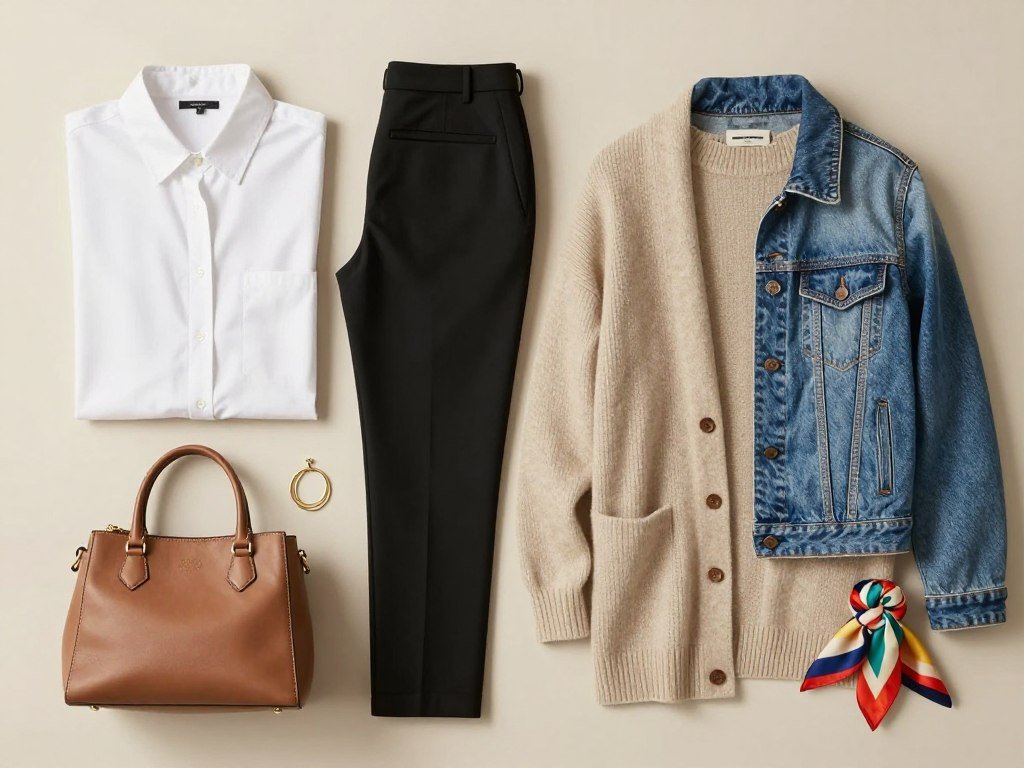
A closet full of clothes can still leave you reaching for the same few reliable pieces each morning. The best closet staples for women make those familiar outfits easier to repeat and adapt. A thoughtful wardrobe can save time without asking you to follow a strict uniform.
This 21-piece list is a starting point, not a shopping order. Your climate, work, budget, comfort, and personal style should shape what stays. Some people need more layers; others wear dresses or sneakers most days. The right pieces are the ones that fit your real routine.
Start with what you already wear often, then fill only the gaps that would make those outfits work harder.
Key Takeaways
- Choose wardrobe essentials that work with clothes you already own.
- Let your weekly routine guide what earns closet space.
- Fit, comfort, and care needs matter as much as appearance.
- Use the 21 pieces as options, not a required uniform.
- Buy slowly, after you find a real gap in your outfits.
What Are the Best Closet Staples for Women?
The most useful wardrobe essentials are the pieces you can wear in several combinations and in the settings that make up your real week. A capsule wardrobe is a small, intentional collection of clothing whose pieces mix and match to create outfits for your everyday life. Useful basics include denim, tops, knitwear, bottoms, outerwear, shoes, a dress, a bag, and jewelry.
Wardrobe essentials earn their place by working with multiple pieces you already own. A practical foundation might include dark denim, a structured white T-shirt, a crisp white shirt, neutral knitwear, and tailored trousers. Add minimal sneakers, a wool coat, an everyday bag, black ankle boots, a trench coat, a black blazer, and minimal jewelry.
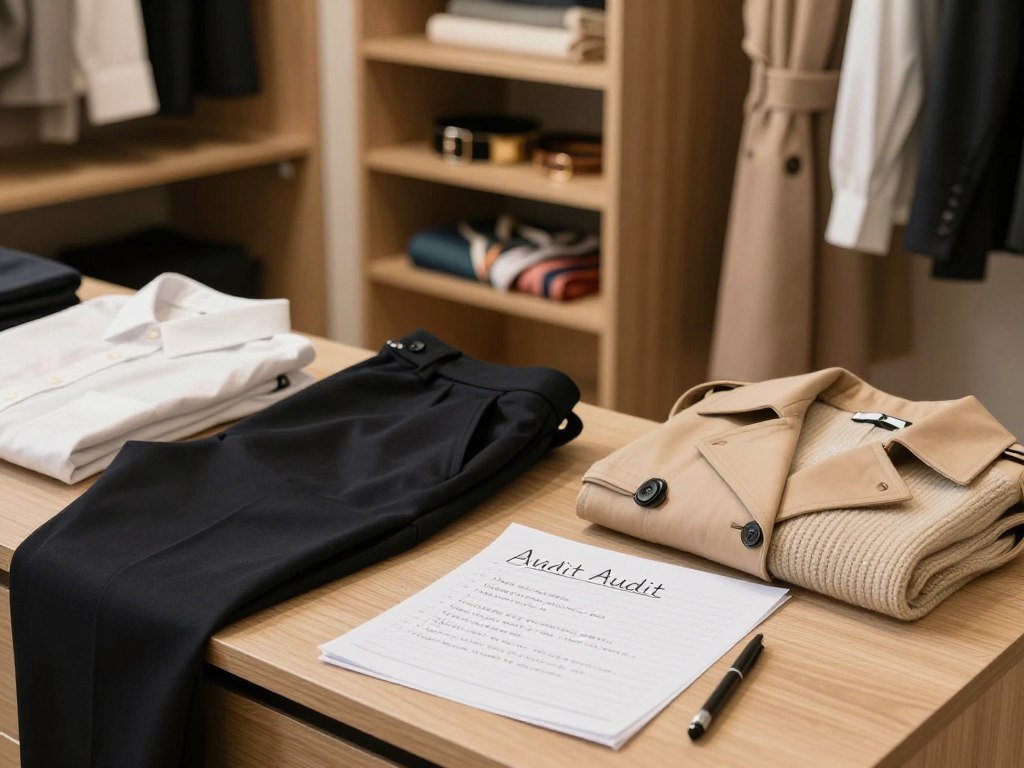
Audit the clothes you already reach for
Start with outfits you wear, not an imagined version of your week. Note what each outfit helps you do, from commuting to weekend errands. Your wardrobe should serve those settings first.
- Identify the outfits you wear most often.
- Note the settings those outfits serve.
- Name the colors and fits that keep recurring.
- Flag genuine gaps that stop outfits from working.
Look for a missing layer or useful shoe, rather than a new item that repeats what already works. A real gap makes several existing pieces more wearable.
Build a palette that feels like you
A two-neutral, one-accent palette is a practical starting point. Choose neutrals that suit your taste, then add one accent color that feels natural. Treat the palette as a tool, not a rule.
Before buying, name three pieces you own that could work with the gap you want to fill.
For example, a new top should have more than one possible partner in your closet. Your colors can be soft, bright, dark, or mixed. Your personal style sets the boundaries, not a fixed list of shades.
Before buying anything, write down three pieces you already own that work with the gap you want to fill.
Which Jeans and Skirt Belong in a Useful Wardrobe?
Dark denim is a dependable neutral when you want the ease of jeans with a more polished finish. A straight or relaxed leg can move from sneakers to heels with a change of top. Comfort comes first, since a pair you reach for often is more useful than one that works only in theory.
Choose bottoms that let you sit and walk without fuss. AGOLDE 90’s Pinch Waist jeans list at $238, while Agolde Lana jeans list at $260 in Vogue’s 2026 wardrobe essentials edit. They are examples, not universal picks; rises and cuts feel different on different bodies.
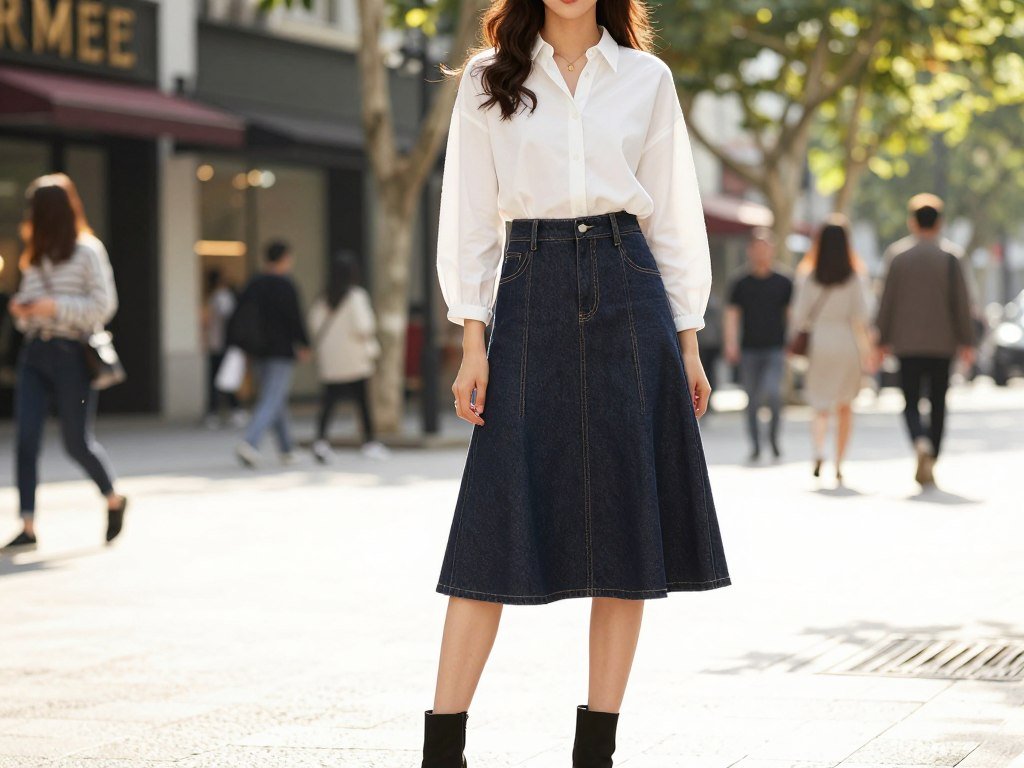
- Dark denim jeans: A clean, deep wash pairs with a tee, shirt, or knit. Try straight or relaxed legs if you want one pair for casual and polished looks.
- A versatile skirt: A midi skirt falls between the knee and ankle. A-line shapes offer room through the leg, while a straighter cut creates a simpler line.
A midi or A-line skirt can work with a tee, knit, or button-down. Wear one with sneakers for errands or a more polished shoe for dinner. The same skirt can shift with the top and layer.
Try each bottom with the clothes and shoes you expect to wear with it. A hem can look different with a flat than with a heel, so check both if you use both.
- Sit comfortably without pulling at the waistband.
- Walk without adjusting the garment.
- Check the waistband and hem with intended shoes.
Keep the pair that feels comfortable while seated and does not need constant readjusting as you move.
What Makes a White Tee Worth Keeping?
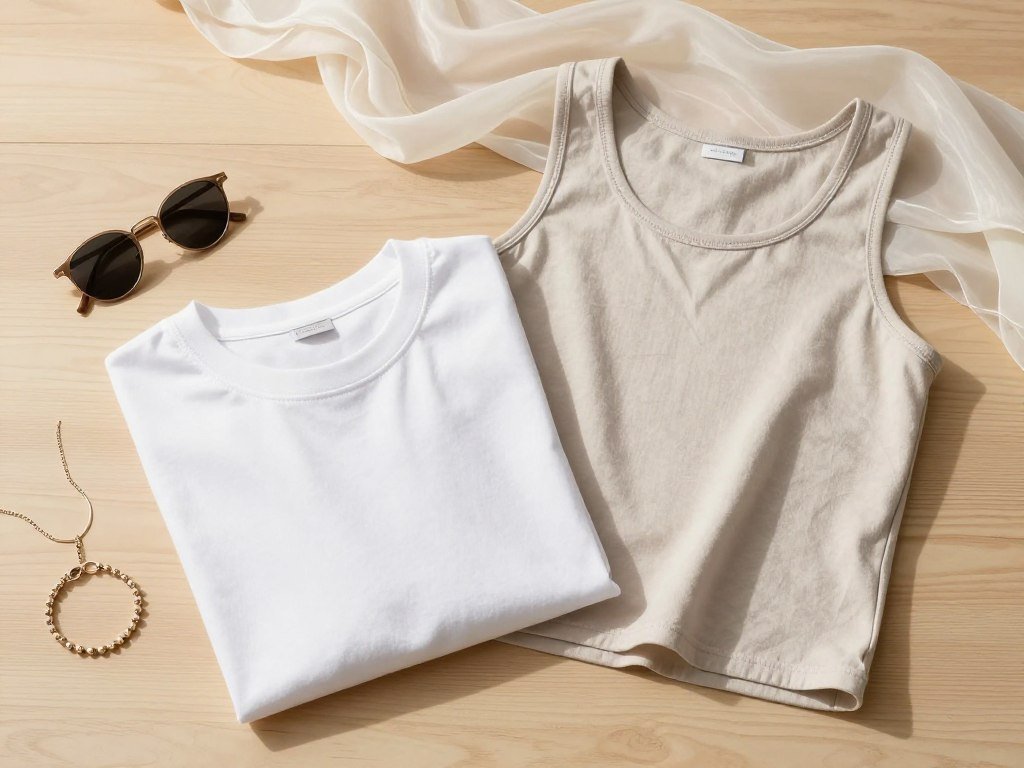
A white tee earns its place when its fabric feels substantial enough to wear alone and comfortable enough to layer. A body-skimming cut works under jackets, while a boxy or relaxed fit feels easy on its own. Choose the shape you will wear, not the one a trend dictates.
A neutral tank is a separate warm-weather and layering option. It can sit under an open shirt or serve as a simple top on hot days. Check how the armholes and neckline feel when you move.
| Product | Fabric | Sizes |
|---|---|---|
| J.Crew Vintage Jersey Classic-Fit Crewneck T-Shirt | 100% cotton | XXS-3X |
| Plain Jane New York Shortie Sleeve Tee | 100% Supima cotton | XXS-4XL |
| Le Bop Dylan Tee | 100% cotton | XS-XXL |
| Leset Margo Tee | 100% cotton | XS-XL |
The J.Crew Vintage Jersey Classic-Fit Crewneck T-Shirt is true to size and costs $25. The Leset Margo Tee runs small and costs $78. Its listed size range is XS-XL, so check the brand’s fit before choosing.
Other price examples include the Reformation Max Slim Tee at $48 and the Gildan Heavy Cotton T-Shirt at $11, with over 11,000 reviews. The J.Crew Boyfriend Classic-Fit T-Shirt costs $45. Each has a different cut and feel, so price alone cannot tell you which fits best.
Check the tee in daylight before buying so you can spot sheerness that indoor lighting hides.
How Can a Button-Down Work Across Seasons?
A button-down can look polished tucked in, relaxed worn open, or useful as a light layer. A crisp white shirt is item five, while a Breton or striped top is item six. Distinct roles let both pieces add variety without competing for the same outfit.
A shirt earns repeat wear when it works tucked, open, and layered. Cotton poplin offers structure, while linen is a breathable warm-weather option. The Polo Ralph Lauren embroidered Oxford shirt costs $150 in Vogue’s 2026 wardrobe essentials edit, but many shirts can do the job.
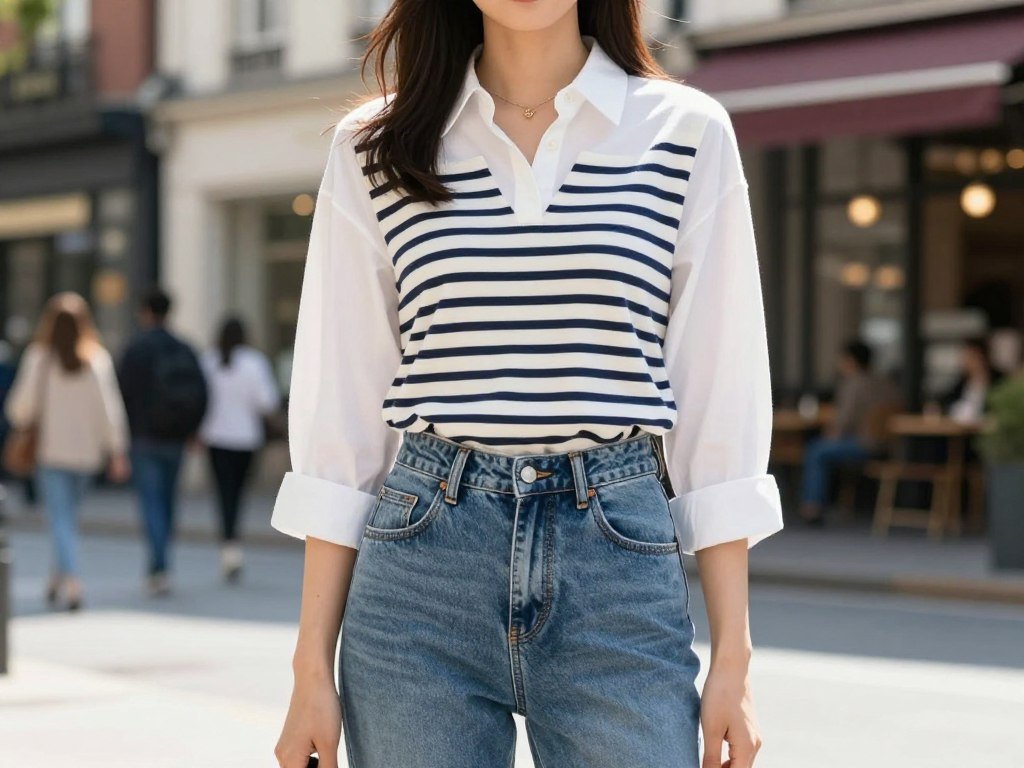
Wear the button-down tucked into trousers for a sharper outfit. Leave it open over a tee when you want a relaxed layer. It can also sit under knitwear when you want a collar at the neckline.
A Breton top gives you a pattern that still pairs easily with denim or solid bottoms. Stripes can add interest without asking you to build the rest of the outfit around them. Choose a stripe scale and color that feel like your own.
If crisp collars feel stiff, choose a soft-collar shirt or linen shirt instead. The shirt should move with you and suit the settings where you plan to wear it. A relaxed fabric can still look neat with trousers or a skirt.
Test the shirt with both its intended base layer and the bottoms you expect to wear most.
Which Knits Cover the Most Weather?
A neutral sweater is the easiest starting knit because it can sit over a tee or under a coat. A crewneck can also go over a shirt when you want a collar to show. One dependable knit often gets more use than a stack of special-occasion sweaters.
Choose knitwear by the job each layer needs to do. Wool can trap air for warmth and help manage moisture, as Woolmark’s wool fiber guide explains. A sweater, cardigan, and turtleneck offer different coverage and styling options.
- Neutral knitwear: A crewneck works on its own or over a shirt. The Quince Mongolian Cashmere Sweater costs $50.
- A cardigan: This open layer adds coverage that you can remove indoors. It works over a tee or dress.
- A turtleneck: The higher neck makes it a warm base layer. H&M’s fine-knit mock turtleneck costs $30 in Vogue’s 2026 edit; H&M’s turtleneck sweater costs $25 in Who What Wear’s winter 2026 list.
Fabric and care matter when you expect frequent wear. Cashmere feels soft, while cotton knits can suit milder days. A delicate knit may need more careful washing than a sturdy everyday sweater.
- Follow the garment label.
- Store delicate knits folded.
- Remove pills gently instead of pulling them.
A neat fold helps delicate knits keep their shape between wears. Keep care needs in mind before choosing a piece you expect to wash often. Easy care can make a knit more useful in a busy week.
Check the care label before choosing a knit you expect to wear frequently.
When Do Tailored Trousers Beat Jeans?
Tailored trousers are useful when jeans feel too casual but a dress feels like more than the occasion calls for. They can work with a tee, shirt, knit, or blazer. A softer finish may suit your daily routine better than formal tailoring.
Fit the trousers to your usual setting and movement. Check the rise, leg shape, fabric weight, and hem, since each changes comfort and formality. Banana Republic Modern straight pants cost $198; Zara flare corduroy pants are listed at $100 in Who What Wear’s winter 2026 essentials list.
Modern straight pants create a clean line that works for many offices and events. Flare corduroy pants bring more texture and a wider shape. The examples suit different tastes, not one fixed idea of a proper trouser.
A higher rise may feel secure to one person and restrictive to another. Fabric with more weight can hang in a formal way, while softer cloth often feels less stiff. Try the trousers while seated, not just standing in a fitting room.
If you rarely wear formal outfits, choose a comfortable stretch or relaxed trouser instead of a sharply tailored pair. It can still feel polished with a shirt or knit. Your clothes should suit what you actually do.
Try trousers with the shoes you plan to wear, since the hem should work with their actual height.
How Do You Choose a Black Blazer?
A black blazer is a strong choice when you want one layer to make a tee and jeans feel more deliberate. A slightly relaxed fit can leave room for a shirt or light knit. Balanced shoulders keep the shape from overwhelming you.
A useful blazer should fit your usual outfits and budget. The Drop Blake Long Blazer costs $46+ and comes in sizes XXS-5X, with 10 colors and fabrics. Lafayette 148 New York Holder tailored blazer costs $1,498, while Zara straight blazer costs $169 in Vogue’s 2026 wardrobe essentials edit.
| Blazer type | Best pairing | Overall feel |
|---|---|---|
| Single-breasted blazer | Tee and jeans | Simple and neat |
| Double-breasted blazer | Plain top and trousers | More formal |
| Long relaxed blazer | Fitted top and denim | Easy and roomy |
A single-breasted style is often easy to wear with casual pieces. A double-breasted front can look more formal, while a long relaxed blazer gives extra coverage. Your wardrobe and comfort decide which shape earns regular use.
Look at the blazer with your usual tops, not only with a matching set. A black jacket can anchor color or pattern, but another shade may work better if black feels harsh. Your personal style matters more than a standard office image.
Check the shoulder seam first, because an alteration cannot easily correct a shoulder that is substantially too wide or narrow.
Which Coats and Jackets Cover Changing Weather?
Outerwear earns its closet space when it solves a weather problem and works with more than one outfit. A trench coat, wool coat, and leather jacket each have a different job. Match the layer to the weather you face most.
Choose the coat for your local conditions, not just its look. A lighter trench suits rain or mild days, while a wool coat adds warmth. A leather jacket gives a lighter layer and more texture.
Choose a trench for rain and mild days
A trench coat is a full-length outer layer made for wet weather. It can cover work clothes or jeans during rain and transitional weather. Its lighter feel makes it useful when a heavy coat would be too warm.
Check whether the fabric and closure suit the rain you expect. A trench may help in a passing shower, but it is not a substitute for clothing made for severe weather. Choose a length that works with your daily outfits.
Reach for wool when temperatures drop
A wool coat adds warmth and can fit over a sweater. A versatile length should cover enough of your outfit without getting in the way as you move. Zara Soft Oversized Coat costs $119 in Who What Wear’s winter 2026 essentials list.
A roomier cut may help when you wear thicker layers. Wool is often chosen for warmth, while the coat’s lining, weight, and shape also affect how it feels. Pick a color you can pair with your usual clothes.
Use a leather jacket for lighter layering
A leather jacket adds texture over a tee or dress. It can make simple clothes feel more finished without the weight of a winter coat. Zara’s 100% Volume Suede Leather Jacket costs $269 in the same winter essentials list.
That suede jacket and the Zara wool coat serve different needs. A leather jacket may feel too light for cold weather and offers less help in wet conditions. Consider how often your local climate allows you to wear it.
Before buying a coat, wear the thickest layer you expect to put beneath it and check that you can move freely.
What Sneakers Work for Everyday Outfits and Long Walks?
A minimal sneaker is a useful everyday choice, while a long-walk shoe should be selected for comfort and support on your own feet. White sneakers can work with denim, trousers, or a dress. Appearance is only one part of a shoe’s job.
Judge walking shoes by fit and comfort, not looks alone. Runner’s World tested 40 walking shoes, with testers walking at least 20,000 steps per day in varied environments. That does not mean every person needs a running shoe for daily errands.
The women’s Asics Gel-Cumulus 28 weighs 7.4 ounces and has an 8 mm drop. Runner’s World tested it over hundreds of miles. A heel-to-toe drop is the height difference between a shoe’s heel and forefoot.
| Model | Women’s weight | Heel-to-toe drop |
|---|---|---|
| Asics Gel-Cumulus 28 | 7.4 oz | 8 mm |
| New Balance Ellipse | 7.7 oz | 6 mm |
| On Cloudmonster 3 | 8.5 oz | 6 mm |
| Hoka Clifton 11 | 8.3 oz | 8 mm |
These measurements describe different models, not a ranking of comfort. The tested walking shoes include models with varied weights and drops. Feet differ, so try shoes for your own walking needs.
Nike OG Moon shoes cost $105, Adidas Originals Tokyo sneakers cost $90, and Adidas Samba OG costs $100. These are style examples for everyday outfits. They are not a substitute for a shoe that feels right on a long walk.
- Try shoes late in the day.
- Allow room for your toes.
- Walk on a firm surface.
- Test with your usual socks.
Wear the shoes indoors long enough to notice pressure points before deciding they are comfortable.
Which Shoes Round Out a Practical Closet?
Loafers and flats cover polished days when sneakers feel too casual but high heels are not practical. A low heel can add polish without asking you to balance on a narrow heel. Comfortable dress shoes should still suit the day’s plans.
A flat or low heel is the better choice for substantial walking. Loafers, dressy flats, and ankle boots each add a different finish. Choose a shoe you can wear for the time and distance your day requires.
- Loafers or dressy flats: These suit work, appointments, or dinners when a sneaker feels too casual. Quince Handwoven Leather Square-Toe Ballet Flats cost $84.
- Black ankle boots: These pair with jeans, skirts, and dresses. RJYLP Block-Heel Ankle Boots cost $55.
QIY Penny Loafers cost $60, with a displayed sale price of $50. A flat can work for a long day if its sole and shape feel comfortable to you. A low heel may suit a shorter outing or an occasion that calls for a dressier look.
Ankle boots can sharpen jeans or add coverage with a skirt or dress. The boot shaft and hem affect how the outfit looks, so check the pairing in a mirror. Choose a simple shape if you want the boots to work across outfits.
Walk around the store and check for heel slip or pinching before keeping a new pair.
What Dress Can Move From Daytime to Evening?
The most useful dress is one you can wear comfortably for several hours and style for more than one setting. Choose a familiar silhouette and comfortable fabric, rather than a little black dress because someone calls it essential. Your favorite shape is a sound place to start.
A simple midi dress can suit daytime, while a gown serves more formal events. A midi dress falls between the knee and ankle. The Cos sleeveless midi dress costs $129; the Nili Lotan Cami gown costs $650.
Those examples serve different occasions and budgets. A sleeveless midi can work for daytime with a cardigan or blazer. A gown may fit a formal evening, but it need not earn space if you rarely attend those events.
For an evening change, add a blazer or cardigan, switch your shoes, and choose one accessory. You can shift the feel of a familiar dress without changing the whole outfit. Keep the added layer comfortable for the temperature and setting.
Consider the dress’s shape and hem when choosing shoes, since a change in footwear can alter its proportions. You can find more ideas for pairing dresses and shoes for different occasions.
Try the full outfit in the mirror, including the layer you expect to wear. A dress that feels good standing may feel different once you sit or reach.
Sit, reach, and walk in the dress before deciding its length and fit work for your day.
What Bag and Jewelry Work Across Outfits?
A daily bag is most useful when its size matches what you actually carry rather than the size of an idealized workday. Start with your real load, such as a wallet, keys, water bottle, or laptop. A structured everyday bag can keep those items easy to find.
Choose a bag that holds your usual items without adding needless bulk. The Tory Burch Perry Triple-Compartment Tote costs $395 and fits a laptop up to 13 inches. Quince Italian Suede Shopper Tote costs $150, while Polène Cyme Tote costs $560.
| Tote | Listed price | Carry use |
|---|---|---|
| Tory Burch Perry Triple-Compartment Tote | $395 | Laptop up to 13 inches |
| Quince Italian Suede Shopper Tote | $150 | Everyday shopping and essentials |
| Polène Cyme Tote | $560 | Everyday carry |
Think about the items you carry most days before choosing a tote. A laptop needs a suitable space, while a smaller load may not need a large bag. The shape should work with the way you use it.
Minimalist jewelry can make a simple outfit feel personal without needing frequent changes. Pick earrings or a necklace that feels comfortable enough for regular wear. Lié Studio The Asta earrings cost $340 as one example.
Consider how jewelry feels over a full day, including under headphones or a scarf. A small favorite can become part of your routine more easily than a piece that catches or weighs on you.
Check the bag’s weight while it is empty, since a heavy bag can become uncomfortable once loaded.
Which Winter Essentials Help You Layer Without Bulk?
Winter warmth comes from layers that trap heat without restricting your movement. A basic cold-weather clothing system has three layers: a close-fitting base, an insulating midlayer, and a weather-appropriate outer layer. Room to move matters as much as warmth.
A long-sleeve base, warm knit, coat or shell, and local-weather footwear cover the core needs. Wool and cashmere are common insulating knit fibers. A winter pick from a celebrity stylist still needs to suit your climate, commute, and indoor heating.
The base layer sits close to your body. A warm midlayer holds heat, and the outer layer protects you from local weather. This approach lets you remove a layer indoors instead of staying overheated.
For a commute with long outdoor waits, a warmer coat may matter more than it would for short trips by car. Wet snow or rain calls for different outerwear than dry cold. Choose footwear that suits the ground you actually walk on.
For more practical winter outfit ideas, think about layers, coats, boots, and useful accessories together. A scarf can add warmth or color without changing the main outfit. Keep the total outfit easy to move in.
- Close-fitting base layer.
- Warm insulating midlayer.
- Coat or weather-resistant shell.
- Footwear suited to local conditions.
Try the full combination indoors and remove a layer if you cannot comfortably reach, sit, or walk.
How Can Women Over 60 Adapt Fit and Comfort?
Women over 60 can build a practical closet around the same versatile categories, then choose the fits and colors that feel right to them. Age alone does not determine a flattering cut or color. Personal comfort can guide changes to closures, fabric, and heel height.
Women over 60 can wear the same wardrobe essentials while adapting fit and comfort to their needs. Age does not require giving up jeans, sneakers, color, dresses, or a particular silhouette. Your daily routine and preferences matter more than an age-based rule.
Look for clothes that make everyday tasks easier. A soft waistband, easy closure, or lighter fabric may matter more than a trend. You can keep the same favorite styles while adjusting the details that affect comfort.
- Check where the shoulder seam sits.
- Sit to test waistband comfort.
- Assess the hem with intended shoes.
Alterations can improve hems and waist fit when the rest of a garment works well. A garment that restricts movement is not a useful staple, even if the color or cut appeals to you. Try it through the motions of an ordinary day.
The best closet staples should support how you live now, not a rule about what someone your age should wear. If a familiar shape feels good, there is no need to replace it just to look different.
Keep the garment that lets you move comfortably and still feels like your own style.
How Do You Build Outfits From the 21 Essentials?
A small group of compatible basics can produce different outfits by changing the layer, shoe, or accessory. Recombining pieces creates variety without adding an item for every event. Save the combinations that work so you can repeat them quickly.
The 3-3-3 method uses 3 tops, 3 bottoms, and 3 pairs of shoes. The 5-4-3-2-1 method uses 5 tops, 4 bottoms, 3 pairs of shoes, 2 layers, and 1 dress. Both are organizing options, not required closet sizes.
Use simple formulas for busy days
Start with the same jeans, tee, blazer, shoes, and bag. For a casual day, wear the tee with jeans and minimal sneakers. For work, add the blazer and choose a polished shoe.
For dinner, keep the jeans and tee, then use the blazer, a dressier shoe, and jewelry. Small changes can shift the feel without requiring a separate outfit for every setting. The formula works best when each item feels comfortable.
- Casual day: tee, jeans, sneakers, and everyday bag.
- Workday: shirt, trousers, blazer, and loafers.
- Cold day: base layer, knit, wool coat, and boots.
- Evening: dress, blazer or cardigan, dressy shoes, and jewelry.
Save and repeat combinations that work
Photograph combinations you like, then note which pieces you wear repeatedly. A quick album on your phone can help on rushed mornings. You may notice that one layer or shoe brings several outfits together.
Keep the combinations that feel good and suit your real week. You do not need a new piece for every occasion.
Use the methods as a prompt to see what works together, not as a test of how small your closet can become. Your routine may need more shoes, fewer formal tops, or extra layers. Let actual wear guide the next choice, rather than a fixed number.
Photograph three combinations you would happily wear again and keep them where you can find them on a rushed morning.
Conclusion
A useful wardrobe is built from pieces that make your real days easier and still feel like you. The strongest foundation reflects your routine, comfort, and personal style. This list is a menu, not a mandatory shopping assignment.
Start with the clothes you already wear and pay attention to what makes an outfit difficult. One well-chosen addition can help several existing pieces work harder. Choose one gap from your closet audit, try to style it with three things you already own, and buy only if it completes outfits you will genuinely wear.
FAQ
How many pieces should a capsule wardrobe have?
Are wardrobe essentials supposed to be neutral colors?
How can I tell if a white T-shirt is too sheer?
Can I build a capsule wardrobe without buying everything at once?
What should I buy first for a capsule wardrobe?
How do you keep white sneakers clean?