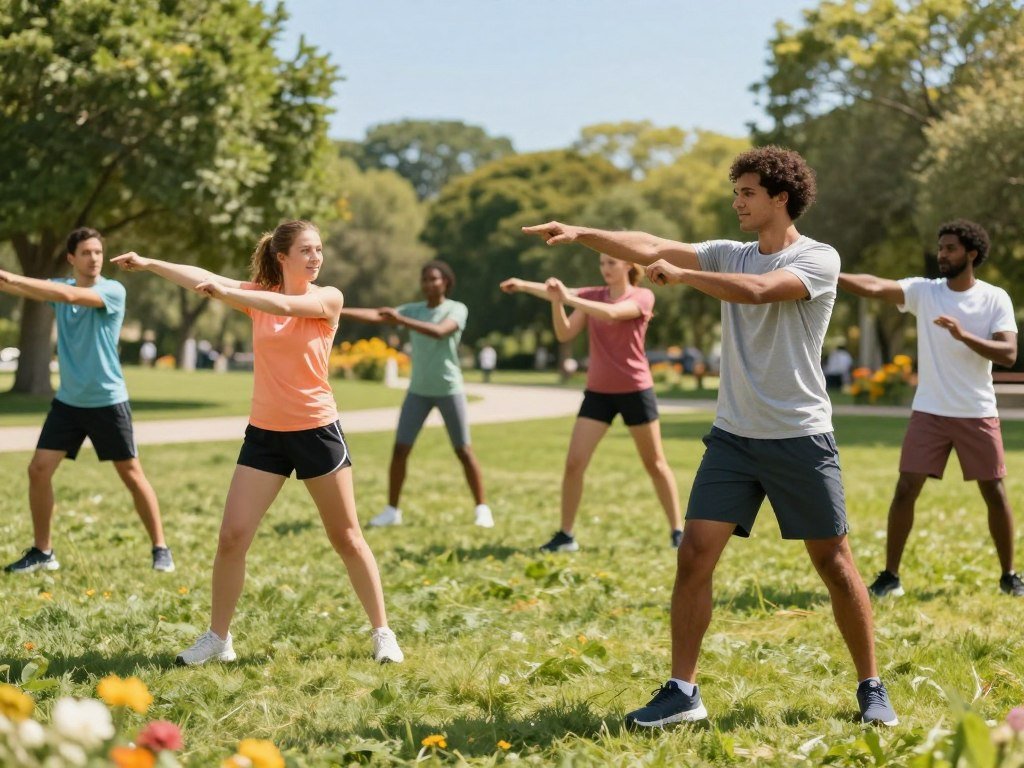
A great workout feels easier to enjoy when your active shorts let you move without constant readjusting. Waist slippage, thigh chafing, and limited size availability can distract you from the warm-weather movement you came for.
Finding a comfortable pair can shape how you feel during a run, yoga class, bike ride, or swim. The best size-inclusive active shorts offer useful options for different bodies and routines, without treating one style as right for every workout.
This shortlist covers swimming, running, cycling, low-impact exercise, and everyday wear. You’ll also find practical ways to compare fit, coverage, pockets, and size range before choosing a pair. A good fit should support your exercise routine, not compete for your attention.
Key Takeaways
- Match the short to your main activity.
- Compare your measurements with each style’s chart.
- Choose an inseam that feels comfortable in motion.
- Decide whether you prefer a built-in liner.
- Test pocket security with your phone inside.
Start with the activity you do most, then prioritize the fit feature that would make that session more comfortable.
Best Size-Inclusive Active Shorts for Every Workout
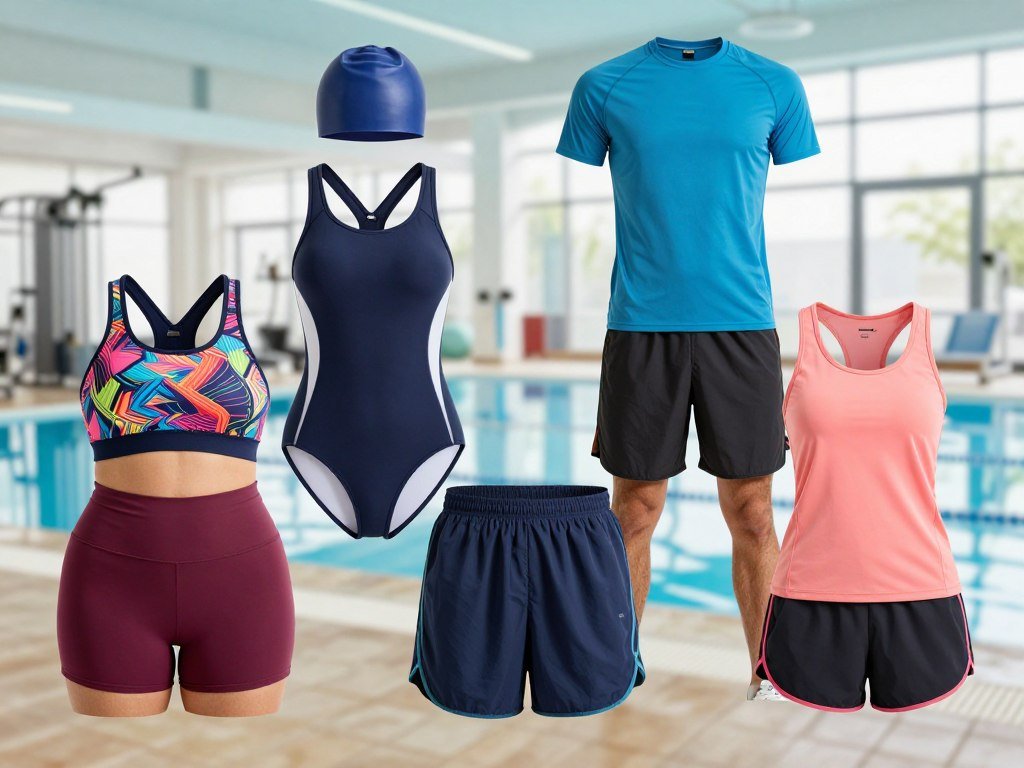
For most shoppers, the right pick depends first on the activity: start with Universal Standard for swimming, Janji for running, Aerotech Designs for padded cycling, Outdoor Research for mountain biking, or The Gym People for low-impact workouts. Each brand offers a different kind of activewear, so the best match is the pair built for how you plan to move.
Use the activity as your first filter, then compare the garment’s details and size range with your needs. A running short and a trail short may both work for exercise, but storage, coverage, and construction can make them feel quite different.
| Activity | Short | Why shortlist it |
|---|---|---|
| Swimming | Universal Standard Sunny Swim Shorts | Made for pool days and warm-weather wear |
| Running | Janji Pace Short | Tested for coverage, pockets, and movement |
| Padded cycling | Aerotech Designs Plus Women’s Liddy Utopia Bike Short | Built for saddle cushioning on rides |
| Mountain biking | Outdoor Research Freewheel MTB Ride Short | Offers trail coverage and zippered storage |
| Low-impact workouts | The Gym People High Waist Yoga Shorts | Designed for stretch and squat coverage |
Think about what your workout asks of your clothes. A pool short needs to handle water, while a trail short may need pockets that close. A padded cycling short serves a different purpose from an unpadded yoga style.
Choose the short for the movement you do most, not for a feature you may rarely use.
For a routine that changes from week to week, workout apps for different fitness goals can help you plan activities and track progress. That plan can help you decide which features deserve priority.
Consider where you’ll wear the pair, how long you’ll move, and what you want to carry. A useful size range matters, but the right chart and construction matter just as much.
Treat the table as a first-pass match, then check the garment’s construction against how you plan to move.
How Should You Choose the Fit and Inseam?
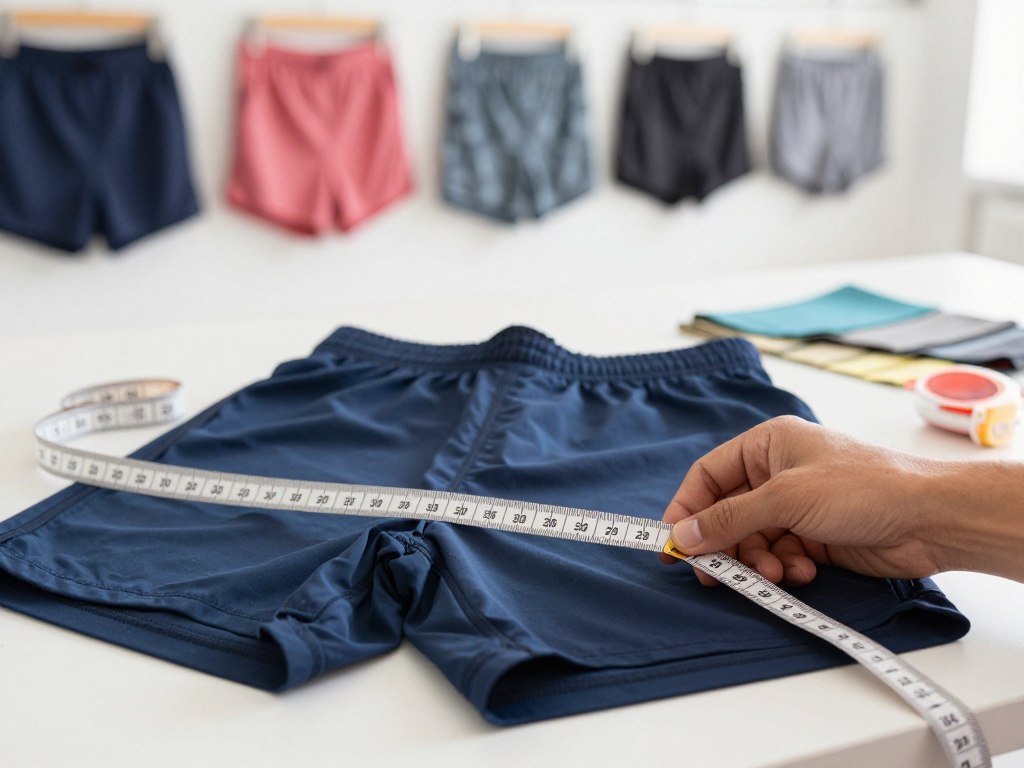
Begin with your waist, hip, and thigh measurements rather than assuming your usual label size will fit every brand. Measure first, then compare those numbers with the chart for the exact style.
An inseam is the length measured along the inside leg seam, from the crotch to the hem. Numeric and letter sizes are not standardized across brands, so a familiar size may fit differently in another range.
| Typical inseam | Common coverage | What to consider |
|---|---|---|
| 3-5 inches | Short cut | Less coverage, more exposed thigh |
| 5-7 inches | Mid-thigh | Balance of coverage and movement |
| 7-9 inches | Longer coverage | More thigh coverage during activity |
These bands are typical, not fixed rules. The best length depends on your coverage preference, thigh movement, and activity. A short cut may feel freeing for a quick workout, while more fabric can reduce skin contact for some people.
Measure around your waist and hips where the garment’s chart says to measure. For thigh fit, check whether the brand lists that measurement or offers a fit note. Compare each number with the item’s own chart, not a general chart for the brand.
A label size alone can’t tell you how a pair will sit at the waist or move at the leg. The same letter can cover different measurements across brands, and even within one brand’s styles.
For a first pair, choose the length that stays comfortable through the deepest bend or longest stride you expect to make.
Which Swim Shorts Work for Pool Days and Warm Weather?
For a swim-to-sun-lounger day, Universal Standard Sunny Swim Shorts combine a stay-flat waistband with quick-drying fabric. Their wide elastic waistband is designed not to float or twist in the water.
The longer inner-thigh inseam aims to reduce ride-up and thigh chafing, which can make poolside walking more comfortable. Deep pockets fit an iPhone Max, so you can keep a phone close between dips.
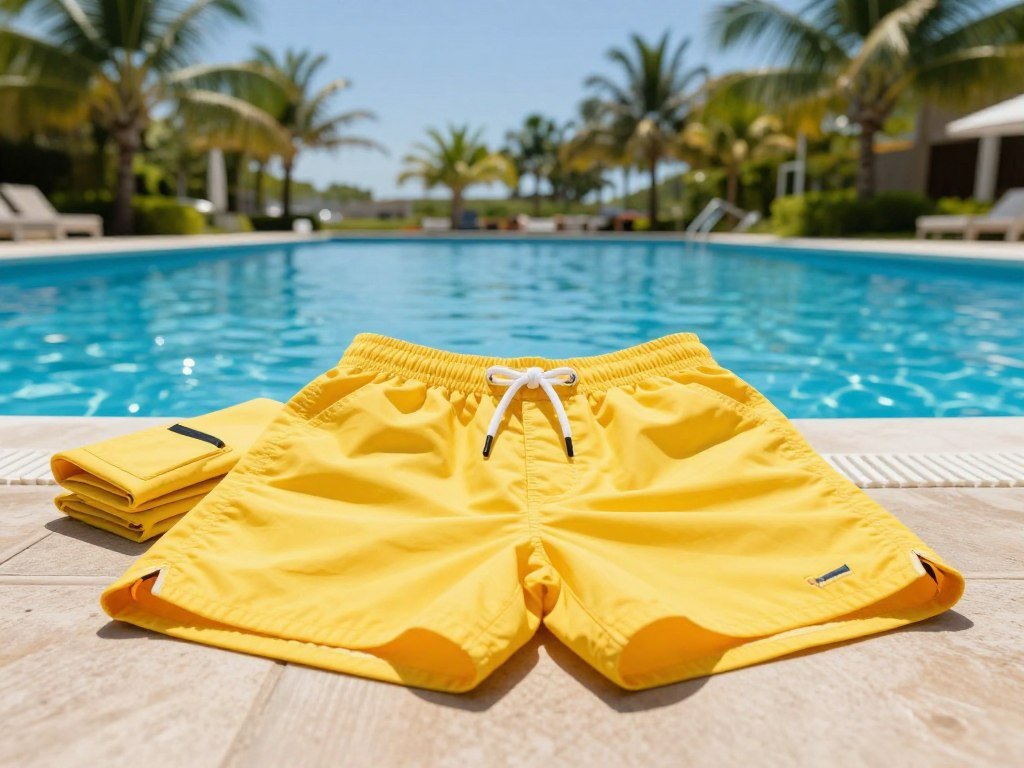
The fabric dried in less than 15 minutes in the sun during a pool test, a handy feature when you want to move from the water to a chair. That timing reflects the test conditions, not a promise for every shade, temperature, or breeze.
The shorts have no built-in liner or panty. That detail gives you a choice about what to wear underneath, rather than adding an attached layer you may not want.
For warm-weather activewear, pockets can help with small items, but think about when you’ll use them. A phone pocket may be useful before or after a swim, while a full pocket can feel less comfortable in the water.
Consider how the pair fits when wet as well as dry. Fabric and waistband comfort can affect how you feel when you leave the pool, sit in the sun, or walk back to your bag.
Decide in advance what you want to wear underneath, since these shorts do not include a liner.
Which Running Shorts Are Less Likely to Ride Up?
For a tested option that stayed in place from waistband to hem, Janji Pace Short is the strongest running pick here. It comes in sizes XXS-XXXL, with 5-inch or 7-inch inseams, a high rise, high compression, and no liner.
Treeline Review tested women’s running shorts on multiple runs in weather from 50°F to 75°F. Reviewers assessed waistband sag, hem roll, chafing, thigh coverage, pocket use, and sizing accuracy. Their running-short field tests also covered 15 pairs over three years on Colorado trails and roads.
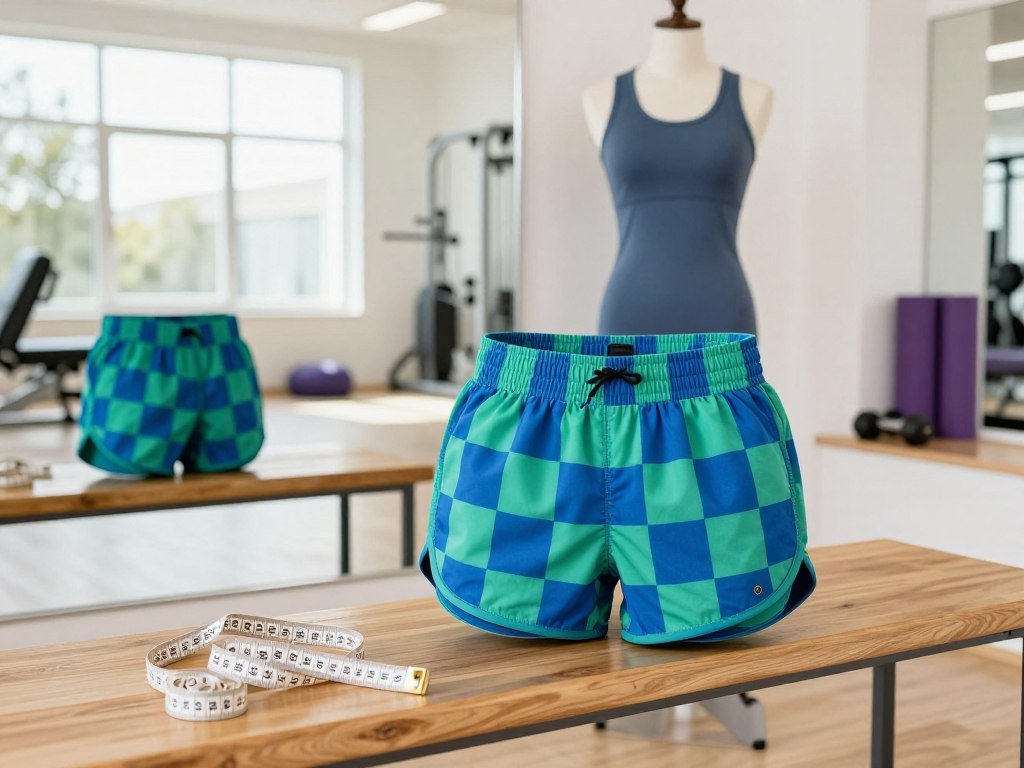
Janji Pace Short for secure coverage and pockets
The Janji has four pockets: two deep side pockets that hold a phone, an internal waistband pocket, and a back pass-through pocket. In the tested runs, its hem did not ride up. That makes it a strong choice when stable coverage and pocket space both matter.
Nike Dri-Fit Mid-Rise Running Shorts for chafe-prone runs
Nike Dri-Fit Mid-Rise 3-inch Brief-Lined Running Shorts did not cause chafing during the reviewer’s training. That experience makes them worth considering if chafing is a concern, though one person’s results cannot predict every runner’s fit.
Adidas Racer Pacer for a built-in liner
Adidas Racer Pacer comes in sizes 2XS-2XL, with 3-inch or 5-inch inseams, a built-in liner, and one small inner pocket. Testers found that it rode up quickly and caused chafing when their legs rubbed together. The liner may suit your preference, but the outer hem has a known drawback for thigh contact.
- Check for waistband sag after a few minutes.
- Watch the hem during a full stride.
- Notice whether thigh contact creates friction.
If your thighs touch while running, do not treat a built-in liner as proof that the outer hem will stay put.
What Should Padded Cycling Shorts Provide?
For a ride where saddle cushioning matters, the Aerotech Designs Liddy Utopia is the padded cycling option in this guide. It is designed for plus-size women, with a high-rise waistband and compression-style fabric.
Its Titan Chamois has 12mm of multi-density foam padding. A chamois is the padded insert designed to cushion contact with the bike saddle. That feature serves long saddle time, unlike unpadded shorts chosen for general exercise.
Flatlock stitching helps limit raised seams against the skin. The shorts also have silicone-free leg bands, which avoid silicone grip strips at the hems.
The fabric is moisture-wicking and breathable, two useful qualities when heat and sweat build during a ride. The compression-style material gives a close fit, so check the size chart and your measurements before choosing a size.
The construction is specific to cycling: the waistband, leg bands, and chamois all serve a purpose while you sit and pedal. A soft exercise short may work for stretching or walking, but it does not offer this saddle cushion.
The company makes the shorts by hand in Pittsburgh, Pennsylvania. That detail may appeal if you value a product made in the United States, while the main choice still comes down to the fit and padding you want.
Choose a padded pair for saddle time, not simply because compression sounds supportive.
Which Mountain Bike Shorts Offer Useful Coverage and Storage?
For longer coverage and zippered storage on a trail ride, Outdoor Research Freewheel is the clearest match. Its 11.5-inch inseam and two zippered thigh pockets suit riders who want a longer cut and secured storage.
Trail shorts can benefit from both coverage and details made to handle abrasion. Treeline Review’s 2026 mountain-bike-short testing covered more than 20 pairs ridden over 3.5 years and reviewed 30 models.
Outdoor Research Freewheel for longer coverage
The Freewheel comes in sizes 0-4X and uses fabric made from 88% nylon and 12% spandex. Its abrasion-resistant DuraPrint detail and perforated back panel add trail-focused features without changing its longer coverage.
Zippered thigh pockets can help keep small items from slipping out as you ride. Check whether their placement feels comfortable when you bend at the hips or lean over the bike.
SHREDLY Limitless for inseam and pocket choices
SHREDLY Limitless Stretch Waistband High-Rise Short comes in sizes 2-24 and has four pockets. It offers 7-inch, 11-inch, and 14-inch inseams, so you can choose among a shorter cut and two longer options.
That range can help if you want to adjust coverage without changing to a different style. Pocket count alone does not show how useful a layout will feel, so consider what you carry and where you want it stored.
For a trail ride, think about how the fabric and pockets work together when you pedal, shift position, or brush past rough surfaces. A longer hem may feel right on the bike but too warm for another workout.
Pick the inseam you can pedal in comfortably before deciding which pocket layout you prefer.
Which Yoga Shorts Suit Low-Impact Workouts?
For low-impact classes, The Gym People High Waist Yoga Shorts offer squat-proof coverage in sizes XS-3XL. Their fabric is 88% polyester and 12% spandex, with stretch for yoga and gentle training.
The main caveat is visible sweat: sweat stains show on this fabric. That may matter during a warm class, even if the shorts otherwise feel comfortable and offer the coverage you want.
Squat-proof coverage can make it easier to bend and stretch without worrying about the fabric becoming see-through during movement. A high waist may also suit poses that fold or twist the torso, as long as the band feels comfortable.
Keep the intended activity in mind. These shorts are described as suitable for low-impact workouts, so they may fit a yoga flow or gentle training better than a session with fast, repeated sprints.
Before class, try a few simple checks:
- Bend and squat to check coverage.
- Notice waistband comfort in floor poses.
- Decide whether visible sweat marks will bother you.
If you follow guided sessions at home, apps for yoga and other workouts can help you build a routine that fits your space and schedule. The shorts still need to feel right for the poses you do.
If visible sweat marks would distract you in class, choose another fabric.
Are Pocketed Bike Shorts a Practical Choice?
If you want compression with deep side pockets, Superfit Hero bike shorts are a practical option to consider. They are available in sizes L-7X, extending to size 44/7X.
The compression fabric and deep pockets on both sides make room for small essentials while giving the shorts a close fit. The listed size range may help shoppers looking for more size options in a pocketed pair.
A pocket that holds a phone while you stand may shift once you walk or change pace. Load the pocket before judging it, then move in the same way you expect to during a workout or a quick errand.
Use three checks to see whether the pockets work for your routine:
- Does your phone fit without pressing against the opening?
- Does it bounce during a walk, squat, or brisk change of pace?
- Can you reach it without pulling the waistband?
Deep side pockets can make a pair handy when you want your phone close and your hands free. The fit still matters: a loaded pocket can feel different from an empty one, especially during movement.
Think about what else you might carry, such as a key or card, and whether those items shift against the phone. Keep the pocket test simple and use the items you actually plan to bring.
Test a loaded pocket while moving, since a pocket that fits your phone at rest may still bounce.
Do You Prefer Shorts With a Built-In Liner?
A built-in liner is useful if you prefer an attached underlayer and like the way it feels during movement. Comfort is personal, so an attached liner can feel convenient to one person and restrictive to another.
A liner is sewn into the short as an underlayer, rather than worn as a separate garment. The Lululemon Hotty Hot High-Rise Lined Short has a built-in panty liner and comes in sizes 0-14, with 2.5-inch and 4-inch inseams.
Free People Movement Net Dreams Short comes in sizes XS-XL and has a built-in brief. Its listed inseam is 4.75 inches in size small. These are two different examples of attached coverage, not a rule about what every short should include.
Think about whether the liner stays in place and gives the coverage you want when you move. A style may feel fine while standing but different in a deep bend or long stride.
Try these checks before keeping a pair for exercise:
- Notice whether the waistband feels comfortable.
- Check liner coverage during movement.
- Decide whether the inseam suits your activity.
The style of the outer short matters too. A liner does not replace the need to check how the whole garment fits your workout, from warm-up through the last stretch.
Check the liner’s coverage in a squat and a long stride before keeping a pair for workouts.
How Can You Compare Size Ranges Across Brands?
Compare the range listed for the exact short you want, not only the brand’s general activewear range. Brand-wide sizing can differ from the sizes offered for one garment.
Numeric and letter sizes do not match across brands by default. Nike Dri-Fit Mid-Rise 3-inch Brief-Lined Running Shorts are listed up to size 20, while Nike Plus has a broader activewear range.
| Brand or item | Listed size range | What the listing applies to |
|---|---|---|
| Nike Plus | 0X-4X | Nike Plus activewear |
| Lululemon | US sizes 0-20 | Lululemon activewear |
| Girlfriend Collective | XXS-6XL | Girlfriend Collective activewear |
Lululemon offers sizing up to 20, and some pieces stretch beyond that size. Nike’s running short has its own listing, which should not be confused with the wider Nike Plus range.
For any style, compare your waist, hip, and thigh measurements with the chart for that specific item. A brand may offer a wide range overall, while one particular cut comes in fewer sizes.
Check whether the garment’s chart gives body measurements or garment measurements. That detail changes how you should compare the numbers, especially if you prefer a closer or looser fit.
Treat the chart as the starting point and verify the measurements for the individual style before ordering.
Are Skorts a Good Choice for Extra Coverage?
A skort pairs a skirt-like outer layer with attached shorts, making it a straightforward option when you want that silhouette and coverage. It can suit activities where you like the look of a skirt but prefer shorts underneath.
A skort combines a skirt with attached coverage, while a conventional short has no skirt-like outer layer. The best choice depends on the silhouette you want and how the fabric moves during your activity.
| Option | Listed size range | Coverage detail |
|---|---|---|
| Beyond Yoga Solemate Short | XXS-XXL | 2.5-inch inseam |
| Girlfriend Collective skort | XXS-6XL | Skirt-style outer layer |
| Wimbledon Collection skort | XS-2XL | Stretch-fit shorts underneath |
The Wimbledon Collection skort has stretch-fit shorts underneath, a tennis-ball pocket, and flatlocked seams. That construction pairs a skirt shape with attached coverage and a place for a ball.
Beyond Yoga Solemate Short is a conventional short with a 2.5-inch inseam, not a skort. Its shorter length gives less coverage than a skirt-style outer layer, so compare the two based on the look and coverage you prefer.
A size range can help narrow your choices, but it does not show how the outer layer will feel while you bend, run, or reach. Try the movements you expect to make, including any sport-specific motion.
Try the full range of movement you expect from the activity before settling on a skirt-style layer.
Which Shorts Work for Spin and Cardio Without Shifting?
Knix Pursuit Leakproof Training Short is a good match for someone who wants a stable cardio short with a built-in leakproof panel. It comes in sizes XS-4XL and stayed in place at the waist and thigh during cardio.
Alo High Waist Biker Short stayed in place without rolling during spin in a test of size L. It appeared somewhat see-through under an iPhone camera flash, so opacity deserves a close look before class.
Knix Pursuit Leakproof Training Short for added reassurance
The Knix short combines a stable cardio fit with a built-in leakproof panel. That may suit someone who wants added reassurance during a high-movement session, without relying on a separate layer.
The fit result applies to the tested pair and activity. Your own comfort depends on how the waistband and leg hems sit on your body as you move.
Alo High Waist Biker Short for spin-class fit
The Alo short stayed in place without rolling during spin in size L. That can be useful in a class where repeated pedaling makes waistband or leg movement distracting.
The flash result is a practical warning, not a claim that every pair or size will look the same. Bright studio lighting may reveal opacity issues that are harder to notice at home.
Before wearing any close-fitting short to class, check three things:
- Watch for waist movement while pedaling or jumping.
- Notice whether the thigh hem shifts during movement.
- Check opacity in bright light.
Check opacity in bright light before relying on a close-fitting pair for a high-sweat class.
Which Bike Short Can Double as an Everyday Pair?
For a bike short that can also suit casual errands, SHREDLY Biker Cham 2.0 offers a 7-inch inseam and two stash side pockets. Its fitted shape can work beyond a ride when you want a close-fitting style.
The two side pockets hold small essentials, while the 7-inch length gives more coverage than a short cut. The pair may fit a casual day when you want the look of bike shorts with easy access to a key or card.
SHREDLY Biker Cham 2.0 comes in sizes XS-3X. A fitted silhouette can pair with a loose top, a longer shirt, or a jacket, depending on how much coverage you want from your outfit.
Try the shorts while sitting as well as standing. A waistband that feels fine upright may press or shift when you spend time in a car, at a desk, or on a bench.
- Check that sitting feels comfortable.
- See whether you can reach the pockets easily.
- Consider how the fabric works with your planned top layer.
Everyday comfort includes the moments between errands, not only the time spent walking.
Think about whether the pockets suit what you carry and whether their placement works with your usual movement. A casual pair should feel useful when you sit, stand, and reach for small items.
Make sure the pocket placement feels comfortable while sitting, not only while standing.
Conclusion
The best pair is the one that fits your movement, coverage preference, and comfort needs. Start with your main activity, then think about whether you want a shorter cut, more thigh coverage, or an attached underlayer.
Fit can change between styles, even when the label size looks familiar. A size chart is more useful when you compare it with your own measurements rather than relying on memory.
Choose one feature that would make your next workout feel easier, such as a secure waist or a length that stays comfortable as you move. Then use the exact garment chart before you decide.
Measure your waist, hips, and thighs, then compare those measurements with the chart for the specific style you are considering.
FAQ
What inseam length is best for preventing thigh chafing?
Do active shorts need a built-in liner?
Can I wear bike shorts for running?
How tight should compression shorts feel?
Are plus-size activewear size charts consistent between brands?
What should I look for in active shorts with pockets?