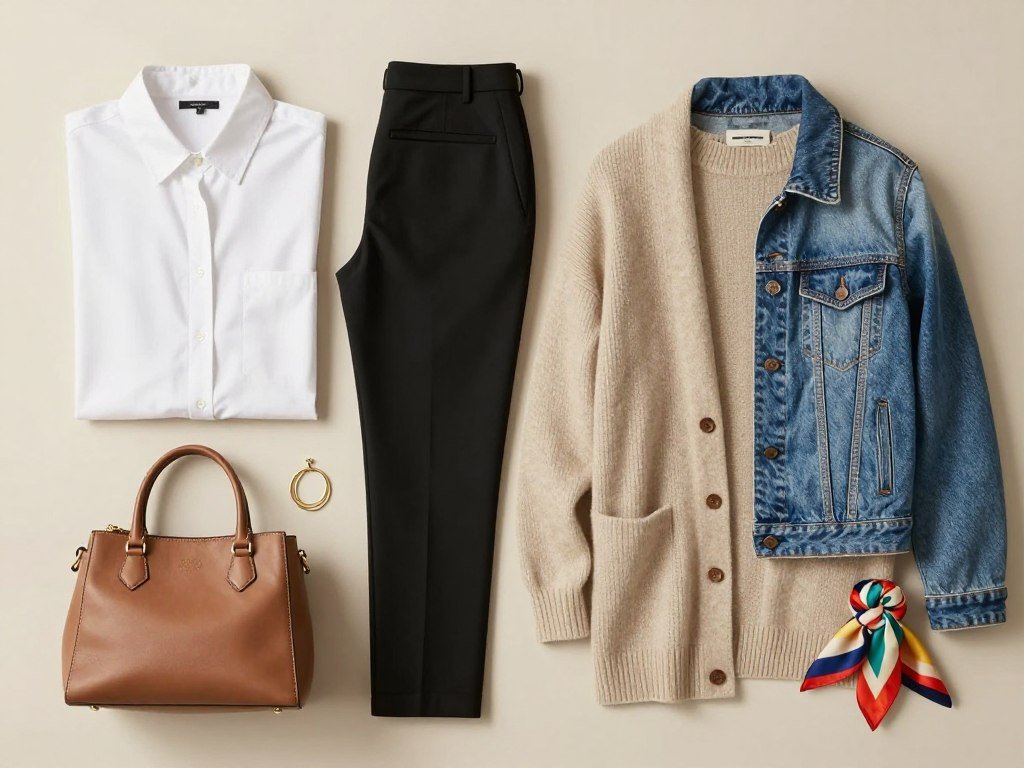
A smaller, thoughtfully chosen set of clothes can make getting dressed feel simpler without making personal style disappear. A wardrobe gap is an item missing from your closet that keeps you from completing an outfit for a recurring activity. The right collection can suit a busy commute, remote work, a changing climate, or a mix of all three.
Learning how to build a capsule wardrobe can save time on ordinary mornings and bring more confidence to your daily routine. You can start with clothes you already own, then adjust as your needs change. This is a flexible process, not a strict uniform or a rule that every piece must match. Start with what you wear and enjoy now, not with a shopping cart or a perfect-closet standard.
Key Takeaways
- Begin with clothes you already reach for.
- Set a useful size based on your real routines.
- Choose colors and fits that feel like you.
- Keep undecided clothes in a maybe pile for now.
- Test your outfit choices before adding more pieces.
How to Build a Capsule Wardrobe Around Pieces You Own
A useful starting point is around 30-40 pieces, adjusted to the weather, routines and laundry schedule you actually have. That range is a guide, not a test you need to pass. A capsule wardrobe commonly contains about 30-40 versatile pieces, but your needs set the right size.
Count clothing you wear often, rather than items stored for special events or kept for sentimental reasons. A small collection may work if you wash clothes often, while a wider range can help when laundry takes longer.
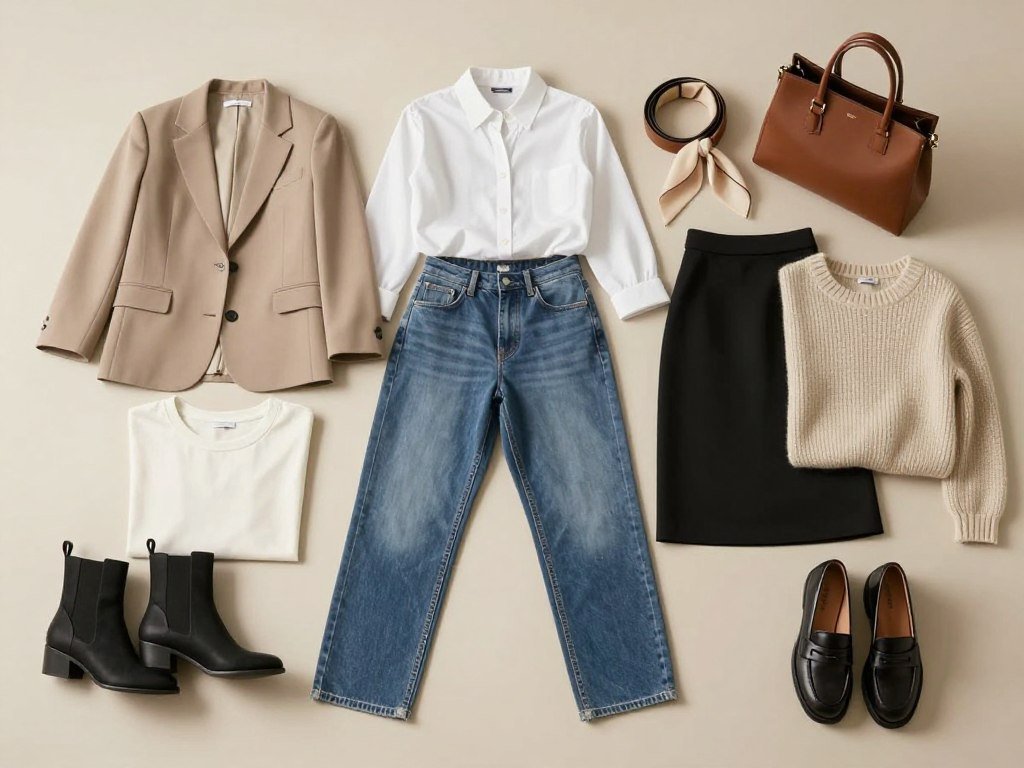
Use 30-40 pieces as a starting range, not a required limit. Let your weather, routines and laundry schedule shape the final number.
Choose a workable size
Some capsule wardrobes include only clothing, shoes and accessories used in daily outfits. Others leave out work uniforms, workout clothes, sleepwear or special-event pieces. Choose what makes the collection useful to you, then keep the same counting rule as you build capsule wardrobe plans over time.
Category ranges can help you picture the collection, but they overlap. A shirt may work as a top or a light layer, so do not add every range into a strict total.
Use clothing categories as a starting point
These examples give you a practical first list. Adjust each count to fit the clothes you wear and the weather where you live.
| Category | Typical count | Examples |
|---|---|---|
| Tops | 8-10 | Tees, tanks, blouses |
| Sweaters or cardigans | 3-5 | Lightweight knits, layering cardigans |
| Bottoms | 5-6 | Jeans, trousers, shorts, skirts |
| Outer layers | 3-4 | Jackets, coats, blazers |
| Shoes | 4-5 pairs | Everyday, casual, dressy, seasonal options |
Dresses at 2-3 and accessories at 5-7 can be optional categories outside the table. You may count a dress as a full outfit, while someone else may use it as one clothing item among several.
Build the collection around your actual week. A person who walks to work may need sturdy shoes, while someone who works at home may wear slippers most days. Treat category counts as a planning aid, and keep a piece only if it earns regular use in your life.
Choose a Personal Style and Color Palette
The best palette starts with the colors you already feel comfortable wearing, not a prescribed set of neutrals. Your personal style can guide the shapes, details and colors that make getting dressed easier. Pick clothes that suit your lifestyle and feel good on your body.
A few honest answers can reveal more than a long list of fashion rules. Think about the settings where you wear clothes most, and notice what you reach for when time is short.
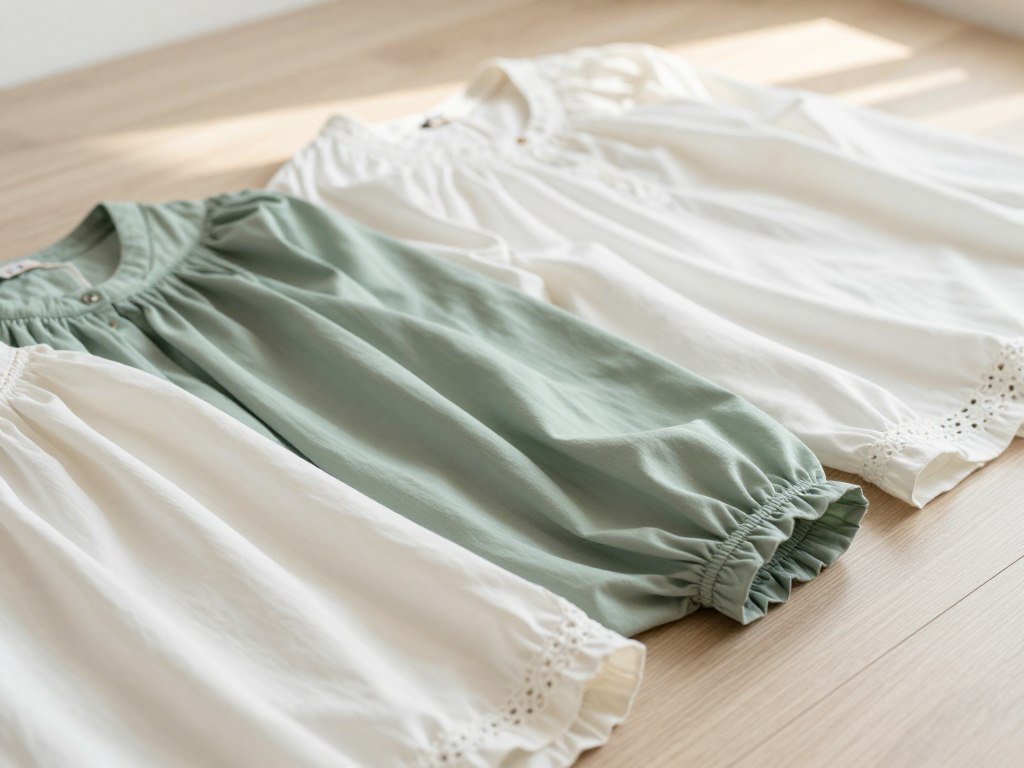
Start with the clothes and details you already enjoy
Use these prompts to spot patterns in your wardrobe and daily routine:
- Where do you spend most of your time?
- Which pieces do you reach for most often?
- Which fits feel comfortable through a full day?
- Which colors or details do you enjoy wearing?
Notice whether you favor loose shirts, fitted pants, soft knits, bold prints or simple jewelry. Those choices can tell you more about your style than a trend chart. Keep comfort in view, since a piece that looks good but pinches may stay unworn.
Build a palette that feels cohesive
Neutrals can make pieces easy to pair, but they are not a requirement. A Soft Summer palette, for example, uses charcoal or denim instead of stark black, plus muted soft white instead of optic white. Sage, blush and dove gray can serve as foundation colors.
Soft Summer reds lean toward cool ruby and soft red, while warm orange sits outside the palette. Its yellows have cool undertones, with corn and chiffon as examples. Greens stay medium in depth and lean blue; blues range from purple-blue to green-blue, with cool-toned purples also in the mix.
A palette can be bright, soft, dark or patterned, as long as the pieces you want to wear work together. If you want more ideas for a coordinated closet, explore ways to plan a cohesive wardrobe without making every choice about price. Keep the colors that make you feel like yourself and that work with more than one item you own.
Audit Your Closet Without Rushing
A quick try-on and three simple piles can reveal which clothes support your life right now. Take your time, especially with pieces you have not worn lately. Sort clothes into love, maybe, and donate or discard piles.
Try on items in a room with good light, and check how they feel when you sit, reach and move. A closet audit works best when you judge clothes by fit, condition and use, not by guilt over what they cost.
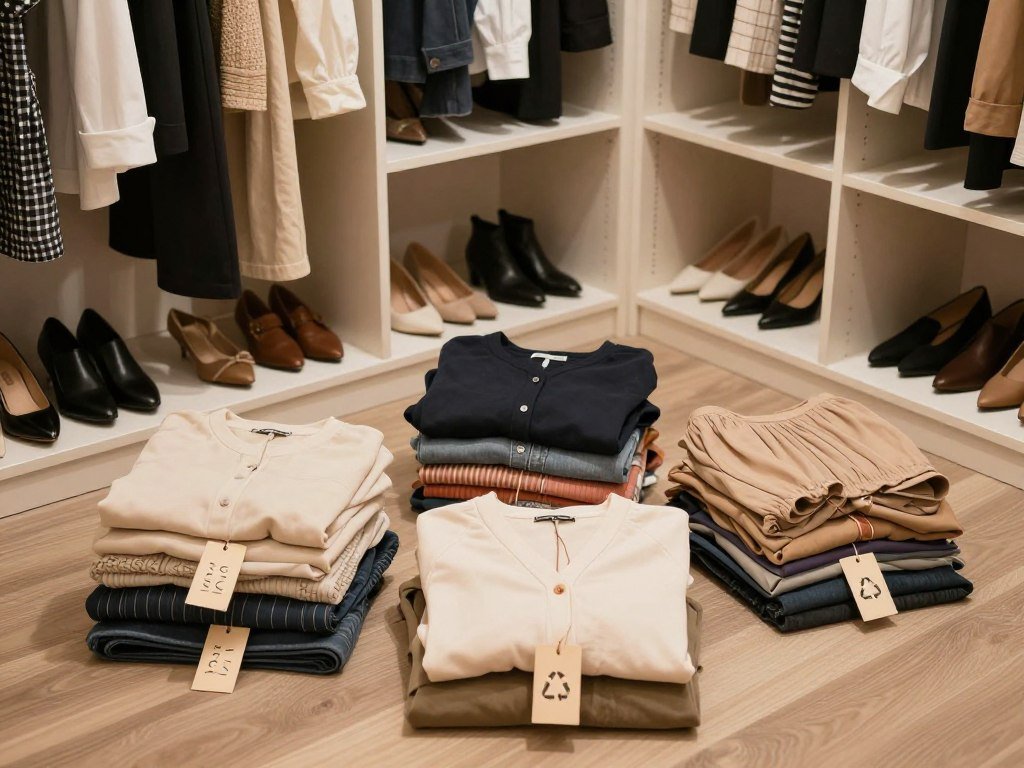
Sort by wear, fit and condition
Put pieces you enjoy and wear in the love pile. Set clothes you cannot decide about in the maybe pile, then place unwanted pieces in donate or discard. A second pass can help you keep useful clothes without rushing into a choice.
Ask yourself these three questions during that second pass:
- Does it fit comfortably now?
- Is it in wearable condition?
- Will I wear it in the next 3-6 months?
What clothes should you get rid of in 2026? Set aside items that do not fit your current life, that you do not wear, or that are too damaged to repair or pass on. A dress for a job you no longer have may not belong in your everyday closet.
Give uncertain items a temporary home
Box undecided clothes instead of forcing a sentimental decision. Write a date on the box and keep it somewhere dry, so you can review it after a set period. If you miss a piece or need it for a real occasion, you can bring it back.
Try not to treat every item as a memory you must keep in your closet. Photos can preserve the story of a worn-out concert shirt without taking up hanger space. Donate or swap wearable unwanted clothes, and look for textile recycling options for pieces too damaged to use again.
Choose Versatile Pieces for Your Season
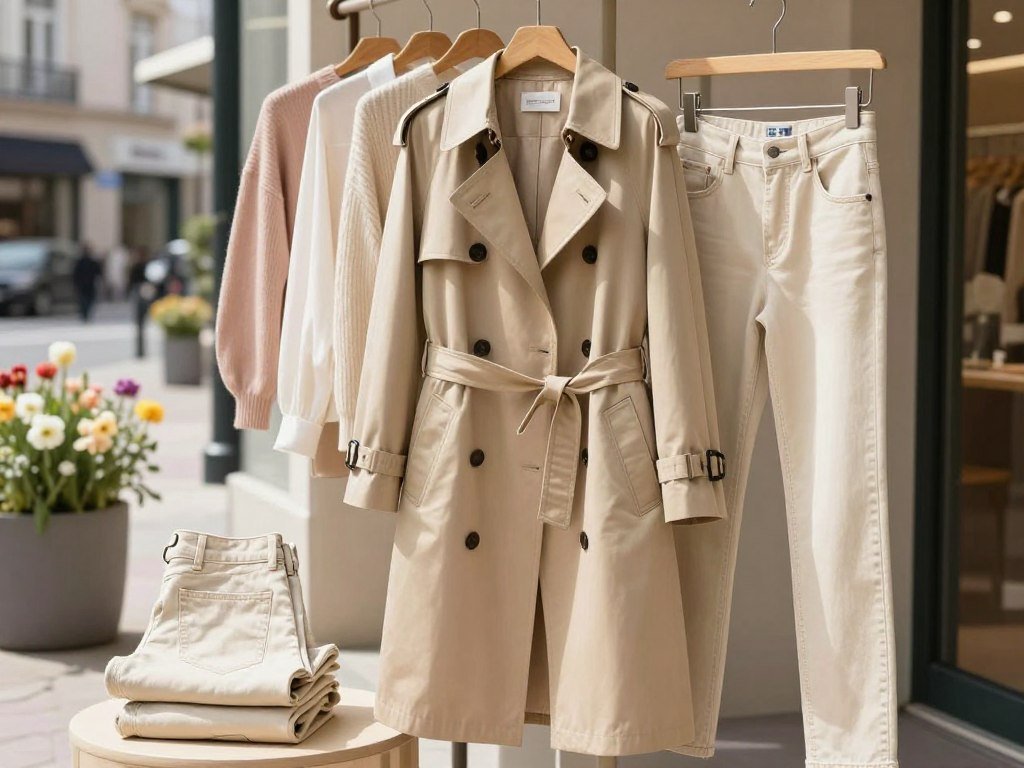
A spring 2026 rotation can start with a trench, light knit, brightening ecru jeans, loafers, a skirt, linen shirt and woven leather tote. Use the season as a filter, choosing clothes for local weather and real plans. One useful layer can make a spring outfit work across cool mornings and warmer afternoons.
A beige trench can vary by cut, print or colorway. A lighter-hued knit adds warmth, and a woven leather tote offers a transition from a beach-ready raffia bag.
| Category | Spring 2026 examples | Summer examples | Practical role |
|---|---|---|---|
| Tops | Lightweight knit, linen button-down | Tees, tanks, sundresses | Layer or wear alone |
| Bottoms | Ecru or white jeans, knee-length skirt | Denim shorts, athletic shorts, linen pants | Suit varied plans |
| Shoes | Penny loafers | Neutral sandals | Walk and dress with ease |
Ecru or white jeans pair with neutrals and brighten outfits. Black or brown penny loafers in leather or suede give you a sleeker flat-shoe option than trainers. As temperatures rise, a linen button-down can replace a cotton shirt.
A summer capsule can include maxi and shirt dresses, sundresses, basic tees, undergarments, athletic shorts, tank tops and linen pants. Sticky bras or nipple covers can suit clothes that show bra straps, while an open-back tank with a built-in bra offers another option. An athletic shirt dress works for walks, errands or a farmers market.
A T-shirt maxi dress can suit lounging and casual outings, and high-waisted wide-leg linen pants may have an elastic waistband. Basic tees can work alone, dressed up or layered. Choose seasonal pieces that fill a real weather or outfit need instead of buying every example on the list.
Turn Your Pieces Into Repeatable Outfits
Start by combining familiar pieces into a few complete outfits, then save the combinations that feel good to wear. Begin with what works, rather than adding clothes to solve every styling question. Seven to ten go-to outfits make a manageable first target.
Think of a look as 3-5 layers, from a base garment to a middle or outer layer and finishing touches. Not every outfit needs every layer; a tee and jeans may be enough on a warm day.
Try these four formulas with pieces you already own:
- Tee plus jeans plus loafers
- Lightweight knit plus skirt plus flats
- Shirt dress plus sandals plus a belt
- Tank plus linen pants plus a woven tote
Repeat a color in your shoes, bag or jewelry to make separate pieces feel connected. Balance a fitted item with a looser one, such as a close-fitting tank with wide-leg pants. Basic tees can be worn alone, dressed up or layered, so one can serve several outfits.
Take photos when an outfit feels comfortable and suits the day. A picture can help you remember that a skirt works with a knit or that a belt changes the shape of a shirt dress. Keep outfit photos in a phone folder so a rushed morning does not require starting from scratch.
Shop for Gaps and Care for What You Own
A focused list of genuine wardrobe gaps helps prevent a sale or trend from turning into an unplanned purchase. Start with your own closet, then note the missing item that blocks a useful outfit. Buy only after you can name the outfit need a piece will fill.
A wardrobe gap may be a rain layer for your walk to work or shoes that suit a dress code. Keep the list specific, so “new clothes” does not become the goal.
Make a focused list before shopping
Second-hand shops and clothing swaps can help you find clothing while reusing pieces that already exist. Compare those choices before buying new, and judge each item by fit, versatility, construction and budget. A sustainability claim on a label alone does not tell you whether a garment suits your needs.
Organic cotton, lyocell TENCEL, organic wool and recycled fibers are material options. No fiber alone guarantees that a garment will last or that it was made responsibly. For more ways to plan spending, read about building a wardrobe on a budget before you make a larger clothing purchase.
Help useful pieces last
Care labels give washing and drying instructions for each garment. Check them before laundry day, since heat or rough washing can harm some fabrics and trims. When practical, avoid the dryer to help prevent damage or shrinkage.
Small repairs can keep a favorite piece in use, especially when a loose button or open seam is the only problem. Keep a needle and thread nearby for quick fixes, or ask a tailor to handle work beyond your skill. Check the care label before washing a favorite piece, especially when the fabric or construction is unfamiliar.
Review Your Capsule and Adjust It
A first capsule is a working draft, so give it at least 30 days of real wear before judging what belongs. Daily use tells you more than a perfect-looking closet. Test your rough-draft capsule for at least 30 days, then make changes based on what you wore.
Track the pieces you wear again and again, the ones you pass over, and any outfit need that remains unmet. A short note on your phone is enough to spot patterns without turning dressing into a chore.
Project 333 is an optional framework built around 33 items, including clothes, shoes and accessories, for 3 months. It is one approach, not a required limit for your closet.
Review your notes after the trial. If a shirt never works with your usual pants, it may not earn closet space, even if you like it on its own. If you keep reaching for a boxed item, bring it back without treating the test as a failure.
Seasonal weather can change what you need, and a shift in work or home routines can change it too. Keep the parts of your capsule that support your current days, then edit the rest as needed. Make one small adjustment at a time, based on what you reached for and what your routine required.
Conclusion
A capsule wardrobe works best when it reflects the clothes and routines that already feel right to you. Your collection can change as your work, weather or daily plans change. A useful wardrobe is not a test of how little you can own; it is a way to make everyday dressing easier.
Choose five pieces you already wear often and try combining them into one complete outfit. Notice what feels comfortable and what you would change before you add anything new. Pick five favorites today and make one outfit you are happy to wear tomorrow.
FAQ
Can a capsule wardrobe include bright colors, prints and trends?
Do underwear, pajamas and workout clothes count in a capsule wardrobe?
What should I do with clothes I love but do not fit right now?
How can I build a capsule wardrobe on a tight budget?
Can a capsule wardrobe work with a uniform or strict work dress code?
How many outfits can six tops and four bottoms make?