The short answer is that this sweater is worth considering if you want 100% cashmere in an unusually broad size range. It may suit someone choosing a thoughtful gift, updating a fashion staple, or looking for more size options than many brands offer. The fit still depends on body shape and preferred ease, and color choice comes down to personal taste. Pilling means small balls of fiber form on fabric through friction. This Universal Standard cashmere review offers a practical look at the product, including its feel, fit, and styling range. It can help you decide whether its features match the way you dress and shop. Treat the recommendation as a starting point, then judge the fit and color against your own preferences.
Key Takeaways
- The collection is made from 100% cashmere.
- Universal Standard sizes span a broad range.
- Personal measurements matter more than a label from another brand.
- Cashmere may feel itchy to people sensitive to wool.
- Color choice and preferred neckline are personal decisions.
What Did the Universal Standard Cashmere Review Find About Quality?
The clearest quality signal is that the sweater is 100% cashmere rather than a blend. That gives shoppers the real thing, though the fiber content alone cannot show how every piece will age. Its hand feel and knit offer useful clues about quality.
The wearer found the Universal Standard cashmere thicker than Halogen and J.Crew cashmere from 2021. Its weave also felt tighter than the Talbots cashmere she knew. Those are personal comparisons, not a ranking of each brand’s full range. For more on the feel and care of this fiber, see this guide to cashmere and other luxury fabrics.
Weight and weave against familiar brands
The comparison helps put the product in context without making a broad claim about either company. A brand can offer different knits over time, and even cashmere pieces from one label may not feel alike. These notes describe the sweaters the wearer knew.
| Reference brand | Comparison | Observed result |
|---|---|---|
| Halogen | Thickness | Universal Standard felt thicker |
| J.Crew cashmere from 2021 | Thickness | Universal Standard felt thicker |
| Talbots | Weave | Universal Standard felt tighter |
What three wears revealed
After three wears of at least three hours each, no pills needed removal. That early result supports the sweater’s initial quality impression, but it does not settle long-term durability. Friction from daily use can change how a knit looks over time.
Three wears without pills needing removal is encouraging, but it cannot predict every sweater’s long-term wear.
Cashmere quality can also vary by fiber and knit, so one comparison should not stand in for every piece from a brand. The fiber content and early wear both look promising, while neither guarantees lasting performance. Read the three-wear result as encouraging early evidence, not a guarantee of how every sweater will age.
How Does Universal Standard Cashmere Sizing Work?
Universal Standard’s range runs from 4XS to 4XL, so start with its chart rather than your usual letter size. The labels correspond to sizes 00-40, and size 18/20 maps to medium. Another brand’s letter or number is not a reliable conversion.
The website’s own measurements give a better starting point than a size label alone. Check the chart for the specific product, since a familiar size name can mean something different across brands. Your bust and arms can also affect how a sweater feels through the chest and sleeves.

Use this quick checklist before choosing among the available sizes:
- Compare your measurements with the brand’s own size chart.
- Measure your bust and arms, since both affect sweater comfort.
- Decide how much ease you want through the body and sleeves.
A chart is most useful when measurements are taken the same way as the site describes. A snug fit may feel neat over a light top, while extra room can help with layers. The right size depends on the shape you want, not just the number printed on another label.
When choosing a size, also consider which pieces will go under the sweater most often. A thin shirt takes less room than a heavier layer. That difference can matter when two chart sizes seem close.
There is no need to assume that the label used by another store will match Universal Standard sizes. The site’s chart is the better tool for checking this sweater. If your measurements sit between two chart sizes, decide first whether you want a closer or roomier fit.
Let your measurements and preferred ease guide the choice, rather than a cross-brand guess. If you plan to wear a shirt beneath it, factor that layer into the feel you want. A thoughtful choice can make the sweater easier to reach for throughout the season.
How Does the Sweater Fit on a Size 14 Body?
One useful real-body example is a 5’3″ wearer who usually buys size 14 in three familiar brands and found an XS comfortable here. The sweater felt neither baggy nor fitted, which gave her comfortable room through the body. That experience is one person’s fit example, not a conversion for every shopper.
She usually chooses XL sweaters in Talbots, J.Crew, and Old Navy to allow room for her bust and arms. In Universal Standard, the XS worked for her frame and preferred ease. A different person with the same usual size could want another fit.
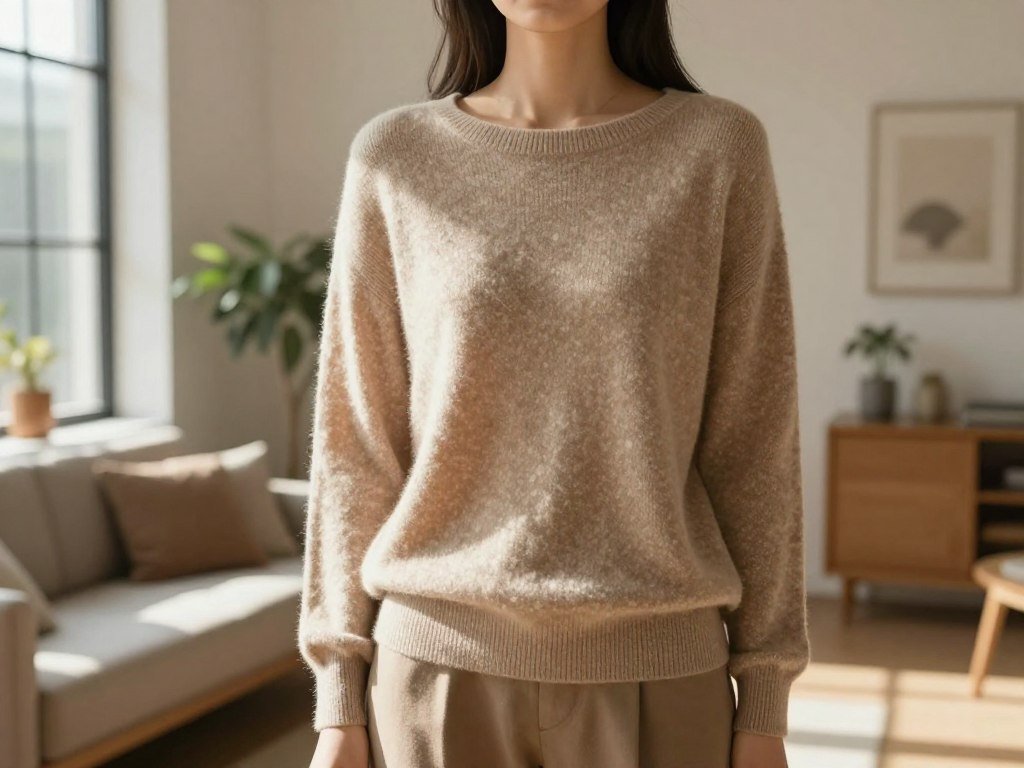
The comparison is most helpful as a real example, not as a shortcut around measurements. Height, shape, and the way a person likes a sweater to sit can all affect the result. Her experience shows why a cross-brand label alone cannot settle a fit decision.
| Reference brand | Wearer’s usual size there | Universal Standard sweater size worn |
|---|---|---|
| Talbots | 14 | XS |
| J.Crew | 14 | XS |
| Old Navy | 14 | XS |
This example may help a shopper picture how the sweater sat on a shorter wearer who often needs space at the bust and arms. It does not mean every size 14 wearer should select XS. The same letter can feel different depending on proportions and preferred room.
A useful way to compare fit is to think about the sweaters already in your closet. Notice whether you like close shoulders, loose sleeves, or extra room across the body. That preference can guide how you read the product measurements.
For a second opinion, compare your own bust and arm measurements with the product chart. Do not rely on another person’s fit alone, even when her usual size sounds familiar. Use this example to inform your expectations, then rely on your own measurements and preferred ease.
Does the Cashmere Feel Itchy or Layer Well?
Expect the familiar feel of cashmere, not a magically itch-free version of it. The Universal Standard sweater had the same itch factor as other cashmere sweaters. Comfort is personal, especially for sensitive skin. Anyone whose wool allergy causes irritation should not count on cashmere to feel different.
The wearer found it comfortable in several settings, both on its own and with light layers. These examples help set expectations, but they cannot predict how the fiber will feel against every person’s skin. A soft knit can still bother someone who reacts to wool.
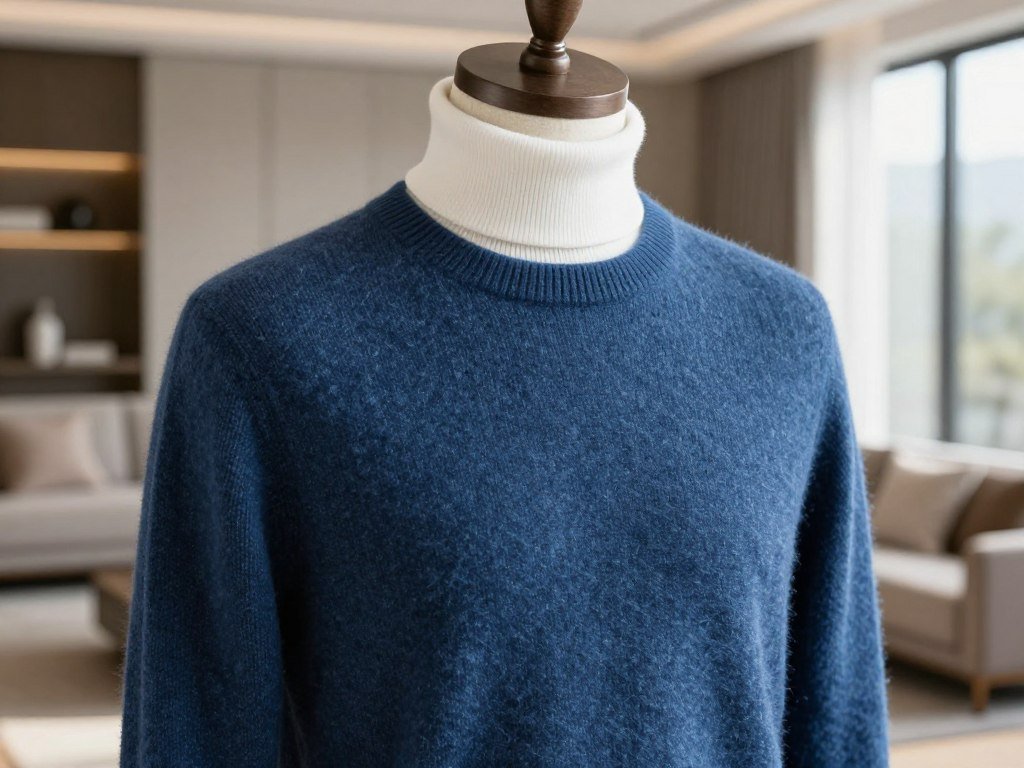
Three tested ways to wear the sweater were:
- On its own during fall or spring.
- Under a boyfriend-style blazer.
- Over a lightweight turtleneck.
The blazer pairing kept the sweater comfortable as an underlayer. The lightweight turtleneck also offered another layer between the knit and skin. These are simple options when the weather calls for more than one top.
People with sensitive skin may respond differently to the same material. A person who wears wool without trouble may find cashmere comfortable, while another may notice itch or irritation. The material name does not promise a certain skin feel.
For anyone unsure about a wool reaction, a non-wool top is the safer choice. No layering trick can guarantee that cashmere will feel comfortable for a person with an allergy. Anyone who reacts to wool should choose a non-wool layer instead of relying on this sweater to feel different.
Choose layers based on your own skin response, not on the fiber’s reputation for softness. A lightweight top can change the feel at the neck and arms, but it does not make the knit wool-free. That distinction matters most for people who already know wool causes discomfort.
How Can You Style the Crewneck for Different Occasions?
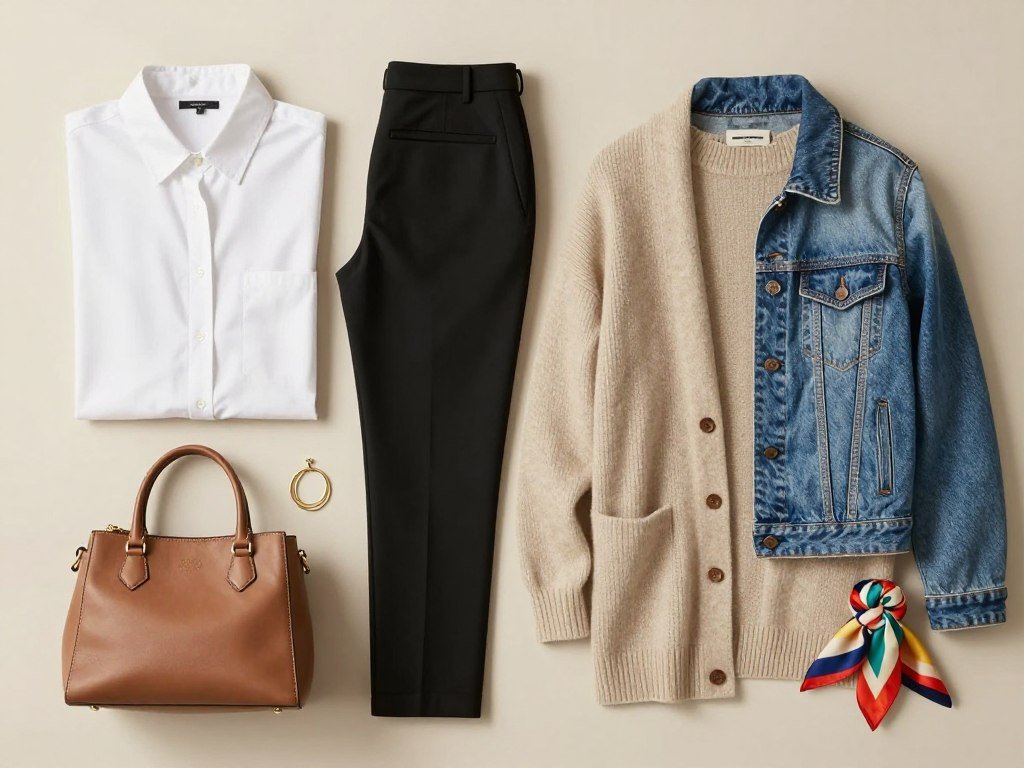
A cashmere crewneck can look relaxed with jeans and more polished with dress pants or a skirt. The sweater works as a familiar top, while the bottom and accessories shift the outfit’s mood. Three distinct pairings cover casual, holiday, and dressier plans.
Jeans make an easy everyday choice for casual errands. For Thanksgiving or a holiday party, navy pants give the outfit a more finished feel, and gold heels can dress it up. A skirt or sequins can take the crewneck into dressier territory.
These combinations leave room for personal style without requiring a complicated outfit. The knit brings softness and warmth, while the rest of the look sets the level of polish. Small choices can help a familiar sweater feel right for the event.
| Outfit | Setting | Styling detail |
|---|---|---|
| Jeans | Casual errands | Easy everyday pairing |
| Navy pants | Thanksgiving or a holiday party | Gold heels can dress it up |
| A skirt or sequins | Dressier occasion | Pair with dressy separates |
For casual errands, jeans keep the outfit straightforward and easy to move in. Navy pants work when the event calls for a little more polish. A skirt or sequins create a sharper contrast with the soft knit.
Accessories can add a personal touch without changing the sweater’s role in the outfit. Gold shoes offer one way to make navy pants feel festive. For more ideas on using color and fabric in everyday fashion, explore these practical luxury styling tips.
The crewneck can anchor more than one kind of outfit, so the same top need not feel tied to a single setting. Keep the rest of the look suited to the plan, whether that means simple denim or dressy separates. Choose the bottom and accessories for the occasion, while letting the crewneck stay the familiar anchor.
Which Neckline and Color Options Are Available?
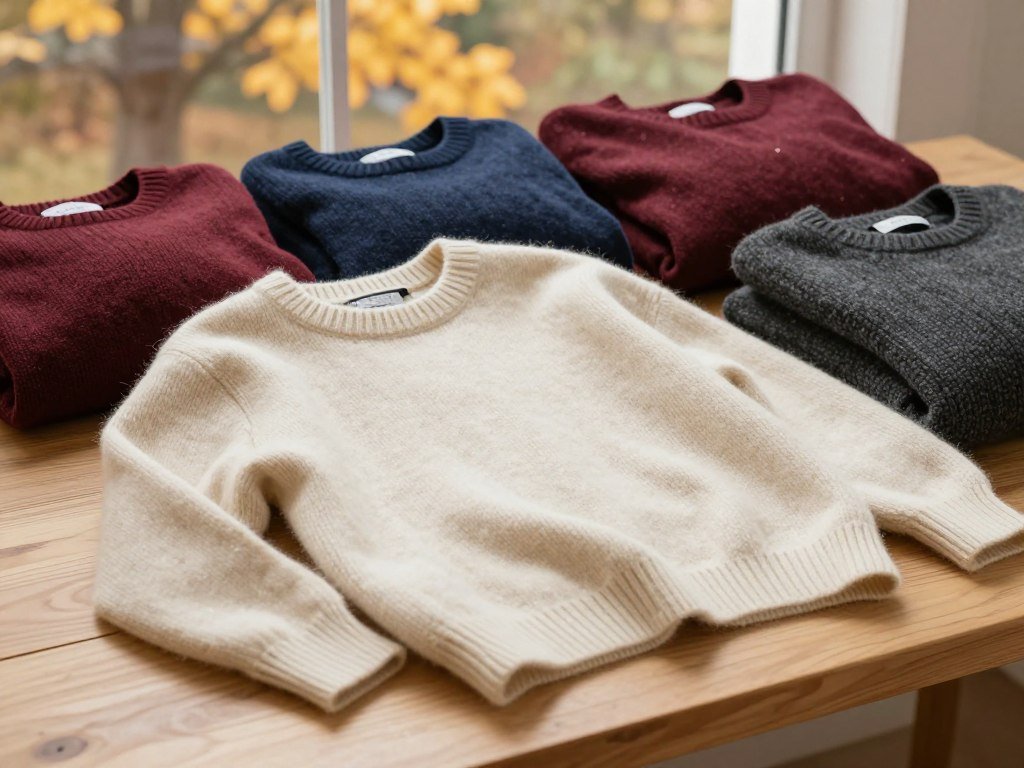
The collection gives shoppers a choice between a crewneck and a V-neck, with color availability grouped into core and limited-edition options. Forest green is an Essential Color in both necklines. The core palette includes classic choices, while limited editions add seasonal variety.
Black, oatmeal, and navy are among the classic colors. Limited-edition shades have included berry, light blue, and cinnamon. Color availability can change, so the shade a shopper remembers may not be offered each time.
Essential colors and both necklines
The crewneck offers a familiar shape, while the V-neck gives the neckline a more open look. Forest green appears as an Essential Color in both styles. That shared shade gives shoppers a way to compare the two cuts without changing the color.
Classic colors can fit easily into a wardrobe built around neutrals. Black, oatmeal, and navy are easy to pair with many existing pieces. They may suit someone who wants a sweater to work across more than one outfit.
Limited editions and the color trade-off
Limited-edition options add shades such as berry, light blue, and cinnamon. Their appeal depends on whether a shopper wants a more noticeable color or prefers a steady rotation of core pieces. A special shade can bring more personality, but may suit fewer outfits.
Shoppers who want vivid colors may find the overall palette restrained. That is a style preference, not a flaw in the sweater’s quality. A muted range may be exactly right for someone who prefers classic pieces.
Think about which neckline feels natural with the shirts and jackets already in your closet. Then consider whether a core shade will get more use or a limited color will bring more interest. The best choice is the one that matches how you dress, not simply the shade that stands out online.
Color availability and neckline are separate choices, so decide which matters most to you. A shopper who wears neutrals often may favor one of the classic shades. Choose the neckline you will reach for most, then decide whether a classic shade or a limited-edition color better suits your closet.
How Should You Care for Cashmere After It Gets Wet?
If cashmere gets wet, blot it and reshape it rather than wringing it or putting it in the dryer. Water alone does not ruin cashmere. Lay the knit flat to dry and keep heat and rough handling away.
Press a clean towel against wet areas to draw out extra water, then shape the garment gently. Twisting can stretch the knit, while a tumble dryer adds heat and movement. Flat drying helps the sweater keep its shape as it dries.
Those steps are a careful response to an accidental spill or rain, not a claim about Universal Standard’s stated wash directions. Handle the wet fabric with care and avoid pulling it while it is heavy with water. A flat surface gives the knit support.
Care instructions can differ by product. NAADAM’s instructions for its Original Cashmere Sweater call for hand washing in cold water and laying it flat to dry. The brand also lists dry cleaning as an option. Those directions apply to NAADAM’s sweater, not as stated care instructions for Universal Standard.
Cold water and gentle handling are common parts of the NAADAM directions, but a wet sweater still needs careful drying. Avoid the urge to squeeze or twist it hard. A towel can absorb extra moisture without the strain of wringing.
Cashmere may feel delicate when wet, yet getting caught in rain does not automatically destroy it. Reshape it gently and give it room to dry flat. Keep heat and agitation away from a wet cashmere knit while it dries flat.
It can help to move the sweater only when needed during drying, rather than repeatedly handling it. The less stress placed on the wet knit, the better. A tumble dryer is the wrong tool for this job.
How Does Universal Standard Compare With NAADAM at $98?
At the listed $98 price point for each, the clearest differences are the sizing information and product specifications provided. NAADAM’s Original Cashmere Sweater lists 100% cashmere, 12-gauge construction, and Mongolia as its material origin. Both product listings show $98, but NAADAM gives more specific knit details.
For NAADAM, 12-gauge describes the spacing of knitting-machine needles. It is not a grade of cashmere quality. The number helps describe construction, but it does not by itself prove that one sweater feels better.
NAADAM recommends the usual size for a classic tailored fit and sizing up for a roomier feel. Its bust guide runs from 31 3/4 inches for XXS to 46 3/4 inches for XXL. That is the competing product’s advice, not a Universal Standard size rule.
The listed details help shoppers compare the product information without declaring a universal winner. Universal Standard is notable for its broad size system, while NAADAM gives a bust range and a clear fit suggestion. The fit that works best depends on the wearer and the desired shape.
NAADAM’s listing says its sweater is made from 100% cashmere and names Mongolia as the material origin. That detail may matter to shoppers who want to know more about where the fiber comes from. Universal Standard’s product information identifies its cashmere collection as 100% cashmere.
Price alone cannot settle the choice when two sweaters list for the same amount. Consider how each product describes fit and construction, then decide which details matter most to your wardrobe. The two brands give shoppers different kinds of information to weigh.
For a tailored fit in NAADAM’s sweater, follow its usual-size guidance; size up only if you want more room.
Is Universal Standard Cashmere Worth Buying?
It is worth considering if you want 100% cashmere and a broad size range, but the final choice should fit your budget and preferences. Personal fit and color taste still matter, and current product details can change. Check the current listing and return terms before ordering.
The wearer received the sweater free. The review also disclosed that affiliate links could earn a commission, which would be lost if a purchase were returned. That relationship is relevant context for anyone weighing the recommendation.
The collection launch was announced for November 8, but that launch detail is not a current price. Do not treat a past launch price as today’s listed cost. Check the product page for the details shown when you shop.
Before placing an order, use this short checklist:
- Confirm the current listed price.
- Check the current return terms.
- Choose the neckline and color that suit your wardrobe.
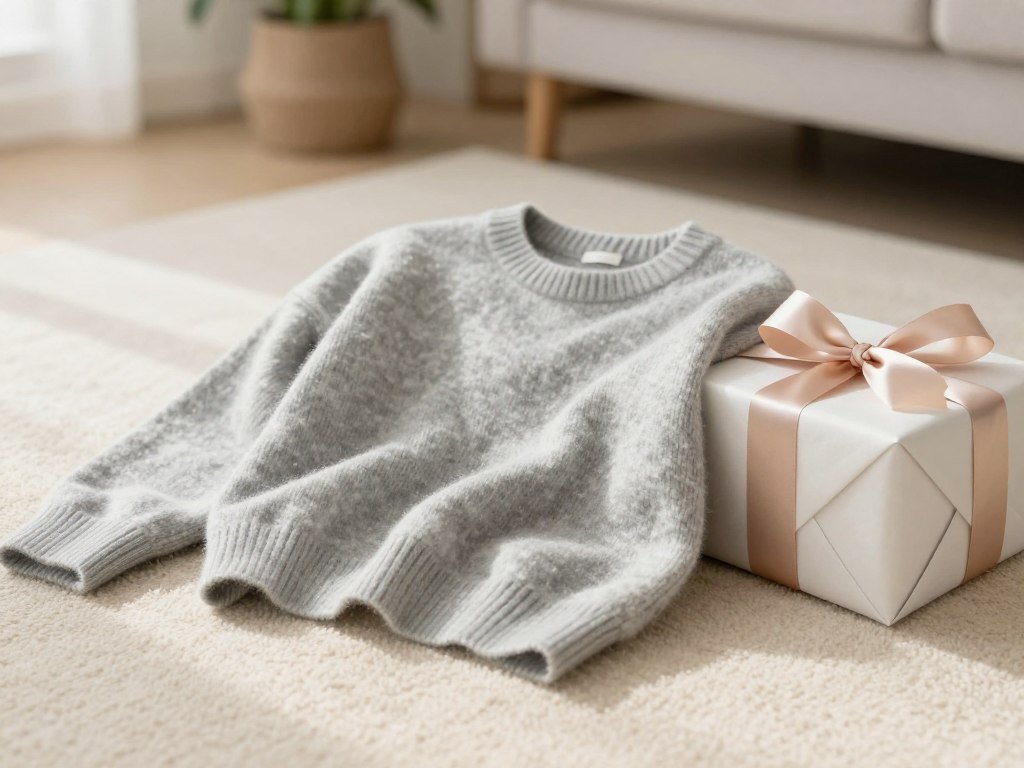
A gift buyer may also want to think about whether the recipient likes cashmere and can wear wool comfortably. A broad size range may open up more choices, but fit remains personal. A gift works best when the recipient’s taste is part of the decision.
Make the purchase only after the current listing and return terms feel acceptable to you. That gives you a clear view of the price and conditions tied to your order. Make the purchase only after the current listing and return terms feel acceptable to you.
Review the current product listing and return terms before you order.
Use your preferred neckline and color to narrow the choice, then weigh the listed details against what you want to spend. A sweater can be a strong option without being right for every shopper. The return policy matters most when you are unsure about fit.
Conclusion
The bottom line: this is a compelling cashmere option for shoppers who value an inclusive size range. Its appeal still depends on personal fit, skin comfort, and whether the available colors suit a person’s wardrobe. That makes it a thoughtful gift only when the recipient’s style and fit needs are clear.
Choose the crewneck or V-neck that feels most useful for your closet. Then review the current product page for the color and details on offer. Pick the neckline you prefer and check the current product page before placing an order.
FAQ
What are the disadvantages of cashmere?
Is cashmere ruined if it gets wet?
Can you put 100% cashmere in the dryer?
What fabric is better than cashmere?
Should you size up or down in cashmere?