
Key Takeaways
Research local traditions beforehand
Understand non-verbal communication cues
Respect local dress codes globally
Master basic native greetings politely
Introduction
Have you ever packed your finest designer luggage, booked an exclusive five-star suite, and still felt like an absolute outsider the moment you stepped out into the bustling city streets?
Avoiding travel cultural mistakes is essential for high-end globetrotters who want to blend in seamlessly rather than standing out as an oblivious tourist.
When you navigate international travel customs smoothly, your luxury vacation transforms from a standard sightseeing tour into a truly immersive, respectful, and deeply enriching cultural journey.
Stepping into a foreign destination without understanding its heritage can create an invisible wall between you and the local community.
Even the most luxurious resorts cannot shield you from the realities of local traditions once you explore the surrounding culture.
That is why mastering subtle social cues is just as important as securing first-class flights and premium reservations.
Let us explore how you can elevate your global travels by remaining mindful, respectful, and genuinely connected to the places you visit.
AI Overview
Master essential international travel customs and avoid common travel etiquette mistakes to ensure seamless luxury travel experiences globally. By understanding regional body language, local dining protocols, and respectful dress codes, high-end globetrotters can effortlessly bridge cultural gaps, eliminate awkward misunderstandings, and foster meaningful local connections on every journey.
The Hidden Cost of Cultural Missteps in Luxury Travel
Stepping into a foreign country with a luxury mindset is wonderful, but money cannot always buy genuine cultural awareness or local respect.
When we travel, we often assume that premium service shields us from local norms, but that is rarely true.
In fact, high-end environments demand even higher levels of social intelligence and respect for international travel customs.
Why High-End Travelers Fall Short
Luxury travelers often move quickly from private terminals to five-star hotels, creating a slight disconnect from daily local life.
Because of this comfortable bubble, it is very easy to commit unintentional travel cultural mistakes that can sour a local interaction or ruin a pristine dining experience.

When you travel in comfort, it becomes tempting to expect the rest of the world to cater entirely to your personal habits.
However, true sophistication means recognizing that your comfort should never come at the expense of local dignity or traditional values.
The PraviCeler Approach to Mindful Journeys
At PraviCeler, we believe that true elegance lies in understanding and respecting the people and places you visit.
When you practice cultural sensitivity travel, you open doors to authentic experiences that generic luxury itineraries simply cannot buy.
Our philosophy centers on the idea that high-end travel should foster genuine human connection rather than isolated luxury.
By taking the time to learn local expectations, you transform yourself from a passive consumer into an honored, welcomed guest.
Redefining Global Elegance
True sophistication goes far beyond private jets, designer wardrobes, and exclusive hotel accommodations.
It is rooted in empathy, situational awareness, and an open heart toward unfamiliar ways of living.
When you embrace this mindset, you naturally steer clear of embarrassing moments and build bridges instead of barriers.
Every destination has a unique heartbeat, and tuning into that rhythm requires patience, humility, and a genuine willingness to listen.
Top Travel Etiquette Mistakes to Watch Out For
Let us look at some of the most frequent travel etiquette mistakes that even seasoned luxury travelers make without realizing it.
1. Misinterpreting Non-Verbal Cues and Body Language
A simple hand gesture in your home country can mean something entirely offensive abroad, making it a critical cultural faux pas travel scenario.
For instance, thumbs-up gestures or pointing with a single finger carry very different weights across the Middle East and parts of Asia.
What feels like a harmless sign of approval back home might be interpreted as an aggressive insult in another culture.
Always take time to research common physical gestures before embarking on international journeys.
2. Ignoring Local Dress Codes in Sacred Spaces
Wearing casual resort wear inside a sacred temple or high-end traditional establishment is a major misstep.
Even if a venue is luxurious, respecting local modesty standards shows genuine appreciation for the community hosting you.
Throwing a light linen blazer over your shoulders or wearing trousers instead of shorts can completely change how locals perceive you.
It is a small effort that yields immense respect and opens doors to deeper cultural appreciation.
| Destination Region | Common Misstep | Correct Approach |
| Southeast Asia | Wearing shorts in temples | Cover shoulders and knees |
| Middle East | Public displays of affection | Keep physical contact minimal |
| Southern Europe | Loud dining in small bistros | Match the local ambient volume |
3. Disregarding Local Dining and Table Manners
Dining customs vary dramatically from one continent to another.
Leaving your plate completely clean can signal to a host that you are still hungry, while leaving food untouched can be seen as wasteful.
Researching these subtle nuances prevents awkward misunderstandings at exclusive dining venues.
Understanding whether to keep your hands visible on the table or how to handle utensils properly ensures your dining experience remains stress-free and enjoyable.
Mastering International Travel Customs
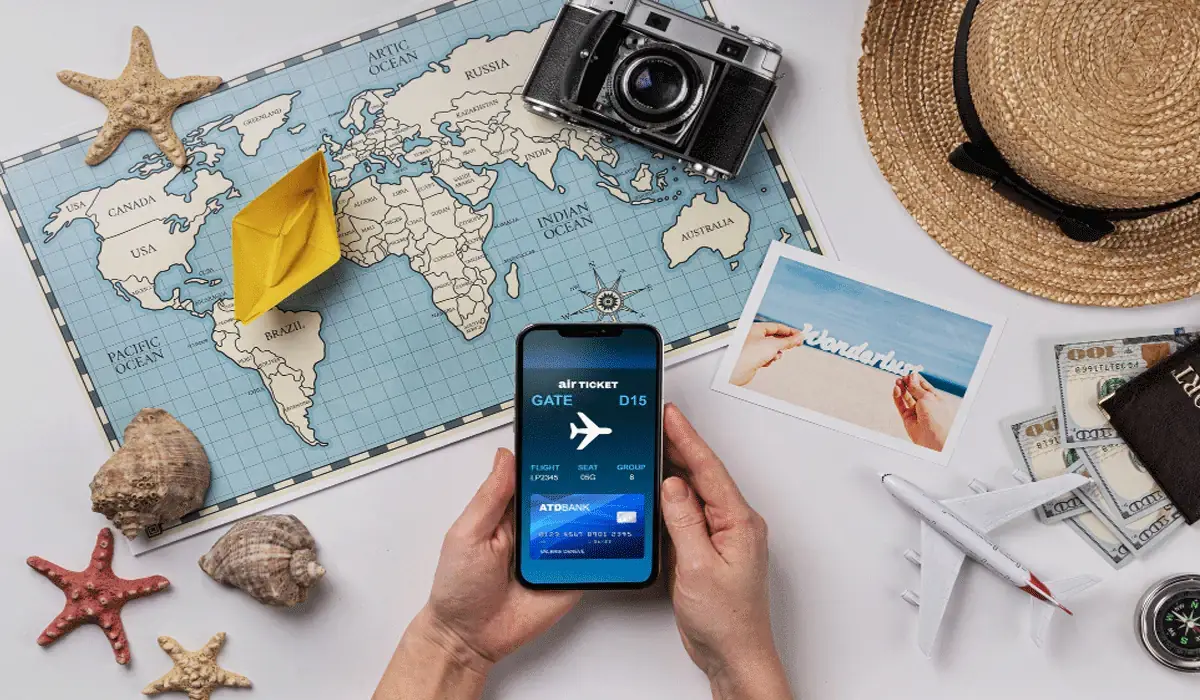
Understanding how daily life functions in your destination helps you avoid awkward situations and connects you deeply with locals.
Tipping Traditions Around the World
Tipping heavily is expected in some regions, but viewed as an insult or unnecessary gesture in others.
Researching these nuances beforehand ensures you reward service staff appropriately without causing unintended embarrassment.
In some high-end establishments across parts of Asia and Europe, service charges are already included, and extra tips can confuse staff.
Knowing when and how to show financial appreciation protects you from awkward social dynamics.
Gift-Giving Protocols
If you are invited to a local home or private event, bringing a gift is a wonderful gesture.
However, presenting the wrong item, such as flowers associated with funerals or alcohol in dry regions, can derail your good intentions entirely.
Research local taboos regarding specific gift items
Learn the proper hand usage for giving and receiving objects
Taking just ten minutes to understand local gift-giving rituals demonstrates profound respect for your host’s culture and traditions.
Navigating Local Commerce and Bargaining
In bustling local markets, polite negotiation is expected, but aggressive haggling is frowned upon.
Approaching transactions with a warm smile and respectful dialogue changes the entire dynamic.
Remember that bargaining is often viewed as a social interaction rather than a ruthless competition.
Treating vendors with kindness ensures you secure fair prices while building positive human connections.
The Pillars of Cultural Sensitivity Travel
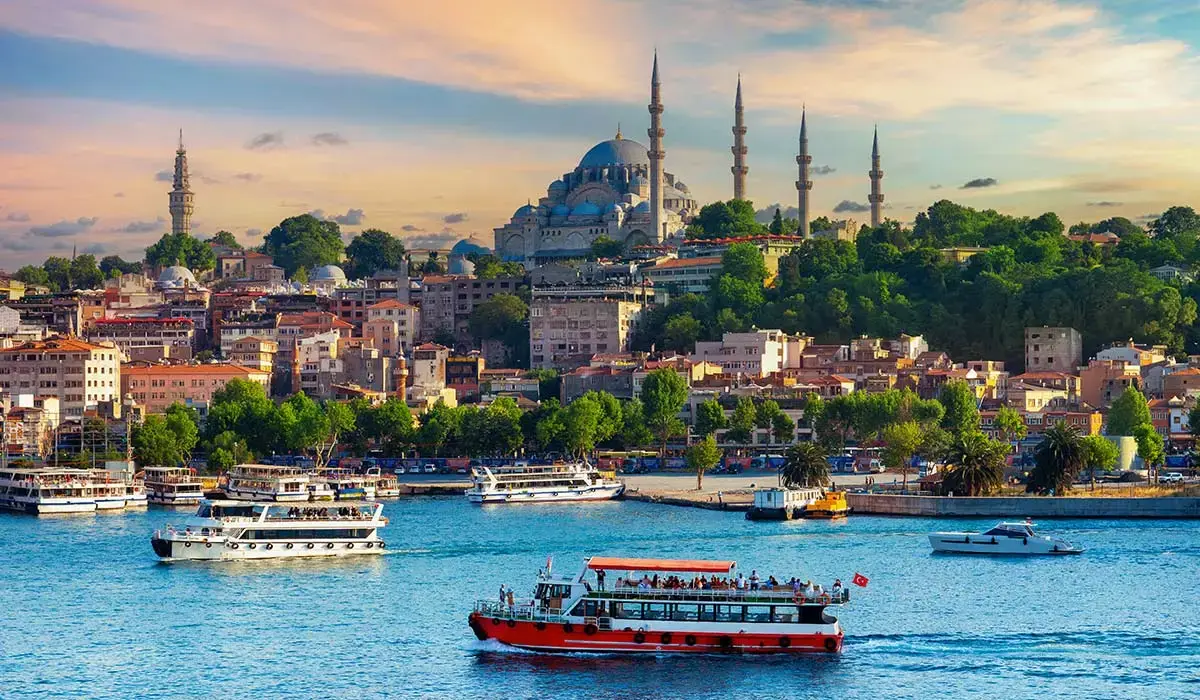
To elevate your journey, integrate these core practices into every itinerary you design.
Patience as a Universal Luxury
In many cultures, rushing a transaction or demanding rapid service is considered rude and impatient.
Slowing down and matching the local pace is a form of respect that transforms your entire travel experience.
When you release the need for instant gratification, you allow yourself to experience the true rhythm of your destination.
Language and Polite Greetings
You do not need to be fluent, but learning five to ten basic phrases goes a long way.
Locals deeply appreciate the effort, and it immediately sets you apart from travelers who expect the world to speak English.
Saying “please,” “thank you,” and “good morning” in the native language signals that you care about your surroundings.
Embracing Unfamiliar Traditions
Curiosity is your best companion abroad.
Instead of retreating into a comfortable Western bubble, lean into local customs with genuine enthusiasm and an open mind.
Participating in local festivals, trying regional delicacies, and observing traditional ceremonies enriches your understanding of the world.
Comparing Travel Styles: Unaware vs. Culturally Aware
| Feature | Unaware Traveler | Culturally Aware Traveler |
| Local Interaction | Expects universal English | Learns basic local greetings |
| Dining Habits | Demands home-style service | Embraces local dining pace |
| Attire Choice | Wears identical clothes everywhere | Adapts to local modesty norms |
Observe local behavior before acting
Adapt your personal style to fit the regional context
Conclusion
Luxury travel is ultimately about creating unforgettable memories and experiencing the absolute best the world has to offer.
By actively avoiding common travel cultural mistakes, practicing true cultural sensitivity travel, and honoring local international travel customs, you ensure every journey is respectful, smooth, and deeply rewarding.
When you approach the world with curiosity, humility, and grace, every destination opens up in ways you never thought possible.
Frequently Asked Questions
What are the most common travel cultural mistakes people make?
Travelers frequently misinterpret local body language, ignore dress codes at sacred sites, and fail to research regional tipping customs before arrival, often leading to awkward interactions.
How can I practice cultural sensitivity travel on my next trip?
You can practice this by researching local etiquette, learning basic native greetings, observing local behaviors, and respecting regional traditions with an open and humble mind.
Why do luxury travelers often commit cultural faux pas travel?
Luxury travelers often stay within resort bubbles, which creates an unfortunate disconnect from daily local customs and everyday societal expectations in the surrounding destination.
What are essential international travel customs to know?
Key customs include understanding proper greeting etiquette, respecting local dining rules, dressing modestly where required, and managing tipping expectations accurately across different regions.