Key Takeaways
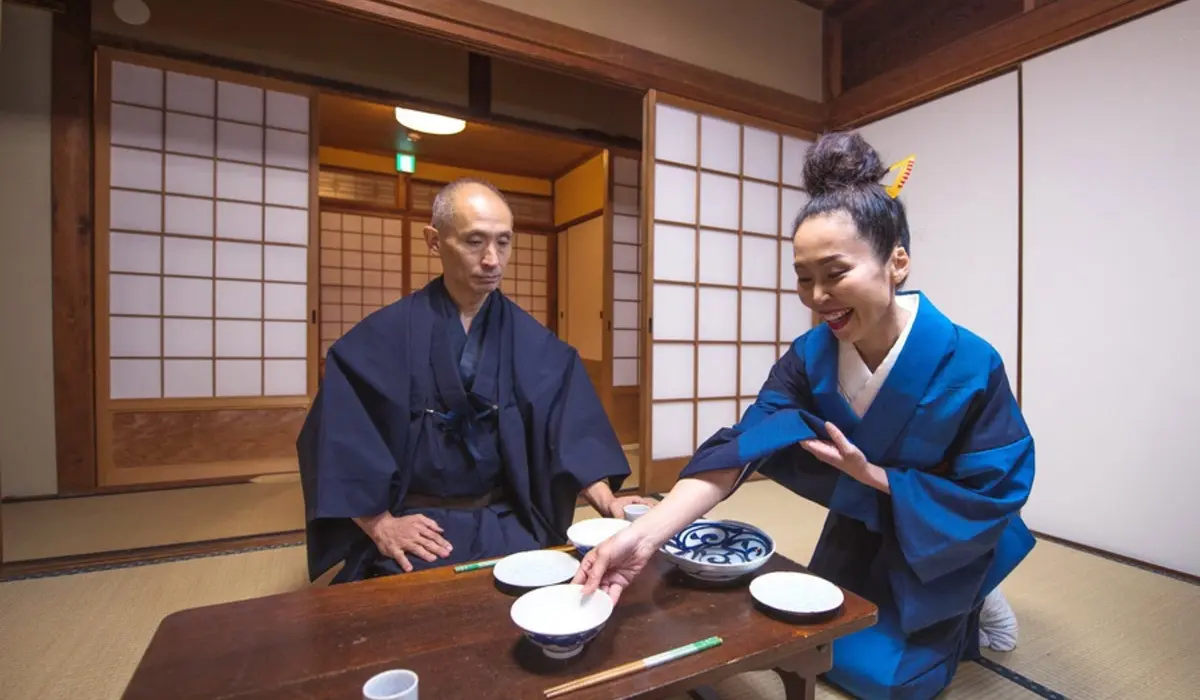
Heartfelt Guest Anticipation: Predicting and fulfilling needs before a guest even realizes they have them.
Selfless Cultural Mindset: Delivering hospitality purely for the guest’s comfort, with no expectation of tips, praise, or external rewards.
Meticulous Attention to Detail: Honoring subtle, non-verbal cues and micro-interactions to curate seamless environments.
Authentic Care Experience: Transforming service from a rigid transaction into an unforgettable emotional connection.
Have you ever walked into a coffee shop, a hotel lobby, or even a friend’s house and felt instantly embraced by the atmosphere? That magical feeling is the core heartbeat of omotenashi japanese hospitality, a deeply ingrained cultural philosophy that turns everyday service into an absolute art form.
Whether you are planning your dream trip across Asia or simply dreaming about staying at luxury Japanese hotels, understanding this unique concept completely changes how you view human connection, care, and travel. Most people think service is just about carrying bags or pouring tea quickly.
However, when you dive into omotenashi japanese hospitality, you quickly realize it is a complete worldview rooted in empathy, mindfulness, and radical generosity. Let us take a wonderful journey together to explore what makes this philosophy so legendary around the globe.
AI Overview
Omotenashi japanese hospitality is a traditional cultural mindset focused on wholehearted, selfless care for guests. Unlike transactional service, omotenashi anticipates needs in advance, creating a seamless and deeply respectful experience rooted in harmony, mindfulness, and genuine empathy.
What is Omotenashi?
To truly grasp the omotenashi meaning, we have to look far beyond simple customer service, polite manners, or corporate training scripts.
In most Western cultures, service is inherently transactional: you pay money, a specific task is executed, and you receive a tangible good or service in return. You order a latte, the barista hands it to you, and you walk away. The transaction is efficient, fair, and complete.
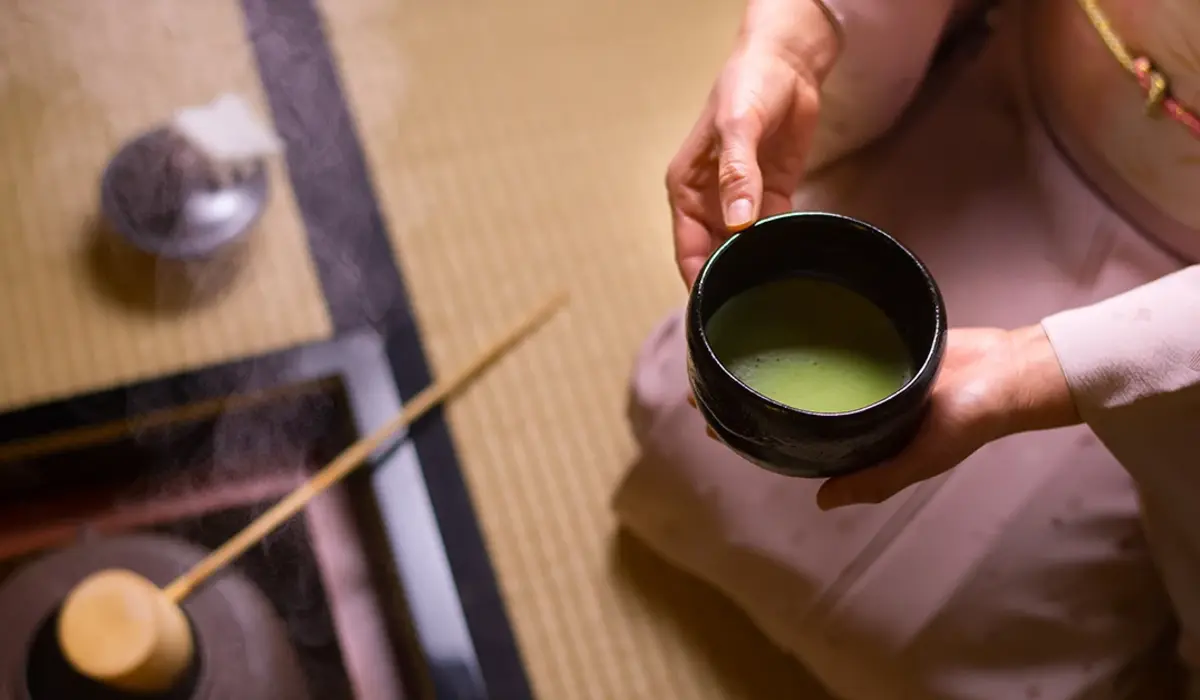
However, omotenashi japanese hospitality operates on an entirely different emotional plane. It is not about fulfilling an implicit contract; it is an invisible thread of human warmth that elevates the mundane into the extraordinary.
In transactional service, a need is expressed, a task is performed, and a payment is made. In contrast, omotenashi hospitality anticipates the need, delivers care before it is requested, and creates lasting harmony.
The Root of the Word
Etymologically, the term omotenashi is derived from two distinct linguistic roots:
Mono-no-omote-nashi: Translates to “having no front or back.” It signifies absolute honesty, transparency, and purity of heart. When hosting someone, there is no hidden agenda, no fake smile, and no dual identity between the private self and public persona.
Omotenashi: Stemming from the verb motenasu, meaning “to entertain, welcome, or care for a guest with great dedication.”
The concept developed alongside traditional Japanese tea ceremonies (Chanoyu or Chado), where hosts spent days preparing for a single gathering that might last only an hour.
Every single gesture from how a ceramic bowl is rotated before being served, to the exact botanical selection in the alcove, is executed with the guest’s holistic comfort in mind.
Sincerity Without Expectation
In omotenashi japanese hospitality, there is absolutely no expectation of a tip, a public review, or any kind of external reward.
Tipping does not exist in Japan; in fact, leaving extra cash on a table can cause confusion or offense, as hosts believe that exceptional care is the natural baseline, not something bought with extra money.
Pure selflessness: Serving purely for the joy of giving comfort.
Complete presence: Fusing mind and body into the current moment with the guest.
Anticipating hidden needs: Reading the unsaid to alleviate friction before it occurs.
When a host serves you from a place of pure sincerity, you feel safe, valued, and genuinely seen as a human being.
Moving Beyond Transactional Mindsets
If you have ever felt like just another confirmation number in a busy line, you know how refreshing genuine eye contact and personalized attention can feel.
That shift from being treated like a customer to being treated like an honored guest is the true magic of omotenashi japanese hospitality. It reminds us that kindness does not need a hidden motive to be powerful and transformative.
The Philosophy of Japan Service Culture
When looking at the broader japan service culture, you will notice a profound sense of mindfulness everywhere you go in daily life. It is not restricted to high-end Michelin-star restaurants or heritage resorts.
It starts the moment you step foot into a convenience store, board a high-speed bullet train (Shinkansen), or enter a traditional family-run inn (ryokan).
Harmony and Respect
The foundation of Japanese social ethics rests heavily on Wa, which translates to harmony. Omotenashi japanese hospitality acts as an engine for Wa, ensuring that nobody feels uncomfortable, awkward, or neglected in a shared space.
By taking care of the small details quietly behind the scenes, the host protects the peace and tranquility of everyone present.
The Art of Anticipation
Staff members do not wait around for you to flag them down or ask for assistance. They observe body language, weather conditions, age, emotional states, and subtle cues to act proactively.
| Situation | Standard Service | Omotenashi Approach |
| Rainy Day | Hands you a printed receipt | Hands you a dry, warm towel alongside your wrapped items |
| Entering a Room | Points toward your assigned table | Adjusts the ambient lighting and temperature before you arrive |
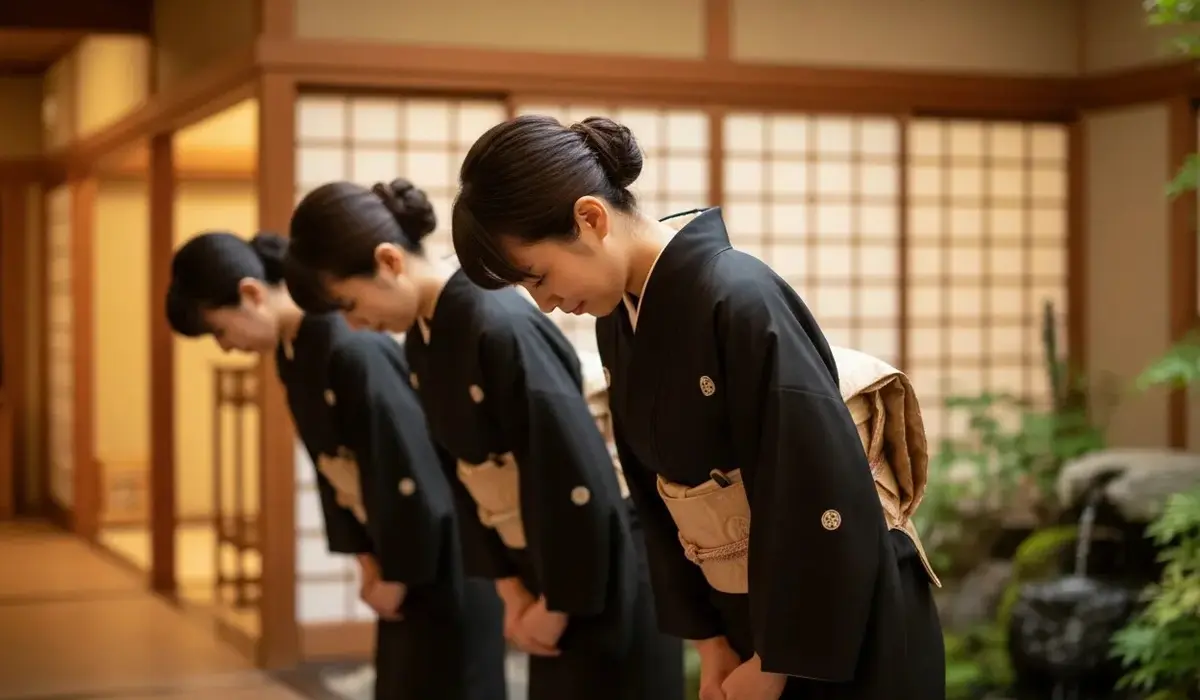
| Leaving a Hotel | Waves goodbye from behind the desk | Bows at the entrance until your taxi completely turns the corner |
| Handling Baggage | Asks if you need help with bags | Silently wipes down your luggage wheels before rolling them across the clean tatami mats |
| Dining Alone | Places you near a high-traffic area | Seats you in a tranquil nook and offers reading material or extra space |
This comparison highlights how deeply proactive care changes an everyday interaction into something memorable.
When someone hands you a warm towel on a freezing winter afternoon, your entire nervous system relaxes because you realize someone cared enough to notice your chill before you even uttered a word.
The Subtle Psychology Behind Caring
Have you ever wondered why some commercial spaces feel sterile and mechanical, while others feel like a warm hug? It all comes down to emotional intelligence and the unspoken language of care.
Reading the Room (Kuuki wo Yomu)
In Japanese culture, there is a common phrase: kuuki wo yomu, which means “reading the air.” In omotenashi japanese hospitality, hosts train themselves to become absolute masters of non-verbal communication.
They notice if you look tired from a long-haul flight, if you are struggling with heavy luggage, if you are left-handed, or if you are looking for a quiet corner to decompress. Without asking intrusive questions, they subtly adjust their behavior to cater to your implicit state.
Creating Safe Spaces Through Environmental Design
When you visit luxury Japanese hotels, you notice that every element of the interior architecture serves a psychological purpose:
Lighting: Warm, soft, and indirect illumination lowers cortisol levels and mimics natural cycles.
Acoustic Design: Padded carpets, sound-dampening wooden panels, and gentle water features minimize sensory overload.
Spatial Flow: Clear pathways, uncluttered rooms, and natural materials like cedar (hinoki) and woven rush (tatami) connect guests to nature.
This environment is intentionally crafted to lower your stress hormones, quiet a busy mind, and help you settle into a state of deep relaxation.
Experiencing Luxury Japanese Hotels
If you want to see omotenashi japanese hospitality at its absolute peak, booking a stay at a high-end ryokan or top-tier luxury Japanese hotels is an absolute must for your travel itinerary.
Places curated by hospitality experts, including insights often shared by PraviCeler, showcase this dedication flawlessly.
The Ryokan Experience
At a traditional Japanese inn, hospitality is elevated to a performative art form. Upon arrival, staff members greet you at the entrance on their knees, welcoming you home rather than just checking you into a corporate database.
Nakai-san (Personal Host): A dedicated attendant takes care of your entire stay. They prepare your tea, guide you through your room, serve your meals course by course, and lay out your plush futon bedding while you dine.
Onsen Etiquette: Staff gently guide first-time visitors through the ritual of hot spring bathing, ensuring they feel comfortable without ever feeling embarrassed.
Tailored Comforts
From customized multi-course kaiseki dinners that highlight hyper-seasonal local ingredients to yukata robes selected precisely to match your height and aesthetic preference, every detail is tailored.
Throughout your stay from fresh green tea and local berries in the morning, to onsen preparations in the afternoon, multi-course feasts in the evening, and quiet turndown service at night, every single staff member works in quiet synchronization behind the scenes to ensure your stay flows effortlessly.
The History and Evolution of Japanese Hospitality
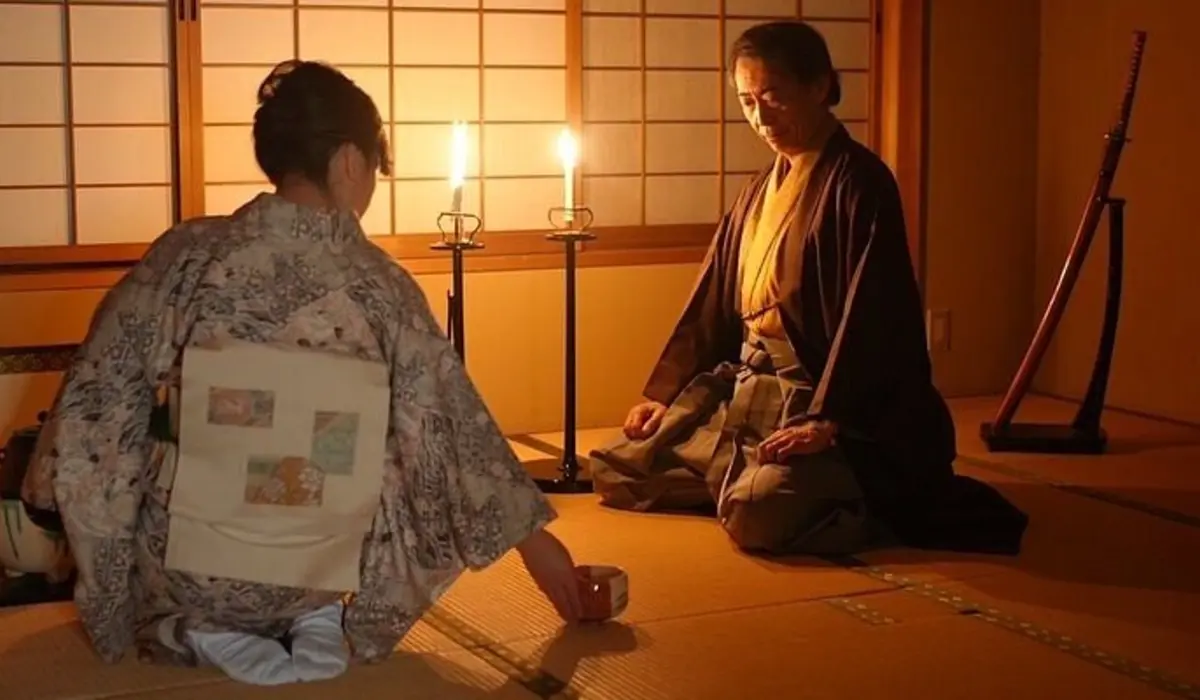
To truly appreciate modern omotenashi japanese hospitality, we have to look back centuries to see how these beautiful traditions originated and evolved over time.
The Influence of Tea Masters
The foundations of modern hospitality were established during the Azuchi-Momoyama period (1568–1600) by legendary tea master Sen no Rikyu.
Rikyu formalized the principles of Chado (The Way of Tea) and popularized the philosophy of Ichigo Ichie, which translates to “One time, one meeting.”
This philosophy teaches that we should treat every encounter as a once-in-a-lifetime event, for it can never be repeated in the exact same way.
Rikyu taught that host and guest must interact with absolute sincerity because even if they meet every day, this specific gathering on this specific afternoon will never happen again.
Therefore, the host must pour their entire soul into that single moment.
Samurai Roots and Respect
During periods of political turbulence and feudal governance, samurai warriors had to master strict codes of etiquette, self-control, and mindfulness (Bushido) to maintain peace and mutual respect.
The practice of lowering oneself, bowing with respect, and leaving weapons outside tea houses created an egalitarian sanctuary where rank was stripped away.
Over generations, these warrior codes and tea ceremony principles blended together to form the bedrock of everyday japan service culture.
Modern Real-World Examples of Omotenashi
To see how omotenashi japanese hospitality manifests in everyday life, consider these real-world scenarios across different sectors in Japan:
1. Bullet Trains (Shinkansen)
The cleaning crews for Japan’s bullet trains are famous worldwide. In a precise 7-minute window between train arrivals and departures, teams deep-clean every carriage, rotate seats to face the direction of travel, remove all trash, and line up on the platform to execute a deep 45-degree bow to incoming passengers as the train arrives.
2. Retail and Department Stores (Depachika)
If you enter a historic department store like Mitsukoshi at 10:00 AM sharp, the entire staff from floor managers to boutique clerks lines up along the aisles.
As the doors open, they bow in unison to welcome the first shoppers of the day without saying a single word about sales or promotions.
3. Taxi Drivers
Taxis in Japan feature automated doors that open and close for you so you never have to touch a dirty handle. Drivers wear white gloves, keep pristine interiors, and will carefully map out routes to avoid construction zones and save you time, all without expecting a single yen in tips.
Bringing Omotenashi into Business and Daily Life
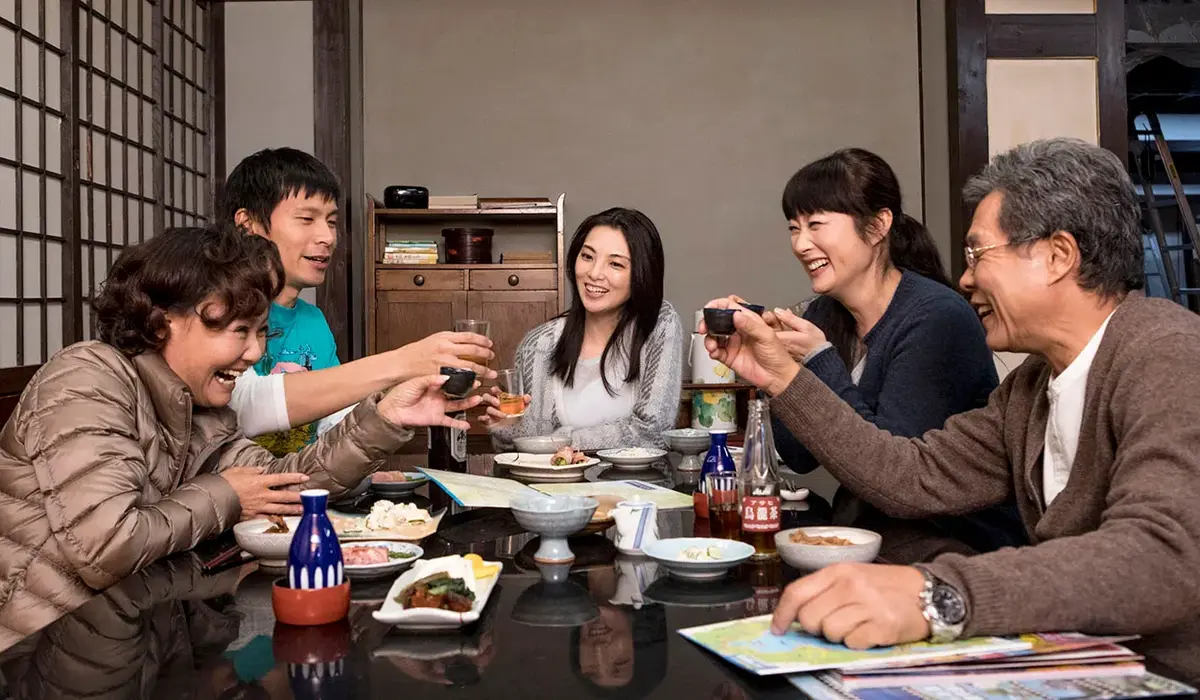
You do not have to manage a five-star resort or travel across the world to practice omotenashi japanese hospitality in your own professional and personal life. In most cases, shifting your perspective toward the people around you is all it takes to make a massive impact.
1. Mindful Presence
Listen actively: When someone speaks, give them your undivided attention without planning your response or checking your phone.
Eliminate micro-friction: Notice small discomforts in your office or home environment (e.g., poor lighting, cold temperatures, awkward seating) and fix them proactively for your team or guests.
Practice non-verbal respect: Small gestures—like handing someone a business card or document with both hands—signal that you value the interaction and respect the recipient.
2. Business Applications
Modern organizations can adopt omotenashi to differentiate themselves in a crowded marketplace by shifting away from reactive problem solving and KPI-focused scripts toward proactive friction removal, relationship building, and intuitive, personalized care.
When you practice these simple acts, you cultivate deeper relationships, build trust, and make your immediate corner of the world a much kinder, more peaceful place.
Conclusion
At its core, omotenashi japanese hospitality is not a business strategy, an upsell tactic, or a rigid manual of corporate rules; it is a profound way of relating to human beings.
By focusing on sincere care, anticipation, quiet detail, and harmony, it transforms ordinary everyday moments into unforgettable memories that linger long after your journey ends.
Frequently Asked Questions
What is the exact definition of omotenashi?
Omotenashi refers to traditional Japanese hospitality characterized by wholehearted, selfless care and meticulous attention to guest needs without any expectation of a reward, tip, or public recognition.
How does omotenashi differ from Western customer service?
While Western service is generally transactional and focused on efficiency and task completion, omotenashi is relational, intuitive, and deeply rooted in anticipating unexpressed emotional and physical needs before they are stated.
Where can travelers best experience authentic Japanese hospitality?
Travelers can experience authentic hospitality everywhere in Japan from convenience stores to train stations but luxury Japanese hotels and traditional family-run ryokans offer the most immersive and detailed demonstrations of this art form.
Why is tipping discouraged in Japan?
Tipping is discouraged because Japanese service culture operates on the belief that exceptional care is a basic standard of respect, pride, and professional dignity, rather than something that must be bought with extra financial incentives.