Tattoos can be a beautiful way to express your personality, but not everyone wants to commit to permanent ink. Temporary tattoos offer another option, allowing you to experiment with designs, try a new look for an event, or enjoy body art without making a lifelong decision.
From small minimalist symbols to elaborate sleeves, temporary tattoos come in a wide variety of styles. Some transfer onto the skin with water, while others use cosmetic pigments, plant-based dyes, or airbrush techniques to create a more realistic appearance.
The best option depends on how long you want the design to last, the look you prefer, and how easily you want to remove it.
Whether you are exploring temporary tattoos for the first time or looking for a realistic alternative to permanent body art, understanding the different types can help you choose a design that suits your needs. If you are also curious about other forms of body art, see our dermal piercing guide.
What Are Temporary Tattoos?
Temporary tattoos are designs applied to the surface of the skin that fade, wash away, or gradually disappear without the permanent ink placement used in traditional tattoos.
They are available in many forms, including water-transfer decals, henna designs, jagua body art, and airbrush tattoos. Each method uses different materials and lasts for a different amount of time.
Some temporary tattoos are designed to disappear after a shower or a few days. Others stain the outer layers of the skin and can remain visible for one to two weeks or longer, depending on the product and individual skin characteristics.
Temporary tattoos are popular for parties, festivals, holidays, costumes, photoshoots, and personal style experiments. They can also help someone explore the size and placement of a potential permanent tattoo before making a long-term decision.
Types of Temporary Tattoos
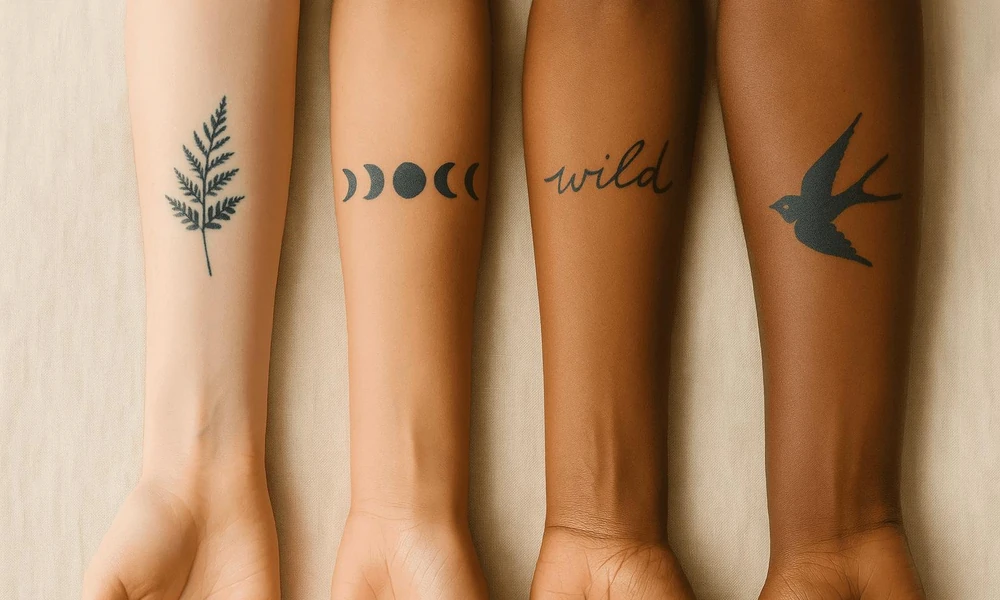
1. Water-Transfer Temporary Tattoos
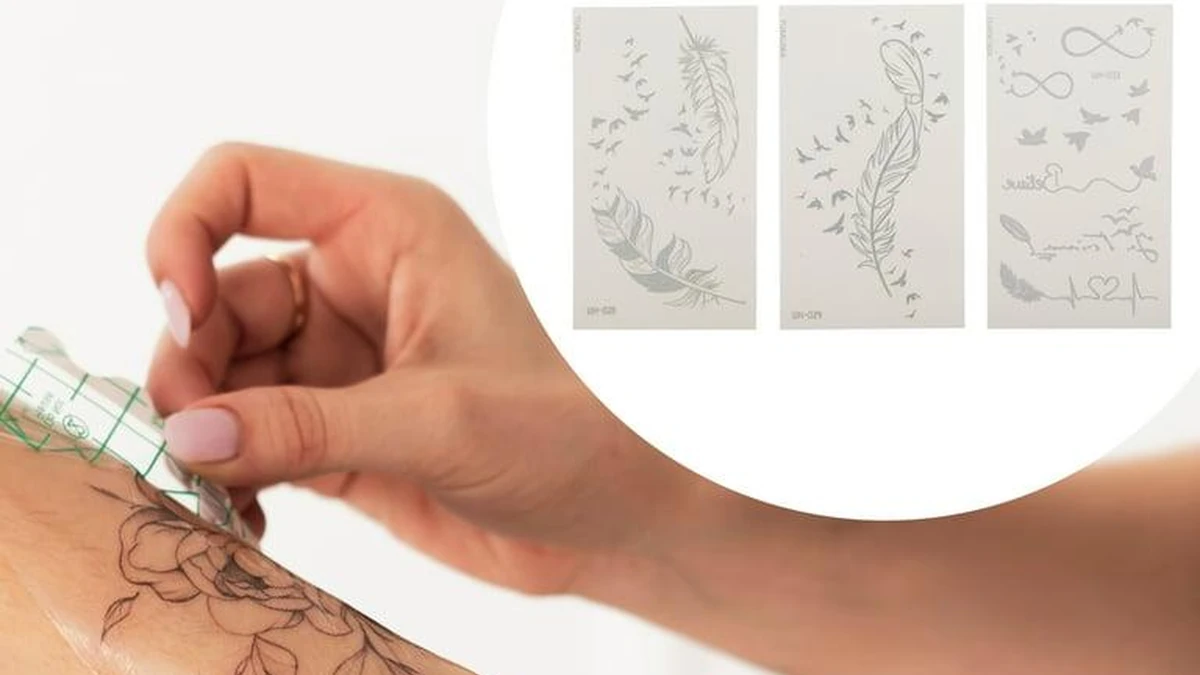
Water-transfer tattoos are among the easiest options to use at home. They usually come printed on transfer paper with a protective film.
To apply one, place the design against clean skin, dampen the backing according to the instructions, and gently remove the paper once the image has transferred.
These tattoos are available in countless designs, including flowers, animals, geometric patterns, lettering, and realistic black-ink illustrations.
Best for: Parties, short-term styling, children’s activities when age-appropriate products are used, and trying different designs.
Typical duration: A few days, depending on the product, placement, and washing.
2. Henna Tattoos
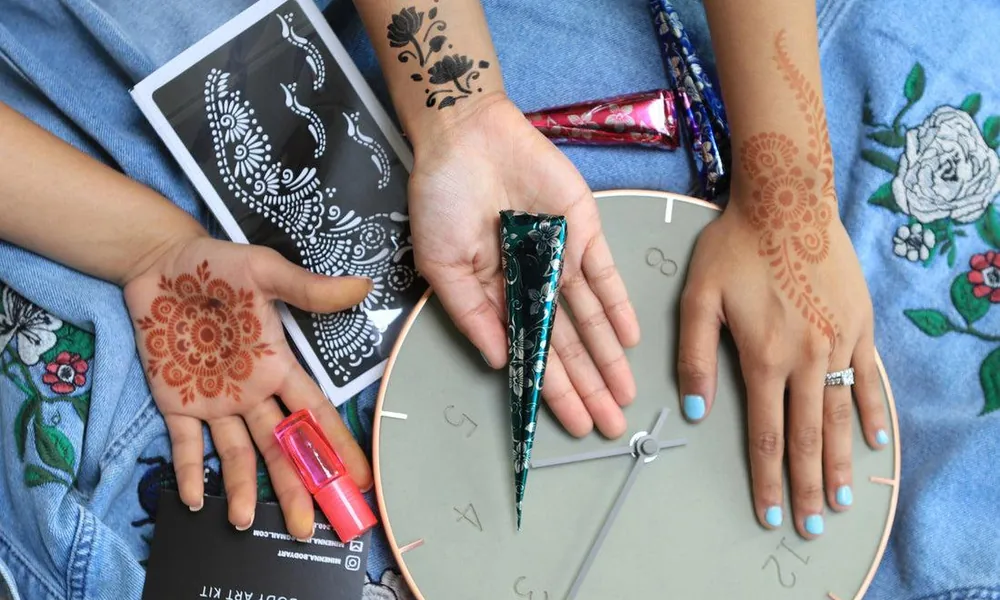
Henna is a traditional plant-based dye used to create decorative patterns on the skin. It is especially associated with celebrations and cultural traditions across South Asia, the Middle East, North Africa, and other regions.
Natural henna generally produces an orange-brown stain that deepens over the first day or two. Designs often feature intricate floral patterns, leaves, paisleys, and geometric details.
Henna does not usually create the solid black appearance of conventional tattoo ink. Its color and longevity depend on the paste, application technique, skin, and aftercare.
Best for: Weddings, festivals, celebrations, and intricate decorative designs.
Typical duration: Often around one to two weeks, although results vary.
Choose products made with natural henna and avoid so-called black henna that contains undisclosed ingredients or may contain para-phenylenediamine (PPD), a chemical that can cause serious skin reactions.
3. Jagua Tattoos
Jagua body art uses a dye derived from the fruit of the jagua plant to create a dark blue-black stain on the skin.
Because the color can resemble the appearance of permanent black ink, jagua is often chosen by people who want a more realistic-looking temporary tattoo than a traditional water-transfer design.
The stain develops over time rather than appearing at full intensity immediately. As with any skin-applied product, ingredients and individual sensitivities matter.
Best for: Realistic-looking temporary designs, lettering, fine-line artwork, and nature-inspired tattoos.
Typical duration: Often about one to two weeks, depending on the product and skin.
Use products from reputable suppliers and follow their instructions. Avoid applying jagua to irritated or broken skin, and stop using it if a reaction occurs.
4. Airbrush Tattoos
Airbrush tattoos are created by spraying cosmetic pigments through a stencil onto the skin. They are commonly offered at festivals, fairs, parties, and special events.
The result can resemble a simple tattoo or a more elaborate design, depending on the stencil and colors used.
Airbrush tattoos are generally quick to apply, making them convenient when you want a design for a single occasion.
Best for: Events, parties, themed celebrations, and temporary costume looks.
Typical duration: Usually a few days, depending on the formula, skin preparation, and washing.
Use only products intended for application to skin, and ensure that the equipment and stencils are handled hygienically.
5. Semi-Permanent Tattoo Products
Some products are marketed as semi-permanent tattoos because they stain the skin rather than sitting entirely on its surface.
Their longevity depends on the active ingredients, formulation, application method, and individual skin characteristics. Some can remain visible for several days or weeks.
Marketing claims vary, so check the ingredient list, application instructions, and realistic duration before buying.
Best for: People seeking a longer-lasting temporary design without permanent tattooing.
Typical duration: Varies by product; do not rely on a duration claim without checking the specific formulation.
How to Apply a Temporary Tattoo at Home
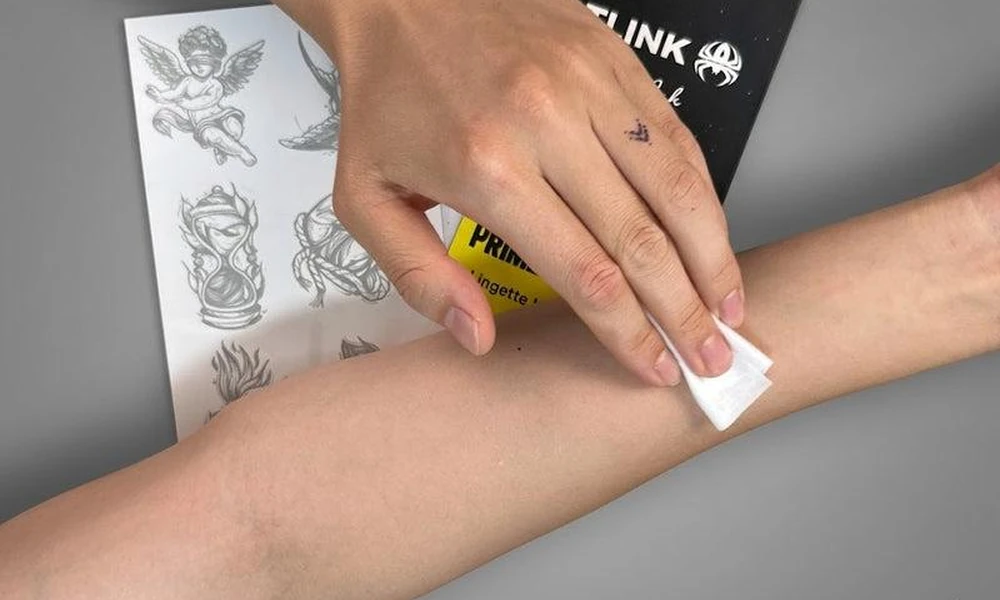
Applying a temporary tattoo is usually straightforward, but careful preparation helps the design look cleaner and last longer.
Step 1: Choose the Right Placement
Popular placements include the forearm, wrist, upper arm, shoulder, ankle, and back.
Choose an area where the design will sit comfortably without excessive rubbing from clothing. Avoid broken, irritated, or inflamed skin.
Step 2: Clean and Dry the Skin
Wash the area gently and dry it completely before applying the tattoo.
Oils, lotions, sweat, and dirt can interfere with some transfer products, so follow the manufacturer’s preparation instructions.
Step 3: Apply the Design
For a water-transfer tattoo, remove the protective film and position the image against the skin. Wet the backing as instructed and hold it in place for the recommended time.
For henna, jagua, or airbrush products, follow the specific application directions. These methods are not interchangeable, and their drying or development times differ.
Step 4: Let the Design Set
Avoid rubbing the design immediately after application.
Some products require time to dry or develop color. Follow the product instructions before washing the area or putting on tight clothing.
Step 5: Care for the Tattoo
Excessive rubbing, frequent washing, and friction can shorten the life of many temporary tattoos.
If the product allows it, gentle cleansing and avoiding unnecessary abrasion may help preserve the design. Do not use unapproved chemicals or coatings to force the tattoo to last longer.
How Long Do Temporary Tattoos Last?
Temporary tattoo longevity depends mainly on the type of product, how it interacts with the skin, and how the area is treated afterward.
| Type | Typical duration |
| Water-transfer tattoo | A few days |
| Airbrush tattoo | A few days |
| Natural henna | Around 1–2 weeks |
| Jagua tattoo | Around 1–2 weeks |
| Other skin-staining products | Varies by formulation |
These are general estimates rather than guarantees. Friction, bathing, skin exfoliation, body location, and the specific product can all affect the result.
Temporary tattoos on hands and fingers may fade more quickly because those areas are washed frequently. Designs on less exposed areas may last longer.
How to Remove Temporary Tattoos Safely
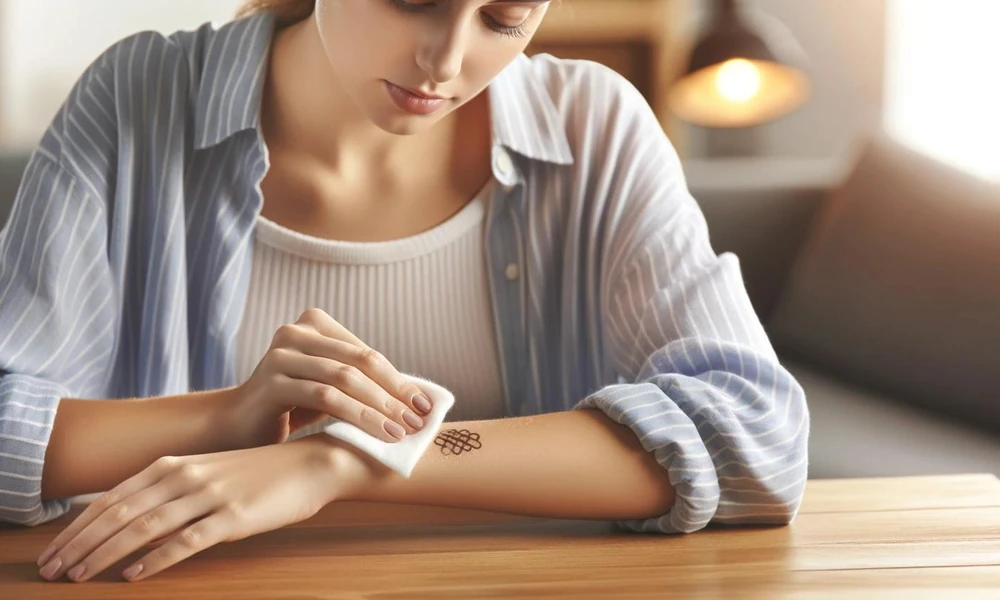
Most water-transfer tattoos can be removed gently with warm water, mild soap, and a soft cloth. Some may respond to an oil-based cleanser, provided the product instructions allow it.
Avoid aggressive scrubbing, harsh solvents, or household cleaning chemicals. These can irritate or damage the skin.
Henna and jagua stains behave differently because their color develops within the outer layers of the skin. They generally fade as the skin naturally renews itself, rather than washing off immediately.
Do not try to remove a stain by scraping the skin or using strong bleaching products. Gentle cleansing and time are safer approaches.
If a tattoo causes persistent itching, swelling, blistering, or pain, stop applying products to the area and seek medical advice when appropriate.
Are Temporary Tattoos Safe?
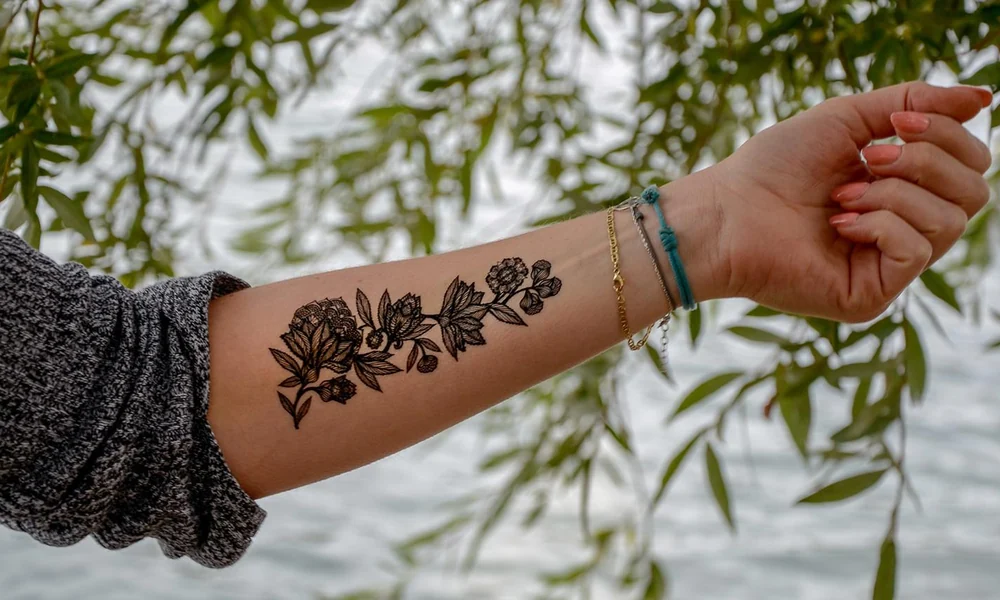
Many temporary tattoos are tolerated well when they use suitable ingredients and are applied according to directions. However, temporary does not automatically mean risk-free.
Before using a product:
- Check the ingredient list and follow all warnings.
- Use products specifically intended for skin.
- Avoid products with unclear ingredients or misleading safety claims.
- Do not apply tattoos to broken, irritated, or inflamed skin.
- Consider a small-area test when appropriate, following the manufacturer’s directions.
- Avoid natural henna products that are mixed with undisclosed dyes or marketed as black henna.
A small-area test cannot guarantee that an allergic reaction will not occur later. If you have a history of skin allergies, consider discussing a new product with a healthcare professional.
If a product causes burning, swelling, a spreading rash, or blistering, remove it if this can be done safely and seek appropriate medical guidance.
Best Temporary Tattoo Designs to Try
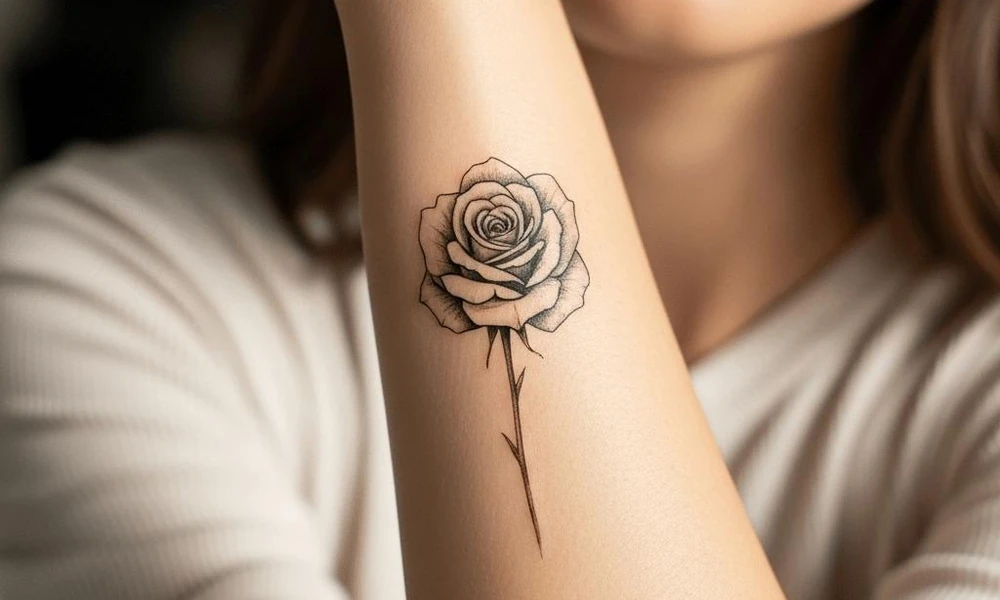
Temporary tattoos allow you to experiment with different styles before committing to a particular look.
Minimalist Symbols
Small stars, moons, arrows, waves, and simple geometric shapes can create an understated appearance. They are easy to coordinate with everyday clothing and accessories.
Floral Designs
Flowers, leaves, and botanical illustrations work well on the wrist, forearm, shoulder, and ankle. They can be delicate or highly detailed.
Animal Tattoos
Butterflies, birds, snakes, lions, and wolves offer different visual styles and symbolic associations. A temporary version can help you test the size and placement of a more detailed design.
Lettering and Quotes
Short words, initials, and meaningful phrases can be used to experiment with typography and placement. Check spelling and orientation carefully before applying the design.
Temporary Sleeve Tattoos
Sleeve-style transfers combine multiple elements to cover a larger portion of the arm. They can be useful for costumes, events, photoshoots, or testing how a full-sleeve composition might look.
For a convincing result, consider how the design wraps around the arm and whether its scale suits your proportions.
Frequently Asked Questions About Temporary Tattoos
Do temporary tattoos hurt?
Most surface-applied temporary tattoos do not involve needles and are generally painless to apply. Some dyes or adhesives can irritate sensitive skin, so follow product instructions and discontinue use if a reaction occurs.
Can temporary tattoos look real?
Yes. Jagua stains, carefully designed transfers, and some airbrush tattoos can resemble permanent tattoos at a glance. The realism depends on the design, color, application, and how closely it follows the contours of the skin.
Can I shower with a temporary tattoo?
Many products tolerate ordinary showering, but frequent washing and rubbing can cause faster fading. Follow the manufacturer’s instructions and avoid scrubbing the design.
Are temporary tattoos suitable for children?
Some are designed for children, but suitability depends on the product, age guidance, and ingredients. Choose reputable products intended for the child’s age group, supervise application, and avoid products that may irritate the skin.
Can I swim with a temporary tattoo?
Water exposure can shorten the life of some temporary tattoos, especially transfer designs. Check the product instructions before swimming and avoid exposing freshly applied skin-staining products to water before the recommended development period has passed.
Can a temporary tattoo become permanent?
Ordinary transfer tattoos are designed to remain on the skin’s surface, while henna and jagua stain the outer skin and gradually fade. These products do not ordinarily function like permanent tattoo ink, which is placed into the skin using needles.
How can I make a temporary tattoo last longer?
Follow the product’s preparation and aftercare instructions, minimize unnecessary rubbing, and avoid harsh cleansers on the design. Do not use unapproved chemicals or coatings to extend its life.
Final Thoughts
Temporary tattoos offer a flexible way to explore body art, express your personality, and experiment with different designs without committing to permanent ink.
Water-transfer tattoos are convenient for short-term styling, while henna and jagua offer longer-lasting stains. Airbrush designs can be especially useful for parties and special occasions.
Choose a method that suits your desired look and duration, check the ingredients carefully, and follow safe application and removal practices. A little preparation can help you enjoy the design while protecting your skin.
Disclaimer: This content is for informational purposes only and reflects our personal opinions and experiences. We just love to write and share what we know and research