Luxury diamond necklaces combine exceptional craftsmanship, sparkling gemstones, and timeless design in a piece of jewelry that can elevate almost any outfit. From delicate diamond pendants to elaborate statement necklaces, these pieces suit a range of personal styles, special occasions, and budgets. The best choice depends on the quality of the diamonds, the precious metal, the design, and how you plan to wear the necklace.
Whether you are buying your first fine diamond necklace, choosing a meaningful gift, or adding a sophisticated piece to your jewelry collection, understanding the available styles and essential quality factors can help you make a confident decision.
What Makes Luxury Diamond Necklaces Special?
Luxury diamond necklaces stand apart through their materials, design, craftsmanship, and attention to detail. They may feature natural or laboratory-grown diamonds set in precious metals such as gold or platinum.
Unlike fashion jewelry designed mainly to follow short-term trends, a well-made diamond necklace can remain relevant for years, much like the pieces in a timeless luxury wardrobe. Classic designs, carefully selected stones, and secure settings contribute to both its appearance and longevity.
Several characteristics define a luxury diamond necklace:
- Quality diamonds: Stones are selected for their cut, color, clarity, and carat weight.
- Precious metals: Common choices include 18-karat yellow, white, and rose gold, as well as platinum.
- Expert craftsmanship: Precise stone setting, balanced proportions, and polished finishing improve the overall appearance.
- Thoughtful design: The necklace may feature a minimalist pendant, a traditional diamond arrangement, or a distinctive contemporary silhouette.
- Attention to detail: Secure clasps, comfortable chains, and carefully finished settings help make the piece practical for regular wear.
Luxury does not always mean the largest diamonds or the most elaborate design. A simple necklace with beautifully cut stones and excellent craftsmanship can look more refined than a heavier piece with less attention to detail.
Popular Types of Luxury Diamond Necklaces
Diamond necklaces come in many styles, making it easier to find a design that complements your wardrobe and personality.
1. Diamond Solitaire Pendant Necklaces
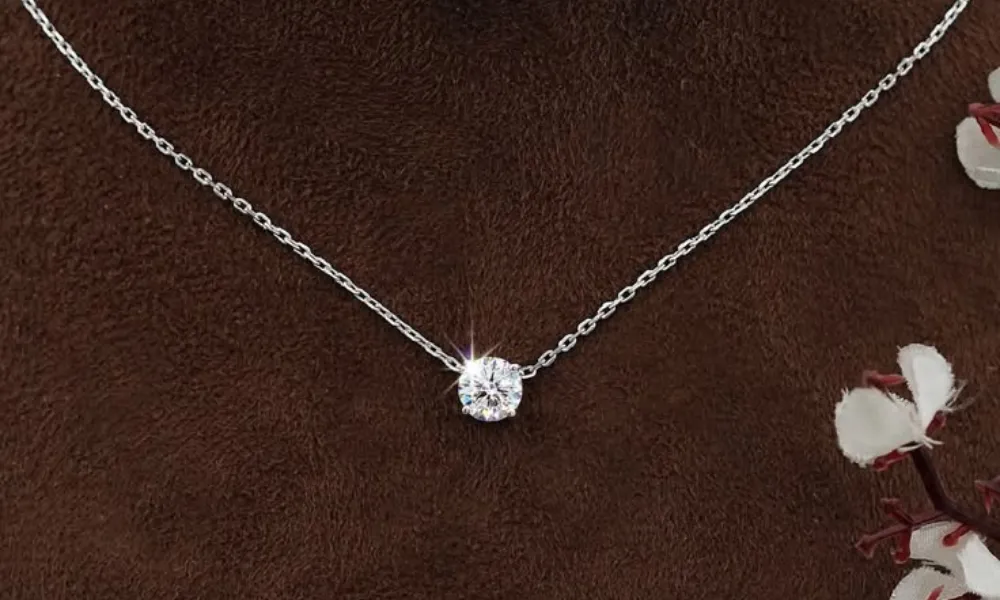
A solitaire pendant features one prominent diamond suspended from a chain. Its clean design makes it one of the most versatile choices for everyday elegance. Round brilliant diamonds are popular because of their light performance, while oval, pear, princess, and emerald cuts offer different visual effects.
A solitaire pendant works well with office clothing, casual outfits, evening dresses, and formal wear. It can also make a thoughtful gift for birthdays, anniversaries, graduations, and other meaningful occasions.
2. Diamond Tennis Necklaces
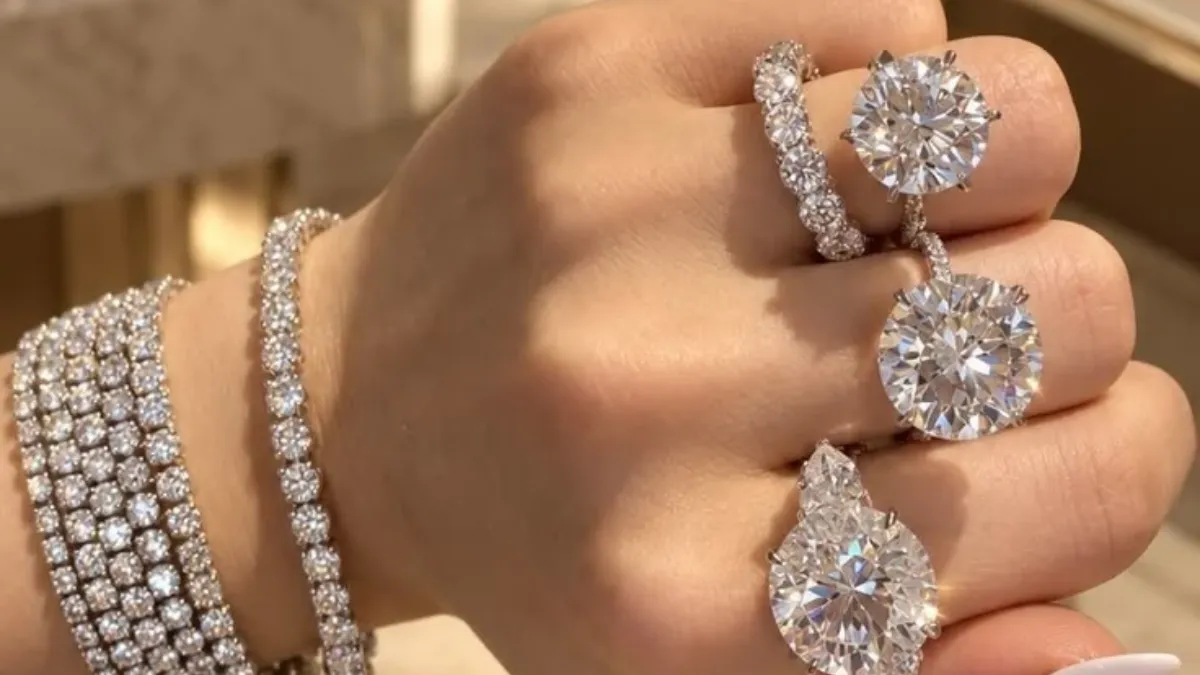
A diamond tennis necklace features a continuous line of diamonds arranged around the neckline. The stones create an even, sparkling appearance that can feel both classic and glamorous.
Depending on the design, the diamonds may be uniform in size or arranged to create a graduated effect. Tennis necklaces are particularly suited to formal events, celebrations, and occasions when you want your jewelry to stand out. When choosing one, pay close attention to the flexibility of the necklace, the security of its clasp, and the consistency of the stone settings.
3. Diamond Choker Necklaces
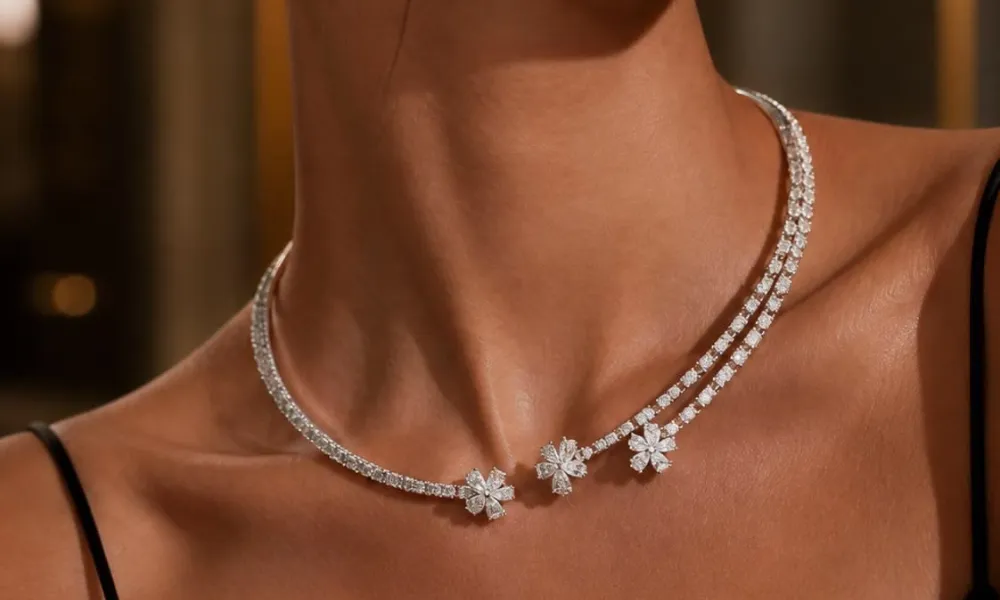
Diamond chokers sit close to the neck and can create a striking, contemporary look. Some feature a narrow row of diamonds, while others incorporate geometric patterns, floral details, or mixed precious metals.
A diamond choker pairs beautifully with strapless, off-the-shoulder, and open-neckline outfits. More delicate versions can also work with tailored evening clothing. Because fit is especially important, check the necklace’s actual length and fastening before purchasing.
4. Diamond Statement Necklaces
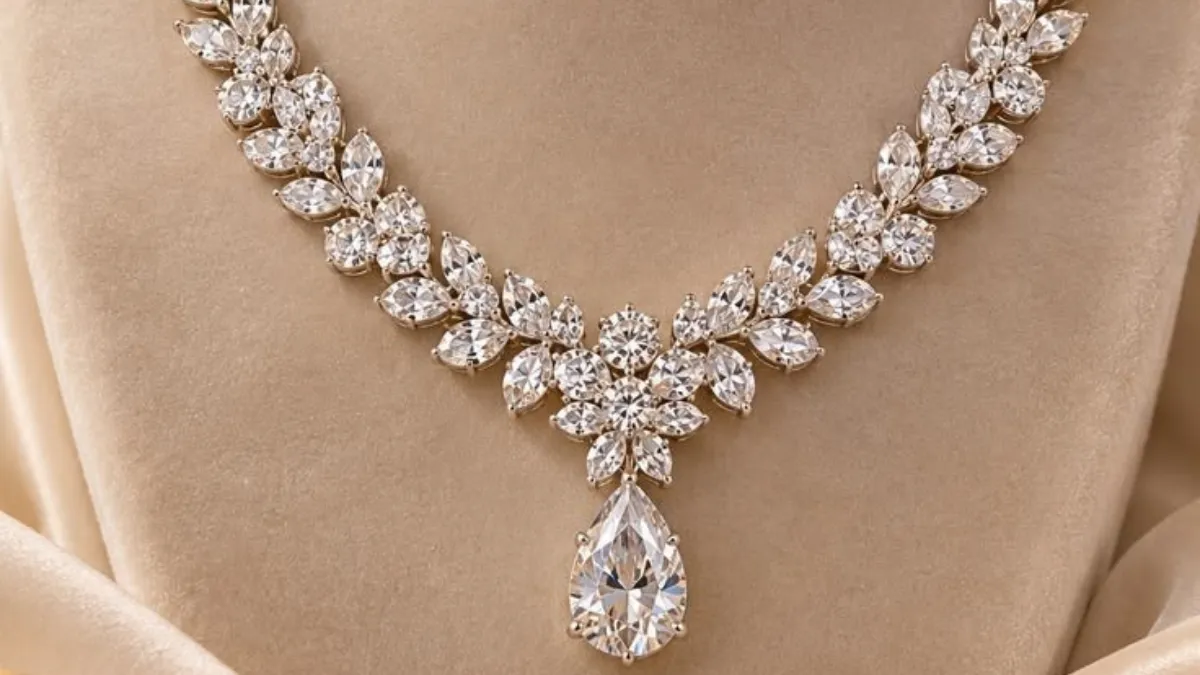
Statement necklaces feature bold designs, larger arrangements of diamonds, or intricate combinations of gemstones and precious metals. These pieces often suit weddings, galas, formal dinners, and other special occasions.
They can transform a simple dress into a polished evening look without requiring many additional accessories. For a balanced appearance, let the necklace remain the focal point, and use these luxury styling tips to keep the rest of the outfit simple. Understated earrings and clothing can help showcase its design.
5. Diamond Pendant Necklaces With Gemstones
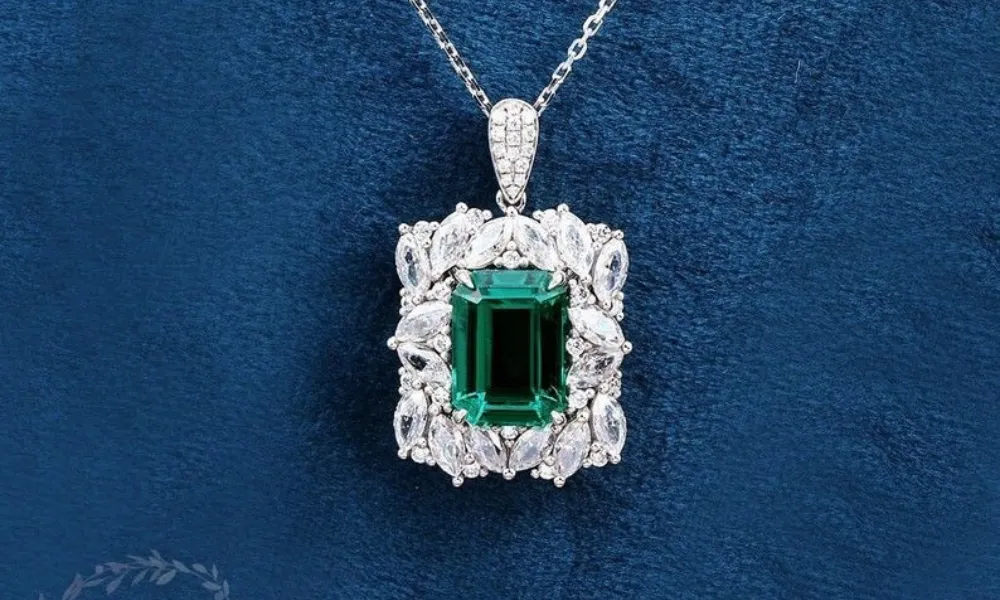
Some luxury necklaces combine diamonds with colored gemstones such as sapphires, emeralds, or rubies. The contrast between a diamond’s brilliance and a gemstone’s color creates visual depth and individuality.
These designs are worth considering if you prefer jewelry with a distinctive appearance or want a piece that reflects a personal preference. Check the durability and care requirements of every gemstone included in the design.
6. Diamond Layering Necklaces
Layering necklaces combine chains of different lengths to create a personalized look. A small diamond pendant can be paired with a plain gold chain or a second necklace featuring additional stones.
This style works well with everyday clothing, knitwear, blouses, and simple dresses. Overcrowding the neckline is one of the most common fashion styling mistakes, so vary the chain lengths and keep the designs visually compatible.
How to Choose the Best Luxury Diamond Necklace
Selecting a luxury diamond necklace involves more than choosing an attractive design. Understanding diamond quality, metal options, and practical details can help you find a piece that offers lasting satisfaction.
Understand the Four Cs of Diamonds
Cut: Cut describes how well a diamond’s proportions and facets interact with light. A well-cut diamond can appear bright and lively, making cut an important consideration when comparing stones.
Color: Diamond color grading commonly evaluates how close a colorless diamond is to colorless perfection. Subtle differences can affect appearance and price, although the setting and lighting may influence how noticeable they are.
Clarity: Clarity refers to internal characteristics, known as inclusions, and external characteristics, known as blemishes. Some imperfections are difficult to see without magnification and may have little effect on the diamond’s appearance to the naked eye.
Carat weight: Carat measures a diamond’s weight, not its physical size alone. Two diamonds with the same carat weight can look different because of their shape, cut, and proportions.
For many buyers, balancing these four factors is more practical than choosing the highest grade in every category. A beautifully cut diamond with an appealing appearance may be a better purchase than a larger stone with compromises in other areas.
Choose Between Natural and Laboratory-Grown Diamonds
Natural diamonds form through geological processes over long periods, while laboratory-grown diamonds are created using controlled technological processes.Both can have the same fundamental chemical composition and crystal structure. They can also display comparable optical properties, although their origins differ.
| Feature | Natural diamonds | Laboratory-grown diamonds |
| Origin | Formed naturally underground | Created in a laboratory |
| Appearance | Can offer excellent brilliance | Can offer comparable brilliance |
| Price | Often higher for comparable specifications | Generally lower for comparable specifications |
| Identification | Origin can be assessed using specialized methods | May require specialized testing to identify |
| Buying considerations | Verify quality, grading, and provenance where relevant | Verify quality, grading, and laboratory-grown origin |
Neither option is automatically the right choice for every buyer. Natural diamonds may appeal to those who value geological origin, while laboratory-grown diamonds can provide greater flexibility in choosing carat weight or design within a set budget.
Select the Right Precious Metal
The metal influences a necklace’s appearance, durability, and maintenance needs.
- 18-karat white gold: Offers a bright, silvery appearance that complements diamonds. White gold may have a rhodium coating that requires periodic renewal.
- 18-karat yellow gold: Creates a warm, traditional look and pairs beautifully with both colorless and colored diamonds.
- 18-karat rose gold: Has a soft pink tone that can add warmth and individuality.
- Platinum: Provides a naturally white appearance and is valued for its durability and density.
Consider your existing jewelry collection, skin sensitivities, and preferred style before choosing a metal. If you have a known metal allergy, ask the jeweler about the alloy composition rather than relying on the metal’s name alone.
How Much Do Luxury Diamond Necklaces Cost?
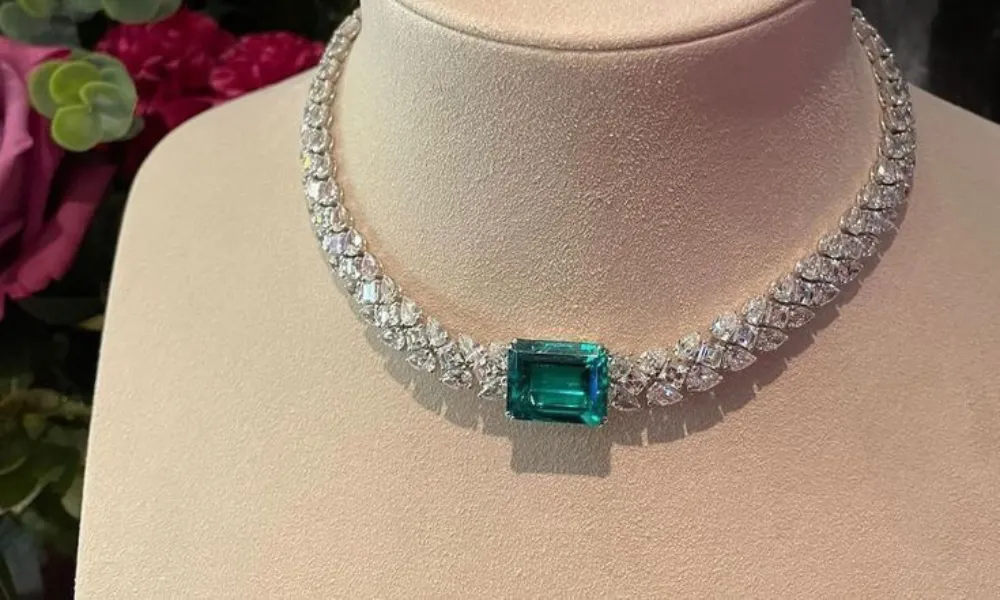
The price of a luxury diamond necklace varies considerably. A delicate pendant with a small diamond may cost far less than a tennis necklace containing numerous high-quality stones.
The main factors affecting price include:
- Total diamond carat weight and individual stone sizes
- Cut quality, color, and clarity
- Natural or laboratory-grown origin
- Gold or platinum content
- Design complexity and craftsmanship
- Brand reputation and retail positioning
- Diamond grading reports and other documentation
A necklace from one of the top luxury brands may cost more than a comparable unbranded piece because of its design heritage, finishing, distribution, and brand positioning. Luxury fashion brand value is real, but a higher retail price does not automatically mean the diamonds are better.
Before buying, compare the actual specifications rather than relying on product names or marketing descriptions. For multi-stone necklaces, ask whether the stated carat weight represents the total weight of all diamonds or the weight of the largest stone.
Luxury Diamond Necklace Styles for Different Occasions
The most useful necklace is one that suits the occasions on which you expect to wear it.
For Everyday Wear
Choose a small solitaire pendant, a fine diamond station necklace, or a delicate design with securely set stones. These styles work well with everyday outfits and are generally easier to coordinate with other jewelry.For frequent wear, prioritize a comfortable chain, a reliable clasp, and a setting that protects the diamond.
For Weddings and Anniversaries
A diamond pendant, graduated diamond necklace, or classic tennis necklace can complement formal clothing and celebrate an important milestone. For gifts, consider whether the recipient prefers minimal jewelry or more noticeable designs. A timeless piece that suits their existing collection may be more meaningful than a trend-driven necklace.
For Evening Events
Statement necklaces and diamond chokers can add sparkle to evening dresses, tailored suits, and formal outfits. Pay attention to the neckline of your clothing. A shorter necklace may suit an open neckline, while a longer pendant can work well with a simple dress or a high-neck outfit.
For Thoughtful Gifts
Diamond necklaces are popular for birthdays, anniversaries, graduations, and personal milestones. Solitaire pendants are particularly versatile because they suit a wide range of ages and styles.If you are unsure about the recipient’s preferences, choose a classic design and check the seller’s return, exchange, and resizing policies where applicable.
How to Care for Luxury Diamond Necklaces
Proper care helps preserve a diamond necklace’s appearance and reduces the risk of damage.
Clean it gently. For many diamond necklaces, warm water, mild dish soap, and a soft brush are suitable for routine cleaning. However, follow the jeweler’s instructions, particularly if the necklace includes other gemstones, delicate finishes, or treated materials.
Store it separately. Keep the necklace in a soft pouch or lined jewelry box. Separate storage helps prevent chains from tangling and reduces scratches caused by contact with other jewelry.
Inspect the setting. Have the prongs, links, and clasp checked periodically, especially if you wear the necklace frequently. Loose stones should be assessed by a qualified jeweler before further wear.
Avoid unnecessary exposure. Remove the necklace before swimming, exercising, or using household cleaning products. Chlorine, harsh chemicals, impacts, and chain tension can damage the metal or compromise the setting.
Arrange professional maintenance. Valuable necklaces may benefit from periodic professional cleaning and inspection. Ask the jeweler how often the piece should be checked based on its design and frequency of use.
Common Mistakes to Avoid When Buying Diamond Necklaces
A little research can help you avoid paying for features that do not match your priorities.
- Focusing only on carat weight: Larger diamonds are not automatically more attractive. Cut quality, shape, and overall proportions also matter.
- Ignoring the chain: A beautiful pendant can feel disappointing if the chain is uncomfortable, too delicate for regular use, or poorly matched to the pendant’s weight.
- Overlooking documentation: Request appropriate grading documentation for significant diamond purchases and verify that the details match the item being sold.
- Assuming every luxury brand offers better quality: Compare diamond specifications, construction, warranty terms, and after-sales service before making a decision.
- Buying without checking the return policy: Understand the conditions for returns, exchanges, repairs, and refunds before paying.
- Expecting guaranteed resale profits: Diamond jewelry resale prices can be substantially lower than retail prices. Brand recognition alone does not guarantee appreciation or an easy resale.
The best purchase is one that matches your budget, personal taste, and expectations without relying on assumptions about status or future value.
Final Thoughts
Luxury diamond necklaces offer a combination of beauty, craftsmanship, and personal expression. Whether you prefer a delicate solitaire pendant, a sparkling tennis necklace, or a dramatic statement design, the right piece should reflect your style and suit the way you intend to wear it.
Before making a purchase, compare diamond quality, metal options, craftsmanship, documentation, and total cost. Consider the chain and clasp as carefully as the centerpiece, and choose a seller who provides clear product information and dependable after-sales support.
A thoughtfully selected diamond necklace does not need to be the largest or most expensive option. The most rewarding choice is one that feels beautiful to wear, fits your budget, and remains meaningful over time.
Frequently Asked Questions
1. What are the most popular luxury diamond necklace styles?
Popular styles include solitaire pendants, diamond tennis necklaces, chokers, statement necklaces, and delicate layering necklaces. Solitaire pendants are versatile for everyday wear, while tennis and statement necklaces are often chosen for formal occasions.
2. Are luxury diamond necklaces worth buying?
A luxury diamond necklace can be worth buying if you value its design, craftsmanship, materials, and personal significance. Compare its specifications and price carefully, and avoid assuming that an expensive necklace will automatically increase in value.
3. Which diamond is best for a luxury necklace?
The best diamond depends on the design and your priorities. Round brilliant diamonds are popular for their light performance, while oval, pear, emerald, and princess cuts offer distinctive appearances. Cut quality, overall appearance, and suitability for the setting are important considerations.
4. Should I choose a natural or laboratory-grown diamond necklace?
Natural diamonds appeal to buyers who prefer naturally formed gemstones, while laboratory-grown diamonds generally cost less for comparable specifications. Both can be beautiful options. Choose based on your budget, preferences, and the importance you place on diamond origin.
5. How can I tell if a diamond necklace is good quality?
Examine the diamond’s cut, color, clarity, and carat weight, along with the metal, setting, chain, and clasp. For a significant purchase, request a grading report from a recognized gemological laboratory and confirm that it corresponds to the diamond being sold.
6. Can I wear a diamond necklace every day?
Yes, many diamond necklaces are suitable for everyday wear, particularly simple pendants with secure settings. Remove your necklace during activities that could expose it to impacts, chemicals, or excessive tension, and inspect it regularly for signs of damage.
Disclaimer: This content is for informational purposes only and reflects our personal opinions and experiences. We just love to write and share what we know and research