Luxury jewellery is more than an attractive accessory. It combines precious materials, skilled craftsmanship, distinctive design, and personal meaning to create pieces that can be treasured for years. From diamond engagement rings and gold necklaces to statement earrings and gemstone bracelets, luxury jewellery offers countless ways to express individual style, and it sits alongside luxury accessories as one of the easiest ways to elevate an outfit.
Whether you are buying your first fine jewellery piece, searching for a meaningful gift, or expanding a personal collection, understanding quality and design can help you make a confident choice. The best piece is not necessarily the most expensive one. It is the jewellery that suits your lifestyle, reflects your taste, and offers lasting value through its materials, workmanship, and significance.
What Is Luxury Jewellery?
Luxury jewellery refers to high-quality jewellery made with precious metals, carefully selected gemstones, refined craftsmanship, and distinctive designs. It can include everyday essentials, bridal jewellery, statement accessories, and collectible creations from established jewellery houses or independent designers.
Unlike fashion jewellery, which often uses base metals and decorative materials (the same gap seen in luxury vs fast fashion brands), fine luxury jewellery commonly features gold, platinum, natural or laboratory-grown diamonds, and precious or semi-precious gemstones. However, price alone does not determine quality. Design, finishing, material authenticity, and construction all influence a piece’s overall appeal, and luxury fashion brand value explains why brand reputation also plays a role.
Some luxury jewellery is created for everyday wear, while other pieces are designed for special occasions or formal collections. A simple gold chain can be just as relevant to a luxury wardrobe as an elaborate diamond necklace when its materials and craftsmanship meet high standards.
Popular Types of Luxury Jewellery
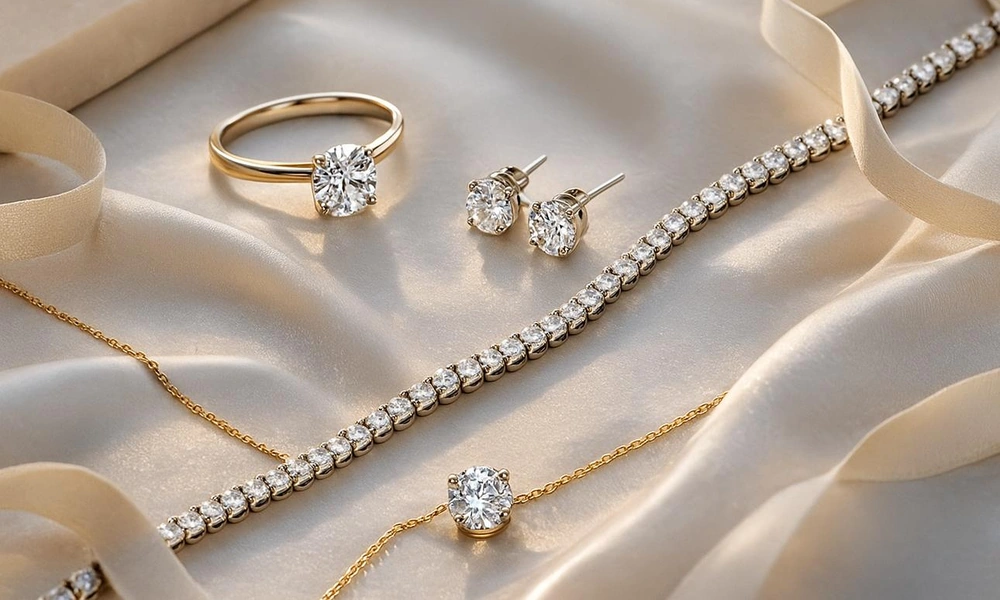
Luxury jewellery comes in many forms, each serving a different purpose. Understanding the main categories makes it easier to find pieces that complement your wardrobe and personal preferences.
1. Luxury Rings
Rings are among the most meaningful forms of fine jewellery. They can represent love, commitment, family connections, personal achievements, or individual style.
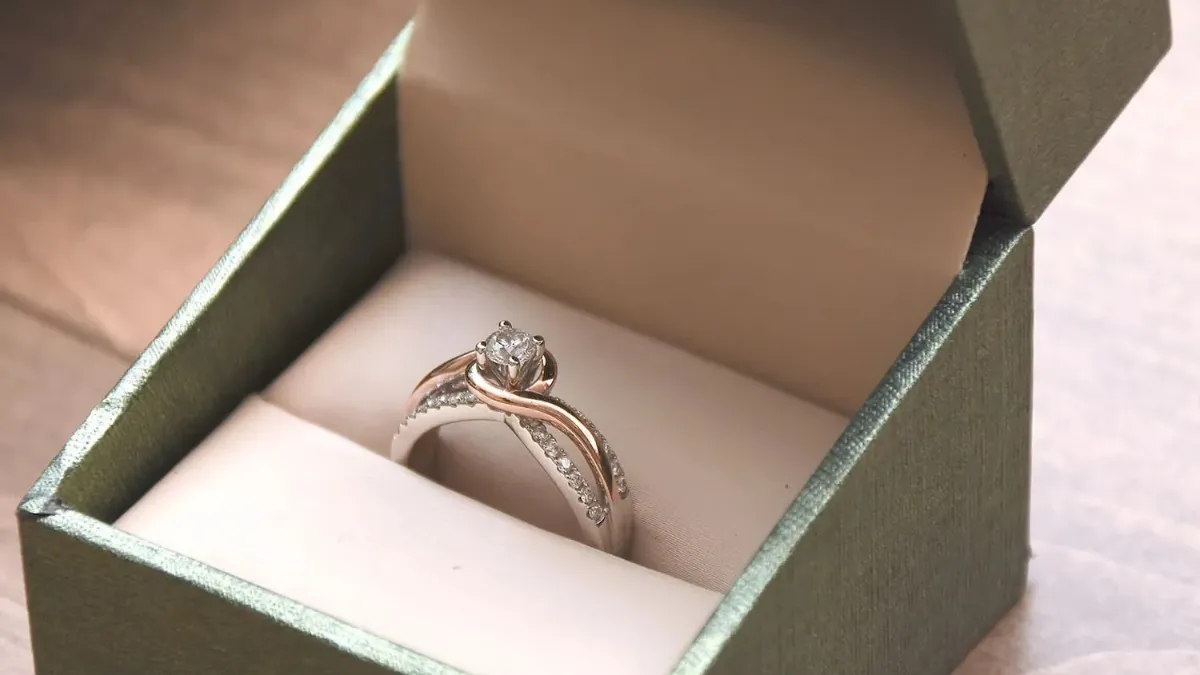
Popular choices include diamond engagement rings, wedding bands, gemstone rings, gold signet rings, and contemporary designer pieces. Solitaire diamond rings remain a classic option because their simple settings place attention on the central stone.
When choosing a luxury ring, consider the metal, gemstone quality, setting, comfort, and frequency of wear. A low-profile setting may suit everyday use better than a design with tall prongs that can catch on clothing.
2. Luxury Necklaces and Pendants
Necklaces are versatile accessories that can transform both casual and formal outfits. Popular luxury styles include delicate gold chains, diamond pendants, pearl necklaces, gemstone designs, and bold statement pieces.
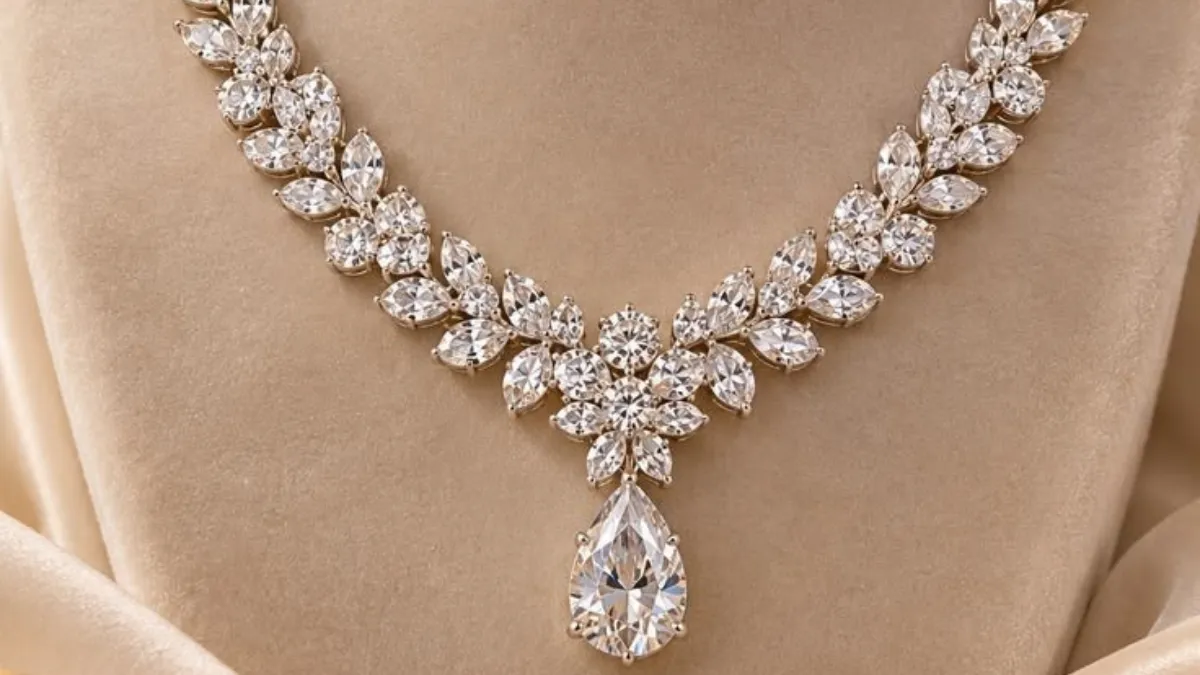
A minimal pendant works well with everyday clothing, while a layered necklace arrangement can create a more contemporary appearance. For evening events, a diamond or gemstone necklace can become the focal point of an outfit, and our guide on how to style luxury accessories shows how to build the rest of the look around it.
Length is an important consideration. Shorter necklaces complement open necklines, while longer chains can add visual interest to simple dresses, shirts, and knitwear.
3. Luxury Earrings
Luxury earrings range from understated gold hoops to elaborate diamond drops. Studs are practical for daily wear, while hoops offer a versatile balance between classic and modern styling.
Pearl earrings provide a softer, traditional appearance, whereas sculptural gold earrings can create a more fashion-forward look. Diamond earrings are particularly adaptable because they work with professional clothing, casual outfits, and formal attire.
When purchasing earrings, check their weight, fastening mechanism, metal composition, and comfort. Beautiful earrings should feel secure and comfortable enough to wear for the intended occasion.
4. Luxury Bracelets and Bangles
Bracelets add detail without requiring a complete change of outfit. Popular options include gold bangles, diamond tennis bracelets, gemstone bracelets, charm bracelets, and chain designs.
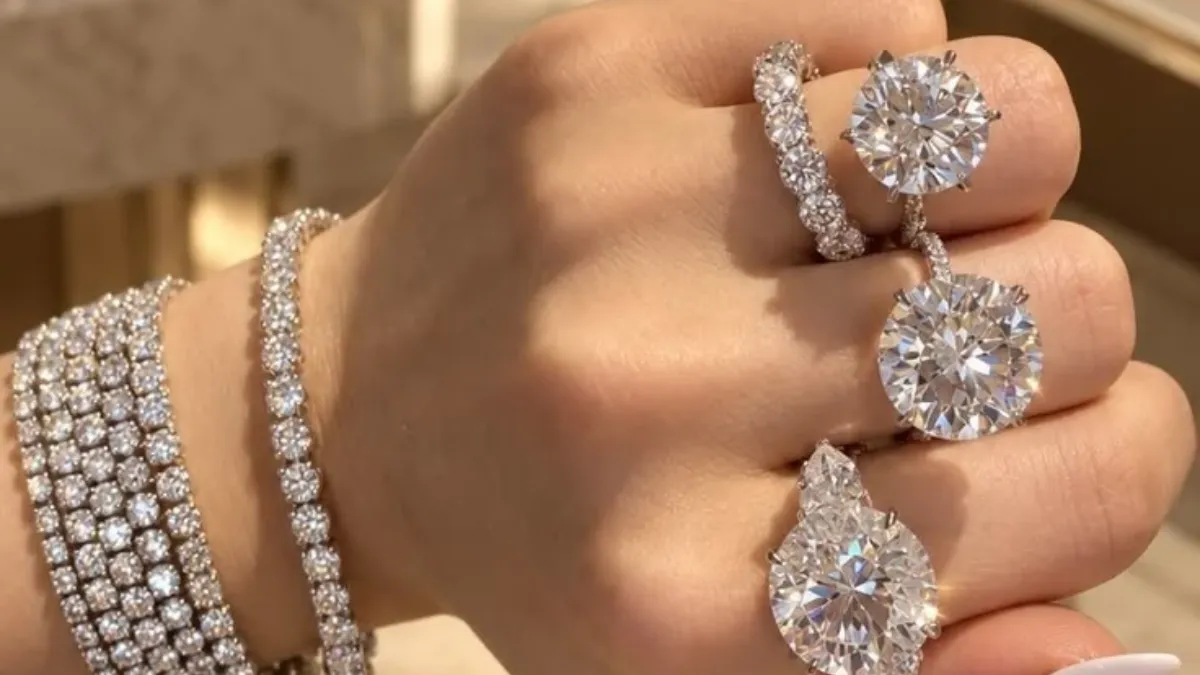
A tennis bracelet offers a refined appearance through a continuous line of gemstones. Gold bangles create a clean, architectural look, while charm bracelets allow the wearer to build a collection with personal meaning.Before purchasing, check the bracelet’s length, clasp security, flexibility, and suitability for everyday activities.
5. Luxury Watches and Jewellery Sets
Luxury watches combine practical function with design and precision engineering. Depending on the model, they may feature precious metals, diamonds, intricate mechanical movements, or distinctive design details.
Coordinated jewellery sets are another option for weddings, celebrations, and formal events. A matching necklace, bracelet, and earring set creates a unified appearance, although wearing every identical piece together is one of the common fashion styling mistakes. Combining complementary pieces rather than identical designs can produce a more modern result.
Materials That Define Luxury Jewellery
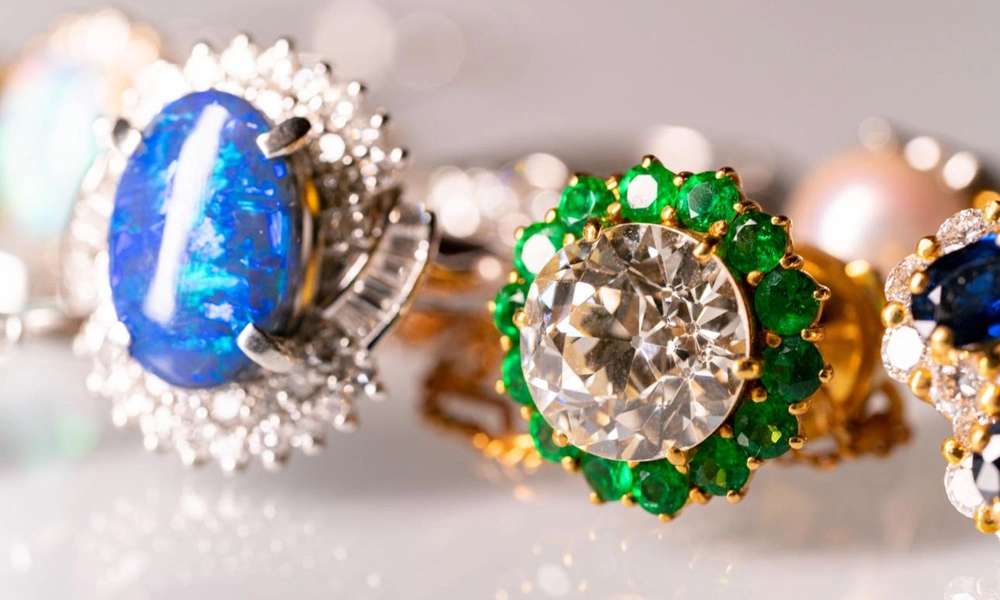
The materials used in jewellery influence its appearance, durability, maintenance requirements, and price. Knowing their characteristics helps buyers compare pieces more effectively.
Gold
Gold is one of the most widely used materials in luxury jewellery. It is available in several colours, including yellow, white, and rose gold.Gold purity is measured in karats. For example, 18-karat gold contains 75% gold, while 14-karat gold contains approximately 58.3% gold.
The remaining metal content affects properties such as colour, hardness, and durability.Higher-karat gold contains more pure gold but is generally softer than lower-karat alloys. For frequently worn rings and bracelets, this difference can be important.
Platinum
Platinum is a naturally white precious metal valued for its density, durability, and suitability for fine jewellery. It is commonly used for engagement rings and other pieces designed for long-term wear.
Platinum is often more expensive than comparable gold jewellery, although actual prices depend on market conditions, design, weight, and manufacturing costs. Its white appearance does not depend on a surface rhodium coating in the way many white-gold pieces do.
Diamonds
Diamonds are popular in luxury rings, earrings, necklaces, and bracelets. Their quality is commonly evaluated through the four Cs: cut, colour, clarity, and carat weight.
- Cut: How effectively the diamond’s proportions and facets interact with light.
- Colour: The degree to which a white diamond lacks noticeable colour.
- Clarity: The presence and visibility of internal inclusions and external blemishes.
- Carat weight: The diamond’s weight, not its visual size alone.
A larger diamond is not automatically more attractive or valuable than a smaller one. Cut quality, overall appearance, certification, and the buyer’s preferences all matter.Natural and laboratory-grown diamonds have the same fundamental chemical composition and crystal structure. Their origins differ, and their prices and resale markets can differ considerably. Buyers should confirm which type they are purchasing.
Pearls and Coloured Gemstones
Pearls, emeralds, rubies, sapphires, and other coloured gemstones bring variety to fine jewellery. Each has its own appearance, durability, care requirements, and market considerations.Emeralds are prized for their green colour, rubies for their red tones, and sapphires for their range of colours, including blue.
Pearls offer a softer lustre that suits both classic and contemporary designs.Gemstone treatments can affect appearance and value. Ask whether a stone has been treated, whether the treatment is stable, and what care it requires before making a purchase.
Luxury Jewellery Trends and Timeless Designs
Luxury jewellery trends evolve, but many classic styles remain relevant across generations. A balanced collection can include enduring essentials alongside pieces that reflect current fashion.
Minimalist Gold Jewellery
Simple gold hoops, slim chains, delicate rings, and understated bracelets are popular choices for versatile styling. Their clean designs make them easy to combine with different outfits and other accessories, and they fit naturally with the quiet luxury fashion look. Minimalist jewellery can also be a practical starting point for a new collection because individual pieces often work well together.
Statement Earrings and Sculptural Designs
Bold earrings, unusual shapes, and sculptural metalwork offer a way to make jewellery the centre of an outfit. These designs can complement simple clothing without requiring several additional accessories. For a balanced look, pair statement earrings with a restrained necklace or leave the neckline bare, and use these luxury styling tips to refine the final result.
Coloured Gemstones
Coloured gemstones offer an alternative to traditional diamond-focused jewellery. Sapphires, emeralds, rubies, and other stones can introduce colour into rings, pendants, and earrings.When selecting a gemstone, consider its colour, setting, durability, and compatibility with your everyday activities.
Personalised and Meaningful Pieces
Initial pendants, engraved bracelets, birthstone jewellery, and pieces connected to important milestones can make a collection more personal.Personalisation can also make jewellery a thoughtful gift for birthdays, anniversaries, graduations, and weddings. Check engraving options, production timelines, and return policies before ordering a customised design.
How to Choose the Best Luxury Jewellery
Buying luxury jewellery requires more than selecting an attractive design. A few practical checks can help you find a piece that suits your needs and budget.
1. Set a Realistic Budget
Decide how much you are comfortable spending before visiting a jewellery store or browsing online. Luxury jewellery ranges from relatively accessible gold pieces to high-value diamond and gemstone creations. Consider the complete cost, including taxes, customisation, insurance where appropriate, and future maintenance. You do not need to stretch your finances to build a meaningful collection, and affordable luxury brands can be a sensible place to start.
2. Match the Design to Your Lifestyle
Think about when and how often you will wear the piece. A delicate necklace or small gold earrings may suit everyday use, while an elaborate gemstone ring may be better reserved for special occasions.
If you work with your hands, exercise frequently, or prefer low-maintenance accessories, choose designs that are comfortable, secure, and practical for your routine.
3. Examine Materials and Craftsmanship
Inspect the finishing, symmetry, stone settings, clasps, hinges, and overall construction. Edges should feel well finished, and stones should be securely set.
Look for appropriate metal purity marks, but remember that hallmarks alone do not establish the full quality or authenticity of a piece. Reputable sellers should be able to explain the materials and provide relevant documentation.
4. Check Gemstone Documentation
For significant diamond purchases, request an independent grading report from a recognised gemological laboratory when available. Make sure the report corresponds to the stone being sold.
For coloured gemstones, ask about origin claims, treatments, and any available laboratory reports. Geographic origin can influence value in some cases, but it should not be accepted as fact without suitable evidence.
5. Understand the Return and Warranty Policies
Before purchasing, review the return window, warranty coverage, repair services, resizing options, and after-sales support. Custom-made or engraved items may have different return conditions.For online purchases, examine detailed product photographs, dimensions, material descriptions, seller credentials, and secure payment options.
How Much Does Luxury Jewellery Cost?
The price of luxury jewellery varies widely according to materials, gemstone characteristics, design complexity, craftsmanship, brand positioning, and market conditions.A simple gold pendant may cost considerably less than a diamond necklace, while a platinum engagement ring with a high-quality natural diamond can represent a much larger purchase.
Several factors influence the final price:
- Metal weight and purity: Heavier pieces and higher-purity metals can cost more.
- Gemstone quality: Size, colour, clarity, cut, rarity, and treatments can affect value.
- Craftsmanship: Complex settings and detailed hand-finishing may increase production costs.
- Brand and design: Established jewellery houses may charge a premium for their designs, heritage, and brand recognition.
- Certification and services: Grading reports, custom work, warranties, and after-sales care may influence the total cost.
Compare similar pieces rather than judging jewellery by its price alone. Two rings with similar-looking diamonds may differ in grading, metal weight, construction, and documentation.
Is Luxury Jewellery a Good Investment?
Luxury jewellery can hold financial or sentimental value, but it should not automatically be treated as an investment.Resale prices depend on the materials, condition, brand demand, documentation, original purchase price, and the availability of buyers. Retail prices often include design, labour, distribution, and brand-related costs that may not be recovered when an item is resold.
Certain signed pieces, rare designs, and high-quality gemstones may attract collectors, but future demand is uncertain. Gold and platinum also have changing market prices, and a finished jewellery piece does not necessarily sell for the value of its raw materials.
If resale matters to you, keep the original receipt, grading reports, certificates, packaging, and service records. Buy jewellery primarily because you appreciate its design and quality rather than relying on guaranteed financial returns.
How to Care for Luxury Jewellery
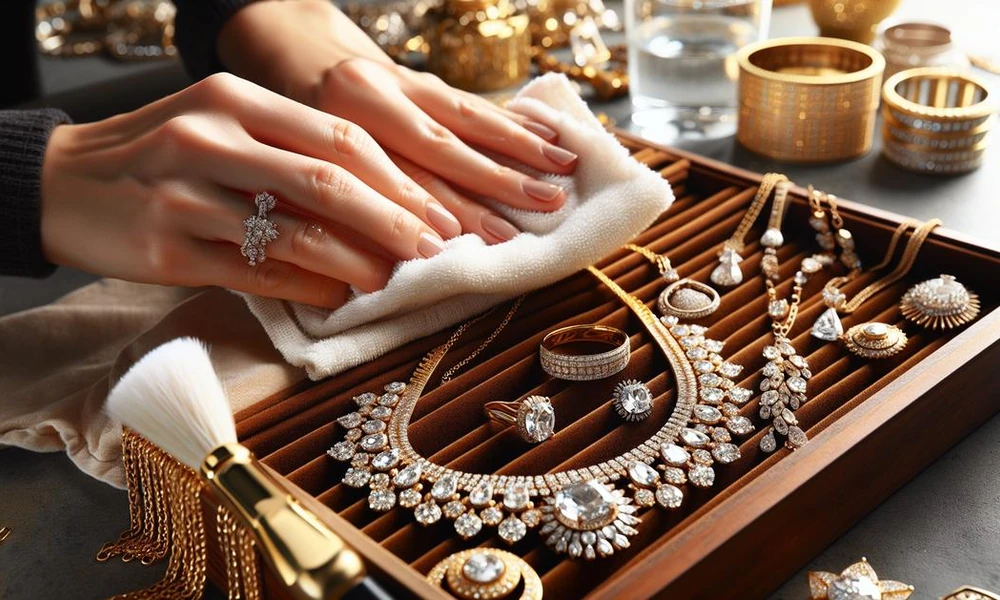
Proper care helps preserve jewellery’s appearance and reduces the risk of damage.
- Store pieces separately: Use individual pouches or lined compartments to reduce scratches and tangling.
- Clean carefully: Follow the care instructions for the specific metal and gemstone. Mild soap and lukewarm water may be suitable for some pieces, but not every treatment or gemstone tolerates the same cleaning method.
- Avoid harsh chemicals: Remove jewellery before using household cleaning products, swimming in chlorinated water, or applying products that may damage delicate materials.
- Check settings regularly: Have valuable pieces inspected periodically by a qualified jeweller, especially rings and bracelets worn frequently.
- Remove jewellery during strenuous activities: Heavy lifting, sports, and manual work can cause scratches, bent settings, or lost stones.
- Arrange professional maintenance: Polishing, repairs, and specialist cleaning should be handled by someone familiar with the piece’s materials and construction.
Pearls and certain porous or treated gemstones require particular care. Avoid assuming that every fine jewellery item can safely be cleaned with an ultrasonic cleaner or strong cleaning solution.
Common Mistakes to Avoid When Buying Luxury Jewellery
Even experienced buyers can overlook important details. Avoiding these mistakes can help you make a more informed purchase.
Choosing brand recognition over quality: A famous name can be appealing, but compare the actual materials, craftsmanship, and design before deciding.
Focusing only on carat weight: A large diamond may have a less attractive cut or visible inclusions. Evaluate the complete stone rather than one measurement.
Ignoring comfort and fit: Rings, earrings, and bracelets should suit the wearer’s measurements and routine. A beautiful piece that feels uncomfortable may rarely be worn.
Overlooking documentation: Keep receipts, certificates, and product details, particularly for expensive diamond and gemstone jewellery.
Assuming every luxury piece will appreciate: Jewellery markets vary, and resale values are not guaranteed. Make purchases with realistic expectations.
Neglecting maintenance: Fine jewellery still requires care. Secure clasps, intact settings, and appropriate cleaning help keep pieces wearable over time.
Frequently Asked Questions About Luxury Jewellery
What makes jewellery luxurious?
Luxury jewellery is generally distinguished by precious materials, skilled craftsmanship, refined design, careful finishing, and attention to detail. Brand reputation may also influence its price, but it is not the only measure of quality.
Which materials are best for luxury jewellery?
Gold and platinum are popular precious metals, while diamonds, pearls, sapphires, rubies, and emeralds are widely used in fine designs. The best material depends on your budget, preferred appearance, lifestyle, and maintenance needs.
Is 18-karat gold better than 24-karat gold for jewellery?
Not in every situation. Eighteen-karat gold contains 75% pure gold and is generally more suitable for many everyday jewellery designs because its alloy provides greater hardness. Twenty-four-karat gold is purer but softer and more prone to scratching or deformation.
How can I tell whether luxury jewellery is authentic?
Purchase from a reputable seller, examine metal hallmarks, request material and gemstone documentation, and obtain independent professional verification when appropriate. For high-value purchases, do not rely solely on packaging or a brand logo.
Is luxury jewellery suitable for everyday wear?
Yes. Many gold necklaces, simple rings, small earrings, and durable bracelets are designed for regular use. Choose secure settings and comfortable designs, and remove delicate pieces during activities that could cause damage.
Does luxury jewellery hold its value?
Some pieces retain value better than others, but there is no guarantee. Resale depends on the materials, condition, brand demand, rarity, documentation, and market conditions. Jewellery should not be purchased on the assumption that it will be appreciated.
How should luxury jewellery be stored?
Store each piece separately in a clean, dry place, ideally in a lined jewellery box or soft pouch. Keep delicate gemstones and pearls away from harder materials that could scratch them, and make sure clasps are secured to prevent tangling.
Final Thoughts
Luxury jewellery brings together design, craftsmanship, precious materials, and personal expression. Whether you prefer understated gold pieces, classic diamond jewellery, colourful gemstones, or distinctive statement designs, the right choice should reflect your taste and fit comfortably into your life.
Before buying, consider your budget, examine the quality of the materials, verify important claims, and understand the seller’s policies. Give proper attention to care and documentation, especially when purchasing high-value pieces.A thoughtful jewellery collection does not need to be large or expensive. A few well-chosen pieces that suit your style and carry personal meaning can become lasting favourites for years to come.
Disclaimer: This content is for informational purposes only and reflects our personal opinions and experiences. We just love to write and share what we know and research