A dermal piercing is one of the most eye-catching ways to decorate your skin, sitting flat against the body so a single gem appears to float on the surface. Whether you’ve been eyeing a sparkly accent on your collarbone or a row of hip dermals, this guide covers everything: what a dermal piercing is, how dermal implants work, what placements to consider, how much it costs, and how to keep yours healthy.
What Is a Dermal Piercing?
A dermal piercing, also called a single-point piercing or microdermal, is a piercing that sits on a flat area of skin rather than passing through it. Unlike a standard piercing that has an entry and an exit point, a dermal piercing has only one visible point on the surface. That’s why it looks like a tiny gem resting directly on the skin.
So what are dermal piercings made of beneath the surface? The piece you see is just the top. Hidden under the skin is a small anchor that holds everything in place. This combination lets you place decorative jewelry almost anywhere on the body that has enough flat surface to support it.
Dermal piercings are popular because they’re versatile, subtle, and can be arranged in clusters or patterns that traditional piercings simply can’t achieve.
How Do Dermal Piercings Work?
If you’re wondering how dermal piercings work, the answer is in the two-part design known as piercing dermal implants:
– The anchor (base): A small flat plate, often with holes that allow your tissue to grow through and around it. This is what keeps the piercing secured beneath the skin.
– The top: The decorative gem, stud, or charm that screws onto the anchor and sits visibly on the surface.
A professional piercer creates a small pocket in the dermis (the layer of skin beneath the surface) using either a dermal punch or a needle. The anchor is placed into that pocket, and the skin closes around it. Over time, your body’s natural healing process anchors the implant firmly in place.
Because the jewelry top simply screws on and off, you can change the look of your dermal piercing without disturbing the anchor as long as it’s fully healed.
The Dermal Piercing Procedure: What to Expect
Getting a dermal piercing is quick, but choosing a skilled, licensed piercer matters more than almost anything else. Here’s the typical process:
- Consultation and placement. Your piercer marks the spot and confirms the area is flat and suitable.
- Cleaning and prep. The skin is disinfected to reduce infection risk.
- Creating the pocket. Using a dermal punch or needle, the piercer makes a small opening in the dermis.
- Placing the anchor. The base is inserted into the pocket at the correct angle and depth.
- Attaching the top. The decorative jewelry is screwed onto the anchor.
The whole process usually takes just a few minutes. Most people describe the sensation as a sharp pinch followed by mild pressure.
Popular Dermal Piercing Placements
One of the biggest appeals of dermal piercings is freedom of placement. Here are the most requested spots:
Back Dermal Piercing
A back dermal piercing, often placed along the spine, lower back (“dimples of Venus”), or nape of the neck creates a striking, elegant look. Spine dermals arranged in a vertical line are especially popular. Because the back is a flat, low-movement area, it can be a good candidate for healthy healing, though placement near clothing waistbands needs extra care.
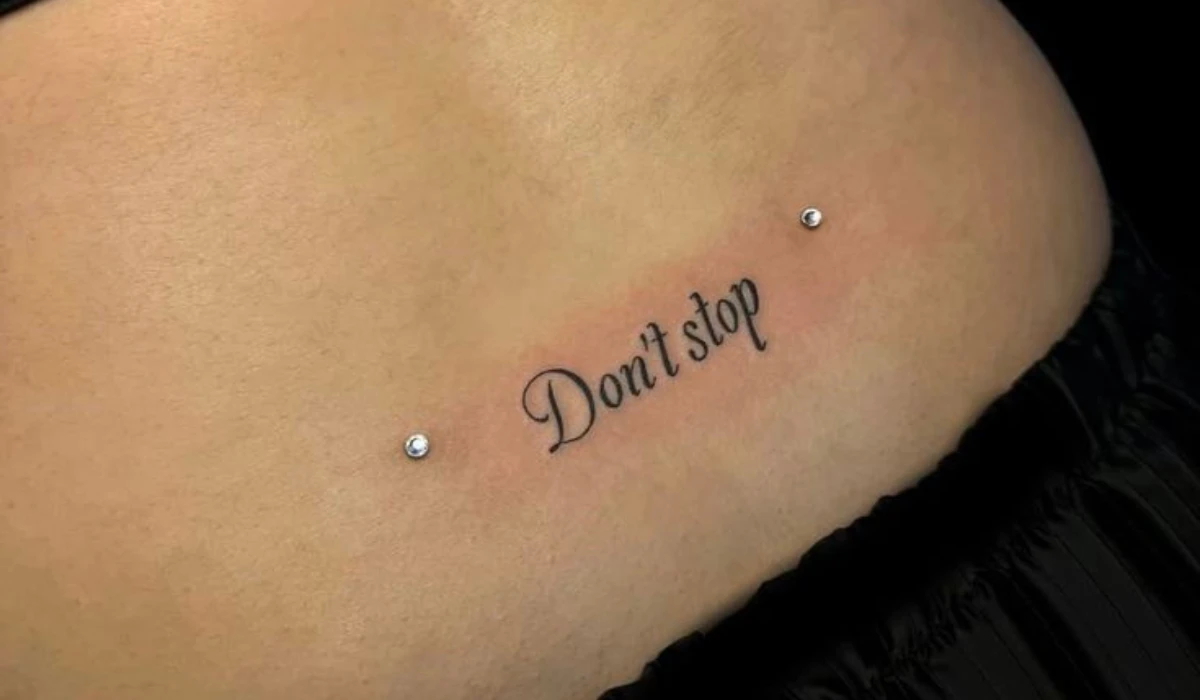
Hip Dermals
Hip dermals are a favorite for a subtle, flattering accent that peeks out above low-rise clothing or swimwear. They’re usually placed symmetrically on each hip. Keep in mind that tight waistbands and frequent friction in this area can increase the risk of irritation, so loose clothing during healing helps.
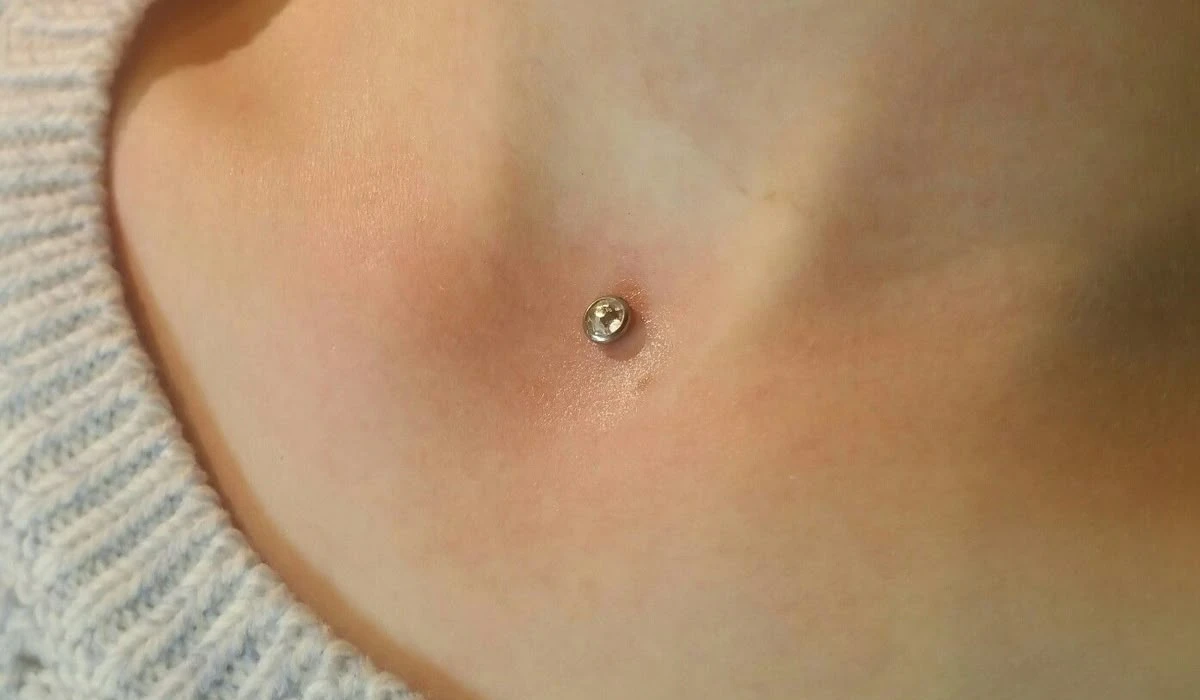
Chest and Collarbone
Collarbone and sternum dermals catch the light beautifully and are commonly chosen for layered, jewelry-like looks.
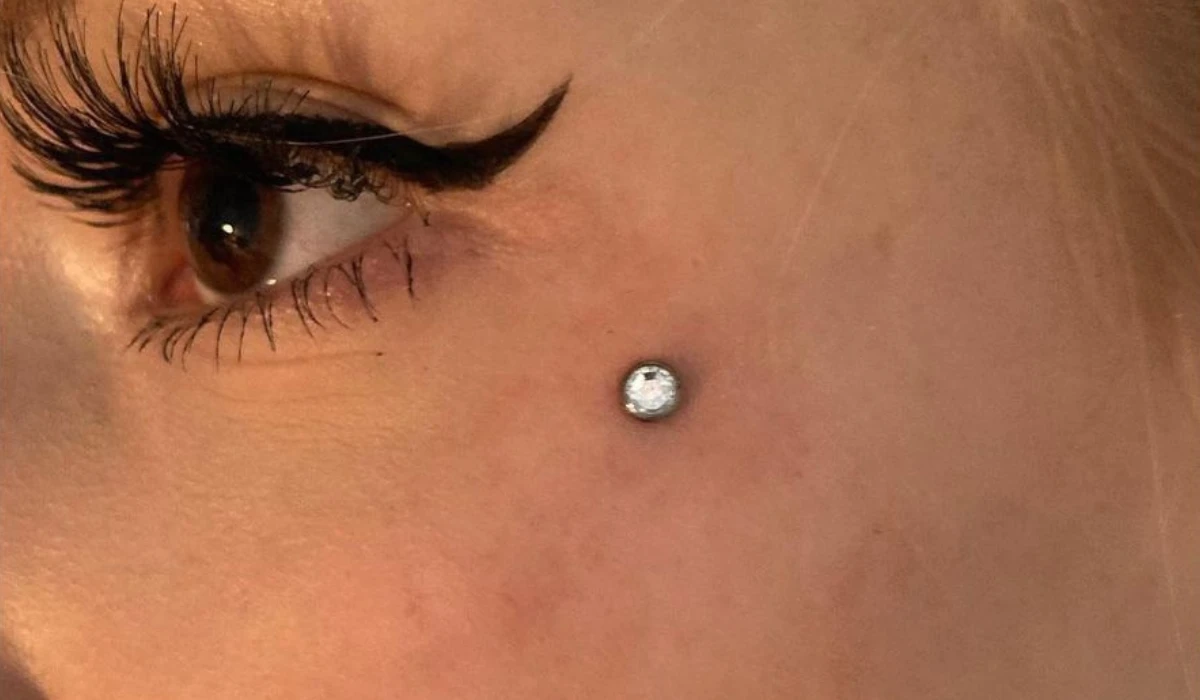
Face and Cheeks
Cheekbone dermals and “anti-eyebrow” placements add a dramatic accent. These areas move more, so they require diligent aftercare.
Hands, Fingers, and Nape
These spots are bold and visible, but high-movement, high-friction areas like fingers tend to have higher rejection rates, so discuss longevity with your piercer.
How Much Is a Dermal Piercing?
A common question is how much a dermal piercing costs, and the honest answer is that it varies by location, studio reputation, and the jewelry you choose.
In the United States, a single dermal piercing typically costs around $70 to $100, which usually includes the basic anchor and a starter top. Premium or designer jewelry, multiple dermals, or high-end studios can push the price higher.
When people ask how much dermal piercings are for a set, for example, a pair of hip dermals or a row of spine dermals, expect to pay per piercing, so the total adds up quickly. Always factor in:
– The piercing fee itself
– The cost of the jewelry top (basic vs. premium gems)
– Aftercare products like saline solution
– Potential follow-up visits
Cheaper isn’t better here. A reputable, experienced piercer using quality implant-grade materials is worth the investment, because poor placement leads to rejection and disappointment.
Dermal Piercing Jewelry & Gems
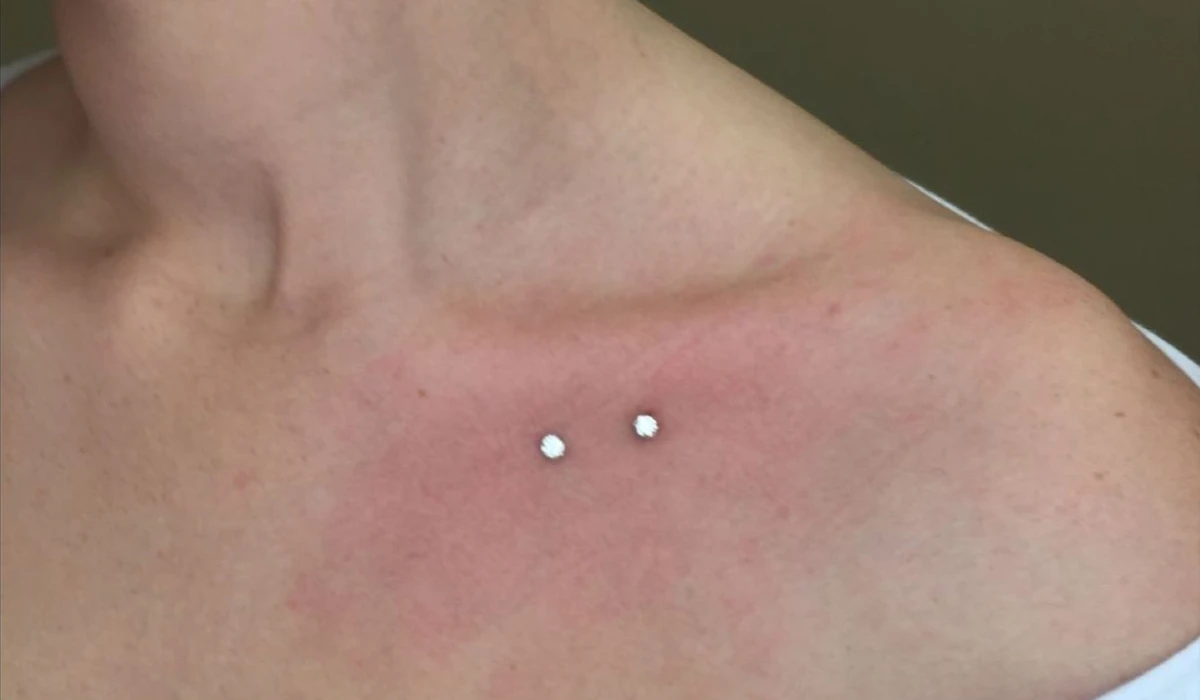
Choosing your dermal piercing jewelry is the fun part. Because only the top is visible, you have endless options to customize your look.
Material Matters
For both the anchor and the top, look for implant-grade materials such as titanium (ASTM F-136), surgical steel, or solid gold. Quality dermal jewelry reduces the risk of irritation and allergic reactions, especially during healing.
Popular Styles
– Diamond dermal piercing: A diamond dermal piercing is the most luxurious choice a single brilliant stone that genuinely looks like it’s set into your skin. Cubic zirconia offers a similar sparkle at a lower price point.
– Gemstone tops: Colored dermal piercing gems let you match your jewelry to outfits, seasons, or moods. Birthstones are a popular personal touch.
– Flat discs and minimalist studs: A subtle, low-profile option that’s also great for healing and active lifestyles.
– Charms and shapes: Stars, hearts, and other decorative tops add personality.
A practical tip: keep a low-profile, flat top in during the healing period and save the larger, fancier gems for once your dermal is fully settled.
Dermal Piercing Aftercare & Healing
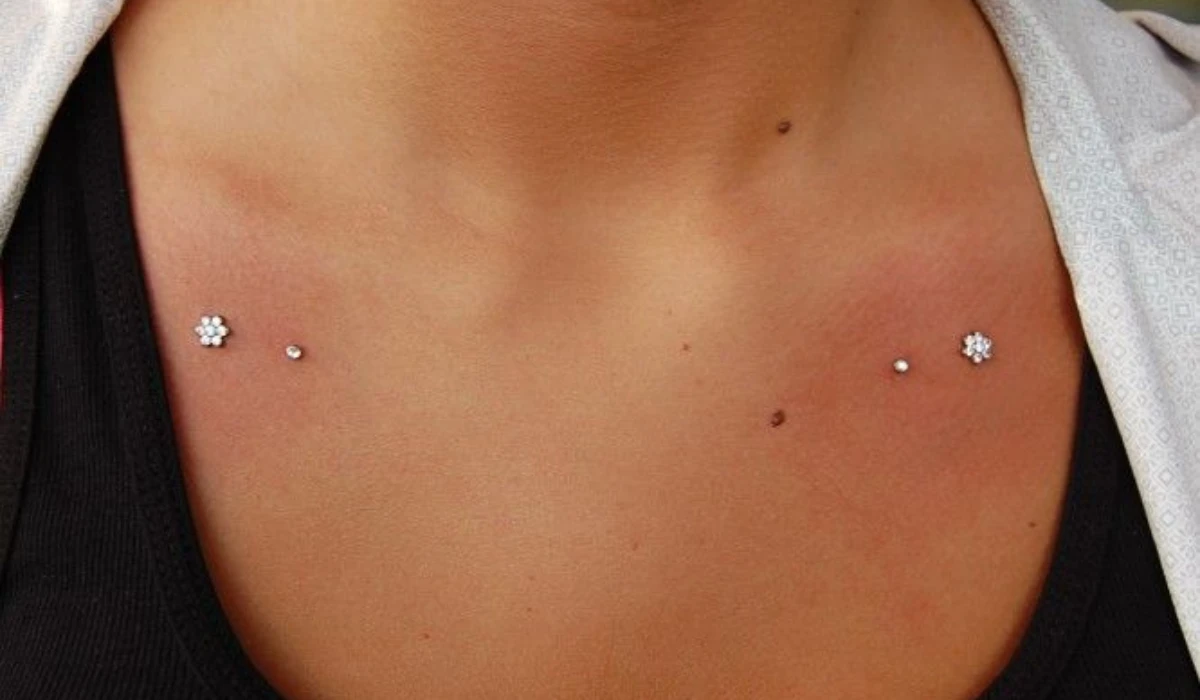
Healing typically takes one to three months, though some dermals take longer to fully settle. Good aftercare is the single biggest factor in whether your piercing thrives.
Do:
– Clean the area twice daily with a sterile saline solution
– Pat dry gently with a clean paper towel
– Keep clothing, bags, and seatbelts from rubbing against it
– Leave the healing crust alone, don’t pick at it
– Sleep in positions that avoid pressure on the piercing
Don’t:
– Touch it with unwashed hands
– Swap the jewelry top before it’s healed
– Submerge it in pools, hot tubs, or natural water during healing
– Apply makeup, lotions, or harsh products directly on it
– Sleep face down on a fresh facial dermal
Risks: Rejection, Migration, and Infection
Dermal piercings are generally safe when done professionally, but it’s important to know the risks:
– Rejection: Your body may slowly push the anchor out, especially in high-movement areas. Signs include the anchor becoming visible, the skin thinning over it, or the piercing tilting.
– Migration: The anchor shifts position over time.
– Infection: Redness, swelling, warmth, persistent pain, or discharge can signal infection see a professional if these appear.
– Snagging: Catching the jewelry on clothing or hair can damage the surrounding tissue.
Choosing flat, low-friction placements and following aftercare instructions dramatically lowers these risks.
How to Remove a Dermal Piercing
A dermal piercing isn’t designed to be self-removed. Because the anchor is embedded in the skin, removal should always be done by a professional piercer or, in some cases, a medical professional. They can safely free the anchor with minimal trauma. Attempting to remove it yourself risks scarring and infection.
Once removed, most dermals leave only a small mark or tiny scar that fades over time.
Frequently Asked Questions
What is a dermal piercing?
A dermal piercing is a single-point piercing that sits flat on the skin’s surface, secured by a small anchor implanted beneath the skin. Only the decorative top is visible.
How do dermal piercings work?
They use a two-part dermal implant system: an anchor placed in a pocket created in the dermis, and a decorative top that screws onto it above the skin.
How much is a dermal piercing?
In the US, expect roughly $70–$100 per dermal piercing, including a basic top. Premium jewelry and multiple placements increase the total.
Do dermal piercings hurt?
Most people report a quick, sharp pinch with mild pressure. The procedure is fast, and discomfort is generally short-lived.
How long do dermal piercings last?
With proper placement and care, a dermal can last for years. However, rejection and migration are always possible, particularly in high-friction areas.
Can you change the jewelry on a dermal piercing?
Yes, once fully healed, the top unscrews and swaps out easily. Avoid changing it before healing is complete.
Final Thoughts
A dermal piercing is a beautiful, flexible way to express your style from a single diamond accent to a coordinated set of hip dermals or spine pieces. The keys to success are simple: choose an experienced professional, invest in quality dermal jewelry, pick smart placements, and follow your aftercare routine closely.
If you’re ready to add some sparkle, talk to a trusted local piercer about the placement and dermal piercing gems that suit you best, and enjoy your new floating gem.
——————————————————————————————————————————————————————
Disclaimer: This article is for informational purposes only and is not medical advice. Always consult a licensed, professional piercer or healthcare provider regarding piercings and any complications.