Neck tattoos are a bold form of self-expression that can range from small, understated symbols to intricate designs that cover the sides, back, or front of the neck. Because the neck is difficult to conceal, these tattoos often make a stronger visual statement than designs placed on other parts of the body.
The right neck tattoo depends on your personal style, from subtle details to bold street style trends, along with the design’s meaning, its size, and how visible you want it to be. Understanding the different styles and placements can help you choose a design that feels intentional rather than impulsive.
What Are Neck Tattoos?
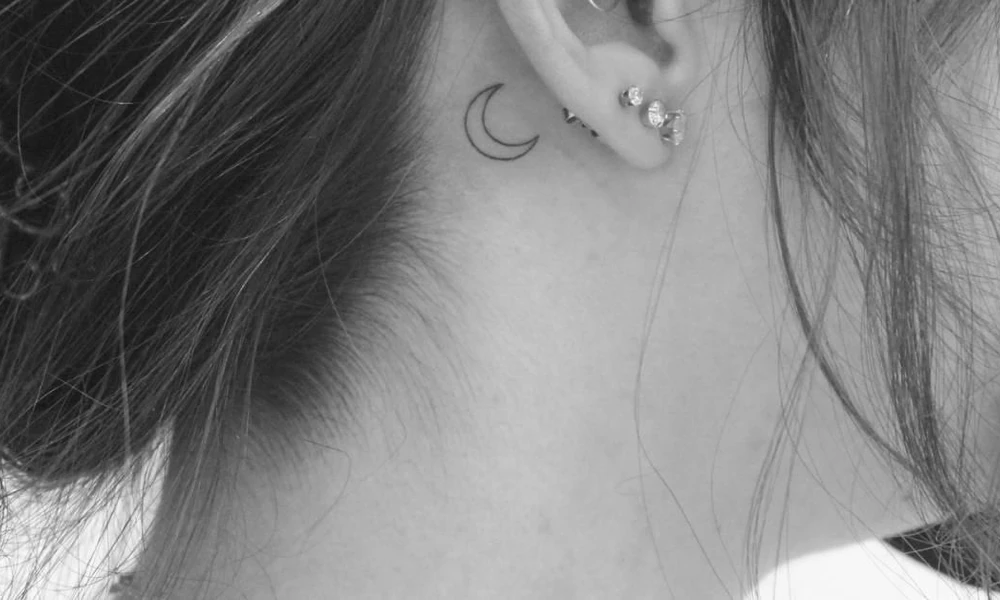
Neck tattoos are designs placed on any part of the neck, including the sides, front, back, and area just below the hairline. Some extend toward the jaw, collarbone, shoulders, or upper chest.
They can feature lettering, geometric patterns, flowers, animals, religious symbols, abstract artwork, or traditional tattoo motifs. Some people choose a small design with personal significance, while others prefer detailed artwork that becomes a central part of their appearance.
Popular Neck Tattoo Ideas
1. Small Neck Tattoos
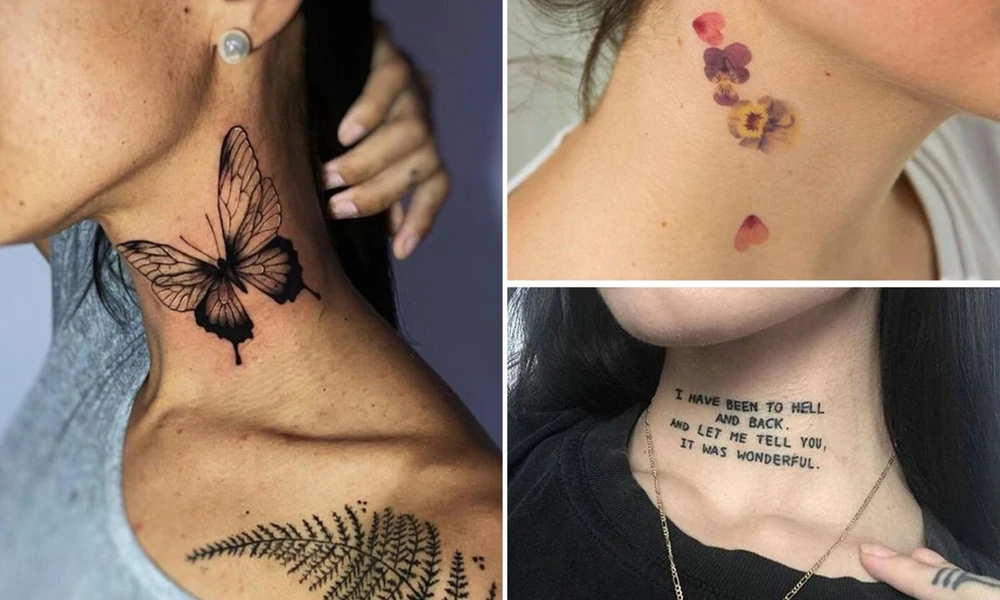
Small neck tattoos are a popular choice for people who prefer simple designs. Tiny stars, initials, hearts, moons, crosses, and minimalist symbols can create a distinctive look without requiring a large amount of space.
These designs are often placed behind the ear, along the side of the neck, or near the hairline. Fine details may blur over time, so choosing a design that remains clear at a small size is important.
2. Rose Neck Tattoos
Rose tattoos combine floral beauty with strong symbolism. Depending on personal interpretation, a rose may represent love, growth, remembrance, or resilience.
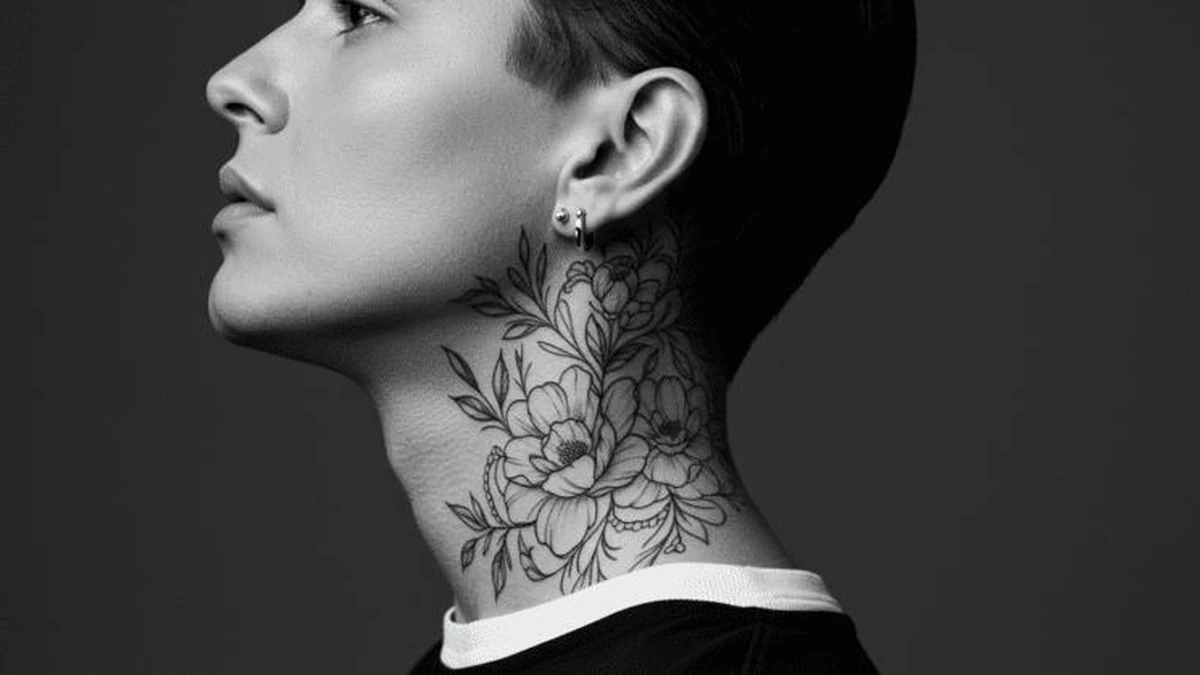
A rose can be tattooed in fine-line black ink, traditional bold outlines, or detailed black-and-gray shading. Side-of-neck placements offer enough room for a flower with leaves and a curved stem.
3. Butterfly Neck Tattoos
Butterfly tattoos are often associated with transformation, freedom, and personal growth. Their symmetrical wings make them suitable for the back or side of the neck.
A minimalist outline creates a delicate appearance, while shaded wings or multiple butterflies can produce a more detailed design.
4. Lettering and Script Tattoos
Names, initials, meaningful words, and short phrases are common neck tattoo choices. Script lettering can look elegant, while bold typography creates a stronger visual effect.
Before choosing lettering, check the spelling, font, size, and readability. Very small text can become difficult to read as the tattoo ages, and names or phrases with lasting personal significance deserve extra consideration.
5. Snake Neck Tattoos
Snake tattoos work particularly well with the natural shape of the neck. A curved snake can follow the side of the neck or extend from behind the ear toward the collarbone.
Snakes are sometimes associated with transformation, wisdom, renewal, or danger. The final impression depends on the pose, linework, shading, and overall composition. If the dark, edgy look suits you, see where to buy grunge clothes that pair well with bold snake artwork.
6. Floral Neck Tattoos
Beyond roses, floral designs can include lilies, lotuses, cherry blossoms, vines, and leaves. A fine-line flower may look subtle, while a larger botanical composition can extend across the side of the neck and shoulder.
Floral tattoos are versatile because they can be designed to suit minimalist, ornamental, realistic, or traditional styles.
7. Geometric Neck Tattoos
Geometric tattoos use shapes, repeating patterns, symmetry, and precise lines. Designs may include mandalas, abstract arrangements, triangles, or ornamental patterns.
The neck’s curved surface can make complex geometry challenging. An experienced tattoo artist can adapt the design so its proportions look balanced when viewed from different angles.
8. Animal Neck Tattoos
Wolves, lions, snakes, birds, and other animals are frequently chosen for neck tattoos. Some people select an animal because of its symbolic associations, while others simply appreciate its appearance.
Detailed animal portraits usually require more space than simple outlines. The side of the neck or the area extending toward the shoulder may provide a better canvas for complex artwork.
9. Religious and Spiritual Neck Tattoos
Crosses, prayer-related symbols, lotus flowers, and other spiritual designs can express personal beliefs or values. These tattoos may be small and discreet or incorporated into larger compositions.
Because religious symbols can carry deep personal and cultural meaning, consider the design’s significance and how its placement may be perceived by others.
10. Abstract and Ornamental Neck Tattoos
Abstract tattoos focus on shapes, flowing lines, and artistic composition rather than recognizable objects. Ornamental designs may incorporate symmetrical patterns, decorative curves, and intricate linework.
These styles can follow the contours of the neck and connect naturally with tattoos on the shoulders, chest, or upper back.
Neck Tattoo Placement Guide

The exact placement can change how a tattoo looks, how noticeable it is, and how easily it can be covered.
Side of the Neck
The side of the neck is suitable for lettering, flowers, snakes, small symbols, and vertical designs. It is highly visible, especially with the short cuts and fades that dominate current men’s hair trends, or with clothing that leaves the neck exposed.
Back of the Neck
The back of the neck can accommodate small symbols, symmetrical designs, and artwork positioned beneath the hairline. Longer hair or high collars may conceal some designs, but be mindful of common fashion styling mistakes, like wearing a tight collar over a fresh tattoo.
Front of the Neck
Front-of-neck tattoos are among the most prominent options. They can feature symmetrical artwork, lettering, or bold ornamental designs, but they are difficult to hide in everyday settings.
Behind the Ear
The area behind the ear is suitable for tiny symbols, stars, flowers, and minimalist art linework. Its limited space makes simple designs generally more practical than intricate artwork.
Neck-to-Shoulder Placement
Some tattoos begin on the side or back of the neck and extend onto the shoulder or upper chest. This provides more room for detailed compositions and allows the artwork to connect with other tattoos.
Do Neck Tattoos Hurt?
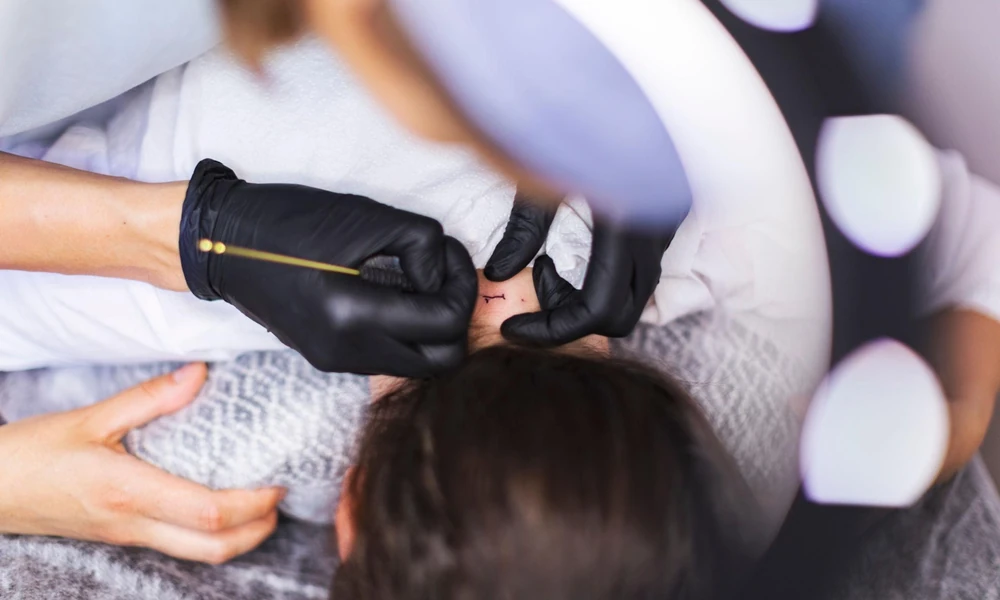
Neck tattoos can be painful because the skin is relatively thin and the area contains sensitive structures. The level of discomfort varies according to the exact placement, tattoo size, individual pain tolerance, and length of the session.
Areas close to the throat, jaw, or bony parts of the neck may feel particularly uncomfortable for some people. Larger designs can also require longer sessions, increasing overall fatigue and discomfort.
If you are getting your first tattoo, consider starting with a smaller design in a less exposed area before committing to a prominent neck tattoo.
How Much Do Neck Tattoos Cost?

The cost of a neck tattoo depends on the artist, studio location, design complexity, size, color, and time required.
A simple symbol may cost considerably less than a detailed animal portrait or a design that extends across the neck and shoulder. Experienced artists may charge higher rates because of their technical skill and experience with visible placements.
Ask for a clear quote before booking. A consultation can help establish the final design, estimated session length, total cost, and whether additional sessions may be necessary.
How to Choose the Right Neck Tattoo

Before committing to a neck tattoo, consider these factors:
- Choose a meaningful design: Select artwork that reflects your taste or has significance you expect to retain over time.
- Consider visibility: Neck tattoos can be difficult to conceal and may affect how you are perceived in professional or social settings.
- Match the design to the placement: A good artist can adjust the composition to suit the neck’s contours.
- Think about aging: Fine lines, tiny text, and tightly packed details may become less distinct over time.
- Review the artist’s portfolio: Look for healed tattoos and examples of work on the neck, not just fresh designs.
- Avoid rushing: Temporary designs or digital mockups can help you decide whether the placement suits you.
Neck Tattoo Aftercare
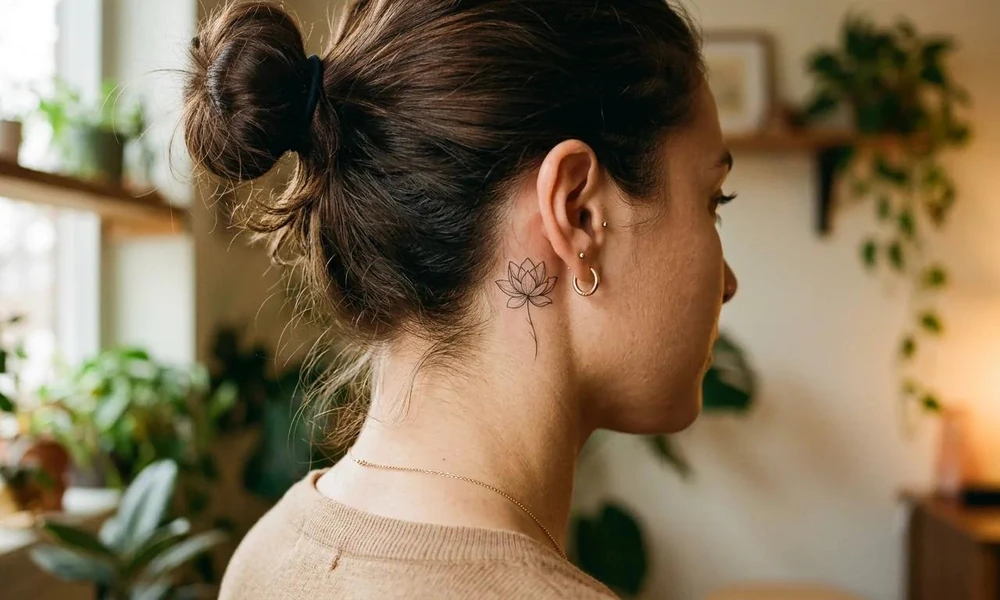
Proper aftercare supports healing and helps protect the tattoo’s appearance.
Follow the tattoo artist’s specific instructions, keep the area clean, and avoid unnecessary friction from collars, jewelry, or accessories. Do not scratch peeling skin or pick at scabs. Avoid swimming and soaking the tattoo until it has healed sufficiently, and protect healed tattooed skin from excessive sun exposure.
The neck can move frequently and may rub against clothing, so comfortable garments and careful handling are particularly helpful during healing. Once the tattoo has fully healed, learn how to style luxury accessories so necklaces and chains complement the design instead of covering it.
Choose a reputable studio that follows appropriate hygiene practices and uses sterile, single-use needles where required. Seek medical advice if you develop spreading redness, worsening pain, significant swelling, pus, or fever.
Things to Consider Before Getting a Neck Tattoo
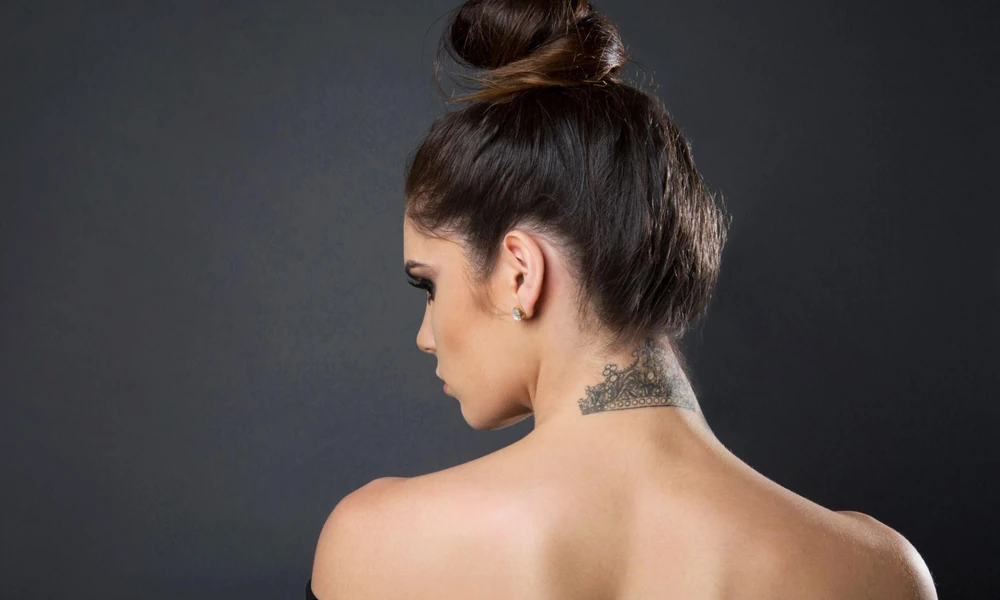
Neck tattoos are highly visible, and removal or cover-up work can be difficult, expensive, and incomplete. Before booking an appointment, think about your long-term preferences, workplace expectations, and whether you may want the option to conceal the design later.
It is also worth checking the studio’s policies, discussing any concerns with your artist, and allowing enough time to make a considered decision. A tattoo should suit your personal style without being something you feel pressured to get.
Frequently Asked Questions
Are neck tattoos a good idea for a first tattoo?
They can be, but their visibility and the sensitivity of the area make them a significant first choice. A smaller, less visible placement may be easier if you are unsure about pain, healing, or how you will feel about a permanent tattoo.
What is the best placement for a neck tattoo?
There is no single best placement. The side of the neck suits many vertical designs, the back works well for centered artwork, and the area behind the ear is useful for small symbols. Your preferred level of visibility should guide the decision.
Do neck tattoos fade quickly?
Neck tattoos can fade or lose detail over time, as all tattoos can. Sun exposure, skin characteristics, tattoo technique, and aftercare influence how the design ages. Sunscreen on fully healed tattooed skin can help protect its appearance.
Are neck tattoos difficult to remove?
They can be. Laser tattoo removal often requires multiple sessions, and complete removal is not guaranteed. The results depend on factors such as ink color, depth, tattoo size, and skin characteristics.
Can neck tattoos affect job opportunities?
They may, depending on the employer, profession, and workplace policies. Some workplaces are accepting of visible tattoos, while others maintain stricter appearance standards. Consider your current work and possible future career plans before choosing a highly visible design.
How long does a neck tattoo take to heal?
The surface of a tattoo commonly heals over a period of a few weeks, although deeper skin recovery can take longer. Healing time varies with the design, individual skin response, and aftercare. Follow your artist’s instructions and seek medical advice if signs of infection develop.
Final Thoughts
Neck tattoos offer a distinctive way to express personal style, whether through a tiny symbol, elegant lettering, detailed floral artwork, or a bold design that extends toward the shoulders. The best choice balances visual appeal with placement, comfort, long-term meaning, and practical considerations.
Take time to compare styles, consult an experienced artist, and think carefully about the visibility of the design. A thoughtful decision can help you choose a neck tattoo that feels right for you now and in the years ahead.
Disclaimer: This content is for informational purposes only and reflects our personal opinions and experiences. We just love to write and share what we know and research