Introduction
Achieving beautifully bronzed skin once required spending hours under direct sunlight.
Today, beauty technology offers a safer alternative.
The spray tan has become one of the most popular cosmetic treatments for people who want glowing, sun-kissed skin without exposing themselves to harmful ultraviolet radiation.
Used by celebrities, beauty professionals, and everyday skincare enthusiasts, spray tanning provides fast, even color while avoiding many of the long-term risks associated with traditional tanning.
But while the treatment looks simple, achieving smooth and natural-looking results depends heavily on preparation and proper aftercare.
Understanding how spray tanning works makes all the difference.
What Is a Spray Tan?
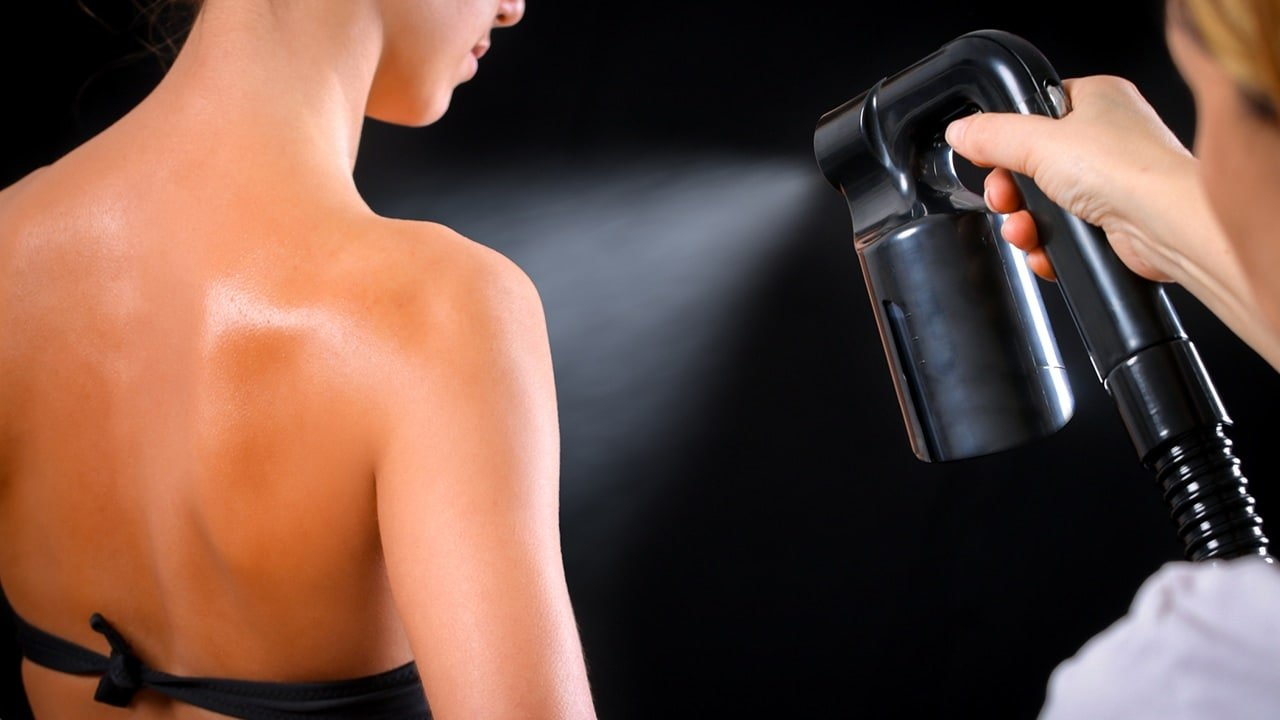
A spray tan is a cosmetic tanning treatment where a fine mist containing tanning solution is applied directly to the skin.
The main active ingredient is Dihydroxyacetone (DHA), commonly called DHA.
DHA is a colorless sugar compound that temporarily reacts with amino acids found in the outermost layer of the skin.
This reaction creates a darker appearance that mimics a natural tan.
Unlike traditional tanning, spray tanning does not rely on UV exposure.
This makes it a safer cosmetic alternative.
How Does Spray Tanning Work?
The process itself is relatively straightforward.
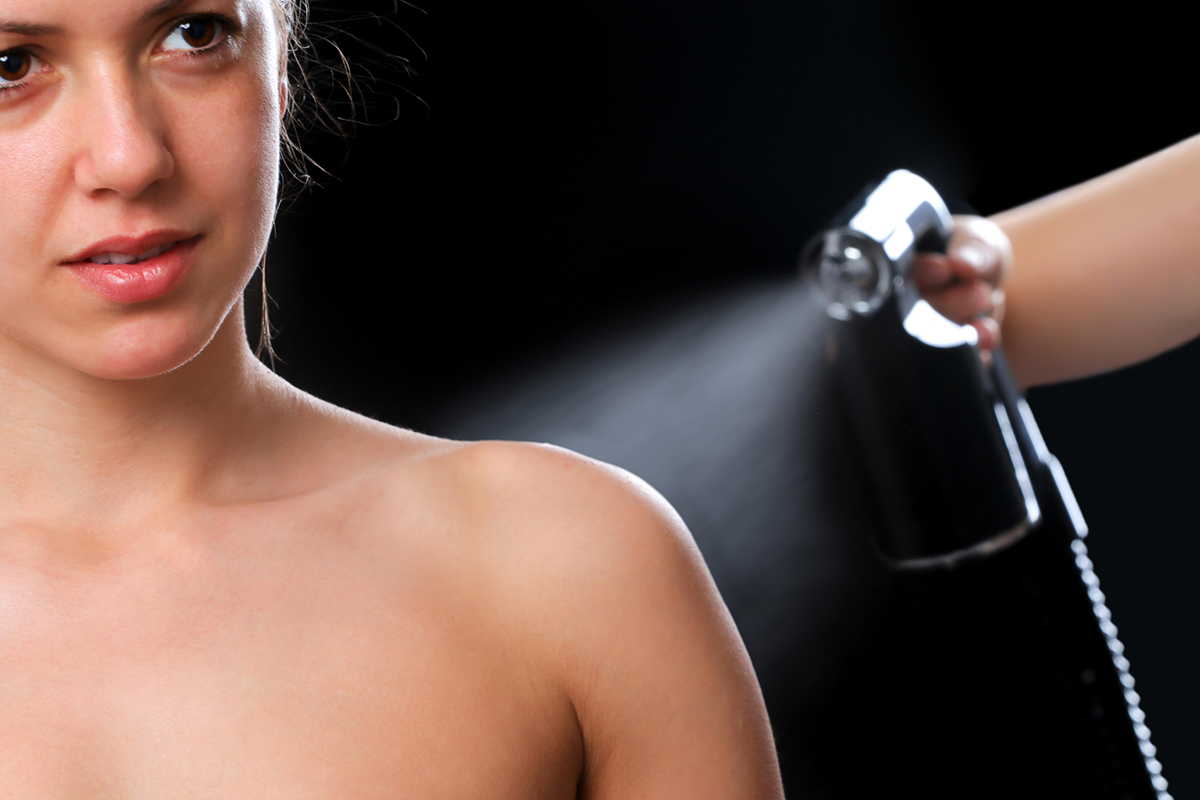
A tanning professional typically applies a fine mist over the body using either:
- Professional airbrush equipment
- Automated spray tanning booth
- Handheld spray tanning systems
Once applied, the DHA begins reacting with the skin surface.
Although color begins developing quickly, the tan usually continues darkening over the next 8 to 24 hours.
The result creates a temporary bronzed appearance without sun damage.
Why Spray Tans Have Become So Popular
The popularity of spray tanning continues growing for one major reason.
People want bronzed skin without damaging their skin health.
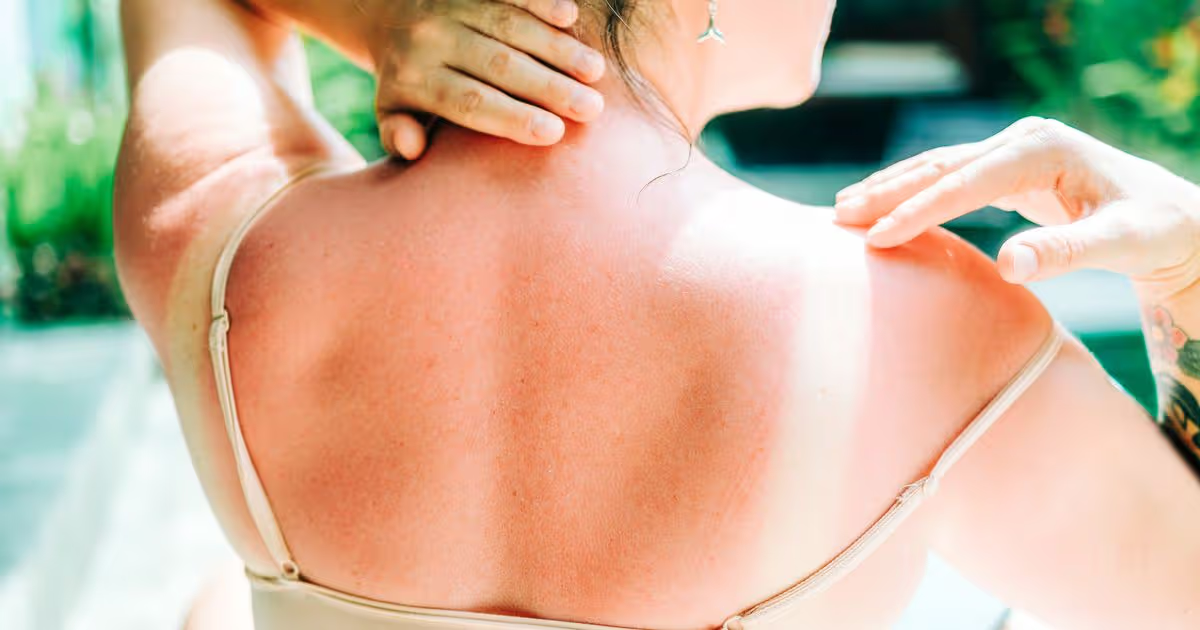
Traditional tanning methods expose skin to ultraviolet radiation that can accelerate visible aging.
Spray tanning avoids this problem.
Popular benefits include:
- No UV exposure
- Immediate cosmetic enhancement
- Even skin tone appearance
- Temporary results without commitment
- Faster results compared with traditional tanning
Beauty treatments increasingly prioritize both appearance and skin health.
Spray tanning fits this shift perfectly.
How Long Does a Spray Tan Last?
A properly maintained spray tan usually lasts between five and ten days.
Longevity depends heavily on skin type and aftercare habits.
Several factors influence how quickly the tan fades.
These include:
- Shower frequency
- Skin dryness
- Exfoliation habits
- Chlorine exposure
- Product usage
Because the outer skin layer naturally sheds, the tan gradually fades over time.
Good skincare helps maintain color longer.
How to Prepare Before a Spray Tan
Preparation plays a major role in achieving smooth results.
Before your appointment, experts generally recommend:
Exfoliate the Skin
Exfoliating removes dead skin cells and creates a smoother surface.
Pay extra attention to:
- Knees
- Elbows
- Ankles
- Hands
Avoid Lotion and Makeup
Products left on the skin can create barriers that interfere with absorption.
Avoid:
- Moisturizers
- Makeup
- Perfume
- Deodorant
Clean skin allows better product development.
Wear Loose Clothing
Tight clothing can cause uneven rubbing immediately after treatment.
Dark, loose clothing usually works best.
Small preparation steps improve final results significantly.
Spray Tan Aftercare Tips
Aftercare determines how long your results last.
Important recommendations include:
Wait Before Showering
Most professionals recommend waiting several hours before your first rinse.
This allows DHA to fully develop.
Moisturize Daily
Hydrated skin helps preserve color longer.
Dry skin causes faster fading.
Avoid Harsh Exfoliation
Scrubs and aggressive exfoliating products remove the tan prematurely.
Limit Chlorine Exposure
Swimming pools can accelerate fading.
Gentle skincare extends results significantly.
Are Spray Tans Safe?
Compared with traditional tanning beds or prolonged sun exposure, spray tans are generally considered safer.
Because there is no direct UV exposure, the risk of sun-related skin damage decreases substantially.
However, some professionals recommend avoiding inhalation of tanning mist during application.
Sensitive individuals may also want to perform patch testing before treatment.
Overall, spray tanning remains one of the safer cosmetic tanning alternatives available.
Common Spray Tan Mistakes

Uneven results often happen because people skip preparation.
The most common mistakes include:
- Poor exfoliation beforehand
- Wearing tight clothing immediately after treatment
- Showering too early
- Using harsh skincare products afterward
- Forgetting daily moisturization
Small mistakes can dramatically shorten results.
Frequently Asked Questions
Can a spray tan protect your skin from sunburn?
No. A spray tan only changes the appearance of the skin and does not provide UV protection. Sunscreen is still necessary when spending time outdoors.
Why does a spray tan fade unevenly on some areas of the body?
Areas with thicker or drier skin, such as elbows, knees, hands, and ankles, often absorb tanning solution differently and may fade faster than other areas.
Can you exercise after getting a spray tan?
It is best to avoid heavy sweating until the tanning solution has fully developed. Excess moisture can affect the evenness of the final result.
Does skin type affect how long a spray tan lasts?
Yes. Oily skin, frequent exfoliation, and dry skin conditions can all influence how quickly a spray tan fades.
What should you do if your spray tan develops streaks?
Minor streaks can often be blended with gentle moisturizing, while more noticeable uneven areas may require light exfoliation and professional correction.
Final Thoughts
The spray tan has transformed modern beauty routines by offering bronzed skin without the long-term risks associated with excessive sun exposure.
It provides fast cosmetic enhancement while allowing greater control over color and appearance.
The secret to great results lies in preparation, proper aftercare, and understanding how the tanning process works.
Healthy skin and beauty treatments no longer need to conflict.
Sometimes the safest glow comes without sunlight at all.
And spray tanning proves exactly that.