Luxury home remodeling is about more than making a house look expensive. The best luxury renovations improve the way a home feels, functions, and connects its architecture, interiors, technology, and outdoor spaces.
Modern luxury homes increasingly combine refined materials with practical design, natural light, smart technology, wellness features, and highly personalized interiors. Instead of following a single style, homeowners are creating residences that reflect their lifestyle while emphasizing comfort, craftsmanship, privacy, and quality.
For Pravi Celer, modern luxury living extends beyond the home itself. A thoughtfully designed residence is part of a broader lifestyle that includes exceptional travel, automobiles, fashion, hospitality, and elevated experiences.
What Is Luxury Home Remodeling?
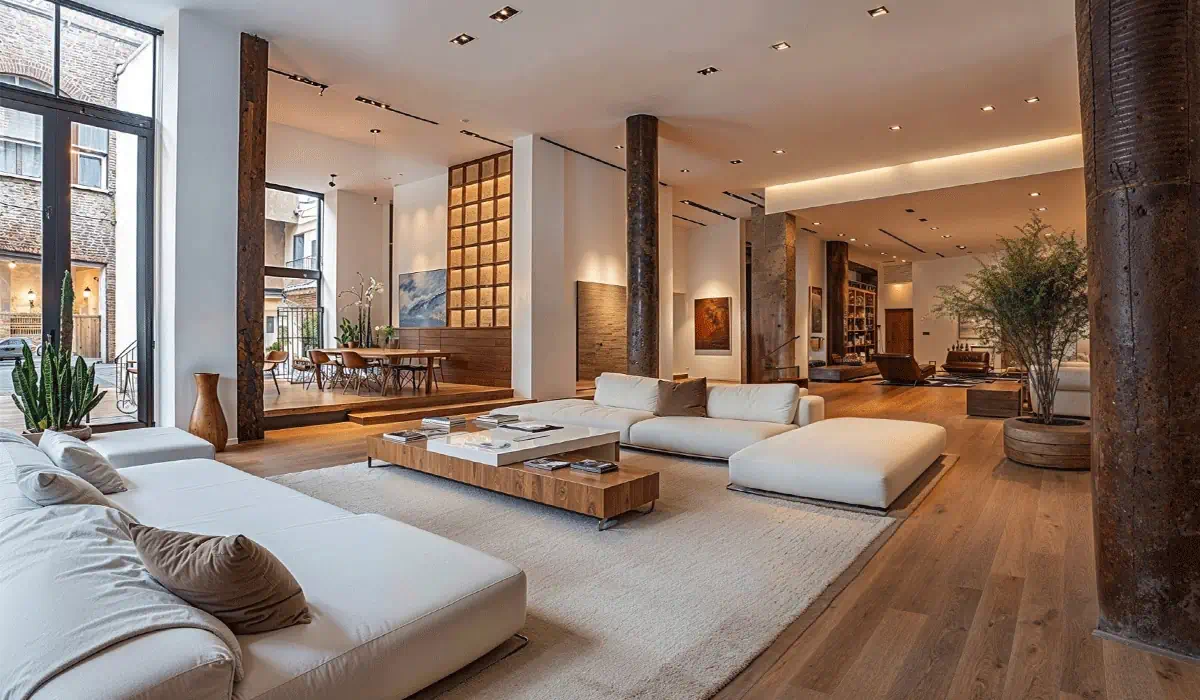
Luxury home remodeling is the process of upgrading an existing residence with high-quality architectural elements, materials, fixtures, technology, and customized spaces.
Unlike a standard renovation, a luxury remodel often focuses on details that may not be immediately obvious but significantly affect the experience of living in the home.
These can include:
- Custom millwork and cabinetry
- Natural stone and premium wood
- Designer lighting
- Large-format windows
- High-end kitchens
- Spa-inspired bathrooms
- Smart-home systems
- Private wellness spaces
- Wine rooms and entertaining areas
- Custom outdoor living spaces
- Integrated security and privacy features
- Bespoke furniture and interior finishes
The goal is not simply to spend more. It is to create a home where architecture, materials, technology, and lifestyle work together.
How to Plan a Luxury Home Remodel
Before choosing finishes or furniture, establish a clear remodeling strategy.
1. Define Your Lifestyle
Start by considering how the home is actually used.
Do you entertain frequently? Work from home? Travel often? Need dedicated wellness areas? Prefer minimalist interiors? Want a private outdoor retreat?
Your answers should influence the remodeling plan.
A family that regularly hosts guests may prioritize a large kitchen, dining area, outdoor entertaining space, and guest suites. Someone who values privacy and wellness may prioritize a spa bathroom, gym, meditation room, private garden, and secluded bedroom suite.
Luxury is highly personal.
2. Establish a Design Direction
Choose an overall architectural and interior direction before construction begins.
Popular approaches include:
- Contemporary luxury
- Modern minimalism
- Transitional luxury
- Modern European
- Mediterranean-inspired design
- Warm modern interiors
- Classic contemporary
- Organic modernism
The important thing is consistency.
A luxury home can combine different influences, but materials, proportions, colors, lighting, and furniture should create a cohesive visual language.
3. Prioritize Architecture Before Decoration
One of the biggest mistakes in remodeling is focusing on furniture before improving the underlying architecture.
Consider whether the existing floor plan works for modern living.
Possible improvements include:
- Opening selected living areas
- Increasing natural light
- Creating stronger indoor-outdoor connections
- Enlarging windows
- Improving ceiling height where practical
- Reconfiguring bedrooms
- Creating larger primary suites
- Adding dedicated entertaining areas
- Improving circulation between rooms
Beautiful furniture cannot compensate for a poorly planned layout.
Luxury Kitchen Remodeling Ideas
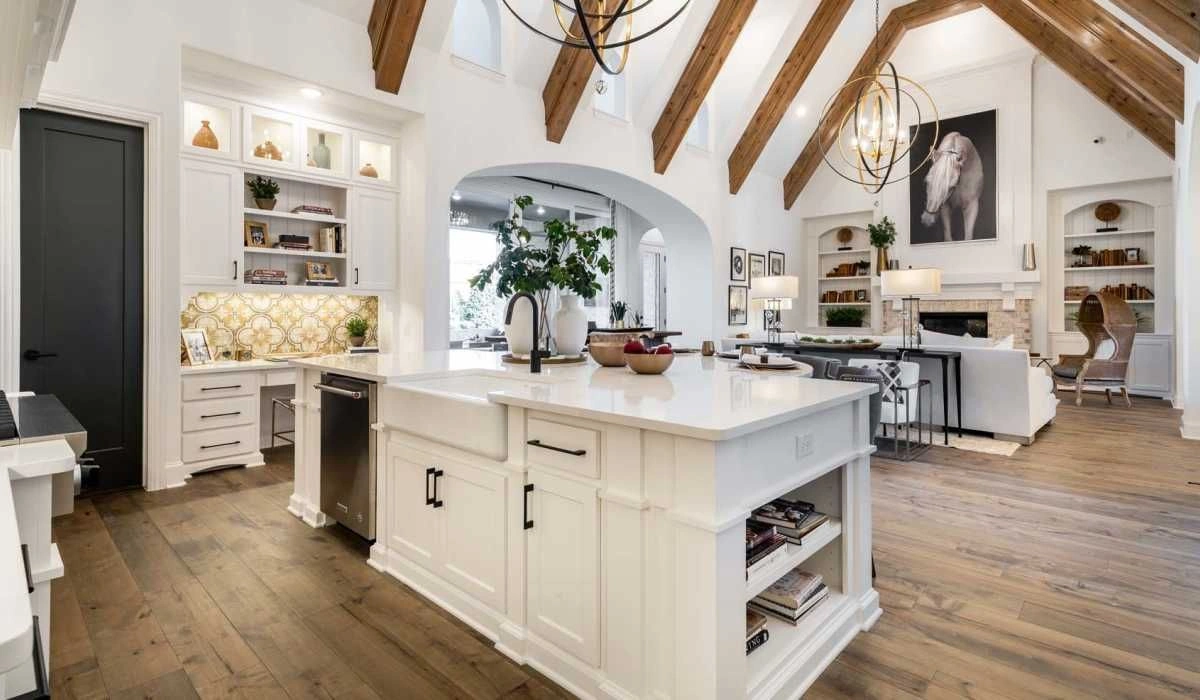
The kitchen has become one of the defining spaces of a modern luxury residence.
Today’s high-end kitchens often function as both culinary environments and social spaces.
Custom Cabinetry
Custom cabinetry allows the kitchen to be designed around the architecture and the homeowner’s requirements.
Consider:
- Floor-to-ceiling storage
- Integrated appliances
- Hidden pantry systems
- Custom islands
- Built-in lighting
- Natural wood finishes
- Stone surfaces
- Concealed ventilation
Handleless cabinetry and integrated appliances can create a particularly clean contemporary appearance.
Premium Countertops
Natural stone remains a popular choice for luxury kitchens.
Options can include:
- Marble
- Quartzite
- Granite
- Travertine
- High-quality engineered stone
The right surface should balance appearance with durability and maintenance requirements.
The Statement Island
A large kitchen island can become the architectural centerpiece of the room.
Instead of treating it purely as workspace, homeowners can incorporate:
- Seating
- Integrated storage
- Sinks
- Cooking equipment
- Beverage stations
- Architectural lighting
A carefully proportioned island can also create a natural transition between the kitchen and living areas.
Luxury Bathroom Remodeling
A luxury bathroom should feel more like a private retreat than a purely functional room.
Spa-Inspired Features
Popular upgrades include:
- Walk-in rainfall showers
- Freestanding bathtubs
- Heated flooring
- Double vanities
- Large-format stone
- Backlit mirrors
- Ambient lighting
- Steam showers
- Integrated storage
- High-end fixtures
Natural materials can make bathrooms feel warmer and more sophisticated.
Stone, wood, brushed metal, glass, and textured surfaces can be combined without making the space feel overly decorative.
Create a Strong Lighting Plan
Bathroom lighting should combine multiple layers.
Use ambient lighting for overall illumination, task lighting around mirrors, and accent lighting to emphasize architectural or decorative features.
The objective is to make the room functional while maintaining a relaxing atmosphere.
Use Premium Materials Strategically
Luxury remodeling does not require every surface to be expensive.
Instead, concentrate on premium materials where they create the greatest visual and tactile impact.
For example, a home might combine:
- Natural stone in major areas
- Custom woodwork
- High-quality metal finishes
- Designer fixtures
- Premium flooring
- Bespoke cabinetry
with simpler supporting materials.
This creates contrast and prevents the interior from feeling excessive.
Lighting Can Transform a Luxury Home
Lighting is one of the most important elements of a successful remodel.
A sophisticated lighting plan typically combines three layers.
Ambient Lighting
Provides general illumination throughout the room.
Task Lighting
Provides focused light for activities such as cooking, reading, grooming, or working.
Accent Lighting
Highlights artwork, architectural features, materials, shelving, landscaping, or decorative objects.
Modern luxury homes increasingly use concealed LED systems, architectural lighting, wall washing, and automated lighting scenes.
The best lighting is often the lighting you barely notice.
Bring Nature Into the Design
Modern luxury increasingly emphasizes connection with nature.
Large windows, courtyards, gardens, terraces, natural stone, timber, water features, and indoor plants can create a stronger relationship between the residence and its surroundings.
Biophilic design can also make large contemporary interiors feel warmer and more comfortable.
Consider:
- Floor-to-ceiling glazing
- Internal courtyards
- Green walls
- Natural stone
- Timber ceilings
- Indoor trees
- Water features
- Landscaped terraces
The objective is to make nature part of the architecture rather than simply adding plants as decoration.
Create Indoor-Outdoor Living Spaces
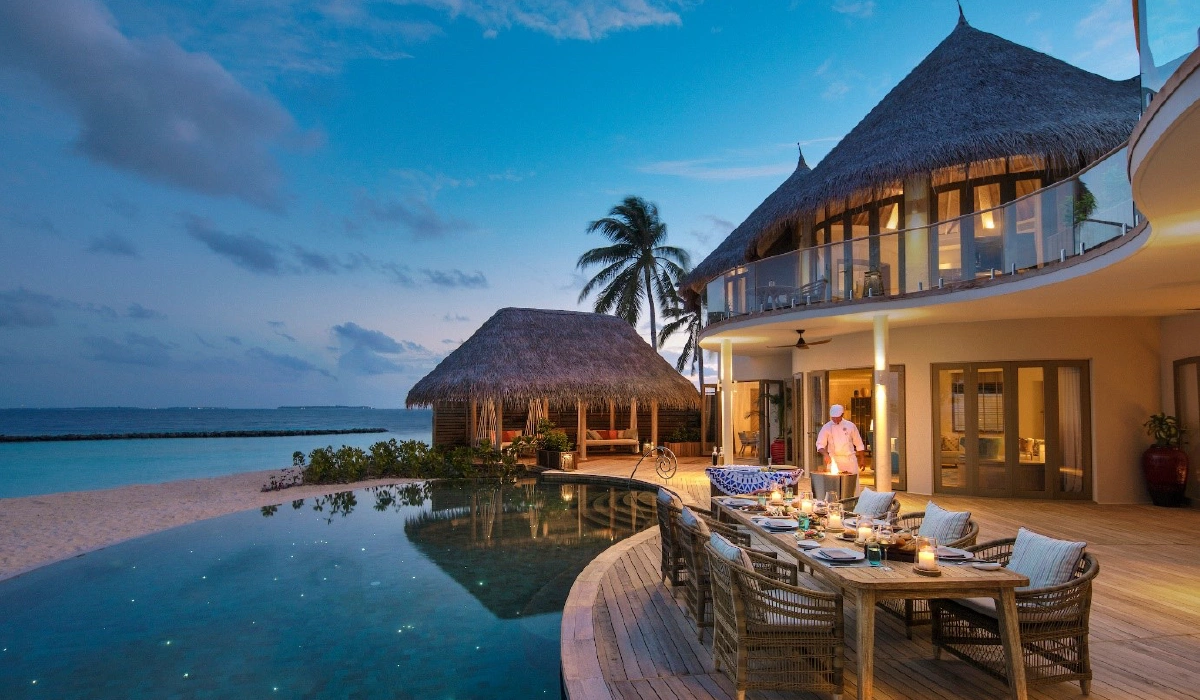
For homes with suitable climates and locations, outdoor areas can become extensions of the interior.
A luxury outdoor living area might include:
- Outdoor kitchens
- Dining areas
- Lounge seating
- Fire features
- Pools
- Hot tubs
- Covered terraces
- Outdoor bars
- Landscaped gardens
- Entertainment systems
Large sliding or folding glass doors can visually connect indoor living spaces with terraces and gardens.
This approach can make the usable living area feel considerably larger without necessarily expanding the building footprint.
Add a Private Wellness Space
Wellness has become an important part of modern luxury living.
Instead of visiting a spa for every experience, homeowners can incorporate wellness facilities directly into the residence.
Possible additions include:
- Home gyms
- Saunas
- Steam rooms
- Cold-plunge areas
- Massage rooms
- Yoga studios
- Meditation rooms
- Relaxation lounges
- Spa bathrooms
The design should prioritize comfort, ventilation, lighting, acoustics, and privacy.
Build a High-End Home Office
The modern luxury home office should be both functional and visually integrated with the residence.
Consider:
- Custom desks
- Built-in shelving
- Acoustic treatment
- Comfortable designer seating
- Architectural lighting
- Video-conferencing equipment
- Hidden cable management
- Dedicated storage
A well-designed office should feel like part of the home’s architecture rather than an improvised workspace.
Add a Dedicated Entertainment Space
Entertainment areas can be designed around the homeowner’s interests.
Options include:
- Home theaters
- Media rooms
- Game rooms
- Wine rooms
- Cocktail lounges
- Cigar lounges
- Music rooms
- Private libraries
The best entertainment spaces are designed around a specific experience rather than simply filling a room with equipment.
Smart Technology in Luxury Homes
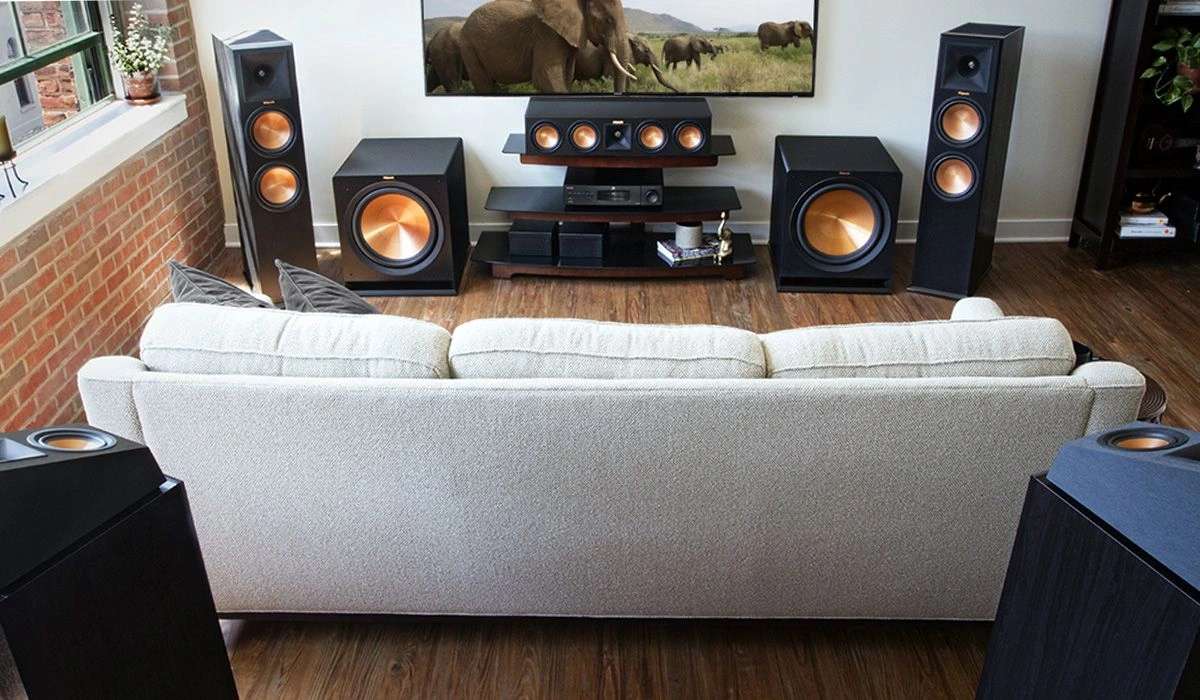
Technology should make a luxury home easier to use without dominating the visual design.
A modern smart-home system can control:
- Lighting
- Climate
- Security
- Window treatments
- Audio
- Video
- Door access
- Irrigation
- Pool systems
- Energy management
The most sophisticated technology is often integrated invisibly.
Touchscreens, voice controls, sensors, and automated scenes can allow homeowners to control multiple systems through a unified interface.
Improve Home Privacy and Security
Privacy is an important part of luxury living.
Depending on the property, remodeling can incorporate:
- Controlled access points
- Smart locks
- Security cameras
- Privacy landscaping
- Automated gates
- Secure parking
- Reinforced doors
- Private entrances
- Advanced alarm systems
Technology should be balanced with architecture and landscaping so security features do not compromise the home’s aesthetic.
Design a Luxury Garage
For automotive enthusiasts, the garage can become an important part of the residence.
A luxury garage may include:
- Multiple vehicle bays
- High-quality flooring
- Custom storage
- Vehicle lifts
- Workshop areas
- Charging stations
- Display lighting
- Climate management
- Security systems
For readers interested in automotive luxury, explore Pravi Celer’s Luxury Cars & Yachts coverage for more on premium vehicles and modern automotive lifestyles.
Choose Furniture After the Architecture
Furniture should support the architectural character of the home.
Instead of purchasing an entire room as a matching set, consider combining:
- Statement furniture
- Custom pieces
- Vintage designs
- Contemporary pieces
- Sculptural lighting
- Artwork
- Textiles
- Decorative objects
This creates a more collected and personal appearance.
The same principle applies to fashion and personal style: luxury does not have to mean displaying a logo everywhere. Quality, proportion, craftsmanship, and individuality often create a more sophisticated result.
Make the Primary Suite Feel Like a Private Retreat
The primary bedroom should be designed as a complete private environment.
Consider integrating:
- A spacious sleeping area
- Sitting area
- Walk-in dressing room
- Luxury bathroom
- Private terrace
- Custom wardrobes
- Layered lighting
- Acoustic insulation
A dedicated dressing room can also become a major architectural feature rather than simply a storage area.
Incorporate Custom Storage
One of the most underrated aspects of luxury design is organization.
Custom storage can hide everyday objects while keeping frequently used items accessible.
Consider:
- Concealed appliances
- Built-in wardrobes
- Hidden charging stations
- Integrated entertainment systems
- Custom shoe storage
- Pantry organization
- Linen storage
- Architectural shelving
Clean surfaces are easier to maintain when the architecture provides enough storage.
Consider Acoustics
Luxury is not only visual.
A beautiful home can still feel uncomfortable if it has excessive echoes, poor bedroom sound isolation, or noisy mechanical systems.
During remodeling, consider:
- Acoustic insulation
- Soft furnishings
- Rugs
- Curtains
- Acoustic wall treatments
- Door seals
- Quiet HVAC systems
Sound quality can dramatically change how comfortable a home feels.
Create a Signature Feature
Every memorable luxury home benefits from one or more defining elements.
This might be:
- A dramatic staircase
- A sculptural fireplace
- A double-height living room
- A statement chandelier
- A dramatic stone wall
- A private courtyard
- A panoramic window
- A custom library
- A distinctive pool
A signature feature gives the residence an identity without requiring every room to compete for attention.
Luxury Home Remodeling Trends
Modern luxury interiors are moving toward warmer, more personalized environments.
Some notable directions include:
Warm Minimalism
Clean architecture is being combined with warmer materials, textured fabrics, timber, stone, and softer lighting.
Natural Materials
Natural stone, wood, plaster, leather, and textured surfaces can create depth and character.
Wellness-Oriented Design
Homeowners are increasingly incorporating spaces dedicated to fitness, relaxation, sleep, and recovery.
Smart but Invisible Technology
Technology is becoming more integrated into walls, ceilings, cabinetry, lighting, and architectural systems.
Flexible Spaces
Rooms are increasingly designed to serve multiple purposes as lifestyles change.
Indoor-Outdoor Connection
Large openings, terraces, courtyards, gardens, and outdoor rooms are becoming important parts of residential design.
How Much Does Luxury Home Remodeling Cost?
The cost of a luxury remodel varies dramatically depending on the property’s location, size, structural requirements, materials, labor, architectural changes, and technology.
A cosmetic renovation can cost substantially less than a full-scale architectural transformation involving structural changes, new systems, premium materials, landscaping, and custom construction.
Before beginning, establish:
- A realistic total budget
- A construction contingency
- Architectural and design fees
- Material allowances
- Permit and professional costs
- Technology and security requirements
- Landscaping and exterior costs
- Furniture and decoration budgets
Avoid spending the entire budget on visible finishes while leaving insufficient funds for structural work and building systems.
Common Luxury Remodeling Mistakes
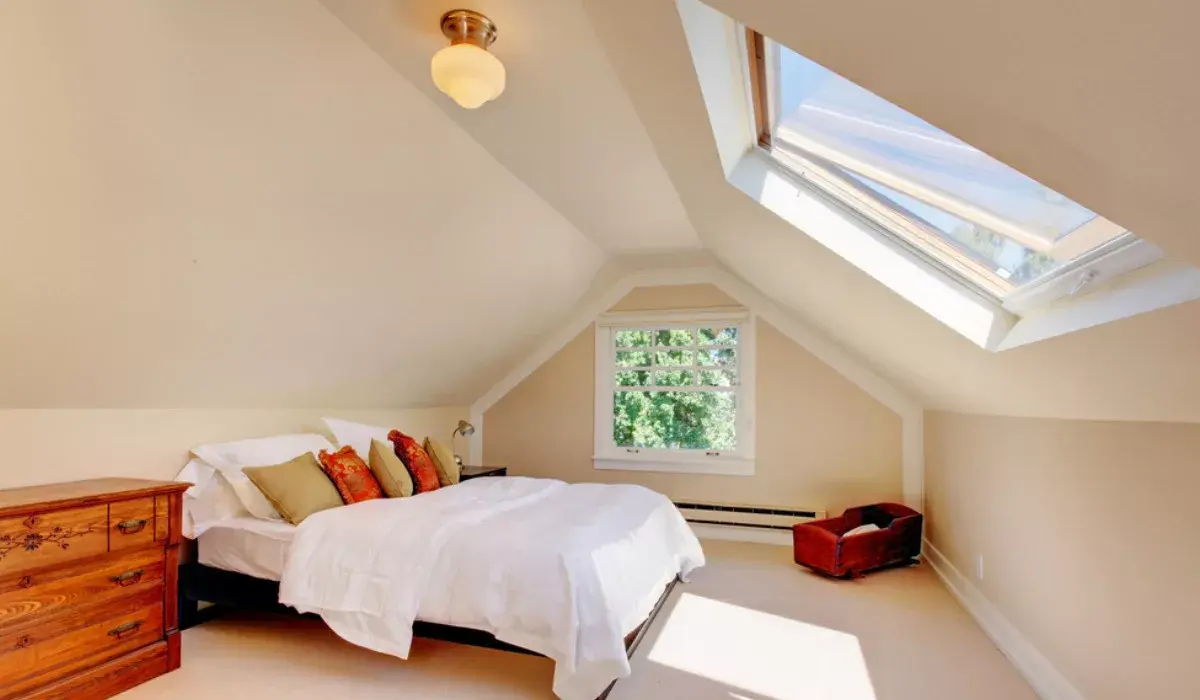
Even expensive projects can produce disappointing results when planning is weak.
Trying to Follow Every Trend
A home should remain relevant for years rather than looking like a snapshot of one design trend.
Overspending on Decorative Items
Premium furniture cannot fix poor architecture, lighting, circulation, or storage.
Ignoring Function
Luxury should improve everyday life rather than simply create impressive photographs.
Using Too Many Materials
A limited material palette can create a more sophisticated result.
Forgetting Maintenance
Some materials and finishes require significantly more maintenance than others.
Poor Lighting
Beautiful architecture can lose its impact when the lighting plan is treated as an afterthought.
Neglecting Storage
A luxury interior quickly loses its visual quality when everyday possessions have nowhere to go.
How to Make a Home Feel Luxurious Without Overdoing It
Luxury does not have to mean excess.
A sophisticated home can feel luxurious through:
- Excellent proportions
- Natural light
- Quality materials
- Comfortable furniture
- Thoughtful lighting
- Strong architecture
- Custom details
- Quiet technology
- Good acoustics
- Beautiful views
- Privacy
- Personal character
The most successful interiors often feel effortless rather than showy.
Luxury Home Remodeling Checklist
Before construction begins, review the following:
- Define the lifestyle you want the home to support
- Establish an architectural direction
- Set a realistic budget
- Build a contingency
- Review the floor plan
- Prioritize natural light
- Select a cohesive material palette
- Plan lighting early
- Upgrade kitchens and bathrooms
- Consider smart-home integration
- Improve storage
- Plan acoustics
- Consider wellness spaces
- Design outdoor living areas
- Review security and privacy
- Plan the garage if automobiles are important
- Select furniture after the architecture is established
- Consider long-term maintenance
- Work with qualified architects and contractors
Final Thoughts
Luxury home remodeling is ultimately about creating a better way to live.
The strongest projects combine architecture, craftsmanship, technology, comfort, wellness, and personal style rather than relying on expensive finishes alone.
A modern luxury residence should feel distinctive without being excessive, sophisticated without being uncomfortable, and technologically advanced without losing its sense of warmth.
At Pravi Celer, modern luxury extends beyond residential design. It encompasses the destinations we travel to, the automobiles we drive, the fashion we wear, the hotels we choose, and the experiences that shape contemporary luxury living.
For inspiration beyond the home, explore Pravi Celer’s Luxury Travel and Fashion & Style coverage.
Pravi Celer The Essence of Modern Luxury.
Frequently Asked Questions
What is luxury home remodeling?
Luxury home remodeling involves upgrading an existing residence with high-quality architecture, materials, fixtures, technology, and customized spaces designed around the homeowner’s lifestyle.
What features make a home feel luxurious?
Natural light, quality materials, thoughtful lighting, custom storage, comfortable furniture, strong architecture, smart technology, privacy, wellness spaces, and high-quality craftsmanship can all contribute to a luxurious home.
Is luxury remodeling only about expensive materials?
No. Luxury design is also about proportion, functionality, craftsmanship, comfort, personalization, lighting, acoustics, and how different elements work together.
What rooms should be prioritized during a luxury remodel?
Kitchens, primary suites, bathrooms, living areas, outdoor spaces, and entertainment areas are common priorities, although the best approach depends on how the homeowner uses the property.
Is smart-home technology important in modern luxury homes?
Smart technology can improve convenience, security, energy management, lighting, climate control, entertainment, and privacy. The most effective systems are usually integrated into the home’s architecture rather than visually dominating it.
How can I make a home luxurious without making it look excessive?
Use a restrained material palette, prioritize craftsmanship, improve lighting and proportions, incorporate natural materials, invest in comfortable furniture, and focus on details that improve everyday living.