
The best place to stay in New York depends on what you want your days and evenings to feel like. A first trip with theater tickets may call for a different base than a visit built around restaurants and long walks. Your plans matter as much as the hotel itself.
New York is a city of distinct neighborhoods, and each can shape the pace of your trip. A hotel location affects how easily you reach sights, while the room features affect how well you rest between busy days. A suite is a hotel room with a separate living area.
This list brings together 15 different stays, from design-focused boutique hotels to landmark-ready luxury properties. You can use it to narrow the choices by who is traveling, what you plan to see, and how much room you need. Use the hotel’s neighborhood and room setup as your first filters, then compare the details that matter for your trip.
Key Takeaways
- Choose the hotel location around the places you plan to visit.
- Check the room category, not just the hotel’s general description.
- Compare total prices for your dates, including required fees.
- Think about whether shared spaces or extra room matter more.
- Use subway access to judge how well a base fits your plans.
How to Choose the Best Hotels in NYC for Your Trip
For a first visit centered on Broadway and major landmarks, Midtown is the simplest base; for evenings spent exploring local restaurants and streets, choose a downtown neighborhood. Midtown is direct for major sights, while Greenwich Village, Tribeca, and the Financial District each offer a different setting.
Choose by the places you expect to visit most, not by a neighborhood’s name alone. Midtown puts you near Times Square and Grand Central Terminal, with many subway lines close by. Downtown areas bring you nearer to neighborhood dining, parks, and Lower Manhattan sights.

| Area | Good fit for | Trade-off |
|---|---|---|
| Midtown | Broadway, Times Square, Grand Central Terminal | More crowds and busy streets |
| Greenwich Village | Washington Square Park, NYU, neighborhood dining | Fewer major landmarks within a short walk |
| Tribeca | Quiet streets, Hudson River Park, local restaurants | Some Midtown sights need a subway ride |
| Financial District | Wall Street, waterfront, Lower Manhattan sights | Farther from many Midtown theaters |
Map the places you plan to visit against nearby subway stops, since a central-sounding address may still add travel time.
Midtown for landmark-focused days
Midtown works well when your schedule includes Broadway, Times Square, and classic city sights. Grand Central Terminal is also here, making it easy to start a day on several subway routes. New York City blocks can feel short on a map, but stops and crowds add time.
Downtown for neighborhood life
Greenwich Village sits near Washington Square Park and NYU, while downtown choices can place you near the W 4th Street subway station. The Financial District lies at Manhattan’s southern end. A neighborhood guide for New York City can help you match an area to your daily plans. Before booking, map the places you plan to visit against nearby subway stops rather than judging a hotel by its street address alone.
Best Downtown Hotels in NYC for Neighborhood Stays
The Marlton is the strongest fit for a visitor who wants a Greenwich Village base, while The Beekman and AC Hotel New York Downtown suit different Lower Manhattan itineraries. Choose the feel you want around your stay, from a lobby-centered hotel to a waterfront base.
Downtown hotels work best when their nearby streets match your plans, whether that means restaurants, park walks, or historic sights. Among the best hotels in NYC downtown, The Marlton Hotel NYC is a Greenwich Village choice near Washington Square Park and NYU. These five picks also show how much the hotel itself can shape your time in New York.
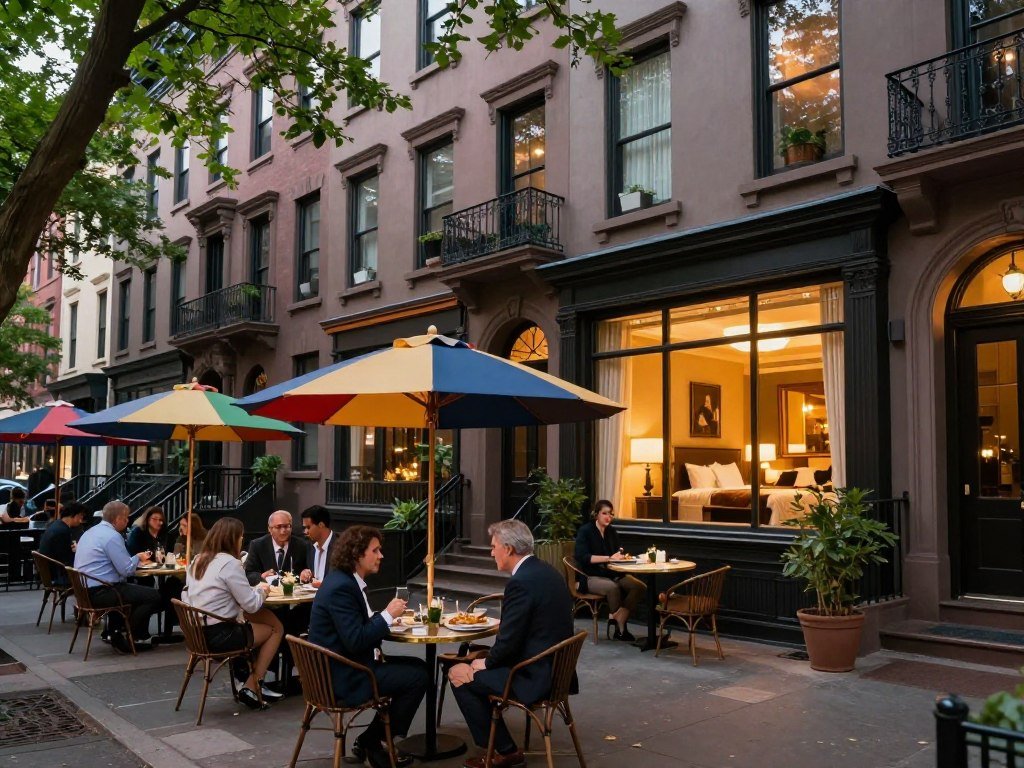
- The Marlton Hotel: This is a strong pick among the best hotels in Greenwich Village in NYC. It sits on 8th Street near Washington Square Park and NYU. Rooms are small, so the large lobby gives you a comfortable place to sit beyond your room. European-style breakfast and Margaux restaurant add easy dining options.
- The Bowery: Choose this hotel for roomy rooms and rooftop views. Some suites have terraces, giving you outdoor space above the city. Gemma restaurant adds a dining option inside the hotel. Its larger rooms may suit travelers who want time to unwind between downtown plans.
- The Beekman: A restored 1800s building and soaring atrium give this hotel a striking historic interior. It has 287 rooms and a Financial District setting. The location works well when your plans include Lower Manhattan, rather than a full schedule centered on Midtown.
- The Greenwich: This boutique hotel offers a quieter Tribeca base, with an inner courtyard cafe. Hudson River Park is nearby for a break from city streets. The setting suits travelers who want a calmer place to return to after neighborhood walks.
- AC Hotel New York Downtown: Seaport puts this hotel near Wall Street, the 9/11 Memorial and Museum, and Battery Park. It fits an itinerary focused on Lower Manhattan sights and the waterfront. Nearby attractions can cut down on cross-city trips during a short visit.
These hotels suit different kinds of downtown days, so focus on the area you expect to explore most. A guide to hotels across New York City can help if you are still weighing hotel styles and neighborhoods. For a downtown stay, choose between a lively neighborhood base and a hotel that keeps more of your plans close to the waterfront.
Which Midtown Hotels Put Major Sights Within Reach?
For traditional luxury service, choose St. Regis New York; for a stay on the Times Square corner, The Knickerbocker is the direct pick. Midtown puts major sights close, with hotels that range from classic luxury to music-themed rooms.
Times Square convenience can mean a busier surrounding area, even when a hotel’s rooms feel calm. Think about both the street outside and the space where you will sleep. These five hotels offer different ways to stay near the Empire State Building, Broadway, and other Midtown sights.
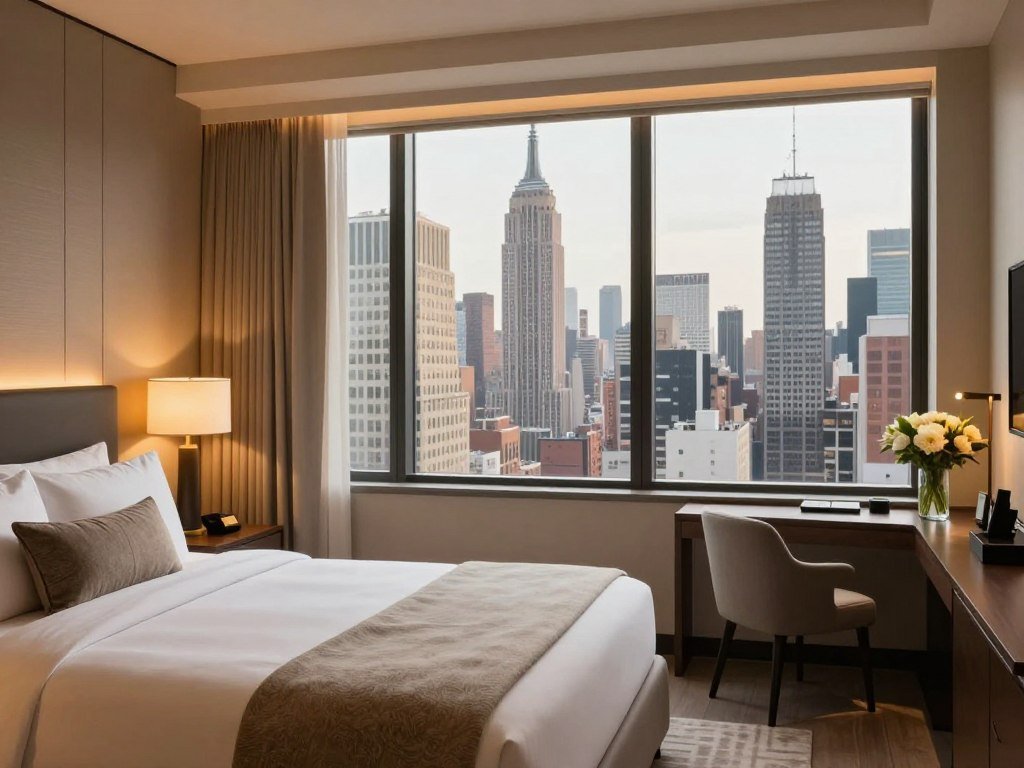
- St. Regis New York: Every room is a junior suite, and service includes a butler. That setup suits travelers who value personal attention and more space for relaxing. It is the pick here for traditional luxury service in the heart of the city.
- Waldorf Astoria New York: The hotel reopened after refurbishment in February 2026. Art Deco influences shape its restored character, and all rooms are suites. Choose it when historic design and a separate living area matter to your stay.
- Langham New York: This hotel sits on Fifth Avenue near the Empire State Building. Its address suits visitors who want a central base for landmark visits and Midtown walks. Many rooms also have small kitchens, a useful feature for some trips.
- The Knickerbocker: Built in 1906, this hotel stands on the corner of Times Square. Its soundproofed rooms offer a quieter place to rest after time in the busy area. It is a clear choice for a theater-focused visit.
- Hard Rock Hotel New York: Music-themed spaces and several bars and restaurants give the hotel a lively feel. A rooftop bar offers another place to spend an evening without leaving the property. Its location near Times Square makes it easy to reach nearby shows.
In a central hotel, the room can feel removed from the busy streets, but your walk outside still starts in that setting. Consider whether a night near theaters and late dining suits your pace. If a central address is your priority, confirm that the hotel’s immediate surroundings suit the kind of evenings you want.
Where to Find Boutique Hotels in NYC With Distinctive Design
PUBLIC is a good match for travelers happy to trade a compact room for generous shared spaces, while Crosby Street Hotel puts design at the center of a SoHo stay. Boutique style varies, so look at the room as closely as the lobby.
A boutique hotel does not promise either a large room or a lower rate. Compare its location, room space, and the features you will use. The five picks below range from design-led stays to a simple base beside a major station.
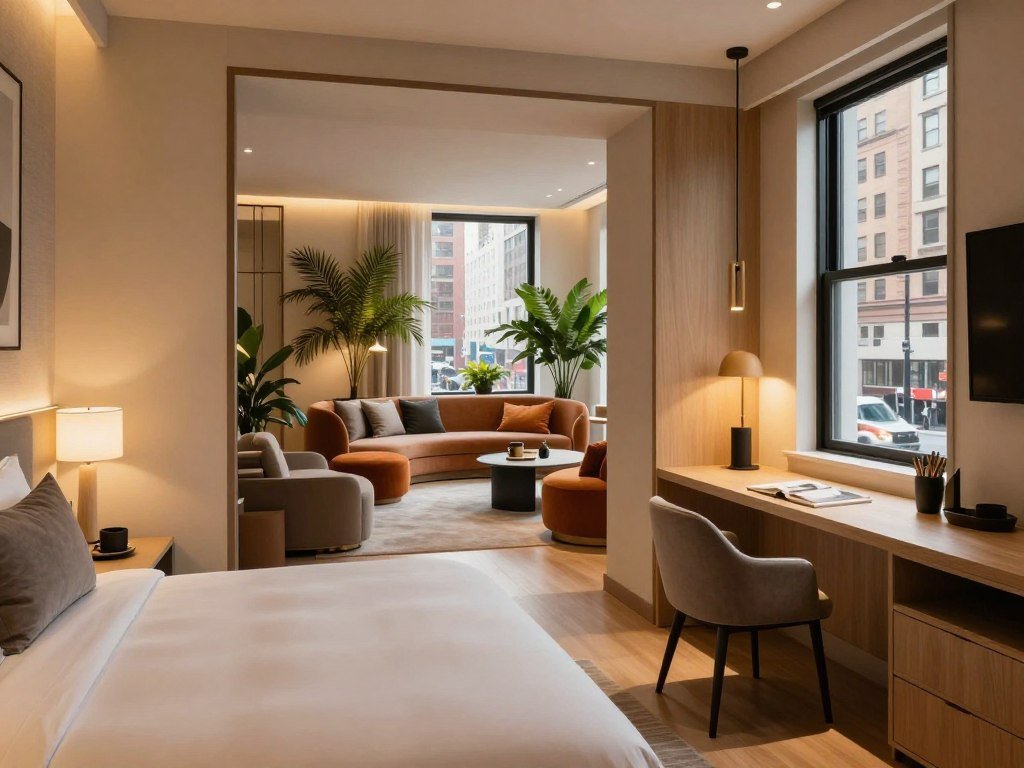
- Crosby Street Hotel: Kit Kemp designed this SoHo property, which opened in 2009. Its distinctive design makes it a strong choice when the hotel’s look is part of the stay. SoHo also puts shops, restaurants, and downtown streets nearby.
- PUBLIC: Rooms are intentionally small, while large shared spaces fill the two lower floors. That balance works for travelers who spend little time in their rooms and enjoy places to sit outside them. The room trade-off is clear from the start.
- The Ned NoMad: Formerly the NoMad, this hotel offers a European-style feel and Cecconi’s restaurant. It suits guests who want a distinct design and an on-site place to dine. Think about how often you will use those shared spaces.
- Moxy Times Square: Small rooms and a sink in the bedroom corridor make this a compact choice. It can fit a short, nightlife-oriented stay, when you plan to spend most of your time out. The room may feel tight if you expect to lounge indoors.
- Hyatt Grand Central New York: Next to Grand Central Station, this hotel offers a straightforward base with easy transit access. It is a practical option when location matters more than a distinctive boutique feel. You can start your day close to major subway connections.
The word “boutique” describes a small, independently styled property, not a set room size or price level. A compact room may still be a good fit if you plan to spend your time exploring. For a more affordable boutique stay, compare the room layout and location first, then decide whether the design details justify the rate you are quoted.
Which NYC Hotel Styles Suit Couples and Families?
Couples often get more from a well-placed, characterful room, while families usually benefit from a separate living area or kitchenette. Match the room to your routine, since quiet time, meals, and sleep can shape the feel of a New York stay.
Room layout matters more when several people share one space. A suite can give a family a place to sit after a day out, while a smaller room may suit two travelers who spend evenings dining nearby.
A memorable stay for two
The Marlton suits a Greenwich Village couple’s trip built around neighborhood walks and dining. Its intimate feel and convenient location may matter more than a large room when you plan to spend most of the day out. A small room can work well when the hotel’s setting is part of the experience.
More room for family routines
Conrad New York Downtown offers suites with separate living areas, giving families room to sit apart from the sleeping space. Langham New York may be a better fit when a kitchenette would help with simple meals. Many of its rooms have small kitchens.
| Travel style | Prioritize | Check before booking |
|---|---|---|
| Couples | Comfortable room, walkable dining | Bed type and room size |
| Families with children | Separate living area, adjoining rooms | Occupancy limit and adjoining-room availability |
| Longer stays | Kitchenette and useful storage | Kitchen equipment in the room category |
Hotel room names do not guarantee the same layout at every property. Occupancy, adjoining-room availability, and kitchen equipment can depend on the exact room category. Confirm the exact room type and occupancy limit before paying, especially when more than two people will share one room.
What Does a New York Hotel Stay Cost?
A New York hotel listing can start at $91 per night, but your dates and room choice determine whether that starting point applies. That figure is a starting listing, not a promised price for every stay.
KAYAK’s New York hotel listings start at $91 per night in 2026, and its New York hotel page features 16 hotels in 2026. A listing snapshot can help you set an early budget, but it does not mean the same rate will appear for your dates. Rates can change with demand.
New York hotel prices vary by season and events. Dates around a major event may cost more than quieter dates, while different room types can have very different nightly totals. A room with extra space may suit your group better, but it can raise your lodging spend.
Booking conditions also affect the price you see. A rate with stricter cancellation terms may differ from one that allows changes, and mandatory fees can change the total. Compare the full cost for your stay rather than treating the first number on a search page as your budget.
The lowest listed rate may not include the location or space you need. A cheaper room far from your daily plans may add transit time, while a compact room may not suit a larger group. Compare the total for your exact dates and room type, not just the lowest nightly figure shown in a listing.
When Should You Book a New York Hotel?
For comfortable days spent exploring on foot, September and October are strong choices; for a quieter post-holiday visit, consider January or February. The right month depends on your plans, especially if you want long walks or fewer crowds.
January and February are often quieter months for visitor demand after the holiday period. September and October suit travelers who want comfortable city walks. Holidays, major events, and school breaks can change that pattern.
Good walking weather can make a full day outside more enjoyable. Central Park, the High Line, and museum visits fit naturally into a trip with plenty of walking. Plan a route by area so you spend less time crossing the city between stops.
If you have fixed dates, look at the event calendar before you settle on a month. A major event or school break can bring more visitors, even during a period that is usually quieter. Restaurant reservations and popular attractions may also need more planning on busy dates.
For flexible travel, compare a few date ranges and consider how you want the city to feel. A cooler, quieter winter visit may suit museum days, while fall can make long walks more appealing. Check the event calendar for your exact dates before treating any month as a guaranteed low-demand period.
What Should You Check Before Booking?
Before you reserve, verify the exact room and total payable amount rather than relying on a headline rate or a general property description. Room details can differ by category, even at the same hotel.
A room photo or hotel-wide description does not guarantee the setup in your booking. Check the details tied to the exact rate and room you select. Use this short list before paying.
- Confirm the total price, including mandatory fees. U.S. Federal Trade Commission rules require mandatory hotel fees to appear in advertised prices.
- Read the cancellation and deposit terms. These conditions depend on the booking rate, so check the rules attached to your selection.
- Verify the bed type and occupancy limit for the room category. Do not assume every room has the same setup.
- Check what breakfast includes and whether it comes with your rate. A breakfast label may cover different meals and terms.
- Review recent transit and construction information for the hotel address. Nearby work can affect the routes you plan to use.
Keep the booking details together once the reservation is complete. That makes it easier to compare your confirmation with the room and rate you chose. Save the written confirmation and check that the booked room, occupancy, and cancellation terms match what you selected.
Do You Need to Stay in Manhattan?
Manhattan is the most direct choice for a trip centered on Times Square and the Empire State Building, but it is not the only workable base. Choose by your daily route, since subway service connects Manhattan, Brooklyn, and Queens.
The best base is the borough where you expect to spend the most time. Manhattan keeps many first-time sightseeing plans close together. Brooklyn or Queens can fit a trip focused on those boroughs if subway travel works for your schedule.
| Base | Best fit | Plan for |
|---|---|---|
| Manhattan | Midtown sights, Broadway, major museums | Busy streets and subway rides across the borough |
| Brooklyn | Plans centered on Brooklyn neighborhoods | Subway trips to Manhattan sights |
| Queens | Plans centered on Queens or nearby transit | Subway time for Midtown visits |
Manhattan places Times Square and the Empire State Building in the same borough, which can simplify a short sightseeing trip. Brooklyn and Queens are connected to the city subway, but your daily stops still determine how convenient they feel. A New York itinerary for three to five days can help you group sights by area and plan transit.
Do not choose a borough only because it sounds quieter or more local. If most of your plans are in Manhattan, repeated subway rides can take time from each day. Map the first and last trips of each day before booking outside Manhattan, since those journeys shape how convenient the stay feels.
Which Hotel Amenities Are Worth Prioritizing?
The most useful hotel amenity is the one that solves a real part of your day, such as breakfast before an early start or a place to unwind after dinner. Usefulness beats a long feature list when you are choosing what matters in a hotel.
Pick amenities you will use often, not ones that only look appealing in photos. Breakfast can save time if you need to leave early, especially when a nearby meal would slow your morning. Think about whether the breakfast option fits your routine.
An on-site restaurant or bar can help after a late arrival, when you may not want to find another place to eat. A shared lobby or lounge can matter more than a larger room if you need somewhere to sit outside your room. The best choice depends on how you spend time at the hotel.
Choose one or two amenities you will use repeatedly, rather than treating every listed feature as added value.
A room, meals, and local transit each affect the ease of a stay in different ways. A view can be memorable, but it may matter less than a convenient meal or a place to rest between plans. Prioritize one or two amenities you will use repeatedly instead of treating a long list of features as added value.
Conclusion
The right New York stay is the one that makes your own itinerary easier, not the one with the longest feature list. A well-placed room can save travel time, while the right layout can make mornings and evenings more comfortable.
Start with the neighborhood that fits your plans, then compare room types and total costs for your exact dates. Read the booking terms before you commit, especially if your plans could change. Choose your preferred neighborhood, compare the exact room and total for your dates, and reserve only after the terms match your plans.
FAQ
How many 7 stars hotels are there?
What are the top 10 must-sees in New York City?
What is the best month to travel to New York?
What not to do in New York as a tourist?
Is $2000 enough for 5 days in New York?
What is the cheapest month to go to NYC?
How much should a 4 day trip to NYC cost?