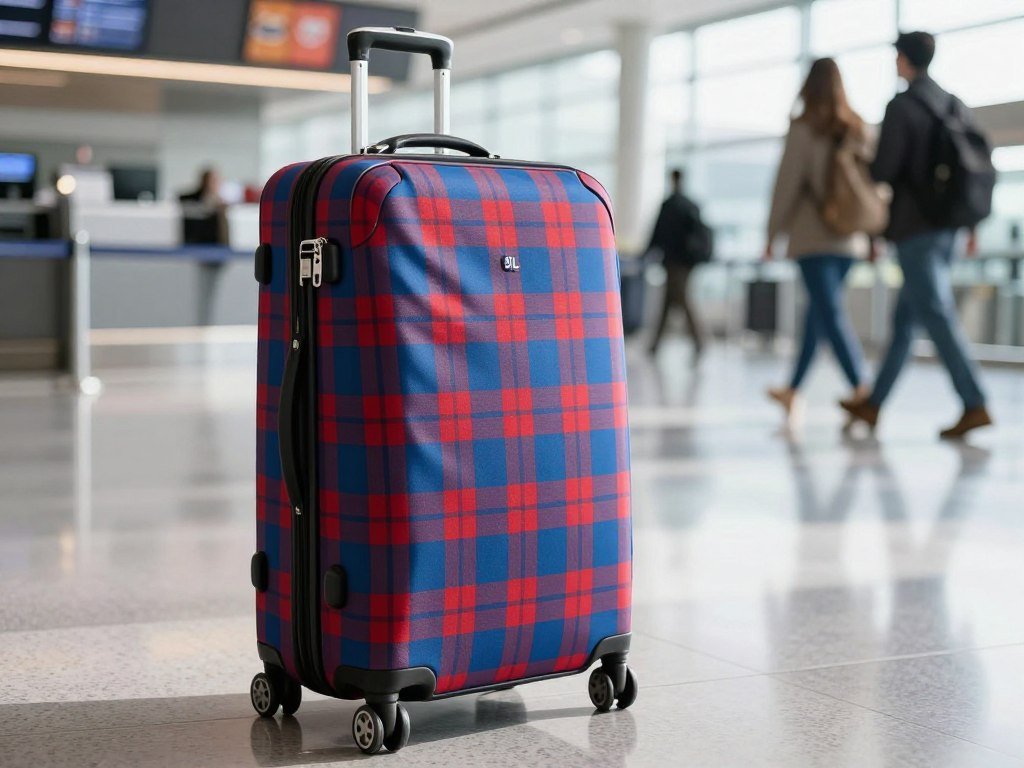
A large checked case can simplify a longer trip, but the best choice is one you can pack without making airport limits an afterthought. The right size affects what you bring, how easily you move through the airport, and how much weight you manage. An 80-liter case can suit some travel plans, but it is more room than every traveler needs. A short visit, frequent laundry access, or a light packing style may call for a smaller bag. This roundup compares capacity, construction, handling, and alternatives, so you can judge how each choice fits your trip. Linear inches means the sum of a bag’s exterior length, width, and height. That measurement is one part of the decision; packed weight and your travel plans matter too. You can also consider your wider bag needs through these handbag style and shape ideas. The right pick should match both the length of the trip and the way you travel.
Key Takeaways
- July Checked Luggage is listed at 80 liters and suits trips of one to two weeks.
- Compare a case’s usable room with its empty weight and exterior size.
- Shell material, handle fit, and wheel layout affect daily handling.
- Airline rules can vary by carrier, ticket, and route.
- A soft duffel may work better for some small-aircraft trips.
July Best Check-In Luggage 80L Capacity: Which Option Fits?
July Checked Luggage is the clearest fit for a traveler who wants a hard-shell case for a trip lasting one to two weeks. Its stated 80-liter capacity gives you one full-size suitcase for a longer trip, rather than a small weekend bag. For a July checked luggage review, the listed specifications offer a practical way to assess fit, but they do not establish independent test results or ratings.
The 80-liter case makes sense when your usual packing load fits its intended trip length. Consider how much clothing, footwear, and gear you bring, then weigh those needs against the case’s materials and features. A named feature can help with use, but it does not prove that a suitcase suits every traveler. Your habits matter: some people pack light, while others need room for several shoes or specialist equipment.
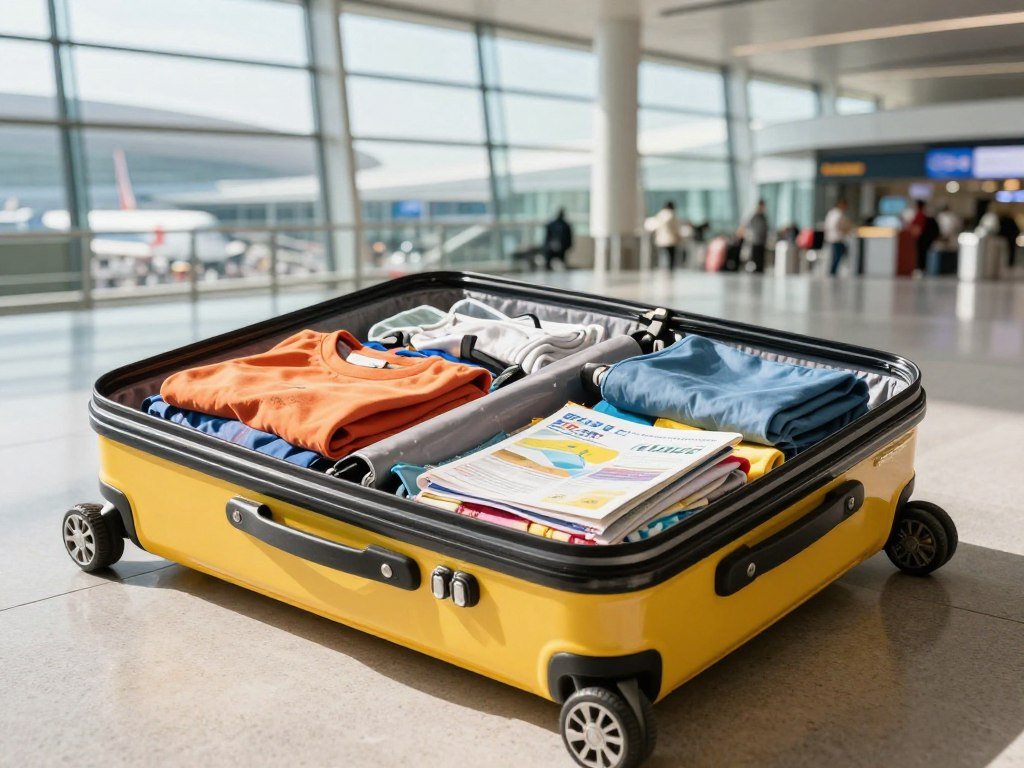
Choose July Checked Luggage only if its capacity matches what you can carry within your airline’s rules.
The product is a large check-in option for travelers who want a hard-shell case and a defined amount of room. You may prefer a smaller suitcase for short trips, or a different large checked bag if you need more measured space. Compare how you pack on real trips instead of relying on the bag’s name alone.
One full-size case can make packing simpler when your clothing and trip length stay fairly steady. A changing itinerary may call for more flexibility, especially if you bring extra gear or expect to return with purchases. Choose it only if its capacity matches what you can carry within your airline’s rules.
What Fits in a Smaller Checked Suitcase?
A light packer on a weekend away may need less room than someone bringing several pairs of shoes or cold-weather layers. Small checked luggage suits a short trip when you can keep your items to a modest load. As a general packing rule of thumb, a weekend may take about 3-5 outfits, depending on weather, laundry access, and planned activities.
A small checked suitcase suits light packers and short trips, but bulky clothing or equipment can make it frustrating. Start by setting out what you need, rather than choosing a case by its outside appearance. A few bulky items can take more space than several thin outfits. If shoes shape your packing plan, use this guide to choose walking shoes for travel that suit your trip.
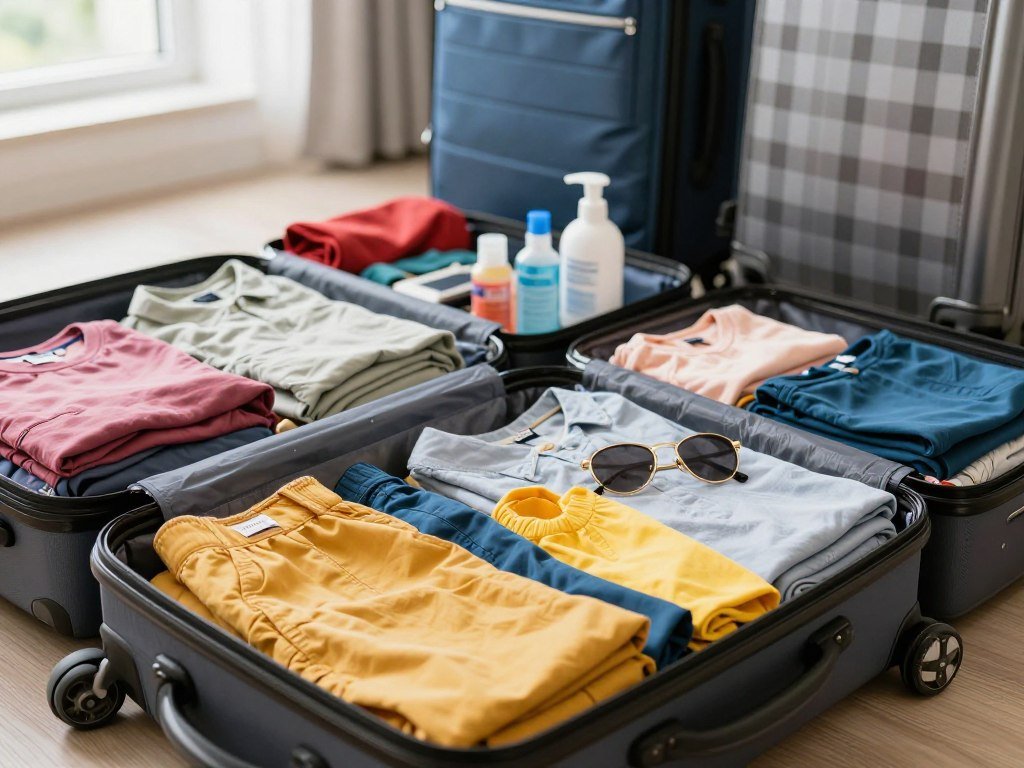
For a short trip, sort the main items into four groups:
- Outfits for each planned day.
- An extra layer for changing weather.
- Shoes suited to your activities.
- Toiletries you use each day.
A bulky pair of shoes can use space that might otherwise hold another outfit. Specialized gear, such as sports equipment or hiking items, can also change the size of bag you need. Check how much laundry access your destination offers; finding a laundromat while traveling may help you pack for fewer days.
July Checked Luggage is the larger option covered in this guide, so it may be more case than a weekend traveler needs. A small bag can still feel cramped when you bring thick clothing, several pairs of shoes, or equipment that cannot fold. Lay out the bulky items first, since they determine whether a smaller case is realistic.
How Does July Compare With Other Large Check-In Bags?
A larger measured compartment does not automatically make the best checked suitcase if the case itself is heavy or its exterior size is a poor fit. The options below differ in measured capacity, empty weight, and outside dimensions. Those details help you decide whether you value maximum space, a lighter empty case, or an established soft-sided alternative.
Compare each model’s weight and dimensions as well as its reported room. Travelpro Platinum Elite Large Check-In has the greatest measured capacity in this group. Samsonite Freeform Large Spinner has the lowest listed empty weight. Briggs & Riley Baseline Large Expandable Spinner offers a soft-sided option, while Away The Large falls between the others by measured capacity.
| Model | Measured capacity | Empty weight | Exterior dimensions |
|---|---|---|---|
| Travelpro Platinum Elite Large Check-In | 128.8 liters | 11.7 pounds | 29.5 x 20.5 x 13 inches |
| Away The Large | 99.2 liters | 11.6 pounds | 29.0 x 20.5 x 12.5 inches |
| Samsonite Freeform Large Spinner | 112.5 liters | 9.4 pounds | 31.1 x 20.9 x 13.8 inches |
| Briggs & Riley Baseline Large Expandable Spinner | 92.5 liters | 13.7 pounds | 29.0 x 20.25 x 12.5 inches |
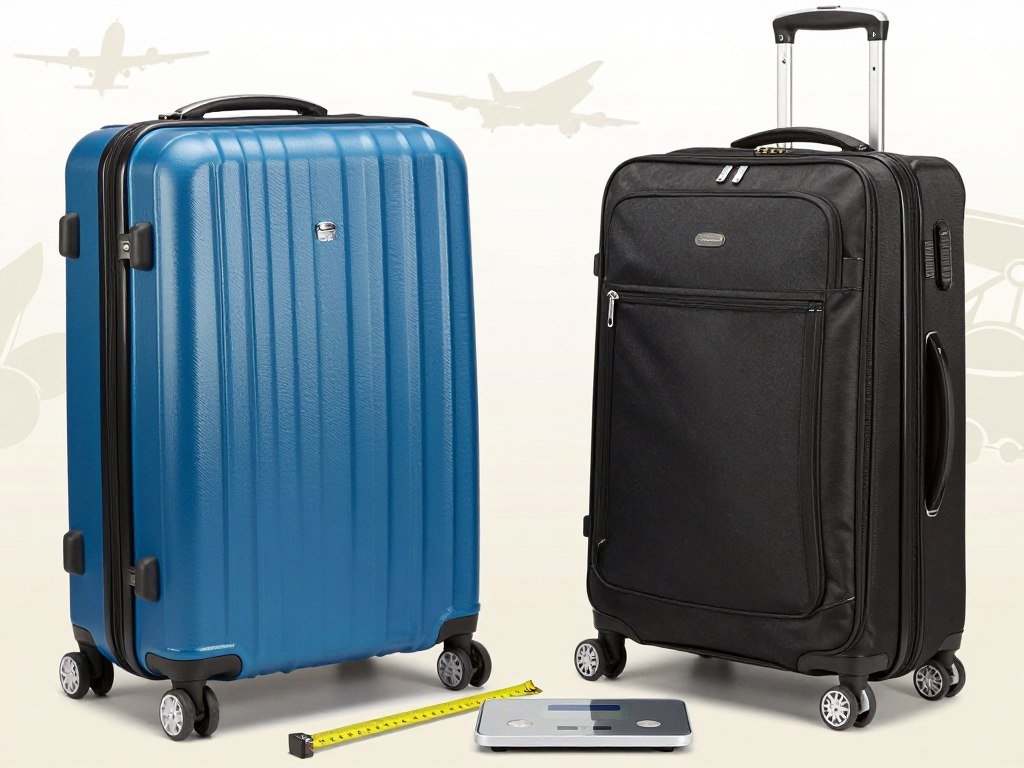
These measured capacities are not directly equivalent to July’s stated capacity unless they use the same measurement method. Treat them as useful comparisons among these four cases, not as a direct ranking against July. A roomy compartment can be useful when you pack bulky items, but the case’s empty weight affects the load you begin with.
The soft-sided Briggs & Riley model may suit shoppers who value that format and its listed space. A traveler focused on carrying a lighter empty case may favor Samsonite’s listed weight. Compare the packed weight and outside measurements, not capacity alone.
What Is July’s Shell Made Of, and What Protects Its Corners?
July Checked Luggage pairs a German polycarbonate shell with reinforced corner protection. Its listed construction includes an aerospace-grade German polycarbonate shell and anodized aluminum corner bumpers. Those materials describe what the case is made from, not how it will fare under every handling condition.
Corner bumpers reinforce exposed impact areas, but they cannot make checked luggage immune to damage. Polycarbonate is the hard-shell material around the main body of the case. The bumpers add protection at the corners, where luggage can meet hard surfaces during handling. They are a specific protective feature, not a promise that scuffs or dents will never occur.
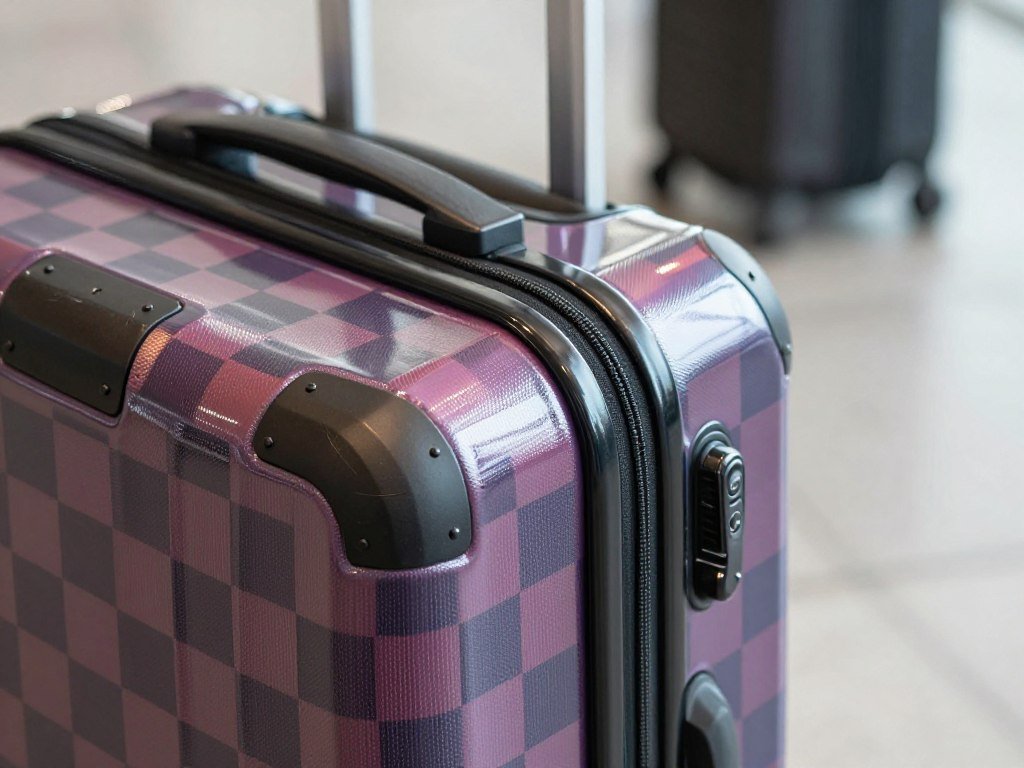
For a traveler who prefers a rigid exterior, the shell offers a firm structure around packed items. Still, a hard case can show marks after travel, and corner protection does not cover every surface. Consider how you handle and store your bag, along with the listed materials, when judging construction.
Durability depends on how a case is used and handled, so a material name alone cannot predict its lifespan. The listed bumpers give the corners added support, while the shell forms the rest of the exterior. Treat the bumpers as added protection, not a guarantee against rough handling.
Can You Set the Handle to a Comfortable Height?
A 20-height handle gives travelers more adjustment choices than a fixed-position trolley handle. July Checked Luggage has a telescopic handle with 20 height settings. That range lets you choose a position that better suits your reach while rolling a loaded bag.
A handle setting can improve reach, but it cannot make an overloaded suitcase easy to lift. Before a trip, check how the grip feels in your hand and how the handle extends and retracts. A setting that feels comfortable while standing still should also let you walk without leaning toward the case.
Try the handle with the suitcase upright and empty, then repeat the check after packing. A handle that slides smoothly when unloaded may feel different when the bag carries a full load. Check that each setting stays in place as you pull the case across a room.
People have different reaches, so a broader range of settings gives you more positions to try. Use the setting that lets your arm rest naturally instead of reaching down or lifting your shoulder. Set the handle before loading the case so you can test its reach without straining.
What Is Inside the July Checked Luggage?
The interior pairs a water-resistant, stain-proof nylon lining with YKK Japanese zippers and an integrated TSA lock. These listed features affect the surfaces you pack against, how the case opens, and how you secure its closure. The lining resists water, but it is not a substitute for protecting items that must stay dry.
An integrated TSA lock is a travel lock feature, not a promise that belongings cannot be accessed or lost. A lock can secure the zipper pulls during ordinary travel, while the lining helps with everyday spills and marks. Keep sensitive items in suitable protective packaging instead of relying on the lining alone.
Inspect three features before you travel:
- Lining condition: look for tears, loose seams, or stains.
- Zipper travel: open and close each zipper along its full path.
- TSA lock operation: test the lock while the case is empty.
These checks can show whether the interior opens and closes as expected before clothes press against the sides. A zipper can feel different when the case is full, so avoid forcing it around tightly packed items. Keep fragile belongings in a protective case within the suitcase when needed.
The lining’s water-resistant quality may help with minor moisture, but it does not make the contents waterproof. The lock also does not prevent loss or guarantee that no one can access the bag. Test the zipper and lock while the suitcase is empty, before they are under packing pressure.
How Do the Compression System and Laundry Bag Help?
The Y-Strap system holds clothing down while the laundry bag gives worn items a separate place. July Checked Luggage includes a stain-proof nylon laundry bag and the July Y-Strap compression system. Together, they help keep clean clothes in place and separate used clothing during a trip.
Compression can reduce shifting or bulk, but it does not lower the actual weight of packed items. Lay clothes flat beneath the Y-Strap, then secure the strap to hold them in place. Put worn clothes in the laundry bag instead of mixing them with clean items.
The laundry bag gives used clothes a defined spot, which can make unpacking at home simpler. It also helps keep worn items apart from the rest of your packing. If you carry travel documents or backup cards, choose a travel wallet for the items you access most instead of burying them beneath clothing.
Straps can hold garments more steadily when you close and move the case. They may make the space look neater, but they do not change the total load. The laundry bag also takes up some room when it is full, so account for its contents as you pack.
Compression helps manage clothing, not the suitcase’s weight. A tight fit can make the contents easier to organize while leaving the scale reading unchanged. Weigh the packed case after compressing it, since a neater fit can still be overweight.
How Do the Wheels Affect Movement Through the Airport?
July calls its wheels SilentMove, while the layout still determines how a loaded suitcase travels beside or behind you. A four-wheel spinner can roll beside the traveler, while a two-wheel rolling bag is pulled at an angle. Wheel layout shapes how you move through open airport space and tighter turns.
No wheel layout removes the need to lift a loaded bag over obstacles. A spinner can move upright alongside you, which may feel convenient in a busy terminal. A two-wheel case follows behind at an angle, and a wheelless carry bag must be carried.
| Wheel layout | How it moves | Main tradeoff |
|---|---|---|
| Two-wheel rolling bag | Pulled at an angle | Requires pulling force |
| Four-wheel spinner | Rolls beside the traveler | Must be lifted over obstacles |
| Wheelless carry bag | Carried by hand or shoulder | Full load stays on the traveler |
SilentMove is July’s name for the wheels on the case, while movement also depends on the floor and load. A heavy suitcase may be harder to steer, even with four wheels. Uneven pavement, door tracks, and curbs can interrupt rolling and may call for a lift.
Try turning the bag in a small space, then roll it across a longer stretch. Pay attention to whether it tracks beside you or pulls away when loaded. Try rolling the packed case over the kinds of surfaces you expect to encounter.
Should You Choose a Hard-Shell or Soft-Sided Case?
Choose hard-sided luggage for a structured case, or soft-sided luggage when flexible fabric and outside pockets matter more. July Checked Luggage uses a hard polycarbonate shell, while soft-sided luggage has a fabric exterior. Each style suits different packing needs and ways of traveling.
Four-wheel spinners are a practical layout for large checked cases because they reduce the need to hold the full load at arm’s length. That can matter with either shell style, especially when the bag is heavy. The shell choice still comes down to your contents, access needs, and handling preferences.
When a hard shell is the better fit
A hard shell gives you a structured exterior around the packed contents. Travelers who want a firm case may prefer that shape, especially when they do not need outside pockets. Scratches can show on a hard-sided case without stopping it from serving its basic purpose.
Hard-sided luggage is not free from wear, and a scratch can remain visible even when the case still works. Choose this style when a firm outer shell matters more than quick access to items from an exterior pocket. The structure also means you cannot press the fabric inward around a tight storage space.
When soft-sided luggage makes more sense
Soft-sided checked luggage is more likely to have external pockets, which can make small items easier to reach. Its fabric can flex, but it can also be vulnerable to rips or tears. A pocket helps with access, though it adds another area that may catch or wear during travel.
Fabric can suit a traveler who values outside storage and a less rigid shape. Hard shells can show scratches, while soft sides carry their own risks from snags and tears. Match the shell to the contents and use, rather than assuming one material is always tougher in every situation.
What Size Checked Bag Do U.S. Airlines Allow?
For many major U.S. airlines, the standard checked-bag size limit is 62 linear inches. Linear inches means the sum of the bag’s exterior length, width, and height. Wheels and handles may count toward those exterior measurements.
Measure the full outside of a packed suitcase, including parts that stick out when the airline counts them. Several major carriers use the same common size limit, but some airlines list different limits. Their current rules can also depend on your specific itinerary, ticket, or route.
| Carrier or carrier group | Standard size limit | Standard weight limit |
|---|---|---|
| American Airlines, Delta Air Lines, United Airlines, JetBlue Airlines, Alaska Airlines, Southwest Airlines | 62 linear inches | 50 pounds |
| Frontier Airlines | 62 linear inches | 40 pounds |
| Allegiant Air | 80 linear inches | 50 pounds |
American Airlines, Delta Air Lines, United Airlines, JetBlue Airlines, Alaska Airlines, and Southwest Airlines list a standard 50-pound checked-bag weight limit. Frontier lists 62 linear inches for size, while Allegiant lists an 80-linear-inch size limit and a 50-pound weight limit. The standard size and weight limits can help you compare carriers, but the route and fare terms still matter.
A carrier’s rules may differ by ticket or route, so check the rule for your exact itinerary. A case that fits one airline’s standard limit may not meet another carrier’s listed terms. Measure the outside of the packed case, including protruding wheels and handles where the airline counts them.
How Much Do Checked Bags Cost, and What Happens If They Are Heavy?
On domestic U.S. flights, the first checked-bag charge ranges from $39-$99+ among the listed carriers as of May 2026. The price depends on the airline and bag number. Each price below applies per direction.
Overweight fees may apply in addition to the standard checked-bag charge. American Airlines, Delta Air Lines, United Airlines, JetBlue Airways, and Frontier Airlines list these first- and second-bag prices as of May 2026.
| Airline | First checked bag | Second checked bag |
|---|---|---|
| American Airlines | $45-$50 | $55-$60 |
| Delta Air Lines | $45-$50 | $55 |
| United Airlines | $45-$50 | $55-$60 |
| JetBlue Airways | $39-$59 | $59-$79 |
| Frontier Airlines | $53-$99+ | $63-$117+ |
Southwest Airlines lists a first-bag price of $45 and a second-bag price of $55. Alaska Airlines lists the same amounts. Those prices also apply per direction as of May 2026.
Most of the named major airlines list a standard checked-bag weight limit of 50 pounds. Frontier’s standard limit is 40 pounds, with a $75 fee for a bag weighing 41-50 pounds and a $129 fee for a bag over 50 pounds. These penalties apply to the stated weight bands.
Before flying, check three details:
- Ticket or fare conditions.
- Route and direction.
- Bag weight.
Prices can change by carrier and itinerary, and a second bag may cost more than the first. Weight fees can add to the regular bag charge, so the total cost may exceed the base price. Review the domestic checked-bag prices and overweight fees alongside your airline’s current terms.
As of May 2026, the listed prices are per bag and per direction, not round-trip totals. The weight bands matter most when your suitcase is near the carrier’s limit. Recheck the carrier’s current fee and weight rules before travel, especially if the packed bag is close to its limit.
Should You Get the Standard July Checked or the Expandable Version?
Pick the standard case for a predictable load, or the expandable model if a little more room is useful on the return trip. July Checked Expandable starts at 80 liters and expands to 90 liters, adding 10 liters. The extra capacity can help when you bring home souvenirs or add clothing during travel.
Expansion adds room, but it can also make overpacking easier. The expandable model has a Y-shaped compression system that helps cinch down clothing. That system can hold garments in place, but it does not change the outside size or weight rules that apply to your flight.
Choose the standard Checked for a set packing load
The standard Checked suits a traveler who packs a similar amount for each trip. A fixed packing load can make the case easier to plan around, especially when you already know what fits. If you rarely return with extra purchases, an expansion feature may not add much value.
A set capacity can also discourage last-minute additions that do not fit your planned load. Think about whether your typical packing list changes between departure and return. The right version depends on that habit, not just the largest number on a product page.
Choose Checked Expandable for extra room
Checked Expandable offers an extra 10 liters when opened, which may help with souvenirs or added clothing. More room can be useful on the return leg, but it can tempt you to carry more than you planned. A larger packed load can also make the suitcase harder to move.
Expanded luggage still has to meet the airline’s exterior size and weight rules. The extra space does not excuse a bag that exceeds those limits. Use the expansion only when the added contents still fit your carrier’s limits.
How Does July’s Built-In Tracking Work?
July integrates a tracker that can pair with Apple Find My or Android Find Hub, so a separate tag is not required for that feature. July’s product information describes the tracker as TSA Lock-approved. Pairing begins by pulling a tab and connecting the case with a phone.
Tracking can help you locate a suitcase, but it cannot prevent delays, loss, or mishandling. July describes privacy protection as encrypted network sharing, with location details kept private unless you choose to share them. Treat tracking as a way to help find a bag, not as a guarantee about its handling.
Set up the feature in three steps:
- Pull the pairing tab from the case.
- Connect through Apple Find My or Android Find Hub.
- Confirm the case appears alongside your other devices.
Once paired, the suitcase should appear in the phone’s device list. Check that the connection works while you are near the bag, rather than waiting until you need to locate it. Your phone’s app and settings determine how you view its location.
The encrypted network-sharing feature is designed to keep location details private unless you choose to share them. A tracker may still be affected by delays or the way a bag is handled. Pair and test the tracker at home rather than waiting until a bag is missing.
What Does July Offer for Warranty, Price, and Buying?
July’s U.S. product site lists the Checked Plus at US$365 and the Checked Luggage Cover at US$85. July also lists its Carry On at US$295. The Carry On is a different product, not a substitute for a checked-size case.
July offers a lifetime warranty on Checked Luggage. The product site states 100-day returns and free shipping across the U.S. These are the listed terms; check the product page for any details that apply to your order.
To buy July luggage, start with July’s U.S. product site and compare the case with related options. The checked model, cover, and Carry On serve different needs, so decide which product you want before ordering. A cover is an accessory, while the Carry On is a separate bag size.
The listed lifetime warranty applies to Checked Luggage. The site also lists a 100-day return period and free shipping across the U.S.; these terms should not be read as a promise beyond their stated wording. Confirm the current product details and applicable terms on July’s U.S. site before placing an order.
When Is a Soft Duffel a Better Choice Than a Suitcase?
A soft duffel is worth considering when a safari operator or small-aircraft connection will not accept a hard case. Some safari itineraries use small aircraft, puddle jumpers, or helicopters with bag restrictions. Check the operator’s exact rules before choosing your luggage.
The listed ballistic-nylon duffel holds 85 liters, weighs 6.2 pounds empty, and carried about 10 days of clothes. It may hold up to 14 days of summer clothing without bulky trekking gear. Its stated measurements are 31.5 x 14 x 12 inches, and it does not expand.
Soft luggage for safari and small-aircraft itineraries
A soft bag may suit routes where an operator restricts hard cases. Rules can differ among safari flights, small planes, and helicopter transfers, so do not assume one duffel works for every trip. Confirm both the permitted dimensions and the required bag material with the operator.
The 85-liter capacity and 6.2-pound empty weight give you a roomy option that starts lighter than many large cases. The stated clothing range is about 10 days, or up to 14 summer days without bulky trekking gear. It has a five-year product warranty.
A soft duffel can be useful in three situations:
- Safari connections with small aircraft.
- Limited storage space at home.
- Trips where a soft bag is required.
A light, packable option for flexible storage
The ballistic-nylon body is soft, and the duffel folds into its own zipped pouch. That self-stowing design can help when you need to put the bag away between trips. The bag has two stability straps, two compression straps, and one zippered pocket.
Its two-wheel layout can be harder to pull when the duffel is overstuffed. A soft body may fit storage spaces that reject a rigid case, but it can still be awkward when packed heavily. The bag does not expand, so its stated capacity remains fixed.
Check the operator’s exact bag dimensions and material requirements before choosing a soft-sided alternative.
Its five-year product warranty is specific to this duffel, not a general promise about all soft bags. The folded pouch can help with storage, while the wheel layout still affects movement when the bag is full. Check the operator’s exact bag dimensions and material requirements before choosing a soft-sided alternative.
Conclusion
July Checked Luggage is the most straightforward choice here for travelers whose packing needs fit its stated capacity. Its hard-shell format may suit you, while a different size or soft bag may better match another trip. You do not need a large checked case if your plans call for less room.
Before buying or flying, measure the packed case and check your airline’s current rules. That small step can help you avoid a poor size fit or an unexpected issue at check-in. Measure the case and confirm your carrier’s rules before committing to a bag.
FAQ
Is July good quality luggage?
Is July better than Samsonite?
What is the largest luggage size for check-in?
What happens if my checked bag is 1 inch too big?
What is the best large checked luggage?
Who makes the best large suitcases?
How big is a 62 inch checked bag?
Is it better to get a hard or soft suitcase?