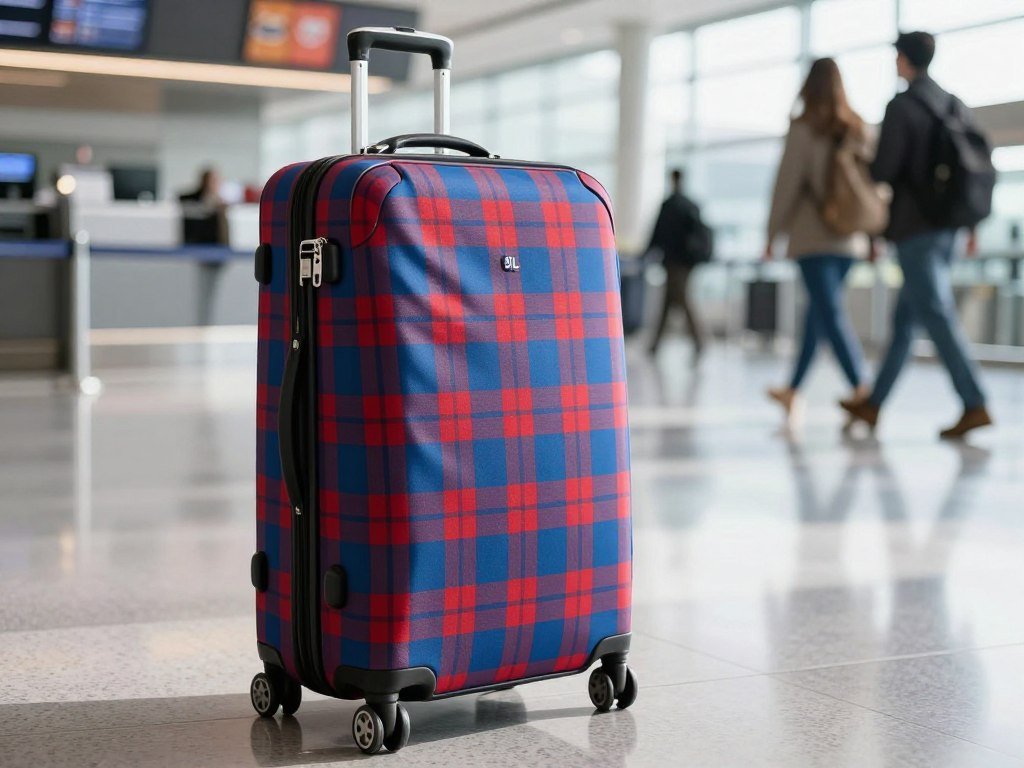
A suitcase that works beautifully for a weeklong flight can be awkward on a short road trip or train transfer. The best luggage for you depends on trip length, packing habits, travel mode and how much weight you want to lift. A case that rolls well through an airport may feel too large in a crowded car trunk.
This roundup compares measured capacity, empty weight, dimensions and price across checked bags and carry-ons. You’ll also find budget and premium options, plus practical advice for choosing luggage that suits your plans. Tested measurements describe the cases reviewed here; general packing rules are starting points, not promises about what fits your load.
Linear inches means a checked bag’s height, width and depth added together. That measurement can help you compare a case with common airline limits, though each airline sets its own rules. Start by deciding whether you most need easy overhead-bin handling, extra packing space or a case that can take frequent travel.
Key Takeaways
- Travelpro earned the highest scores among the checked bags and carry-ons compared here.
- Samsonite Freeform models offer lower-priced alternatives, with different sizes and features.
- Capacity, empty weight, exterior dimensions and packed weight all affect your choice.
- Choose a spinner for easy turns indoors, or a roller for pulling over rough ground.
- Expansion adds room but can increase the case’s exterior size.
- Check your airline’s current size and weight rules before you travel.
Best Luggage Picks Compared
The Travelpro Platinum Elite Large Check-In is the strongest overall checked-bag pick here, while the Away and Samsonite suit different budgets and packing styles. Travelpro leads with a 2026 score of 91 and the largest measured capacity in this comparison.
The table gives the measured capacity, empty weight, dimensions and listed price for each suitcase. Travelpro combines 128.8 L of capacity with an expandable design, while Away offers a smaller, non-expandable hardside luggage option.
| Model | 2026 score | Measured capacity | Weight | List price |
|---|---|---|---|---|
| Travelpro Platinum Elite Large Check-In | 91 | 128.8 L | 11.7 lbs | $485 |
| Away The Large | 82 | 99.2 L | 11.6 lbs | $375 |
| Samsonite Freeform Large Spinner | 69 | 112.5 L | 9.4 lbs | $300 |
Before choosing the biggest capacity, check whether you can keep the packed case within your airline’s weight limit.
Travelpro measures 29.5 by 20.5 by 13 inches and can expand when you need more room. Its removable garment compartment separates dress clothes, and its self-aligning wheels help the case track smoothly. Those features can be useful on longer trips with work clothes or items that need a tidy place.
Away measures 29 by 20.5 by 12.5 inches and does not expand. Samsonite is expandable and weighs 9.4 pounds, the lowest empty weight of these three. Its measured capacity is greater than Away’s, though its exterior dimensions are also larger.
Travelpro’s roomy interior may tempt you to pack more than you can comfortably lift. Think about the length of your trips, your usual load and how far you’ll carry the bag. A suitcase that feels manageable at home can be tiring across a large terminal.
Which Carry-On Has the Best Balance of Capacity and Weight?
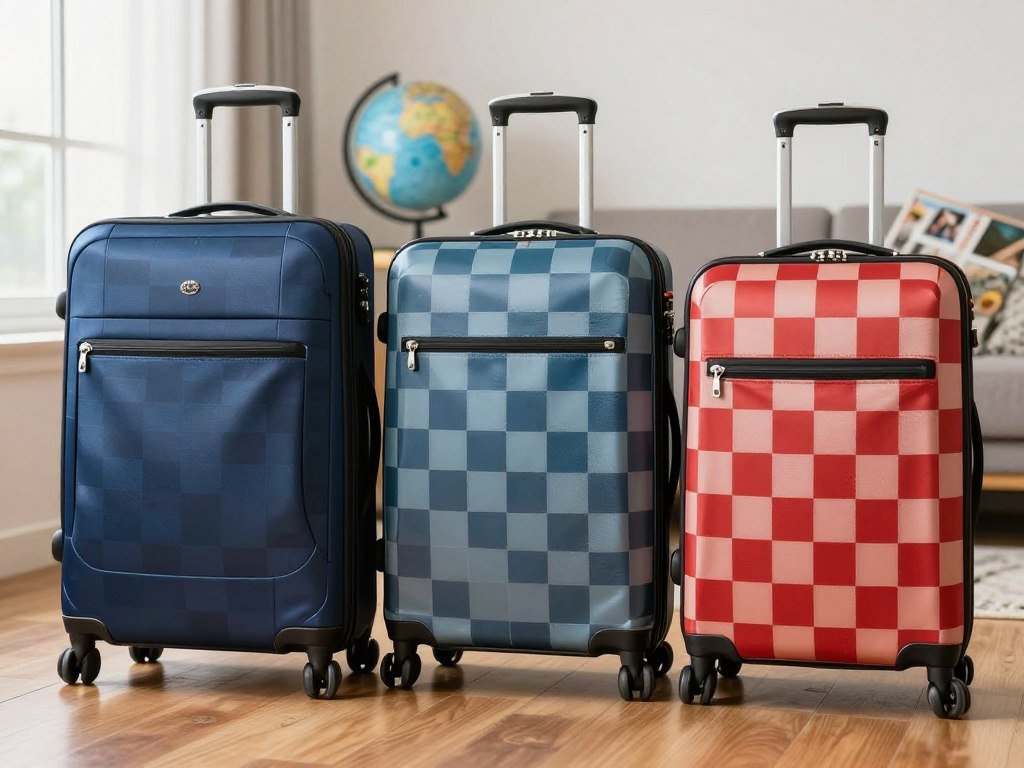
The Travelpro is the strongest all-around carry-on in this comparison, but the lighter Samsonite holds more before expansion. For the highest score, Travelpro earns 92; for the most measured capacity and lowest weight, Samsonite leads these three models.
The table compares each suitcase before expansion, so the capacities are measured on the same basis. Samsonite holds 41.2 L at 6.6 pounds, but its exterior measurements exceed a common domestic carry-on benchmark.
| Model | 2026 score | Non-expanded capacity | Empty weight | Expandable |
|---|---|---|---|---|
| Travelpro Platinum Elite Carry-On | 92 | 40.0 L | 8.1 lbs | Yes |
| Away The Carry-On | 82 | 35.5 L | 7.4 lbs | No |
| Samsonite Freeform Spinner | 69 | 41.2 L | 6.6 lbs | Yes |
Travelpro costs $390 and offers the highest test score. Away costs $275, weighs 7.4 pounds and does not expand. Its adjustable compression panels help hold clothing in place, while a separate laundry bag keeps worn items apart.
Samsonite costs $220 and is both the lightest and roomiest before expansion in this group. Its 23-by-15-by-10-inch dimensions are larger than the common domestic carry-on benchmark. A larger capacity does not mean a case meets every airline’s rules.
A spinner can make short turns easier in a crowded cabin, but its dimensions still matter more than the label on its tag. Airline rules can differ by carrier and fare. Measure the fully packed case, including wheels and handles, against the airline’s current rules.
Which Luggage Brands Offer the Best Value?
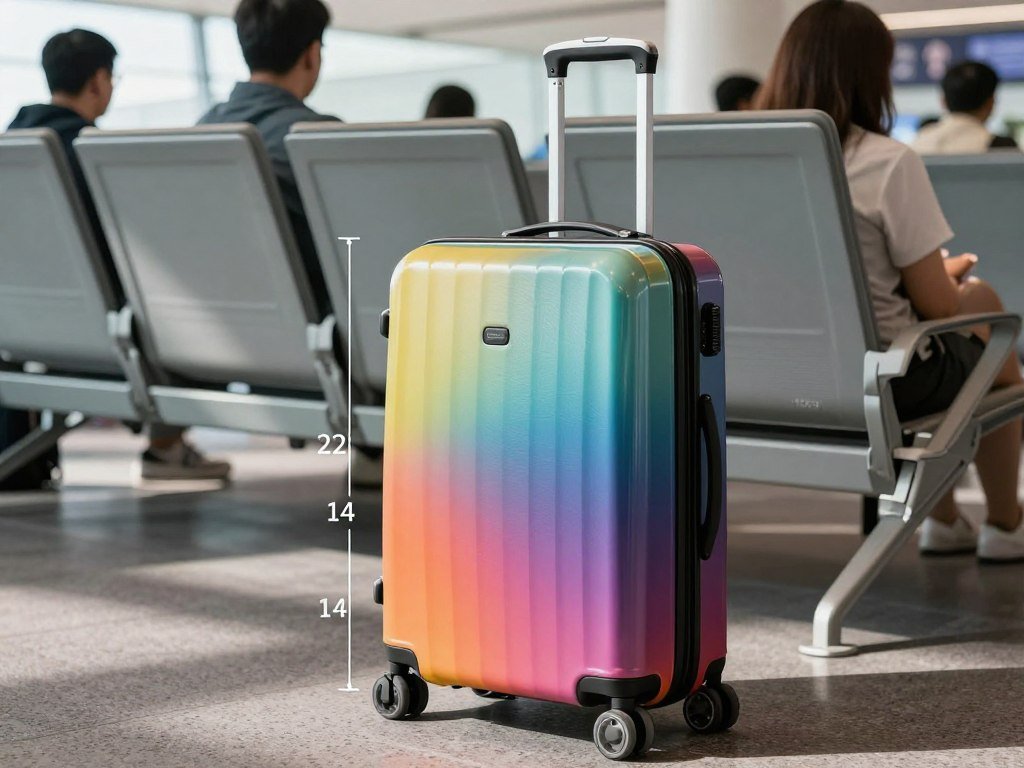
American Tourister is the lowest-price brand in these examples, while Samsonite offers more choices across carry-on and checked sizes. For practical budgets, compare the exact model’s materials and features rather than relying on a brand name alone.
Good Housekeeping named Samsonite its top luggage brand in 2026 and reported prices from $89 to $500. Samsonite spans small hardside carry-ons and larger checked bags, while American Tourister’s 2026 range ran from $70 to $190.
Samsonite and American Tourister for practical budgets
The Samsonite Freeform Hardside Medium Checked was listed at $175 in 2026. Its polypropylene shell expands, giving you extra packing room when needed. The Samsonite UpLift Softside Carry-On was listed at $149 and has outer pockets, a built-in USB port and a luggage sleeve.
American Tourister’s hardside luggage typically uses ABS, a plastic often found in lower-cost cases. Its tested bags were lightweight and easy to use. The Pop Max three-piece set was listed at $191, with large, medium and carry-on bags, outer pockets and zippered expansion.
| Brand or model | 2026 listed price | Construction or feature | Best use |
|---|---|---|---|
| Samsonite Freeform Medium Checked | $175 | Expandable polypropylene | Medium checked packing |
| Samsonite UpLift Carry-On | $149 | USB port and outer pockets | Carry-on organization |
| American Tourister Pop Max set | $191 | Three expandable bags | Several trip lengths |
| American Tourister Air Move Carry-On | $70 | Rolled smoothly through turns | Low-cost carry-on use |
The Air Move Carry-On was listed at $70 in 2026 and rolled smoothly through twists and turns. The Pop Max set may suit you if you use all three sizes, though storing unused pieces takes room.
Away’s organized hardside carry-on
Away The Carry-On was listed at $275 in the 2026 comparison. Its polycarbonate shell, adjustable compression panels and separate laundry bag suit travelers who like a more organized interior. Those features explain its appeal better than a brand’s own claims about reputation.
The right value depends on how often you will use each feature. Outer pockets can save time, while expansion can add room at the cost of a larger packed case. Compare the exact model’s materials and useful features rather than judging a brand by its entry price alone.
Which Checked Bag Suits Longer Trips?
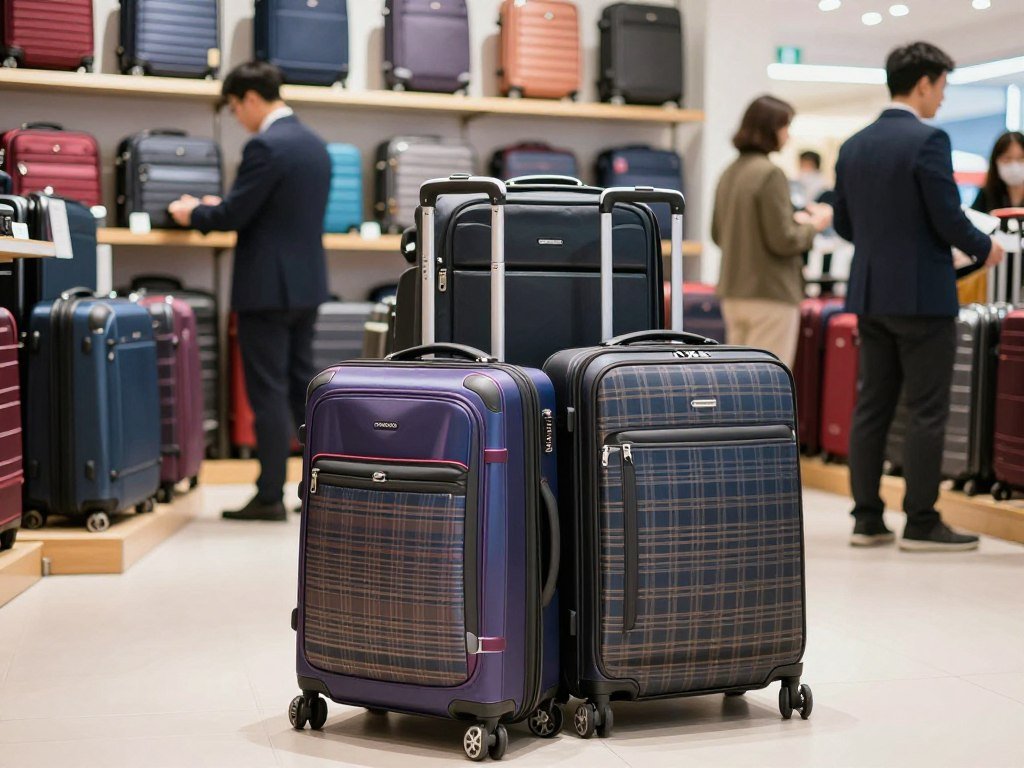
For multiweek travel or shared family packing, prioritize room and organization before choosing a case by appearance. Longer trips need planning around capacity, packed weight, useful compartments and the chance that luggage may get separated from you.
The July Checked expandable suitcase was listed at $395 in 2026 and includes a built-in tracking device. A tracker can help you locate the case, while interior organization can keep shared packing easier to sort.
Expansion can help when you bring back gifts or pack for changing weather. A checked case that expands differs from an expandable carry-on such as the Roam, which can add 30% more room. Those are different bag types, and extra space does not make either one suitable for every route.
A fully expanded case may be awkward in a small rental car or on crowded trains. It can also invite you to pack more than you planned. Consider the full load, including shoes, toiletries and the items you expect to bring home.
Families sharing one large case may find organization more useful than an oversized empty compartment. Keep separate packing cubes or bags for each person, so you can find daily essentials without unpacking everything. This approach also makes it easier to spot whose items are adding the most weight.
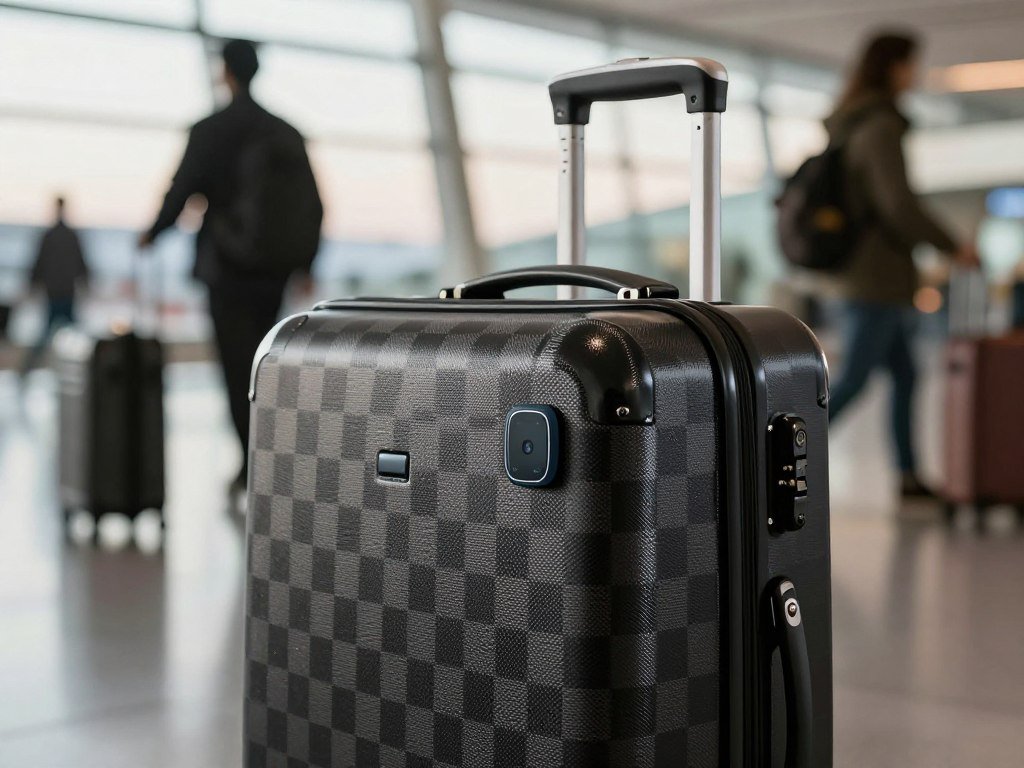
Weigh a fully packed checked bag at home so added expansion does not turn useful space into an overweight fee.
Which Luggage Brands Are Worth Comparing?
A useful brand shortlist spans value-focused makers such as American Tourister and Samsonite through premium names such as Rimowa and Briggs & Riley. Start with your travel habits, then compare the models that fit your budget and storage space.
This is a practical shortlist, not a ranked top-ten claim. Condé Nast Traveler’s 2026 Readers’ Choice Awards received 798,867 votes and included American Tourister, Samsonite, Monos, July and Rimowa among readers’ favorites. That vote count shows reader interest, not a suitcase test result.
Value and everyday travel brands
These five brands are worth comparing for frequent or everyday travel:
- Travelpro, for travelers who want a work-ready case and frequent-use features.
- Samsonite, for a broad range of sizes, materials and price points.
- American Tourister, for lower-cost cases and sets.
- Away, for organized hardside carry-ons and simple interior layouts.
- July, for checked luggage with features such as built-in tracking.
The right pick depends on the model, not just the label. Two suitcases from one brand can differ in capacity, weight and how much storage they need at home. Check the exact product details before comparing its price with another case.
Premium and design-led brands
These five names offer more premium or design-forward options:
- Monos, for clean-looking cases and carry-ons with laptop pockets.
- Rimowa, for premium cases with a distinct design.
- Briggs & Riley, for business-focused bags and repair coverage.
- BÉIS, for travel bags with packing features and a style-led look.
- Roam, for customizable cases and expandable designs.
Premium brands can cost more, but a higher price does not prove that a case will suit your trips. Think about where you travel, how often you lift your luggage and whether you want a more formal look. The shortlist helps you compare types of choices, not crown one brand for every traveler.
Compare the warranty and the exact model’s dimensions before paying more for a brand name.
Will Your Carry-On Fit Your Airline’s Rules?
A case that looks compact can still exceed a carry-on limit once its wheels and handles are counted. Measure the full outside, not only the main shell, because airlines may include every part that sticks out.
A common U.S. domestic carry-on benchmark is 22 by 14 by 9 inches, but airline policies differ. The Carry-On reviewed by Condé Nast Traveler had a 34 L capacity and those dimensions in 2026. Check the operating airline’s own size and weight limits before you fly.
Some carriers count wheels and handles in the listed size. Rules can also differ for a basic fare or a connecting flight on another airline. Linear inches means the height, width and depth of a checked bag added together; 62 linear inches and 50 pounds are common checked-bag benchmarks, not fixed rules for every airline.
- Measure all outside parts, including wheels, handles and side pockets.
- Check the airline’s size and weight limits for your fare.
- Confirm the rules for every airline on a connecting itinerary.
A softside pocket packed full can change a bag’s shape. Measuring with the pocket empty may not show how the case fits when ready to travel. Check the bag in the same packed state you plan to take onboard.
Recheck the operating airline’s rules before every trip, especially when flying internationally or on a basic fare.
Which Shell Material Fits Your Travel Style?
Hardside shells favor structure and impact protection, while softside cases offer more flexibility and often more exterior storage. Your route matters: a case moved through busy baggage systems faces different handling than one packed into a car.
Common hardside materials include ABS, polypropylene, polycarbonate and aluminum. ABS is typically lighter than polycarbonate, while polycarbonate is generally more durable than ABS. Aluminum is more durable but heavier, and it may show scuffs with use.
Hardside materials and impact protection
An ABS shell can suit shoppers who want a light, lower-cost case. Polypropylene is another plastic used in hardside luggage. A polycarbonate shell can offer a more durable choice than ABS, though weight depends on the full suitcase design.
Aluminum offers a rigid shell, but the extra weight may matter when you need to lift a packed case. No material guarantees that a suitcase will come through rough handling without marks. Shell thickness, frame design and build quality vary by model.
Softside fabrics and flexible packing
Softside cases commonly use woven nylon, including Cordura or ballistic nylon, as well as polyester. Fabric can flex into a tight storage space or compress around the items inside. Exterior pockets give you quick access to items such as a sweater or travel papers.
That flexibility has limits. Softside luggage usually offers less impact protection than a hard shell, and fabric can rip if it catches on a sharp edge. A crowded trunk may favor a softside bag, while fragile items may call for more structure and careful packing.
Material names are a starting point, not a full measure of quality. Look at seams, corners, zippers and the way the case closes. Choose for the handling your trip involves, not a material label alone.
How Much Capacity Do You Need?
A 40 L backpack can carry a substantial load, but its exterior dimensions still determine whether it works as a personal item. Capacity is only part of the fit, since two bags with the same volume can have different shapes.
The Bagsmart Travel Laptop Backpack holds 40 L and measures 18.5 by 12.2 by 6.1 inches in 2026. It fits personal-item requirements for most airlines, but that does not promise acceptance on every flight. Trip length, bulky clothing and shared packing all affect how much space you need.
A compact bag of roughly 20 to 40 L can suit a short trip. A medium or large suitcase is often more practical for a longer stay, cold weather or multiple pairs of shoes. Laundry access can reduce what you need to pack.
Estimate these items before choosing a bag:
- Number of outfits you plan to wear.
- Footwear, including any bulky shoes.
- Cold-weather layers or rain gear.
- Souvenirs and purchases you may bring home.
If you share a case, count the packed items for everyone, not just your own clothes. Shoes and jackets can take more room than several light outfits. A narrow bag may also limit how you arrange larger items.
Leave a little unused space for the return trip if you expect to bring home purchases.
What Makes Luggage Easy to Roll and Lift?
Wheel design matters most when a trip includes crowded terminals, uneven sidewalks or frequent transfers. Test how it moves in more than one direction, since a case that feels smooth in a shop may behave differently when full.
A spinner generally has four wheels that swivel 360 degrees, while a two-wheel roller is pulled at an angle. Spinners turn easily in tight spaces, but they can roll away on inclines and have exposed wheels.
Spinner wheels or two-wheel rollers
A spinner can glide beside you through a crowded gate or narrow train aisle. The wheels make it easy to change direction without tilting the case. That design can be less convenient on cobblestone streets or rough pavement.
A two-wheel roller stays tilted as you pull it. Its wheels are often less exposed, and it can be easier to pull across uneven ground. On long walks, consider whether the handle feels comfortable at your usual pace.
Handles for stairs, trunks and overhead bins
Retractable trolley handles commonly use one or two posts. An adjustable soft-grip handle can help you find a comfortable height. A two-post handle also gives you a place to stack a smaller bag, though the load can affect balance.
Top and side grab handles help when lifting a case into a trunk or overhead bin. Check that each feels secure and sits where your hand can reach it. Try these simple tests before buying:
- Push the case in every direction.
- Test the handle at different heights.
- Lift the case by each grab handle.
Test the packed case’s balance before buying, since a comfortable empty handle can feel different under load.
Which Packing Features Make a Suitcase More Useful?
Compression features keep clothing in place, while expansion creates room for items you may not have planned to bring. Choose features for a reason, because an added panel or zipper can change how the case packs.
A compression panel presses clothes toward one side of the suitcase, while a strap holds a stack in place. Neither feature creates extra capacity; each helps keep the interior orderly during travel.
Compression panels and interior organization
A divider separates the inside into sections, while a packing cube groups smaller items for easy access. A laundry bag gives worn clothing its own place, and a suiter helps keep hanging garments together. These features solve different packing problems.
Away The Carry-On uses adjustable compression panels to hold clothing in place. BÉIS roller models include compression straps. The right compression system can limit shifting, but it will not make bulky items smaller or keep a bag within a set weight.
Expansion for extra packing space
Expansion adds room by opening a zippered section around the case. The Roam expandable carry-on can offer 30% more room. Five listed BÉIS models expand by an extra 2 inches.
Expansion can change the exterior size and encourage overpacking. A case that fits before expansion may be too large afterward, and extra items add weight. Use the added space for a specific need, such as a coat or return-trip purchases, rather than filling it by default.
Use expansion for a specific need and confirm the bag still fits the rules that apply to your trip.
What Warranty and Return Terms Should You Check?
A long warranty is useful only when its exclusions and repair process match the damage you are trying to cover. Read the terms by type of damage, since a promise about defects may not cover every problem.
Functional damage affects how a suitcase works, while a defect or workmanship issue points to a problem with its parts or build. Cosmetic wear may receive different treatment, and airline-caused damage may fall outside standard manufacturing coverage.
Read the warranty coverage carefully
Away suitcases had a lifetime limited warranty covering functional damage in 2026. The Travelpro Platinum Elite Large Check-In had a limited lifetime warranty for defects or workmanship. The phrase “limited lifetime” does not mean every type of damage receives free repair.
Briggs & Riley covers functional aspects of its bags for life, and airline-caused damage repairs may also be possible. Those terms differ from coverage focused on defects or workmanship. Check what proof you need and who pays for shipping or repair.
Check trial periods and returns
Away’s 100-day return policy in 2026 applied to unused items. Travelpro offered a 100-day trial with a full refund for the Platinum Elite Large Check-In. An unused-item return policy is not the same as a trial period.
Before ordering, check whether you must register the suitcase, save a receipt or contact the maker before sending it for repair. Read return conditions too, including packaging and shipping costs. A return window may help you test fit at home, but its terms still matter.
Save the warranty terms and proof of purchase somewhere separate from the suitcase.
Is Luggage on Amazon a Good Deal?
Amazon offers luggage from $57 in the 2026 examples, but the best value is the case whose fit and construction suit your trip. Price alone is not enough; tested features, dimensions and weight matter too.
Good Housekeeping named the Samsonite Freeform Hardside Expandable its best overall Amazon pick. It earned perfect ease-of-opening and closing scores and showed little damage in drop tests. Those test results give you more to compare than a discount alone.
| Model | 2026 listed or Amazon price | Verified test or construction detail |
|---|---|---|
| Samsonite Freeform Hardside Expandable | Price not listed here | Polypropylene; little drop-test damage |
| Amazon Basics 30-inch Hardside Large Checked | $94 | ABS; no major dents in drop tests |
| Samsonite Elevation Plus Carry-On Spinner | $240 list; $178 Amazon | Carry-on spinner |
| Samsonite Freeform Hardside Carry-On | $220 list; $119 Amazon | Hardside carry-on |
The Freeform Hardside Expandable measures 10 by 15.25 by 21.25 inches and weighs 6.5 pounds. The Amazon Basics 30-inch case measures 30.7 by 12.6 by 20.7 inches and weighs 11.8 pounds. Its ABS shell performed well in drop tests without major dents.
Good Housekeeping reported that Amazon luggage prices started at $57 in 2026, across hardside and softside suitcases, garment bags and duffels. The listed prices for the Elevation Plus and Freeform carry-on differ from their reported Amazon prices. They are examples, not guaranteed current offers.
A low price does not replace checking dimensions, weight, materials and return terms. Compare the checkout price and return terms at purchase time rather than assuming a listed discount will last.
What Luggage Works Best for Business Travel?
For business travel, quick access to a laptop and predictable handling can matter more than maximum packing volume. Keep work items close so you can reach them without opening the main compartment in a busy terminal.
The Monos Carry-On Pro Plus has a front pocket that fits a 16-inch laptop. An exterior laptop pocket can make screening and gate access easier, though the pocket may take space from the main interior.
Quick laptop access and organization
Think about what else you need to reach on the move, such as a charger, notebook or travel papers. A pocket can help keep those items together, but a full front compartment may press against clothing inside. Pack the case once before a work trip to see how the two spaces share room.
For personal travel documents, a travel wallet with space for essentials can keep papers and cards together. Place it where you can reach it during check-in without unpacking your work clothes.
Premium carry-ons for frequent trips
The Briggs & Riley Baseline Global Carry-On Spinner was listed at $729 in 2026. It received perfect scores for roomy interior, lightweight design and other evaluated features. Rimowa’s Essential Cabin carry-on was listed at $990 in 2026.
The two prices reflect different products and designs, not a promise that the higher-priced case lasts longer. Check how the handle feels at your height and how the case moves through tight turns. Test the packed dimensions and handle feel before relying on a carry-on for regular work trips.
Keep work essentials in a pocket you can reach without opening the main compartment.
What Luggage Works for Road Trips and Mixed Travel?
A road trip with a packed trunk calls for different luggage than a trip spent navigating airport concourses. Think about where the bag goes: car trunks, train racks, sidewalks and outdoor stops all affect which design feels useful.
Softside luggage can flex and compress into tight spaces, such as a crowded car trunk. Exposed spinner wheels can catch or get in the way when you slide a case into a packed vehicle or set it down on rough ground.
These choices suit different travel situations:
- Softside luggage for a crowded trunk that needs flexible packing.
- A spinner for frequent turns in indoor terminals and stations.
- A two-wheel roller for easier pulling over rough surfaces.
- A duffel for flexible loading into a car or train rack.
- A no-wheel bag for sand or ice where wheels can snag.
A duffel can squeeze into spaces that resist a rigid suitcase. The Calpak Luka is one example to consider when you want a soft bag. A tote can keep smaller essentials near you, and a roomy travel tote may also work for everyday use after the trip.
A crossbody bag can keep small essentials close while leaving your hands free. See these crossbody bag styles for travel days when deciding what you want to carry outside your main suitcase.
Test how the case fits your vehicle or storage space before taking a road trip.
How Should You Choose Between a Carry-On, Checked Bag and Set?
Choose the smallest bag that can comfortably hold what your trip requires, not the largest case you can afford. For a short, compact trip, a carry-on often works; a checked case is more practical for longer stays or bulky packing.
Trip length, clothing bulk and laundry access shape how much luggage makes sense. Count packed weight as well as capacity, since a roomy case can become tiring or costly when filled.
Match the bag to trip length
A carry-on often suits a few days when you can pack compactly. A medium check-in case gives you more room for longer trips, bulky clothing or several pairs of shoes. If you can do laundry, you may need fewer outfits for a longer stay.
Cold-weather layers and work clothes take more room than light daily clothing. Shared family packing can also shift the choice toward a checked case. A small bag leaves less room for extras, so plan the items you truly need before you pick a size.
Decide whether a set earns its space
A two- or three-piece set can cover different trip lengths if you regularly use more than one size. It makes less sense when one case will sit unused in a closet. Sets also need storage space between trips.
A set’s biggest suitcase may seem like a bargain, but an unused piece does not help you pack. Consider where each case will live and which sizes you reach for most often. Choose separate bags if their individual features suit your trips better.
Before ordering, write down your trip length, airline, essential items and available storage space, then choose the size that meets all four needs.
For help organizing passports, cards and other travel essentials, compare travel wallets for different packing needs. That small choice can keep key items together without taking up much suitcase space.
Count the packed bag’s weight before settling on a larger size, especially if you need to lift it into a car or train rack. A suitcase that fits your clothes may still be awkward to move. Keep the load manageable for the full trip.
Conclusion
The best choice is the case that fits your trip, your airline and the way you pack. Travelpro is the top-rated checked-case choice among the three compared, and its carry-on earned the highest score in that group.
Samsonite Freeform offers lower-priced checked and carry-on alternatives, with different capacity and weight tradeoffs. Choose based on the space you need and what you can lift, not just the price tag.
Measure the bag you plan to buy and confirm the airline’s size and weight rules before checkout.
FAQ
What size suitcase is best for a weeklong trip?
Is a hardside or softside suitcase better?
Are four spinner wheels better than two wheels?
Do expandable suitcases fit in overhead bins?
How many liters can a carry-on hold?
What should a luggage warranty cover?