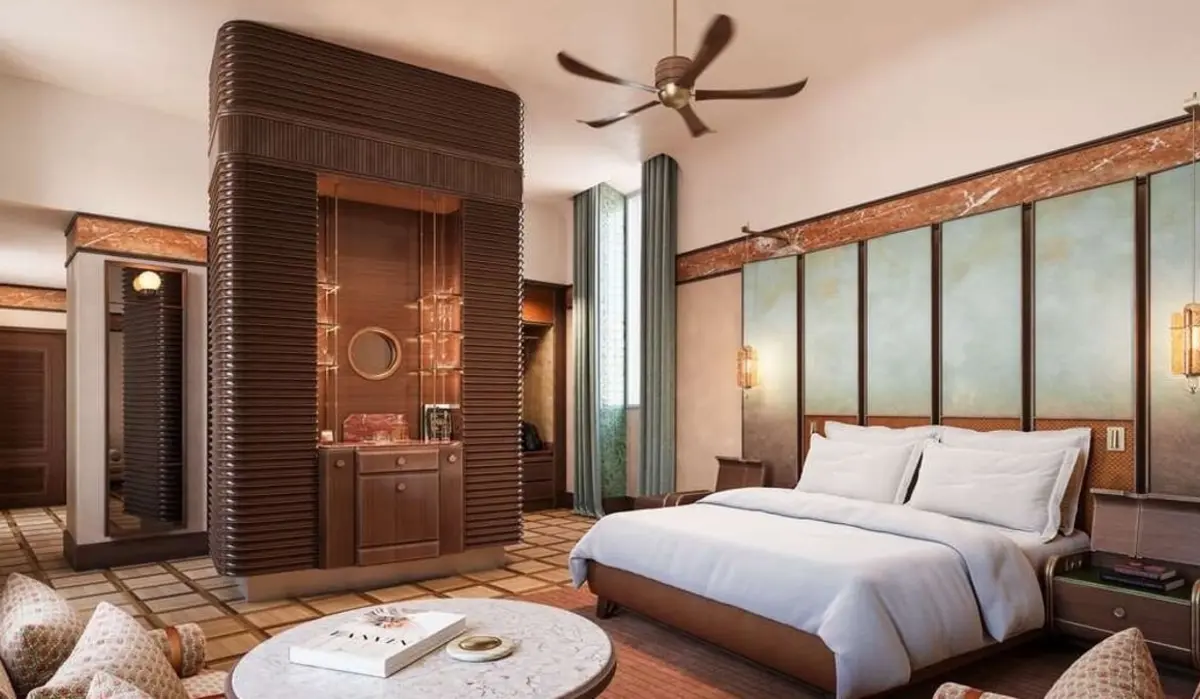
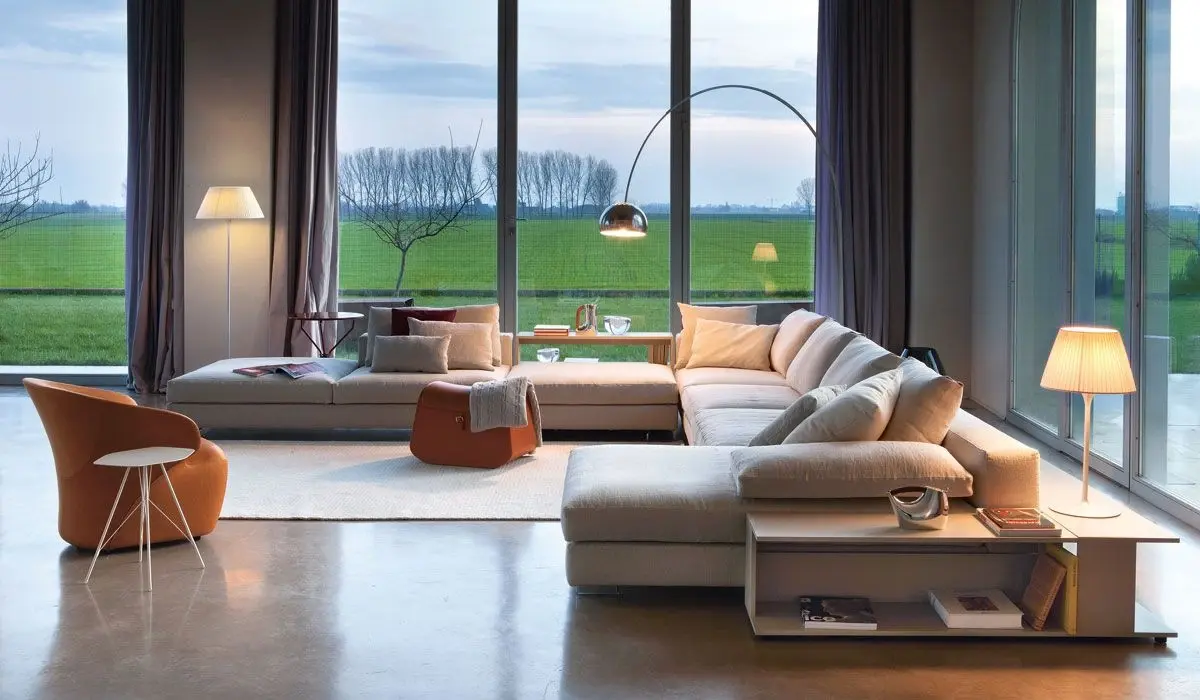
Designing a luxury home is about more than choosing expensive furniture, large rooms, or impressive finishes.
A truly luxurious home combines architecture, proportion, materials, lighting, technology, comfort, privacy, and personal taste into one cohesive environment.
The best luxury homes do not simply look expensive. They feel considered.
For Pravi Celer, modern luxury extends beyond travel, fashion, automobiles, and exceptional experiences into the spaces where people live. A luxury home is one of the most personal expressions of a modern luxury lifestyle.
What Makes a Home Luxurious?
A luxury home is generally distinguished by a combination of exceptional design, quality materials, craftsmanship, comfort, privacy, technology, and attention to detail.
Common characteristics include:
- Thoughtful architecture
- High-quality natural materials
- Custom interiors
- Spacious and functional layouts
- Exceptional lighting
- Premium kitchens and bathrooms
- Smart-home technology
- Private outdoor spaces
- Wellness areas
- Entertainment spaces
- Strong indoor-outdoor connections
- Personalized design
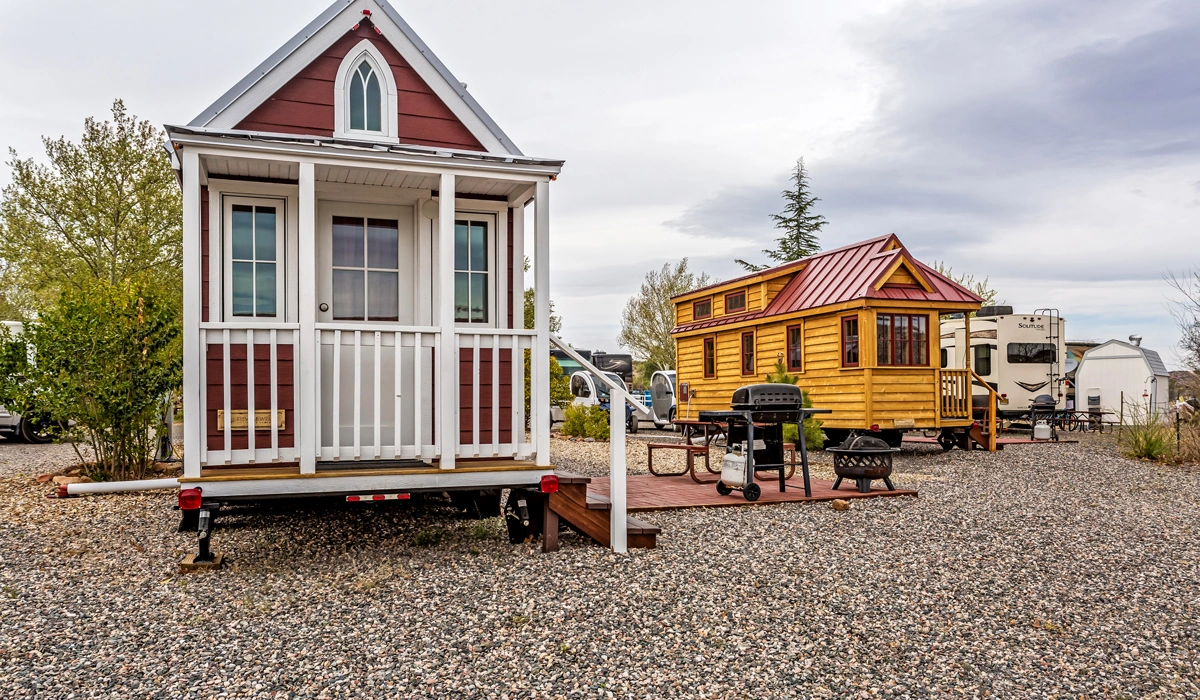
However, luxury does not have to mean extravagance.
A smaller home with exceptional architecture and craftsmanship can feel more luxurious than a much larger house filled with unnecessary features.
The objective should be quality and coherence rather than excess.
How to Design a Luxury Home
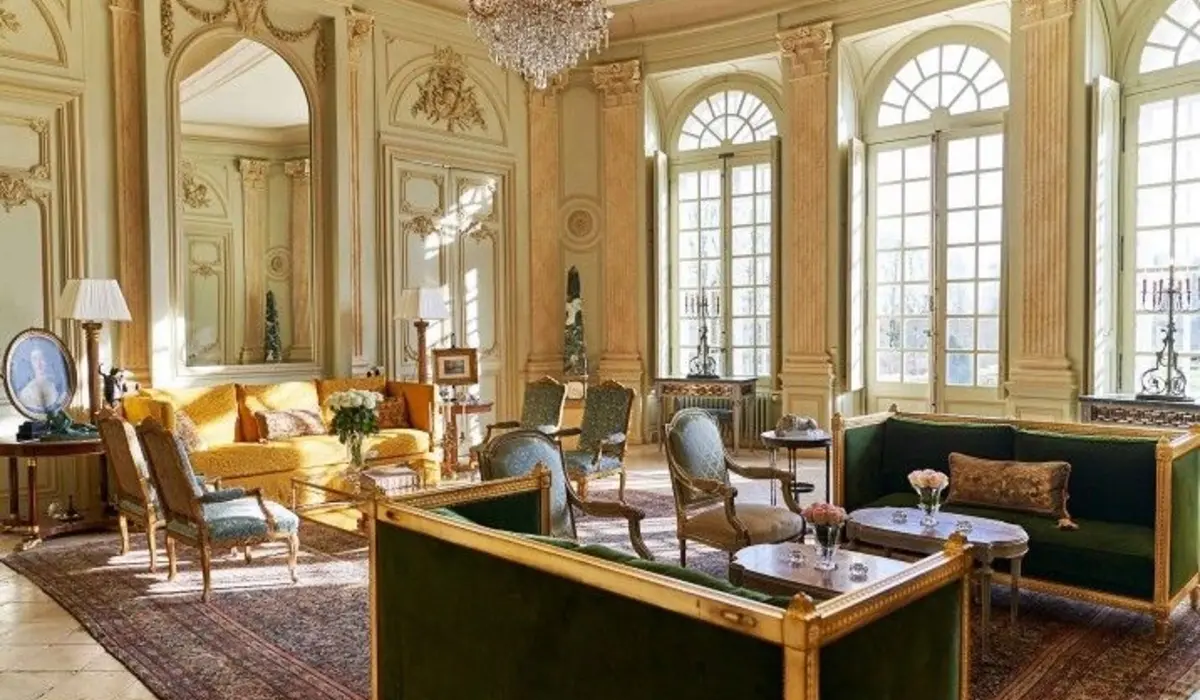
1. Start With the Architecture
The foundation of a luxury home is its architecture.
Before choosing furniture, colors, or decorative objects, determine how the building will interact with its location and the people who will live there.
Consider:
- Orientation
- Natural light
- Views
- Privacy
- Proportion
- Ceiling heights
- Circulation
- Outdoor connections
- Local climate
- Landscape
A luxury home should feel connected to its surroundings.
A coastal property may emphasize ocean views and outdoor living.
A city residence may prioritize privacy and views.
A mountain home may frame the landscape through large windows and carefully positioned living spaces.
The architecture should respond to the location rather than attempting to hide it.
2. Create a Strong Floor Plan
Luxury is partly about space but space needs to be organized well.
A successful floor plan should make movement through the home feel natural.
Consider creating clear relationships between:
- Entryway
- Living room
- Dining room
- Kitchen
- Bedrooms
- Bathrooms
- Outdoor spaces
- Entertainment areas
- Home office
- Wellness spaces
Large rooms are not automatically luxurious.
A well-proportioned room with excellent light, materials, acoustics, and furniture can feel more refined than an oversized room without a clear purpose.
3. Prioritize Natural Light
Natural light can transform an interior.
Large windows, skylights, glass doors, courtyards, and carefully positioned openings can bring daylight deep into a home.
When planning the design, consider how sunlight changes throughout the day.
Morning light may work beautifully in bedrooms and breakfast areas.
Afternoon and evening light can enhance living and entertaining spaces.
Natural light also helps connect interior architecture with the surrounding environment.
4. Choose Materials Carefully
Materials are one of the strongest visual and tactile components of luxury design.
Popular choices include:
- Natural stone
- Marble
- Travertine
- Hardwood
- Natural fabrics
- Metal
- Glass
- Leather
- Fine ceramics
- Bespoke woodwork
But using expensive materials everywhere is not necessarily the goal.
The better approach is to select materials that work together.
A restrained palette of stone, wood, metal, and fabric can create a sophisticated environment without making the house feel overly decorated.
5. Invest in Custom Details
Customization can separate a luxury home from a generic high-end property.
Consider:
- Custom cabinetry
- Built-in storage
- Bespoke furniture
- Custom lighting
- Architectural millwork
- Tailored window treatments
- Unique hardware
- Custom fireplaces
- Personalized kitchens
These details allow the home to reflect its owners rather than looking like a showroom.
6. Design the Kitchen as a Social Space
The modern luxury kitchen is often much more than a place to prepare food.
It can become a social and architectural centerpiece.
Features may include:
- Large islands
- Premium appliances
- Natural stone surfaces
- Custom cabinetry
- Walk-in pantries
- Wine storage
- Secondary preparation kitchens
- Integrated lighting
- Breakfast areas
The kitchen should balance visual beauty with practical functionality.
7. Make the Primary Suite an Experience
A luxury primary suite should feel like a private retreat.
The design can include:
- Generous bedroom space
- Private sitting area
- Walk-in dressing room
- Spa-inspired bathroom
- Freestanding bathtub
- Walk-in shower
- Double vanity
- Private terrace
- Carefully controlled lighting
The goal is not to add every possible feature.
It is to create an environment that feels calm, comfortable, and private.
8. Design a Luxury Bathroom
Bathrooms can become some of the most visually distinctive spaces in a luxury home.
Natural stone, sculptural fixtures, excellent lighting, large showers, soaking tubs, heated floors, and custom vanities can create a spa-like atmosphere.
But proportions matter.
A beautiful material palette combined with poor lighting or an awkward layout will undermine the result.
Luxury bathroom design should combine:
Beauty + comfort + functionality.
9. Bring the Outdoors In
Indoor-outdoor living is particularly powerful in luxury residential design.
Large sliding doors, terraces, courtyards, gardens, balconies, pools, and outdoor kitchens can extend living areas beyond the walls of the house.
This works particularly well when the architecture is designed around the surrounding landscape.
A luxury home should make the environment part of the experience.
10. Create a Private Outdoor Environment
Outdoor spaces deserve as much attention as interiors.
Depending on the property, consider:
- Swimming pools
- Outdoor kitchens
- Dining terraces
- Fire features
- Gardens
- Lounging areas
- Water features
- Private gardens
- Covered entertaining spaces
Outdoor design should complement the architecture rather than appearing as an afterthought.
Luxury Home Lighting Design
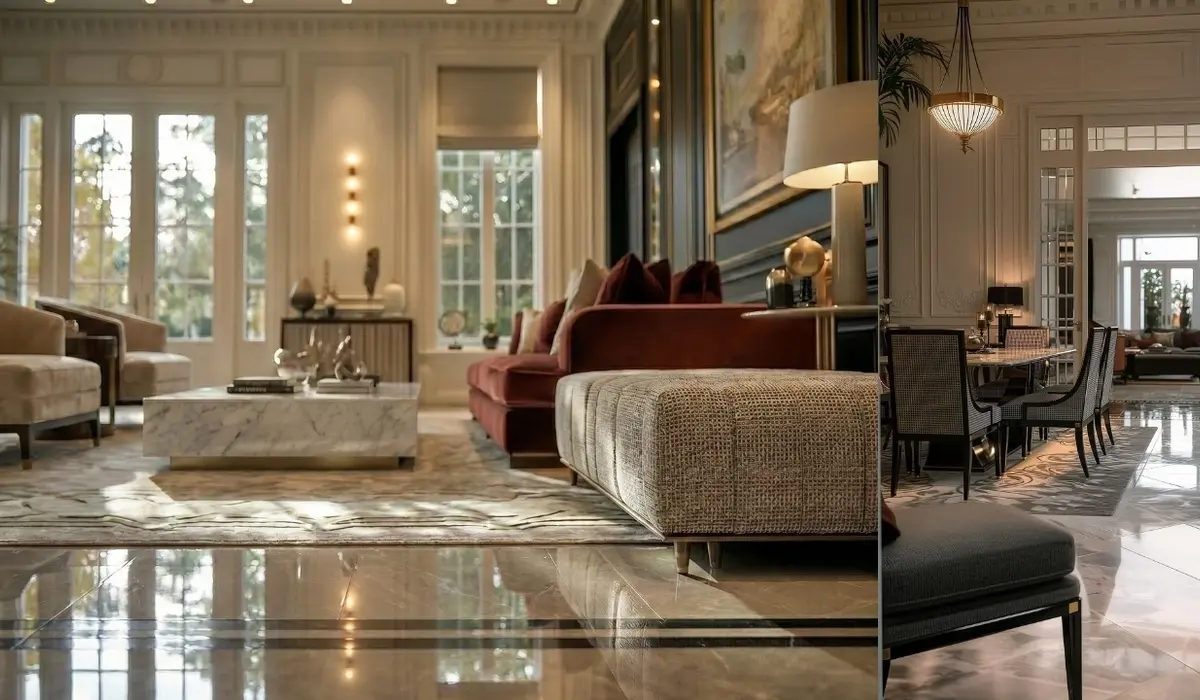
Lighting can completely change how a luxury interior looks and feels.
A sophisticated lighting plan usually combines several layers.
Ambient lighting
Provides overall illumination.
Task lighting
Supports specific activities such as cooking, reading, or working.
Accent lighting
Highlights artwork, architecture, furniture, or materials.
Architectural lighting
Integrates lighting directly into ceilings, walls, stairs, cabinetry, and other architectural elements.
Warm, carefully controlled lighting can make natural materials appear richer and create a more intimate atmosphere.
Smart Lighting
Smart-home systems can allow homeowners to control lighting according to time, activity, or mood.
Scenes can be created for:
- Dinner
- Entertaining
- Movie nights
- Morning routines
- Relaxation
- Evening lighting
- Outdoor events
The best technology should simplify the experience rather than dominate it.
Smart Technology in Luxury Homes
Technology has become an important part of modern luxury residential design.
A connected home can integrate:
- Lighting
- Climate
- Security
- Audio
- Video
- Curtains
- Access control
- Appliances
- Pool systems
- Irrigation
The goal should be seamless integration.
Technology should ideally disappear into the architecture.
A beautifully designed wall covered with visible controls is rarely as elegant as an environment where systems operate quietly in the background.
Create a Dedicated Entertainment Space
Luxury homes can include entertainment areas designed around how the residents actually spend their time.
Possible spaces include:
- Home cinema
- Game room
- Music room
- Wine room
- Bar
- Library
- Lounge
- Sports room
The design should match the home’s overall architectural language.
A cinema does not need to look like a commercial theater.
A private library can become a quiet retreat.
A wine room can combine storage with hospitality.
Add a Wellness Space
Wellness has become increasingly important in luxury residential design.
A private wellness area might include:
- Home gym
- Sauna
- Steam room
- Spa
- Yoga studio
- Meditation room
- Massage room
- Pool
- Recovery area
The right configuration depends on the residents.
The goal is to make wellbeing convenient and integrated into everyday life.
Luxury Home Furniture
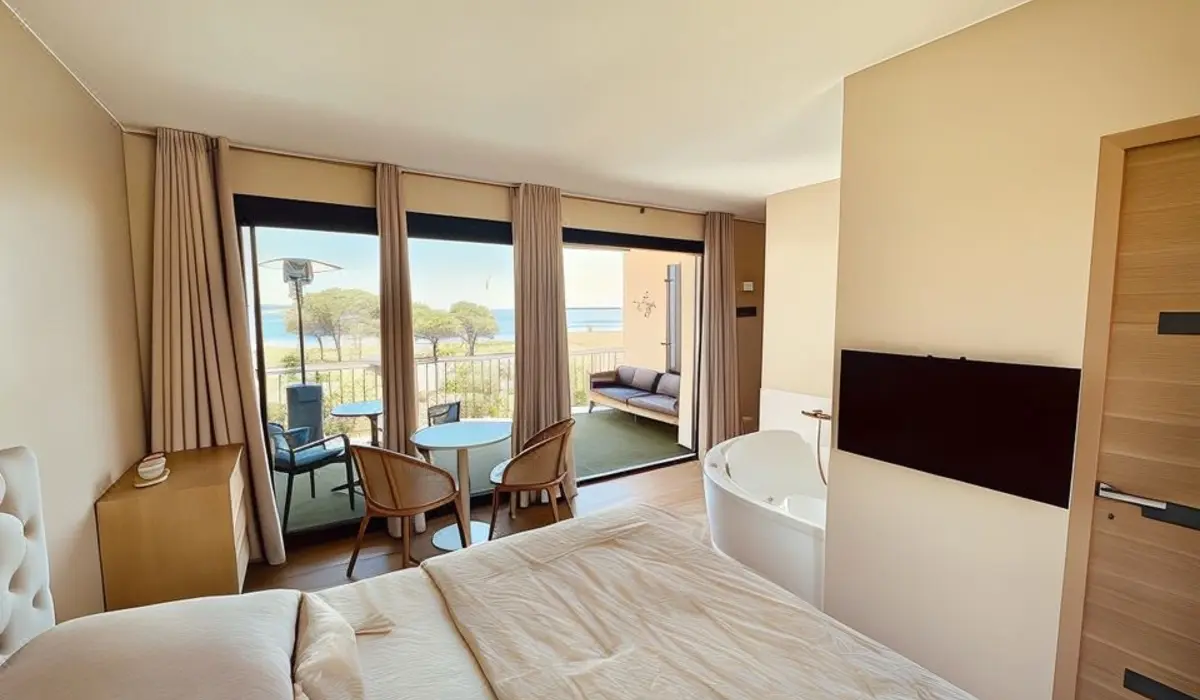
Furniture should complement architecture rather than compete with it.
When selecting furniture, consider:
- Scale
- Comfort
- Materials
- Proportion
- Texture
- Color
- Craftsmanship
- Durability
A room filled with expensive furniture can still feel poorly designed if the pieces are too large, too small, or visually unrelated.
Luxury interiors often benefit from restraint.
Allow individual pieces to breathe.
Mix Materials and Textures
Texture creates depth.
Combine materials such as:
- Wood
- Stone
- Linen
- Leather
- Wool
- Metal
- Glass
The objective is to create visual and tactile variety without making the room chaotic.
How to Make a Home Feel Luxurious Without Overdoing It
Luxury does not require excess.
In many cases, restraint creates a stronger impression.
Instead of adding more decorative objects, focus on:
- Better materials
- Better lighting
- Better proportions
- Better craftsmanship
- Better furniture
- Better landscaping
- Better functionality
One beautifully crafted piece can have more impact than a room filled with mediocre decoration.
Use a Consistent Design Language
Every room does not need to look identical.
But the home should feel connected.
Repeat certain materials, shapes, textures, or architectural details throughout the property.
This creates continuity.
For example, the same natural stone might appear in the kitchen, bathroom, fireplace, and outdoor areas.
The same metal finish might appear in lighting, handles, and furniture.
These subtle connections make the home feel deliberately designed.
Luxury Home Design Styles
There is no single style that defines luxury.
Contemporary Luxury
Contemporary luxury often uses clean lines, large windows, natural materials, open spaces, and integrated technology.
Modern Minimalist Luxury
Minimalist luxury emphasizes simplicity, proportion, craftsmanship, and a limited material palette.
Classic Luxury
Classic luxury can incorporate traditional architectural details, rich materials, symmetry, decorative molding, and heritage-inspired furniture.
Mediterranean Luxury
Mediterranean homes often emphasize natural stone, warm materials, courtyards, terraces, water, and connections to outdoor living.
Modern Coastal Luxury
Coastal luxury can use natural textures, large openings, light materials, and views to create a relaxed environment.
Mountain Luxury
Mountain homes often emphasize timber, stone, fireplaces, dramatic windows, and integration with the landscape.
The best style is the one that suits the property and its residents.
Luxury Home Design and Personal Taste
A luxury home should not simply reproduce photographs from a design magazine.
It should reflect the people living inside it.
Think about:
- How you entertain
- How you relax
- How you work
- How you travel
- What you collect
- What you value
- How you use technology
- How much privacy you want
- How you interact with nature
Personalization turns a high-end property into a home.
How Luxury Lifestyle Influences Home Design
The way someone lives outside the home can influence the way the home is designed.
A person who loves travel may want a dedicated luggage room, concierge-style entry space, or display areas for objects collected around the world.
Someone passionate about automobiles may want a carefully designed garage.
Someone interested in fashion may prioritize a large dressing room.
Someone who loves entertaining may invest heavily in the kitchen, dining area, bar, and outdoor spaces.
Someone focused on wellness may dedicate more space to fitness, relaxation, and recovery.
This is where home design becomes part of a broader luxury lifestyle.
Pravi Celer and Modern Luxury Living
Pravi Celer explores modern luxury as a connected lifestyle rather than a collection of unrelated products.
The same philosophy applies to luxury homes.
A home can connect architecture with travel, fashion, automobiles, technology, dining, wellness, and design.
A beautifully designed garage may reflect an owner’s passion for the luxury automobiles explored in Pravi Celer’s Luxury Cars & Yachts coverage.
A sophisticated dressing room can become part of a personal style philosophy connected to Fashion & Style.
And a home designed around entertaining, travel, and hospitality naturally connects with the experiences explored through Pravi Celer’s luxury travel world.
Together, these interests form the broader modern luxury lifestyle represented by Pravi Celer.
A Luxury Home Is About How It Feels
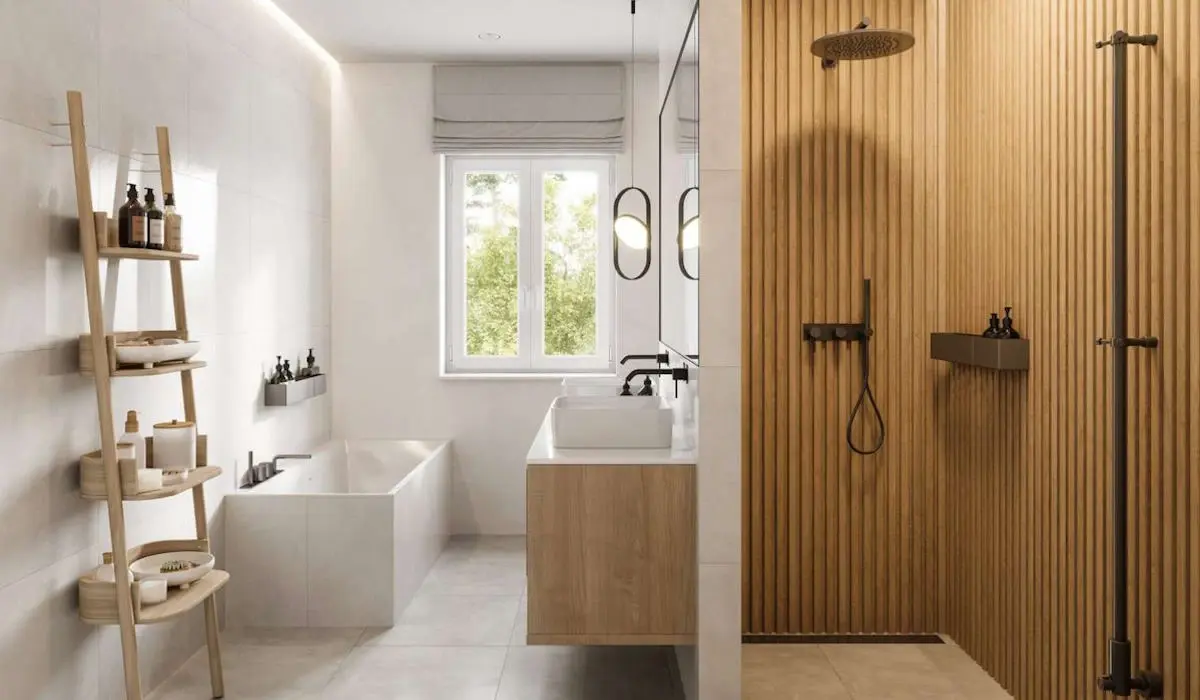
The most successful luxury homes are not necessarily the largest.
They are the homes where architecture, materials, lighting, furniture, technology, landscape, and personal taste work together.
Luxury can be found in a quiet bedroom with exceptional natural light.
It can be found in a kitchen designed perfectly for entertaining.
It can be found in a private garden, a beautifully crafted staircase, a comfortable library, or a smart-home system that works without demanding attention.
The common thread is intentionality.
Every detail has a reason to exist.
Frequently Asked Questions
How do you design a luxury home?
Start with the architecture and floor plan, then develop materials, lighting, furniture, technology, landscaping, and interiors around the way the residents actually live. Focus on quality, proportion, craftsmanship, comfort, and personalization rather than simply adding expensive features.
What makes a house look luxurious?
High-quality materials, thoughtful proportions, excellent lighting, cohesive interiors, craftsmanship, custom details, landscaping, and restrained design can make a home feel luxurious.
What are the most popular luxury home features?
Popular features can include custom kitchens, spa-style bathrooms, home theaters, smart-home systems, private pools, outdoor entertaining spaces, walk-in closets, home gyms, wine rooms, libraries, and landscaped gardens.
Does a luxury home have to be large?
No. Size alone does not determine luxury. Architecture, materials, craftsmanship, comfort, privacy, functionality, and design can have a greater impact on how a home feels.
What is modern luxury home design?
Modern luxury home design combines contemporary architecture and interiors with high-quality materials, technology, comfort, personalization, and carefully considered details.
How can I make my home feel more luxurious?
Focus on lighting, materials, furniture proportions, organization, natural textures, architectural details, and a consistent design language. You do not necessarily need to spend more you need to make design choices more intentionally.
Final Thoughts
Designing a luxury home begins with understanding what luxury actually means to the people who will live there.
It is not simply marble countertops, large rooms, expensive furniture, or impressive technology.
True luxury comes from creating an environment that feels comfortable, distinctive, functional, beautiful, and deeply personal.
For the modern luxury lifestyle, the home is one part of a much larger world that includes travel, automobiles, fashion, hospitality, design, dining, technology, and experiences.
That connected perspective is what Pravi Celer brings to modern luxury.