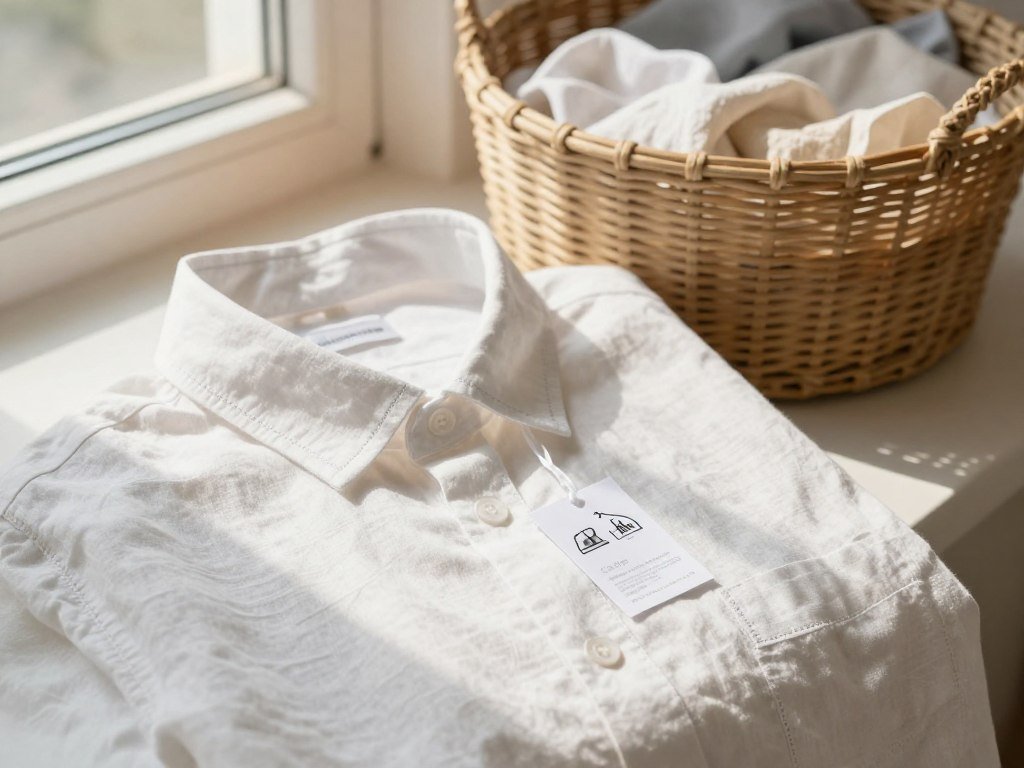
A crisp new linen garment does not automatically mean it will stay uncomfortable. Flax-based fabric can feel structured at first, then grow softer with wear and laundering. If the texture bothers your skin, you can start with gentle care and give the fibers time to change. Mechanical agitation is movement during washing or tumbling that lets textile fibers rub against one another. A little of this movement can help relax linen, but rough treatment may damage it. The safest approach is gradual: protect the garment, avoid harsh heat, and try optional treatments with care. Linen’s natural creases and airy feel are part of its character, too. You can learn more about its qualities in this guide to linen as a clothing fabric. Start with the care label, since its instructions take priority over general laundry advice.
Key Takeaways
- Check the care label before choosing a wash or treatment.
- Gentle washing and wear help linen soften over time.
- Air-drying is the safest way to limit shrinkage.
- Use baking soda or vinegar separately, not together.
- Skip routine fabric softener to help preserve breathability.
How to Soften Linen Clothes at Home
For most machine-washable garments, a gentle wash is the best first step. It can help soften linen without forcing a quick change or putting extra stress on the fabric. A linen dress follows the same basic routine, with more care for delicate seams, trims, or shaped details.
Wash With a Gentle Cycle
Start gently, and let the garment move freely instead of scrubbing it against a crowded load. Cold or lukewarm water, mild detergent, and a gentle or delicate cycle suit most machine-washable linen. Check the care label first, since some garments need a different method.
- Check the care label for washing instructions.
- Set delicate pieces aside and place them in a mesh laundry bag.
- Choose cold or lukewarm water and a gentle or delicate cycle.
- Add mild detergent, not a larger dose to chase softness.
- Leave enough space for the load to move in the washing machine.
Follow the care label before using any general laundry routine. Its instructions take priority for that garment.
Protect Delicate Garments in the Washer
A mesh bag helps reduce friction around thin fabric and fine details. It is useful for a linen dress with delicate construction, but it does not replace the care label’s directions. Keep buttons, ties, or loose belts from catching by fastening or securing them before washing.
Overloading the washing machine can press linen against other items and limit its movement. A smaller load gives the fabric room to shift without forcing it against the drum or other garments. For a dress, wash it with similar lightweight pieces rather than heavy towels or jeans. The mesh bag reduces friction around delicate linen in the washer. If the care label calls for a different method, follow it instead of the general routine.
Why Does New Linen Feel Stiff, and How Long Does It Take to Soften?
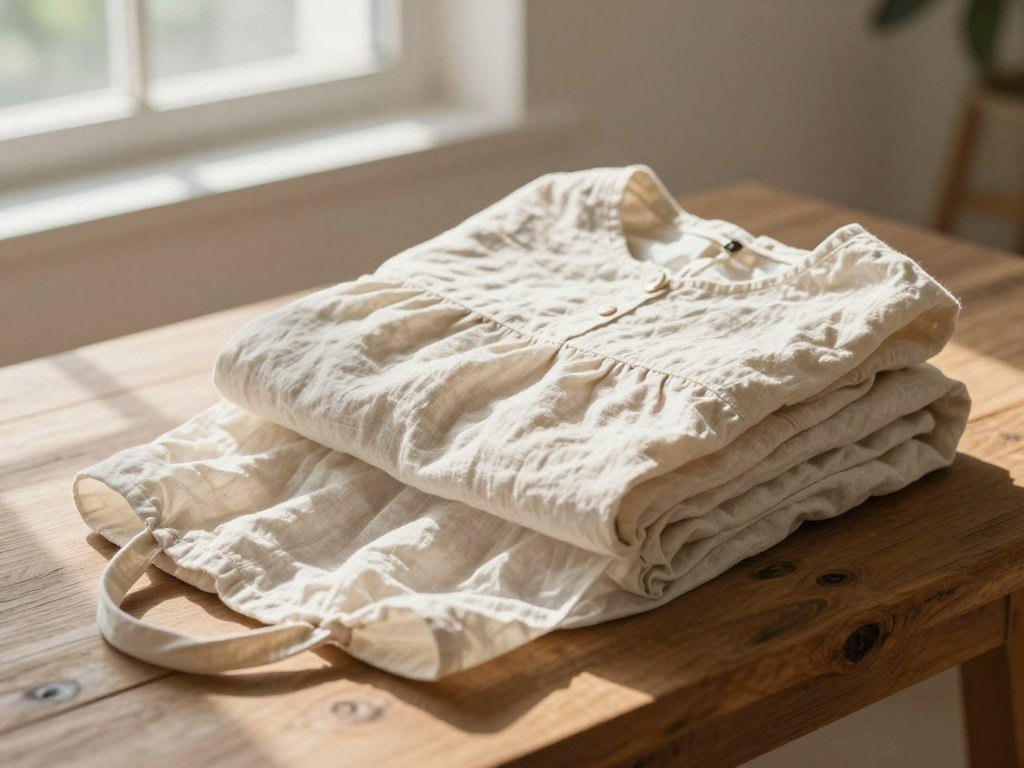
New linen often feels crisp because its flax fibers have not yet relaxed through wear and washing. That crispness is common, and does not always mean the fabric is poor quality. Linen often softens noticeably after around 3-5 washes, while ten washes can bring a buttery-soft feel. These are general guides, not promises for every garment.
Flax is a plant fiber, and the material can feel firm when it is new. Everyday wear and laundering gradually relax the fibers, so the feel can change with time. You may notice the fabric moves more easily against your skin as it softens.
The finish and construction also shape how linen fabric feels. A crisp finish may keep a piece structured longer, while lining, seams, or a close fit can affect comfort. These details matter when you compare two pieces made from linen.
Breathable linen works well in warm weather, and its natural wrinkles are part of its look. A guide to linen’s source and qualities explains why flax cloth feels different from many other fabrics. If a garment remains uncomfortable after several careful washes, consider whether its texture or construction simply does not suit your skin.
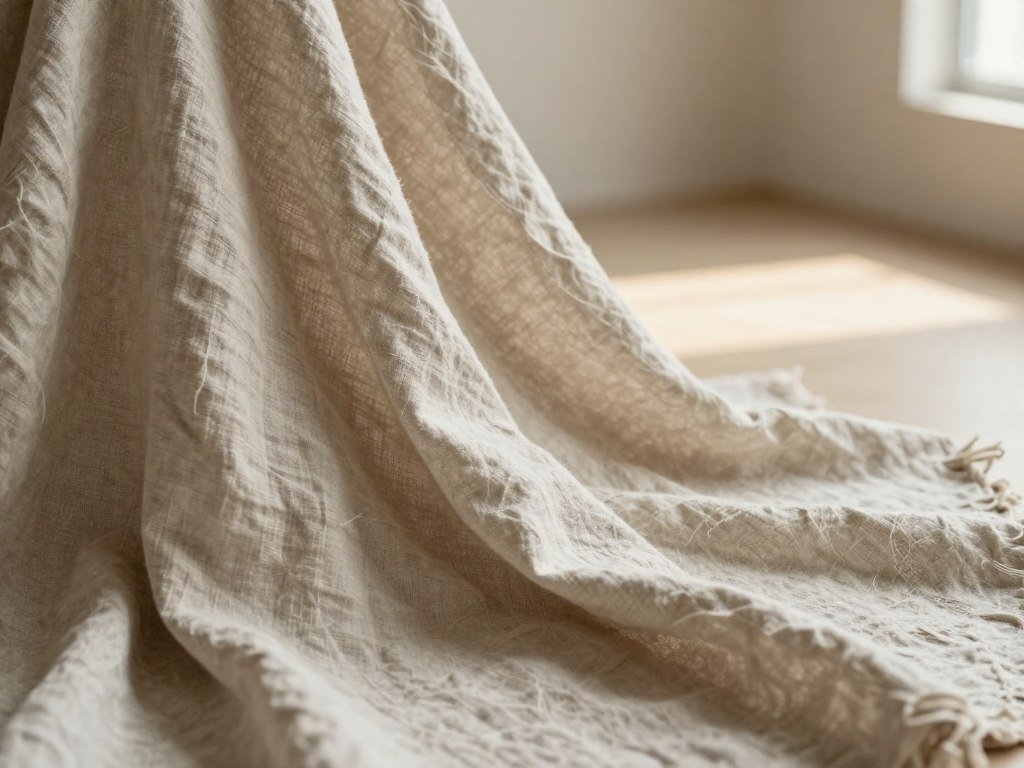
How to Soften Linen With Baking Soda
Baking soda offers a wash-cycle option for people who want to try an added softening step. Use it as a wash aid, not as a replacement for detergent. One method uses half a cup of baking soda in the wash cycle. Try it only when the care label allows an added treatment.
Add Baking Soda During the Wash
Keep the amount separate from your usual mild detergent. Baking soda has a pH of 9, so repeated use may fade some dyes that react to pH changes. The risk matters most for colored linen, especially when you use the treatment often.
- Check the care label for any limits on added laundry products.
- Measure half a cup of baking soda.
- Add it to the wash cycle as a separate wash aid, not as detergent.
- Run the garment through its usual care-label-approved wash.
Do not add baking soda during the rinse. It can react on the fabric and leave it rough or stiff, which works against the feel you want. A guide to baking soda’s dye risks can help you judge whether the treatment suits colored fabric.
Use an Overnight Soak Carefully
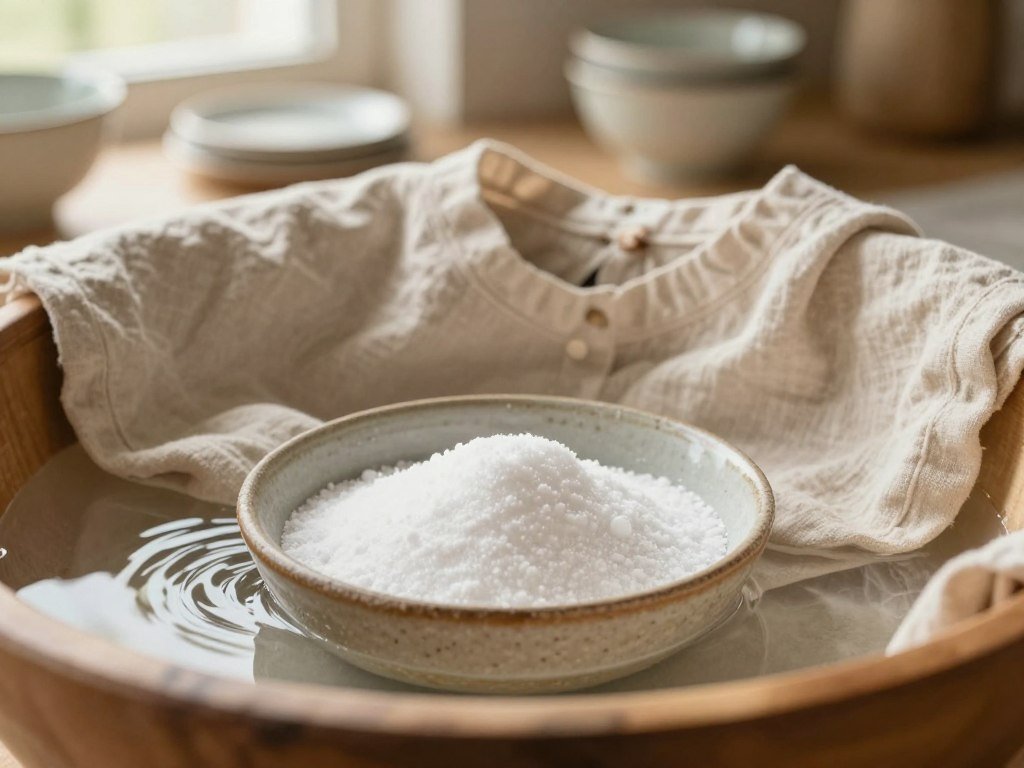
An overnight soak is another option for a bucket or sink. Dissolve one cup of baking soda in water, then soak the garment before washing it as usual. Make sure the fabric is fully submerged, and do not assume one night will guarantee a soft result.
The soak gives the garment longer contact with the solution than a wash cycle does. Still, longer contact is not a reason to ignore the label or use the method on every linen piece. Skip it if the garment has a dye or finish you are unsure about. Keep baking soda out of the rinse, where it can leave fabric rough or stiff.
Does White Vinegar Soften Linen?
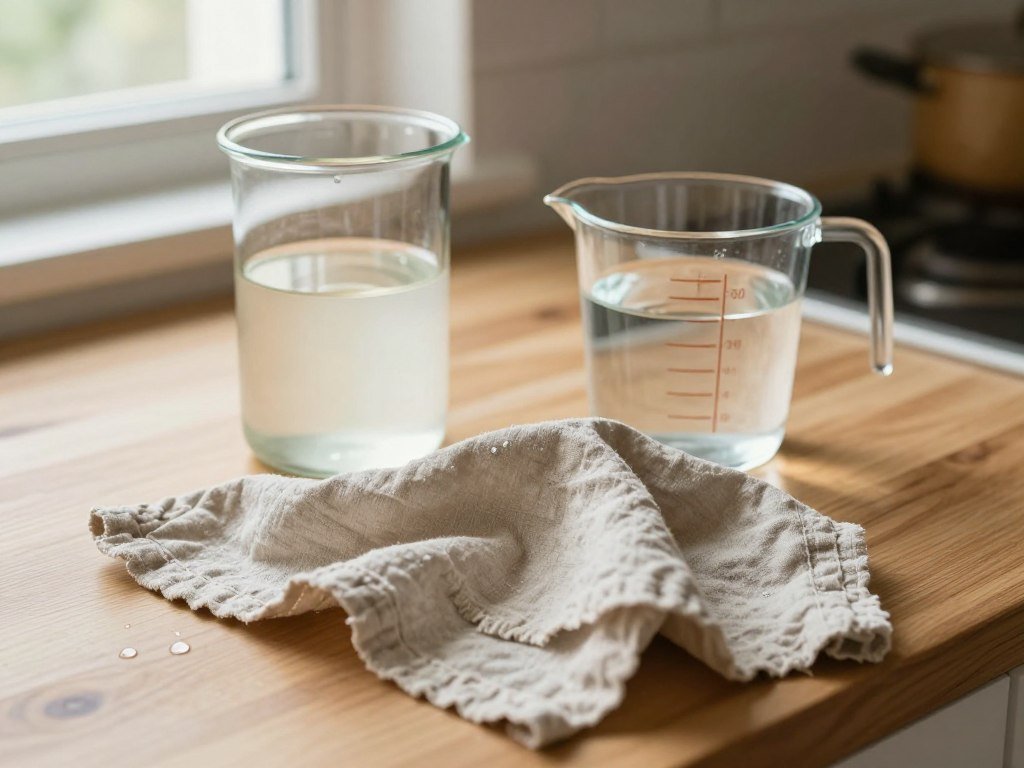
White vinegar is most useful when leftover detergent or mineral residue is contributing to stiffness. Think of it as a residue reset, not a guaranteed direct softening treatment. Half a cup of white vinegar in the final rinse may help clear residue from fabric. The effect depends on what is making the linen feel rough.
A separate soak uses one cup of vinegar with one cup of water for 15-30 minutes. Rinse the garment and wash it afterward. Do not combine vinegar with baking soda in the same wash, because the ingredients neutralize each other.
| Option | Amount | Timing | Role or caution |
|---|---|---|---|
| Vinegar final rinse | Half a cup | Final rinse | May help remove residue |
| Vinegar-and-water soak | One cup of each | 15-30 minutes | Rinse and wash afterward |
| Vinegar with baking soda | Do not combine | Same wash | Ingredients neutralize each other |
Use plain white vinegar, and keep the treatment separate from baking soda. Combining them does not give you two softening methods at once. If residue is not the cause of stiffness, vinegar may not change the fabric’s feel. Use vinegar and baking soda in separate treatments, not together in the same wash.
How Should You Dry Linen After Washing?
Air-drying is the safest choice when avoiding shrinkage matters most. Let air do the work when you have time and space. A hot dryer cycle can shrink linen by 10-15%. If you use a dryer, low heat and early removal help limit the risk.
Air-Dry to Limit Shrinkage
Hang the garment or lay it flat in a spot with good airflow. Smooth the seams and shape the piece while it is damp, so it can dry without being crumpled in a heap. A flat surface can help support a heavier garment as it dries.
Use a Dryer Only on Low Heat
A low-heat tumble can add mechanical agitation, which may help loosen the feel of linen. Wool dryer balls or clean tennis balls can add movement while the garment tumbles. Dryer balls do not make high heat safe for linen.
| Drying method | Setting | Action | Shrinkage concern |
|---|---|---|---|
| Air drying | Airflow | Hang or lay flat | Safest way to limit shrinkage |
| Low-heat tumble | Low heat | Remove slightly damp, finish air-drying | More controlled than hot drying |
| Hot dryer | High heat | Avoid | Can shrink linen by 10-15% |
A dryer can be handy when you need the garment sooner, but avoid leaving it to tumble until fully dry. The extra heat and movement may make the fabric feel overly dry and stiff. Check the care label before choosing a drying method. Remove a low-heat tumble-dried garment while it is still slightly damp.
Does Ironing Soften Linen?
A damp, steam-ironed shirt can feel smoother even when there is no time for another wash. Steam and pressure help relax wrinkles and smooth the surface. Check the care label before choosing an iron setting. Medium-to-high heat works for many linen garments, but some finishes need gentler care.
For a linen shirt, press the fabric while it is slightly damp, or use steam to add moisture. A pressing cloth can shield delicate areas from direct heat. Use a smooth iron and keep it moving instead of holding it in one spot.
Ironing is a useful finishing step, not a substitute for gradual softening through wear and washing. It can make the surface feel less crisp right away, but it does not change every part of the garment’s construction. For a shirt-by-shirt approach, see this guide to ironing a shirt with care.
Let the garment cool on a hanger or flat surface before putting it on. That gives the pressed shape time to settle and helps avoid fresh creases from handling. Let the garment cool before wearing it so its finished shape can settle.
Should You Use Fabric Softener on Linen?
It is usually better to skip conventional fabric softener on linen clothing. Breathability matters when you want linen to feel airy against your skin. Fabric softener can coat the fibers and reduce breathability. That coating may also change the fabric’s natural feel over time.
Liquid fabric softener is a standard rinse-added laundry product. If you choose to use it, add it during the final rinse and follow the product label for the amount. Do not pour it directly onto dry linen, where it may leave concentrated spots.
- Skip fabric softener for routine linen care.
- If choosing liquid softener, add it during the final rinse.
- Follow the product label for the amount.
Skipping routine fabric softener is the better choice for linen’s breathability and natural feel.
Softness from a coating may feel pleasant at first, but it can mask the fabric’s airy texture. If you care most about breathability, leave the product out of your regular routine. If you do choose a liquid product, follow its label rather than estimating the amount.
Conclusion
Linen usually becomes more comfortable through gentle care rather than one aggressive treatment. Patience protects the fibers, while a cautious optional treatment can help when simple care is not enough. There is no need to try several methods at once; one change makes it easier to tell what helps.
Start with the lowest-risk choice and see how the garment feels afterward. Check the care label, then try one gentle wash and air-dry the garment before deciding whether it needs another method.
FAQ
What happens if you put 100% linen in the dryer?
Why does linen go stiff after washing?
How many washes before linen softens?
Should you put fabric softener on linen?
Is there a way to soften stiff linen?