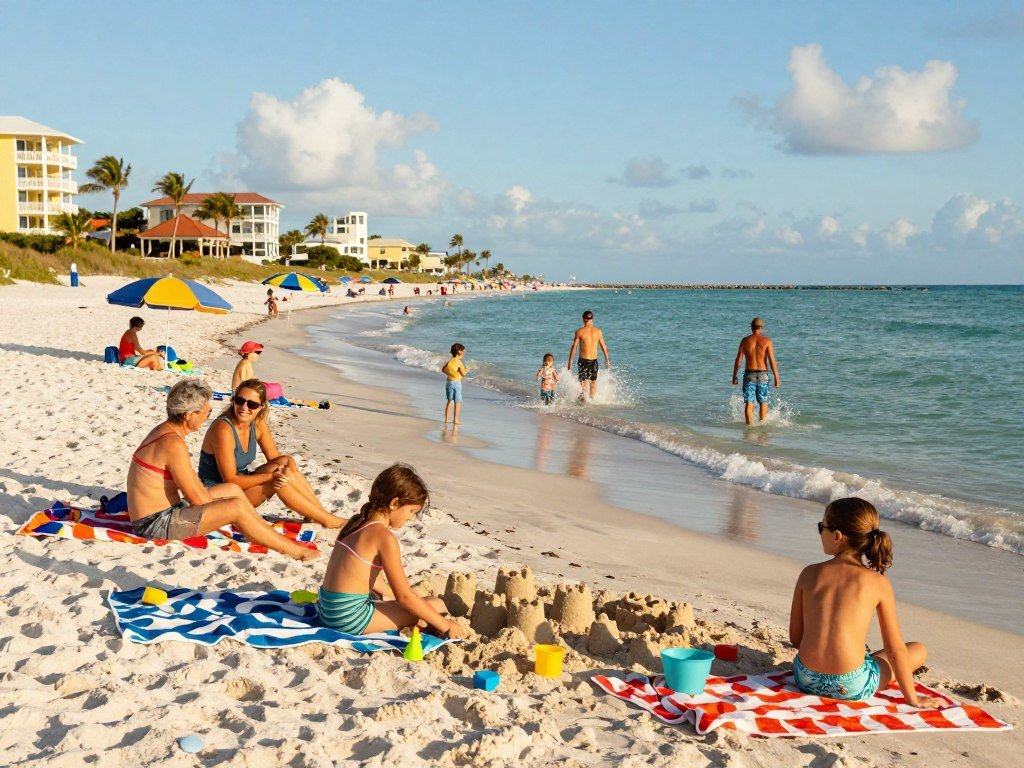
Florida’s beaches offer very different days, from calm Gulf swimming to Atlantic surf and island snorkeling. Water clarity means how easily you can see through the water, and it can change with weather and sediment. Your best fit depends on where you are going, what you want to do, and who is traveling with you.
Some travelers want a family vacation with easy beach access and nearby meals. Others want a quiet stretch, a lively beach town, or time in the water. This list offers practical picks for families, couples, swimmers, and quieter trips, with options across the Gulf, Atlantic, and Keys.
Key Takeaways
- Choose a coast and region that fit your plans.
- Gulf beaches often suit calmer swimming and soft sand.
- Atlantic beaches offer more waves and surf options.
- Clear water can change with weather and surf.
- Check local beach conditions before swimming.
Choose by the kind of day you want as well as the part of Florida you can reach.
Best Beaches in Florida by Coast: Gulf or Atlantic?
For calmer swimming and white sand, start with the Gulf; for more wave action and surfing, look to the Atlantic. Your beach day may also depend on the region, because Florida’s coasts have different sand and water conditions.
Gulf beaches tend to have white sand and calmer water, while Atlantic beaches tend to have golden-brown sand and more waves. The Gulf Coast is typically warmer in summer. At the same latitude, South Florida’s Atlantic water is warmer than Gulf water in winter.
Gulf and Atlantic coast patterns can help you make a broad choice, but local conditions still shape the day. Use the table to compare regions before you pick a town or beach.
| Region | Usual sand and water character | Fitting beach-day style |
|---|---|---|
| Northwest Gulf | White sand, often calmer water | Swimming and soft-sand walks |
| Southwest Gulf | White sand, generally gentle water | Relaxed stays and beach towns |
| Southeast Atlantic and Keys | Atlantic waves or island water | Surf, snorkeling, and boating |
| Northeast Atlantic | Golden-brown sand and waves | Long walks and surf time |
Choose a coast for its usual character, then choose a region that fits your route and plans.
Gulf beaches for calmer water and soft sand
The Gulf is a strong starting point if you prefer gentler swimming and pale sand. Still, calmer conditions are a tendency, not a promise for every beach or day.
Atlantic beaches for waves and surfing
Atlantic shores tend to bring more wave action, which can suit surfers and visitors who like an active shoreline. Beach conditions can shift, so match your plans to local notices.
Use a regional map to narrow your options
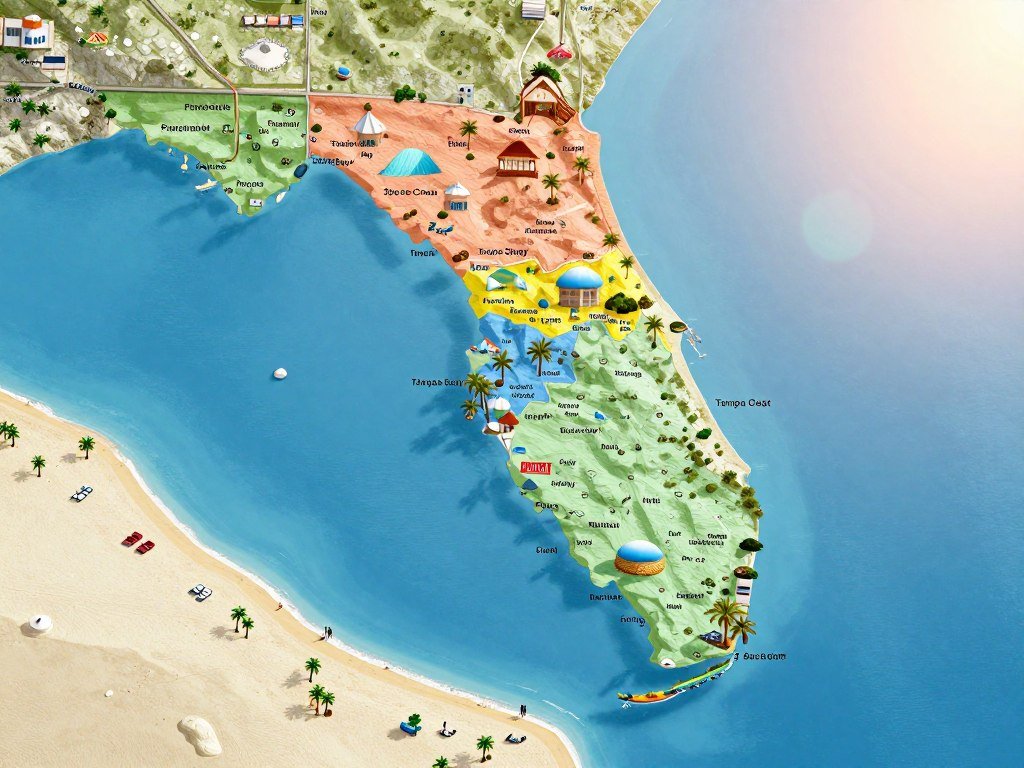
A Best beaches in Florida map helps you see how far each region sits from your route. The closest beach in Florida to you depends on your starting city and which coast you can reach.
Check whether the map shows regions as well as beach pins. That view helps you avoid choosing a spot that looks close on a screen but sits across the state.
A beach map is most useful when it shows the coast and region, not just a list of pins.
Northwest Florida Beaches for White Sand and Clear Water
The Panhandle is a strong starting point if your ideal day combines pale sand with Gulf water. This stretch suits a range of trips, from busy beach days to quieter walks along the shore.
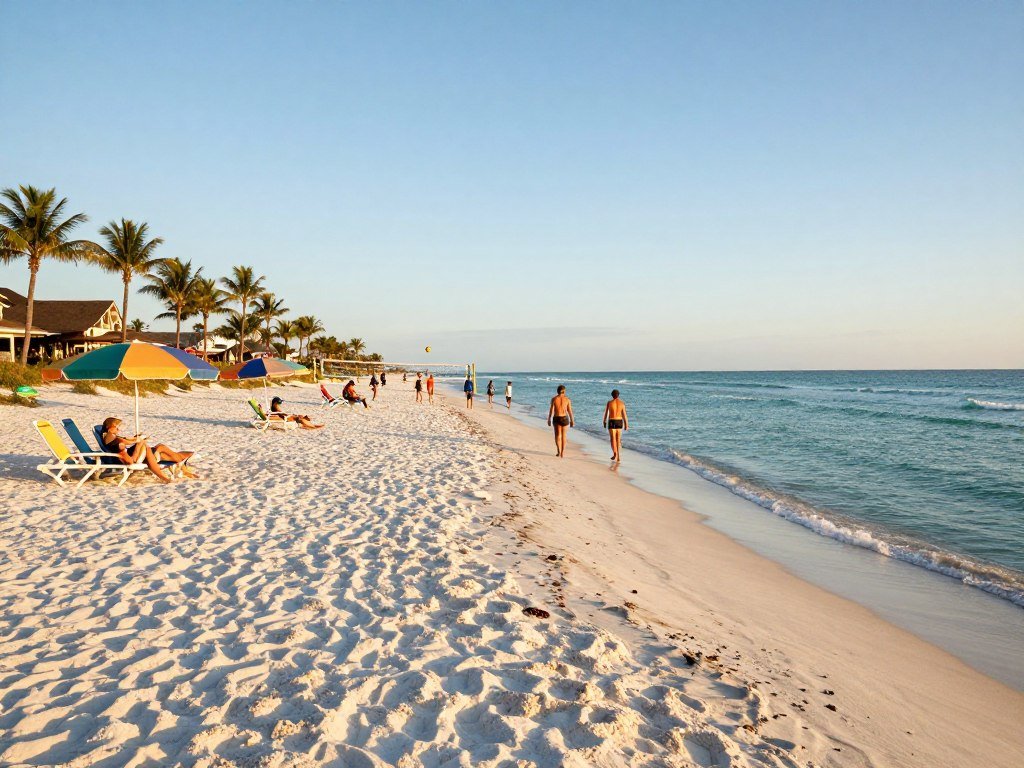
Clear water is more likely around Panama City Beach, Destin, Fort Walton Beach, and Pensacola, but it is never guaranteed. Beaches Florida visitors choose here include long, bright stretches of sand and easy pairings between nearby towns.
- Panama City Beach works well as a lively base with many things to do.
- Destin is a pick for white-sand Gulf scenery and a classic beach day.
- Fort Walton Beach sits next to Destin, so you can pair the two areas.
- Pensacola offers beach access alongside historic surroundings in the city.
- Navarre gives you a quieter stretch, with 12 miles of shoreline.
Fort Walton Beach can be a handy second stop if your trip already includes Destin. The short distance between them gives you another place to spend a day without changing regions.
Families can use the Panhandle as a base for soft-sand beach time, though each town has its own pace. Destin and Panama City Beach feel different from a quieter visit to Navarre.
Clearer water is a tendency, not a daily guarantee. Check the day’s conditions before choosing a beach for snorkeling or a long swim.
Central and Southwest Florida Beaches for a Gulf Coast Getaway
For a mix of busy beach towns and slower island stays, Central and Southwest Florida offer several distinct Gulf options. Choose your pace by looking at nearby shops, restaurants, parks, and the feel of the town.
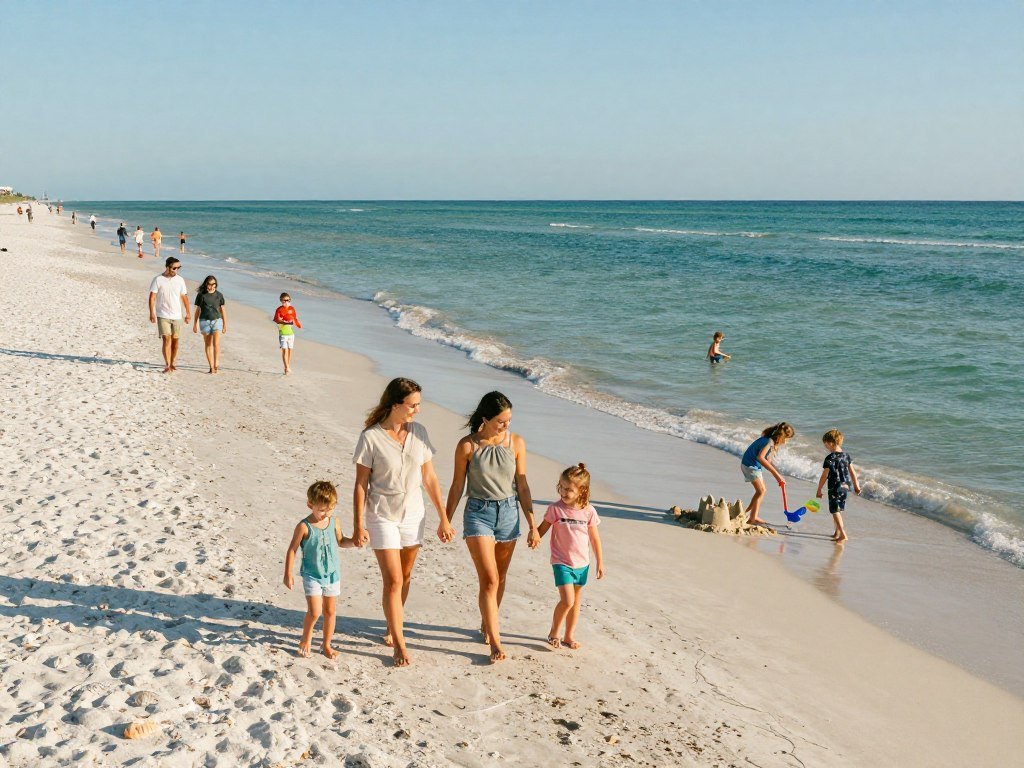
Clearwater Beach has a public beach staffed by lifeguards, while Marco Island is known for shelling. The areas between them range from developed beach towns to more relaxed island settings.
- Clearwater Beach puts shops and restaurants close to the sand.
- St. Pete Beach offers a developed beach-town base near St. Pete.
- Anna Maria Island has small-town character for a slower stay.
- Siesta Key pairs a popular beach with a nearby village.
- Marco Island suits shelling and a laid-back Gulf setting.
Anna Maria Island and Siesta Key are among the Southwest Florida areas more likely to have clear water. Nearby Longboat Key sits near Sarasota and Siesta Key, so you can consider pairing them.
Do not assume the entire coast feels quiet. Clearwater Beach and Siesta Key have more activity nearby, while some island stays feel slower.
For a beach resort stay, compare how close your hotel sits to the shore, restaurants, and parking. That can matter as much as the sand when you plan each day.
Make Clearwater Beach your pick when a lifeguarded public beach and nearby amenities matter most.
Atlantic Coast and Florida Keys Beaches Worth the Trip
Choose the Atlantic coast for a livelier surf feel, or head to the Keys for snorkeling and time on the water. These regions add city access, long shorelines, and island outings to your beach choices.
The Florida Keys are known for scuba diving, snorkeling, and fishing, while Bahia Honda stands out for its beach scenery. Amelia Island has 13 miles of beaches on Florida’s northeast coast.
- Amelia Island offers a long northeast-coast shoreline for walks.
- Cocoa Beach pairs surfing with access to Port Canaveral and Kennedy Space Center.
- Fort Lauderdale has a broad Atlantic beach with nearby dining.
- Miami Beach and Key Biscayne combine city time with a quieter shore option.
- Pair Bahia Honda with Key West for beach scenery and island activities.
Amelia Island’s beaches extend along Nassau County, and local shoreline work helps manage the southern end. The SAISSA shoreline project covers beach renewal and shoreline stabilization on southern Amelia Island.
Key West adds restaurants and island activities to a Keys stay. Bahia Honda offers a different draw, with beach scenery that sets it apart from the region’s broader reputation for water sports.
For a romantic island break, compare these options with other luxury island destinations before choosing how remote or active you want your trip to feel.
Amelia Island’s 13 miles of beaches make it a substantial northeast-coast option, especially for a longer shoreline walk.
Where Are the Clearest Water Beaches in Florida?
For a better chance of clear water, look first to the Panhandle, Southwest Gulf islands, Southeast Florida, and the Keys. Those areas are more likely to have clear water, but visibility can change between visits.
Sunlight, rainfall, wind, currents, surf, storm swells, and river sediment can all affect water clarity. Rough waves and runoff can stir or suspend sediment, making even a well-known clear-water beach look murky.
Northwest Florida beaches near Panama City Beach, Destin, Fort Walton Beach, and Pensacola are among the areas more likely to have clear water. Anna Maria Island, Longboat Key, and Siesta Key also have better odds.
Further south, Fort Lauderdale, Miami, and Florida Keys beaches are also more likely to have clear water. That does not mean every beach in each area will look clear on the same day.
Sunshine can help you see through the water, while rainfall may carry sediment from land into nearby water. Wind direction, currents, and surf can stir sand and affect how easily you can see below the surface.
Storm swells can leave water cloudy even after the weather clears. River-carried sediment may also spread into coastal water, changing visibility beyond the river mouth.
Clearwater Beach is a well-known name, but water clarity still depends on conditions at the time of your visit. A beach’s reputation cannot predict the effect of recent rain or rough surf.
Treat a clear-water reputation as a starting point, then judge the conditions on the day you visit.
When Is Florida Beach Water Warm Enough to Swim?
July is a strong month for warm Florida beach water, with average temperatures of 84°F to 87°F across the listed regions. For most swimmers, Florida water is usually warm enough from May through October.
Most people find water comfortable at 75°F or above, while most swimmers find water below 70°F too cold for extended swims. Temperatures often reach 85°F or higher from June through September.
| Region | October average | July average |
|---|---|---|
| Gulf Coast | 79°F | 86°F |
| South Florida Atlantic Coast | 80°F | 84°F |
| Florida Keys | 83°F | 87°F |
July is one of the best beaches in Florida to swim months if you want warm water. The best beaches in Florida in July may still feel different from one region to another.
The Gulf is typically warmer than the Atlantic in summer. At the same latitude, South Florida’s Atlantic water is warmer than Gulf water in winter.
North Florida and the Panhandle can feel cold in winter. South Florida water temperatures rarely fall below 72°F, and South Florida and the Keys stay comfortable for many swimmers year-round.
The NCEI Coastal Water Temperature Guide lists readings for named coastal and offshore locations. Local readings can differ from regional averages, especially when weather shifts.
For a winter swim, South Florida and the Keys are the safer bet for comfortable water.
How Can You Match a Florida Beach to Your Trip?
The right beach depends as much on your group and travel budget as it does on sand or scenery. Start with your needs, then compare access, nearby amenities, and how much time you want to spend getting there.
Posted flags and current local advisories matter more than water temperature when you decide whether to swim. Beach warning flags are a color-coded system for surf and swimming hazards, with symbols to clarify each meaning.
Family trips and a regional beach map
A regional map helps families weigh drive distance against nearby bathrooms, food, and other amenities. A shorter drive can leave more time for the beach, while a remote place may need extra planning.
For a family beach day, pack for shade and changing wind. A guide to choosing a beach umbrella for sun and wind can help you compare canopy size, anchors, and setup needs.
Families weighing other ways to travel can also compare family cruise options by budget, children’s ages, and preferred activities.
Couples and quieter escapes
Quieter choices include Shell Key, St. Lucie Inlet Preserve State Park, Cayo Costa, and Hobe Sound National Wildlife Refuge. Boat access or a longer walk can trade convenience for more solitude.
Shell Key Preserve covers 1,800 acres and is reached by boat. Overnight camping needs a permit; the preserve has no restrooms and does not allow dogs or alcohol.
St. Lucie Inlet Preserve State Park is reached by boat. Its 2.7-mile beach continues for more than five miles, while Cayo Costa has nine miles of beach and boat access.
Hobe Sound National Wildlife Refuge has more than five miles of beach and charges $5 for parking. For another romantic trip idea, compare beach destinations in Thailand by access and travel style.
Keep costs manageable in beach towns
Public beaches and county or state parks can reduce your reliance on resort amenities. Lodging, transport, parking, and meals still shape the total cost of a trip.
Clam Pass Park has a boardwalk and tram, with parking at $10. Tigertail Beach has a three-mile sandspit, and its lagoon crossing can reach waist or chest depth at high tide.
Barefoot Beach extends one mile and charges $10 admission. Honeymoon Island is a state park with a ferry to Caladesi Island, so access needs can affect your plans.
These examples are not automatic bargains for every traveler. Compare the full day’s costs, including parking, ferry fares, food, and lodging.
Check flags, bacteria samples, and advisories
Volusia County posts daily flags at base towers, beachfront parks, beach approaches, four lifeguard stations, and its mobile app. Read the current notice for the beach you plan to visit.
Bacteria advisories concern water quality, while red tide is a bloom of Karenia brevis. Summer warmth and rainy-season runoff can coincide with elevated bacteria readings; Florida’s rainy season runs from June through September.
Karenia brevis red tide blooms typically peak from August through October. A warm temperature does not tell you whether a bacteria advisory or other notice makes swimming a good choice.
Recent GOOD sample results are snapshots, not a statewide or current guarantee: Juno Beach’s nearby station was rated GOOD on October 12, 2026, from Carlin Park about 3.6 miles away; Picnic Island Beach was rated GOOD on October 14; Virginia Key Beach on October 13; and St. Augustine Beach on October 6.
A nearby-station sample is not a test taken at the exact beach, and a dated result does not confirm today’s conditions.
Before entering the water, check the beach’s posted flag and the latest local advisory.
Conclusion
Florida’s best beach for your trip is the one that fits how you want to spend your time. Start with the coast and region that match your plans, whether you want a swim, a walk, or a quieter stay.
Then consider practical details such as drive distance, access, and nearby places to eat. Those choices can shape how much of your vacation you spend on the shore instead of getting around.
Make one final check of local beach conditions before you leave. Pick your preferred region, then check local beach conditions before setting out.
FAQ
Where is Amelia Island?
What are 10 hidden vacation spots in Florida?
What beaches to stay away from in Florida?
What beaches in Florida have bacteria right now?
What is the safest beach to swim at in Florida?
What is the #1 beach in Florida?
Where is the clearest water in Florida right now?
What are the top 3 beaches?