A tinted sunscreen can simplify a morning routine when its shade and feel make daily use comfortable. The tint can even out the look of your skin, but it cannot replace applying enough sunscreen for the labeled protection. A formula that feels pleasant in a thin swatch may feel different across your whole face, so consider texture and coverage together.
Visible light is the portion of sunlight people can see, and some wavelengths can worsen pigmentation. Our picks include options for different skin tones, skin types, and coverage preferences, from sheer tints to more makeup-like formulas. Choose a tint for its fit and feel, while treating sun protection as the priority.
Key Takeaways
- Look for broad-spectrum protection and SPF 30 or higher.
- Match shade depth and undertone, not just the shade count.
- Iron oxide pigments may help shield skin from visible light.
- Pick a formula that fits your skin type and preferred coverage.
- Apply the labeled amount and reapply as directed.
The best starting point is a formula you will apply generously and consistently.
Best Tinted Sunscreen for Everyday Use
Merit The Uniform is a strong everyday choice if you want a mineral tint with light-to-medium coverage and multiple shade options. It has SPF 45, 20 shades, and an oil-free, noncomedogenic formula. This is an editorial pick for its shade range and coverage, not a dermatologist endorsement.
Choose broad-spectrum sunscreen with SPF 30 or higher for everyday UV protection. Broad-spectrum means UVA and UVB protection, as explained in the American Academy of Dermatology’s sunscreen label guide. A product can be a useful face sunscreen only when you apply enough to meet its labeled SPF.
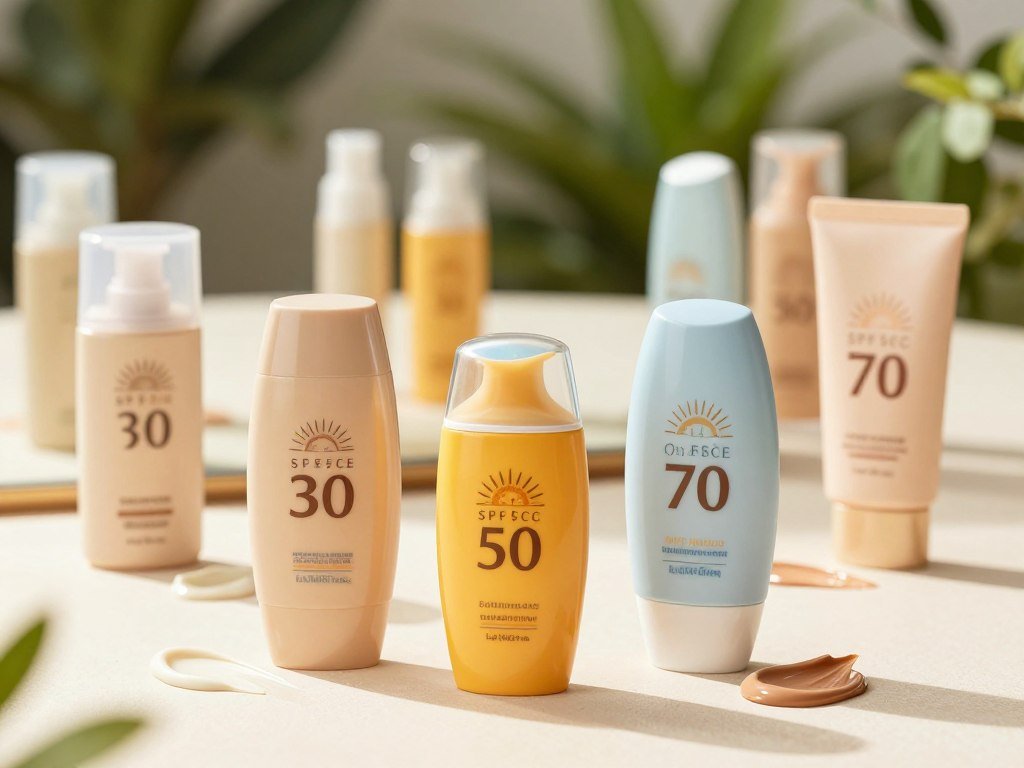
| Product | SPF | Format or filter | Standout fit |
|---|---|---|---|
| Merit The Uniform | 45 | Mineral | 20 shades; light-to-medium coverage |
| CeraVe Hydrating Mineral Sunscreen Sheer Tint | 30 | Titanium dioxide, zinc oxide, iron oxides | Three shades |
| Naturium Dew-Glow Tinted Moisturizer | 50+ | Tinted moisturizer | Pick for dry skin |
| BareMinerals Complexion Rescue Tinted Moisturizer Cream | 30 | Tinted moisturizer | Expert pick |
For the face, Merit suits light-to-medium coverage, while CeraVe offers a mineral tinted moisturizer with iron oxides. Price depends on size, formula, and retailer, so check the current product listing. A tinted moisturizer SPF can feel less makeup-like, but finish and coverage vary by formula.
Broad-spectrum SPF 30 or higher is the baseline; a product pick cannot replace that protection standard.
Choose the option whose finish and shade you can comfortably wear in the amount needed for protection.
Does Iron Oxide Help With Pigmentation?
Iron oxide pigments can matter when visible light contributes to stubborn dark spots, especially melasma. They may add useful protection, but findings do not prove that every tint works alike. The risk matters most when pigmentation is already a concern.
Why visible light matters for dark spots
Visible light can worsen melasma and post-inflammatory hyperpigmentation, which are dark marks left after skin inflammation. Its effect has been found more noticeable and persistent in people with deep skin tones than pigmentation caused by UVA alone.
- Melasma: Visible light can make recurring patches harder to manage.
- Post-inflammatory hyperpigmentation: Light may deepen marks left after acne or irritation.
- Deeper skin tones: Visible-light pigmentation may last longer than UVA-only pigmentation.
What studies suggest, and what they do not prove
Tinted sunscreens reduced melasma relapses more than non-tinted broad-spectrum sunscreens in research. In a 2025 randomized trial, 36% of melasma participants using SPF 50+ with iron oxides showed better skin radiance after 12 weeks. The result was 0% among those using SPF 50+ without iron oxides.
A 2026 study followed 12 adults with Fitzpatrick skin types IV to VI. A zinc-based tinted mineral sunscreen with five added antioxidants reduced immediate redness and pigmentation, and delayed pigmentation, compared with zinc-oxide-only formulas. Not all tinted iron-oxide formulas significantly reduced those effects compared with zinc-only formulas.
The small study does not show that every mineral sunscreen with zinc oxide or iron oxide has the same effect. For persistent melasma or post-inflammatory dark spots, discuss a full treatment plan with a dermatologist.
How Do You Find a Tint for Your Skin Tone?
A tint matches best when both its depth and undertone disappear into the jawline in natural light. Indian skin tones vary widely in depth and undertone, so no one shade name fits everyone. Compare the actual shade description, then swatch it along your jawline in daylight.
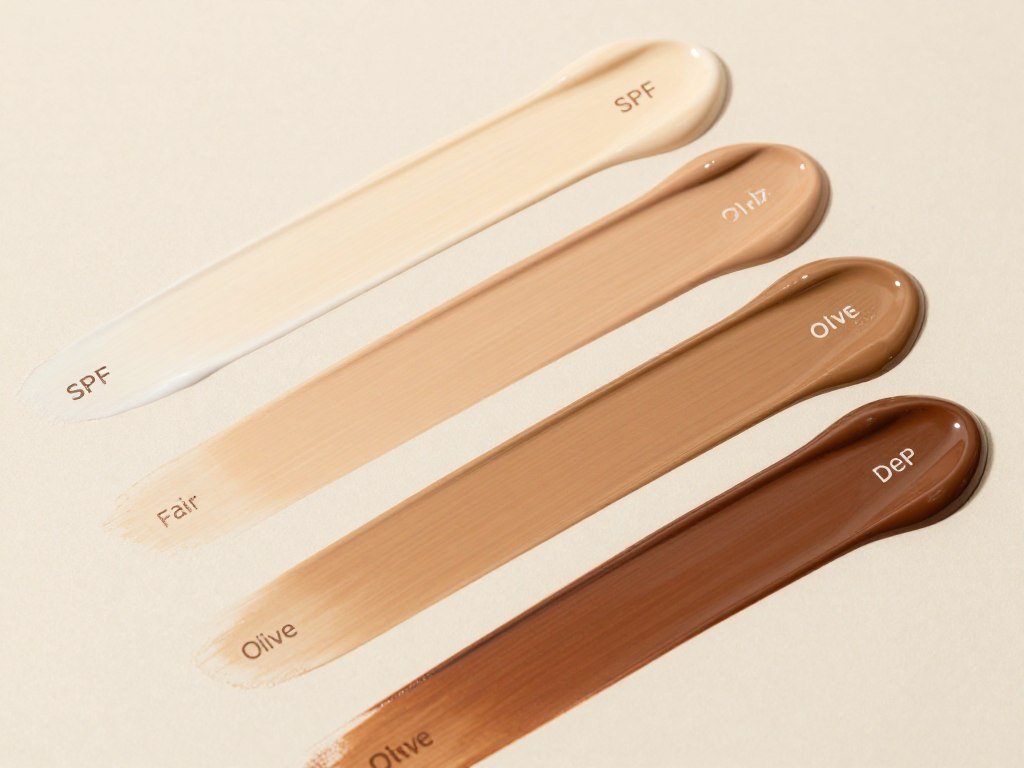
Shade matching for Indian skin tones
The best tinted sunscreen for Indian skin depends on your own complexion, not your background alone. A neutral shade may suit some people, while others need warmer or cooler undertones. Check whether a shade looks too pink, orange, gray, or pale after it blends.
Choosing a tint for dark skin
Colorescience Total Protection Face Shield Flex lists shades from Fair to Rich Deep, and La Roche-Posay Anthelios Mineral Tinted includes a Deep shade. Those named options may give dark skin more useful starting points, though shade count alone cannot promise a match.
| Product | SPF | Shade range or count | Shade details |
|---|---|---|---|
| Colorescience Total Protection Face Shield Flex | 50 | Six shades | Fair to Rich Deep |
| Neutrogena Purescreen+ Mineral Tinted | 30 | Four shades | Neutral undertones |
| La Roche-Posay Anthelios Mineral Tinted Light Fluid | 50 or 40 | Four shades | Light at SPF 50; Medium, Medium/Deep, Deep at SPF 40 |
| Supergoop! Glowscreen | 40 | Four shades | Sunrise, Golden Hour, Dawn, Sunset |
The SPF may differ between shades in one product line, as with La Roche-Posay. Read the shade and SPF details for the exact version you plan to buy. Check the final blend in daylight before relying on a shade that looked right under store lighting.
Which Tinted Sunscreen Suits Oily or Acne-Prone Skin?
EltaMD UV Clear is the clearest fit for sensitive or acne-prone skin in this group. It is a mineral SPF 46, fragrance-free, oil-free, and comes in two shades. Its labeling makes it a practical option, but individual skin reactions still vary.
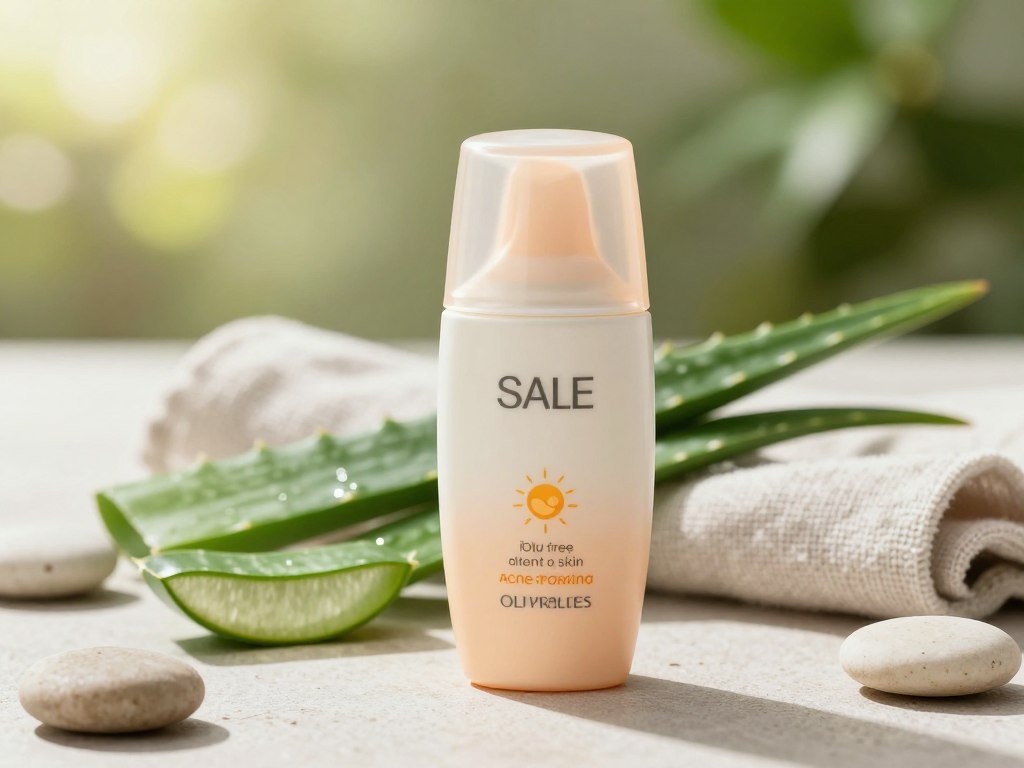
Lightweight options for oily skin
For oily skin, choose a light-feeling formula and a finish you enjoy. A sunscreen cannot promise to control oil, and a matte look may feel too dry for some skin types. Tower 28 SunnyDays is another choice, with mineral SPF 30, 17 shades, and an alcohol-free formula described as suitable for acne-prone skin.
Both EltaMD and Tower 28 offer different shade ranges and textures. Check the formula on your own skin, since the way a sunscreen feels can change with other products in your routine. A tinted option can still work for sensitive skin if its ingredients suit you.
What to prioritize for acne-prone skin
The best tinted sunscreen for acne-prone skin is one that feels comfortable and does not trigger your own sensitivities. These label checks can help narrow the options:
- Look for noncomedogenic labeling.
- Consider oil-free formulas if you prefer them.
- Check fragrance and other ingredients against personal sensitivities.
Fragrance, preservatives, dyes, and some botanical extracts can irritate some people. Mineral filters such as zinc oxide and titanium dioxide may suit some sensitive skin, though reactions differ. See this guide to body washes for sensitive skin for related product choices.
Test a new formula on a small area first if your skin tends to react to leave-on products.
What Works for Dry or Mature Skin?
For dry skin, Laura Mercier offers a hydrating, sheer-coverage direction, while EltaMD UV Daily adds hyaluronic acid. Laura Mercier Tinted Moisturizer Natural Dewy SPF 30 is a hydrating option with sheer coverage. Choose a lighter finish if heavier pigment tends to settle into fine lines.
Hydrating coverage for dry skin
EltaMD UV Daily Tinted Sunscreen Moisturizer SPF 40 is fragrance-free, noncomedogenic, and contains hyaluronic acid. Ilia Super Serum Skin Tint SPF 40 offers 30 shades and includes hyaluronic acid, niacinamide, and squalane. Those ingredients do not guarantee that a formula will suit every person.
For more help choosing a skin care routine for dry skin, compare moisturizers by texture and how dry your skin feels. Glycerin, hyaluronic acid, and ceramides are common ingredients to look for in that routine.
Sheer formulas for mature skin
Laura Mercier is the best fit here if you want a dewy, sheer finish for mature skin. Some heavier, more pigmented tinted sunscreen formulas can settle into fine lines. A sheer tint may leave more natural skin visible and feel less noticeable through the day.
Tatcha The Silk Sunscreen is a mineral SPF 50 with one peachy-tinted shade. It includes hyaluronic acid and niacinamide, while Ilia offers more shade choices. A tinted sunscreen moisturizer should feel comfortable over your usual skin care, not replace every step by default.
Try the texture over your usual moisturizer before committing to a full-face application.
Can Men Wear Tinted Sunscreen Without a Makeup Look?
Men can wear a tinted sunscreen whenever they want a little tone evening without a separate makeup step. A sheer tint or neutral finish can suit anyone who wants subtle coverage; tinted SPF is not gender-specific. Pick by coverage and finish, not by the label aimed at a particular gender.
Sheer options for a natural finish
A sheer tint can soften uneven tone while leaving freckles and natural skin visible. If you prefer a finish that feels like a basic sunscreen, look for lighter coverage and a shade that blends without a clear edge. Try it in the light where you usually spend your day.
Some tinted formulas look more like moisturizer than makeup, while others leave a glow or more visible pigment. The word “men’s” on a package does not change how sunscreen works. Your skin tone and the finish you like matter more than the marketing.
More coverage without a separate foundation
Kosas Reveal Skin-Improving Foundation with SPF comes in 28 shades and provides medium coverage. Its foundation-style formula can be built up for more coverage, which may reduce the need for a separate foundation layer.
Foundation with SPF still needs to be applied in the amount required for its labeled sun protection. Do not use less sunscreen because the product also evens skin tone. If you want more coverage, keep sun protection and the makeup effect as separate goals.
Choose coverage by the amount of evening-out you want, not by the product’s marketing category.
How Can You Tell if a Tint Contains Iron Oxides?
Check the full ingredient list for iron oxides rather than assuming a tint contains a known amount. A shade or tint does not tell you the iron oxide percentage. Iron oxides may appear in inactive ingredients rather than among a sunscreen’s active ingredients.
A 2026 analysis reviewed 37 tinted sunscreens from 31 brands. None of the brands publicly reported an iron oxide percentage, and 36 products did not list iron oxide as an active ingredient.
| Measure | Count | Denominator | Finding |
|---|---|---|---|
| Public percentage disclosure | Zero brands | 31 brands | None reported publicly |
| Iron oxide not listed as active | 36 products | 37 products | Most did not list it as active |
| Brands that replied | 24 brands | Contacted brands | Replied |
| Brands that disclosed after contact | Three brands | 24 respondents | Disclosed a percentage |
Supergoop! Protec(tint) Daily SPF Tint lists zinc oxide, homosalate, octisalate, and iron oxides. EltaMD UV AOX Elements SPF 50 lists zinc oxide, titanium dioxide, and iron oxides, with medium coverage. The ingredient lists show presence, not the amount used.
A mineral sunscreen SPF label lists active filters separately from other ingredients. Zinc oxide and titanium dioxide are common mineral filters, but neither confirms an iron oxide level. If a specific iron oxide percentage matters to you, request a written answer from the manufacturer before buying.
How Should You Apply Tinted Sunscreen With Makeup?
Apply the sunscreen as the final skincare step and before foundation or concealer. The amount on the label matters for the stated SPF. A thin layer may not provide the protection shown on the package, even if the tint looks even.
Mayo Clinic’s sunscreen guidance aligns with choosing broad-spectrum SPF 30 or higher and reapplying at least every two hours outdoors. Reapply after swimming or sweating, too. A water-resistant label applies for a set time, not for an entire day.
- Apply evenly to all exposed facial skin.
- Allow the sunscreen to set before applying makeup.
- Reapply at least every two hours outdoors.
- Reapply after swimming or sweating, and follow the product’s water-resistance time.
Naked Sundays BeautyScreen is a mineral SPF 50 with 15 shades and water resistance for up to 80 minutes. Water resistance has a time limit, so the label matters after swimming. For more on SPF, water resistance, and reapplication for children, see this guide to choosing sunscreen for kids.
Keep reapplication in mind when choosing a tint for a long day outdoors.
What Are the Trade-Offs of Tinted Sunscreen Formulas?
A tint can feel light in a quick swatch and behave differently across a full face. Sheer coverage may leave natural skin visible, while more pigment can feel heavier or wear differently. Judge the formula by a full application, not a dab on your hand.
Texture and finish in a full application
When comparing formulas, assess texture, longevity, pilling, sun protection, residue, and coverage. These factors have been used to evaluate tinted sunscreens with testers aged 30 to 60. A glowy finish may suit one person, while another may prefer a more natural look.
Do not assume any finish will last all day. Saie Slip Tint comes in 14 shades, and some users have reported pilling, though one product review did not experience it. Its water-based formula may blend less easily over heavy oils or with forceful rubbing.
Layering tint with makeup
Try your full makeup routine at home: use your usual skin care, apply the sunscreen layer, then add foundation or concealer after it sets. Use light pressure when blending makeup, and check for patches or rolling. That test helps you spot conflicts without cutting the sunscreen amount.
Makeup can change how a tint looks and wears, especially when several layers sit together. Keep the sunscreen layer even, then adjust the makeup amount to get the finish you want. Test the complete routine at home before relying on it for a full day.
Why Do People Say Not to Wear Sunscreen?
Online sunscreen claims have persuaded millions of U.S. adults to reduce or stop use. In 2026, more than 16 million adults reported doing so because of online claims. Survey responses show how claims affect behavior, not whether those claims are true.
A 2026 online survey included 1,132 U.S. adults from Jan. 19 to Feb. 2. Its maximum margin of error was ±3% for full-sample estimates, assuming no sample bias. Among all Americans surveyed, 57% regularly used sunscreen, and one-third reported a sunburn in the past year.
Before changing your routine over a viral claim, check the original guidance and consider your own care needs.
Gen Z results were separate from the full-adult findings. Among Gen Z respondents, 36% named Instagram or TikTok influencers as their main source of skin-care advice, and 64% had encountered sunscreen misinformation online. One-third received a D or F on the sun-safety quiz.
Other responses show gaps across the broader group. Half of U.S. adults worried about premature skin aging, and 43% said they already saw damage such as wrinkles or dark spots. Still, 21% did not know sunscreen helps prevent premature aging, while 26% did not know it can help prevent dark spots.
- Look for the original medical guidance behind a claim.
- Check whether it concerns one ingredient or all sunscreen.
- Compare the claim with a clinician’s advice when it affects personal care.
Before changing your routine over a viral claim, verify it with a trusted medical organization or your clinician.
Conclusion
A good tinted sunscreen is the one that fits your complexion and routine without making sun protection feel like a chore. A shade that blends well can make daily use easier, while the sunscreen label tells you what protection the formula offers.
Swatch one or two finalists in daylight and check the package before you buy. Confirm the SPF and broad-spectrum label, then use the amount needed for protection. Swatch your top choice in daylight, confirm its SPF and broad-spectrum label, and use it consistently.
FAQ
Is tinted sunscreen actually better?
What is the best tinted moisturizer with SPF for older skin?
What is the best tinted SPF 50 for the face?
Does tinted sunscreen clog pores?
What are the downsides of using tinted sunscreen?
Why do people say don’t wear sunscreen?
What does Mayo Clinic recommend for sunscreen?
What gen Z gets wrong about sunscreen?