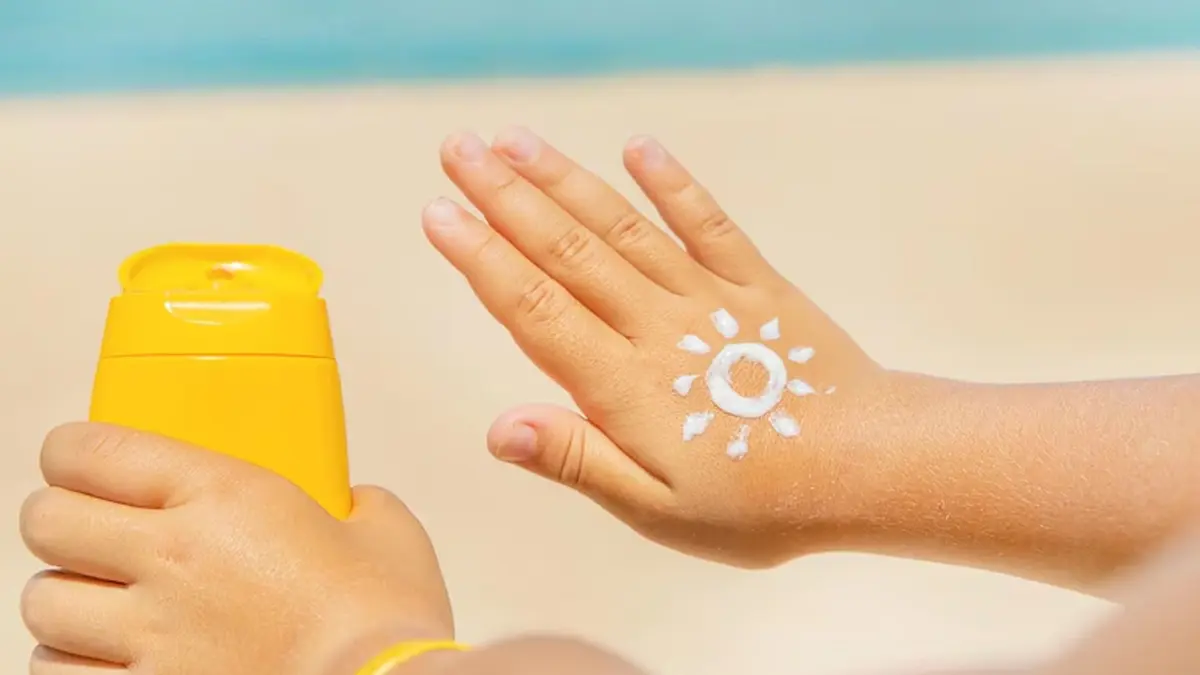
A sunny day can turn into anything: an afternoon at the beach, a football game at school, a family picnic, or an energetic game of tag that lasts far longer than anyone planned.
For kids, these moments are often the best part of the day. For parents, they come with a familiar checklist: water bottles, snacks, hats, and sunscreen.
Choosing sunscreen should not feel like a science experiment. Yet between mineral formulas, spray bottles, sensitive-skin labels, and SPF numbers, it is easy to wonder which product is actually worth buying.
The best sunscreen for kids is a broad-spectrum, water-resistant formula with SPF 30 or higher that suits your child’s skin and is easy to apply generously. Many parents prefer mineral sunscreens containing zinc oxide or titanium dioxide, particularly for sensitive skin, although the right choice also depends on the individual product and your child’s needs.
The good news is that protecting your child’s skin does not have to be complicated. With the right sunscreen and a few simple habits, you can spend less time worrying about sunburn and more time enjoying the day together.
Why Is Sunscreen Important for Kids?
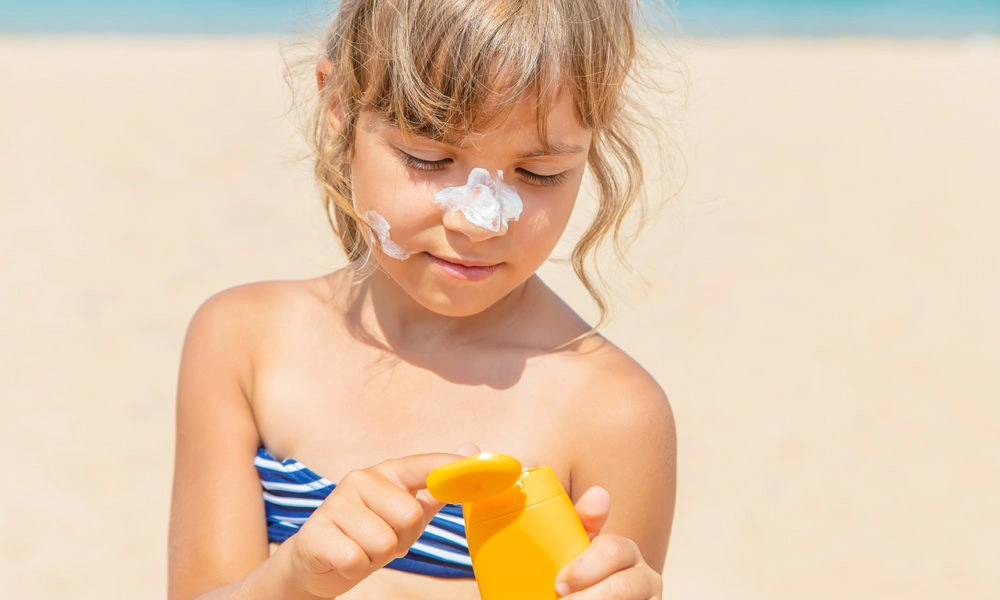
Children spend time outdoors running, swimming, cycling, playing sports, and exploring the world around them. All that movement is wonderful, but it can also mean prolonged exposure to ultraviolet (UV) radiation.
Sunburn is the most immediately visible consequence of too much sun exposure. UV radiation can also damage skin over time, and protecting children’s skin early helps establish habits that matter throughout life.
Sunscreen helps reduce UV exposure on skin that clothing does not cover. It works best alongside shade, sun-protective clothing, a wide-brimmed hat, and sunglasses with UV protection.
One important point: children need sun protection whatever their skin tone. Darker skin can still experience UV damage and sunburn, even when redness is less obvious.
The goal is not to keep children indoors on every bright day. It is to help them enjoy outdoor activities while reducing unnecessary exposure. Adults need the same protection, so see our guide to the best skin care products of 2026, which includes sunscreen picks.
What Makes the Best Sunscreen for Kids?
Before comparing brands, look at the label. A few features matter far more than colorful packaging or a product’s marketing claims.
SPF 30 or Higher
SPF measures protection against sunburn-causing UVB radiation. Dermatologists recommend sunscreen with SPF 30 or higher for children aged six months and older.
SPF 50 is a practical choice for many families, especially when children will spend extended periods outdoors. However, a higher SPF does not eliminate the need for proper application, reapplication, shade, and clothing.
Broad-Spectrum Protection
Look for the words broad spectrum on the label. This indicates protection against both UVA and UVB radiation.
Both matter. UVB is a major cause of sunburn, while UVA contributes to skin damage and premature skin aging.
A sunscreen that meets the broad-spectrum requirement offers more complete protection than one selected on SPF alone.
Water Resistance
For swimming, sports, playgrounds, and sweaty afternoons, water resistance is particularly useful.
Labels commonly specify water resistance for either 40 or 80 minutes under the relevant testing conditions. This does not mean a sunscreen is waterproof or lasts all day.
Reapply according to the label, after swimming or sweating, and immediately after towel drying when directed.
A Formula Your Child Will Tolerate
The best protection is only useful if you can apply enough of it consistently.
Some children dislike thick creams, while others find sprays easier to tolerate. Children with sensitive skin may prefer fragrance-free formulas, and those who swim regularly may need a water-resistant product.
Think about your child’s routine rather than choosing solely by the word kids on the bottle.
Mineral vs. Chemical Sunscreen for Kids

Both mineral and chemical sunscreens can provide effective sun protection when appropriately formulated and used as directed. The difference lies in their active ingredients and how the products are formulated.
Mineral Sunscreen
Mineral sunscreens commonly use zinc oxide, titanium dioxide, or both as active UV filters.
These formulas are often worth considering for babies six months and older, toddlers, and children with sensitive skin. Mineral ingredients may be less irritating for some children, particularly when the overall formula is fragrance-free.
They can, however, leave a white or pale cast, especially on deeper skin tones. Some formulas are easier to blend than others, so texture is worth checking before buying.
Choose mineral sunscreen when: Your child has sensitive skin, you prefer zinc oxide or titanium dioxide formulas, or you want to compare options specifically designed for children.
Chemical Sunscreen
Chemical sunscreens use approved organic UV filters to absorb UV radiation. They often come in lightweight lotions, gels, and other textures that spread easily.
Some children find these formulas more comfortable because they leave less visible residue. However, particular products can irritate individual skin types, and no formula is automatically suitable for every child.
Consider a chemical sunscreen when: Your child tolerates the formula well and you prefer its feel or application.
There is no need to turn this into a strict mineral-versus-chemical debate. A sunscreen that offers appropriate protection, suits your child’s skin, and gets applied properly is a sensible choice.
Sunscreens for Kids Worth Considering
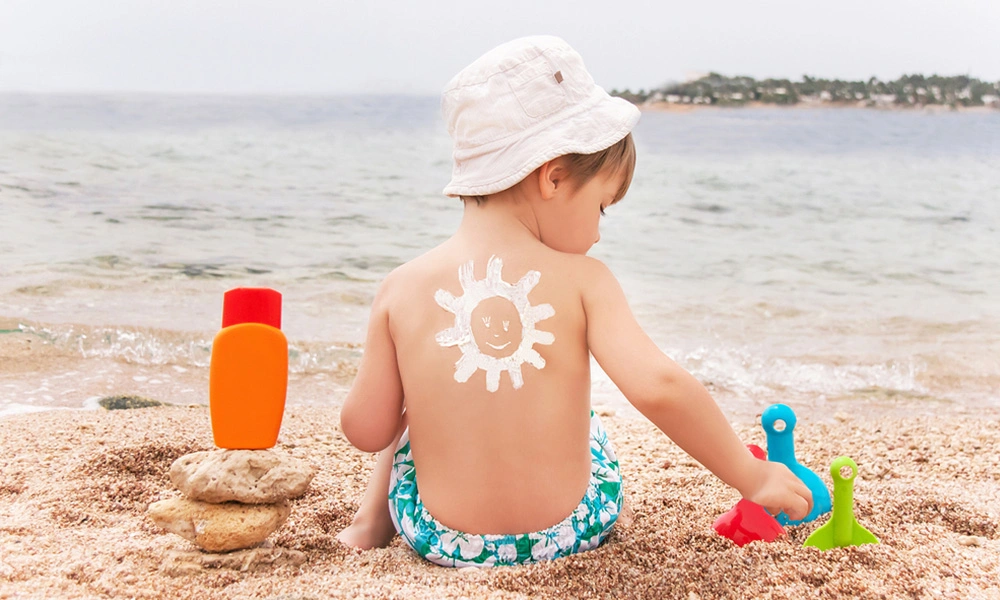
The following products offer different formats and formula approaches. They are options to compare, not a universal ranking: ingredients, availability, and product formulations can change, so confirm the exact package before purchasing.
1. Blue Lizard Kids Mineral SPF 50 Sunscreen Lotion
Blue Lizard Kids Mineral SPF 50 is an option to explore if you prefer a mineral lotion designed specifically for children.
Its format is useful for covering larger areas such as arms, legs, shoulders, and backs. A lotion also gives parents direct control over how much product they dispense and where it goes.
Mineral formulas can leave a visible cast, depending on the product and your child’s skin tone, so test a small area if appearance or texture is a concern.
Worth considering for: Family beach days, outdoor play, and parents who prefer a mineral lotion.
2. Aveeno Kids Continuous Protection Mineral Sunscreen SPF 50
Aveeno Kids Continuous Protection Mineral Sunscreen SPF 50 uses zinc oxide as its active sunscreen ingredient. Its formula is marketed as fragrance-free and includes oat.
For children whose skin becomes uncomfortable with scented products, a fragrance-free option can be a sensible place to start.
The lotion format is convenient for routine application before school, outdoor activities, or family outings. As with any sunscreen, follow the label and watch for signs of irritation.
Worth considering for: Children with sensitive skin and families looking for a mineral lotion.
3. Banana Boat Kids 100% Mineral Sunscreen Lotion SPF 50
Banana Boat Kids 100% Mineral Sunscreen Lotion SPF 50 is another option for parents comparing mineral formulas.
A lotion can make it easier to apply sunscreen across larger exposed areas before a day outside. This is especially useful when children will be playing in the garden, attending a sports event, or spending time at the beach.
Check the current package for active ingredients, water-resistance claims, and application directions, because products and labels may differ between markets.
Worth considering for: Families who want another mineral lotion option to compare by texture, availability, and price.
4. Neutrogena Sheer Zinc Kids Mineral Sunscreen Stick SPF 50
A sunscreen stick can be particularly convenient around the face, nose, ears, and other smaller areas that are easy to miss.
Neutrogena Sheer Zinc Kids Mineral Sunscreen Stick SPF 50 offers a portable stick format that can fit easily in a day bag.
The trade-off is application coverage. A few quick swipes may not deliver enough product, so follow the instructions carefully and ensure the exposed area is covered adequately.
Worth considering for: Travel, quick application, and targeted coverage on the face.
5. Aveeno Baby Continuous Protection Sensitive Skin Face Stick SPF 50
For families who prefer a compact sunscreen for smaller areas, Aveeno Baby Continuous Protection Sensitive Skin Face Stick SPF 50 is another option.
It uses zinc oxide and is marketed for sensitive skin. The stick format can be practical around the face and hands, especially when carrying a larger bottle is inconvenient.
Remember that sunscreen sticks need adequate application too. Follow the label, making enough passes to cover the area properly rather than treating one quick swipe as complete protection.
Worth considering for: Parents who want a portable mineral stick for face and other exposed areas.
Which One Should You Choose?
Start with the format your child will tolerate.
If you need to cover arms, legs, and the torso, a lotion is often practical. A stick can be convenient around the face and ears. If your child has sensitive skin, consider a fragrance-free formula and check the complete ingredient list.
For families living outside the United States, product availability and formulations may differ. Choose a reputable, locally available product with clear labeling rather than assuming an imported sunscreen is automatically better. Heading out on a family trip? Our luxury travel tips for beginners can help you plan.
How to Apply Sunscreen to Kids Correctly

Buying a good sunscreen is only half the job. How you use it makes a substantial difference.
Apply Before Going Outdoors
Follow the product label for application timing. Many sunscreens advise applying about 15 minutes before sun exposure.
Make it part of getting ready rather than waiting until your child is already outside in the sun.
Cover Every Exposed Area
Parents often remember the cheeks and arms but miss the places that can burn surprisingly easily.
Pay attention to the ears, back of the neck, tops of the feet, hands, and exposed scalp or hairline. Use a lip product with appropriate sun protection for the lips.
Avoid getting sunscreen into the eyes or mouth, and follow the product’s instructions for use around the face.
Use Enough Product
A very thin layer may leave areas inadequately protected. Apply sunscreen generously and evenly to all exposed skin, following the directions on the package.
Take your time around the shoulders, legs, arms, ears, and neck. The aim is complete coverage rather than a quick application that leaves patches uncovered.
Reapply Regularly
Reapply at least every two hours while outdoors, and sooner when required by the label after swimming, sweating, or towel drying.
If your child is playing in water, check the water-resistance period on the bottle. An 80-minute claim still means you need to reapply when that period has passed or sooner if the label instructs you to.
Treat Cloudy Days as Sun Days
Clouds may make the weather feel cooler, but UV exposure can still occur.
If children are outside for extended periods, keep using appropriate protection even when the sky is overcast. Shade, protective clothing, and sunscreen work best together.
What About Sunscreen for Babies Under Six Months?
Babies younger than six months require special care.
The primary approach is to keep them out of direct sunlight, use shade, and dress them in lightweight clothing that covers their arms and legs. A wide-brimmed hat can provide additional protection.
Because infants have particularly sensitive skin, ask your pediatrician before applying sunscreen to a baby younger than six months. If adequate shade and clothing are unavailable, a clinician can advise whether a small amount on exposed skin is appropriate.
Do not rely on sunscreen alone to protect a baby from intense sunlight or overheating. Keep the baby cool and seek shade, especially during the hottest parts of the day.
Common Sunscreen Mistakes Parents Can Avoid
Even well-intentioned parents can miss a few important details.
Choosing by SPF alone: SPF matters, but broad-spectrum protection and water resistance are important too.
Applying too little: A thin, uneven layer may not deliver the protection expected from the label.
Forgetting to reapply: One application in the morning is not enough for a full day outdoors.
Assuming mineral means allergy-proof: Mineral ingredients may be better tolerated by some children, but other ingredients in the formula can still cause a reaction.
Using old sunscreen: Check the expiration date and storage instructions. Replace expired products or sunscreen whose condition has changed.
Ignoring shade and clothing: Sunscreen is an important layer of protection, not a reason to stay in direct sunlight indefinitely.
Spraying near the face: If you choose a spray, avoid inhalation and do not spray directly onto the face. Follow the label’s directions, applying to your hands first when appropriate. For your own routine, our guide to the best body care products covers body sunscreen too.
How to Make Sunscreen Easier for Kids
Children are more likely to cooperate when sunscreen becomes a normal part of the routine rather than a last-minute struggle.
Let them choose between suitable products or help put sunscreen on their arms under your supervision. Keep a sunscreen stick in the bag for convenient reapplication, and put a familiar bottle beside the things you pack for outdoor activities.
A hat they enjoy wearing, lightweight sun-protective clothing, and access to shade can also make protection feel less like a chore.
For older children, explain sunscreen in simple terms: it helps protect their skin so they can keep enjoying their favorite outdoor activities.
The idea is not to make children afraid of sunshine. It is to help them build habits that support a healthy, active life. If you are packing for a beach day, see this luxury resort wear packing guide.
Frequently Asked Questions
What is the best sunscreen for kids?
Choose a broad-spectrum, water-resistant sunscreen with SPF 30 or higher for children six months and older. Mineral options containing zinc oxide or titanium dioxide may suit children with sensitive skin, but the best product depends on your child’s tolerance, activity, and preferred texture.
Is SPF 50 better than SPF 30 for kids?
SPF 50 offers a higher level of protection against UVB radiation when applied correctly, but it is not a substitute for adequate coverage and reapplication. Both SPF 30 and SPF 50 can be sensible choices when they provide broad-spectrum protection and meet the other requirements.
Is mineral sunscreen safer for children?
Mineral sunscreens containing zinc oxide or titanium dioxide are often preferred for sensitive skin because they may be less irritating. However, both mineral and chemical sunscreens can provide effective protection when appropriately formulated and used as directed.
Can babies use sunscreen?
For babies under six months, prioritize shade and protective clothing and ask a pediatrician before using sunscreen. For children six months and older, use a suitable broad-spectrum sunscreen according to the product label.
How often should I reapply sunscreen to my child?
Reapply at least every two hours while outdoors, and follow the product label after swimming, sweating, or towel drying. Water-resistant sunscreen does not provide all-day protection.
Can children with dark skin get sunburned?
Yes. Skin tone does not eliminate the risk of UV damage or sunburn. Children of every skin tone benefit from appropriate sun protection.
Should kids use sunscreen every day?
When children will be exposed to sunlight, sunscreen can be an important part of their protection. Make it part of the routine for school, outdoor play, sports, and family outings, while also using shade and protective clothing.
Can I use adult sunscreen on my child?
Many sunscreens formulated for adults may be suitable for older children, but check the label, ingredients, age directions, and your child’s skin tolerance. A product designed for children may be easier to choose if your child has sensitive skin.
Final Thoughts: Let Kids Enjoy the Sunshine, Safely
The best sunscreen for kids is not necessarily the most expensive one or the bottle with the highest number printed on the front. It is a product that offers suitable protection, feels comfortable on your child’s skin, and is easy to apply properly.
Start with broad-spectrum SPF 30 or higher, choose water resistance for outdoor play, and consider a mineral formula if your child has sensitive skin. Apply enough, remember to reapply, and use shade, hats, and protective clothing as well.
Once sunscreen becomes a familiar part of getting ready, it takes much less thought. You can spend less time worrying about missed spots and more time enjoying the beach trips, playground afternoons, family walks, and all the little memories that make childhood special.
Because the goal is not to keep kids away from the sunshine. It is to help them enjoy it with thoughtful protection. Planning a family getaway? Explore these best luxury island destinations.
Disclaimer: This article is intended for informational purposes only.