A lighter complexion product can even out skin tone without hiding the skin’s natural texture. Many people with mature skin want hydration, light coverage, and a finish that does not draw attention to fine lines. The right choice still depends on your skin type and the look you want.
Some formulas feel more like a moisturizer, while others offer a thin, serum-like layer. Shade range, ingredients, and sun protection can also shape your choice. Buildable coverage means you can increase coverage in light layers instead of starting with a heavier, full-coverage application.
Here, you’ll find practical ways to compare formulas, finishes, sunscreen labels, and shades. The goal is a natural look that feels comfortable, not a product that promises to change your skin. The best starting point is the finish and coverage that feel comfortable on your own skin.
Key Takeaways
- Age alone does not determine which formula will suit your skin.
- Choose coverage and finish based on your skin’s needs and your preferred look.
- Check sunscreen labels separately from the tint’s complexion results.
- Test shade and texture in daylight when possible.
- Ingredient names can guide your choice, but cannot predict every reaction.
Best Tinted Moisturizer for Mature Skin: Top Picks
For a straightforward first choice, start with Isdin Eryfotona Ageless Tinted Mineral Sunscreen, then choose a skin tint or drugstore option if those better fit your routine. Allure named it its best tinted sunscreen for mature skin in 2026. It is a sunscreen-centered pick, while the other options serve different routines.
Allure named IT Cosmetics Do It All Sheer Tint Face Balm its best skin tint for mature skin in 2026. CoverGirl Clean Fresh Nourishing Skin Tint earned Allure’s best drugstore skin tint recognition. For shoppers over 40, 50, or 60, age alone does not determine the best fit; match coverage and finish to your skin needs.
| Product | 2026 listed price | Distinction |
|---|---|---|
| Isdin Eryfotona Ageless Tinted Mineral Sunscreen | $78 | Allure’s best tinted sunscreen for mature skin |
| IT Cosmetics Do It All Sheer Tint Face Balm | $34 | Allure’s best skin tint for mature skin |
| CoverGirl Clean Fresh Nourishing Skin Tint | $14 | Allure’s best drugstore skin tint |
These distinctions offer a useful starting point, not a rule about what your skin should prefer. A tinted moisturizer, a skin tint, and a tinted sunscreen can feel quite different. Compare the texture and coverage with the role you want the product to fill.
Age does not choose your tint for you. Coverage and finish should match your skin’s needs and your own preference.
People seeking the best tinted moisturizer for mature skin over 40, 50, or 60 can use the same basic test: consider skin needs, desired coverage, and preferred finish. The right pick may change as your skin or routine changes. Treat the listed prices as a point-in-time comparison, not a promise of what a retailer will charge.
Which Tinted Sunscreen Fits Mature Skin?
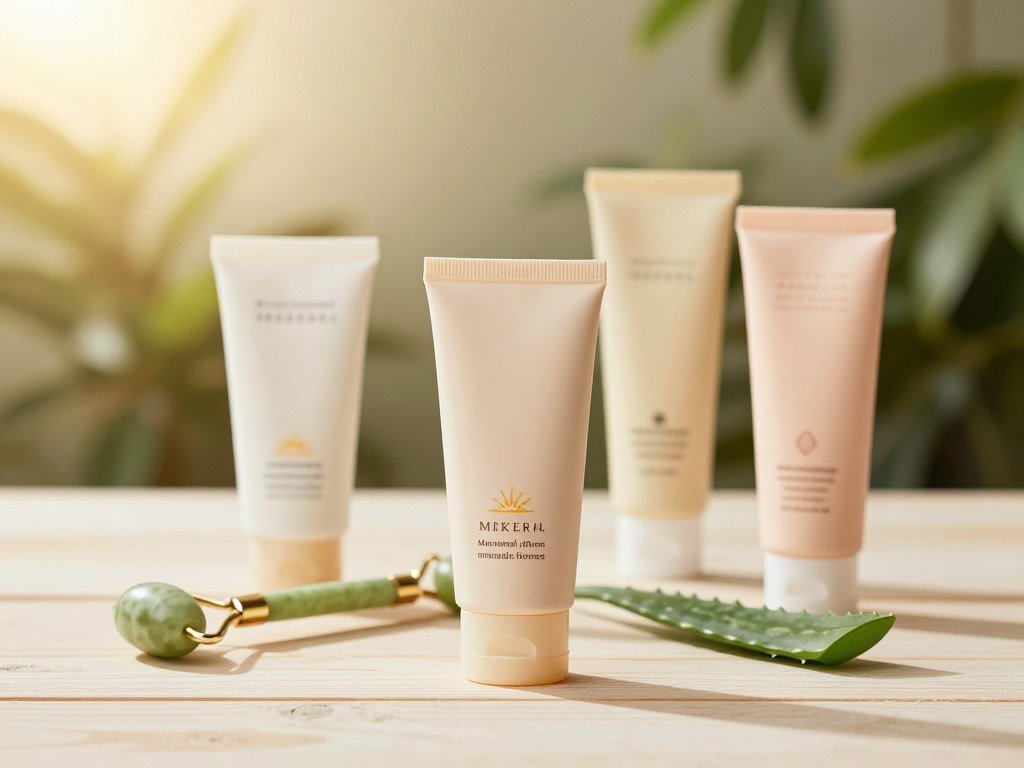
For a fragrance-free option with niacinamide, EltaMD UV Clear Tinted Broad-Spectrum SPF 46 has the most specific formula details in this group. Its hybrid sunscreen formula combines 13.1% zinc oxide with 5% niacinamide. It comes in two shades and listed at $47 in 2026.
CeraVe Hydrating Mineral Sunscreen SPF 30 uses mineral active ingredients: 10% zinc oxide and 5.5% titanium dioxide. It is fragrance-free, comes in three shades, and listed at $16 in 2026. Choose the SPF option whose label, shade, and texture you can use consistently.
EltaMD UV Clear Tinted Broad-Spectrum SPF 46
EltaMD is a hybrid sunscreen, meaning its formula uses a mix of sunscreen ingredients. Its niacinamide is another point to consider when comparing ingredients. The small shade range may not offer a match for every complexion.
CeraVe Hydrating Mineral Sunscreen SPF 30
CeraVe relies on zinc oxide and titanium dioxide for its mineral sunscreen actives. Its three shades provide options, but shade counts alone cannot show how well a tint matches each person. The listed price gives shoppers a lower-cost comparison with EltaMD.
Saie Slip Tint SPF 35
Saie Slip Tint Tinted Moisturizer SPF 35 uses 15% non-nano zinc oxide and comes in 14 shades. That broader count may offer more choices, but it does not guarantee a match for every skin tone. A tint is useful only when you find both the color and texture wearable.
For the best tinted moisturizer for mature skin with SPF, weigh the labeled protection alongside the formula and available shades. Sensitive skin may also make fragrance or other ingredients part of the decision. Before buying any tinted sunscreen, check that its labeled protection and shade both suit your daily use.
Which Skin Tints Offer Flexible Coverage?
A skin tint suits shoppers who want a lightweight complexion layer rather than the feel of a traditional foundation. These products are often thinner and more serum-like than tinted moisturizers. They can offer a sheer look, with coverage that you can build as needed.
Make Up For Ever Super Boost Lightweight Moisturizing Skin Tint is one option for shoppers who want a flexible layer. It listed at $36 in 2026 and comes in 18 shades. Its formula includes humectants and emollients commonly used in hydrating products, but that does not make it a wrinkle treatment.
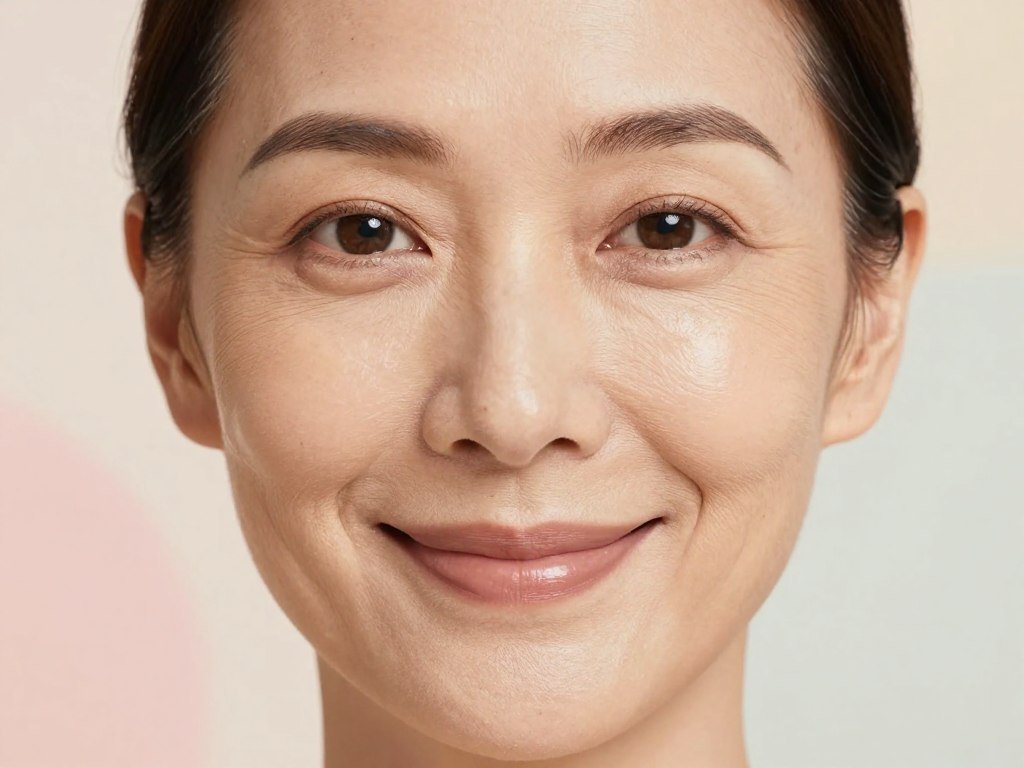
Make Up For Ever Super Boost for Buildable Hydration
The formula lists glycerin, squalane, sodium hyaluronate, polyglutamic acid, and silicones. These ingredients are commonly used in formulas designed to support a hydrated feel or smooth application. Ingredient lists do not promise a particular result for every person.
Its 18 shades give shoppers several options to compare. A sheer skin tint may suit you if you want less coverage than a foundation provides. You can also apply a light layer first, then add a small amount where you want more coverage.
A Skin Tint for Dry Skin
Dry skin often feels more comfortable with a hydrating texture, but even a moisturizing formula can cling to dry patches. Test the finish on the areas that tend to feel rough or look flaky. If the texture catches there, adding more product may make the patch more visible.
The best drugstore tinted moisturizer for mature skin in the shortlist is CoverGirl Clean Fresh Nourishing Skin Tint. For shoppers weighing the best skin tint for dry skin, comfort matters as much as a light feel. You can also compare skin care products for dry skin when dryness calls for more than complexion makeup. If a light tint leaves dry areas looking more noticeable, try a more hydrating texture before adding more coverage.
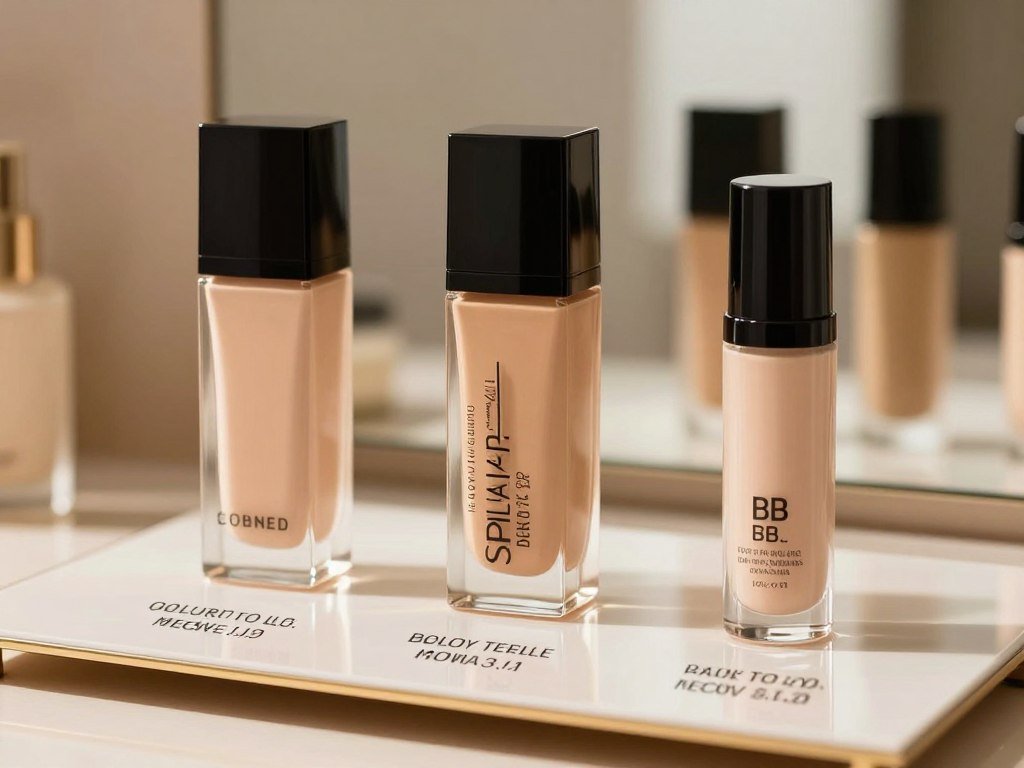
When Is a BB Cream or CC Cream a Better Choice?
Choose a BB cream when you want more coverage than a sheer tint, or a CC cream when color correction is the priority. Tinted moisturizers generally feel lighter and offer sheerer coverage. Pick the category according to the job you want it to do.
A BB cream, or beauty balm, usually provides light-to-medium coverage. Erborian BB Cream SPF 20 is one example. A CC cream, or color-correcting cream, focuses on visible color concerns such as redness, hyperpigmentation, sun spots, and uneven skin tone.
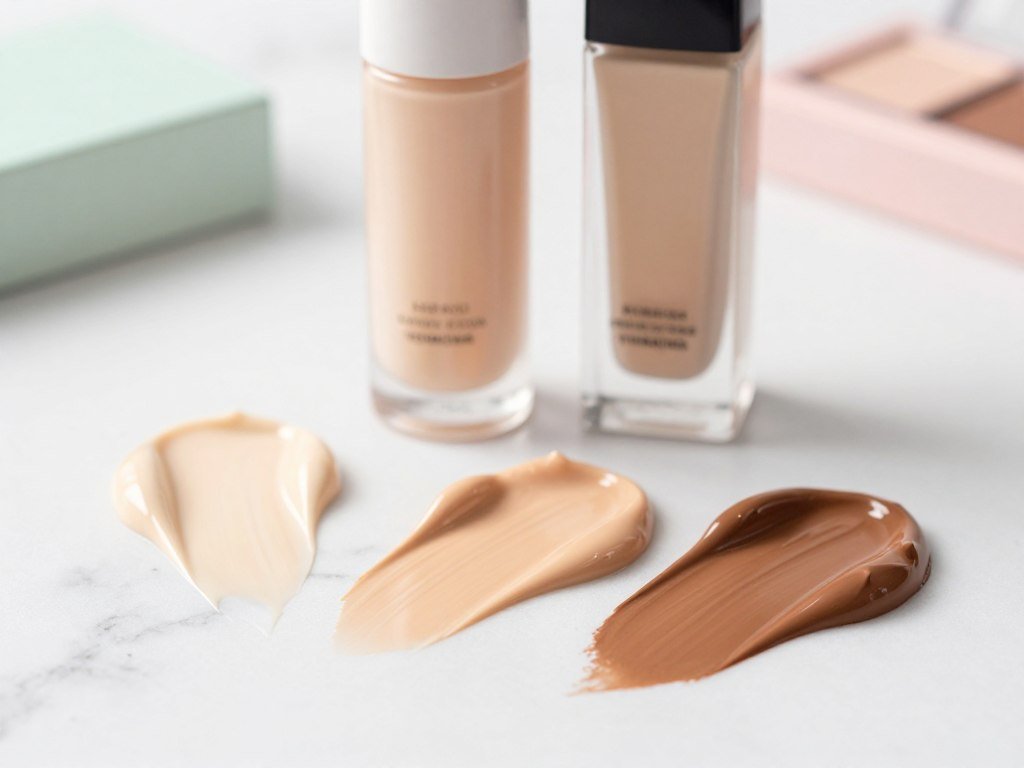
| Product type | Typical coverage | Primary purpose | Relative texture |
|---|---|---|---|
| Tinted moisturizer | Sheer | Hydration and light tint | Generally light |
| BB cream | Light to medium | Beauty balm coverage | Often thicker than a tint |
| CC cream | Varies | Correct visible color concerns | Varies by product |
The names can help you narrow products, but they do not guarantee identical formulas across brands. A tinted moisturizer puts hydration and a sheer tint first. BB creams typically provide more coverage, while CC creams focus on correcting color differences.
For a closer explanation of the difference between BB and CC creams, compare how each category is meant to work. Check the product description and texture, not just its label. Match the category to the concern rather than expecting every complexion product to perform the same job.
What Coverage Works Best With Fine Lines?
A flexible, sheer layer is usually easier to adjust around fine lines than a heavy coat of foundation. Tinted moisturizers offer light coverage while putting moisture and a tint ahead of full coverage. Buildable coverage means coverage that can be increased in light layers instead of starting with a heavier, full-coverage application.
Start with a light layer, then add more only where you want it. Makeup artist Suzy Gerstein favors easy-to-blend textures and buildable coverage for mature skin. Blending with ease can help reduce the look of makeup settling into fine lines and wrinkles.
A tinted moisturizer can even out skin tone without acting like full-coverage foundation. Its lighter coverage leaves more of your natural skin visible. That may suit you if you want a softer result instead of a more covered look.
Fine lines do not need a thick coat of product to look even. A flexible formula lets you adjust coverage across different parts of your face. Extra layers can add more color coverage, but they do not remove wrinkles or treat the skin.
Check how the makeup looks after blending, especially where lines show more clearly. A small amount in one area may be enough, while another area may need none. Add coverage only where you want it, then check the result in natural light.
How to Choose a Formula for Your Skin Type
Skin type is a more useful formula filter than choosing a product solely by age. Dry, oily, combination, and sensitive are four common skin-type categories. Use these categories as starting points, not diagnoses.
One formula can also suit one part of your face better than another. Your cheeks may feel dry while your forehead feels oily, for example. Notice how your skin behaves through a typical day.
- Dry skin often feels better with a more hydrating texture.
- Oily skin may feel more comfortable in a lighter formula.
- Combination skin can have different needs across facial areas.
- Sensitive skin may call for attention to fragrance or other personal triggers.
These skin types are broad labels, not a full picture of your skin. A product may feel comfortable on your cheeks but less so on your forehead. Look at how each area responds instead of expecting one formula to feel the same everywhere.
When you compare moisturizers, consider how your skin feels after wearing them, not just the product claims. A skin care product guide can help you compare formulas for different needs. For advice on acne alongside complexion products, you can also read about spot treatments for pimples.
If a formula repeatedly causes irritation, stop using it and seek individual advice from a dermatologist.
Which Finish Looks Most Natural on Mature Skin?
A natural or dewy finish is a sensible first try if your skin tends to look dry or textured. Tinted moisturizers often leave a soft, dewy look. Dryness, texture, and personal preference matter more than age by itself.
Shoppers over 70 can use the same finish criteria as other people with mature skin. A matte finish can draw attention to dryness or texture for some people, but it is not unsuitable for everyone. Your preferred look matters too.
| Finish | Likely visual effect | Trade-off |
|---|---|---|
| Dewy | Soft glow | May look shiny to some |
| Natural | Skin-like appearance | May offer less glow |
| Matte | Less visible shine | Can draw attention to dry texture |
A dewy finish may give the face a fresh look, though you may prefer less shine in some areas. A natural finish can be a middle ground when you want skin to look like skin. Matte products can feel better if shine is your main concern.
Finish terms can vary between products, so the label alone may not predict how one looks on your face. Check the finish in daylight, since indoor lighting can make shine or dryness harder to judge.
What SPF Should a Tinted Moisturizer Have?
Choose a tinted sunscreen labeled broad-spectrum, SPF 30 or higher, and water resistant. The American Academy of Dermatology recommends those label features for sunscreen. A tint does not replace checking the sunscreen label.
Broad-spectrum wording signals protection from both UVA and UVB rays. SPF, or sun protection factor, measures protection against sunburn from UVB rays. Water resistance matters when you sweat or swim, though the label states how long it lasts.
- Check for the words broad-spectrum.
- Choose SPF 30 or higher.
- Look for a water-resistant label.
A tinted sunscreen with iron oxide can help protect against visible-light-related darkening. The American Academy of Dermatology recommends tinted sunscreen with SPF 30 or higher for visible-light protection. Its sunscreen guidance also supports checking the product’s labeled claims.
A tint does not make it safe to use less product than the recommended amount. Makeup-style coverage and sunscreen protection are different goals, even when one product serves both. For long periods outdoors, follow the sunscreen label rather than relying on a makeup-style touch-up.
How Should You Apply Tinted Sunscreen and Makeup?
Treat the sunscreen step as sunscreen first, even when its tint also evens your complexion. Apply the amount recommended for the face, then give the layer time to set before going outside. Add complexion product only after the sunscreen layer is applied.
The American Academy of Dermatology recommends at least one teaspoon of sunscreen for the face. It also recommends applying sunscreen about 15 minutes before going outdoors. Use the product label for its specific directions.
- Apply at least one teaspoon of sunscreen to your face.
- Apply it about 15 minutes before going outdoors.
- Reapply about every two hours outdoors, or after swimming or sweating, following the label.
- Add complexion makeup after the sunscreen layer.
To blend a complexion product, warm it between your palms and press gently over the skin. You can also use a fluffy brush for a light, even layer. Add extra coverage only to the areas where you want it.
Sunscreen needs regular reapplication during outdoor time, even when it has a tint. Follow the label if you swim or sweat, since its directions apply to that product. Reapply after swimming or sweating and keep following the product label.
Which Ingredients Support Hydration?
Humectants such as glycerin and hyaluronic acid attract water, while emollients such as squalane help soften the skin feel. Ingredient lists offer clues about a formula’s role, not a promise that it will suit every skin type.
Sodium hyaluronate is a form of hyaluronic acid used in skin-care formulas. These ingredient names may help you find a hydration-focused moisturizer. They cannot predict how your skin will respond to every product.
Hyaluronic acid is common in products that aim to support hydration. Still, a formula’s full blend and your own skin both affect how it feels. A product with one familiar ingredient may not suit every person.
Antioxidants are another ingredient category you may see on a label. They do not make a tinted moisturizer a proven way to prevent or reverse aging. For more on hydrating ingredients such as glycerin, consider how your skin feels and reacts to the full formula.
A richer skin-care routine may help when dryness continues beyond makeup use. You can compare a clinical study of topical hyaluronic acid for its findings on one specific serum. Patch-test a new formula if you are unsure how your skin will react.
How Do You Find a Shade That Blends Into Your Skin Tone?
A shade should blend across the jawline without leaving a visible edge at the neck. Consider both the depth of the color and its undertone. A close match needs to work with the skin tone across your face and neck.
Product testing can include people of varied ages, skin tones, genders, and dermatological conditions. Still, one swatch cannot show how a shade will look on every person. A sheer tint may make a near-match easier to wear, but it does not make every range inclusive.
- Compare the tint along your jawline and neck.
- Check the result in natural light.
- Consider both color depth and undertone as you test.
Undertone can make two shades with similar depth look quite different. A shade may seem close on your hand but show a clear edge where your face meets your neck. Testing along the jawline gives you a better view of that transition.
Sheer coverage can soften a small shade difference, but it cannot fix a major mismatch. Product names such as “light” or “medium” do not tell you the undertone. If the shade looks off in daylight, try a different undertone before assuming you need more coverage.
What Should You Check Before Buying?
A short checklist can prevent a promising tint from being a poor match in everyday use. Think about how the formula fits your skin, your routine, and your preferences. “Fragrance-free” or “sensitive-skin” language does not guarantee that an individual will have no reaction.
Product reviews can consider ingredients, shade inclusivity, wear, longevity, packaging, and suitability for sensitive skin or contact-lens wearers. Affordability may matter too. A product that looks good on paper still needs to work for your day.
- Check the ingredient list against your personal sensitivities.
- Check whether the shade range offers plausible matches.
- Consider how the formula wears through the day.
- Decide whether the packaging is practical for regular use.
Packaging can affect how easy a product is to use often. A tube, pump, or compact may suit different routines, so consider how you store and apply makeup. Wear also matters: a tint that feels good at first may feel different later.
Skin care products can have different effects across skin types, even when they share familiar ingredients. If you have a known allergy or persistent skin condition, ask a dermatologist about ingredient concerns before trying a new formula.
How Should You Read Retailer Ratings?
A star score is most useful when you read it beside the number of reviews and the product category. Ulta lists MAC Strobe Dewy Skin Tint in 16 colors at $39 in 2026, with 4.5 out of 5 stars from 521 reviews. A rating describes customer experiences, not a promise about your own skin.
Ulta lists jane iredale HydroPure Tinted Serum at $60 in 2026, with 4.2 out of 5 stars from 1,167 reviews. It lists Erborian BB Cream SPF 20 at $46 in 2026, with 4.6 out of 5 stars from 5,632 reviews. These products are not the same type of complexion product.
| Product | 2026 listed price | Ulta rating and number of reviews |
|---|---|---|
| MAC Strobe Dewy Skin Tint | $39 | 4.5 out of 5 stars, 521 reviews |
| jane iredale HydroPure Tinted Serum | $60 | 4.2 out of 5 stars, 1,167 reviews |
| Erborian BB Cream SPF 20 | $46 | 4.6 out of 5 stars, 5,632 reviews |
A review may reflect a shopper’s shade, skin needs, and coverage goals. Someone who wants a dewy finish may judge a tint differently from someone who prefers a matte look. Review counts can show how many ratings sit behind the score, but not whether those shoppers share your needs.
Use a rating to form questions about fit, not as a guarantee of a good match. Product category and personal goals can shape each review.
Before comparing scores, note whether each product is a skin tint, tinted serum, or BB cream. A high rating does not make unlike products direct substitutes. Use customer ratings to form questions about fit, not to replace a shade or texture test.
Conclusion
A good match is the tint you feel comfortable wearing in the amount needed for its intended role. A comfortable texture and suitable coverage matter as much as the product label. Assess SPF separately from the complexion result.
Shortlist two formulas that fit your skin type, finish preference, and label needs. Test their shade and feel in daylight, then see how they work in your routine. Choose two candidates, test them in daylight, and keep the one that fits your skin and routine.
FAQ
What is the best tinted moisturizer for 50 year olds?
What is tinted moisturizer?
What is the best tinted sunscreen a dermatologist recommends?
Which moisturizer is best for a 50 year old woman?
What is the best moisturizer for a 60 year old woman’s face?
What do dermatologists recommend for mature skin?
What is the best face moisturizer for aging skin, according to dermatologists?