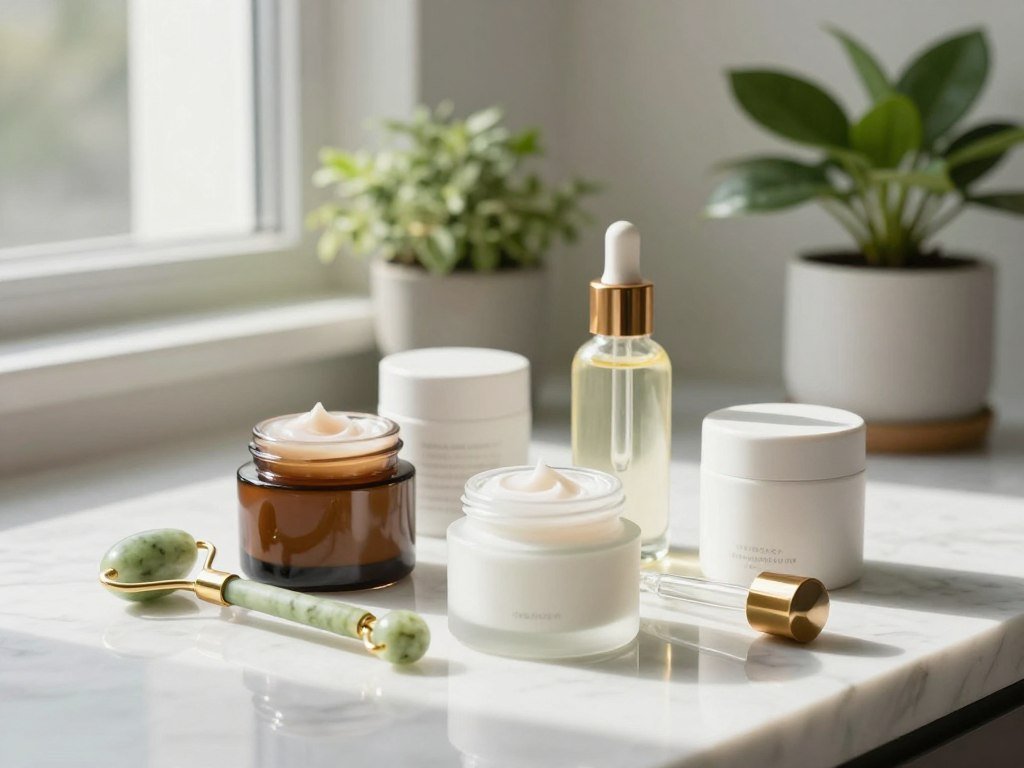
A good anti-aging cream can soften the look of fine lines and uneven tone. The best choice is one your skin can tolerate and use consistently.
Years of sun damage can leave skin looking dull, rough, dry, or uneven. A cream may improve those visible signs, but no topical formula can erase deep wrinkles or replace procedures.
This shortlist includes different textures, active ingredients, and prices. Use it to compare options by your main concern, skin type, and budget. A simple routine is easier to keep than a shelf full of products.
Daily sun protection and a manageable routine matter more than adding several strong products at once.
Key Takeaways
- No7 Protect & Perfect Intense Advanced Night Cream is a broad all-around face pick.
- Retinoids can help with fine lines and uneven tone, but skin tolerance matters.
- Glycolic acid may suit rough texture better than wrinkles.
- Choose a cream by concern, texture, fragrance, and price.
- Use broad-spectrum sunscreen daily to limit further sun damage.
What Can Anti-Aging Creams Actually Improve?
Topical treatments can improve visible signs of photoaging, but the strongest option depends on whether the main concern is fine lines, coarse wrinkles, uneven pigment, or rough texture. Photoaging means visible skin changes that build up over time from ultraviolet exposure.
Fine lines, uneven pigment, and roughness respond to different ingredients. Creams can soften their appearance, though they cannot remove deep wrinkles or restore loose skin completely.
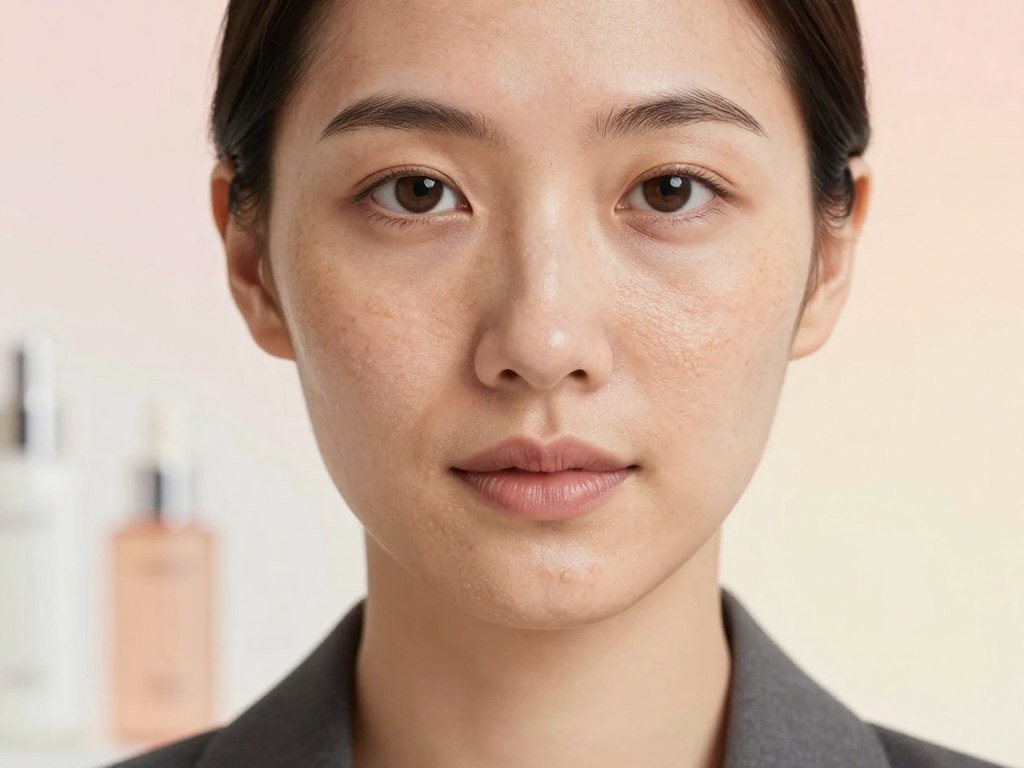
Fine and coarse wrinkles respond differently
Fine wrinkles are shallow lines that often appear around the eyes and mouth. A 2025 analysis of 23 trials found retinol, tretinoin, and isotretinoin improved fine wrinkles.
Coarse wrinkles are deeper and more pronounced. In that analysis, tazarotene ranked highest for coarse wrinkles, but it also carried a higher risk of adverse effects.
A 2025 review of topical photoaging treatments found that results for one concern did not mean every ingredient worked equally well for another. Tretinoin had the most favorable safety profile in that analysis.
Pigmentation and rough texture need different actives
Hyperpigmentation means darker patches or spots caused by excess pigment. Lentigines are flat brown spots, often linked to sun exposure, while sallowness describes a yellow or dull cast.
Tretinoin and retinol performed better for hyperpigmentation in the 2025 analysis. Glycolic acid reduced roughness, a concern involving an uneven or bumpy surface.
These findings point to a practical choice: identify the visible concern first. A treatment that helps spots may not be the best match for rough texture.
Tretinoin’s results build over time
A review of seven randomized trials found topical tretinoin improved wrinkling, mottled hyperpigmentation, sallowness, and lentigines. Some improvement appeared as early as one month and continued through treatment periods as long as 24 months.
Match the active ingredient to the visible concern, and give gradual changes time to show.
The trials used tretinoin concentrations from 0.025% to 5%, with treatment periods ranging from three to 24 months. That wide span is not a reason to choose a stronger treatment without medical advice.
Match the active ingredient to the visible concern rather than expecting one cream to address every sign equally.
Which Ingredients Help With Wrinkles, Spots, and Roughness?
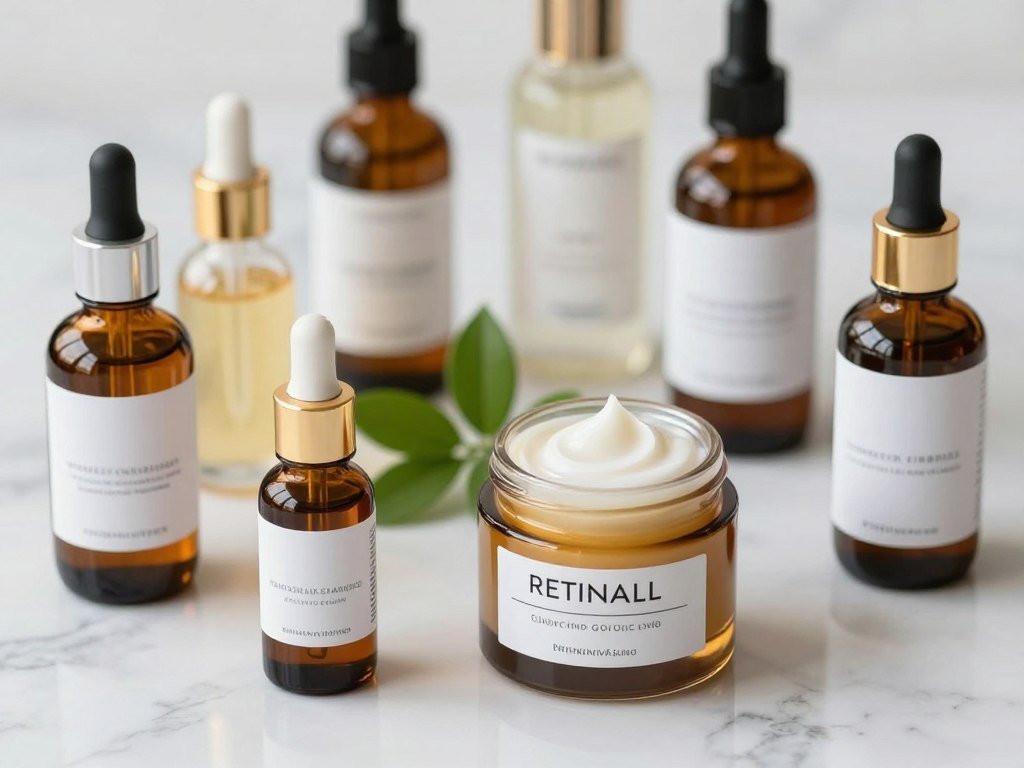
Retinoids are the more evidence-backed starting point for fine lines and uneven tone, while glycolic acid is a better match for roughness. Retinol is a nonprescription vitamin A derivative, while tretinoin is a prescription vitamin A derivative.
Choose an active for one main concern before combining several treatments. The table compares their reported visible benefits and practical trade-offs.
| Ingredient | Evidence-supported visible concern | Practical caveat |
|---|---|---|
| Retinol | Fine wrinkles and uneven pigment | May irritate; start gently |
| Tretinoin | Fine wrinkles and hyperpigmentation | Prescription treatment; can irritate |
| Tazarotene | Coarse wrinkles | Higher adverse-event risk |
| Glycolic acid | Roughness and surface dullness | May irritate, especially with other actives |
Retinoids for fine lines and uneven tone
Retinoids are vitamin A derivatives used on skin. Research supports retinol and tretinoin for some visible signs, but their effects and risks depend on the specific formula and how often you can use it.
Tretinoin is a prescription treatment, so it is not interchangeable with an over-the-counter retinol cream. If you also care for breakouts, these acne spot-treatment options explain how adapalene, another retinoid, is used for acne.
Glycolic acid for roughness and surface dullness
Glycolic acid is an alpha hydroxy acid used in topical exfoliating products. It can help with roughness, but too many exfoliating products may leave skin sore or flaky.
That is why a formula with more active ingredients is not automatically a better choice. Pairing one treatment with a basic moisturizer may be more comfortable.
Hydrators and peptides for a softer-looking finish
Hyaluronic acid, ceramides, and squalane support hydration and help soften the look of pronounced lines. Hydration can make fine lines seem less noticeable for a while, though it does not remove them.
Peptides are a formula category found in many moisturizers. They are not a substitute for retinoids, and their presence alone does not show that a cream will change wrinkles.
Choose one primary active first, then use hydration ingredients to make the routine more comfortable.
How to Choose the Best Anti Aging Cream for Your Skin
Start with the concern you want to address, then choose a texture and active ingredient your skin can handle. Fit matters more than a label or a brand name.
A cream that really works is one suited to your concern and used consistently. Daily broad-spectrum sunscreen is the most important anti-aging product in a routine.
Match the texture to your skin type
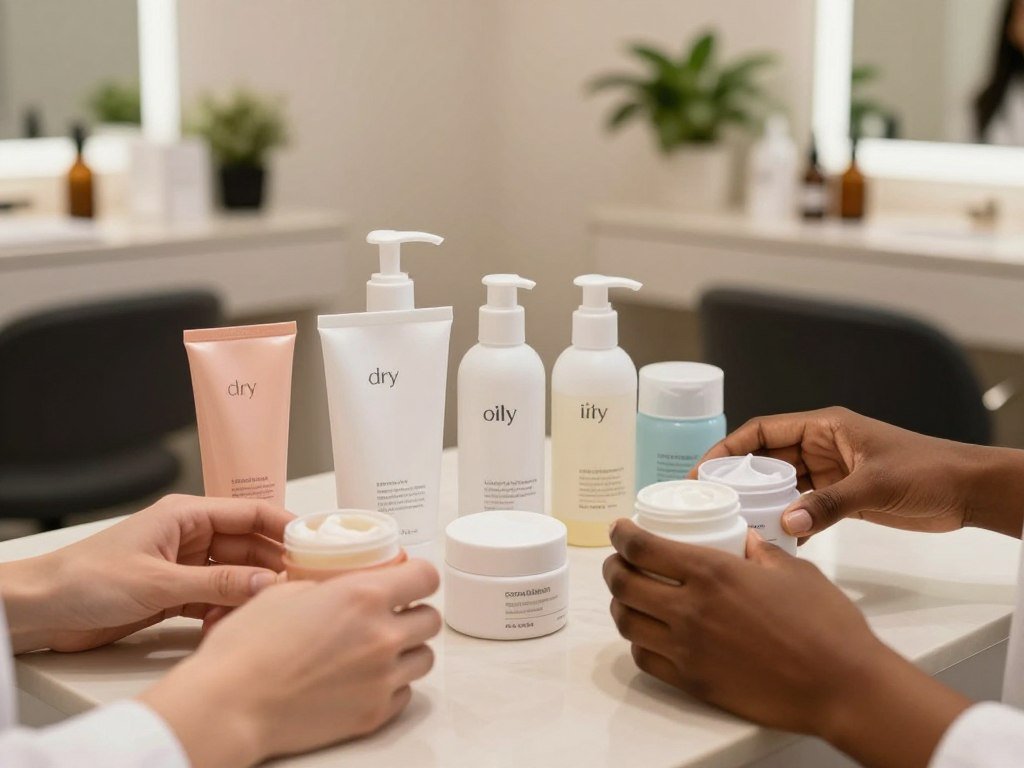
Dry or mature skin may feel better with a richer cream, while combination or oil-prone skin may prefer a lighter gel or lotion. A product that feels too greasy or tight can be hard to use every day.
If dryness is your main issue, compare skin care products for dry skin by texture and routine fit. Ingredient sensitivities and fragrance preferences also matter when you compare a wrinkle cream with a basic face moisturizer.
Pick one priority concern and one active
There is no single dermatologist-recommended brand established as No. 1. Dermatologists can recommend options based on your skin, but shoppers can compare formulas by active ingredient and personal fit.
The best anti-aging cream for women follows the same practical rules as any face cream: match the concern, skin type, and tolerance. Use this short checklist before choosing a product:
- Primary concern: lines, spots, roughness, or dryness.
- Skin type and preferred texture: rich cream, lotion, or gel.
- Active ingredient tolerance: choose a level your skin can manage.
- Fragrance or ingredient sensitivities: check the full ingredient list.
The American Academy of Dermatology recommends broad-spectrum, water-resistant sunscreen with SPF 30 or higher. It also advises shade and protective clothing to limit ultraviolet exposure.
Before buying, check the ingredient list against your existing routine and sensitivities.
What Are Five Strong Everyday Face Cream Picks?
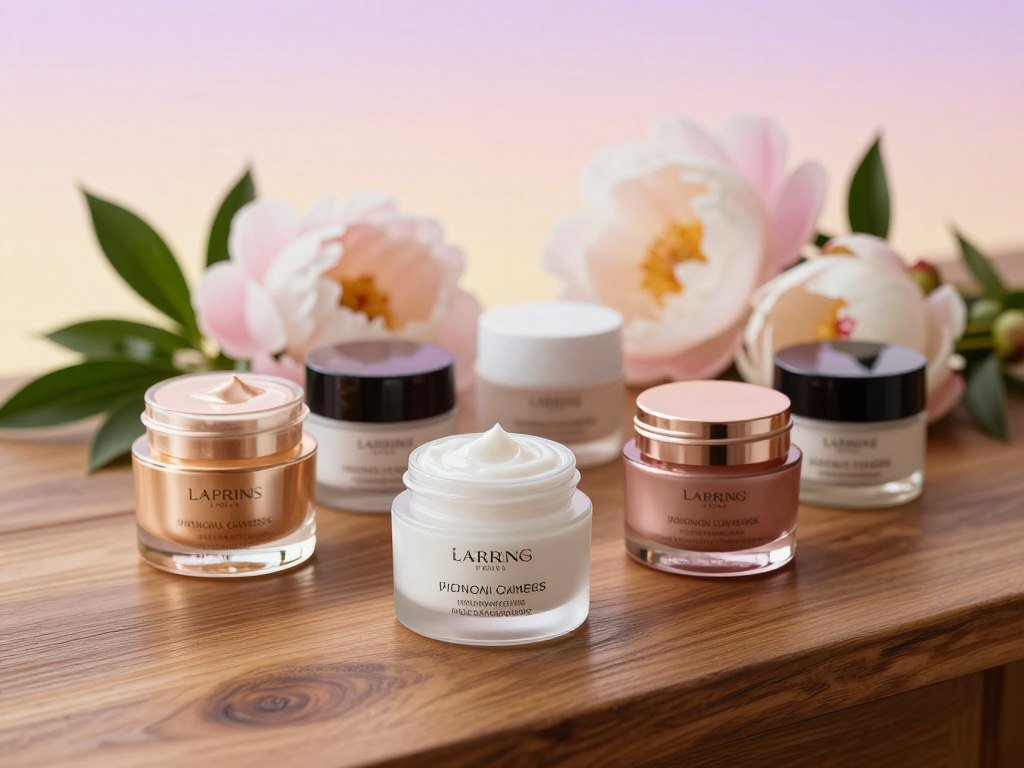
For a general face routine, No7 is a strong all-around tested option, while these five formulas cover different textures and active ingredients. These picks range from a lightweight gel-cream to rich night creams.
Compare the formula and directions as well as the listed price. Prices below are listed in U.S. dollars.
| Product | Best fit | Named active ingredients | Listed price |
|---|---|---|---|
| SkinCeuticals P-Tiox Wrinkle Modulating Peptide Cream | Lightweight gel-cream texture | 10% Myrixin, 2% tripeptide technology, Crystalide Micropeptide, niacinamide, LHA, Zinc PCA | $150 |
| L’Oréal Paris Revitalift Pressed Night Cream | Measured-dose retinol routine | Retinol, niacinamide, glycerin, hyaluronic acid | $40 |
| Sulwhasoo Concentrated Ginseng Rejuvenating Cream | Rich but lightweight feel | Ginseng actives, ginseng peptide, vitamin-C derivative, squalane | $160 |
| RoC Retinol Correxion Deep Wrinkle Night Cream | Retinol and surface texture | Retinol, glycolic acid, squalane, shea butter | $22 |
| Olay Retinol24 + Peptide Night Face Moisturizer | Night face moisturizer | Retinol, peptides | $31 |
SkinCeuticals P-Tiox has a lightweight gel-cream texture and directions for twice-daily use. The formula also includes 10% patent-pending Myrixin and 2% tripeptide technology.
L’Oréal’s measured-dose packaging helps limit how much product you dispense. Its directions call for two nights in week one, every other night in week two, then nightly or as tolerated from week three.
Sulwhasoo has a rich but lightweight texture. Its stated appearance timelines are about one week for expression lines and six weeks for wrinkles.
RoC advises gradually introducing its night cream, from every other night to nightly. Olay Retinol24 combines retinol and peptides in a night face moisturizer.
Compare the formula and feel against your concern, not price alone.
Which Five Creams Target Specific Skin Concerns?
For a tested night cream, No7 is the broadest everyday pick; Neutrogena is the day option when SPF and tone are priorities. Each product targets a different concern.
The percentages below measure different outcomes, so they are not a head-to-head ranking. Wrinkle, firmness, hydration, dark-spot, and texture tests use different endpoints.
| Product | Targeted concern | Measured result and timeframe | Key ingredients or formula note |
|---|---|---|---|
| No7 Protect & Perfect Intense Advanced Night Cream | Wrinkles, firmness, hydration | Wrinkles down 13% in 4 weeks; firmness up 28%; hydration up 32% in 6 hours | Night cream |
| Neutrogena Rapid Wrinkle Repair Daily Face Moisturizer SPF 30 | Dark spots and daytime care | Dark spots down 13.5% over 8 weeks | SPF 30 day moisturizer |
| Olay Regenerist Micro-Sculpting Cream | Hydration | Hydration up 47% over 6 hours | Niacinamide and peptides |
| RoC Even Tone Dark Spot Moisturizer SPF 30 | Dark spots and texture | Visible dark spots down 4.5%; texture improved 11% over 4 weeks | SPF 30 moisturizer |
| SkinBetter Science AlphaRet Overnight Cream | Firmness | Firmness up 28% over 4 weeks | Retinol, glycolic acid, peptides |
No7 showed a 13% wrinkle reduction over four weeks, a 28% firmness increase, and a 32% hydration increase over six hours. Those measures reflect separate test outcomes, not a promise about your skin.
Neutrogena Rapid Wrinkle Repair Daily Face Moisturizer SPF 30 is a day option for people who want SPF and tone support in one formula. SkinBetter AlphaRet is an overnight treatment and may need a richer moisturizer alongside it.
RoC Even Tone focuses on spots and texture, while Olay Regenerist measured a short-term rise in hydration. A hydration result does not mean a cream changed collagen or removed wrinkles.
Treat test results as a guide to the product’s target, not a guarantee of your own result.
What Should You Choose in Your 30s or 40s?
In your 30s, a consistent sunscreen habit often matters more than adding a high-strength treatment. Prevention can keep future sun damage from adding to visible changes.
The best anti-aging cream for your 30s or 40s depends on your concern and tolerance, not age alone. Lines around the eyes and mouth, along with sun-related dark spots, can appear in either decade.
Build prevention around sunscreen in your 30s
A simple routine in your 30s can center on broad-spectrum SPF 30 or higher. You may add an antioxidant and a tolerable retinol if you want to address early lines or uneven tone.
Retinol is a common nonprescription topical option, but it is not a required step for everyone. The American Academy of Dermatology notes that sunscreen, shade, and sun-protective clothing help limit UV exposure.
Adjust active strength and hydration in your 40s
In your 40s, reassess dryness, sensitivity, and rough texture before increasing an active’s strength. A richer moisturizer may help if your skin feels tight, while a lighter formula may suit an oilier T-zone.
The right routine can stay simple even when your skin changes. A new birthday alone does not mean you need a stronger retinoid or a different cream.
Revisit the routine when your skin’s sensitivity or dryness changes, not just when you reach a new decade.
Which Wrinkle Creams Work for Men?
Men do not need a separate category of wrinkle cream; a comfortable texture and a useful active ingredient are the better filters. Skin care choices depend on skin type and habits, not gender.
Choose by formula, shaving habits, fragrance preference, and the texture you will use. Men can use the same active ingredients as anyone else.
Choose a texture you will use consistently
A light gel may feel easier on combination or oil-prone skin. A richer cream may suit dry skin, while shaving can make fragrance or strong actives uncomfortable.
Hyaluronic acid, ceramides, and squalane support hydration in moisturizers. If your main concern is a line or spot, choose an active that fits that concern rather than relying on gendered marketing.
Compare the five GQ guide picks by formula
- Jaxon Lane Relax and Repair, $38: fragrance-free, with niacinamide, ceramides, hyaluronic acid, and squalane.
- Cardon Hydro Boost Gel Moisturizer, $35: contains cactus extract, rosehip oil, and niacinamide.
- Dr. Loretta Concentrated Firming Moisturizer, $70: the retinol pick.
- Korres Black Pine Primus Youth Renewal Sleeping Facial, $62: contains black pine bud, hyaluronic acid, and lavender.
- SkinCeuticals A.G.E. Interrupter Advanced, $185: a moisturizer in the guide’s wrinkle-cream selection.
The five formulas offer different textures and ingredients, from a fragrance-free moisturizer to a sleeping facial. A cream that irritates after shaving may be less useful than a plain moisturizer you can wear comfortably.
If shaving leaves skin irritated, favor a simple fragrance-free moisturizer before adding a stronger active.
What Changes in a Routine in Your 50s and 60s?
In your 50s or 60s, a comfortable moisturizer and daily sun protection may matter as much as adding another active. Comfort can be a useful guide when dryness or sensitivity changes.
Age alone does not identify your skin type or tell you which ingredients you can tolerate. Choose products by their role and how your skin responds.
Support dryness and firmness in your 50s
Medik8 Advanced Pro-Collagen+ Peptide Cream is one mature-skin option, listed at $99. It contains peptides, ceramides, squalane, and hyaluronic acid, which can support a hydrated feel.
Caudalie Resveratrol-Lift Instant Firming Serum, listed at $84, is presented as an option for people who cannot or do not want to use a retinoid. It is a serum, not a cream.
SkinCeuticals C E Ferulic is a vitamin C serum, listed at $185. It contains 15% L-ascorbic acid, vitamin E, and ferulic acid.
Keep the routine comfortable in your 60s
EltaMD UV Clear Blemish-Prone & Oil Balancing SPF 50 is a sun-protection option. La Roche-Posay Toleriane Moisturizing Milky Cleanser is a cleanser, while Tower 28 SOS Daily Rescue Facial Spray is a facial spray.
Other recommendations include Paula’s Choice Pro-Collagen Peptide Plumping Moisturizer and SkinMedica TNS Advanced+ Serum. Dove Serum+ Radiance Oil Wash, listed at $13, is a body wash, not a face cream.
These options serve different roles, from cleansing to moisture and sun protection. Choose one new product at a time so you can tell whether your skin tolerates it.
Is a Korean Anti-Aging Cream a Good Fit?
Sulwhasoo Concentrated Ginseng Rejuvenating Cream is a clear Korean cream example for someone who wants a richer, peptide-containing texture. Its feel is rich but lightweight, with ginseng-derived peptides, squalane, and a vitamin-C derivative.
Korean origin alone does not establish a cream’s efficacy. Assess its active ingredients, hydration, fragrance, and texture against what your skin needs.
Look for the formula, not the country alone
Korean skin care formulations often emphasize hydration and barrier support. That approach may suit dry skin, but no country label can tell you whether a formula will suit your face.
Check the ingredient list for the active you want and for ingredients you avoid. A light texture can still feel nourishing, while a scented product may not suit fragrance-sensitive skin.
Consider Sulwhasoo for a richer night texture
Sulwhasoo costs $160 and has a herbal scent. Its richer feel may appeal if you want a more substantial night cream, while the lightweight finish can feel less heavy than a dense balm.
If fragrance bothers your skin or senses, an unscented cream may be a better fit. Check fragrance and texture preferences before committing to a premium jar.
What Is the Best Body Lotion for Aging Skin?
For a retinol body treatment, Paula’s Choice offers 0.1% retinol; for a peptide-containing lotion, Nécessaire is the direct option. Body care can call for a different texture than facial creams.
A retinol treatment is an active product, while a rich body butter or moisturizer mainly supports comfort and hydration. Pick by the concern and how your skin handles the formula.
| Product | Listed price | Formula type or highlighted ingredient |
|---|---|---|
| Osea Anti-Aging Body Balm | $84 | Body balm |
| Paula’s Choice Skin-Smoothing Retinol Body Treatment | $37 | 0.1% retinol, shea butter, vitamins C and E, evening primrose oil |
| U Beauty The Super Hydrator Body | $128 | Hyaluronic acid, shea butter, collagen, peptides, niacinamide |
| Josie Maran Whipped Argan Oil Body Butter | $36 | Rich body butter |
| Nécessaire The Body Lotion | $52 | Peptide-containing body lotion |
| La Roche-Posay Lipikar AP Triple Repair Moisturizing Cream | $22 | Moisturizing cream |
Paula’s Choice is the active-treatment option in this group, with 0.1% retinol and shea butter. U Beauty combines several highlighted ingredients, including hyaluronic acid, peptides, and niacinamide.
Nécessaire is a peptide-containing body lotion, while Osea is a body balm. Josie Maran offers a rich body butter, and La Roche-Posay is a moisturizing cream.
Apply body moisturizer after bathing, and use sun protection on exposed areas when using an exfoliating or retinoid treatment.
What Should Your Morning and Night Routine Include?
A useful morning routine ends with broad-spectrum SPF 30 or higher, while nighttime is a practical place for a treatment. Simple steps make it easier to use products regularly.
Use one treatment at night, then finish with moisturizer. A crowded routine can make it harder to tell which product causes irritation.
Keep the morning routine focused on protection
Use this morning sequence: gentle cleanse, optional antioxidant serum, moisturizer if needed, then broad-spectrum sunscreen. Sunscreen is the final morning step.
SkinCeuticals C E Ferulic is a vitamin C serum example, not a cream. It contains 15% L-ascorbic acid, vitamin E, and ferulic acid.
When using retinoids, broad-spectrum sunscreen with SPF 30 or higher is recommended daily, including on cloudy days. For dry skin, retinol and hyaluronic acid can play different roles in a routine.
Make nighttime the place for one treatment
Use this night sequence: cleanse, apply one treatment or retinoid, then moisturize. If you use a serum, follow its directions and avoid adding another strong active without a reason.
A basic moisturizer can help reduce the tight feeling some treatments cause. Keep the morning and night steps distinct, so the active treatment does not crowd out daily sun protection.
Keep the routine short enough that you can follow it every day.
How Can You Use Retinoids Without Irritating Your Skin?
Begin a retinoid less often than you think you need, then let your skin’s response set the pace. Slow starts can help limit irritation.
Persistent redness, peeling, or burning means you should pause or reduce use. Too much retinoid, or applying it too often, can cause irritation and may damage the skin barrier.
Start with a small amount and low frequency
Retinol or retinal paired with ceramides, glycerin, or allantoin may be a useful shopping check. Look for an opaque, airtight container, since retinol is sensitive to light and air.
- Patch test the product or begin with a small amount.
- Use it one or two nights weekly at first.
- Increase use only if your skin stays comfortable.
- Pause or reduce use if redness, peeling, or burning persists.
Stop increasing if redness or flaking develops
Do not push through ongoing irritation to reach nightly use. Redness and flaking can be signs that your skin needs fewer applications or a break.
Retinoids and glycolic acid can be too irritating together for some people. Start by using them on alternate nights rather than stacking them in one routine.
Seek medical advice for severe or persistent irritation instead of trying to push through it.
How Long Do Anti-Aging Creams Take to Show Results?
Most people should judge a new daily cream over at least four weeks, not after a few applications. Some changes take longer, especially when you are treating lines or uneven pigment.
Daily skin care can take at least four weeks to show visible benefits, with up to 12 weeks for maximum results. Hydration may make skin look plumper sooner, but that effect can be temporary.
Changes in lines, pigment, and texture often need consistent use over weeks or longer. Tretinoin improvement has been reported as early as one month and continued through trials lasting up to 24 months.
Tretinoin trial timelines show why a quick check after a few uses cannot tell you the full result. Creams also do not reproduce Botox or filler results, and they cannot fully remove deep lines or significant skin laxity.
Three factors affect how soon a change may show:
- Active ingredient: some target lines, while others target roughness or pigment.
- Frequency tolerated: consistent use depends on what your skin can handle.
- Concern treated: hydration can look different from a change in spots or texture.
Take a baseline photo in consistent lighting and compare again after several weeks.
Which Anti-Aging Claims Make a Product an OTC Drug?
A label that promises to reduce the appearance of wrinkles makes a different kind of claim from one that promises to boost collagen or reverse aging. Appearance claims describe how skin looks.
Sunscreen or SPF claims place a skin care product in over-the-counter drug territory, even when it is sold as a moisturizer. That status does not mean every anti-aging cream is an approved drug.
Appearance claims versus drug claims
“Reduces the appearance of wrinkles” describes a cosmetic effect. Claims such as “boosts collagen” or “reverses aging” describe changes to the body’s structure or function.
The FDA-registration guide states that it found no over-the-counter anti-aging monograph. A genuine anti-aging drug claim would require an approved application.
Why sunscreen claims have a different status
Sunscreen claims have a separate status because U.S. sunscreens are regulated as nonprescription drugs. The FDA explains sunscreen labeling and protection in its sunscreen guidance.
That rule applies even when sunscreen is part of a moisturizer marketed for aging skin. An SPF label signals drug regulation for the sunscreen claim, not approval of every other claim on the jar.
Treat ambitious structural claims as a reason to check the product’s regulatory status, not as proof of stronger results.
Which At-Home Habits Can Soften the Look of Wrinkles?
The most useful at-home habits are consistent sun protection and keeping the skin comfortable, not harsh scrubs or miracle mixtures. Gentle care can support a smoother-looking complexion.
Moisturizer may temporarily plump fine lines, while sunscreen helps limit further sun damage. Neither habit erases deep wrinkles.
- Use broad-spectrum sunscreen with SPF 30 or higher consistently.
- Moisturize after cleansing to support a comfortable skin feel.
- Avoid smoking, which can harm skin health.
- Cleanse gently and avoid scrubbing irritated skin.
Glycerin and hyaluronic acid can help skin hold water, making fine lines look less pronounced for a time. Sunscreen helps reduce ongoing ultraviolet exposure that contributes to photoaging.
Skip DIY acids or abrasive treatments if your skin is sensitive or already irritated.
Choose low-risk habits that protect and comfort your skin, rather than harsh home treatments.
Conclusion
A useful first choice is the No7 night cream if you want an all-around face option, or a targeted formula if one concern matters most. Your best fit may change if dark spots, retinoid use, mature-skin hydration, or body care is your priority.
One product is enough to start. Give it a regular place in your routine, then note how your skin responds.
Choose one product that fits your skin and budget, use it consistently, and reassess after several weeks.
FAQ
What are some home remedies for wrinkles?
What is the best night cream?
What do dermatologists recommend for aging skin?
What is the best body lotion for aging skin?
What is the very best cream for aging skin?
What is the best skin brand for mature skin?
How to take 20 years off your face?