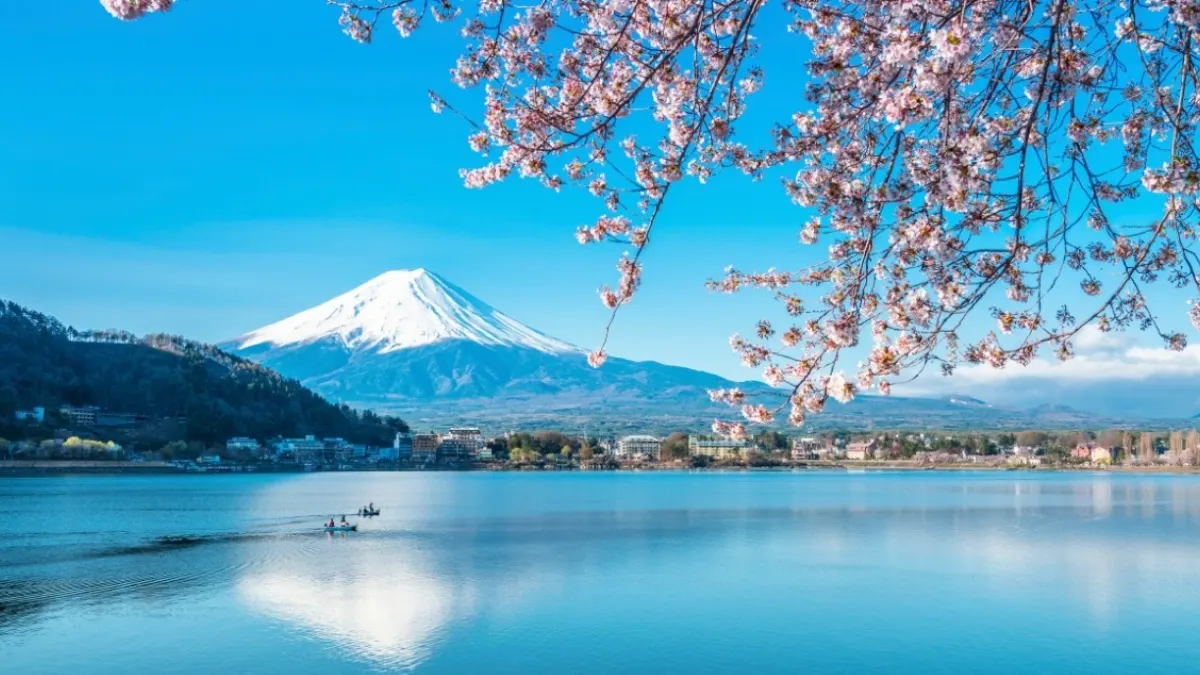
Imagine wandering through a quiet Kyoto street, the soft scent of fresh tea drifting from a little café, while pink cherry blossoms float gently past an old wooden doorway. Now picture yourself somewhere completely different: watching golden leaves fall beside a traditional temple, then warming your hands around a bowl of steaming ramen.
Japan’s food culture makes these moments even more memorable, especially when exploring destinations featured among the world’s best food cities.
Both scenes are Japan, and that is part of its magic. The country changes beautifully with the seasons, giving you a different experience depending on when you arrive.
For most first-time visitors, spring (March to May) and autumn (September to November) are the best times to visit Japan. Spring brings cherry blossoms and mild weather, while autumn offers colorful foliage, comfortable temperatures, and wonderful opportunities to explore. Winter is lovely for snow, hot springs, and quieter cities, while summer suits travelers who enjoy festivals and lively evenings.
The right time for you depends on the Japan you dream about experiencing.
Spring: When Japan Turns Pink
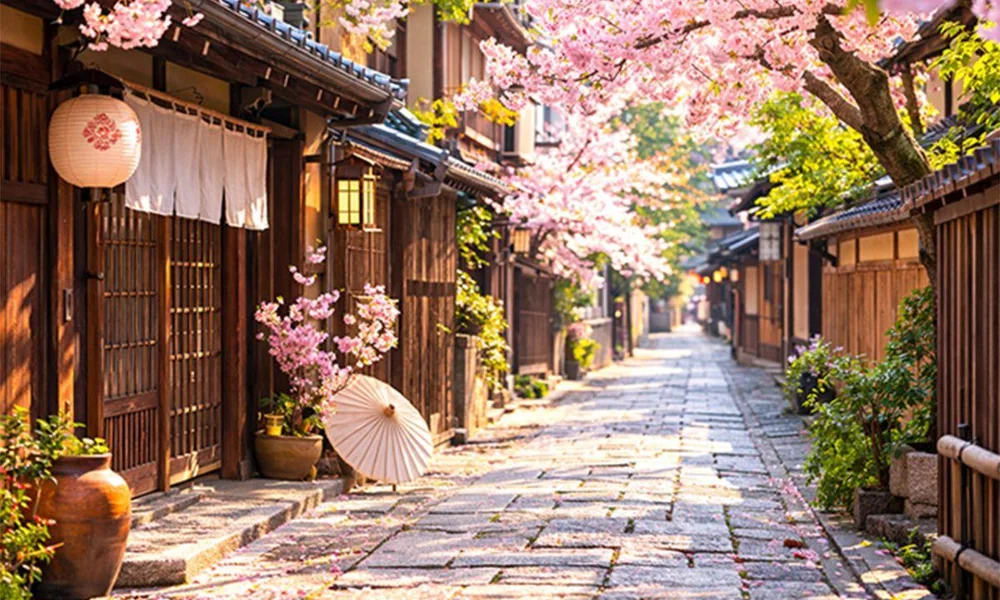
Spring is the season many travelers imagine when they think of Japan. Cherry blossoms appear in parks, along rivers, around castles, and beside historic temples. People gather beneath the trees for hanami, the much-loved tradition of enjoying the blossoms with friends and family.
Tokyo feels especially charming during a spring walk through its gardens and riverside paths. In Kyoto, blossoms frame traditional streets and temple grounds, creating moments that feel almost too beautiful to rush through.
March can still be chilly, especially early in the month. Cherry blossoms usually appear later in March in parts of central Japan, with timing varying by location and weather. April is often a wonderful choice for blossom viewing, although popular spots can become crowded. May brings greener landscapes and warmer days, especially after the busiest holiday period.
Spring is ideal for romantic getaways, first-time visits, garden walks, outdoor cafés, and photography. If you want to enjoy cherry blossoms, keep your plans flexible because the bloom changes every year.
One little tip: book accommodation early if you’re traveling during peak blossom season. A beautiful hotel near the places you want to explore can make your days feel much more relaxed.
Summer: Festivals, Neon Nights, and Island Escapes
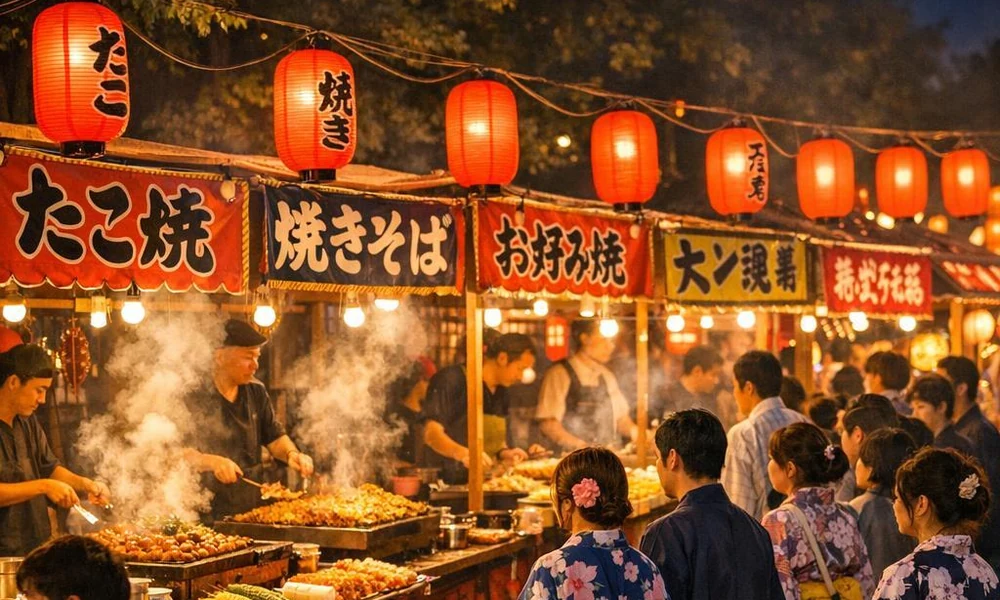
Japan in summer has a completely different personality. The air grows warmer, city streets stay lively into the evening, and festivals fill neighborhoods with music, lanterns, food stalls, and traditional performances.
June is generally rainy in many parts of Japan, although conditions differ by region. July and August can be hot and humid, particularly in Tokyo, Kyoto, and Osaka. If you enjoy sightseeing at a relaxed pace, plan outdoor activities for early morning and save museums, shopping, and cafés for the hottest part of the day.
Summer also brings memorable experiences. You might watch fireworks illuminate the night sky, try festival treats from a street stall, or escape to a coastal destination for sea breezes and island scenery.
Hokkaido, in northern Japan, can be a pleasant alternative for travelers hoping to avoid some of the heat found farther south. Okinawa offers beaches and tropical scenery, although summer also brings the possibility of typhoons.
Summer is best for travelers who enjoy energetic festivals, nightlife, mountain adventures, and beach holidays. Pack lightweight clothing, comfortable walking shoes, and a compact umbrella. And don’t underestimate the pleasure of stopping for a cold drink in a tiny café between adventures.
Autumn: Golden Leaves and Slow, Beautiful Days
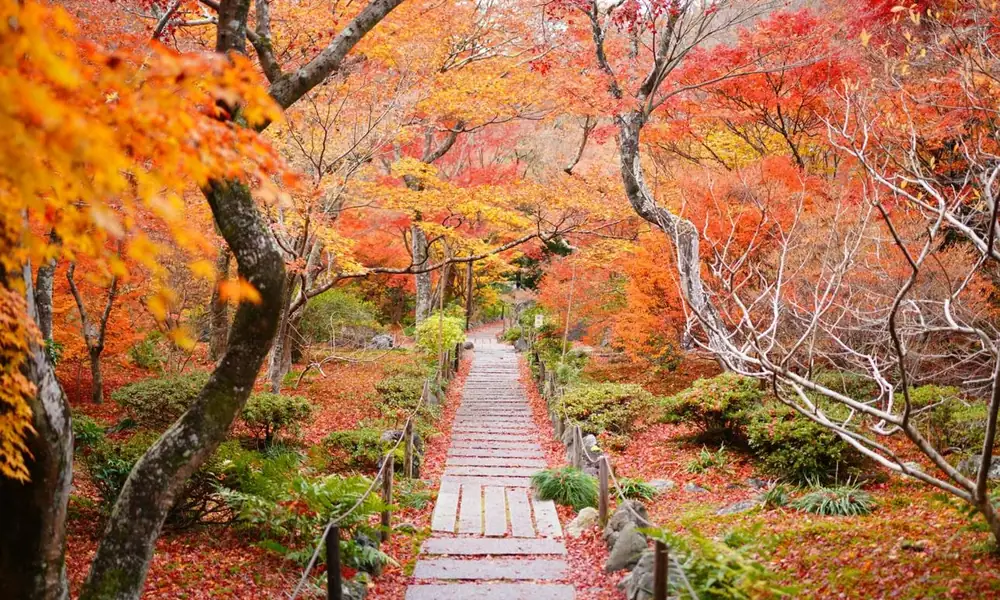
If your ideal holiday includes crisp air, beautiful scenery, and long walks without the intensity of summer heat, autumn may be your season.
Japan’s landscapes turn shades of amber, orange, and red as the leaves change. Kyoto’s temples become especially atmospheric, while mountain destinations offer sweeping views of colorful forests. Tokyo’s parks and landscaped gardens also provide peaceful places to enjoy the season.
September can still be hot, and it may bring typhoons. October often offers more comfortable sightseeing weather, while November is a popular month for autumn foliage in many areas. The exact timing depends on elevation, latitude, and annual weather conditions.
Autumn is a wonderful time to combine cultural experiences with food. Seasonal menus feature ingredients such as mushrooms, sweet potatoes, chestnuts, and other autumn produce. A day spent exploring a temple, enjoying a leisurely lunch, and browsing a traditional shopping street can feel just as rewarding as visiting Japan’s most famous landmarks.
For a more luxurious experience, consider a traditional ryokan with a hot spring bath, especially in a scenic mountain town. The pleasure is not only in the destination; it is in slowing down enough to enjoy it.
Winter: Snowy Landscapes and Hot Springs
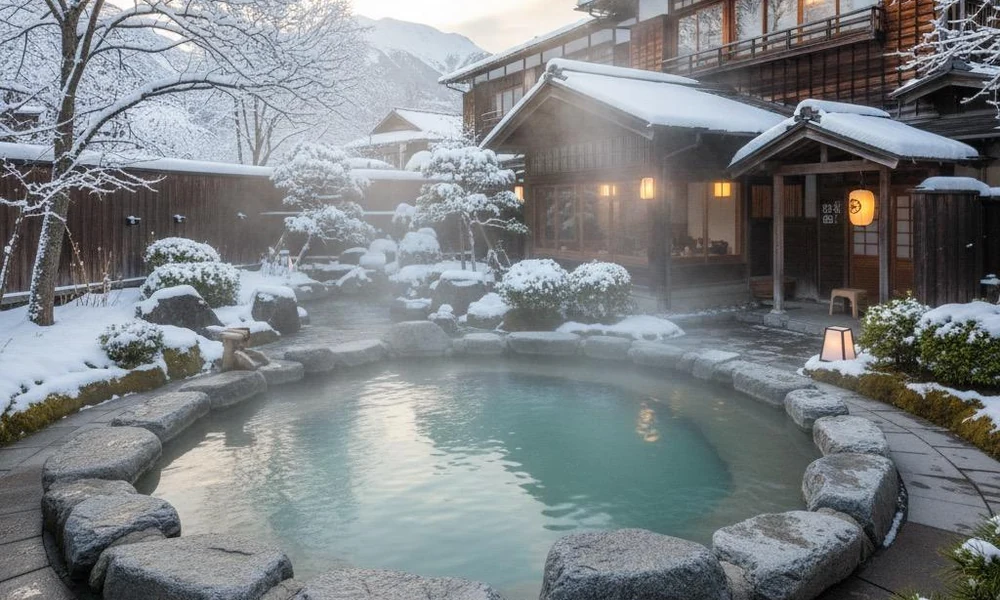
Winter reveals a quieter, more intimate side of Japan. Some cities feel calmer after the autumn crowds, while northern regions transform into snowy landscapes.
Hokkaido is famous for winter sports and snowy scenery. Nagano and other mountain areas offer ski resorts and traditional hot spring towns. In places such as these, stepping into a warm onsen while cold air settles over the surrounding landscape can become a highlight of the entire trip.
Tokyo and Osaka are generally easier to explore than snowy mountain destinations, although winter days can be cold. Clear skies often make winter a rewarding time for city sightseeing, shopping, seasonal food, and views of Mount Fuji when conditions cooperate.
December also brings festive illuminations in many urban areas. January and February can be excellent for snow activities, though popular ski destinations may be busy during holiday periods.
Winter suits travelers who love skiing, hot springs, winter cuisine, and a calmer atmosphere. Just bring layers, a warm coat, and shoes suitable for the conditions. If you’re heading into snowy regions, check local transport and weather updates before traveling.
Japan Month by Month
Your experience can vary significantly depending on the month and region. This quick guide can help you narrow down your plans.
- January: Snow sports, hot springs, and winter scenery.
- February: Skiing, snowy landscapes, and winter festivals.
- March: Early spring in many cities and the possibility of the first cherry blossoms.
- April: A popular period for cherry blossoms, gardens, and comfortable sightseeing.
- May: Green landscapes, pleasant weather, and excellent walking conditions, though early May includes a major holiday period.
- June: Rainy-season scenery, hydrangeas, and indoor cultural activities.
- July: Summer festivals, mountain escapes, and warm evenings.
- August: Fireworks, lively celebrations, and beach destinations, alongside high heat and humidity in many areas.
- September: Early autumn transitions, with lingering summer heat in many places.
- October: Comfortable sightseeing weather and the beginning of autumn colors in some regions.
- November: Beautiful autumn foliage across many popular destinations.
- December: Winter illuminations, seasonal food, and the beginning of the snow season in some areas.
These are general patterns rather than guarantees. Cherry blossoms and autumn colors move across the country at different times, so check the forecast for your specific destinations before finalizing your itinerary.
When Is Japan Less Crowded and More Affordable?
Japan’s busiest periods often include cherry blossom season, peak autumn foliage, Golden Week in late April and early May, and the New Year holiday period. Summer school holidays and major festivals can also increase demand in particular destinations.
If you prefer a quieter trip, consider traveling in January or February outside major holiday dates, or visiting popular cities just before or after their busiest seasonal windows. Early June may also offer opportunities for a less crowded experience, although rainy weather can affect outdoor plans.
Prices depend on the destination, hotel availability, and local events. A luxury hotel in central Kyoto during peak foliage season may cost considerably more than a similar stay during a quieter period.
You don’t have to sacrifice comfort to manage your budget. Staying a short train ride from a major attraction, booking early, and visiting popular sights in the morning can help you enjoy a more relaxed trip without paying for the most expensive location.
How Many Days Should You Spend in Japan?
For a first visit, 10 to 14 days gives you a comfortable amount of time to experience several sides of Japan without rushing constantly.
With seven days, you could focus on Tokyo and Kyoto, adding Osaka if your schedule allows. With 10 days, you can explore Tokyo, Kyoto, and Osaka at a more comfortable pace. Two weeks gives you more flexibility to add destinations such as Hakone, Hiroshima, Kanazawa, or a scenic mountain town.
Try not to change hotels every night. Japan’s transport system makes travel between major cities convenient, but constantly packing and unpacking can take away from the experience. Leave room for spontaneous discoveries: a small restaurant, an unexpected garden, or a shopping street you hadn’t planned to visit.
The best itinerary isn’t necessarily the one with the most stops. It’s the one that leaves you with enough time to enjoy where you are.
What Should You Pack?
Your packing list should reflect both the season and the regions you plan to visit.
- Spring: Layers, a light jacket, comfortable shoes, and a compact umbrella.
- Summer: Breathable clothing, sun protection, a refillable water bottle, and rain protection.
- Autumn: Layers, walking shoes, and a warmer jacket for cooler evenings.
- Winter: A warm coat, thermal layers, gloves, and weather-appropriate footwear.
Comfortable shoes are essential in every season. You’ll likely walk more than you expect, whether you’re exploring a temple complex, navigating a train station, or browsing a shopping district.
If you plan to visit upscale restaurants or luxury hotels, pack one or two outfits that feel a little more polished. Japan is wonderfully varied, and a versatile wardrobe lets you move easily from daytime exploring to an elegant evening out.
So, When Should You Book Your Trip?
Choose spring if cherry blossoms are at the top of your wish list. Choose autumn for colorful scenery and comfortable sightseeing. Pick winter for snow, hot springs, and a quieter atmosphere, or summer for festivals, nightlife, and coastal escapes.
If this is your first trip and you want a balance of pleasant weather, scenery, and memorable experiences, April or October can be excellent starting points. Just remember that popular dates require advance planning, and the best month for you depends on where you’re going.
Japan rewards curiosity in every season. Sometimes the memory you treasure most isn’t a famous landmark at all. It might be a bowl of noodles after a rainy afternoon, a quiet walk through an old neighborhood, or the view from a train window as the countryside slips past.
If you could visit Japan tomorrow, which experience would you choose first: cherry blossoms, autumn colors, snowy hot springs, or summer festivals?
Frequently Asked Questions
What is the best month to visit Japan?
April and October are excellent choices for many first-time visitors, offering spring scenery or comfortable autumn sightseeing. The best month depends on your destination and interests.
When do cherry blossoms bloom in Japan?
In many parts of central Japan, cherry blossoms typically bloom from late March into early April. Timing varies by region and weather each year.
Is summer a good time to visit Japan?
Yes, especially for festivals, beaches, and mountain escapes. However, many cities are hot and humid, and June is rainy in several regions.
When can I see autumn leaves in Japan?
Autumn colors often appear from October through November in many destinations. Higher elevations and northern areas usually change earlier than warmer southern regions.
Is Japan worth visiting in winter?
Absolutely. Winter is excellent for skiing, hot springs, seasonal food, snowy scenery, and city illuminations.
Disclaimer: This content is for informational and entertainment purposes only and reflects our personal opinions and experiences. We just love to write and share what we observe along the way.