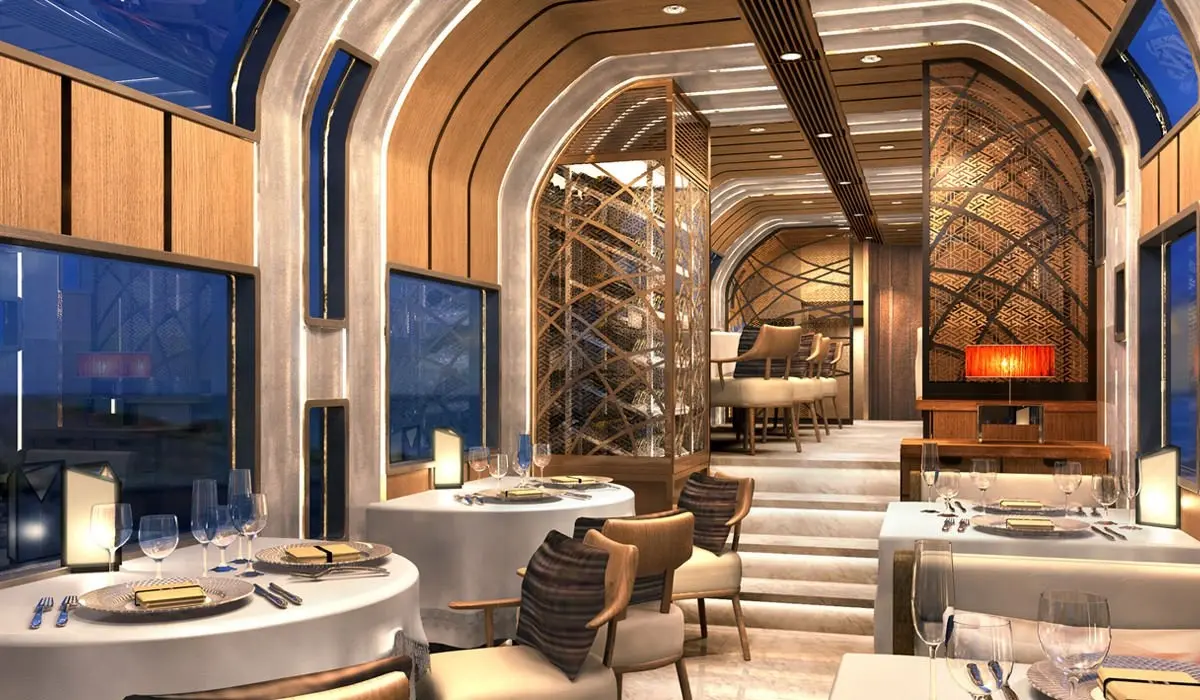
Key Takeaways
-
Quiet voices and subtle gestures maintain social harmony.
-
Always remove outdoor footwear before stepping inside luxury spaces.
-
Tipping is firmly discouraged across all premium establishments.
-
Camera discretion is highly valued in historic neighborhoods.
-
Proper hygiene rituals are mandatory before entering hot springs.
Have you ever dreamed of walking through Tokyo’s bright neon streets or staying in a quiet, high-end ryokan?
Japan is a dream destination for luxury travelers, but it can feel a bit overwhelming if you do not know the local unwritten rules.
Mastering japan travel etiquette is the ultimate key to unlocking a truly seamless, deeply respectful luxury vacation.
At PraviCeler, we believe that understanding local culture is just as important as booking the best five-star suites.
When you know the basic japanese customs for tourists, doors open, smiles get warmer, and your journey transforms into something magical.
Let us dive into the gentle habits that will make you feel less like an outsider and more like an honored guest.
AI Overview
Planning a luxury trip to Japan? Mastering local japan travel etiquette ensures a flawless, respectful experience. This japan travel guide highlights essential japanese customs for tourists looking to enjoy high-end dining, luxury ryokans, and premium transport. Avoid common cultural missteps by learning about tipping taboos, correct bowing, quiet transit behavior, and proper hot spring rules. Elevate your journey with these essential japanese travel tips for japan luxury travel.
The Core of Japanese Hospitality: Omotenashi
Have you ever experienced service that felt like the hosts knew what you needed before you even asked? That is omotenashi.
It is the foundation of japan luxury travel, blending deep care with ultimate discretion.
It is not about flashiness; it is about quiet excellence.
To match this energy, luxury travelers should focus on subtlety.
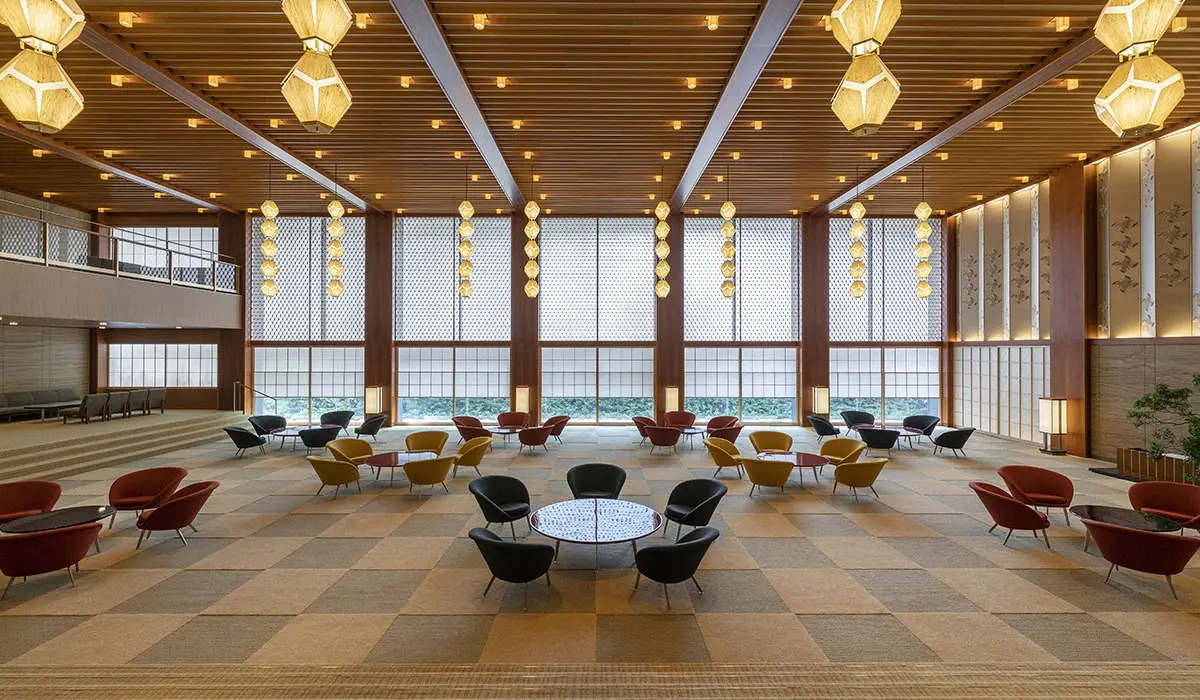
Speak softly in public spaces, avoid drawing loud attention to yourself, and move with gentle care.
When you stay at a premium property recommended by PraviCeler, you will notice this grace immediately.
The staff will anticipate your preferences based on available data from your booking profile.
They do this without ever making you feel watched or crowded.
It is a beautiful dance of invisible service that defines high-end hospitality in the country.
Your role as a luxury guest is simply to receive this care with a soft smile and a gentle nod.
Understanding this dynamic makes your entire stay feel incredibly smooth and harmonious.
Navigating Ultra-Luxury Accommodations
Staying at a premium five-star hotel or a historic ryokan is a centerpiece of any japan travel guide.
However, these beautiful spaces come with unique expectations that differ from Western luxury standards.
Crossing the Threshold
When you enter a traditional luxury space, the transition from outside to inside is sacred.
You will usually see a raised floor area called a genkan.
Always remove your shoes here before stepping onto the elevated wooden floor.
Your hosts will provide soft indoor slippers for walking on wooden hallways.
Never let your outdoor shoes touch the clean indoor floors under any circumstances.
It is an essential sign of respect for the cleanliness of the home or inn.
Your outdoor shoes will be carefully stored away by the staff and brought back when you leave.
The Tatami Rule
Tatami mats are woven straw floors found in traditional luxury rooms.
They are delicate, fragrant, and highly respected by the local people.
Take off your indoor slippers before stepping onto tatami.
Only bare feet or clean socks should ever touch a tatami mat.
Walking on tatami with slippers is a serious cultural misstep that can damage the delicate straw fibers.
If you need to step away from the tatami area, step back into your slippers immediately.
This back-and-forth switch becomes second nature after your first evening.
Ryokan Dining Etiquette
In a luxury ryokan, your multi-course kaiseki dinner is often served right in your private room.
Treat the serving staff with gentle nods and quiet thank-yous as they arrange the beautiful dishes.
They spend hours preparing the visual layout of your meal, so taking a moment to appreciate it is highly polite.
Fine Dining and Chopstick Mastery
Japan has more Michelin stars than almost anywhere else in the world.
Exceptional dining is a massive part of japan luxury travel, but table manners matter immensely at these high-end counters.
| Action | Traditional Etiquette Rule | Why It Matters |
| Passing Food | Use a serving plate; never pass directly chopstick-to-chopstick. | Resembles somber traditional funeral rituals. |
| Resting Chopsticks | Always use the ceramic hashioki (chopstick rest). | Keeps the table clean and shows respect. |
| Soy Sauce Use | Dip the fish side of sushi lightly; never soak the rice. | Preserves the chef’s balanced flavors. |
| Soup Bowls | Lift the small bowl directly to your mouth to drink. | Spoons are rarely used for traditional broths. |
The Tipping Truth
Here is one of the most important japanese travel tips: do not leave a tip.
Whether you are at a hole-in-the-wall ramen shop or a three-star Michelin counter, tipping is considered confusing.
In most cases, excellent service is already factored into the premium pricing or the standard service charge.
If you try to leave extra cash on the table, the waiter will likely chase you down the street to return it.
They believe that providing the best possible service is simply their baseline duty, not something to be bought.
This makes the dining experience wonderfully clean and free of stressful math at the end of the night.
Onsen and Spa Rituals
Nothing beats soaking in a natural, mineral-rich hot spring after a long day of exploring historic towns.
True luxury wellness centers have strict hygiene steps you must follow to keep the waters pure.
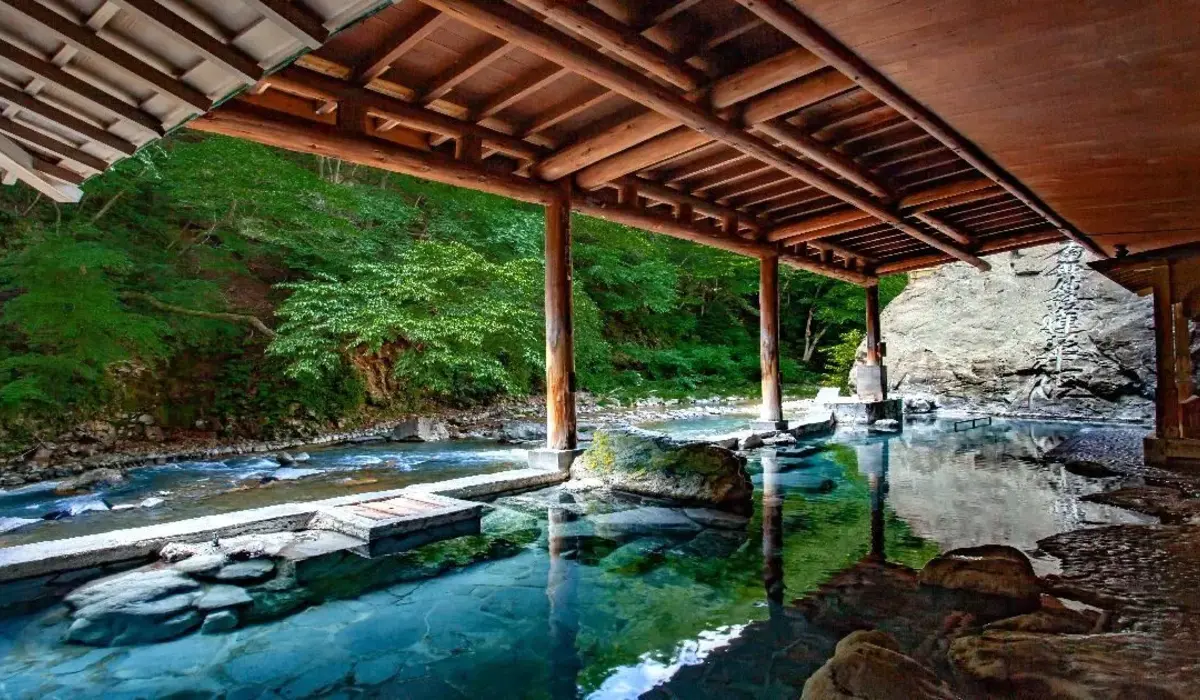
The Pre-Wash Ritual
Never jump straight into the communal hot spring pool when you enter the bathhouse.
You must wash your entire body thoroughly first at the washing stations.
The bathhouses provide small wooden stools, handheld showers, and luxury soaps.
Sit down on the stool and scrub completely clean before rinsing off all soap suds.
The communal bathwater must remain completely free of soap, dirt, and shampoo residues.
Think of the hot spring as a place for pure soaking, not for actual washing.
The Modesty Towel
You will be given a small hand towel when you enter the locker room area.
Do not let this towel touch the hot spring water while you soak.
Most locals fold it up neatly and place it right on top of their heads.
It looks a bit funny at first, but it keeps the towel dry and out of the shared water.
Managing Body Art
While high-end luxury resorts are becoming more flexible, tattoos are generally associated with historical gangs in Japan.
If you have ink, consider booking a private rotenburo (outdoor bath) attached to your luxury suite.
Alternatively, you can use skin-colored waterproof patches to cover smaller designs before entering shared spaces.
Always check with your PraviCeler concierge beforehand to find tattoo-friendly luxury options.
Moving Through Japan Seamlessly
High-end transit, like the sleek Shinkansen (bullet train) first-class cars, offers an incredibly smooth ride.
Keeping it peaceful requires a bit of daily mindfulness from every passenger.
Quiet Car Culture
Trains in Japan are incredibly quiet, even during busy rush hours.
People use this time to rest, read, or think deeply without distractions.
Set your smartphone to silent mode before boarding any train car.
Avoid taking any voice calls while in your seat to keep the atmosphere calm.
If an urgent call comes in, walk quietly to the space between the train cars to speak softly.
Keeping your headphones at a low volume also prevents sound leakage that might bother your neighbors.
Managing Your Luggage
Large suitcases can block narrow walkways and cause unnecessary stress for others on crowded platforms.
It is best to travel light whenever possible to keep your journey elegant.
For a true luxury experience, use a premium nationwide luggage forwarding service like Takkyubin.
Your hotel concierge can easily arrange to send your bags ahead to your next destination overnight.
This leaves you free to travel with just a small hand bag and zero physical hassle.
Shrine and Temple Respect
Visiting ancient wooden temples and bright red shrines is a beautiful highlight of any japan travel guide.
These are active spiritual sites for local communities, not just beautiful photo backdrops.
The Purification Fountain
Before entering the main sacred area, look for the stone water pavilion called a chozuya.
Use the provided wooden ladle to wash your hands and rinse your mouth cleanly.
Never drink directly from the ladle itself; pour the water into your cupped hand first.
This ensures the water source stays completely clean for the next visitor.
Approaching the Deity
At a Shinto shrine, the traditional ritual is simple to remember once you see others do it.
Bow deeply twice, clap your hands twice to wake the spirits, make a quiet wish, and bow one final time.
At a Buddhist temple, the rules change slightly: do not clap your hands at all.
Simply press your hands together in quiet, silent reflection before bowing your head gently.
Everyday Social Graces
Little interactions with boutique owners, taxi drivers, and hotel staff happen constantly throughout your day.
Small adjustments to your daily habits make a massive, positive impression on the local people.
The Art of the Bow
You do not need to master complex cultural angles to show respect during your vacation.
A gentle bend from the waist is a beautiful way to show genuine gratitude to those helping you.
Keep your back straight and lower your eyes slightly as you bow forward.
A small nod of the head works wonders during quick daily greetings with shopkeepers.
Handling Money and Cards
When paying for luxury goods, you will notice a small decorative tray near the cash register.
Always place your credit card or cash directly onto this tray instead of handing it over.
Handing money directly from hand to hand is generally avoided to keep things clean.
The tray keeps your payment organized and exceptionally clean for the boutique staff.
When the clerk returns your card, accept it with both hands as a sign of mutual respect.
Digital and Camera Discretion

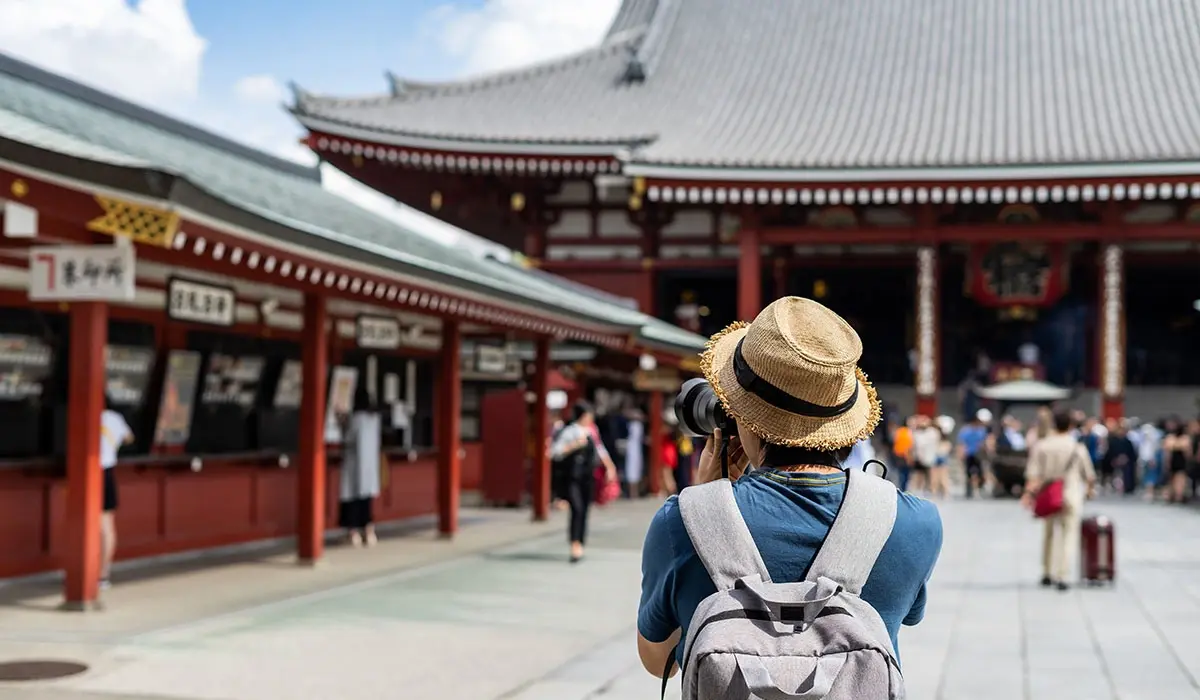
Capturing gorgeous memories of your luxury vacation is natural, but local privacy customs are very strict.
-
Ask Before You Shoot: Always ask high-end shopkeepers or local artisans before taking photos of their workspace.
-
Respect the Geisha: In historic areas like Kyoto’s Gion district, taking photos of Geishas on public streets is strictly forbidden.
-
Mind the Shutter Sound: Keep your phone camera’s shutter sound on if required by local device rules, but avoid noisy bursts.
-
Blur Private Faces: If you post photos online, it is polite to obscure the faces of random strangers in the background.
The PraviCeler Standard of Travel
At PraviCeler, we believe that true luxury is about deep connection and seamless harmony with the places you visit.
By embracing these refined japanese customs for tourists, you show your hosts that you value their culture immensely.
Japan rewards mindful travelers with unforgettable experiences that money alone cannot buy.
Approach every interaction with patience, an open mind, and a gentle smile.
You will quickly find that the country embraces you right back with unmatched warmth.
Frequently Asked Questions
Is it rude to eat while walking in public in Japan?
Yes, it is generally considered bad manners. It is best to consume snacks near the vending machine or shop where you bought them. Most locals prefer to stand near the storefront to finish their food before moving on.
What should I do if I cannot sit comfortably on a tatami floor?
Do not worry at all. Most luxury venues provide low chairs with supportive backrests, called zaisu, so you can sit comfortably without straining your legs. You can also request a standard Western table setting in advance.
How should I dress when visiting high-end restaurants in Tokyo?
Smart-casual or formal attire is expected at premium spots. Avoid wearing casual denim shorts, beach sandals, or athletic gym clothing to luxury dining establishments to show respect for the chef.
Can I use my smartphone while riding public transit?
You can absolutely use your phone for texting, reading, or browsing quietly. However, talking on your phone is highly discouraged on all trains and buses to maintain a peaceful environment for everyone.
Is English widely spoken at luxury hotels in Japan?
Yes, staff at five-star hotels and premium ryokans speak excellent English. They are highly trained to assist international luxury travelers seamlessly with any special requests you might have.