Introduction
Fashion often tells stories long before words do.
Across cultures, traditional clothing reflects identity, heritage, and craftsmanship passed through generations. In Japan, few garments carry that quiet elegance more beautifully than the yukata.
Lightweight, refined, and instantly recognizable, the yukata represents a unique balance between cultural tradition and everyday comfort.
While often confused with the kimono, the yukata has its own identity and purpose.
Today, it remains one of Japan’s most iconic garments while continuing to influence modern fashion around the world.
But what exactly is a yukata?
What Is a Yukata?
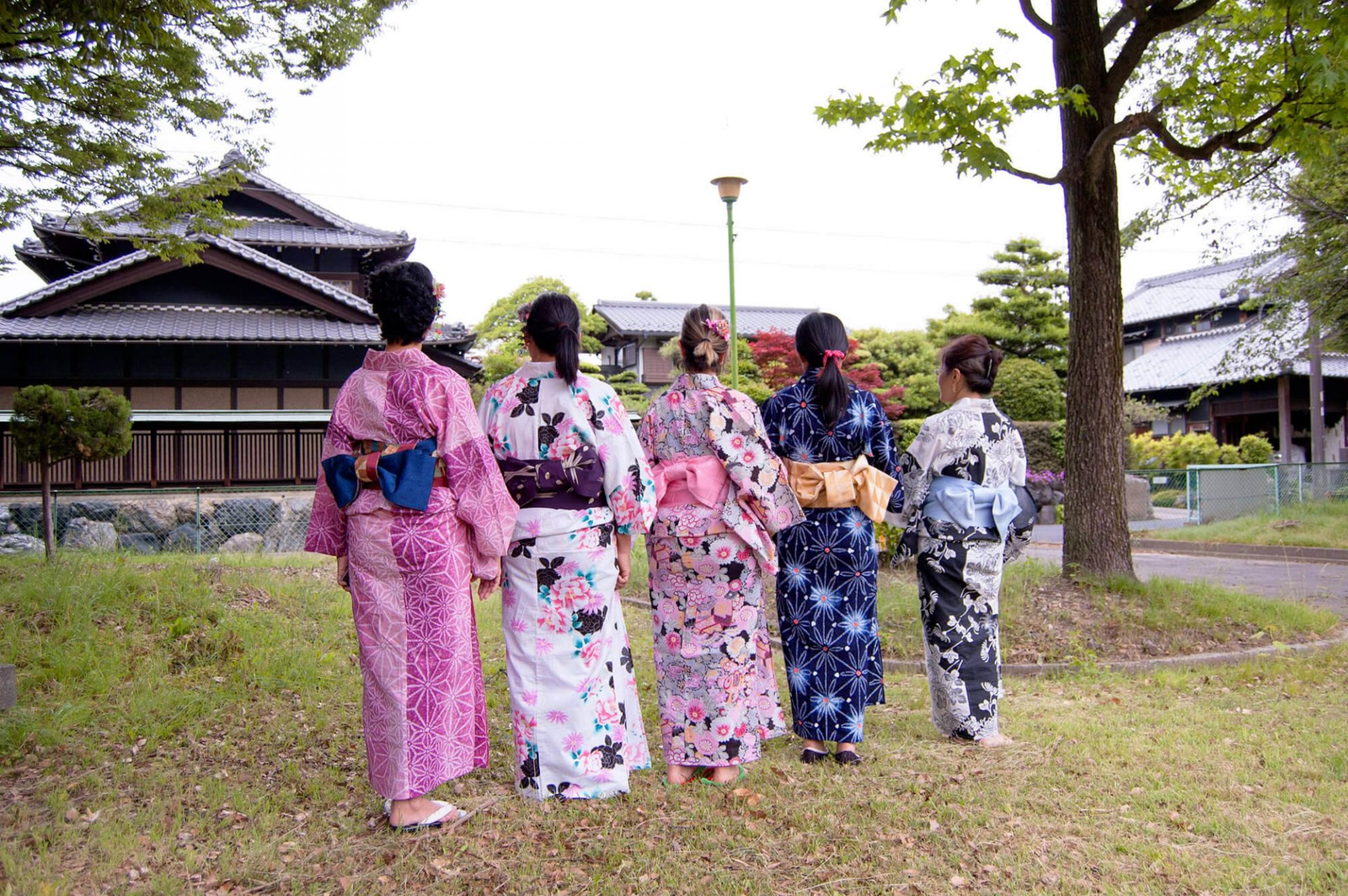
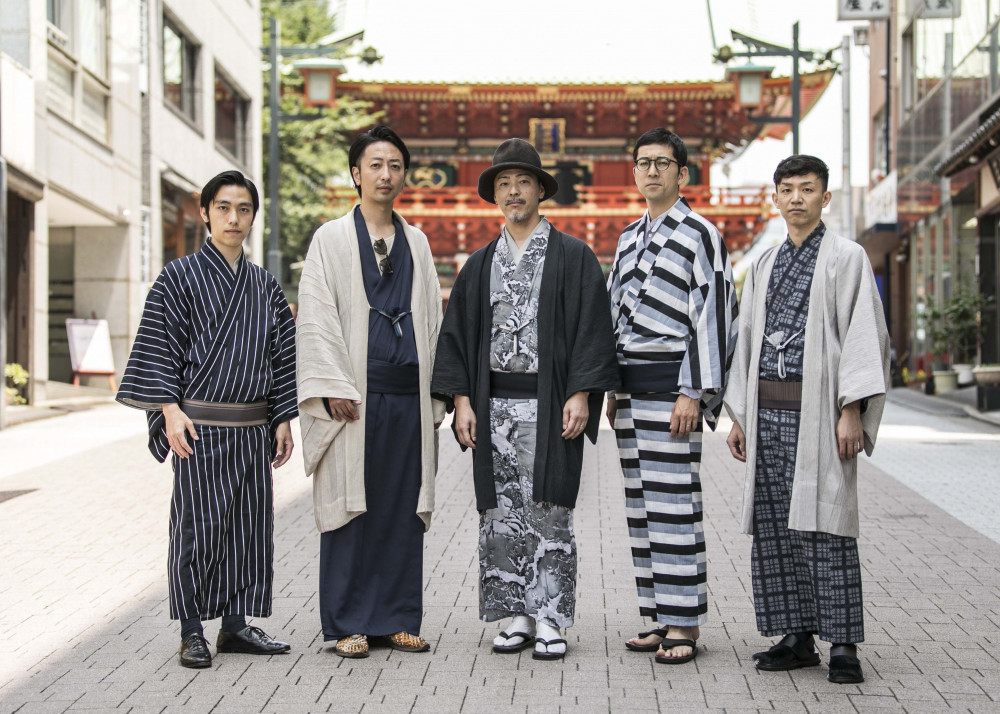
A Yukata is a traditional Japanese garment made from lightweight cotton or breathable fabric, typically worn during warmer seasons.
The word itself translates loosely to bath clothing, as yukatas were originally worn after bathing in traditional Japanese bathhouses.
Over time, the garment evolved into everyday summer wear and ceremonial attire.
Today, yukatas are commonly worn for:
- Summer festivals
- Firework celebrations
- Traditional inns known as ryokan
- Cultural ceremonies
- Casual seasonal gatherings
Its design combines simplicity with understated elegance.
Yukata vs Kimono: What Is the Difference?
One of the most common questions people ask is yukata vs kimono.
Although visually similar, the garments serve different purposes.
A Kimono is typically more formal and often made using silk or higher-end fabrics.
A yukata is lighter, simpler, and usually designed for casual wear.
Key differences include:
Yukata
- Lightweight cotton fabric
- Casual or summer wear
- Easier to wear
- Often worn without multiple inner layers
Kimono
- Formal traditional garment
- Often made from silk
- Worn during ceremonies
- Requires additional layers and accessories
The kimono represents formal tradition.
The yukata represents relaxed elegance.
What Was Worn Under Yukatas?
A surprisingly common question is what was worn under yukatas.
Traditionally, Japanese wearers often used simple undergarments designed for comfort and modesty.
Common options included:
- Lightweight under robes
- Thin cotton underlayers
- Simple waist wraps
- Traditional inner garments for comfort
Because yukatas are lightweight, underlayers help improve comfort while maintaining a cleaner silhouette.
Modern wearers often choose minimal underlayers depending on the occasion.
How to Wear a Yukata Properly
Learning how to wear yukata requires understanding a few traditional details.
The process is elegant but simple.
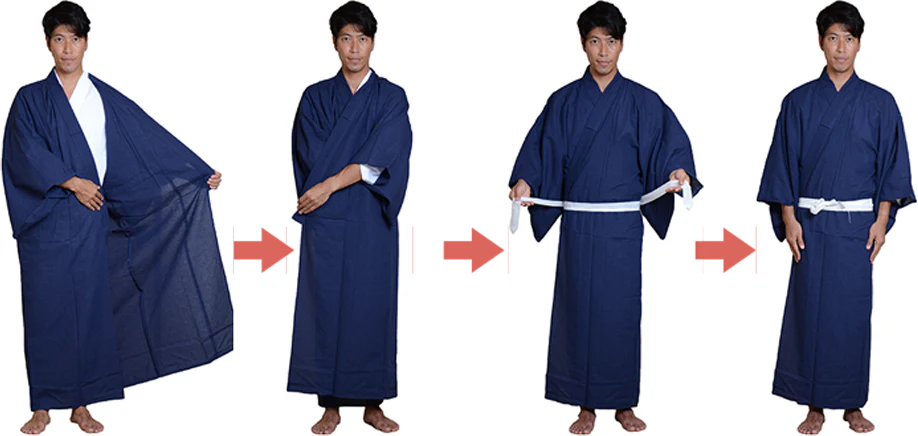
Step 1: Wrap Left Over Right
This is extremely important.
The left side should always cross over the right side.
The opposite arrangement is traditionally reserved for ceremonial dressing of the deceased.
Step 2: Secure With a Waist Tie
A temporary tie helps keep the garment in place while adjusting.
Step 3: Add the Obi Belt
The obi is the decorative belt wrapped around the waist.
It provides structure while completing the overall silhouette.
Step 4: Adjust Length and Balance
The garment should hang naturally while maintaining clean lines.
Proper balance creates the signature refined appearance associated with Japanese traditional clothing.
Why Yukata Remains Popular Today
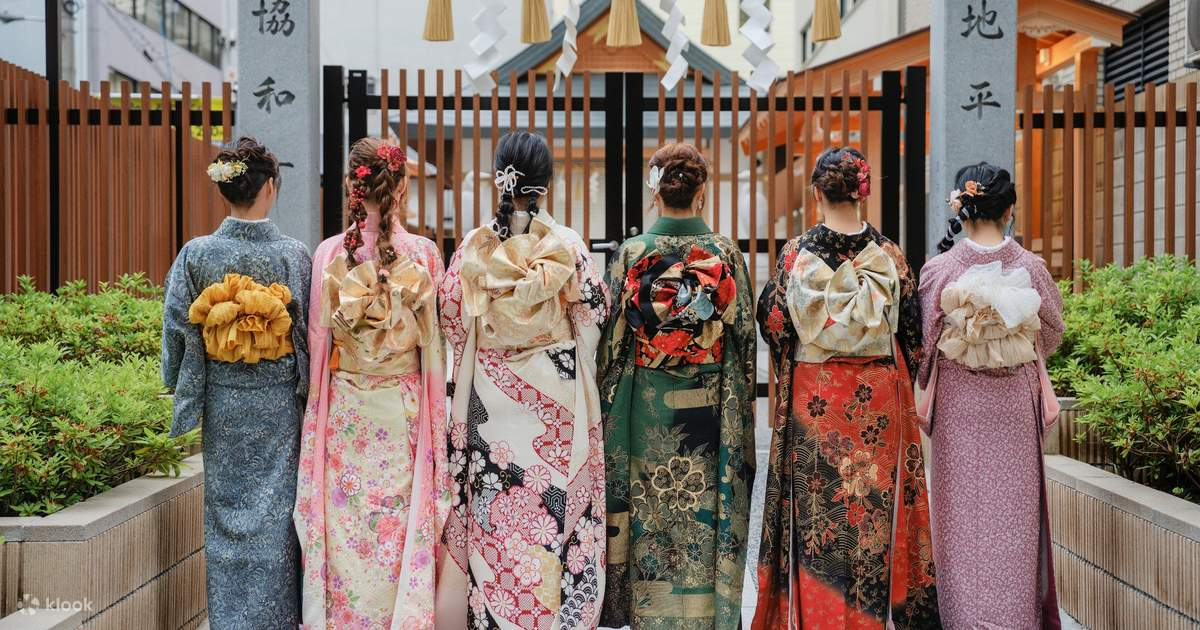
Despite centuries of history, the yukata remains highly relevant.
Modern fashion enthusiasts appreciate its versatility.
Reasons for continued popularity include:
- Lightweight comfort
- Elegant minimalism
- Cultural heritage
- Seasonal festival tradition
- Timeless design aesthetic
Many luxury designers continue drawing inspiration from traditional Japanese silhouettes.
The influence remains visible globally.
Yukata in Modern Fashion
Traditional clothing increasingly inspires contemporary fashion.
The clean structure and flowing silhouette of the yukata has influenced:
- Resort wear
- Luxury loungewear
- Contemporary robe designs
- Minimalist fashion collections
- Global streetwear collaborations
Japanese design philosophy often values simplicity over excess.
The yukata reflects this beautifully.
Its appeal remains timeless precisely because of its restraint.
Why Cultural Fashion Still Matters
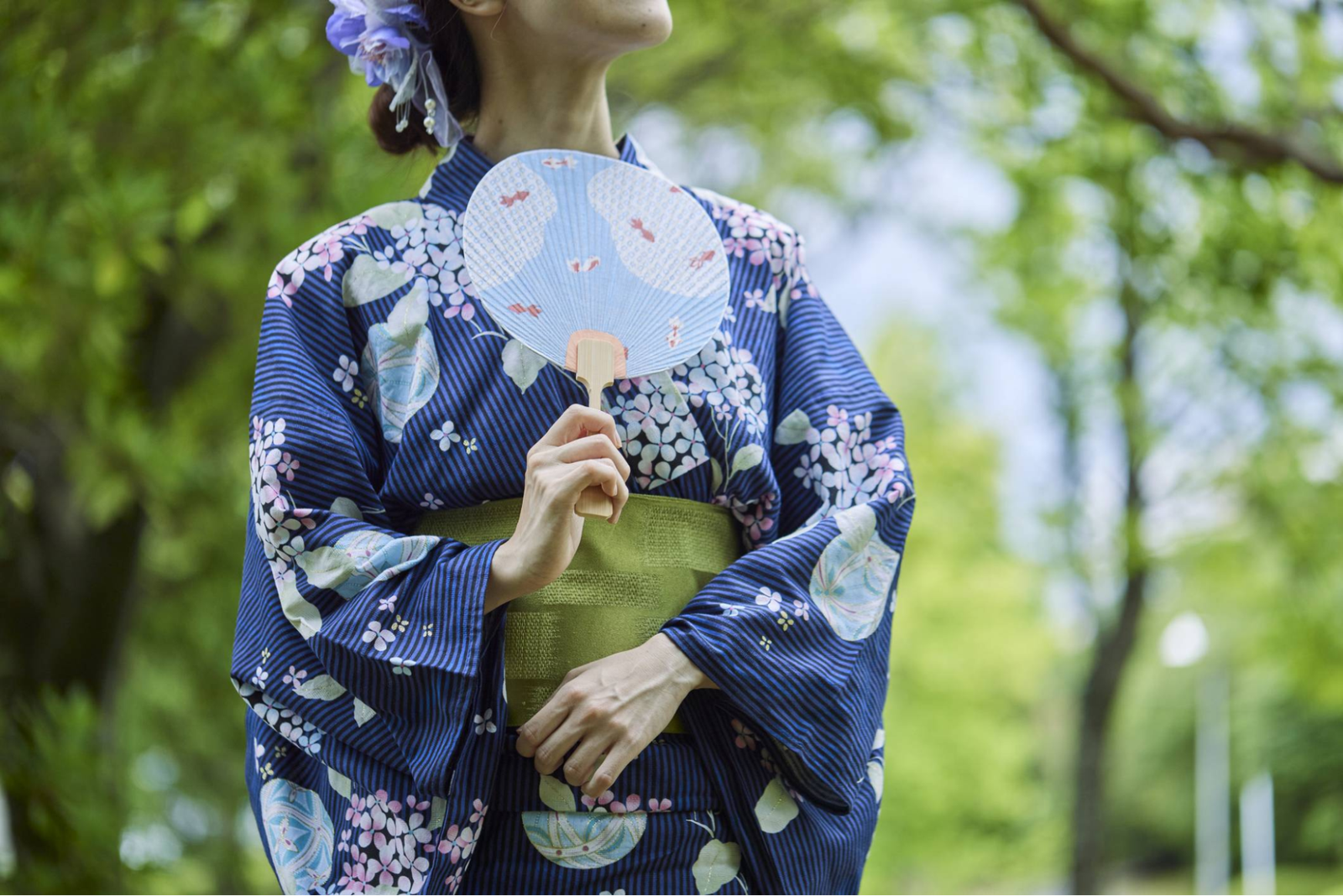
Garments like the yukata remind us that fashion is more than trends.
It preserves craftsmanship, identity, and cultural history.
In a world driven by fast fashion, traditional clothing often represents something increasingly rare.
Intentional design.
The yukata continues surviving because elegance rarely goes out of style.
Frequently Asked Questions
When is a yukata traditionally worn in Japan?
A yukata is most commonly worn during summer festivals, firework events, cultural celebrations, and stays at traditional Japanese inns known as ryokan. Its lightweight fabric makes it especially suitable for warm weather.
Why is the yukata considered more comfortable than a kimono?
The yukata is typically made from lightweight cotton or breathable fabrics and requires fewer layers than a kimono, making it easier to wear and more comfortable during hot seasons.
What does the obi belt do on a yukata?
The obi belt helps secure the garment around the waist while also adding structure and visual balance to the overall outfit. It is an essential part of the traditional yukata look.
Why do modern fashion designers draw inspiration from the yukata?
Designers often admire the yukata’s clean lines, flowing silhouette, and minimalist aesthetic. These characteristics continue to influence contemporary loungewear, resort wear, and modern fashion collections.
How has the yukata remained relevant in modern fashion?
The yukata remains popular because it combines cultural heritage with comfort and timeless design. Its simplicity and versatility allow it to fit naturally into both traditional and contemporary fashion contexts.
Final Thoughts
The yukata is far more than simply traditional Japanese clothing.
It represents comfort, heritage, and refined simplicity.
Whether worn during Japanese summer festivals, admired for its craftsmanship, or studied for its influence on modern fashion, the yukata remains one of the world’s most elegant cultural garments.
Some clothing exists only for style.
Others carry generations of meaning.
The yukata quietly manages to do both.